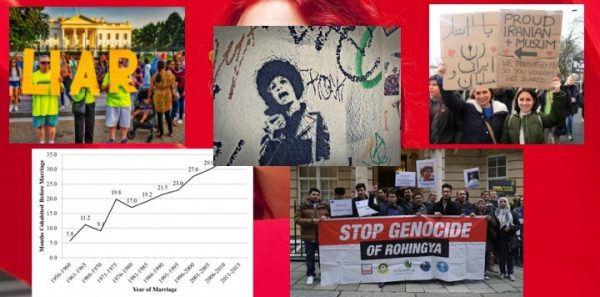
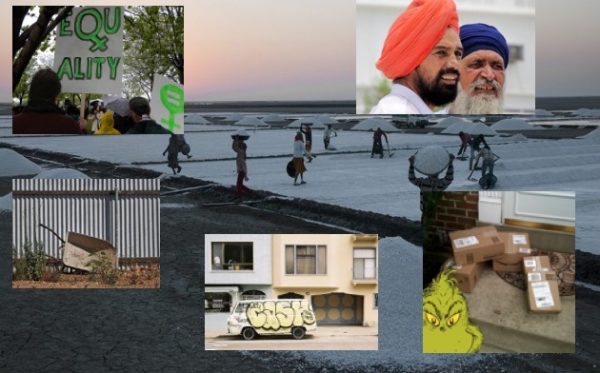
 Looking for some reading material for your winter break? We’ve got you covered. This week we’ve got research on victim rights movements, the relationship between a country’s use of cash and robbery rates, and how cleaning up neighborhoods could help reduce violence. We’ll also be rolling out our *Best of 2018* over the next few weeks, so you can catch up on all the great posts from the year. Enjoy!
There’s Research on That!:
“The Power, Privilege, and Politics of Victim Rights Movements,” by Caity Curry. Recent debates over Marsy’s Law highlight two key lines of research, the power of victim rights movements in the United States and the racial and gender privilege underlying perceptions of victimhood.
Discoveries:
“Show Me the Money!” by Isabel Arriagada. New research in Justice Quarterly finds that countries with higher rates of cashlessness also have lower levels of street crime.
*~* Best of 2018 *~*
“Best of 2018: More Than Just a Walk in the Park,” by Brooke Chambers. Recent work in Sociological Theory finds that going out in public is influenced by social factors like identity and bias.
Clippings:
“How “Cleaning and Greening” Can Reduce Gun Violence,” by Caity Curry. A recent study featured in Huffington Post shows that this simple strategy of cleaning up vacant lots may have some far-reaching impacts on reducing crime.
From Our Partners:
Sociological Images:
“Package Pirates & The Rules of the Gift,” by Evan Stewart.
Contexts:
“Harvesters of the White Desert,” by Sugato Mukherjee.
“A Haunted Generation Remembers,” by Shruti Devgan.
Social Studies MN:
“Dialogue Across Difference,” by Allison J. Steinke.
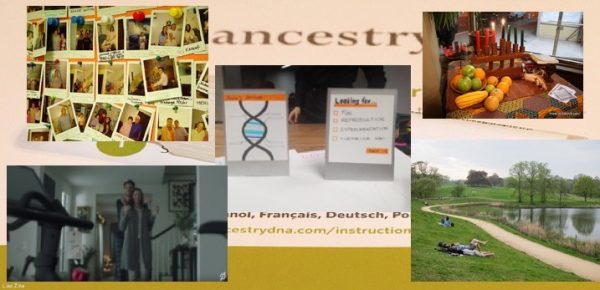 Welcome back! This week we’ve got new pieces on how consumers interpret ancestry DNA test results, how green space may help reduce crime rates, and the surprising way social support matters for cancer treatment.
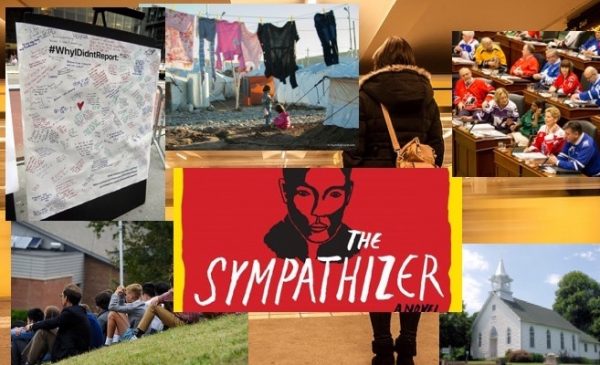 Welcome back! A big thank you to everyone who submitted to our Teach with TSP contest! Stay tuned as we review the submissions. In new content this week, we’re featuring social science research on distant war and selective empathy, elite education, and social barriers to reporting sexual assault. And check out the
  It’s a snowy Friday at TSP headquarters, but that won’t stop us from bringing you the latest sociological takes. This week we’ve got social science research on the social construction of gender and sex, colorblind racism in the constitution, and a new teaching exercise using voter fraud to teach students how to evaluate evidence. And don’t forget TODAY is the deadline to send in submissions for
 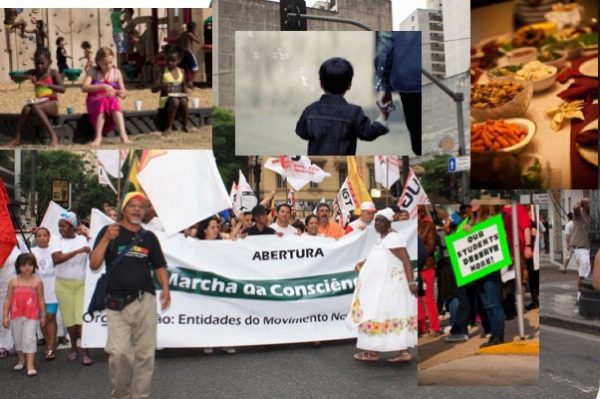 This week we’re thankful for social science research on constructive family conversations, affirmative action in Brazil, transracial siblings’ mistaken identities, and school closings in Chicago. And don’t forget to send us your submissions for
 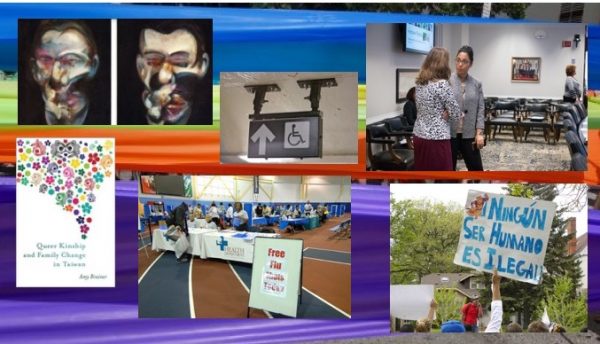 Welcome back! This week we’ve got social science research on civil servants’ emotional wellbeing, perceptions of immigrant illegality, and economic disadvantage among people with disabilities. And don’t forget to send us your submissions for
 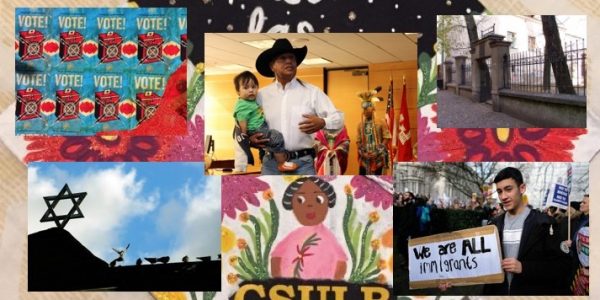 Welcome back to a sociology-filled week at TSP! This week we’ve got research on why the Indian Child Welfare Act matters, how skin tone is related to arrest and incarceration for black Americans, and sociological takes on the recent synagogue shooting in Pittsburgh. And don’t forget to send us your submissions for
 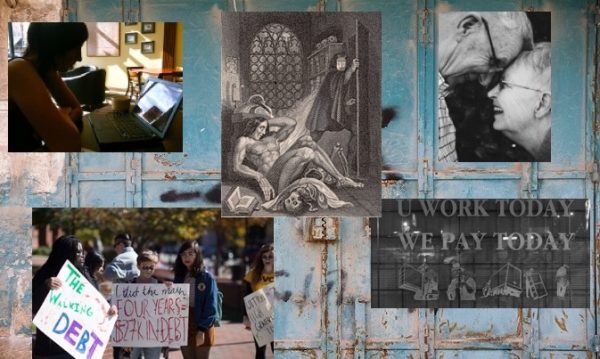 Hi Friends! We’ve got some exciting news this week: TSP is hosting a contest! If you teach with TSP content, tell us how! Details below. This week we have new content featuring social science research on competitive victimhood and conflict, how student debt is racialized, and the blurred lines between work and leisure. You can also read about the myth of poisoned Halloween candy, sexuality in aging adulthood, and nationalism in Korean ice hockey.
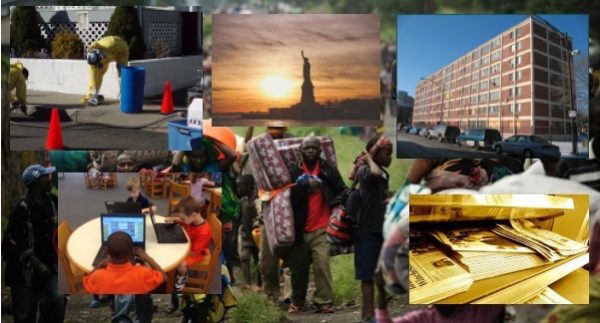 Welcome back! This week we’ve got a new podcast episode featuring Courtney Bell on how she teaches sociology to high schoolers. You can also find social science research on media coverage of immigration, public housing’s mental health benefits, and the trouble with school registration timelines.