Search results for The

Latisha J. let us know about this Special K ad that sexualized dieting (which she read about at Lip-Sticking). The woman (who looks perfectly thin to me), figures out she needs to diet when a button pops off her dress. After she eats the Special K, which we learn can help women lose weight, we see another button pop off, but this time it’s because she’s intentionally revealing more cleavage:

So…popping button because she “needs” to diet = bad, but same woman popping button because she’s trying to look sexy = awesome.

Thanks, Latisha!

Found at Vintage Ads (date not specified).

Ads often connect buying products with giving women freedom and independence. For instance, of course we knew we’d come a long way, baby, once we got our own cigarettes:

The Chase Freedom credit card gives you the liberty to spend money on all kinds of things:

All of these ads use the theme of women’s independence and freedom as something to be purchased. Women don’t get more freedom by struggling for it, and there aren’t any real obstacles; these companies have commodified independence for you, so all you have to do is buy their product and you’re set!

See also here, here, here, here, here, here, here, and here.

Found at The Situationist.

Gwen Sharp is an associate professor of sociology at Nevada State College. You can follow her on Twitter at @gwensharpnv.

We’ve been so busy with PETA, we’ve forgotten about American Apparel.  What does one have to do with the other?  They both sacrifice one social justice issue in pursuit of another.  I find this leftist balkanization–where lefty groups choose one and only one social justice issue and ignore the rest, or even exacerbate them–fascinating.  It leads to, if you will allow me to mix metaphors, a leftist cannibalization.  We are eating ourselves. 

So anyway, American Apparel is American Apparel because they are supposed to care about fair wages.  You know, made in America according to fair labor laws.  Anti-sweatship and all that good stuff.  What a lovely thing.  Except… their ads (stolen from Copyranter).  They make me want to wash my eyes out with soap. 

Um… not safe for work.

more...

NEW!

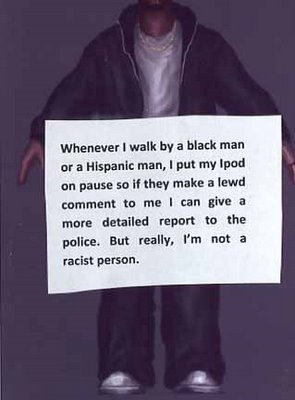
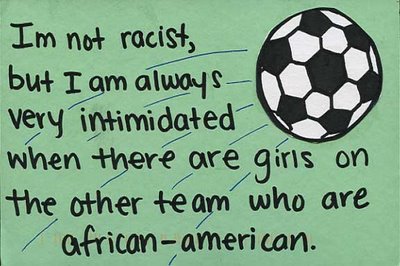
intimidated1

All found at PostSecret.

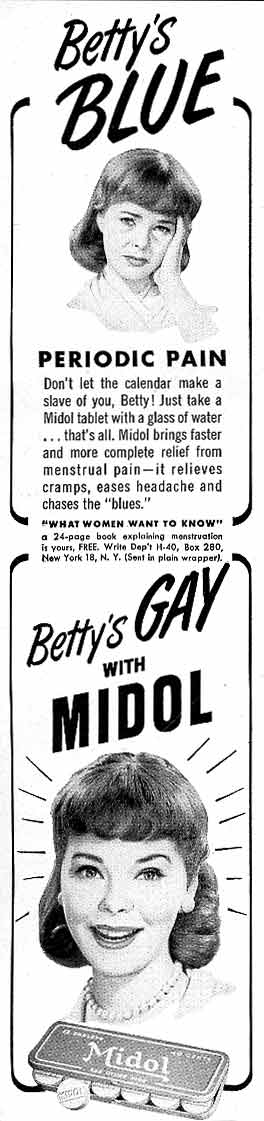
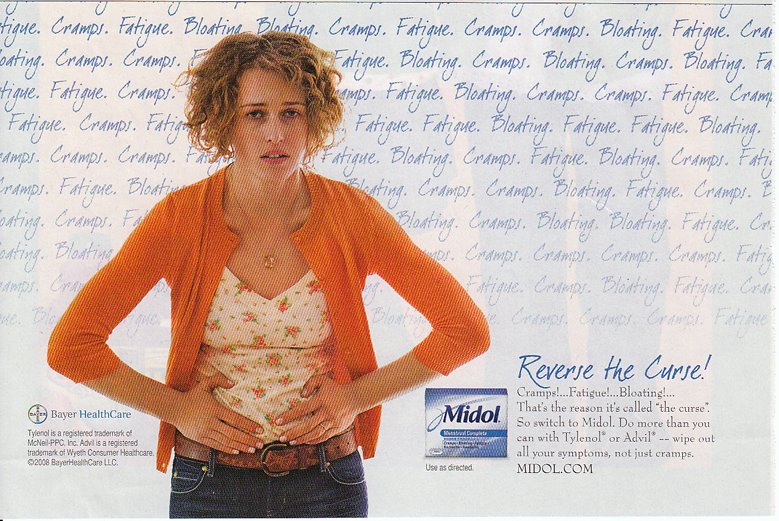
Hmmm… which Midol ad will you hate/love the most?

This one is from the 1960s (found here via Pam’s House Blend):

This one is from the 1990s (found at Feministing):

This is a brand new ad campaign from Midol (found at MultiCultClassics).  The text says “Reverse the Curse!”  The curse, of course, being women’s punishment for original sin. 

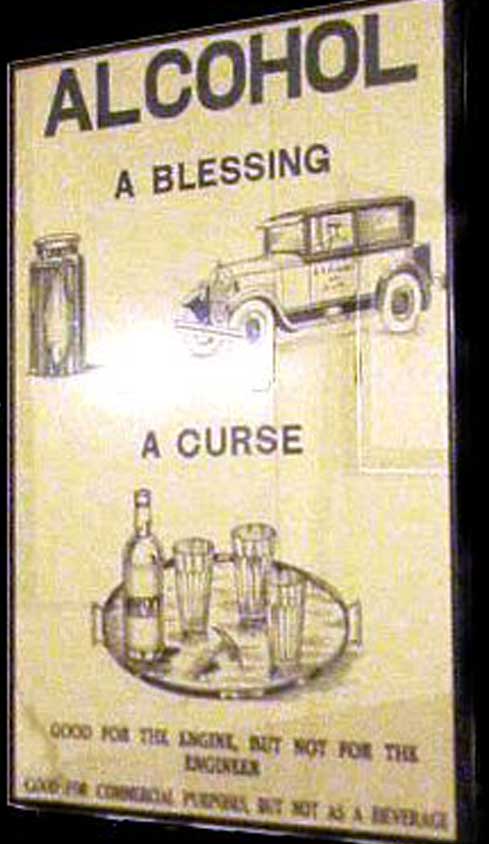
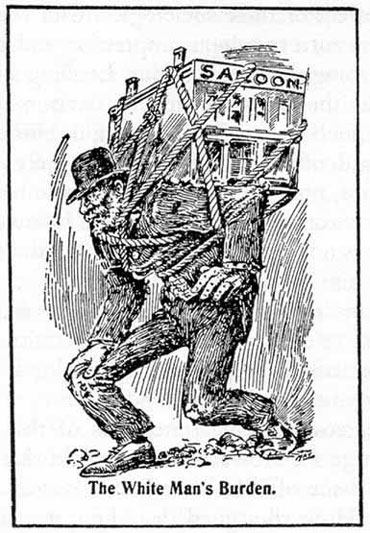
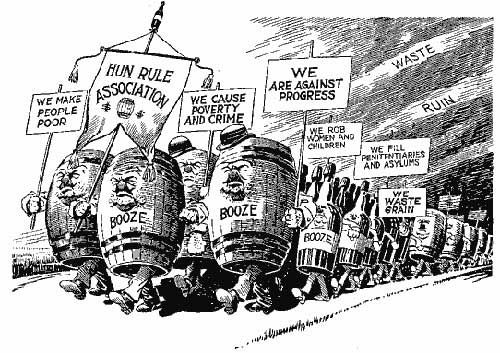
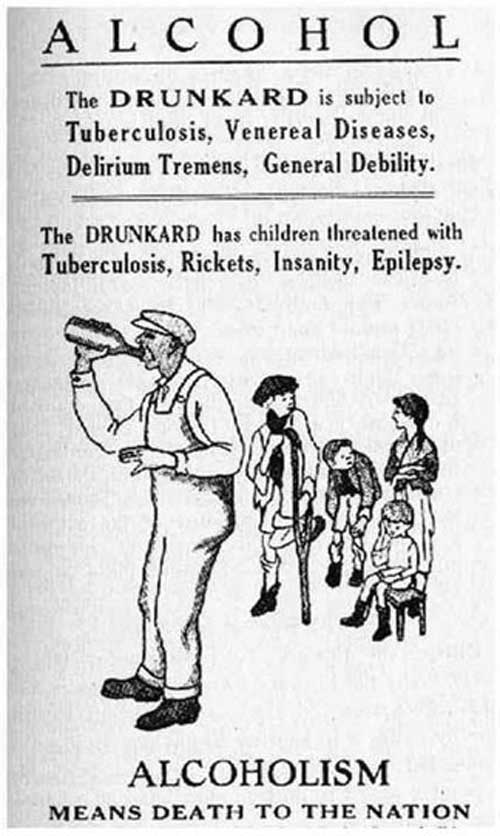
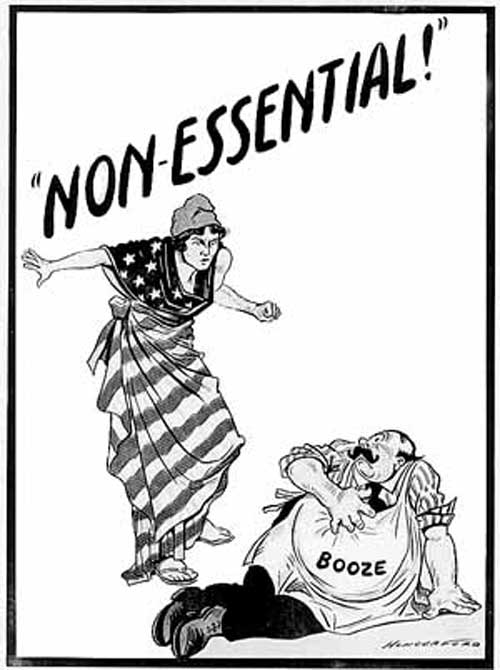
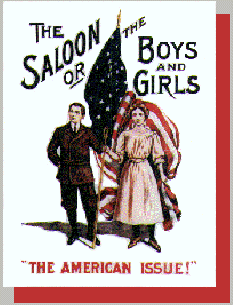
I found most these images at Photo Basement, but all were originally posted at The November Coalition’s Random History of Alcohol Prohibition page.

“Good for the engine, but not for the engineer. Good for commercial purposes, but not as a beverage.”

The white man’s burden isn’t infantile non-whites in need of oversight, it’s saloons.

Connecting drinking alcohol with nationalism and the downfall of America.

Again, being anti-alcohol is patriotic.

Do you love drink more than you love your children? Or America?

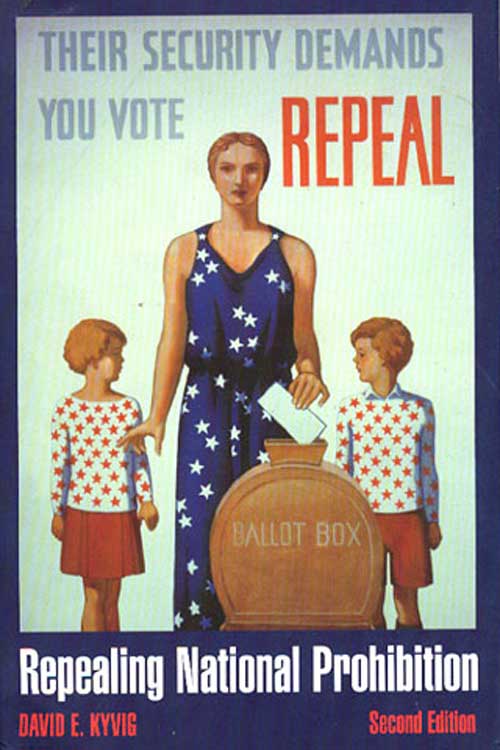
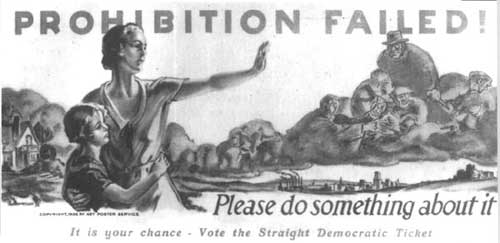
But we see many of the same themes in the anti-Prohibition campaign:

So now if you love your kids and want them (and, implicitly, America) to be secure, you’ll repeal Prohibition.

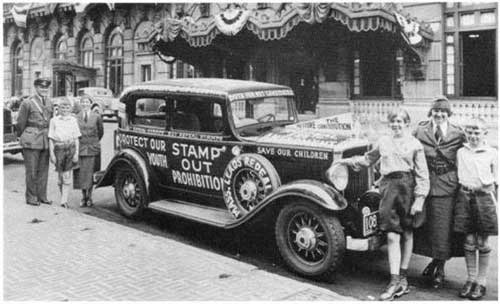
“Protect our youth. Stamp out Prohibition. Love our children.”

At first I wasn’t sure if this was pro- or anti-Prohibition (asking people to vote to repeal it, or to overturn the repeal). But according to this history of Prohibition, Democrats came out with a “wet” (anti-Prohibition) platform as a way of drawing “ethnic” (i.e., European immigrant) and working class votes. So the message here is that we need to protect our children (and wives?) from the hordes of gangsters and bootleggers who emerged because of Prohibition, and their way to do this is to vote Democratic.

Thanks for the tip, Miguel!

Gwen Sharp is an associate professor of sociology at Nevada State College. You can follow her on Twitter at @gwensharpnv.

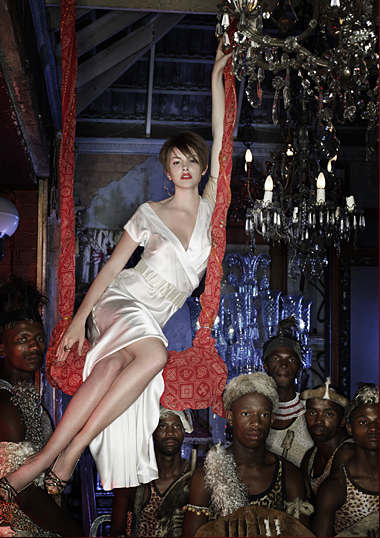
The image below is from the latest episode of Britain’s Next Top Model (image found here).  I would comment, except I just recently wrote almost exactly what I would write for this post here.  You might also want to look here and here and here and also here for historical context.

Dude, we are so not making this stuff up.

Thanks to an anonymous tipster in our comments!  Don’t forget you can always email us tips at socimages@thesocietypages.org.

Lisa Wade, PhD is an Associate Professor at Tulane University. She is the author of American Hookup, a book about college sexual culture; a textbook about gender; and a forthcoming introductory text: Terrible Magnificent Sociology. You can follow her on Twitter and Instagram.