Search results for The

In this series I have offered five explanations of why people of color are included in advertising. Start with the first in the series and follow the links to the remaining four here.

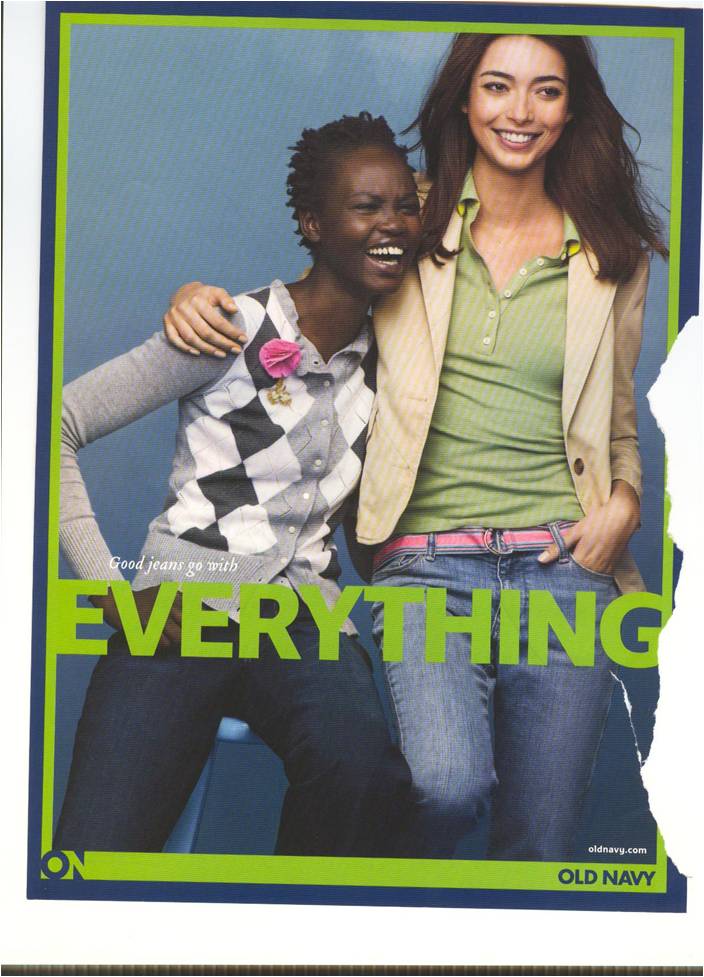
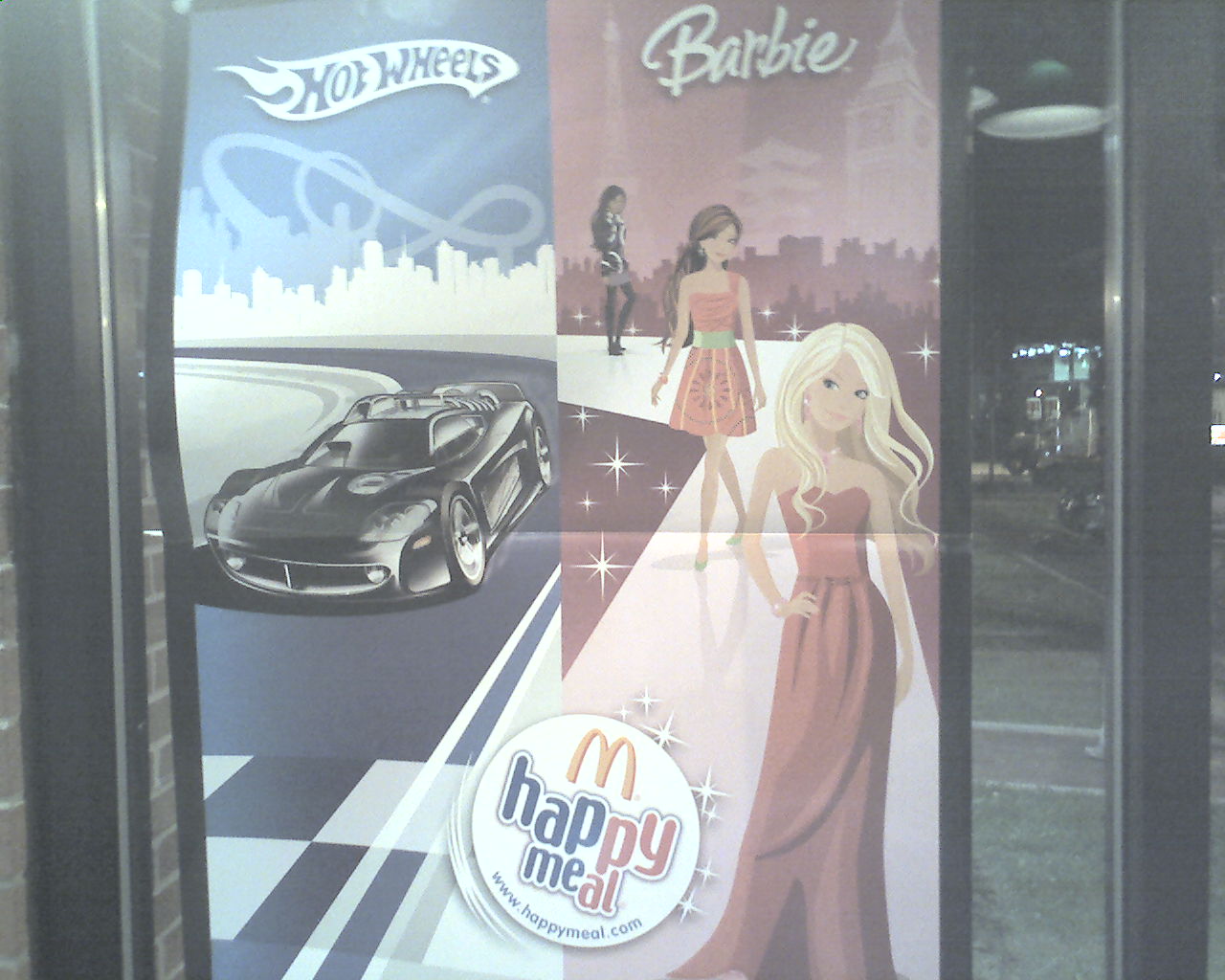
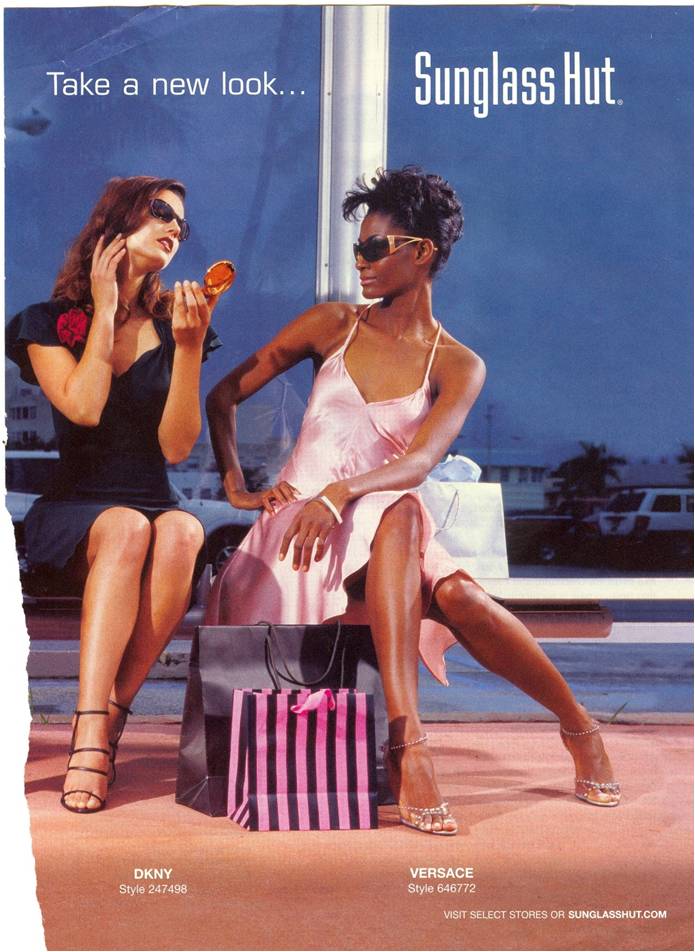
I am now discussing how they are included. Already I have shown that people of color are often whitewashed and that they tend to be chaperoned.  Here I show that, when people of color are included, they are often subordinated through placement and action.  That is, they tend to be literally background or arranged so that the focal point (visually or through action) is the white person or people in the ad.  You’ll see a lot of this in the previous posts in this series if you go back and look again.

Darin F. sent in this example from a poster for McDonalds Happy Meals. He noted the way in which the women were arranged, closest to furthest, by skin color:
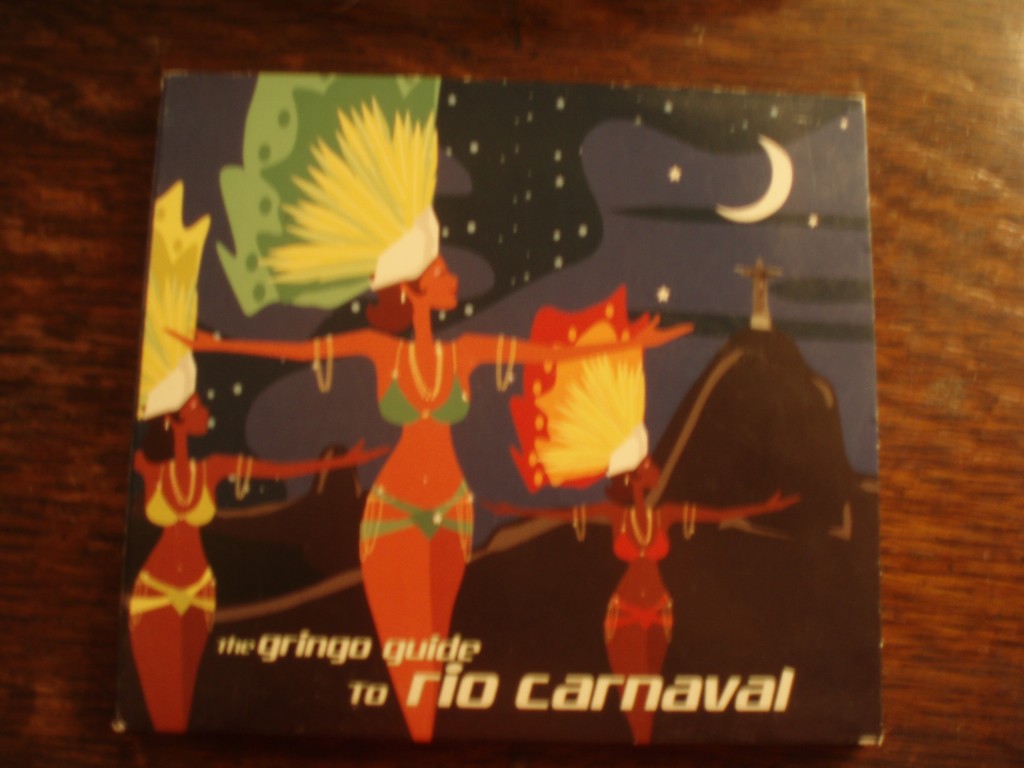
NEW! I found another example of this skin color hierarchy, this time on a CD cover:
p1010018

More instances in which people of color are background:
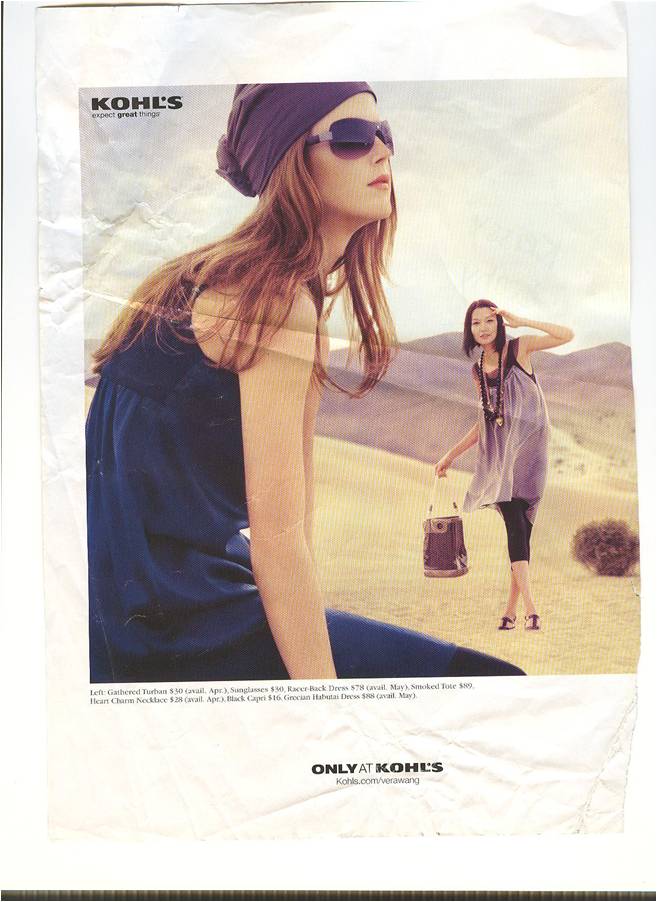
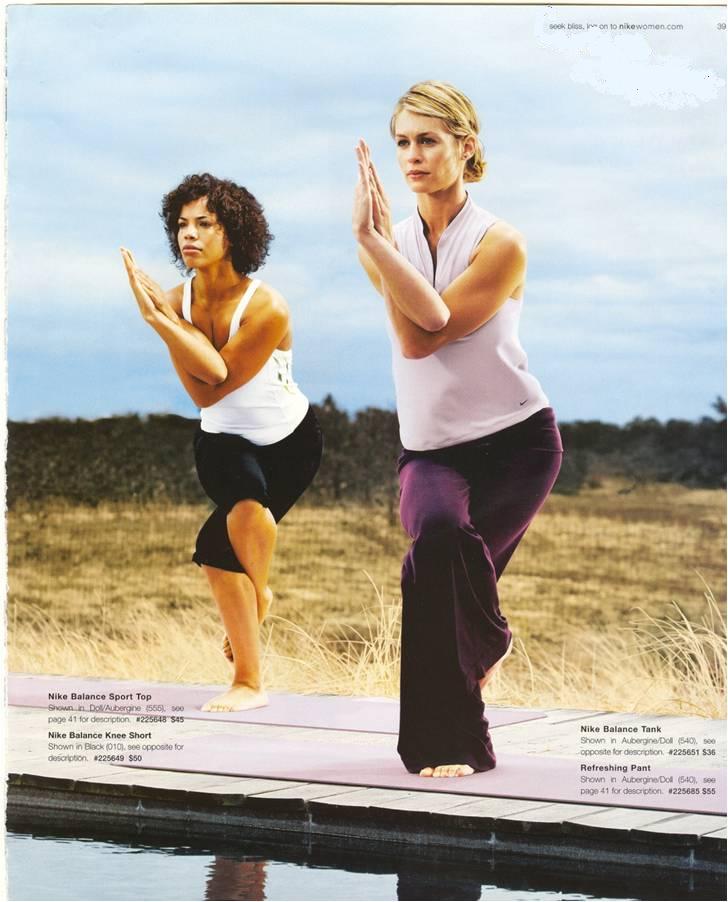
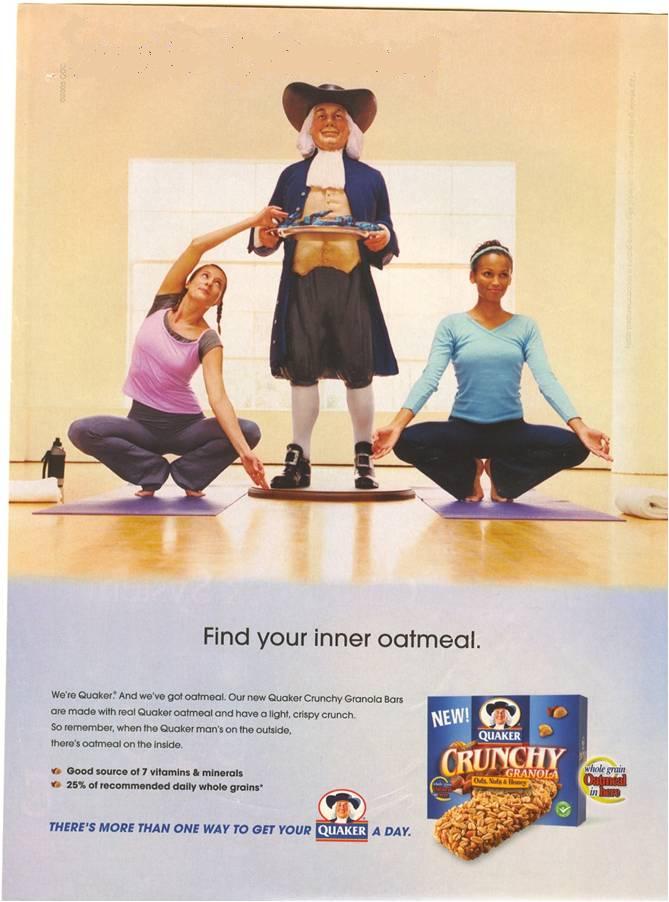
In the next two ads, the center of attention–or the action–is where the white woman is: 
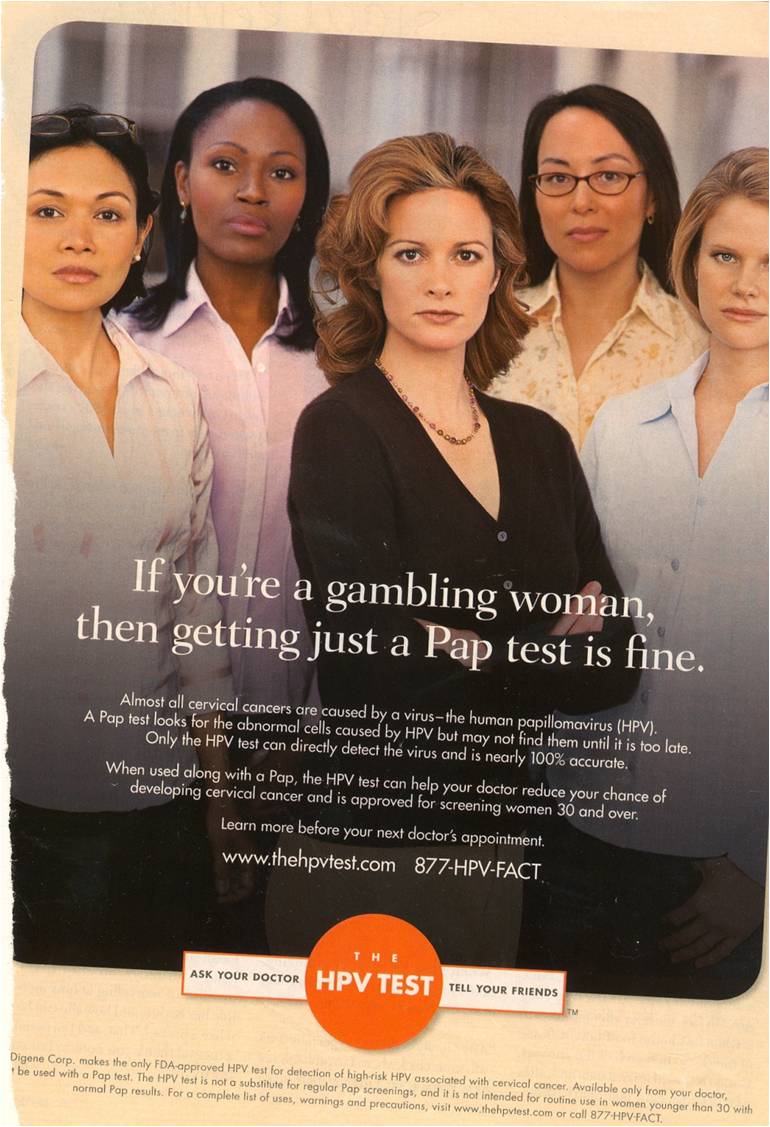
Notice how in this ad, while there are three women of color (an exception to the tendency for people of color to be chaperoned), the woman front-and-center is clearly white:
Something similar is going on in these next two ads:
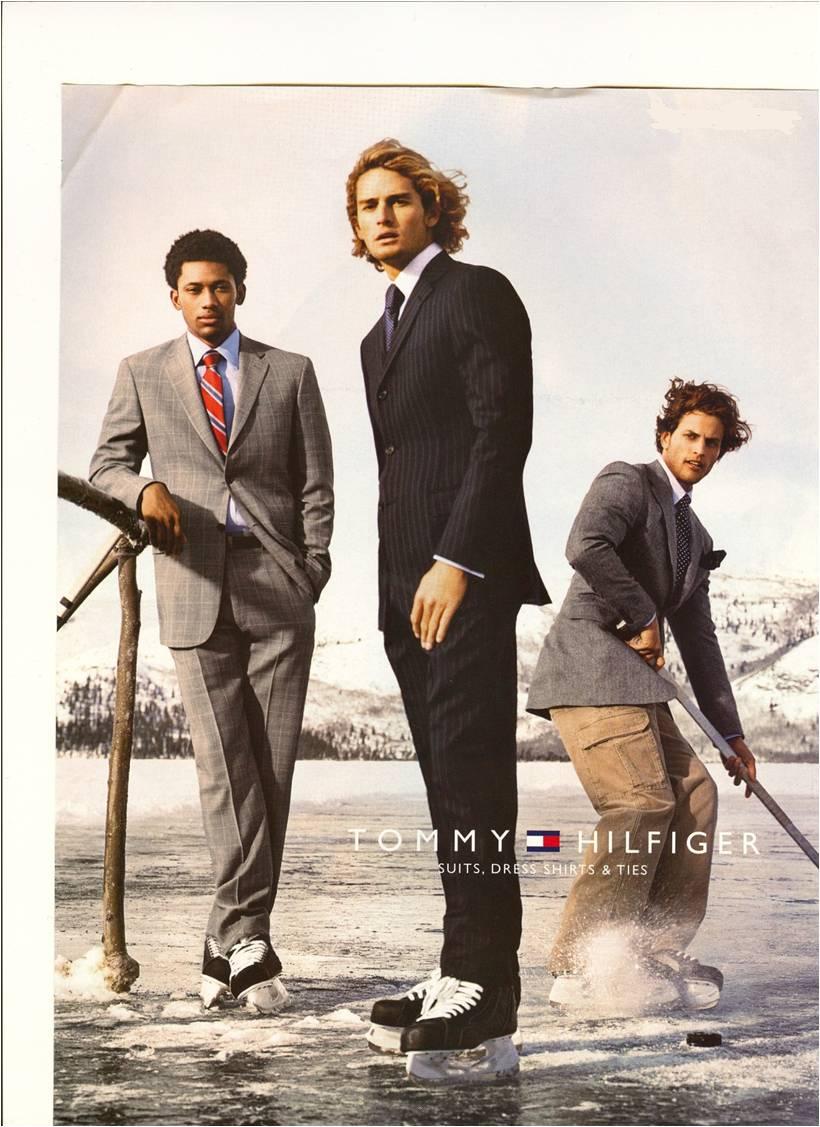
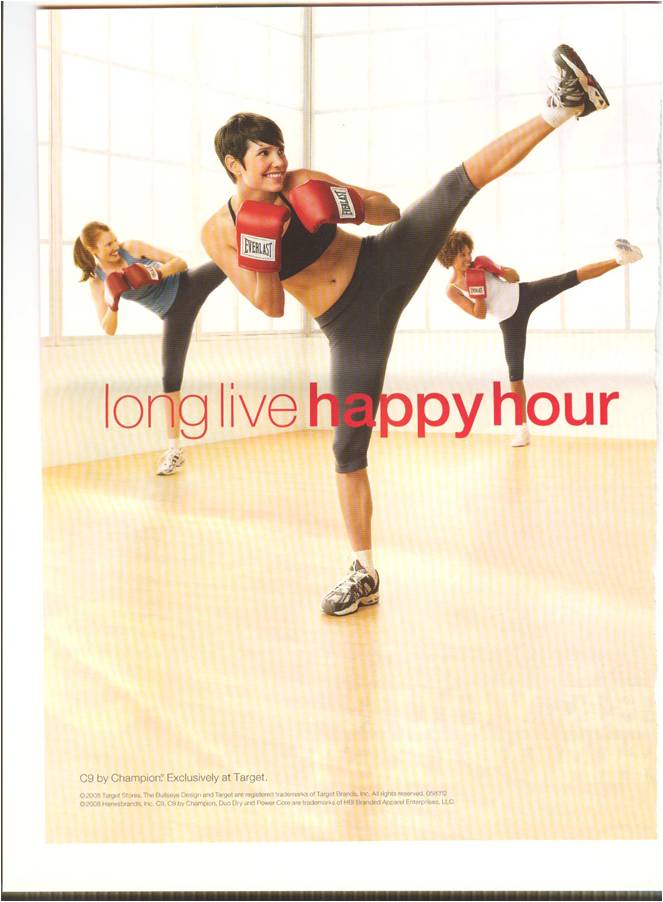
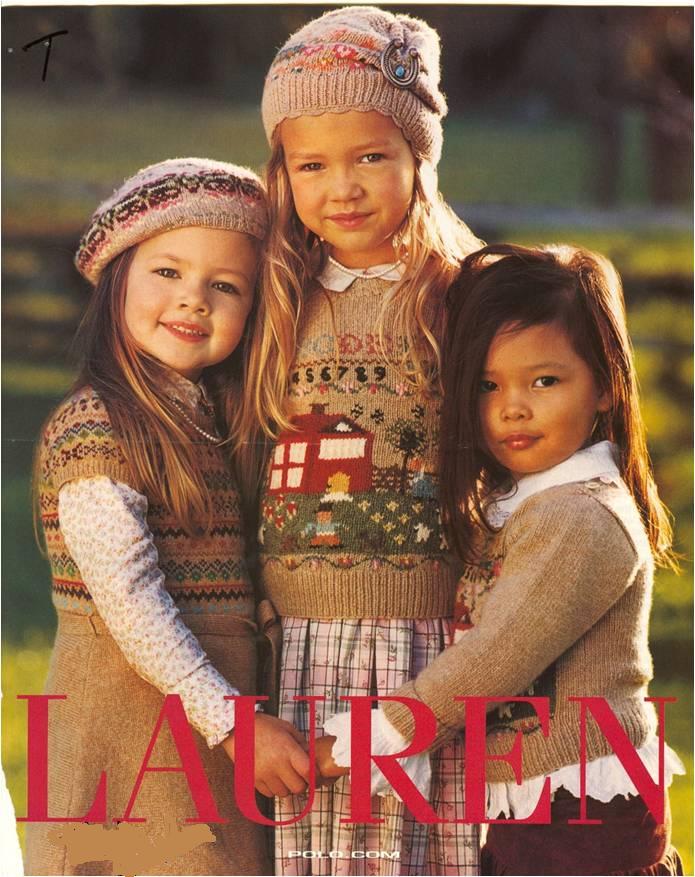
The hierarchy of height:

As Jean Kilbourne points out in her docmentary, Killing Us Softly, this visual representation of racial hierarchy tends to be found unless another axis of hierarchy is at work:
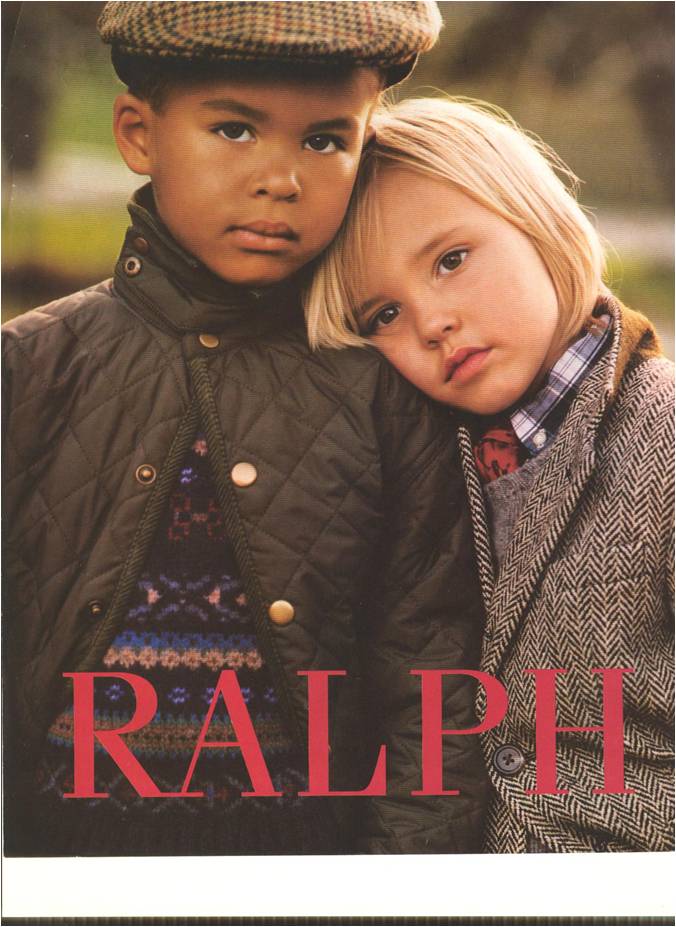
NEW (Mar. ’10)! Anina H. sent in this New York State flier advising mothers on feeding their babies.  Notice that the flier includes women of three different races, but the ideal mother (“YOUR PRICELESS BREASTMILK!!!”) is white:
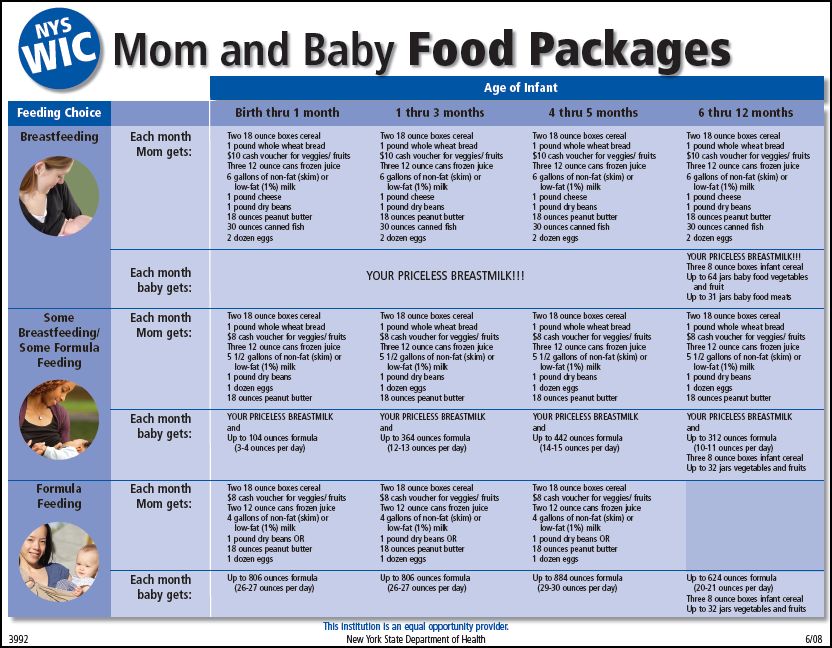
NEW (July ’10)! Naomi D. saw this welcome banner at the entrance of a Methodist Church.  Notice how the racial hierarchy is represented on the banner with a White woman and child on the top, an Asian man below her, and a Black woman at the bottom of the banner:

As always, I welcome your comments!

Next up: Interracial dating, the last taboo.

Also in this series:
(1) Including people of color so as to associate the product with the racial stereotype.
(2) Including people of color to invoke (literally) the idea of “color” or “flavor.”
(3) To suggest ideas like “hipness,” “modernity,” and “progress.”
(4) To trigger the idea of human diversity.
(5) To suggest that the company cares about diversity.

How are they included?
(6) They are “white-washed.”
(7) They are “chaperoned.”
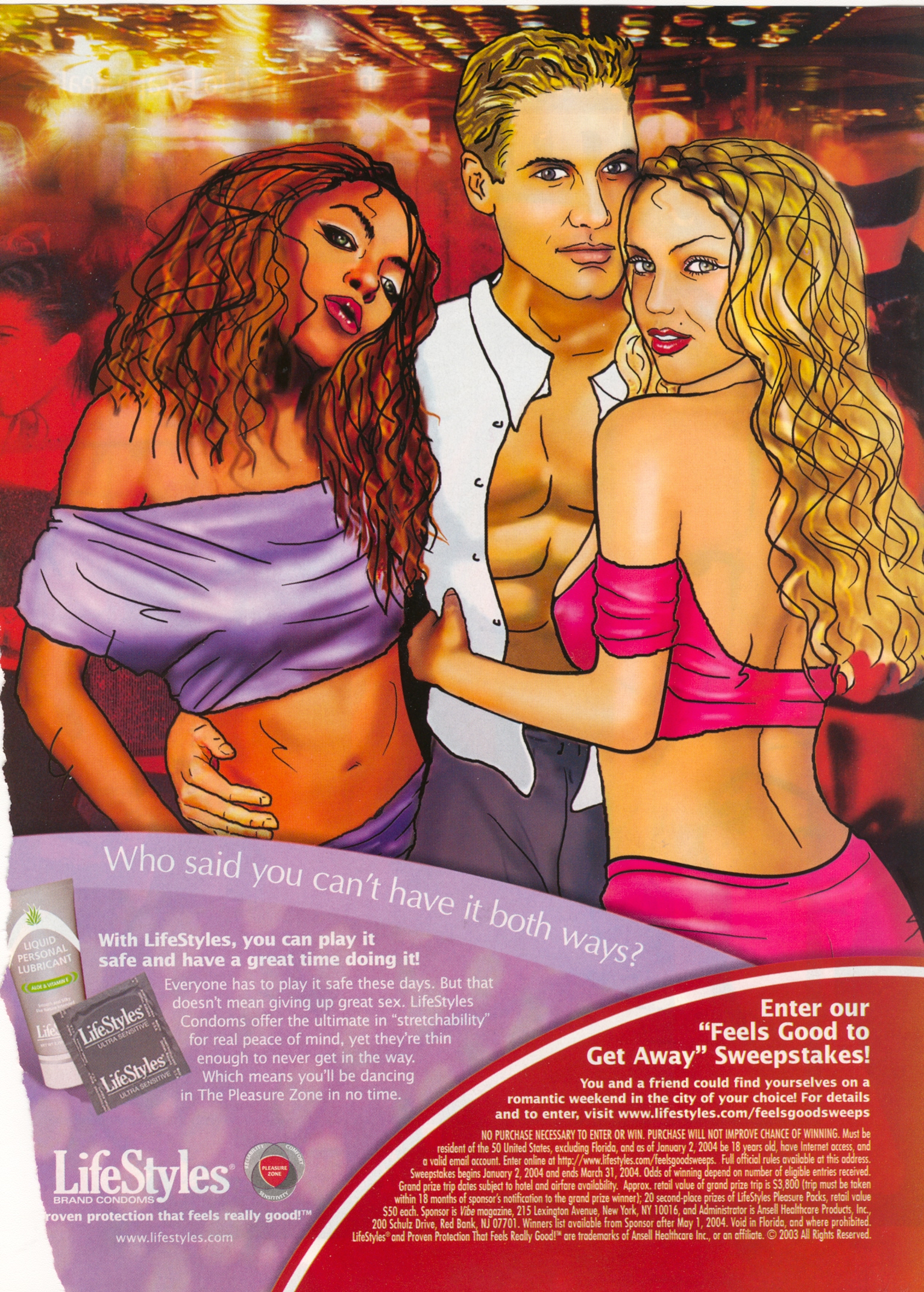
In this ad, the copy, which reads “Who said you can’t have it both ways,” refers explicitly to both “play[ing] it safe” with condoms and having “a great time” with “great sex.”  Of course, implicitly, it also means not choosing between black and white women.  Women are, in the subtext, objects to “have” and black and white women are very different kinds of objects. 

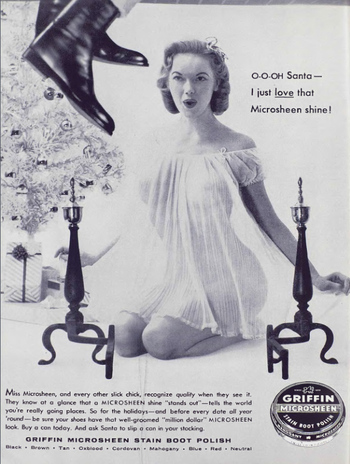
Ben O. brought our attention to a series of sexist ads for Griffen Microsheen boot polish. Here’s one for your Christmas viewing pleasure:

I’m sure Santa was pleased that he could see her nipples through her nightie.

Lots more Microsheen ads at Found in Mom’s Basement.

Thanks, Ben!

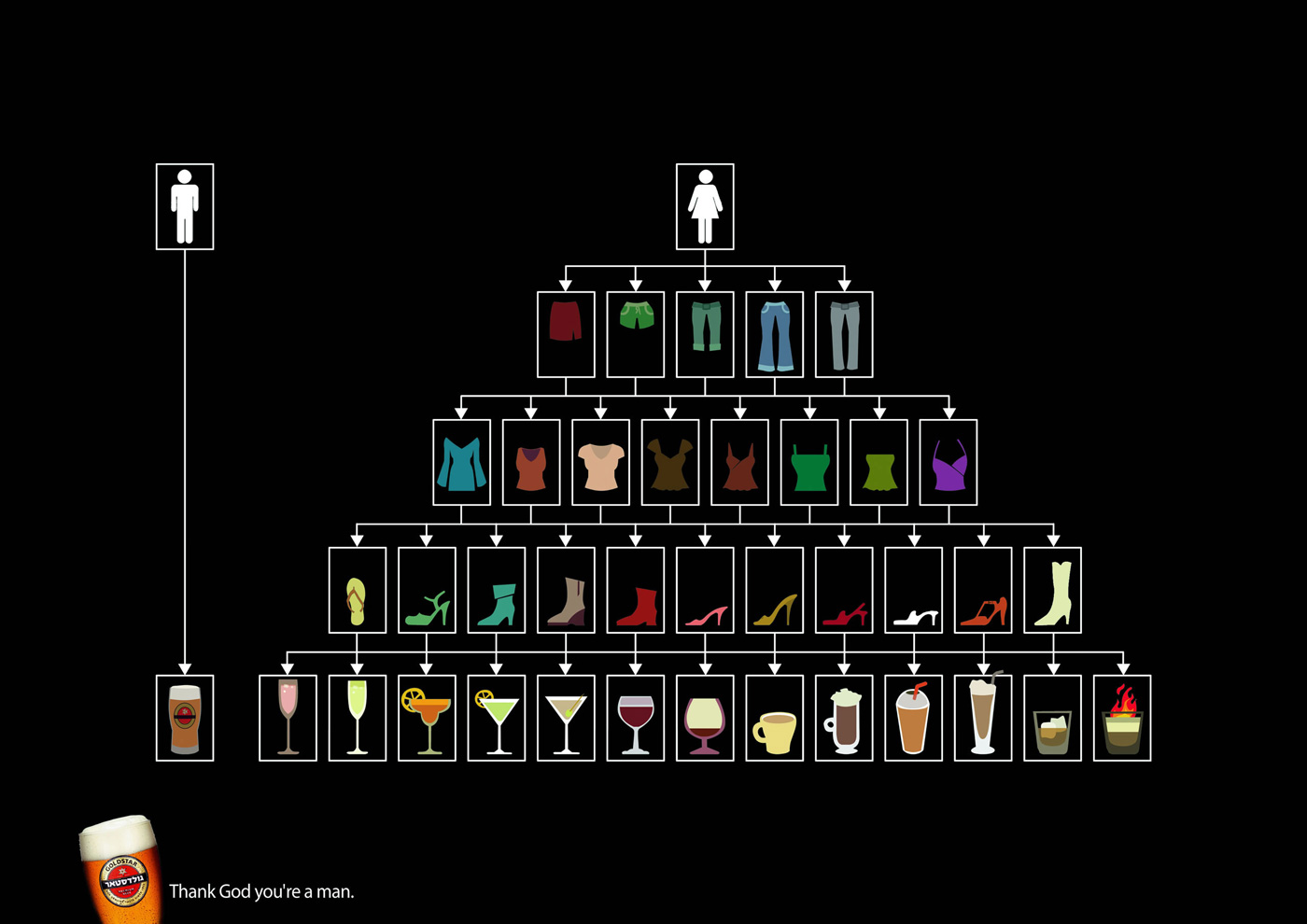
In The Gendered Society, Michael Kimmel argues that women often have to be very careful how they dress, lest they be seen as too frumpy, too old, too slutty, too smart, trying to hard, etc.  In comparison, men can often just go as a guy.

Two examples:

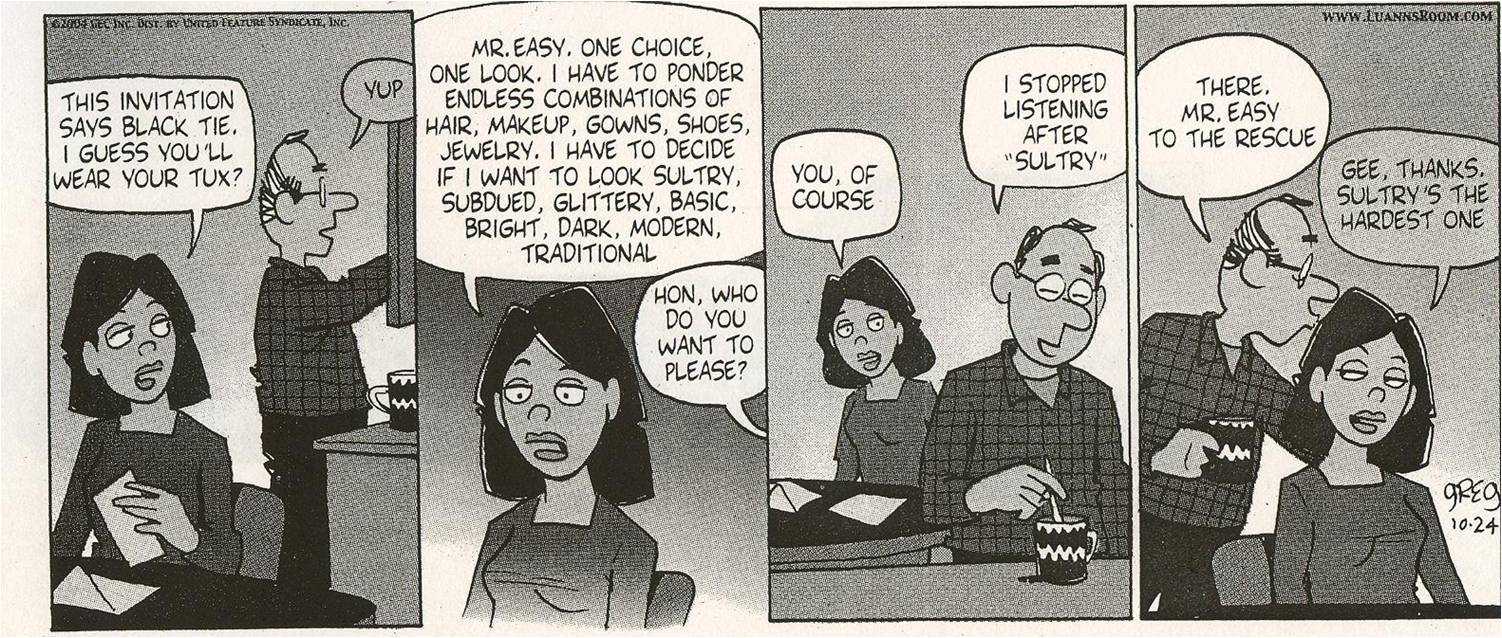
Nancy: The invitation says black tie, I guess you’ll wear your tux?

Frank: Yup.

Nancy: Mr. Easy.  Once choice, one look.  I have to ponder endless combinations of hair, makeup, gowns, shoes, jewelry.  I have to decide if I want to look sultry, subdued, glittery, basic, bright, dark, modern, traditional…

Frank: Hon, who do you want to please?

Nancy: You, of course.

Frank: I stopped listening after “sultry.”  There, Mr. Easy to the rescue.

Nancy: Gee, thanks.  Sultry’s the hardest one.

The fact that women can’t just be a “person” at the bar or the black tie event is related to the fact that women are a marked category, while men are culturally neutral.  That is, women are women and men are people.  For more posts on this idea related to gender and other categories, see this post on toys for kids and our post on that famous real bodies exhibit.

(I found the first image here; the LuAnn cartoon was given to me by Myra M. F.)

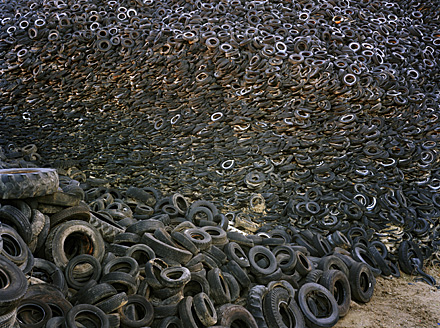
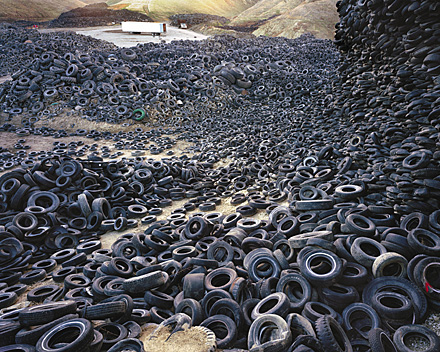
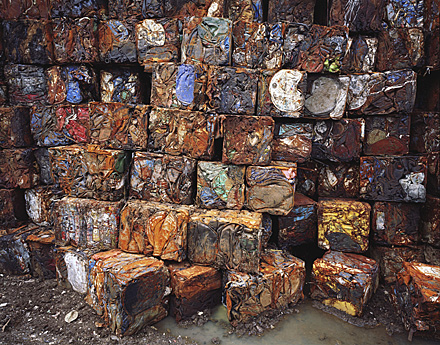
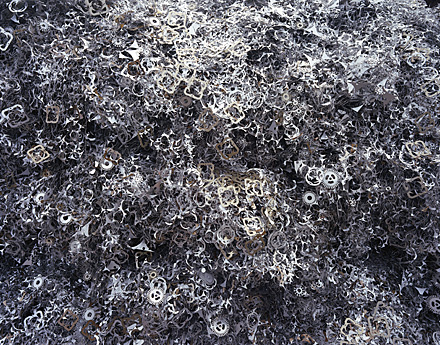
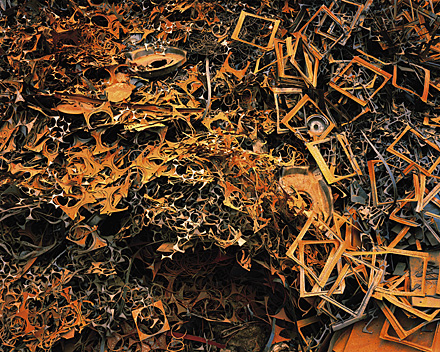
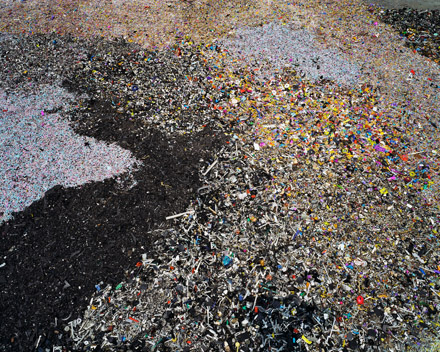
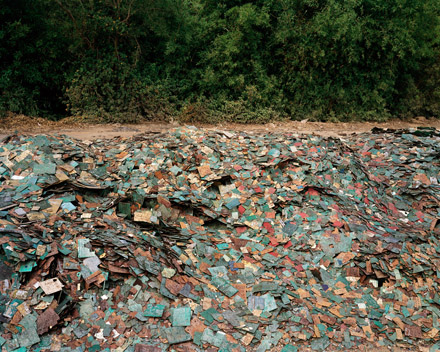
In a previous post, I shared some photographs by Edward Burtynsky of oil fields and mines.  Burtynsky takes pictures with an eye towards the modern global economy. This set documents massive piles of waste sorted for recycling:

Three pictures of the Oxford tire pile in Westley, California (1999):

Densified Oil Drums in Hamilton, Ontario (1997):

Metal for recycling in Hamilton, Ontario (1997):

Metal for recycling in Hamilton, Ontario (1997):

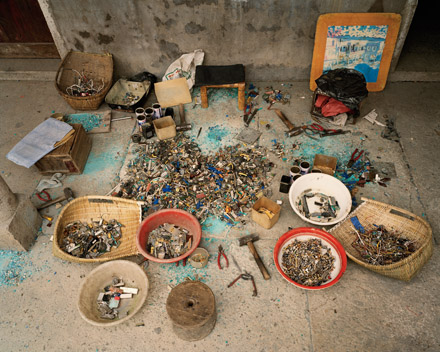
Plastic toy parts in Guiyu, Guangdong Province (2004):

Circuit boards in Guiyu, Guangdong Province (2004):

Recycling work station (I believe the worker is taking apart computers) in Zenguo, Zhejiang Province (2004):

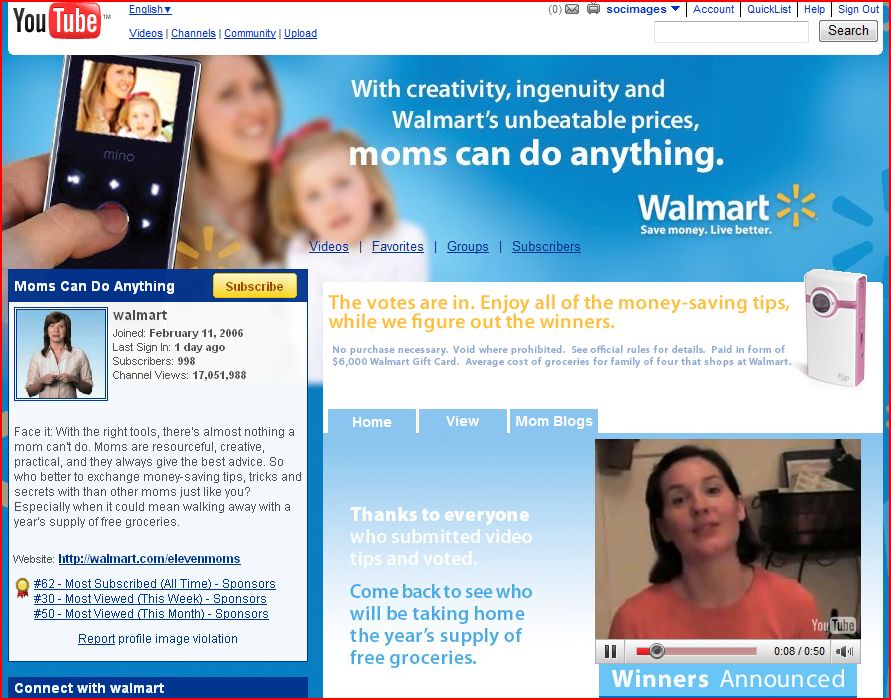
Stephen W. sent us a link to a Walmart YouTube channel that recreates the supermom mythology.  The website encourages moms to submit videos of themselves explaining how they’ve figured out how to save money while shopping, cooking, and cleaning.  The website reads:

With creativity, ingenuity, and Walmart’s unbeatable prices.  Moms can do anything.

(I bet they can’t coupon us out of this economic crisis though.)

Here’s a screen shot:

My first thought was: So apparently the wife is the one doing all the spending and, if she is a good little wife, she’s frugal and makes her husband’s hard-earned money go further.  This would reproduce the husband as money-earner/wife as money-spender stereotype.

But then I realized: There’s no mention a dad or any earner anywhere on the front page.  It’s nothin’ but moms.


Aaron B. sent in this 1947 video clip (found here), titled “Are You Popular?”:

Notice the caution to women: if you go “parking with all the boys,” you might think you’re popular, but you’ll ultimately find yourself ostracized and friendless. To be really popular, you need to be well-dressed, have the respect of girls at school, and carefully guard your reputation.

Thanks, Aaron!

Gwen Sharp is an associate professor of sociology at Nevada State College. You can follow her on Twitter at @gwensharpnv.

In my post a few weeks back about stuff kids bring to college, I had a photo of a teddy bear lying atop a pile of belongings that included pink bed linens. Obviously, it belonged to a girl. (There was a purse in the picture, but even without it. . . .)

A couple of days later, Lisa at Sociological Images had a post reminding us that pink was once the color for boys. She linked to an article by Ben Goldacre in the Guardian.

The Sunday Sentinel in 1914 told American mothers: “If you like the colour note on the little one’s garments, use pink for the boy and blue for the girl, if you are a follower of convention.”

Goldacre uses this bit of history to debunk the claim recently made by evolutionary psychologists that girls’ preference for pink was an outcome of evolution.

But what about the teddy bear? Isn’t there something feminine, a maternal instinct perhaps, that leads girls to keep these soft, childhood objects? It is only girls, right?

Wait, now I remember seeing NYC sanitation trucks with a teddy bear mounted on the grill like a bowsprit mermaid. And Sebastian Flyte in Brideshead Revisited who takes his bear Aloysius with him to Oxford.

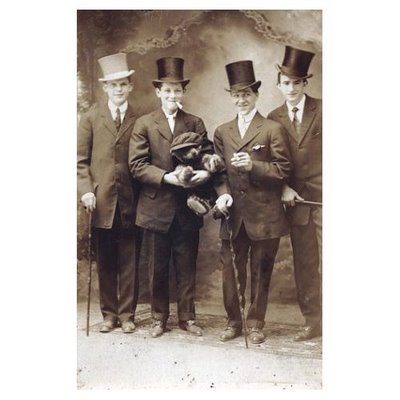
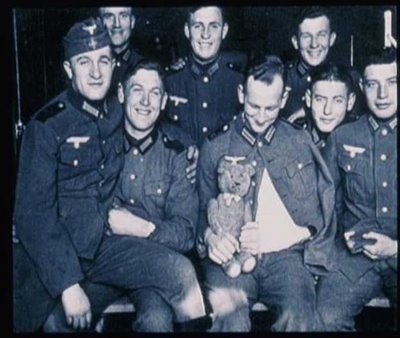
Now there’s a DVD* about a Teddy bear snapshot exhibition by Canadian Ydessa Hendeles – thousands of photos from the early twentieth century of people posing with their bears. And it’s not just girls.

*The DVD is of a documentary film by Agnès Varda, who interviews the visitors to the exhibit.

Hat tip to Magda

Jay Livingston is the chair of the Sociology Department at Montclair State University. You can follow him at Montclair SocioBlog or on Twitter.