Search results for The

You like!  Here are our most appreciated posts this month:

Thanks everybody!

Editor’s picks:

In other news:

We put together a new Pinterest board: Racist Antics at Colleges and High Schools.

We reached 10,000 followers at our new Tumblr page. Please feel free to follow us there. We’re putting up all our new stuff, plus the best material from our archives.

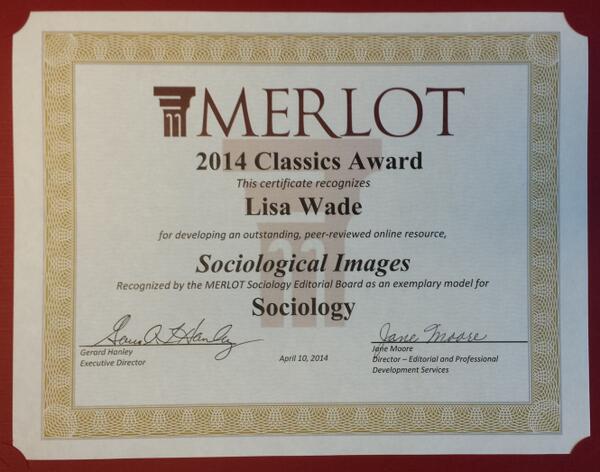
We’re so honored to receive an award from MERLOT, the Multimedia Educational Resource for Learning and Online Teaching!  We’re so grateful to know that instructors find the site useful. 1 (2)
Flashback Friday.

Non-white people are increasingly being featured in advertisements and a principled interest in “diversity” is not the only, or likely even the main motivation.

In this series, I share some ideas about why and how people of color are included in advertising aimed primarily at whites.  This post is about the inclusion of people of color in ads to invoke the idea of “color,” “flavor,” or “personality.”

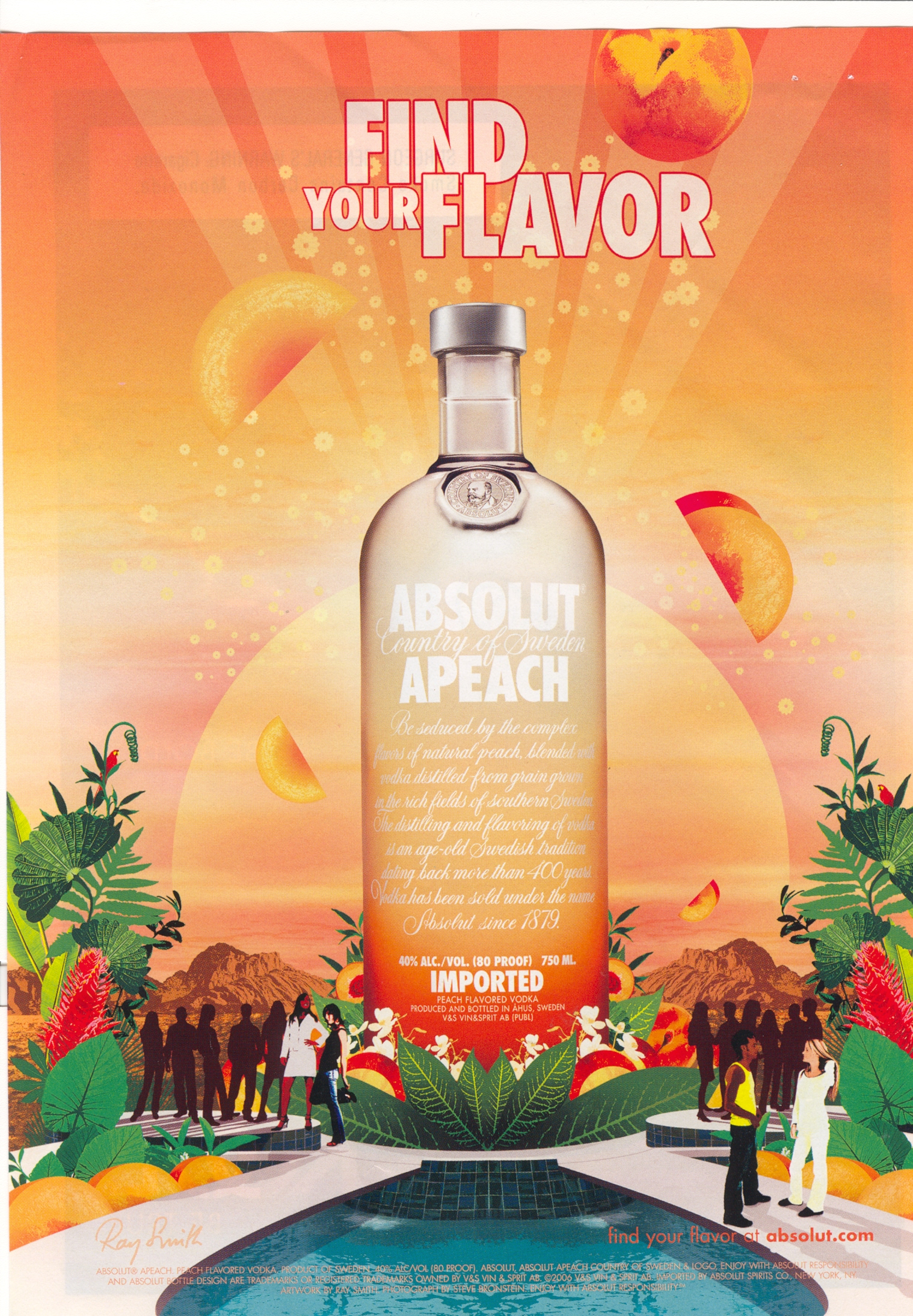
Consider, this ad for Absolute Vodka Peach (“Find Your Flavor”) includes two white and two brown people, plus a set of silhouettes.

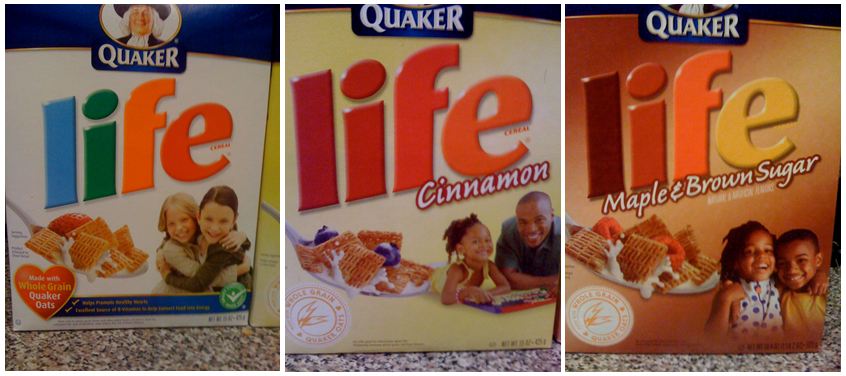
Holly F. and Lafin T.J. sent in three Life cereal box covers.  Notice that “regular” Life has white people on the cover, while cinnamon and maple and brown sugar flavors have people of color on their covers:

1

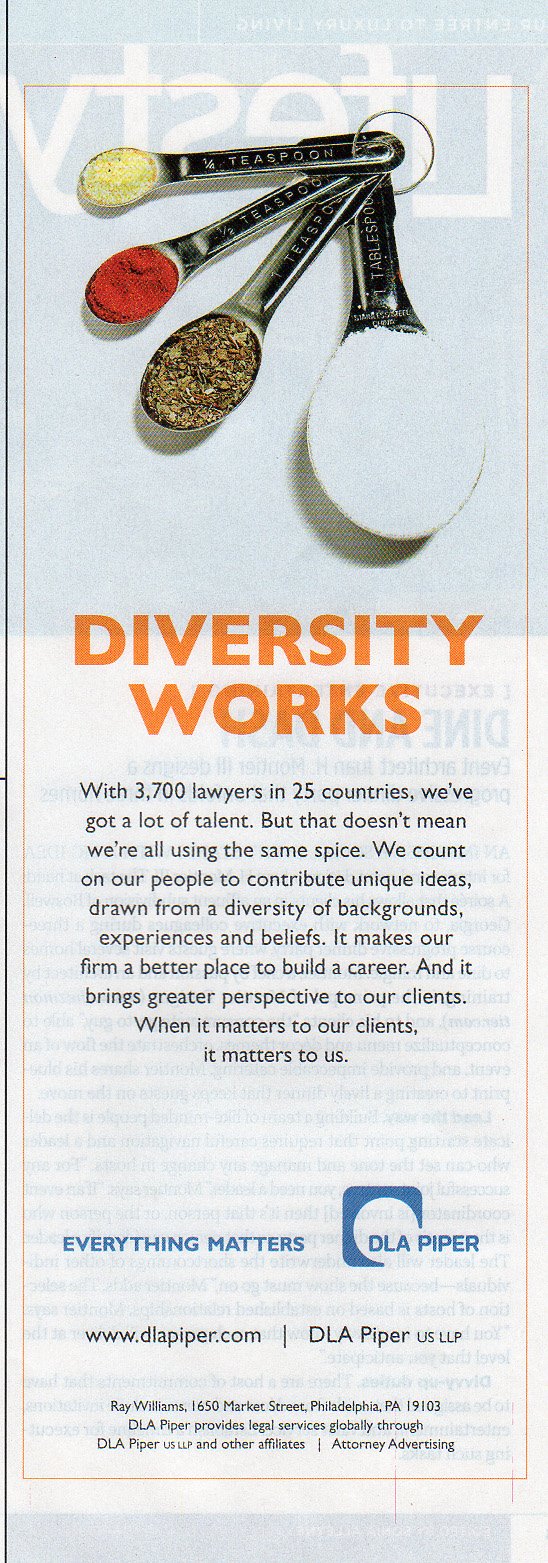
In this pro-diversity ad, spice is literally used to represent diversity (via MultiCultClassics).  (Just a bit misguided too: Just a teaspoon or less of color, please.)

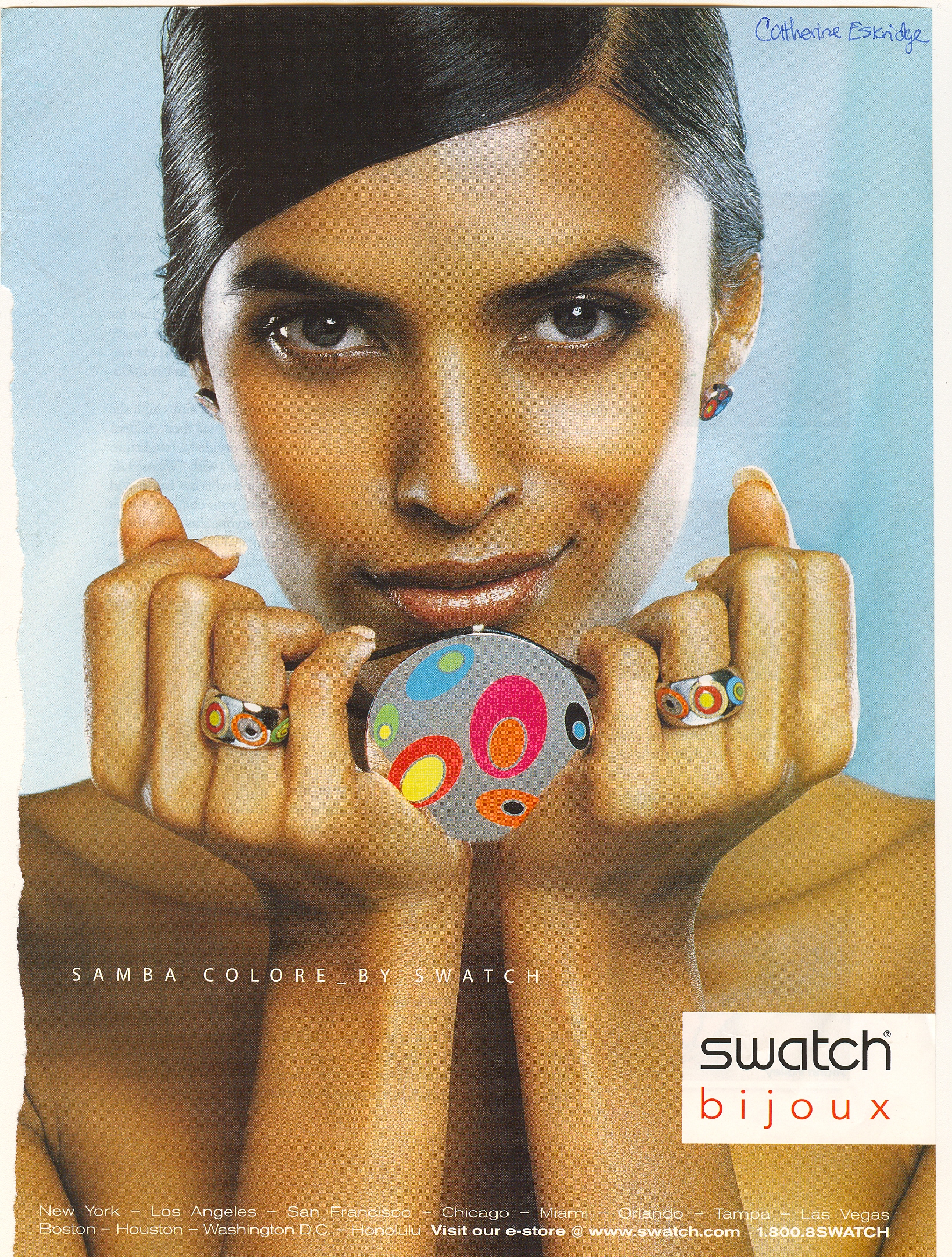
This ad for Samba Colore by Swatch also uses a model of color:

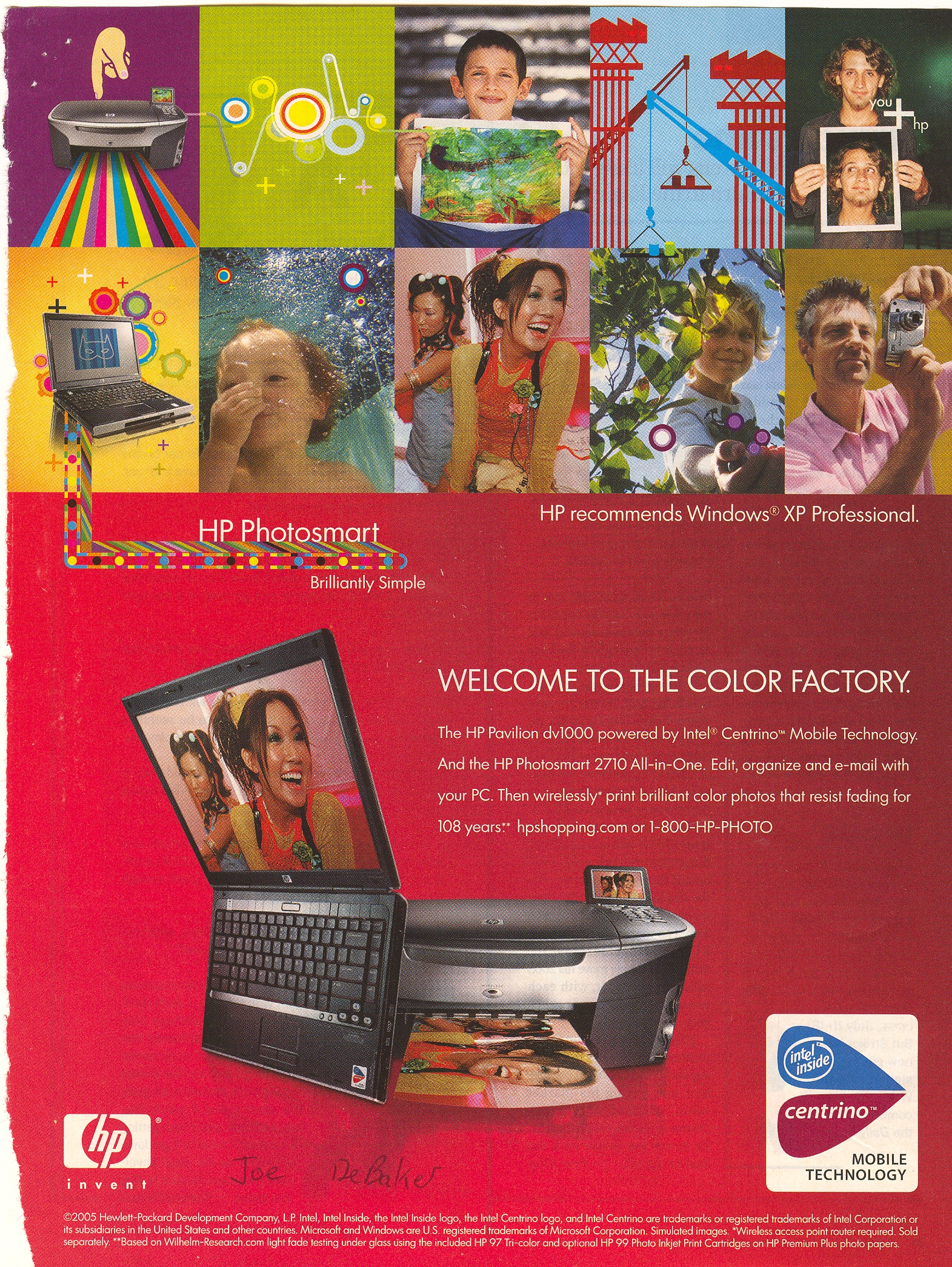
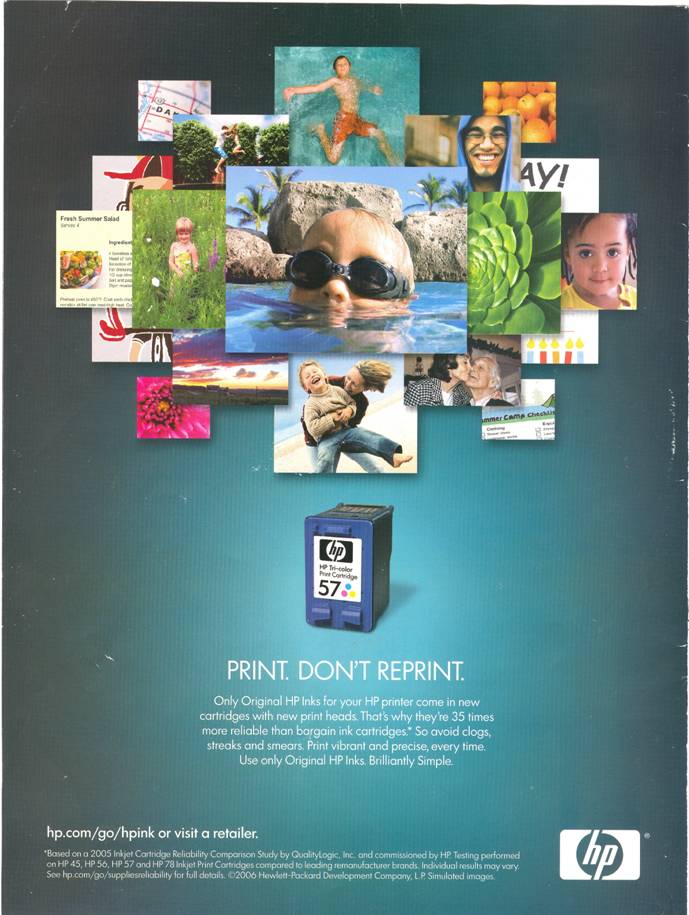
“Welcome to the Color Factory.”  These two ads for a color photo printer and a color printer cartridge both use models of color alongside white models in order to express how “colorful” their product is.

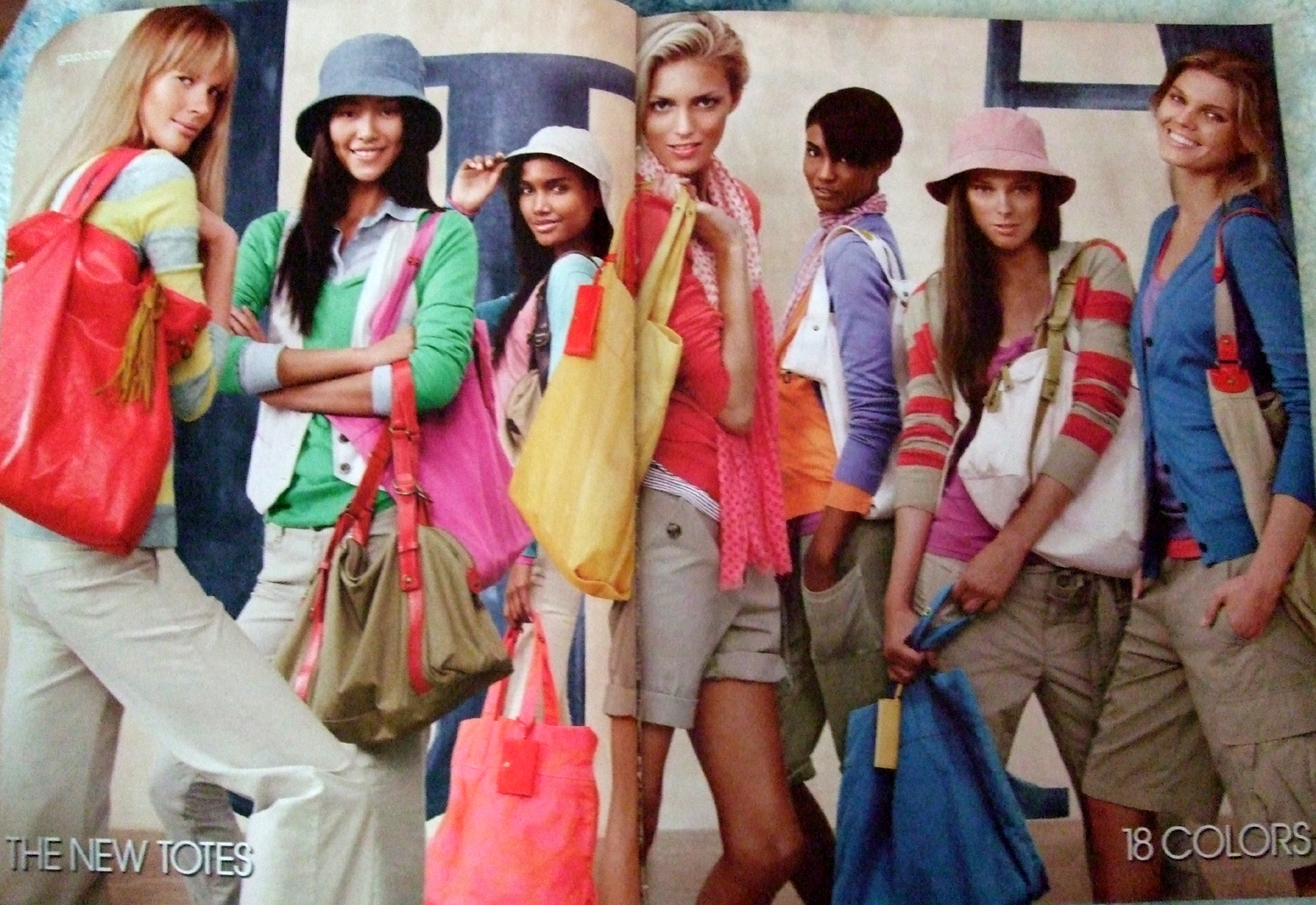
Bri sent in these four images (three from Gap and one from United Colors of Benneton).  Each Gap ad is advertising a different product, with an emphasis on how many colors they come in (bottom right corner).  They all, also, feature models of color.  Here’s just one of them:

gap03

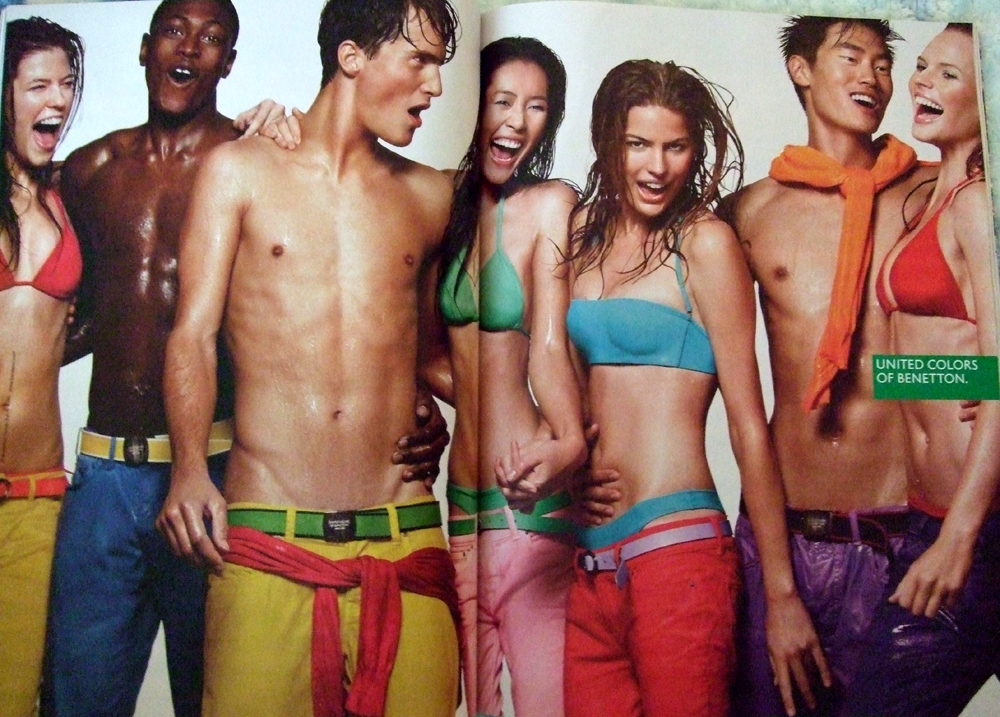
And, of course, the United Colors of Benneton is famous for its use of models of color in its ads, blending quite purposefully the idea of clothing colors and skin colors:

unitedcolors

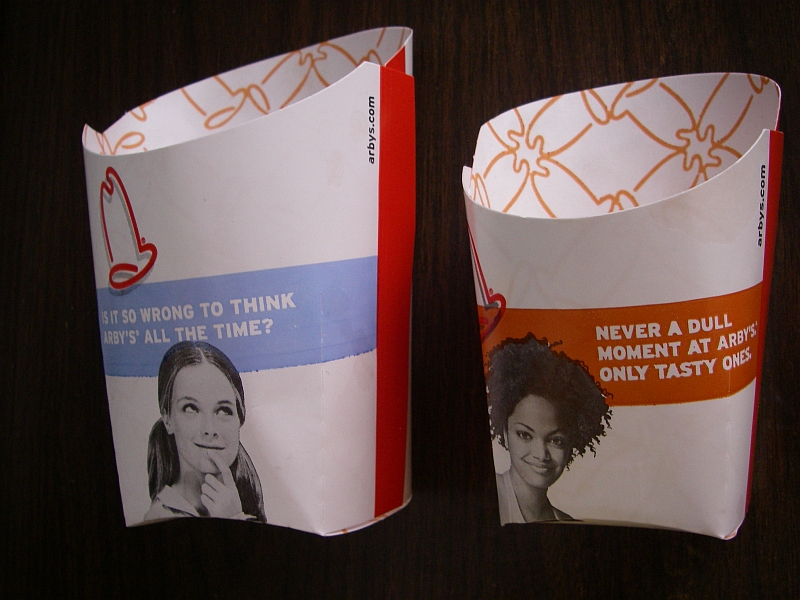
Finally Joshua B. sent in this photo of two french fry holders, one with a black and one with a white woman, reading “never a dull moment, only tasty,” and “Is it wrong to think Arby’s all the time.”  The black woman, then, is presented alongside the ideas of excitement and flavor:

Arbys

There is also this Crystal Light ad campaign that compares water to a “pale” white woman and crystal light to a “pumped” black woman and these ads for an Australian bread company that use Blackness to argue that their bread is not bland.

This kind of advertising can easily be explained away as coincidence, but I think it’s a pattern.  Feel free to send in examples and counter examples if you see them.

Next up: Including people of color so as to make the product seem “hip,” “cool,” or “modern.”  Don’t miss the first in the series: Including people of color so as to associate the product with the racial stereotype.

Lisa Wade, PhD is an Associate Professor at Tulane University. She is the author of American Hookup, a book about college sexual culture; a textbook about gender; and a forthcoming introductory text: Terrible Magnificent Sociology. You can follow her on Twitter and Instagram.

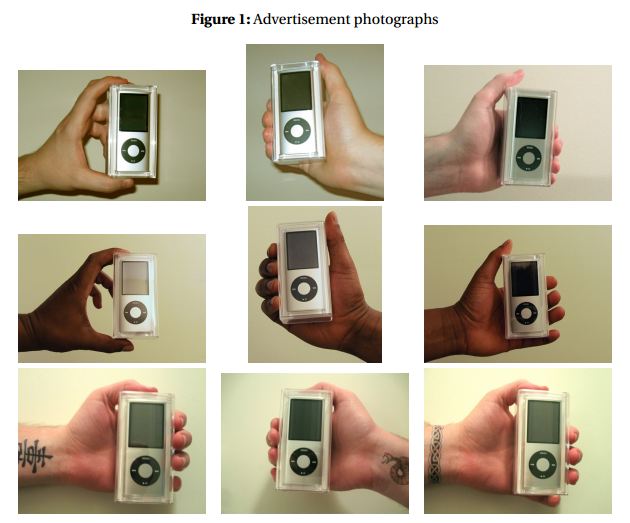
A new study finds that users of classified ads discriminate against people perceived as black.  Over a one year period, economists Jennifer Doleac and Luke Stein placed fake ads for used iPods in local online classified.  They included photographs of the product held by a hand.  Some hands were light-skinned, others dark, and they also included a second potentially stigmatized identity, men with tattoos.  Otherwise the ads were all identical.

1

Doleac and Stein found that buyers were less likely to contact or make a deal with black sellers; they received 13% fewer responses and 17% fewer offers.  When they did receive an offer, the price suggested was slightly lower than that offered to presumably white sellers.

Buyers also seemed to be significantly more suspicious of black sellers.  When interacting with a seller with brown skin, Doleac and Stein write:

They are 17% less likely to include their name in e-mails, 44% less likely to accept delivery by mail, and 56% more likely to express concern about making a long-distance payment.

Black sellers did especially poorly in the Northeast, when there wasn’t very much competition, and in markets that were racially isolated or had high crime rates.

Notably, buyers discriminated against people with wrist tattoos at about the same rate, suggesting that both tattoos and brown skin inspire similar levels of distrust.

H/t to Abi Jones for the link. Cross-posted at Pacific Standard.

Lisa Wade, PhD is an Associate Professor at Tulane University. She is the author of American Hookup, a book about college sexual culture; a textbook about gender; and a forthcoming introductory text: Terrible Magnificent Sociology. You can follow her on Twitter and Instagram.

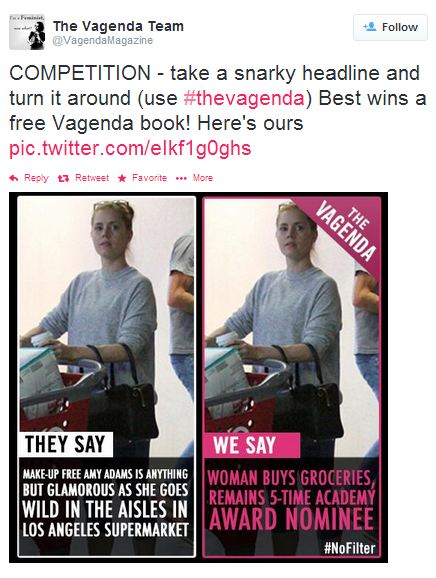
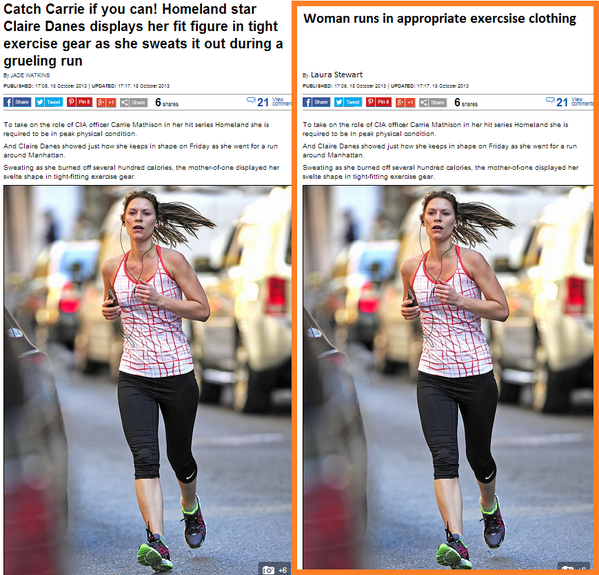
Folks at The Vagenda had the idea of asking readers to rewrite stupid/sexist headlines. Like this:

1a

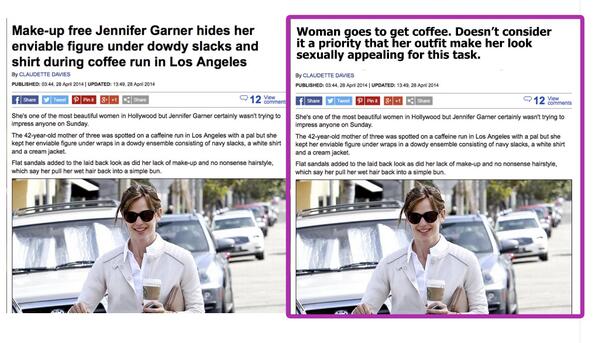
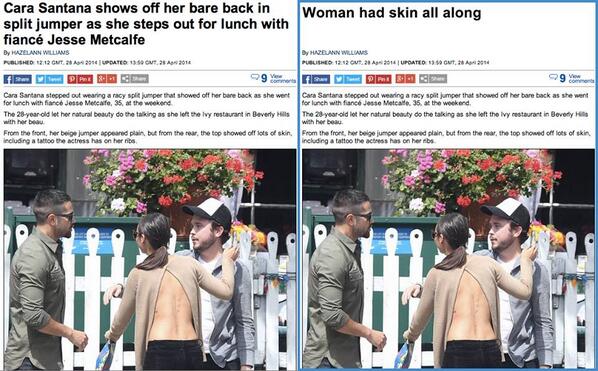
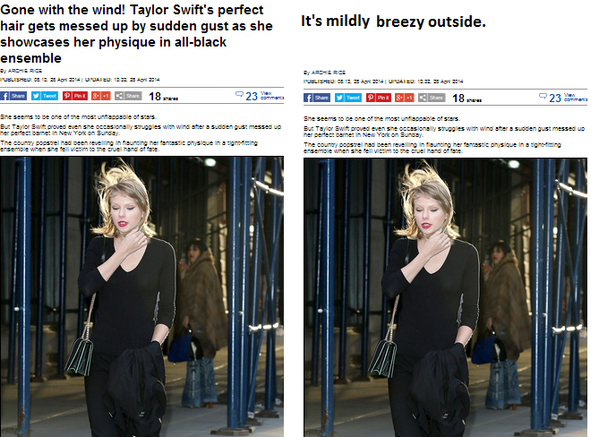
The results were fantastic. Here’s a sampling.

From @bexatrex:

1

From @ledavies: 1.jpg

From @RubyJLL:1b

From @kimmibobs: 2

From @ce_corp: 2Via Buzzfeed.

Lisa Wade, PhD is an Associate Professor at Tulane University. She is the author of American Hookup, a book about college sexual culture; a textbook about gender; and a forthcoming introductory text: Terrible Magnificent Sociology. You can follow her on Twitter and Instagram.

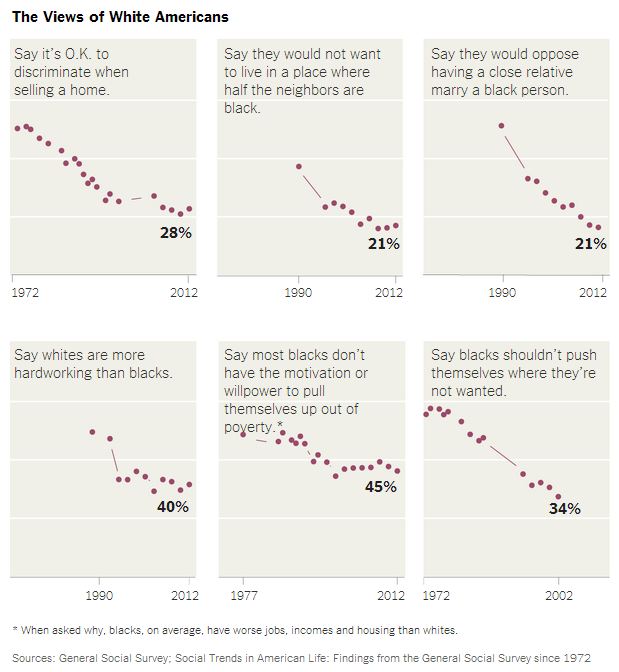
Here’s solid data on how some white Americans see black Americans:

1H/t New York Times.

Lisa Wade, PhD is an Associate Professor at Tulane University. She is the author of American Hookup, a book about college sexual culture; a textbook about gender; and a forthcoming introductory text: Terrible Magnificent Sociology. You can follow her on Twitter and Instagram.

Screenshot_2
Happy Graduation, Seniors! Congratulations! What’s next?  Below is some sociologically-inspired, out-of-the-box advice on work, love, family, friendship, and the meaning of life.  For new grads from the two of us!

1. Don’t Worry About Making Your Dreams Come True

College graduates are often told: “follow your passion,” do “what you love,” what you were “meant to do,” or “make your dreams come true.”  Two-thirds think they’re going find a job that allows them to change the world, half within five years.  Yikes.

This sets young people up to fail. The truth is that the vast majority of us will not be employed in a job that is both our lifelong passion and a world-changer; that’s just not the way our global economy is. So it’s ok to set your sights just a tad below occupational ecstasy.  Just find a job that you like.  Use that job to help you have a full life with lots of good things and pleasure and helping others and stuff.  A great life is pretty good, even if it’s not perfect.

2. Make Friends

Americans put a lot of emphasis on finding Mr. or Ms. Right and getting married. We think this will bring us happiness.  In fact, however, both psychological well-being and health are more strongly related to friendship.  If you have good friends, you’ll be less likely to get the common cold, less likely to die from cancer, recover better from the loss of a spouse, and keep your mental acuity as you age.  You’ll also feel more capable of facing life’s challenges, be less likely to feed depressed or commit suicide, and be happier in old age.  Having happy friends increases your chance of being happy as much as an extra $145,500 a year does.  So, make friends!

3. Don’t Worry  about Being Single

Single people, especially women, are stigmatized in our society: we’re all familiar with the image of a sad, lonely woman eating ice cream with her cats in her pajamas on Saturday night. But about 45% of U.S. adults aren’t married and around 1 in 7 lives alone.

This might be you.  Research shows that young people’s expectations about their marital status (e.g., the desire to be married by 30 and have kids by 32) have little or no relationship to what actually happens to people.  So, go with the flow.

And, if you’re single, you’re in good company.  Single people spend more time with friends, volunteer more, and are more involved in their communities than married people. Never-married and divorced women are happier, on average, than married women. So, don’t buy into the myth of the miserable singleton.

4. Don’t Take Your Ideas about Gender and Marriage Too Seriously

If you do get married, be both principled and flexible.  Relationship satisfaction, financial security, and happy kids are more strongly related to the ability to adapt in the face of life’s challenges than any particular way of organizing families.  The most functional families are ones that can bend.  So partnering with someone who thinks that one partner should support their families and the other should take responsibility for the house and children is a recipe for disaster.  So is being equally rigid about non-traditional divisions of labor.  It’s okay to have ideas about how to organize your family – and, for the love of god, please talk about both your ideals and fallback positions on this – but your best bet for happiness is to be flexible.

5. Think Hard About Whether to Buy a House

Our current image of the American Dream revolves around homeownership, and buying a home is often taken for granted as a stage on the path to full-fledge adulthood. But the ideal of universal home ownership was born in the 1950s.  It’s a rather new idea.

With such a short history, it’s funny that people often insist that buying a house is a fool-proof investment and the best way to secure retirement.  In fact, buying a house may not be the best choice for you. The mortgage may be less than rent, but there are also taxes, insurance, and the increasingly common Home Owners Association (HOA) fees. You may someday sell the house for more than you bought it but, if you paid interest on a mortgage, you also paid far more than the sale price.  You have freedom from a landlord, but may discover your HOA is just as controlling, or worse.  And then there’s the headache: renting relieves you from the stress of being responsible for repairs. It also offers a freedom of movement that you might cherish.

So, think carefully about whether buying or renting is a better fit for your finances, lifestyle, and future goals. This New York Times rent vs. buy calculator is a good start.

6. Think Even Harder about Having Kids

One father had this to say about children: “They’re a huge source of joy, but they turn every other source of joy to shit.” In fact, having children correlates with both an increased sense of purpose in life and a long-lasting decrease in individual and marital happiness.  Having kids means spending a lot of your short life and limited income on one source of joy. It’s not a bad decision. But it’s also not the only good decision you can make. We want to think we can “have it all” but, in fact, it’s a zero sum game. You have only so much time and money and there are lots of ways to find satisfaction, pleasure, and meaning in this life.  Consider all your options.

Lisa Wade is a professor of sociology at Occidental College. You can follow her on Twitter and Facebook.  Gwen Sharp is a professor of sociology at Nevada State College. You can follow her on Twitter.

Originally posted in 2013 and cross-posted at The Huffington Post and PolicyMic (with gifs!).


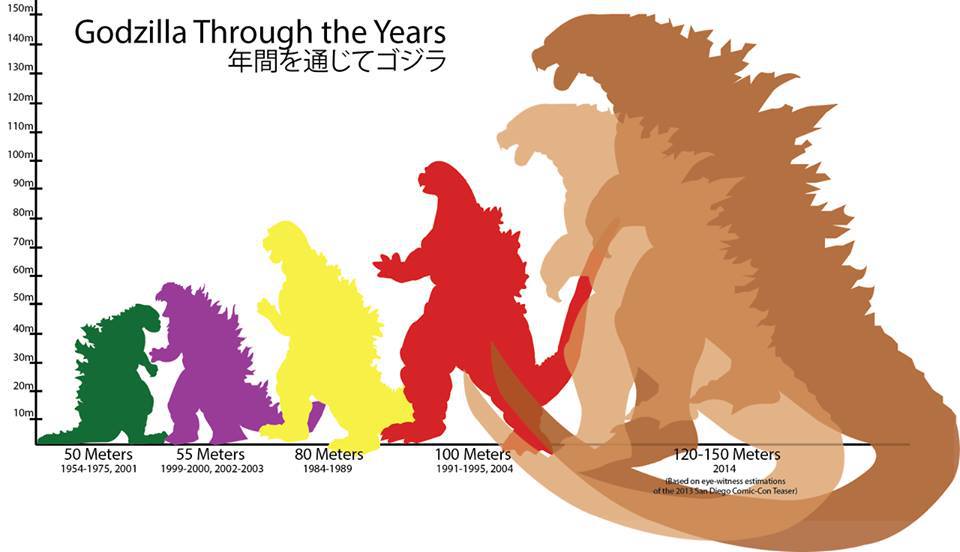
Last week the internet chuckled at the visual below.  It shows that, since Godzilla made his first movie appearance in 1954, he has tripled in size.

1

Kris Holt, at PolicyMic, suggests that his enlargement is in response to growing skylines. She writes:

As time has passed, buildings have grown ever taller too. If Godzilla had stayed the same height throughout its entire existence, it would be much less imposing on a modern cityscape.

This seems plausible.  Buildings have gotten taller and so, to preserve the original feel, Godzilla would have to grow too.

But rising buildings can’t be the only explanation.  According to this graphic, the tallest building at the time of Gozilla’s debut was the Empire State Building, rising to 381 meters.   The tallest building in the world today is (still) the Burj Khalifa.  At 828 meters, it’s more than twice as tall as the Empire State Building, but it’s far from three times as tall, or 1,143 meters.

1a

Is there an alternate explanation? Here’s one hypothesis.

In 1971, the average American was exposed to about 500 advertisements per day. Today, because of the internet, they are exposed to over 5,000.  Every. Day.

Media critic Sut Jhally argues that the flood of advertising has forced marketers to shift strategies.  Specifically, he says

So overwhelming has the commercial takeover of culture become, that it has now become a problem for advertisers who now worry about clutter and noise.  That is, how do you make your ads stand out from the commercial impressions that people are exposed to.

One strategy has been to ratchet up shock value.  “You need to get eyeballs. You need to be loud,” said Kevin Kay, Spike’s programming chief.

So, to increase shock value, everything is being made more extreme. Compared to the early ’90s, before the internet was a fixture in most homes and businesses, advertising — and I’m guessing media in general — has gotten more extreme in lots of ways. Things are sexier, more violent, more gorgeous, more satirical, and weirder.

So, Godzilla because, eyeballs.

Cross-posted at Pacific Standard.

Lisa Wade, PhD is an Associate Professor at Tulane University. She is the author of American Hookup, a book about college sexual culture; a textbook about gender; and a forthcoming introductory text: Terrible Magnificent Sociology. You can follow her on Twitter and Instagram.

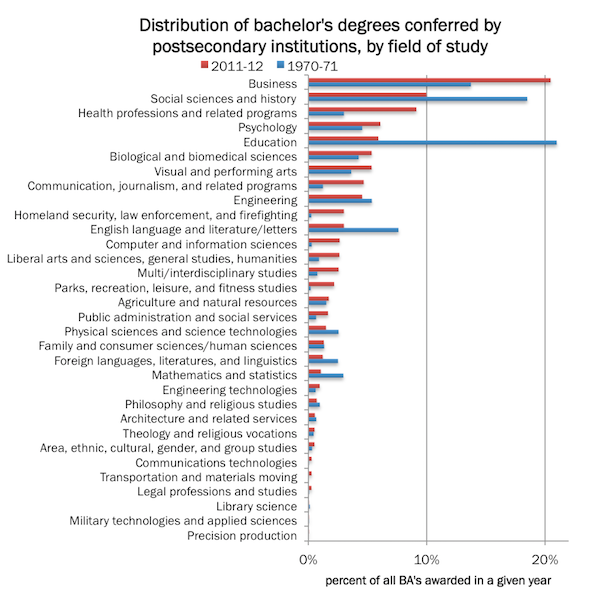
How has the distribution of college majors changed? This graph, borrowed from A Backstage Sociologist, shows bachelor’s degrees conferred in the 1970-71 academic year and those conferred 41 years later.

1 (2) - Copy

Lisa Wade, PhD is an Associate Professor at Tulane University. She is the author of American Hookup, a book about college sexual culture; a textbook about gender; and a forthcoming introductory text: Terrible Magnificent Sociology. You can follow her on Twitter and Instagram.