Balkan Genocides: Holocaust and Ethnic Cleansing in the Twentieth Century
By Paul Mojzes
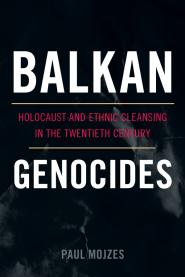 During the 20th century, the Balkan Peninsula was affected by three major waves of genocides and ethnic cleansings, some of which are still being denied today. In Balkan Genocides Paul Mojzes provides a balanced and detailed account of these events, placing them in their proper historical context and debunking the common misrepresentations and misunderstandings of the genocides themselves.
A native of Yugoslavia, Mojzes offers new insights into the Balkan genocides, including a look at the unique role of ethno-religiosity in these horrific events and a characterization of the first and second Balkan wars as mutual genocides. Mojzes also looks to the region’s future, discussing the ongoing trials at the International Criminal Tribunal in Yugoslavia and the prospects for dealing with the lingering issues between Balkan nations and different religions.Balkan Genocides attempts to end the vicious cycle of revenge which has fueled such horrors in the past century by analyzing the terrible events and how they came to pass.
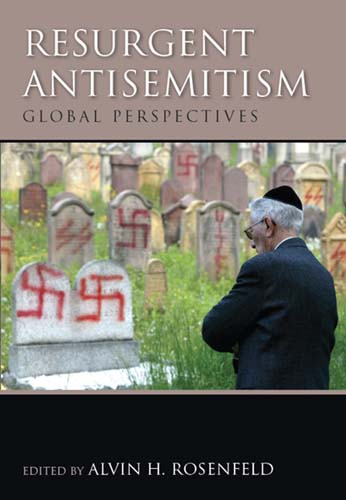 Dating back millennia, antisemitism has been called “the longest hatred.” Thought to be vanquished after the horrors of the Holocaust, in recent decades it has once again become a disturbing presence in many parts of the world. Resurgent Antisemitism presents original research that elucidates the social, intellectual, and ideological roots of the “new” antisemitism and the place it has come to occupy in the public sphere. By exploring the sources, goals, and consequences of today’s antisemitism and its relationship to the past, the book contributes to an understanding of this phenomenon that may help diminish its appeal and mitigate its more harmful effects.
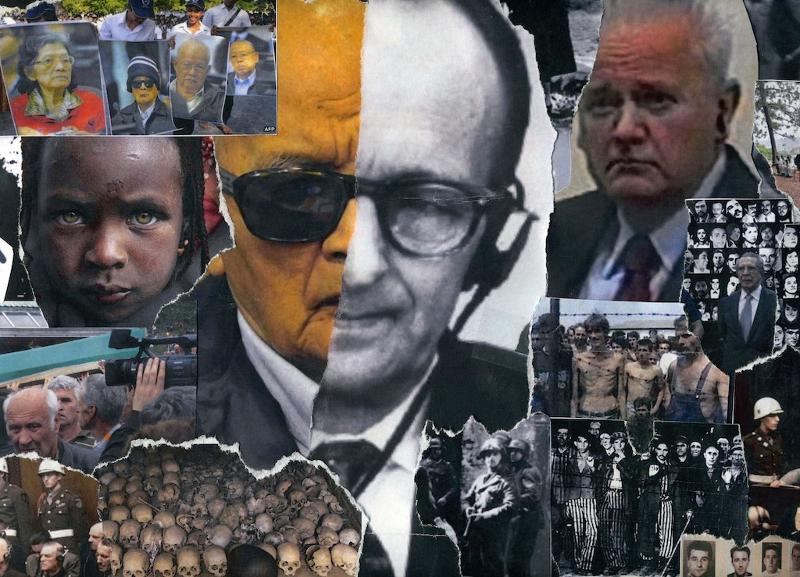 In August 1941, Winston Churchill noted that, while confronted with the atrocities that his intelligence services had discerned in Europe, the world was faced “with a crime without a name.” The second World War marked efforts to define atrocities and mold cultural memory by distinct institutions, such as the media, judiciary and academia; each of which continue to offer their own unique but overlapping framing.
 Dilemmas, silence, active rescue, and passivity are words often associated with Pius XII. “Critics” emphasize the wartime Pope’s failure to condemn Nazism, while “defenders” maintain that Vatican neutrality facilitated rescue activities by the faithful. This publication, which consists of the oral presentations of scholars gathered at
  The way people think about the Holocaust is changing. The particular nature of the transformation depends on people’s historical perspectives and how they position themselves and their nation or community vis-à-vis the tragedy. Understandably, European Muslims perceive the Holocaust as less central to their history than do other Europeans.