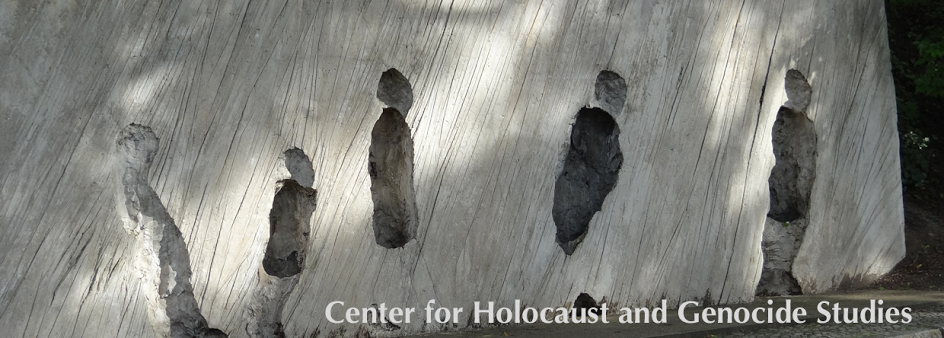
States and organizations around the country and the world have set aside April to be a month of genocide awareness, education and action against genocide.
Why April? Several genocides over the last century began in this month. The events leading to the Armenian genocide started in April 1915. The Cambodian capital of Phnom Penh fell to the genocidal Khmer Rouge regime in April 1975. Hutu extremists launched their plan to exterminate the entire Tutsi civilian population of Rwanda in April 1994.
April 1943 is also the month in which the few remaining Jews in the Warsaw ghetto rose in a desperate but heroic revolt against their oppressors. Yom HaShoah, Holocaust Memorial Day, was later established to commemorate those events, which represent unprecedented destruction but also courage, resilience and hope.
At the Center for Holocaust and Genocide Studies we see anniversaries as a valuable opportunity to advance scholarship and education. It is a chance to encourage students, educators and the broader community to deepen their understanding of past events and their sequels, as well as awareness of current manifestations of genocide and massive human rights violations.
Our programs in the next weeks reflect this mission. We started the month with an educational trip to the Bdote (Dakota for “where the rivers meet”) at Fort Snelling State Park, guided by scholar and teacher Iyekiyapiwiƞ Darlene St. Clair. Bdote is where the Dakota creation stories locate their origins, and also the site of internment, starvation and forced removal in the aftermath of the US Dakota War. “A place of genesis and genocide,” as one Dakota author eloquently put it. We will close this month of remembrance and awareness on Holocaust Memorial Day with a lecture by Sidi N’Diaye, who examines the role of hateful representations in the murders of Jewish neighbors during the Holocaust in Poland and of Tutsi neighbors during the 1994 genocide.
As we move through April, it is important to remember the quote from Holocaust historian Robert Abzug: “We must recognize that if we feel helpless when facing the record of human depravity, there was always a point at which any particular scene of madness could have been stopped.” In that spirit, this month we remember the victims of genocide and honor those who have worked tirelessly to stop it.
Thank you for supporting the work of the Center.
 Eurovision Song Contest has served as a platform to strengthen both national and European identities and embrace diversity throughout every nation for over 60 years. The show’s vast influence expands to an audience of approximately 180 million people all over the world. Its expansive reach has not only sparked the careers of various performers, it has also allowed for the television program to have social, political, and cultural influence.
 On Saturday, February 20th the Italian Cultural Center of Minneapolis & St. Paul presented
 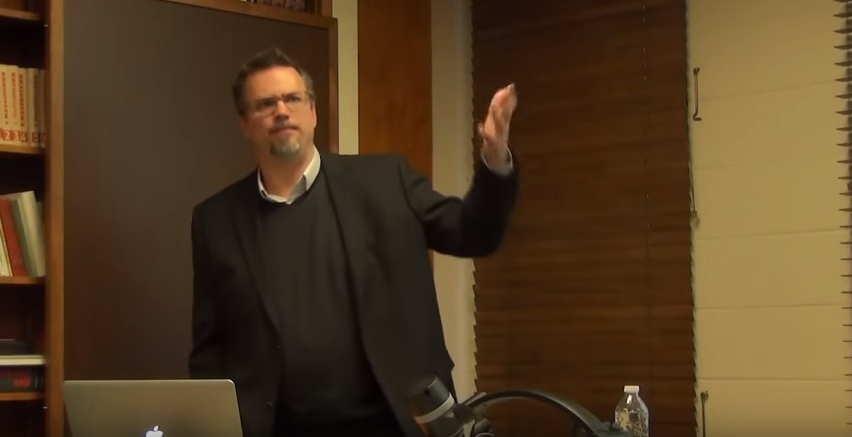 This is the second half of a two part interview with Dr. Adam Muller from the University of Manitoba. CHGS interviewed Dr. Muller after his
 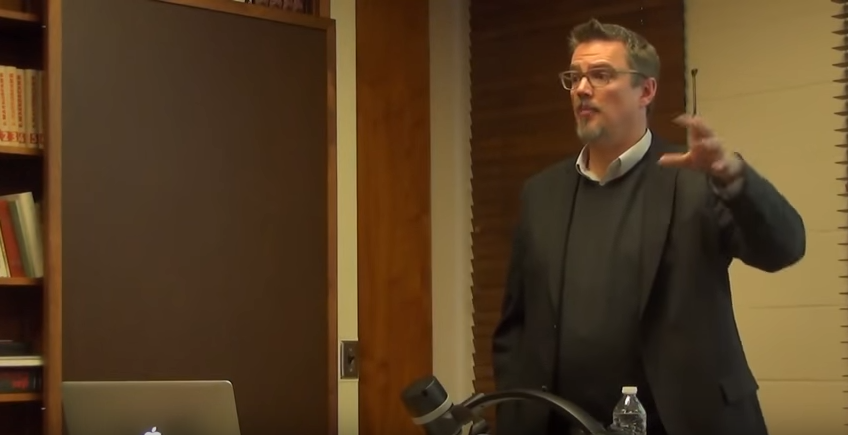 In November, the Center for Holocaust and Genocide Studies welcomed Dr. Adam Muller from the University of Manitoba to discuss his upcoming project, which creates a virtual First Nations residential school. Dr. Muller is part of the
 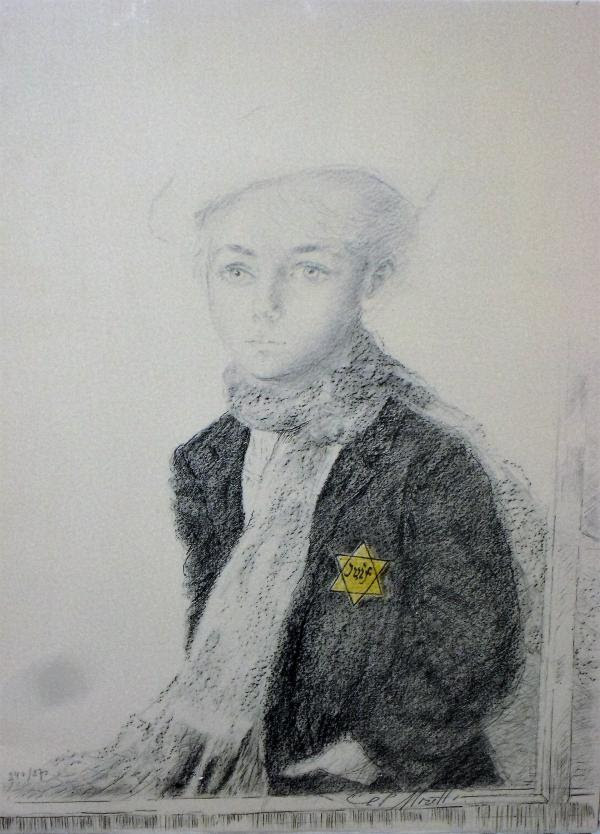 We are collaborating with Deborah Boudewyns, UMN Art and Architecture Librarian, and instructor of a UMN course, Workshop in Art, in which students learn the skills of curating and exhibiting, using CHGS collections as the foundation of their work. These students will end the semester with an exhibition featuring CHGS art and objects, to be held in Wilson Library from April 29 – May 12, 2016, with an opening reception on April 29.
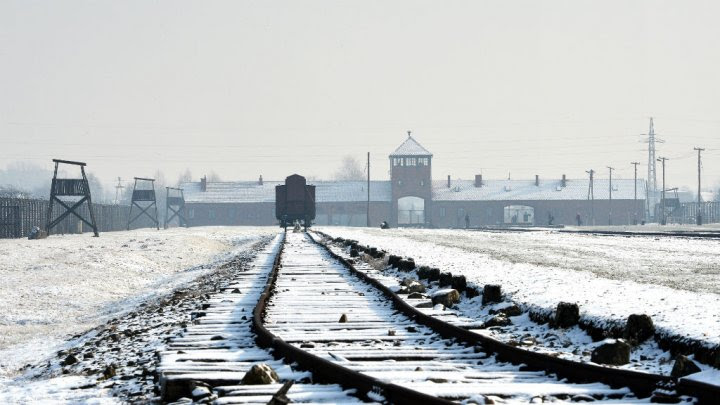 In 1999 Joschka Fischer, Germany’s Foreign Minister and a member of the Green Party with strong pacifist roots, used the phrase “Never Again Auschwitz” to support German military intervention during the Kosovo crisis. In 2005, at the main ceremony to mark the 60th anniversary of the liberation of the Auschwitz camp, Russian President Vladimir Putin praised the Red Army for “liberating Europe” (an assertion that obviously did not resonate positively among Poles). In the summer of 2014 Turkish President Recep Erdoğan slammed Israel for betraying the memory of the Holocaust by “acting like Nazis” during the operation against Hamas in Gaza. At the same time Israeli Prime Minister Benjamin Netanyahu invoked the Holocaust to warn the world of a nuclear Iran.
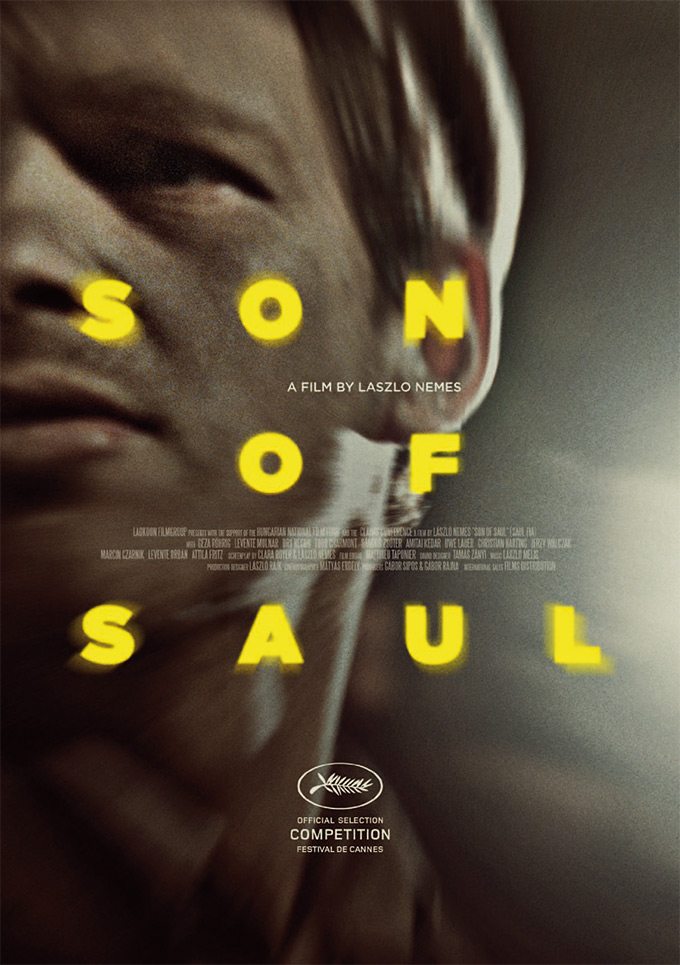 Son of Saul is a film about a member of the