

Over the last few decades, instructors have been increasingly encouraged to integrate technology into their classrooms. Whether through the use of smart board technology, the incorporation of the ever-expanding library of short videos online, and now through the embrace of artificial intelligence, techno-optimism has pervaded educational spaces. It is in this context that I have developed a counter-pedagogy, which I call a pedagogy of the senses. This is a pedagogy that intentionally centers the human experience of the world. Although I do not reject technology in the classroom, I decenter technology in preference for the bodily experience of learning. This pedagogical approach was inspired by my observations of Anna Guevara, an exceptional teacher whose classrooms have engaged with sensory experiences long before I started to explore these methods.
I have most thoroughly applied this pedagogy of the senses to the course Sociology of Latinos. In this course, we tap into all five senses to explore questions about the structural factors that shape Latine identities and lives.
We open each class period with an auditory experience which pairs a piece of music from diverse Latin American genres with the content of the class. For example, we explore deportation through the music of La Santa Cecilia and discuss the racialization and identities of Latines through Calle 13’s song Latinoamérica.
A visual experience of the classroom centers art, which is both analyzed and produced. We think through the use of art in social movements, exploring a range of political artwork and even taking a print-making workshop to participate in the creation of art. As my university is close to Chicago, we are able to view some of this artwork in person, taking field trips to the National Museum of Mexican Art and completing a walking tour of murals in the famous Puerto Rican neighborhood of Humboldt Park. Art in this space is an intentional tool used to combat gentrification.
A tactical experience of the classroom centers movement. For example, as we learn about the role of indigeneity in the Latine experience, we take a workshop with a Peruvian dance instructor who links dance movements to ideas about indigeneity, environment, and the cosmos. This particular workshop is powerful in that the movements are collective: the members of the class must work together, which helps to build a sense of community.
The classroom also features taste and smell. When discussing the history of corn in the Americas and the consequences of the United States’ corn products on Mexico, I bring to class several unique varieties of corn from Latin American cuisine. For many students, these varieties of corn are entirely new. The bodily experience of tasting a new flavor of an otherwise common product helps students to understand the consequences of the U.S.’s hegemony in global corn production. I also encourage students to bring their own foods to share. Students’ participation has opened conversations ranging from the politics of street vending to the history of particular flavors of Mexican candies (a history that often merges indigenous roots and European influences).
A pedagogy of the senses produces a series of benefits. It brings the content to life in ways that are memorable—unlike content from a screen that is often fleeting. It creates a sense of community, whether through the breaking of bread or the participation in communal movement. Finally, in a world that is increasingly digital, virtual, and disembodied, a pedagogy of the senses provides a radical space for learning to be returned to the body itself.
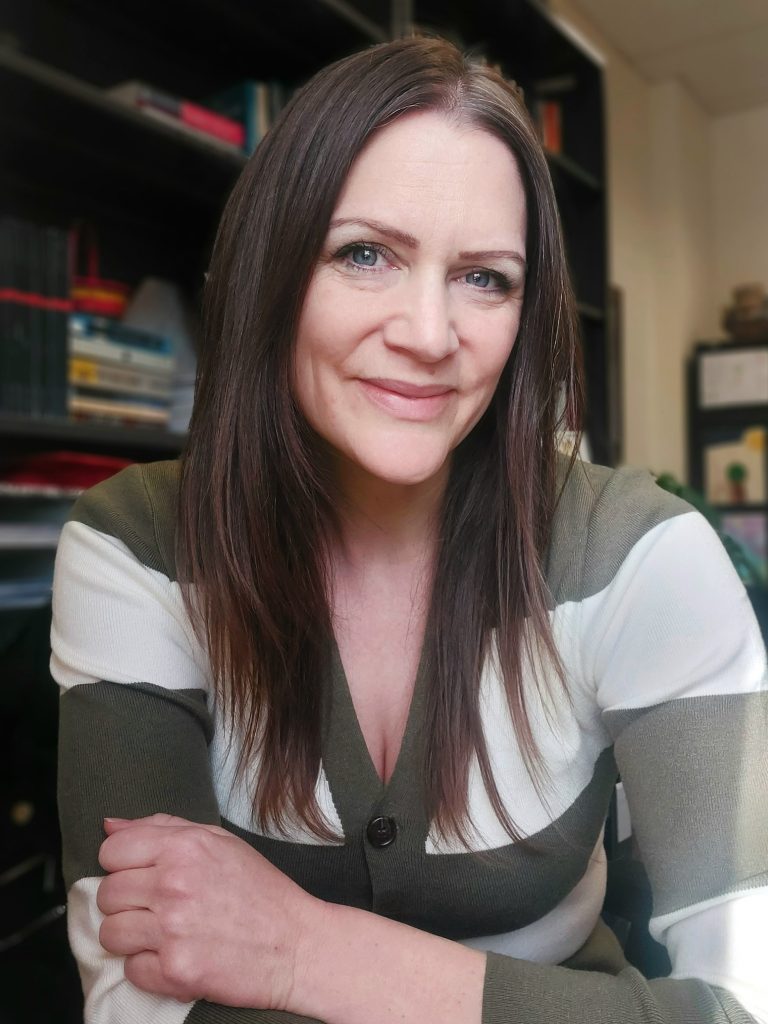
Emily Navarro is an Associate Professor of Sociology and the Donald W. And Betty J. Buik Endowed Chair at Elmhurst University. She is a scholar of migration, and her work has focused on unaccompanied youth migrants and the use of immigration detention. She is the author of Unaccompanied: The Plight of Immigrant Youth at the Border with NYU Press. She is currently conducting a series of projects on mass deportations, which include an exploration of Immigration and Customs Enforcement social media posts and a rhetorical analysis of 911 calls made by civilians about ICE operations. As a professor at a teaching institution, she enjoys teaching on a wide range of topics, including gender, globalization, and race.
Comments