Community Engaged

Decentering Technology: A Pedagogy of the Senses
Over the last few decades, instructors have been increasingly encouraged to integrate technology into their classrooms. Whether through the use … Read More

Teaching Tourism through Community Voices
Recent news coverage of tourism worldwide has shown how prioritizing uncontrolled economic growth results in unsustainable visitor numbers in … Read More
In this Teaching Sociology piece, Rojo (2024) discusses both the challenges and opportunities in community-engaged learning and advocates for an approach that balances both student needs and community partnerships.
It’s no secret that community-engaged learning boosts students awareness and sociological imagination. See Christensen’s piece for examples of how to implement CEL in your own classroom, as well as strategies for assessment.
Community-Engaged Learning as a Triple Win
For tenure track faculty with research intensive roles, balancing research and teaching can be difficult. Meanwhile, students are eager to … Read More

Dear Junior Faculty Colleagues
Dear Junior Faculty Colleagues, Teaching community-based learning (CBL) courses is one of the most rewarding pedagogies for students and professors, … Read More
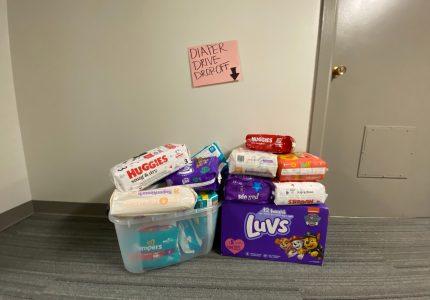
Small-Scale CBL: Establishing Trust and Equity in Benefits
In a classic piece on community-based learning (CBL) in sociology, Mooney and Edwards define CBL as a broad term … Read More
How do we implement community-based learning (CBL) in an era of austerity? Sarah Brown (2024) discusses how field trips can be a tool to engage students and achieve the core benefits of CBL.

Rethinking Service-learning to be More Public and Creative
In higher education, instructors are encouraged to incorporate service-learning into their curricula— activities that provide the chance for students to … Read More
Michael Burawoy describes service-learning as the prototype for teaching public sociology. However, it also runs the risk of reinforcing issues of power between the university and the community. Using the CISER model, Greenberg, London, and McKay (2019) discuss how to flip the script on capital and better engage first-generation and working-class students in service experiences.

Decentering Technology: A Pedagogy of the Senses
Over the last few decades, instructors have been increasingly encouraged to integrate technology into their classrooms. Whether through the use … Read More

Teaching Tourism through Community Voices
Recent news coverage of tourism worldwide has shown how prioritizing uncontrolled economic growth results in unsustainable visitor numbers in … Read More
In this Teaching Sociology piece, Rojo (2024) discusses both the challenges and opportunities in community-engaged learning and advocates for an approach that balances both student needs and community partnerships.
It’s no secret that community-engaged learning boosts students awareness and sociological imagination. See Christensen’s piece for examples of how to implement CEL in your own classroom, as well as strategies for assessment.
Community-Engaged Learning as a Triple Win
For tenure track faculty with research intensive roles, balancing research and teaching can be difficult. Meanwhile, students are eager to … Read More

Dear Junior Faculty Colleagues
Dear Junior Faculty Colleagues, Teaching community-based learning (CBL) courses is one of the most rewarding pedagogies for students and professors, … Read More

Small-Scale CBL: Establishing Trust and Equity in Benefits
In a classic piece on community-based learning (CBL) in sociology, Mooney and Edwards define CBL as a broad term … Read More
How do we implement community-based learning (CBL) in an era of austerity? Sarah Brown (2024) discusses how field trips can be a tool to engage students and achieve the core benefits of CBL.
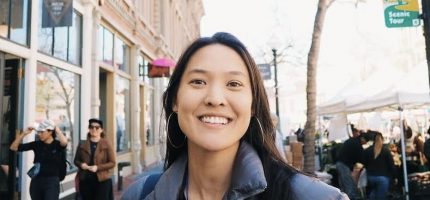
Rethinking Service-learning to be More Public and Creative
In higher education, instructors are encouraged to incorporate service-learning into their curricula— activities that provide the chance for students to … Read More
Michael Burawoy describes service-learning as the prototype for teaching public sociology. However, it also runs the risk of reinforcing issues of power between the university and the community. Using the CISER model, Greenberg, London, and McKay (2019) discuss how to flip the script on capital and better engage first-generation and working-class students in service experiences.