
Public Sociology

Decentering Technology: A Pedagogy of the Senses
Over the last few decades, instructors have been increasingly encouraged to integrate technology into their classrooms. Whether through the use … Read More
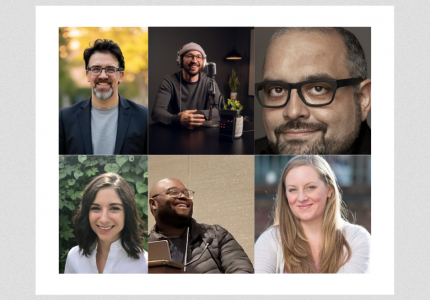
Toward a More Inclusive First Publics
In August 2023, we launched First Publics as an online space for exploring the politics, pedagogy, and practice of teaching … Read More
“If we truly believe sociology is a valuable tool for making sense of the world, then we should trust that it can thrive beyond traditional academic spaces.” See the full blog post on sociology major career paths by Yolanda Wiggins via Contexts.
In this article, Philip Cohen (2025) discusses some of the uncertainties many academics may be feeling at the moment. The author provides some tips for scholars grappling with this uncertainty and urges us to write “as if the truth really matters.”
This piece by Applied Worldwide demonstrates one way course assignments can be turned into public sociology pieces. The article then highlights several recent articles written by undergraduates at Colorado Mesa University.
ASA Presidents Joya Misra, Prudence Carter, and Adia Harvey Wingfield defend the value of sociology in response to Florida’s “gross mischaracterization” of the discipline and the state’s decision to eliminate sociology as a core course option.
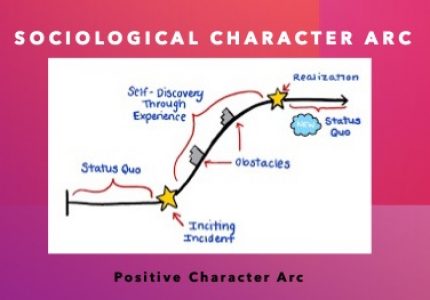
Sociological Character Arc… When the Adventure Finds You!
In screenplays and novels, the character arc is the protagonist’s journey. Customarily, via afantastical trajectory of transformation and self-discovery, the … Read More
Rethinking Service-learning to be More Public and Creative
In higher education, instructors are encouraged to incorporate service-learning into their curricula— activities that provide the chance for students to … Read More

Public Sociology’s Expression
I can still recall that 2016 election night gathering filled with sociology faculty and graduate students from across Rhode Island. Read More
Michael Burawoy describes service-learning as the prototype for teaching public sociology. However, it also runs the risk of reinforcing issues of power between the university and the community. Using the CISER model, Greenberg, London, and McKay (2019) discuss how to flip the script on capital and better engage first-generation and working-class students in service experiences.

Decentering Technology: A Pedagogy of the Senses
Over the last few decades, instructors have been increasingly encouraged to integrate technology into their classrooms. Whether through the use … Read More
Toward a More Inclusive First Publics
In August 2023, we launched First Publics as an online space for exploring the politics, pedagogy, and practice of teaching … Read More
“If we truly believe sociology is a valuable tool for making sense of the world, then we should trust that it can thrive beyond traditional academic spaces.” See the full blog post on sociology major career paths by Yolanda Wiggins via Contexts.
In this article, Philip Cohen (2025) discusses some of the uncertainties many academics may be feeling at the moment. The author provides some tips for scholars grappling with this uncertainty and urges us to write “as if the truth really matters.”
This piece by Applied Worldwide demonstrates one way course assignments can be turned into public sociology pieces. The article then highlights several recent articles written by undergraduates at Colorado Mesa University.
ASA Presidents Joya Misra, Prudence Carter, and Adia Harvey Wingfield defend the value of sociology in response to Florida’s “gross mischaracterization” of the discipline and the state’s decision to eliminate sociology as a core course option.
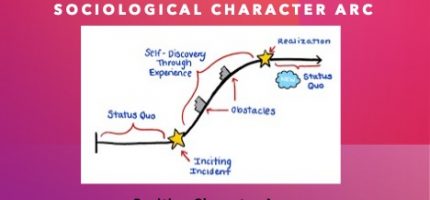
Sociological Character Arc… When the Adventure Finds You!
In screenplays and novels, the character arc is the protagonist’s journey. Customarily, via afantastical trajectory of transformation and self-discovery, the … Read More
Rethinking Service-learning to be More Public and Creative
In higher education, instructors are encouraged to incorporate service-learning into their curricula— activities that provide the chance for students to … Read More

Public Sociology’s Expression
I can still recall that 2016 election night gathering filled with sociology faculty and graduate students from across Rhode Island. Read More
Michael Burawoy describes service-learning as the prototype for teaching public sociology. However, it also runs the risk of reinforcing issues of power between the university and the community. Using the CISER model, Greenberg, London, and McKay (2019) discuss how to flip the script on capital and better engage first-generation and working-class students in service experiences.