Archive: Nov 2018

It’s a snowy Friday at TSP headquarters, but that won’t stop us from bringing you the latest sociological takes. This week we’ve got social science research on the social construction of gender and sex, colorblind racism in the constitution, and a new teaching exercise using voter fraud to teach students how to evaluate evidence. And don’t forget TODAY is the deadline to send in submissions for The ‘Teach with TSP’ Contest!

Teaching TSP:

Teaching How to Evaluate Evidence using Voter Fraud,” by Meghan Krausch. An exercise using TSP materials on voter fraud and the voting rights act to teach students how to evaluate evidence.

There’s Research on That!:

The Social Construction of Gender and Sex,” by Allison Nobles. In light of the U.S. Department of Health and Human Services’ proposal to change the definition of gender to one that is solely biological, we rounded up research on the social construction of gender and sex.

Discoveries:

Colorblind Racism in the Constitution,” by Caity Curry. New research in Social Problems finds that covert, colorblind racism was present as far back as the creation of the U.S. Constitution.

Clippings:

Secrets of the Rich Highlight the Plight of the Poor,” by Isabel Arriagada. In a vivid account of her research in The GuardianBrooke Harrington explains that wealth managers not only preserve and expand the rich’s fortunes, but also cover up drug addictions, promiscuous behavior, secret love affairs, and laziness at work.

Diversity Debates in College Admissions,” by Neeraj RajasekarIn a recent article in The Washington Post, Anthony Chen and Lisa M. Stulberg discuss how the pursuit of diversity has a long history in higher education.

From Our Partners:

Sociological Images:

Gender Reveals Sparking Controversy,” by Evan Stewart.

Contexts:

Caravan, Invasion, Exodus: A Photo Essay,” by Veronica Montes.

Council on Contemporary Families:

Response to Arielle Kuperberg, ‘Cohabitation and Divorce: The Importance of Accounting for Age at Coresidence’,” by Michael J. Rosenfeld and Katharina Roesler.

Social Studies MN:

The Gender Policy Report: Discover the Gender Equity Implications of Policymaking,” by Allison J. Steinke.

Midwest Sociology:

The Tea Party is More Complicated Than You Think,” by Allison J. Steinke.

And a Few from the Community Pages:

Last Week’s Roundup

Sign Up for Inbox Delivery of the Roundup

TSP Edited Volumes

This week we’re thankful for social science research on constructive family conversations, affirmative action in Brazil, transracial siblings’ mistaken identities, and school closings in Chicago. And don’t forget to send us your submissions for The ‘Teach with TSP’ Contest by the end of the month!
There’s Research on That!:

Table Talk for Thanksgiving,” by TSP Grad Board. For Thanksgiving, we brought back research about what family meals mean and how engaging in constructive conversations about political issues may be fruitful.

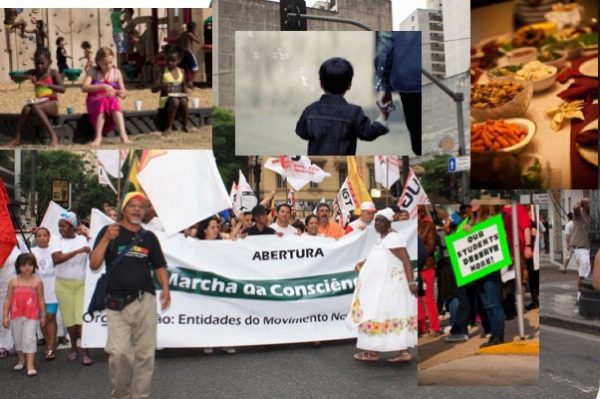
Race and Affirmative Action in Brazil,” by Lucas Lynch. In light of the election of right-wing candidate Jair Bolsonaro who has been openly critical of Blacks and the LGBT community, we rounded up research on affirmative action policies in Brazil.

Discoveries:

How Transracial Adoptees Combat Mistaken Identities,” by Mark Lee. New research in The Sociological Quarterly finds that transracial adoptees and their siblings are often mischaracterized and develop strategies to respond.

Clippings:

School Closings and Structural Racism in Chicago,” by Jasmine Syed. In a recent interview with Morning Shift radio, Eve Ewing describes systemic issues that contributed to public school closings and their impacts on communities of color. 

From Our Partners:

Sociological Images:

In Mapping, Size Matters,” by Evan Stewart.

Contexts:

Taking a Knee,” by Simón E. Weffer, Rodrigo Dominguez-Martinez, and Raymond Jenkins.

Council on Contemporary Families:

The Data Behind the Headlines: What Research on the Newest Parenting Topics Really Reveals,” by Michelle Janning.

And a Few from the Community Pages:

Last Week’s Roundup

Sign Up for Inbox Delivery of the Roundup

TSP Edited Volumes

Welcome back! This week we’ve got social science research on civil servants’ emotional wellbeing, perceptions of immigrant illegality, and economic disadvantage among people with disabilities. And don’t forget to send us your submissions for The ‘Teach with TSP’ Contest by the end of the month!
There’s Research on That!:

State Agents Under Pressure,” by Isabel Arriagada. Social science research helps us understand how state actors — like the state officials Trump recently blamed for not doing enough to fight wildfires — manage their roles and maintain their own emotional wellbeing.

Discoveries:

Perceptions of Immigrant Illegality,” by Lucas Lynch. New research in the American Sociological Review finds that various factors affect perceptions of immigrant illegality, like an individual’s ethnicity, language, economic status, and cultural factors.

Disability and Cumulative Economic Disadvantage,” by Allison Nobles. New research in Gender & Society finds that the effects of disability on poverty is the strongest for women of color with low levels of education, but the most advantaged groups take the biggest hits in terms of income.

Clippings:

Measuring Race and Ethnicity in the 2020 Census,” by Lucas Lynch. A recent NBC News article draws from sociological research to argue that the 2020 census should capture racial and ethnic identities for a more accurate picture of the Latino population.

Intersectionality and Inclusivity in the Workplace,” by Allison J. Steinke. A recent article in The New York Times explores how intersectionality influences men and women of color in the workplace.

From Our Partners:

Sociological Images:

The Rainbow Connection,” by Evan Stewart.

Contexts:

What Does Homeownership Buy?” by Mary DeStefano.

Council on Contemporary Families:

Queer Kinship in Taiwan: An Interview with Amy Brainer,” by Barbara Risman.

Social Studies MN:

Migration and Migrants in Terrifying Times: Confronting Challenges, Centering Solutions,” by Neeraj Rajasekar.

And a Few from the Community Pages:

Last Week’s Roundup

Sign Up for Inbox Delivery of the Roundup

TSP Edited Volumes

Welcome back to a sociology-filled week at TSP! This week we’ve got research on why the Indian Child Welfare Act matters, how skin tone is related to arrest and incarceration for black Americans, and sociological takes on the recent synagogue shooting in Pittsburgh. And don’t forget to send us your submissions for The ‘Teach with TSP’ Contest by the end of the month!
There’s Research on That!:

Immigration, Race, and Welfare Attitudes in Europe,” by Neeraj Rajasekar. Based on several European countries’ public discussion about harsher restrictions on migrants’ access to social assistance, we collected research on welfare attitudes and immigration in Europe.

Why the Indian Child Welfare Act (ICWA) Matters,” by Brieanna Watters and Allison Nobles. In light of a federal judge ruling ICWA unconstitutional, we rounded up social science research about the historical context necessitating ICWA’s creation, with respect to the problematic history of child removal from Native communities.

Discoveries:

Race, Colorism, and the Criminal Justice System,” by Neeraj Rajasekar. New research in Ethnic and Racial Studies finds that black Americans with darker skin tones are more likely to be incarcerated and arrested than those with lighter skin tones.

Clippings:

Far-Right Extremism and Anti-Religious Violence,” by Caity Curry. In a recent article for The ConversationJeff Gruenewald and William Parkin discuss how the recent rise in violence against religious minority communities is often tied to far-right extremist conspiracies and ideological beliefs.

Protecting Places of Worship,” by Brooke ChambersIn a new article in The Conversation, Christopher Scheitle and Jeffery Ulmer analyze increased protections and the heightened fear among many religious minorities in their spaces of worship.

From Our Partners:

Sociological Images:

Midterm Voting: A Research Roundup,” by Neeraj Rajasekar, Amber Joy Powell, Caity Curry, and Evan Stewart.

Contexts:

That’s Not My Size,” by Simone N. Durham.

Higher Ed can Learn from First-Gen Students,” by Jessica Cob.

Council on Contemporary Families:

Are Baby Boomers Bringing the Sexual Revolution to Aging? Are Seniors Today Re-defining Sex?” by Nicholas Velotta and Barbara Risman.

Midwest Sociology:

‘Meet the Midwest!’ Seeing ‘Colorblind Racism’ with Dr. Burke,” by Neeraj Rajasekar.

And a Few from the Community Pages:

Last Week’s Roundup

Sign Up for Inbox Delivery of the Roundup

TSP Edited Volumes

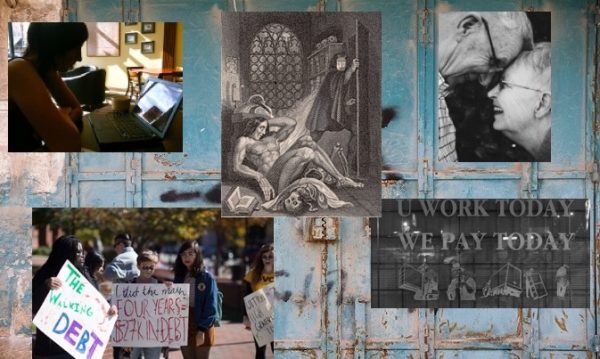
Hi Friends! We’ve got some exciting news this week: TSP is hosting a contest! If you teach with TSP content, tell us how! Details below. This week we have new content featuring social science research on competitive victimhood and conflict, how student debt is racialized, and the blurred lines between work and leisure. You can also read about the myth of poisoned Halloween candy, sexuality in aging adulthood, and nationalism in Korean ice hockey.

Editor’s Desk:

The ‘Teach with TSP’ Contest,” by Evan Stewart. Do you use TSP content in your classroom? Tell us how! We’ll publish our favorites and send the winners TSP swag!

There’s Research on That!:

Competitive Victimhood in the Palestinian-Israeli Conflict,” by Mark Lee. Using the concept, “competitive victimhood,” social science can help explain why the Palestinian-Israeli conflict has persisted for so long and how a breakthrough might finally be achieved.

Why Witchcraft Appeals to Marginalized Groups,” by Allison Nobles and Jacqui Frost. For Halloween we brought back a spooky favorite, examining witchcraft’s long history of empowering marginalized groups.

Discoveries:

The TANF Tinkle Test,” by Amy August. New research in The Sociological Quarterly finds that states implementing drug testing policies for “Temporary Aid to Needy Families” program applicants were more likely to see recent declines in white labor force participation and have a Republican governor.

Clippings:

The Racialized Burden of Student Debt,” by Mark Lee. CNBC talks to Jason Houle about how student loans contribute to the racial wealth gap.

Work + Leisure = Weisure,” by Amy AugustIn a recent Vox article, Gaby DelValle calls upon the work of sociologist Dalton Conley to describe this latest trend in ‘weisure.’

From Our Partners:

Sociological Images:

When Science Gets Scary,” by Sofia Lindgren Galloway and Evan Stewart.

Collective Nightmares Movie Analysis,” by Marshall Smith and Laura Patterson.

Contexts:

Foraging on the Margins of the Labor Market,” by Kelsey Drotning.

Of Pigs and Public Sociology,” by Christian Vaccaro.

Poisoned Halloween Candy: Sociological Debunking,” by Letta Page.

Council on Contemporary Families:

The Push and Pull of Sex, Gender, and Aging,” by Nicholas Velotta and Pepper Schwartz.

And a Few from the Community Pages:

Last Week’s Roundup

Sign Up for Inbox Delivery of the Roundup

TSP Edited Volumes