Search results for embed

11The paradox: masculinity is strength, power, and dominance… but femininity is terrifying. Gender rules insist that men must avoid association with the feminine at all costs because, if they do not, they are weak.  They are pussies, bitches, women, girls. Femininity is weakness and yet, oddly, it has the power to strip men of their manliness.  It is as if, as sociologist Gwen Sharp once put it, “masculinity is so fragile that apparently even the slightest brush with the feminine destroys it.”

Behold the best example of this phenomenon ever:

Let’s be clear.  The reason he’s afraid of femininity is because it’s reviled.  It makes you a woman, which makes you worthless.  Which is fine for the ladies, but dudes are advised to avoid personal denigration if at all possible.

Thanks Summer’s Eve, you make my job easy.

Lisa Wade, PhD is an Associate Professor at Tulane University. She is the author of American Hookup, a book about college sexual culture; a textbook about gender; and a forthcoming introductory text: Terrible Magnificent Sociology. You can follow her on Twitter and Instagram.
These four commercials for FTD Florists appear to be for (white) couples who hate each other, and for good reason.  I would argue that they traffic in unappealing gender stereotypes, but it’s much worse than that.  They suggest that people, in general, are just stupid and unlikeable.  I truly don’t know what marketers are thinking when they portray their own consumers in such a light.  Happy Valentine’s Day everyone.  

Via Copyranter.

Lisa Wade, PhD is an Associate Professor at Tulane University. She is the author of American Hookup, a book about college sexual culture; a textbook about gender; and a forthcoming introductory text: Terrible Magnificent Sociology. You can follow her on Twitter and Instagram.
Erika T. sent in this 30 second commercial for Frito Lay chips and dip.   Masquerading as simply “cute,” instead the cartoon sends strong normative messages.

It straightforwardly suggests that single people are inherently sad.  Being coupled up is presented as the norm and single people’s pathetic-ness is visible for all to see, even if they try to hide it.  It’s also implicitly heteronormative (different colors = the perfect blend) and overtly promotes monogamy between two and only two people.

Lisa Wade, PhD is an Associate Professor at Tulane University. She is the author of American Hookup, a book about college sexual culture; a textbook about gender; and a forthcoming introductory text: Terrible Magnificent Sociology. You can follow her on Twitter and Instagram.
This animated poem, sent in by Dmitriy T.C., artfully addresses the stigma of being alone. It begins by differentiating between social contexts in which solitude is expected or accepted (libraries) and those in which we are taught it is embarrassing or sad (restaurants). It ends with a defense of the pleasure of being only with oneself.

Video by Andrea Dorfman; poem, music, and performance by Tanya Davis.  Originally posted in 2010.

Lisa Wade, PhD is an Associate Professor at Tulane University. She is the author of American Hookup, a book about college sexual culture; a textbook about gender; and a forthcoming introductory text: Terrible Magnificent Sociology. You can follow her on Twitter and Instagram.
Thank you Rachel Bloom for this cringe-worthy, plague-ridden parody of the Disney princess franchise!

And thanks to @AJP_lighthouse for sending it in!

Lisa Wade, PhD is an Associate Professor at Tulane University. She is the author of American Hookup, a book about college sexual culture; a textbook about gender; and a forthcoming introductory text: Terrible Magnificent Sociology. You can follow her on Twitter and Instagram.
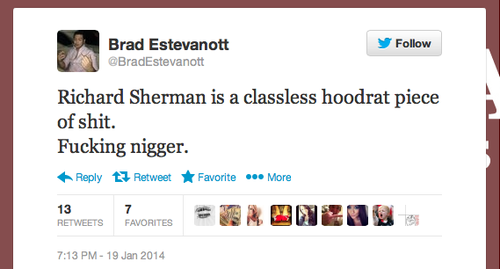
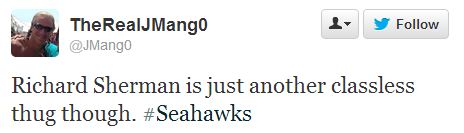
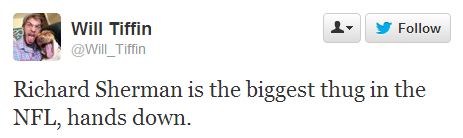
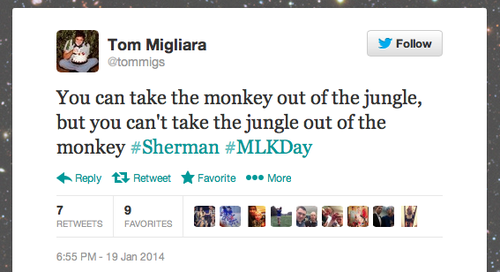
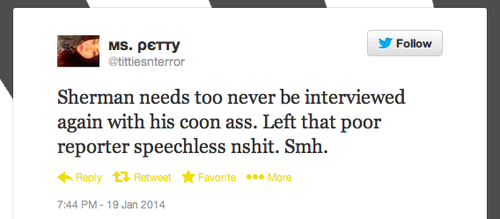
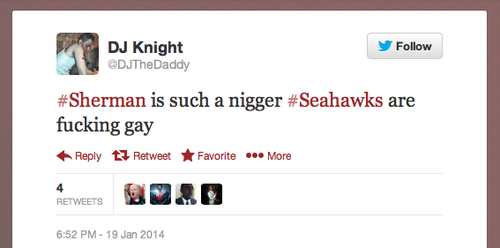
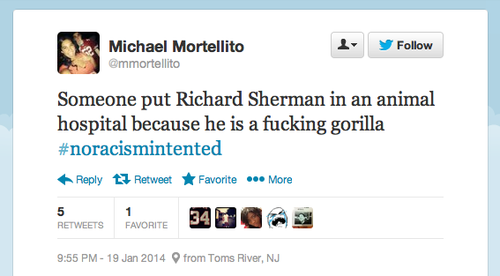
Immediately after the Seattle Seahawks beat the San Francisco 49ers on Sunday, Richard Sherman gave an intense, boastful post-game interview.  This triggered the always-present racism, as illustrated by many tweets that followed.  Here is just a sample from Public Shaming:

13 4 57

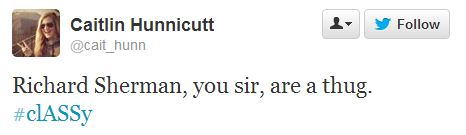
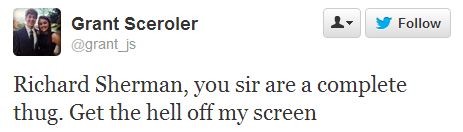
These are obviously cruel and full of hate, but the ones in which he was called a “thug” got somewhat less attention:

2 3 4 5

In interviews about the racist response, Sherman made some really nice points about what this means about the state of America and the specifically racial insults.  In a press conference, for example, asked about being called a “thug,” he argued that it’s just “the accepted way of calling someone the n-word these days.”  He points out that, in no way was what he was doing thug-like:

Maybe I’m talking loudly, and doing something… talking like I’m not supposed to, but I’m not… there’s a hockey game where they didn’t even play hockey, they just threw the puck aside and started fighting.  I saw that and I said, “Aw man, I’m the thug? What!? What’s going on here?”

[youtube]https://www.youtube.com/watch?v=wPSiOCC8nvc[/youtube]

In another video, he expands on this point, saying: “I’m not out there beating on people, or committing crimes, or getting arrested, or doing anything; I’m playing a football game at a high level and I got excited.”

Sherman’s making two points.  First, that there was nothing thug-like about his behavior.  Thugs are violent criminals.  He’s just playing a game.  And, second, the term is decidedly racial, applied to him largely because of the color of his skin.  Meanwhile, hockey players, who are overwhelmingly white, as well as other white athletes, don’t as often get these sorts of labels even if they are physically violent in ways that exceed the demands of their sport.

Lisa Wade, PhD is an Associate Professor at Tulane University. She is the author of American Hookup, a book about college sexual culture; a textbook about gender; and a forthcoming introductory text: Terrible Magnificent Sociology. You can follow her on Twitter and Instagram.
While the first flight attendants were male and many early airlines had a ban on hiring women, flight attending would eventually become a quintessentially female occupation.  Airline marketers exploited the presence of these female flight attendants.  Based on my reading — especially Phil Tiemeyer‘s Plane Queer and Kathleen Barry’s history of flight attendants’ labor activism — there seem to have been three stages.

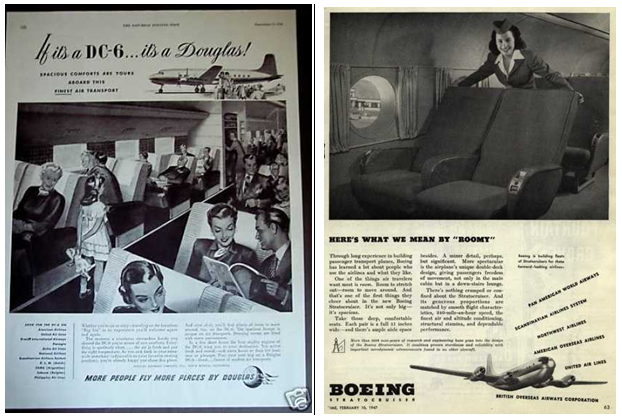
First, there was the domestication of the cabin.  As air travel became more comfortable (e.g., pressurized cabins and quieter rides), airlines were looking to increase their customer base.  Female “stewardesses” in the ’40s and ’50s were an opportunity to argue that an airplane was just like a comfortable living room, equally safe for women, children, and men alike.  Marketing at the time presented the flight attendant as if she were a mother or wife:

Screenshot_1

Twenty years later, air travel was no longer scary, so airlines switched their tactics. They sexualized their flight attendants in order to appeal to businessmen, who still made up a majority of their customers. Here’s a ten-second Southwest commercial touting the fact that their stewardesses wear “hot pants”:

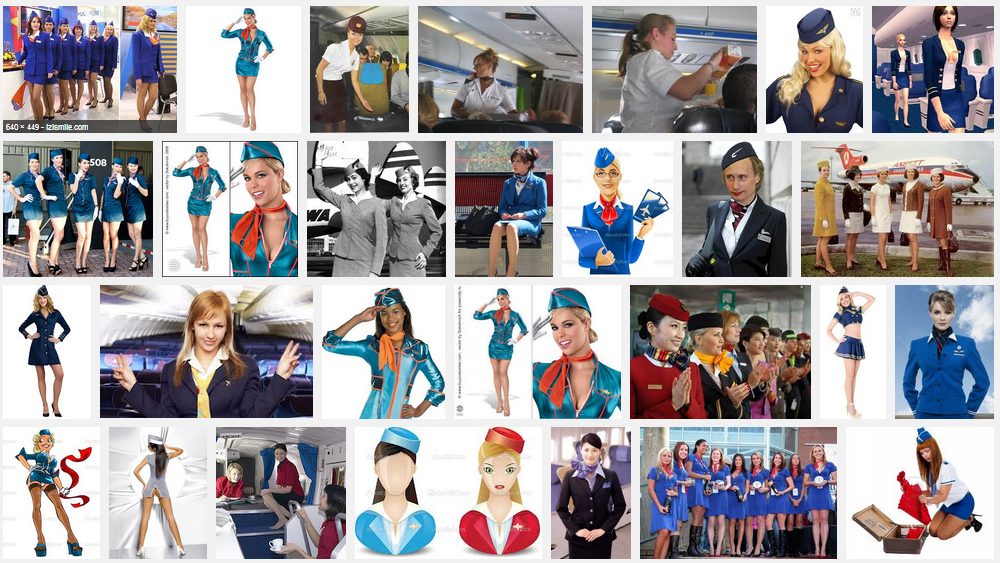
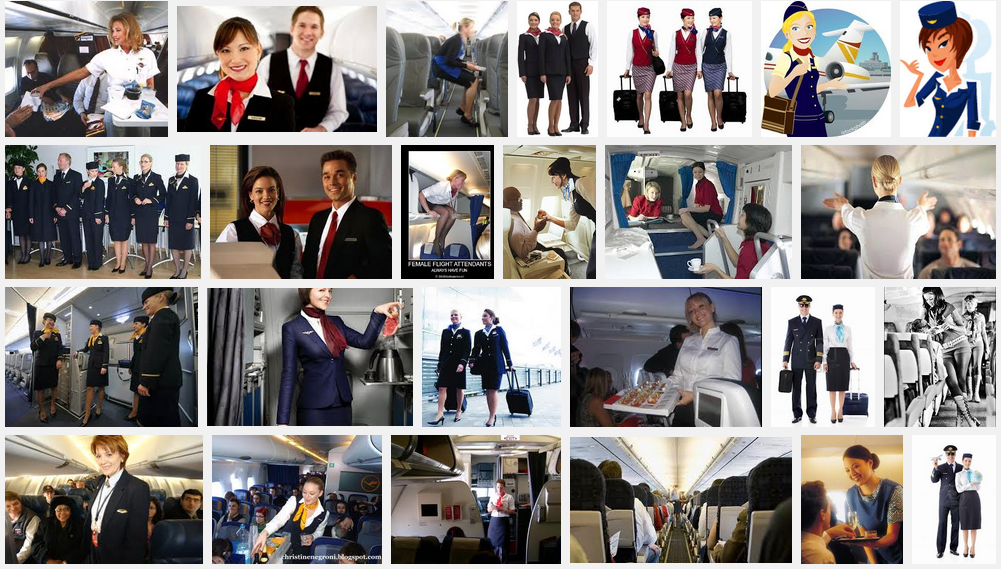
The intersection of the labor movement and women’s liberation in the ’60s and ’70s inspired women to fight for workplace rights. Flight attendants were among the first female workers to organize on behalf of their occupation and among the most successful to do so.  Their work won both practical and symbolic victories, like the discursive move from “stewardess” to “flight attendant” that transformed women in the occupation from sex objects to workers.  A quick Google Image search shows that the association — stewardess/sex object vs. flight attendant/worker — still applies. Notice that the search for “stewardess” includes more sexualized images, while the one for “flight attendant” shows more images of people actually working.

“Stewardess”:

Screenshot_1

“Flight attendant”:Screenshot_2My impression is that today’s marketing tends to feature flight attendants in all three roles — domestic, sex object, worker — echoing each stage of the transformation of the occupation in the public imagination.

Cross-posted at The Huffington Post, Pacific Standard, and Work in Progress.

Lisa Wade, PhD is an Associate Professor at Tulane University. She is the author of American Hookup, a book about college sexual culture; a textbook about gender; and a forthcoming introductory text: Terrible Magnificent Sociology. You can follow her on Twitter and Instagram.
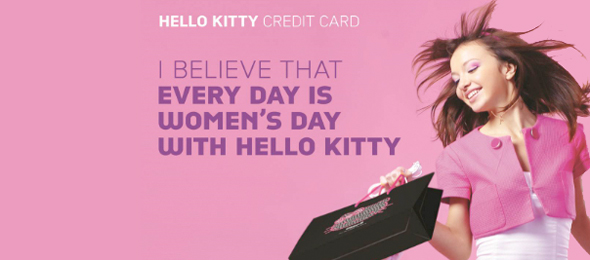
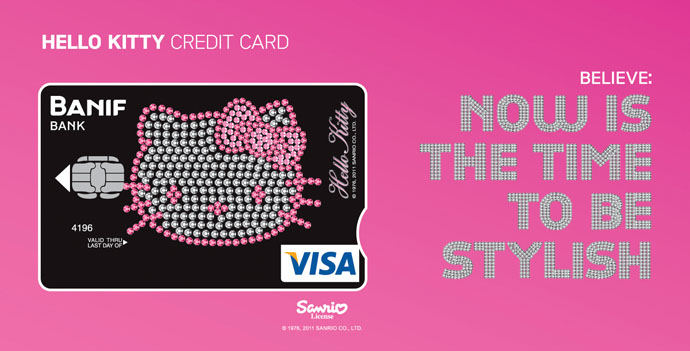
This year marks the 40th anniversary of the Equal Credit Opportunity Act.  This granted women the right to have a credit card in her own name.  This translated into an unprecedented degree of independence for women.  Feminists and their allies fought for this new world and it’s a good thing because we love to buy things with our credit cards sooooooo muuuuuuuuch!

And, thankfully, credit card companies like Banif know just how to make us comfortable, by combining feminism and infantilization and kissing our asses because We. Are. So. Special. “Every day is women’s day!” Wheeeee!

23

The husband in this ad, though, likely thinks he would have been better off if his wife wasn’t allowed to make financial decisions without his approval.  Stupid women and their stupid financial decisions. Ruining everything.

Lisa Wade, PhD is an Associate Professor at Tulane University. She is the author of American Hookup, a book about college sexual culture; a textbook about gender; and a forthcoming introductory text: Terrible Magnificent Sociology. You can follow her on Twitter and Instagram.