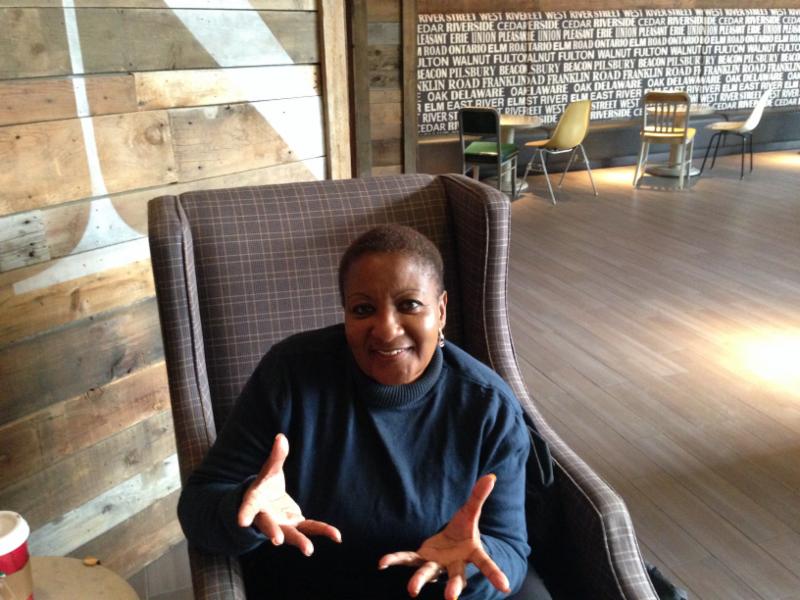
 Utjiua Muinjangue is the chairperson of the Ovaherero and Ovambanderu Genocide Foundation. Ms. Muinjangue spoke on behalf of the school of Social Work at the University of Minnesota on the genocide of the Herero on November 10, 2014.
News
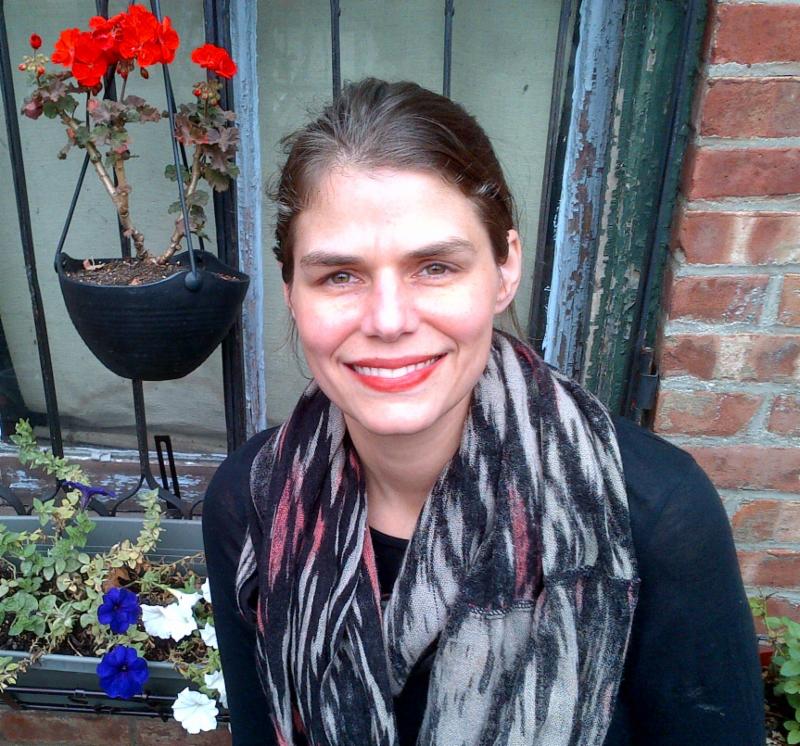 CHGS is pleased to welcome Jennifer Hammer, new program associate in the Institute for Global Studies with special responsibility to support the Center for Holocaust and Genocide Studies and the Center for Austrian Studies. Jennifer completed her degree at the University of Minnesota in Anthropology and Japanese, and has done graduate work in the history of design. Jennifer comes to us from the Department of Communication Studies and has programming and management experience at a number of non-profit organizations including JSTOR, Artstor, and the Minneapolis Institute of Arts.
A Conversation with Gabriel Gatti (Professor of Sociology, University of the Basque Country, Spain)
Due in large part to humanitarian law and transitional justice, the categories of detained-disappeared and forced disappearance are today well established – so much so that in some places like Argentina and Uruguay an intense social life has taken shape around them and in their wake. Victims mix with institutions, laws, and professionals (forensic anthropologists, social scientists, jurists, psychologists, artists, archivists, and writers), occupying intersecting positions and doing so with varied narratives, from the epic and heroic to the tragic and traumatic. Based on extensive fieldwork in Argentina and Uruguay, Gatti analyzes these worlds in an attempt to understand how one inhabits the categories that international law has constructed to mark, judge, think about, and repair horror.
Gabriel Gatti is Professor of Sociology at the University of the Basque Country, Spain. His research and teaching focus on contemporary forms of identity, in particular those constituted in situations of social catastrophe, rupture, and fracture. He is the author of Identidades débiles, Identidades desaparecidas, Les nouveaux répères de l’identité collective en Europe, and Basque society. His latest work, Surviving Forced Disappearance in Argentina and Uruguay: Identity and Meaningwas published in august of 2014. He is also a main researcher behind the Mundo(s) de victimas (World(s) of victims) a study of four cases that deal with the construction of the “victim” category in contemporary Spain.
Professor Gatti’s visit is part of the Reframing Mass Violence Collaborative Series. Sponsored by the Institute for Advanced Study, the Human Rights Program, the Department of Sociology, the Department of Political Science and the Department of Spanish & Portuguese.
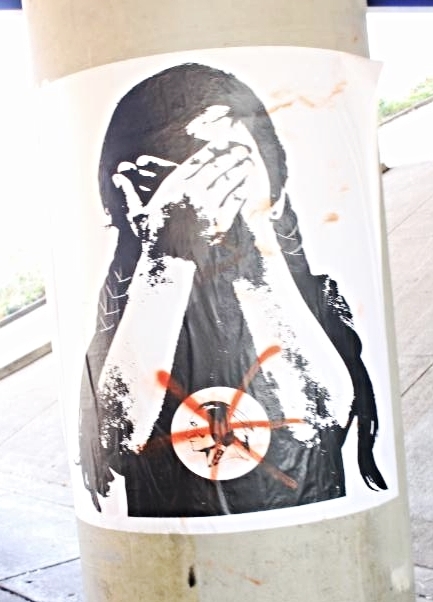 When the National Football League’s Washington Redskins franchise traveled to the University’s TCF Stadium to play the Vikings, they brought with them a considerable amount of controversy. It has been difficult to avoid the debate surrounding the Washington team and their controversial moniker. This is not solely a Minnesota phenomenon; nearly all of the team’s away games have seen a significant amount of protest by both sides. The use of the redskin name has pitted advocates of a change to a more inclusive name against supporters of the football team and their more than eighty year history. While fans of the franchise argue that the name does not reflect any racism, it is important to understand the origins of the term redskin and how it fits into the wider context of the Native American genocide.
One of the lasting effects of the genocide in Rwanda is that all African conflicts are always compared to Rwanda. The metric always seems to be whether or not they will be as bad as Rwanda if intervention does not occur. Rwanda has become a sign of guilt, a reminder that we as humanity did nothing to stop one of the more atrocious and rapid killings of peoples in an African country. Of course this ignores that the Democratic Republic of Congo has been embroiled in some variation of the same conflict for as almost as long as I’ve been alive (and I’m somewhat old enough to remember images of the late Mandela walking free from Robben Island holding Winnie Madikizela’s hand).
 Professor Vidal, who taught at the University of Minnesota from 1972 until his retirement in 2003, is widely known as an innovative, original, and productive scholar in the field of Latin American studies. The collective impact of his work and influence opened up new fields of intellectual inquiry to which he contributed through his high intellectual standards, independent spirit of inquiry, and unwavering commitment to human rights.
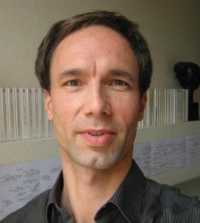 Dr. Günther Jikeli is a research fellow at the Moses Mendelssohn Center for European-Jewish Studies at Potsdam University. He is the co-director of the International Institute for Education and Research on Antisemitism (IIBSA). He earned his Ph.D.at the Center for Research on Antisemitism in Berlin and has served as an advisor to the Organization for Security and Co-operation in Europe on combating antisemitism. In 2013, he was awarded the Raoul Wallenberg Prize in Human Rights and Holocaust Studies by the International Raoul Wallenberg Foundation and Tel Aviv University. more...
As a student studying genocide and mass atrocity in the media, I often wonder whether we as consumers of the news can only take one atrocity at a time or if the media only thinks we can handle one at a time? Over the past year, I have watched as reporting on the atrocities in the Central Africa Republic, South Sudan and the campaign #BringBackOurGirls gain momentum only to lose it as quickly as it was gained. more...
Since taking power, the Islamic State has unleashed waves of violence against several minority groups in the region. One of these groups, the Yazidis, has made international news with calls the violence qualifies as genocide. CHGS analyzes these claims.
One of the less known dimensions of the history of World War II was how Jews living under French colonial rule in North Africa were devastated by the fall of France and the establishment of the French collaborationist government of Vichy in 1940. The United States Holocaust Memorial Museum (USHMM) in Washington, DC has in recent years amassed a considerable archive related to the Jews of North Africa during the war and has encouraged scholars to research this subject.
CHGS is pleased to welcome Jennifer Hammer, new program associate in the Institute for Global Studies with special responsibility to support the Center for Holocaust and Genocide Studies and the Center for Austrian Studies. Jennifer completed her degree at the University of Minnesota in Anthropology and Japanese, and has done graduate work in the history of design. Jennifer comes to us from the Department of Communication Studies and has programming and management experience at a number of non-profit organizations including JSTOR, Artstor, and the Minneapolis Institute of Arts.
A Conversation with Gabriel Gatti (Professor of Sociology, University of the Basque Country, Spain)
Due in large part to humanitarian law and transitional justice, the categories of detained-disappeared and forced disappearance are today well established – so much so that in some places like Argentina and Uruguay an intense social life has taken shape around them and in their wake. Victims mix with institutions, laws, and professionals (forensic anthropologists, social scientists, jurists, psychologists, artists, archivists, and writers), occupying intersecting positions and doing so with varied narratives, from the epic and heroic to the tragic and traumatic. Based on extensive fieldwork in Argentina and Uruguay, Gatti analyzes these worlds in an attempt to understand how one inhabits the categories that international law has constructed to mark, judge, think about, and repair horror.
Gabriel Gatti is Professor of Sociology at the University of the Basque Country, Spain. His research and teaching focus on contemporary forms of identity, in particular those constituted in situations of social catastrophe, rupture, and fracture. He is the author of Identidades débiles, Identidades desaparecidas, Les nouveaux répères de l’identité collective en Europe, and Basque society. His latest work, Surviving Forced Disappearance in Argentina and Uruguay: Identity and Meaningwas published in august of 2014. He is also a main researcher behind the Mundo(s) de victimas (World(s) of victims) a study of four cases that deal with the construction of the “victim” category in contemporary Spain.
Professor Gatti’s visit is part of the Reframing Mass Violence Collaborative Series. Sponsored by the Institute for Advanced Study, the Human Rights Program, the Department of Sociology, the Department of Political Science and the Department of Spanish & Portuguese.
When the National Football League’s Washington Redskins franchise traveled to the University’s TCF Stadium to play the Vikings, they brought with them a considerable amount of controversy. It has been difficult to avoid the debate surrounding the Washington team and their controversial moniker. This is not solely a Minnesota phenomenon; nearly all of the team’s away games have seen a significant amount of protest by both sides. The use of the redskin name has pitted advocates of a change to a more inclusive name against supporters of the football team and their more than eighty year history. While fans of the franchise argue that the name does not reflect any racism, it is important to understand the origins of the term redskin and how it fits into the wider context of the Native American genocide.
One of the lasting effects of the genocide in Rwanda is that all African conflicts are always compared to Rwanda. The metric always seems to be whether or not they will be as bad as Rwanda if intervention does not occur. Rwanda has become a sign of guilt, a reminder that we as humanity did nothing to stop one of the more atrocious and rapid killings of peoples in an African country. Of course this ignores that the Democratic Republic of Congo has been embroiled in some variation of the same conflict for as almost as long as I’ve been alive (and I’m somewhat old enough to remember images of the late Mandela walking free from Robben Island holding Winnie Madikizela’s hand).
Professor Vidal, who taught at the University of Minnesota from 1972 until his retirement in 2003, is widely known as an innovative, original, and productive scholar in the field of Latin American studies. The collective impact of his work and influence opened up new fields of intellectual inquiry to which he contributed through his high intellectual standards, independent spirit of inquiry, and unwavering commitment to human rights.
Dr. Günther Jikeli is a research fellow at the Moses Mendelssohn Center for European-Jewish Studies at Potsdam University. He is the co-director of the International Institute for Education and Research on Antisemitism (IIBSA). He earned his Ph.D.at the Center for Research on Antisemitism in Berlin and has served as an advisor to the Organization for Security and Co-operation in Europe on combating antisemitism. In 2013, he was awarded the Raoul Wallenberg Prize in Human Rights and Holocaust Studies by the International Raoul Wallenberg Foundation and Tel Aviv University. more...
As a student studying genocide and mass atrocity in the media, I often wonder whether we as consumers of the news can only take one atrocity at a time or if the media only thinks we can handle one at a time? Over the past year, I have watched as reporting on the atrocities in the Central Africa Republic, South Sudan and the campaign #BringBackOurGirls gain momentum only to lose it as quickly as it was gained. more...
Since taking power, the Islamic State has unleashed waves of violence against several minority groups in the region. One of these groups, the Yazidis, has made international news with calls the violence qualifies as genocide. CHGS analyzes these claims.
One of the less known dimensions of the history of World War II was how Jews living under French colonial rule in North Africa were devastated by the fall of France and the establishment of the French collaborationist government of Vichy in 1940. The United States Holocaust Memorial Museum (USHMM) in Washington, DC has in recent years amassed a considerable archive related to the Jews of North Africa during the war and has encouraged scholars to research this subject.