Search results for The

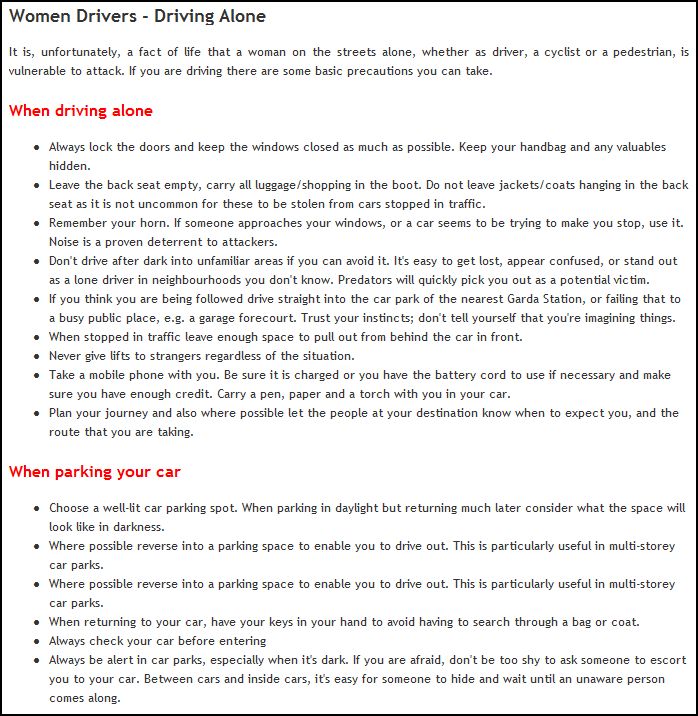
Julia W. was perusing the website of an Irish car insurance company, Insure.  The website had a special section devoted to “women drivers – driving alone.”  They introduce the topic like this:

It is, unfortunately, a fact of life that a woman on the streets alone, whether as driver, a cyclist or a pedestrian, is vulnerable to attack. If you are driving there are some basic precautions you can take.

And the site continues with a set of instructions (sampled below).  Of course, all drivers are vulnerable to attackers.  Even if women are statistically more vulnerable, both men and women can benefit from taking safety precautions.  Even the big, scary, male people are no match for a gun.  And, yet, vulnerability itself is constructed here as uniquely female and women are seen as categorically at risk.
Lisa Wade, PhD is an Associate Professor at Tulane University. She is the author of American Hookup, a book about college sexual culture; a textbook about gender; and a forthcoming introductory text: Terrible Magnificent Sociology. You can follow her on Twitter and Instagram.
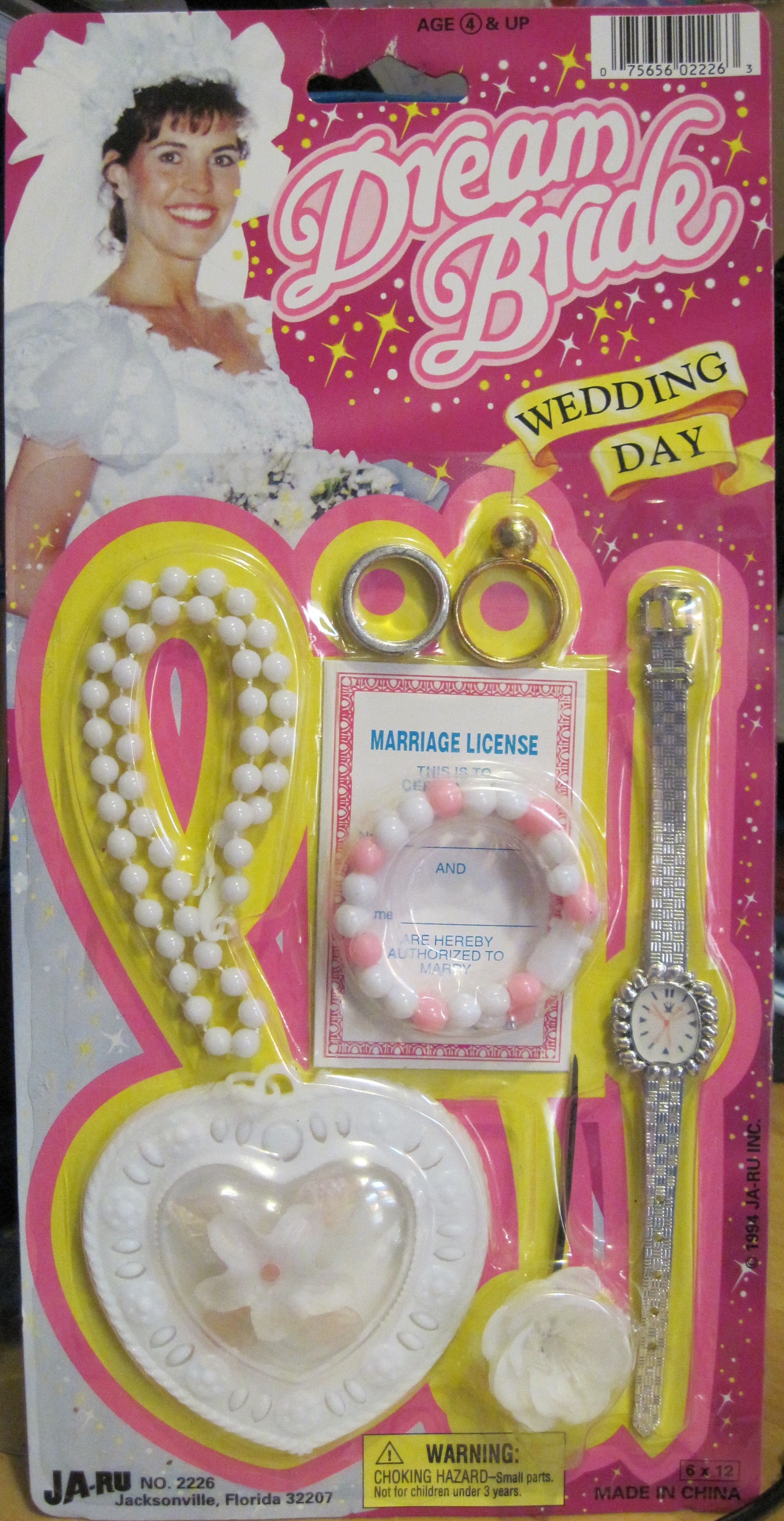
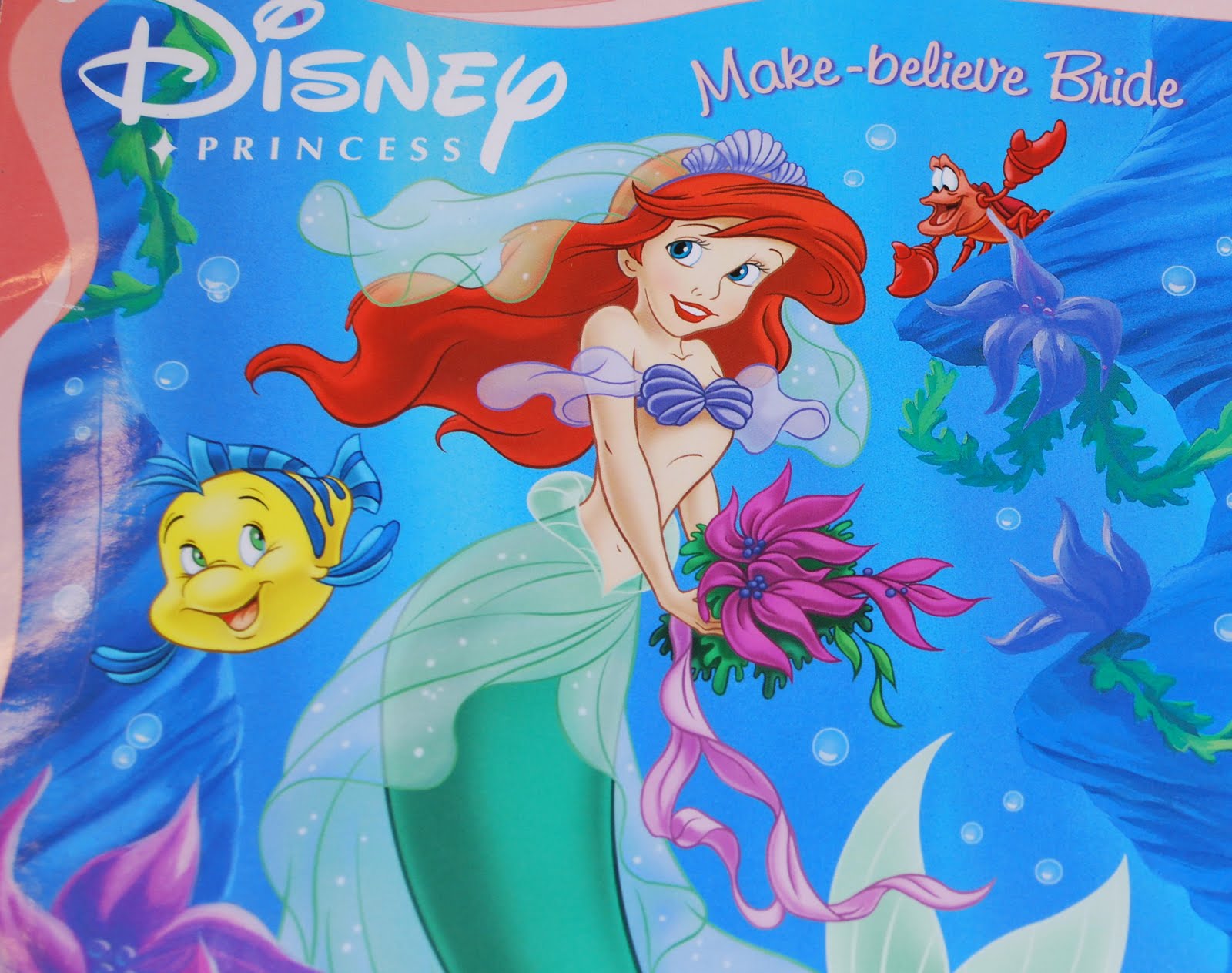
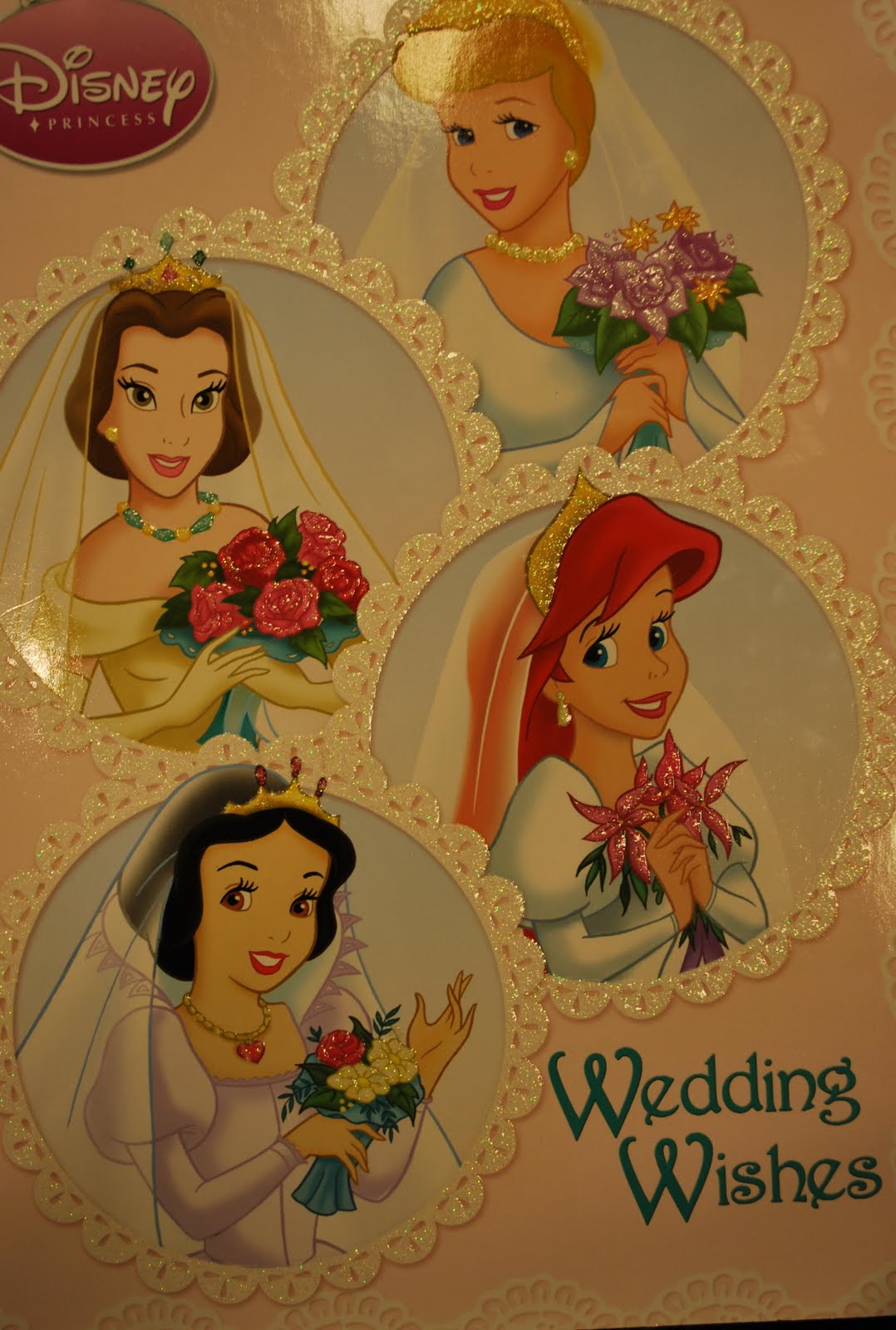
Women spend their young and young adult lives dreaming of their wedding day, or so the stereotype goes.  Where might girls get the idea that weddings are a particularly important day in a woman’s life?

SociologicalMe sent in a wedding day toy for girls found at a Pathmark grocery store in Delaware:

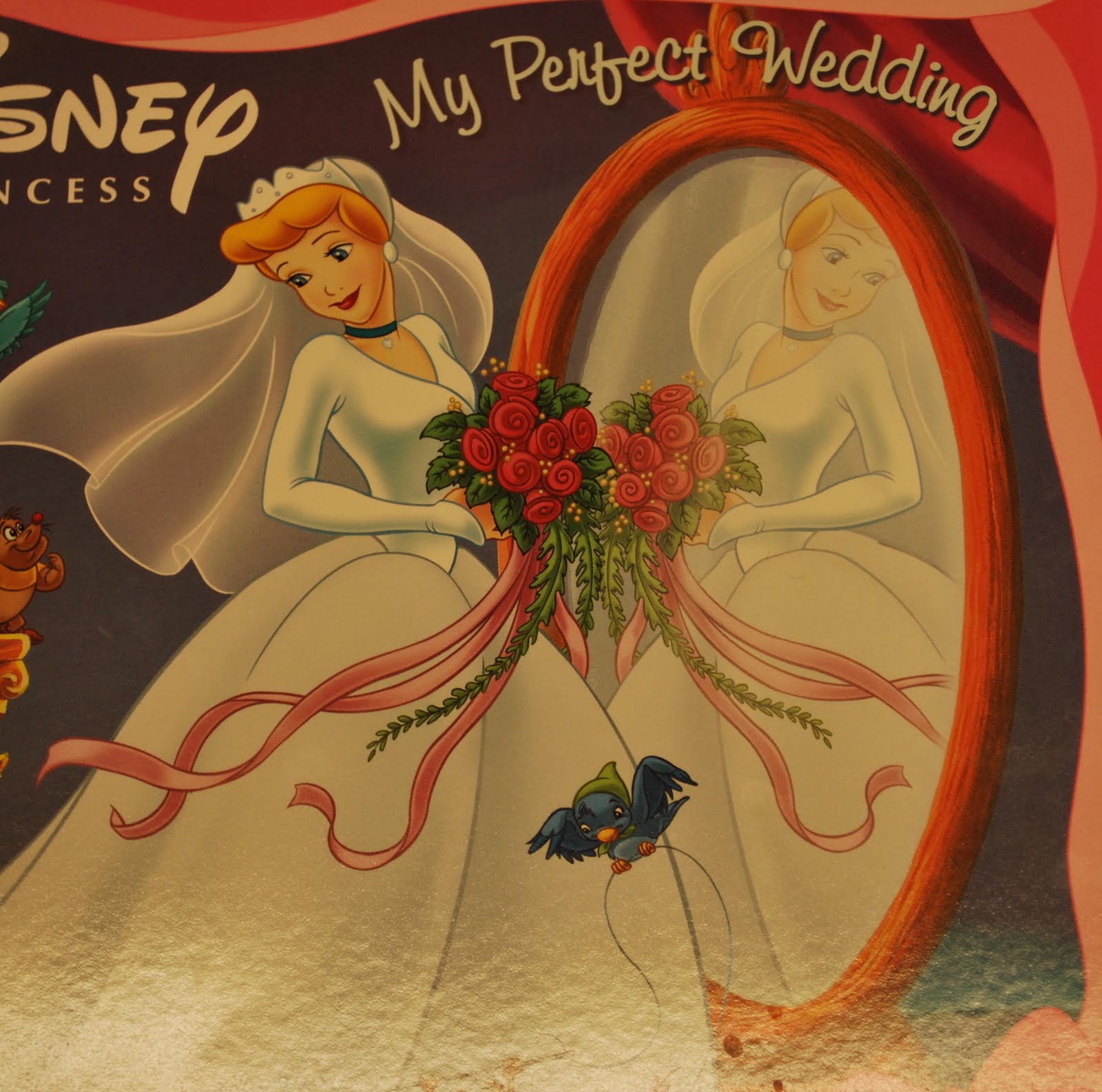
And Mary, who blogs at Disney Princess Recovery, collected these examples of Disney Princess-themed wedding books for little girls:

So maybe it isn’t part of having two XX chromosomes.

Lisa Wade, PhD is an Associate Professor at Tulane University. She is the author of American Hookup, a book about college sexual culture; a textbook about gender; and a forthcoming introductory text: Terrible Magnificent Sociology. You can follow her on Twitter and Instagram.
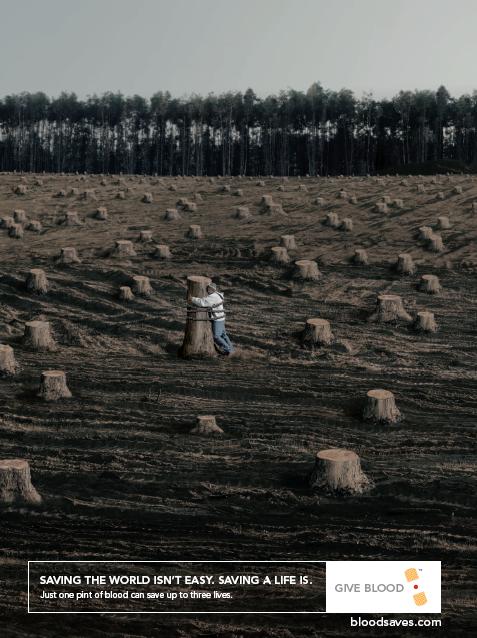
This ad, spotted by Stephanie DeH. in a physical therapist’s office, asks viewers to donate blood with the argument that it’s “easier” to save a life than to save the world:

Text:

Saving the world isn’t easy. Saving a life is.
Just one pint of blood can save up to three lives.

The ad commits two fallacies.

First, it compares saving the whole world (or maybe every tree in the world) with saving just “a” life.  Saving a life may, indeed, be easier than saving the whole world, but it’s not a fair comparison.  Saving the whole world is hard, but about as hard as saving every life on it.

Second, it suggests that we have to choose.  “You could try to save the world,” the ad says, “but it’s pretty hopeless.  It’s much easier to save a life.  So put down that tree and donate blood.”  Giving blood, then, is placed in competition with environmental activism as if (or because) volunteerism is a zero sum game.

Lisa Wade, PhD is an Associate Professor at Tulane University. She is the author of American Hookup, a book about college sexual culture; a textbook about gender; and a forthcoming introductory text: Terrible Magnificent Sociology. You can follow her on Twitter and Instagram.
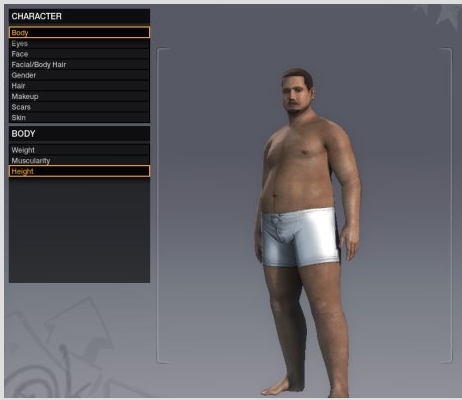
Andrew M. sent us a link to an interesting post by Lewis Denby at Beef Jack about the video game APB. The game lets you customize the characters in a variety of ways, including height and weight. Denby noticed something interesting about the customization, however. Here’s a male figure with the weight at the maximum level:

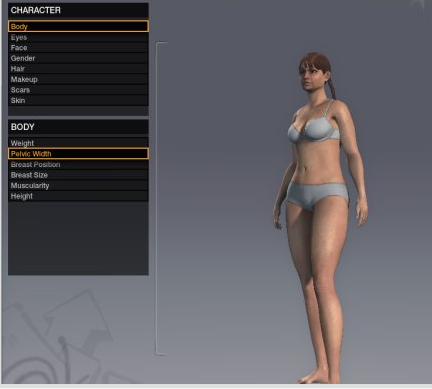
As Denby points out, it’s pretty unusual to have main characters that give the option of not being super muscular and slim, so this is pretty surprising. Perhaps less surprising is what he found when he maxed out the weight scale for a female character:

While she’s certainly larger than most women in video games, the maximum body proportion for her seems quite a bit thinner than the maximum allowed for the male character, and she still has an hourglass shape. So you’re given the option to customize the characters’ bodies, but it appears you get less choice for the female figures than the male ones. The question is why; did the designers think this is as large as anyone was likely to ever want a female character to be? Were they, for whatever reason, more concerned about female than male characters being too much outside the video game norm, to the point of limiting customization options? Some other reason for this disparity? If it were due just to technical design issues, I don’t see why it would be possible to give more weight range for the male character than the female one.

Beef Jack contacted the company for comment but, it being the weekend, they’re still waiting to hear back.

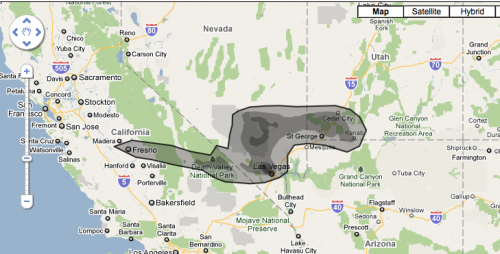
The website If It Was My Home (and yes, they know about the grammar error) allows you to get a better grasp on the size of the area affected by the BP oil leak.  They use National Oceanic and Atmospheric Administration’s daily updates on where the oil will reach in the next 24 hours and allow you to use Google Maps to position it anywhere you want. It’s easier for me, at least, to get an idea of the dimensions of the area we’re talking about when I can imagine it on an area I’m familiar with than seeing it on a map of the ocean.

Here’s the oil leak area centered over Las Vegas, where I live:

The darker the shade of gray, the denser the oil. Here is the current NOAA surface oil projection for the next 24 hours; red indicates places oil may hit shores:

Today’s 72-hour projection, which shows the range extending qute a bit to the west, and more affected shoreline:

Thanks to Kate W. for the link!

Related posts: using the oil spill to advertise cheap flights, should we clean up oil-soaked wildlife?, the Gulf oil industry, BP buys Google search terms, BP gives Florida money for advertising tourism, protesting BP, and the power of images of environmental disasters.

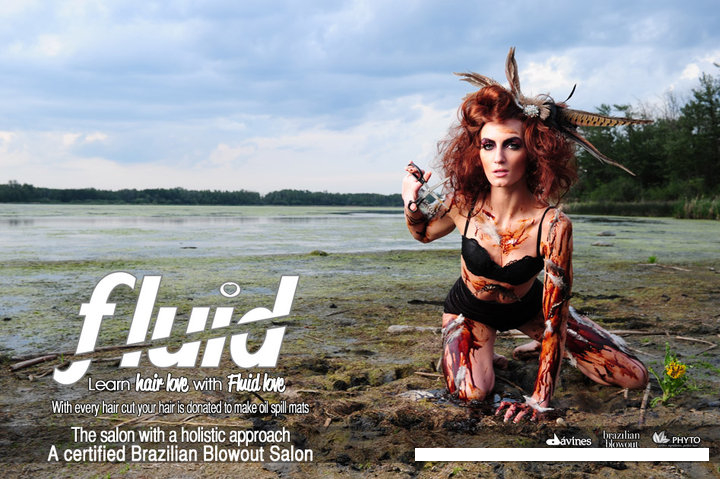
Fluid hair salon released this ad to let people know that it is donating all clipped hair to the oil recovery efforts in the Gulf:

The ad is a perfect example of the way in which entirely-unrelated messages get inexplicably translated into half-naked women looking uncomfortable.  Why not advertise donations to oil recovery with clean beaches, or dirty beaches, or oil booms, or rinsed off birds, or smiling shrimpers, or actual hair-based oil spill mats?  Why in heaven’s name slather a perfectly clean woman in goop that looks like oil and make her crawl in a marsh?

Because half-naked women who are dirty, disgusting, and uncomfortable are high-fashion.  Because we love to see women on their knees in the mud.  To a great extent, elite fashion imagery involves putting women in gross situations and pretending that it’s cool.  These images assault their bodies and their dignity.  So how else would an elite salon advertise its good-doing?  Female punishment is the language of fashion. Fluid just speaks it fluently.

Lisa Wade, PhD is an Associate Professor at Tulane University. She is the author of American Hookup, a book about college sexual culture; a textbook about gender; and a forthcoming introductory text: Terrible Magnificent Sociology. You can follow her on Twitter and Instagram.
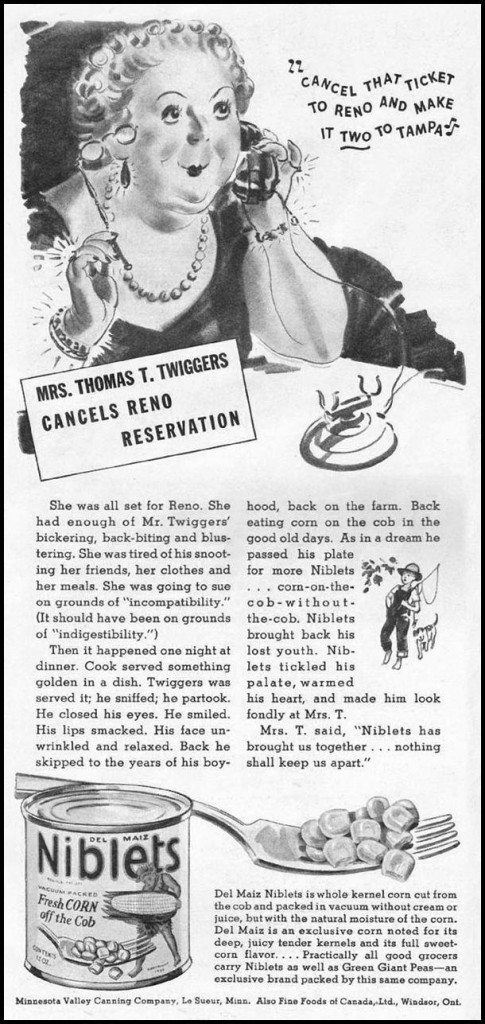
According to this 1935 ad for canned corn, the key to a man’s heart is his stomach.  Mr. Thomas T. Twiggers was a miserable husband, so miserable that Mrs. Thomas T. Twiggers booked a trip to Reno for a quickie divorce.  But then she fed him Niblets canned corn.  With proper feeding, a man and a marriage can be happy as can be!

Vintage Ads.

Lisa Wade, PhD is an Associate Professor at Tulane University. She is the author of American Hookup, a book about college sexual culture; a textbook about gender; and a forthcoming introductory text: Terrible Magnificent Sociology. You can follow her on Twitter and Instagram.
A huge number of Public Service Announcements (PSAs) have been devoted to the topic of disability, but capturing disability in 30 seconds is like editing War and Peace down to a novella. You might get the message, but it’s rarely the full picture. But that isn’t to say PSAs can’t be poignant, effective, and positive.

Disability-related PSAs cover a wide range of topics, but generally there are three main categories that the message falls into: how people with disabilities are viewed/treated by society, their value in the job market and society, and what their lives are like. Although these are pretty straightforward messages, there is a great deal of variety in the ways in which these basic messages are presented.

First, there are those that I like to call the “twist ending” PSA, where you see a person doing something difficult or exciting and it is not revealed until the last few seconds that the person in question has a disability. These are a very common form of PSA and they are meant to challenge the assumption that disabled people can’t do things that an able-bodied person can do. They show that disability does not stop people from living a successful and exciting life. The revealing of the disability at the end is meant to get an emotional reaction from the viewer. It’s meant to surprise and to get the viewer to rethink the capabilities of people with disabilities.

Second, there are the “interview gone wrong” PSAs that show the unfair scrutiny placed on job candidates with disabilities. Usually this involved one or more insensitive able-bodied people asking inappropriate or condescending questions to a job candidate. Sometimes it’s presented in humorous way, where the bumbling interviewer unintentionally offends the applicant over and over again. These try to show you the kind of discrimination and misunderstanding that can happen in the workplace (sometimes in an exaggerated manner).

Finally, there are PSAs there are the “just like us” PSAs that show people with disabilities talking about their lives or doing something ordinary. The message is simply to show what it’s like to be disabled. Sometimes these PSAs are used to describe the extra challenges disabled people face from day to day, like inaccessibility or being constantly forced to prove their intelligence and worth. They also show that disabled are pretty much like everyone else and want the same rights and privileges. This is one in a series of animations of real interviews:

This one also shows a person with a disability doing something ordinary, but also shows how the simplest actions are often misjudged by able-bodied people:

Since disability is a broad but personal topic, I am curious to see which style you find most compelling. I feel that the ”twist-ending” PSAs have an unintended negative undertone. I understand that the point they are trying to get across is that people with disabilities can be super successful, skydive, ride a horse, or do anything they want. But I feel the problem here is twofold. First, the “surprise” ending paints the person as a novelty and reinforces the thought that people with disabilities don’t normally do awesome things. They are expecting the viewer to be shocked that the person relating her amazing skydiving experience is blind. Second, it doesn’t take into account that there are people that can’t jump out of a plane or work a traditional 9-5 job. These people can enjoy an exciting and fulfilling life too. So I feel like these types of PSAs are excluding a lot of people.

The ”interview gone wrong” PSAs can help the viewer see how ridiculous the stereotypes can be by making fun of the person who stereotypes the job candidate. But some people may feel that this message trivializes the disproportionate amount of scrutiny people with disabilties face in the job market. I would not be surprised if many suc people have been in a similar work situations and it’s probably not so funny then.

Personally, I think the creature discomfort videos have the most straightforward and effective message. Having real people describe their experiences reveals that they have basically the same desires as everyone else. If the goal of the PSA is to put a human face to disability, then what better way is there to do so than to listen to actual people. Some may think that using animated animals instead of actual people is a cop-out since it avoids engaging the viewer with disability directly. But I don’t think the animals are used just to make disability friendly to the eye (although it’s possible that that plays a role). I’m thinking they used the animals because they are relate-able but very attention-getting, probably more attention-getting than video clips or animations of people.

I am curious to see which style you find most compelling and why.

———————

Lauren McGuire is a SocImages intern and an assistant to a disability activist.  She recently launched her own blog, The Fatal Foxtrot, that is focused on the awkward passage into adulthood.

If you would like to write a post for Sociological Images, please see our Guidelines for Guest Bloggers.