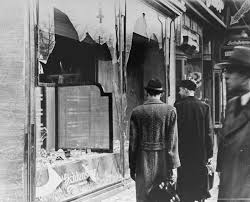
The geographic span of the Holocaust was one of the most pivotal elements of the genocide. The extreme lengths that the Nazis took to displace many of their victims demonstrates their dedication to ethnic cleansing, enslavement, and ultimately the eradication of entire societies.
In Professor Sheer Ganor’s course “History of the Holocaust,” students’ final projects were designed with three core goals: to highlight the spatial dimension of the Holocaust, to give students an opportunity to intimately learn individuals’ life stories, and to analyze primary sources and scholarly studies that shed further light on survivors’ stories.
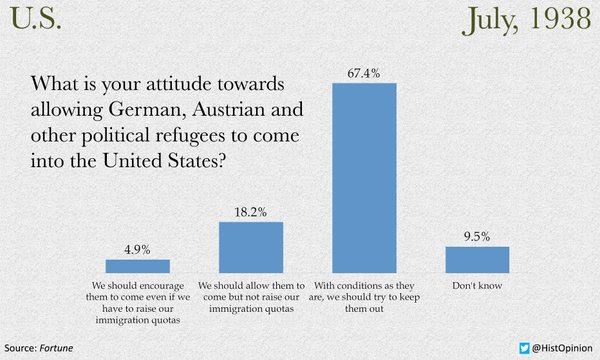 The Twitter account
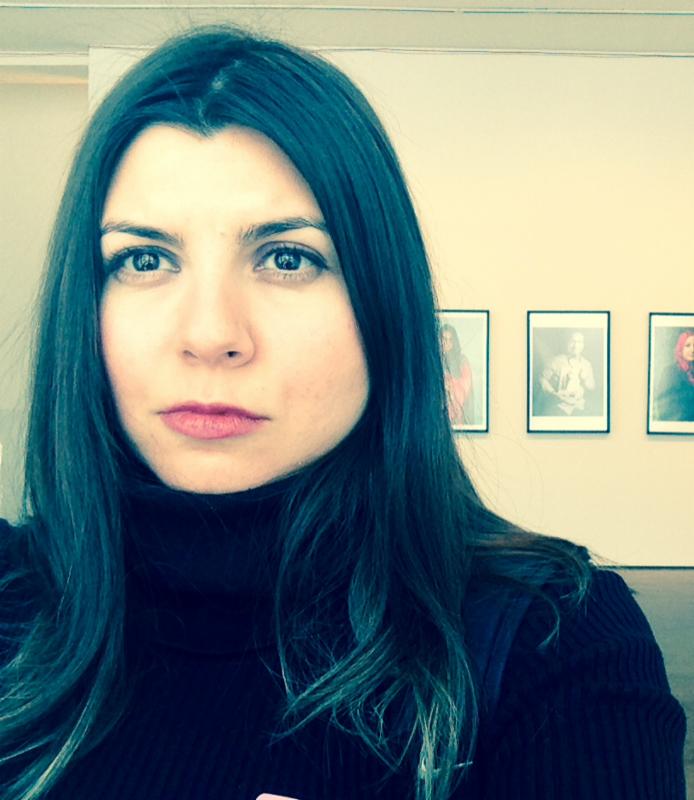 Yagmur Karakaya is a PhD student in Sociology at the University of Minnesota. She is interested in collective memory, popular culture and narratives of history. Yagmur is currently working on her dissertation project on Ottomania, which focuses on contemporary interest in the Ottoman past in Turkey. She is interested in how different groups of minorities engage with the ways in which Ottoman past is recalled and how they situate themselves in this narrative. During her Badzin Graduate Fellowship year, she will focus on the commemoration of the Holocaust in Turkey, and the relative silence on the Armenian genocide situating both of these phenomena in the current political interest in the Ottoman past. This project will engage with current debates regarding memorialization and denial in the field of Holocaust and genocide studies within the context of Turkey. She will be focusing on two major non-Muslim minorities in Turkey: the Jewish and Armenian population, conducting interviews with the members.
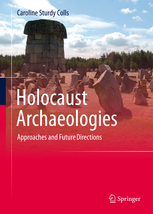 Holocaust Archaeologies: Approaches and Future Directions aims to move archaeological research concerning the Holocaust forward through a discussion of the variety of the political, social, ethical and religious issues that surround investigations of this period and by considering how to address them. It considers the various reasons why archaeological investigations may take place and what issues will be brought to bear when fieldwork is suggested. It presents an interdisciplinary methodology in order to demonstrate how archaeology can (uniquely) contribute to the history of this period. Case examples are used throughout the book in order to contextualize prevalent themes and a variety of geographically and typologically diverse sites throughout Europe are discussed. This book challenges many of the widely held perceptions concerning the Holocaust, including the idea that it was solely an Eastern European phenomena centered on Auschwitz and the belief that other sites connected to it were largely destroyed or are well-known. The typologically, temporally and spatial diverse body of physical evidence pertaining to this period is presented and future possibilities for investigation of it are discussed. Finally, the volume concludes by discussing issues relating to the “re-presentation” of the Holocaust and the impact of this on commemoration, heritage management and education. This discussion is a timely one as we enter an age without survivors and questions are raised about how to educate future generations about these events in their absence.