Archive: Apr 2021

Nearly five years ago, the Center published two blog articles, Another Genocide Declaration: This One Matters, and Berlin’s Message to Ankara, detailing the importance of Germany’s recognition of the Armenian genocide. Then, Germany had just become the thirteenth country to formally declare the targeted destruction of the Armenian population of the Ottoman Empire as genocide. To many scholars, Germany’s recognition of the genocide was the most important official recognition, not only because of Germany’s support for the Ottoman military but also because the Armenian genocide paved the way for the horrors of the Holocaust just over two decades later. 
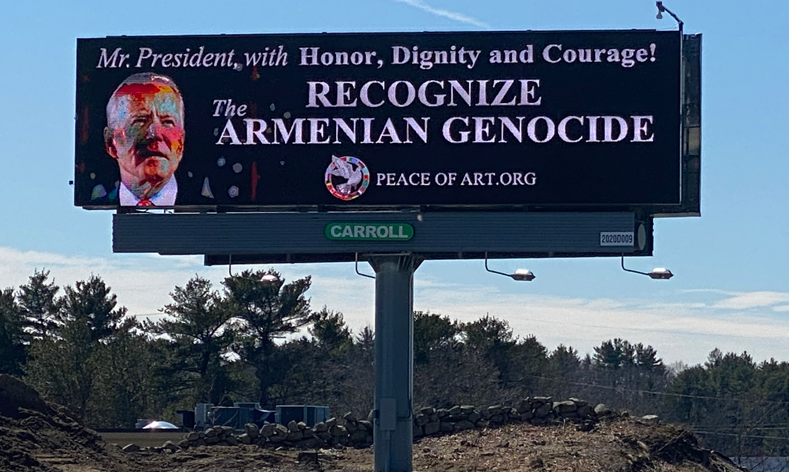
Beyond that, back in 2016, it was nearly inconceivable for the United States to recognize the Armenian genocide in any meaningful sense. Several Presidential candidates campaigned on the promise of recognition, only for the idea to be eschewed by the realities of contemporary geopolitics. Finally, in October 2019, the House of Representatives passed a nonbinding resolution formally acknowledging the genocide. In December, the Senate followed suit. Praising the vote, Minnesota Governor Tim Walz tweeted, “the Armenian Genocide is historical fact, and the denial of that fact is a continuation of the genocide.”
more...

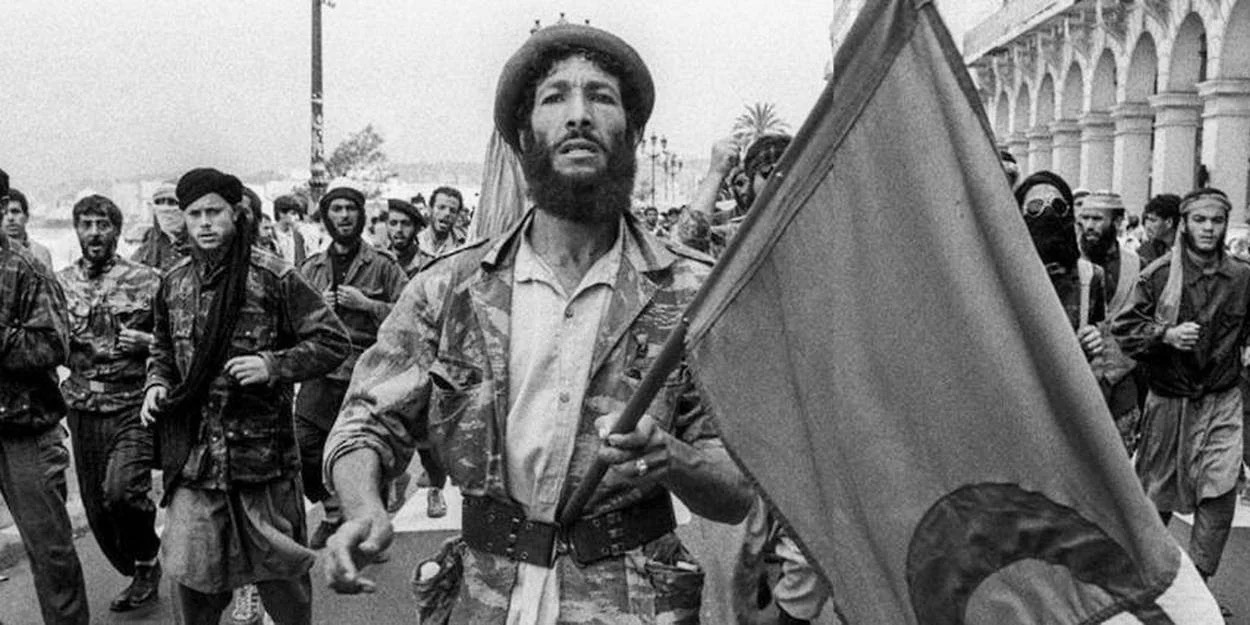
Algeria’s Hirak movement has persisted since its launch in February 2019. From large urban cities to rural towns, the peaceful movement mobilized Algerian citizens throughout the country. Although some analysts feared that the popular social movement would result in a return to violence and create space within the country for violent extremists, the movement has exhibited a strong aversion to extremist groups. Thus, these fears have been largely unfounded, as protestors actively reject groups like the Armed Islamic Group (GIA), which participated in the country’s decade-long civil war (1992-2002). 

The GIA was a Salafi-Jihadist organization that engaged in open warfare with the Algerian government and eventually Algerian society during the country’s civil war. The GIA’s defeat during the civil war and the contemporary Hirak movement’s aversion to extremist organizations can be linked to the GIA’s attacks on civilians and its campaign of kidnapping, sexual violence, and forced domestic servitude. 

Photo Courtesy of LePoint

more...

The geographic span of the Holocaust was one of the most pivotal elements of the genocide. The extreme lengths that the Nazis took to displace many of their victims demonstrates their dedication to ethnic cleansing, enslavement, and ultimately the eradication of entire societies.

In Professor Sheer Ganor’s course “History of the Holocaust,” students’ final projects were designed with three core goals: to highlight the spatial dimension of the Holocaust, to give students an opportunity to intimately learn individuals’ life stories, and to analyze primary sources and scholarly studies that shed further light on survivors’ stories. 

more...

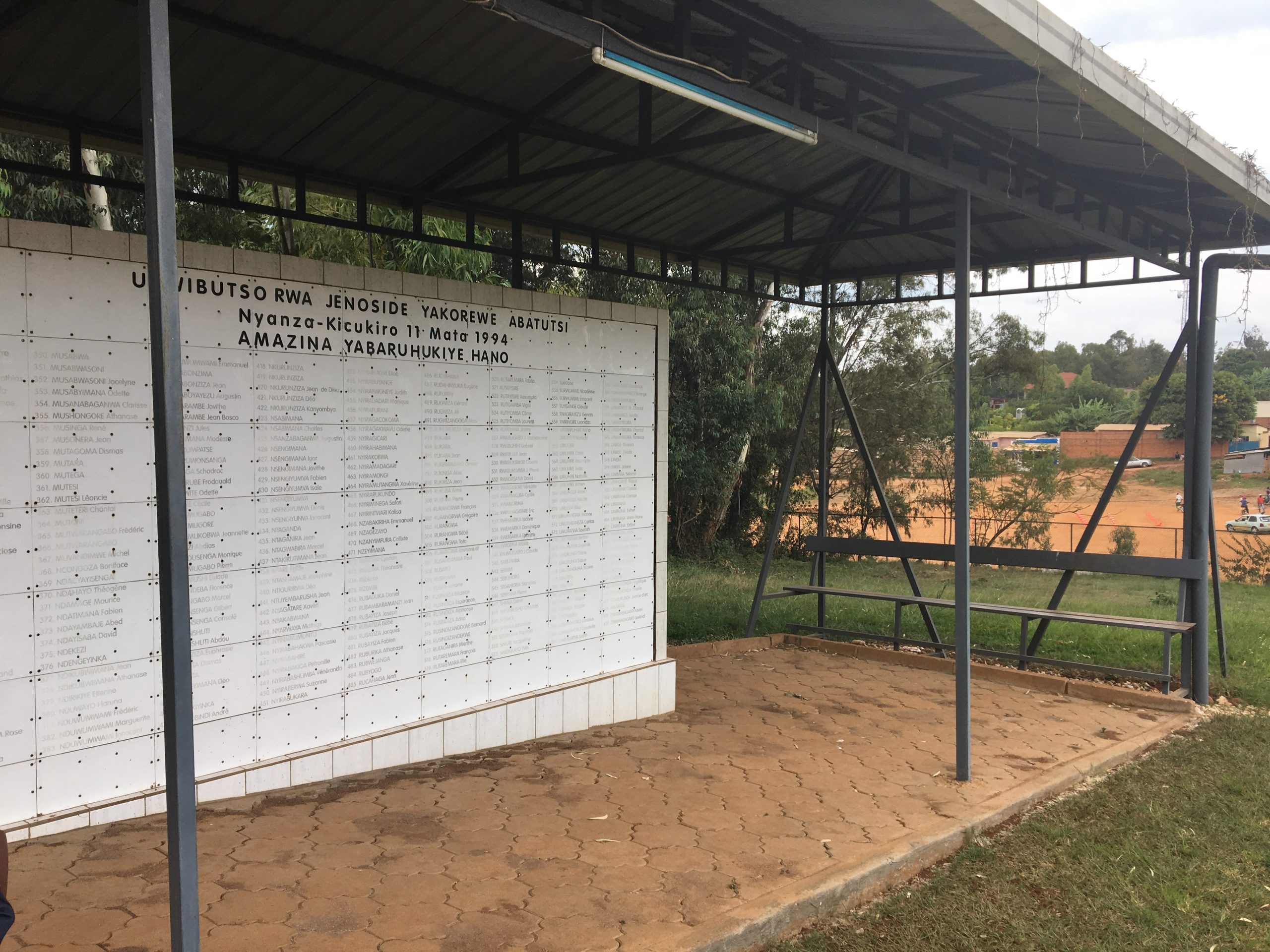
In April of 1994, genocide began in Rwanda. More than one million Tutsi were killed over the course of a mere 100 days; the lasting impact of this violence is immeasurable. Each year, beginning on April 7th, Rwandans across the world come together to reflect and commemorate during the annual Kwibuka remembrance period.

Names of genocide victims listed at Nyanza memorial in Rwanda. Photo courtesy of authors.

more...