gender

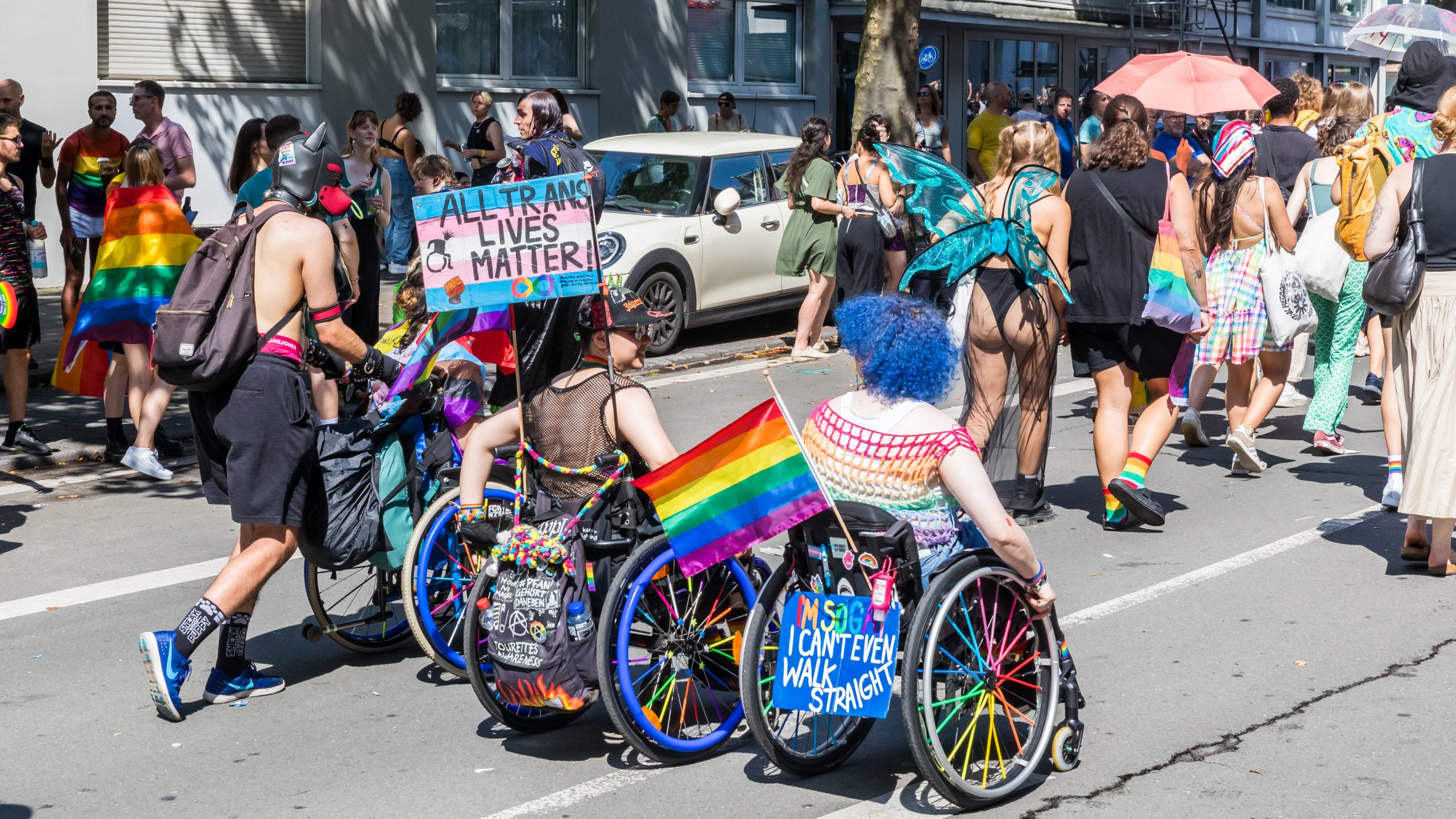
A street scene of a pride parade, featuring three people in wheelchairs with rainbow-colored spokes, gay and trans pride flags, and signs. “2024 ColognePride, Parade-10165” by Raimond Spekking is licensed under the Creative Commons license CC BY-SA 4.0.

Increasing numbers of Americans identify as transgender in spite of the social and political pressures that enforce a gender binary. While knowledge and understanding of transgender people has grown over the past few decades, identifying as transgender still exposes people to stigma, discrimination, and violence. Varying from societal expectations about gender carries significant social risks. In a new study, Aven Peters explores an important factor that might impact people’s choices to defy gender norms anyway: having a physical disability.

Peters analyzes data from three large surveys of adults in the U.S. to explore how having a physical disability impacts people’s likelihood of identifying as transgender. They find a strong relationship: people who have a physical disability are significantly more likely to identify as transgender than people without disabilities. This was especially true among younger generations. In one of the surveys, for example, people born in 1980 were about twice as likely to identify as transgender if they had a physical disability, while people born in 2000 were over three times as likely to identify as transgender if they had a disability. The other surveys showed similar results.

Peters argues that this pattern exists because disabled bodies are already viewed as abnormal and “disorderly” by society, which may make it easier for people with disabilities to depart from binary gender categories. For people who are not physically disabled, identifying as transgender could threaten their status as someone with a “normal” body, which introduces new social risks. For people with physical disabilities who are already viewed as having “abnormal” bodies, the added risks of identifying as transgender may feel lower.

This research highlights how people’s identities are shaped by their own bodily experiences as well as the intersecting power structures of the society around them. People who are marginalized for their disabilities may feel freer to subvert the social forces upholding the gender binary, too.

————–

Anastasia Dulle (she/her) is a PhD student in the Department of Sociology at the University of Minnesota. Her research interests revolve around religion, culture, politics, and rhetorical/narrative studies.


A close-up photo of a gavel as a judge signs a document in the background. “Judge Signing on the Papers” by Katrin Bolovtsova is licensed under CC BY 2.0 in pexels.

As U.S. states pass increasingly strict abortion laws, debates often focus on legal rights and restrictions. But what other messages are these laws sending about gender and power? To explore this question, researchers Luna J. Slater, Brooke A. de Heer, and Emily M. Schneider analyzed the language of 18 of the most restrictive state abortion bans enacted between 2018 and 2022. Their findings reveal how these laws portray abortion seekers as victims, prioritize physical health over mental health, and create bureaucratic hurdles for pregnant people who’ve experienced sexual violence – ultimately reinforcing unequal power dynamics and diminishing women’s autonomy.

Of the laws analyzed, most bans avoid criminalizing people seeking abortions and instead outline punishments for doctors and clinics. The authors argue that this enforces a narrative of abortion seekers as coerced or incapable of making independent medical decisions. Many of these bans also describe abortion procedures as being performed on the pregnant person, rather than as choices made by them. For example, Missouri’s HB 126 (2019) describes the pregnant person as the “woman upon whom an abortion is performed or induced.” The authors argue that such wording ultimately portrays women as innocent, subordinate, and passive recipients of care rather than decision-makers.

While all analyzed bans include exceptions to save the pregnant person’s life, nearly every state limits them to physical conditions, not psychological ones. The authors argue this reinforces the view of pregnant people as vessels for birth rather than individuals whose overall well-being – including mental health – matters. This approach further diminishes the autonomy and rights of pregnant individuals by restricting their access to care based on a narrow definition of medical necessity.

Fewer than half of the bans analyzed included exceptions for cases of rape and incest. Of those that did, 75% required the pregnant person to formally report the rape to law enforcement or a medical provider to qualify. Some laws went even further – such as Iowa’s SF 359, which demands that the rape be reported “within forty-five days of the incident.” These legal conditions place an additional burden on pregnant people who have experienced sexual violence, forcing them to navigate complex bureaucratic and legal systems to justify their need for reproductive healthcare. In doing so, such laws reinforce patriarchal control by limiting reproductive rights and forcing pregnant people to engage with systems that may disregard their safety, dignity, and well-being.

The restrictive abortion laws analyzed in this study go beyond policy – they shape public perceptions of autonomy, health, and justice. By framing abortion seekers as victims, excluding mental health considerations, and imposing burdensome requirements on those who have experienced rape or incest, these laws reinforce gendered inequalities that extend far beyond the issue of abortion.

“Man and Woman Happily looking at each other” by Mike Jones is licensed under CC BY 2.0 in pexels.

In a society seeking unity and multiculturalism, interracial relationships are typically viewed as a sign of progress. However, interracial couples in the United States often face the pressure of societal tensions rooted deep in a history of racism and the enslavement of Black people. These past tensions have evoked a sense of wariness for challenging racial boundaries, especially when it comes to romantic relationships. A new study shows that Black women in relationships with white men experience these pressures in a variety of ways, and often from members of the Black community. 

In 2021, Vanessa Gonlin and colleagues interviewed 82 Black American women with higher-than-average education levels about their experiences dating or marrying white men. Responses revealed that Black women in such relationships were often met with suspicion and even rejection from other Black people for stepping outside of racial boundaries.

As one interviewee described, “Because I am a Black woman, I’m not allowed to be attracted to light-skinned men or to white men, … because then that’s me trying to be whiter, escape my Blackness or escape trying to be Black … so you internalize on these comments.”

Many women described experiencing identity invalidations and alienation as a result. Some talked about being accused of internalized racism, or of encountering barriers to getting involved in the Black community. Still other interviewees expressed frustration with other people’s perceptions of them, while some even felt a sense of guilt.

This research draws attention to the consequences Black women face for deviating from normative expectations. As a result of these consequences, many Black women in interracial relationships struggled to achieve a sense of balance between their connections with their community and their personal connection to their partner.

A young girl holds the hand of an adult. “together” by Spirit-Fire is licensed under CC BY 2.0.

Parenting styles shape the way children gain important knowledge and resources in key developmental years. New research is showing how these parenting styles are influenced by even short-term fluctuations in family income. 

Gabriele Mari explored how unexpected increases and decreases in income influenced parenting styles in high- and low-income families in the United Kingdom. Using data from the UK­ Household­ Longitudinal­ Study from 2009-2022, Mari assessed how income swings placed strain on parents, shaping levels of warmth, harshness, and permissiveness in parenting. 

Mari found that high- and low-income parents react differently to income shifts. Although low-income parents showed less warmth than high-income parents generally, low-income parents were more likely to score higher on warmth scales during periods of income uncertainty.  Mari reasons that this ability of low-income parents to show warmth despite income shifts could be an adaptation to persistent economic disadvantage. In contrast, high-income parents scored higher on both harshness and permissiveness during periods of instability.

Mothers and fathers also responded differently to income uncertainty. Mothers were less likely than fathers to change parenting styles during periods of economic instability. This finding supports the theory of “inventive mothering,” which describes how mothers shield children from the effects of economic uncertainty by maintaining typical parenting strategies. In line with Mari’s other findings, high-income fathers responded to earned income losses with lower warmth, while low-income fathers showed greater warmth.

Mari’s research highlights how parents respond to and buffer the effects of income uncertainty.  It is important to know that instability in income can undermine stability in parenting, especially as workers in the United States and elsewhere face temporary or gig employment, volatile earnings, and diminishing benefits packages.

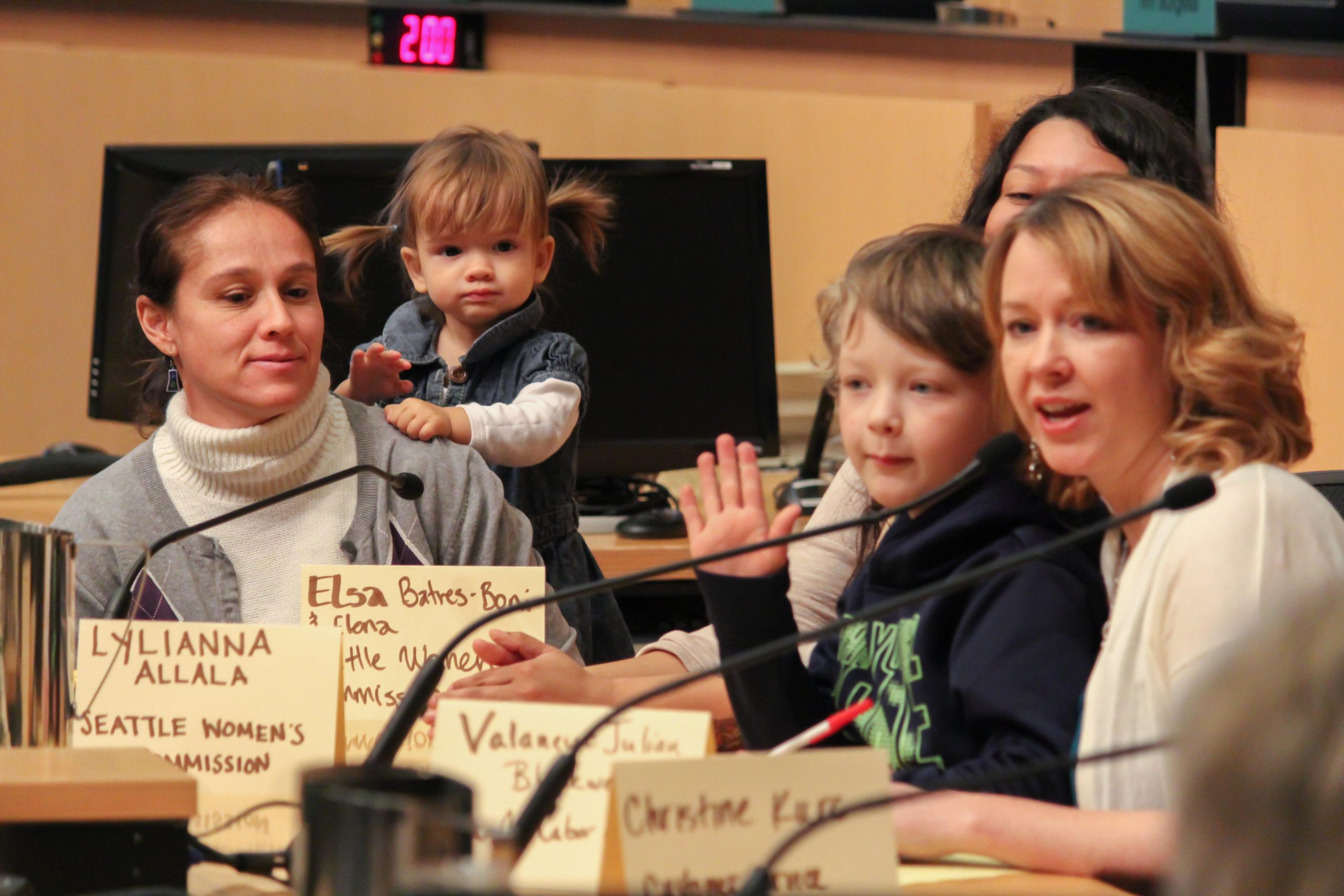
Two women with young children sit at a table and speak into microphones. “Paid Parental Leave Committee Vote” by Seattle City Council is marked with CC0 1.0.

When women have children, they often earn less than women without kids. This is called the motherhood penalty, and it happens for many reasons. Mothers may step out of work for a time, cut back on hours, or pass up promotions to care for children. Employers may also assume that mothers are less committed to their jobs. In any event, the result is that mothers earn less than fathers and less than women without children, even when they have the same skills and education.

A new study by Jennifer Hook and Meiying Li asks whether family-friendly government policies can shrink this earnings gap. They looked at nearly 3 million workers in 26 mostly high-income democracies over a twenty-year period. Their focus was on two kinds of support: childcare spending and paid parental leave. The logic behind the emphasis on these two policies is straightforward – if parents have access to affordable childcare and paid leave, mothers can more effectively balance work and family responsibilities which should help narrow the pay gap between mothers and non-mothers as well as between men and women.

But the results are mixed. On the one hand, short paid leaves (six months or less) and public childcare policies that apply to both mothers and fathers seem to help mothers stay in the workforce without widening the pay gap. Mothers benefit because they can recover from childbirth, care for infants alongside their partners, and then return to work with support systems in place. Childcare spending also makes it easier for both parents to remain employed, rather than forcing women to choose between work and family.

On the other hand, when paid leave extends beyond six months, the story changes. Hook and Li find that in countries with long leave, the gender earnings gap widens – not only for mothers but for all women. Employers may start to see hiring or promoting women of childbearing age as risky, assuming the women will eventually take extended leave. As a result, women may be passed over for promotions, training, or equal pay, regardless of whether they have children. Long-leave policies also affect men: when leave is mostly taken by women, men may face stigma or financial penalties for taking time off, reinforcing the idea that caregiving is women’s work. This limits fathers’ involvement at home and deepens gender inequality both at work and in families.

These findings show that not all family policies work the same way – and that even the most well-meaning policies can have unintended and even negative impacts. Short leave and childcare help women participate in the labor force without penalty. Very long leave, while designed to help families, can unintentionally hurt women’s pay overall by reinforcing stereotypes about who will leave work and who will stay.

The bigger picture is that the motherhood penalty is not just about individual choices, but about how workplaces and policies treat women. Policies that encourage shared caregiving and quick re-entry into the workforce can help close the gap. But if policies signal that only women will step away from work for long stretches of time, they may deepen the very inequality they are meant to solve.

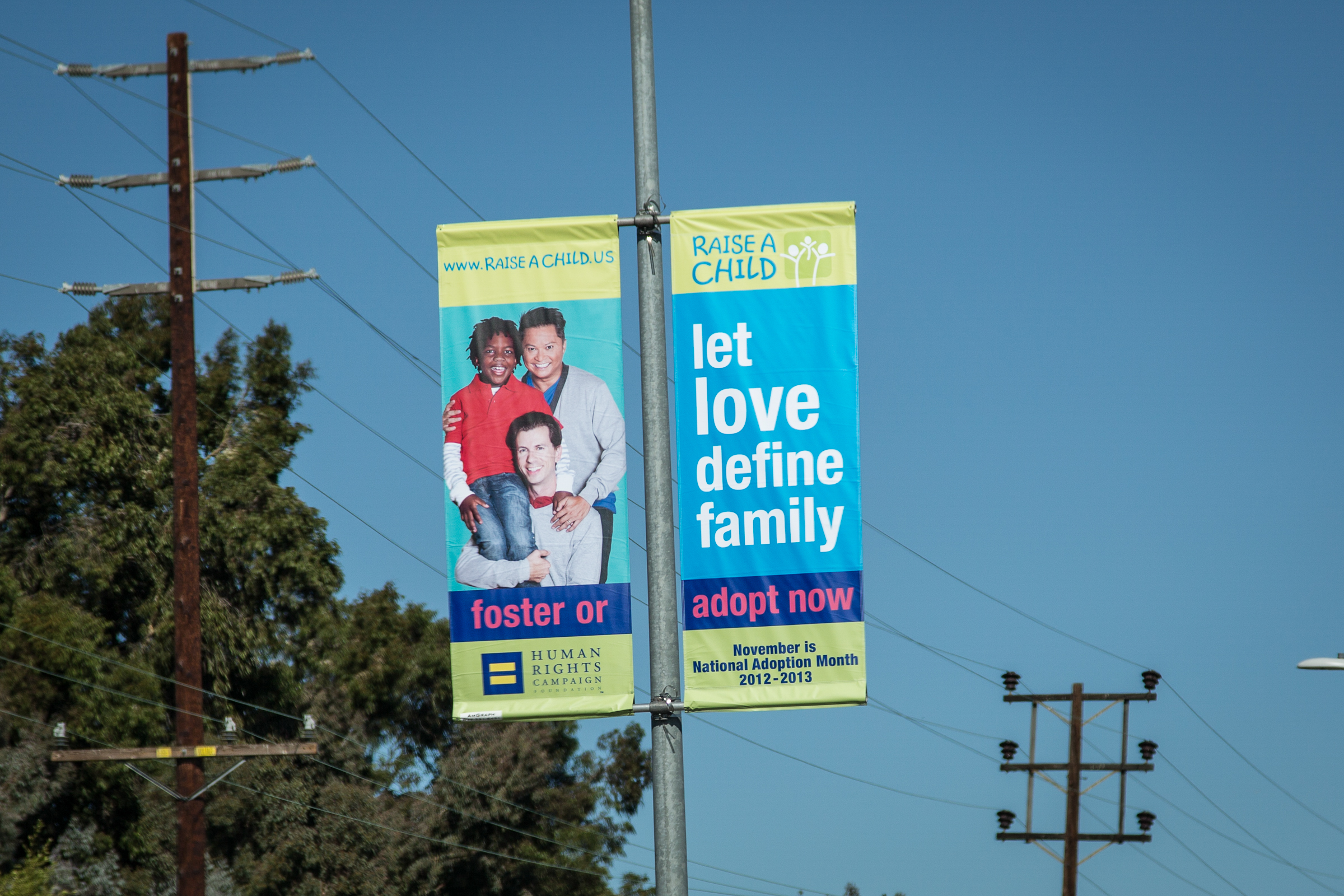
Banners depicting a couple hugging a child read “let love define family” and “foster or adopt now.” HRC Let Love Define Family Los Angeles Adoption from Wikimedia Commons by Tony Webster under the Creative Commons Attribution-Share Alike 4.0 license.

Public support for same-sex marriage has climbed dramatically in recent decades, but how have attitudes toward same-sex parents evolved? In a new study, Wendy D. Manning and Kristen E. Gustafson examined changes in public opinion on same-sex parenting over the past decade, comparing responses from the 2012 and 2022 General Social Survey (GSS). They find that acceptance of same-sex parents has increased dramatically across all demographics, though differences persist depending on political beliefs, religious affiliation, and geographic location.

In 2012, 46% of Americans agreed that same-sex female couples could parent just as well as heterosexual couples, and 43% said the same for same-sex male couples. By 2022, these numbers had risen sharply to 63% and 61%, respectively. Support increased across all demographic groups (sex, race/ethnicity, education, family background, age, parenthood status), including conservative and highly religious respondents, though at a slower pace and to a lower extent. 

The study found that while approval increased for both, Americans consistently showed greater acceptance of same-sex female parents than same-sex male parents. Regional differences were also persistent, with New England consistently reporting the highest levels of approval in both 2012 and 2022. The largest increase in support occurred in the East South Central region (Kentucky, Tennessee, Mississippi and Alabama), while the West North Central (Iowa, Missouri, Nebraska, North Dakota, South Dakota, Minnesota and Kansas) and Mountain States (Arizona, Colorado, Idaho, Montana, Nevada, New Mexico, Utah and Wyoming) saw the smallest increases.

Even with these shifts in public opinion, Manning and Gustafson highlight a growing contradiction: even as more Americans support same-sex parenting, legal and political attacks on LGBTQ+ families persist. In 2023 alone, over 500 state-level bills targeting LGBTQ+ rights were introduced, some restricting adoption and parenting rights. Therefore, while broad social attitudes may be shifting toward greater inclusion, major structural barriers to family recognition and security remain entrenched in law and policy.

Manning and Gustafson’s findings provide an important update on attitudes toward same-sex parents, but they also raise important questions. If their basic legal rights are still under attack even as public support grows, what does this mean for LGBTQ+ families? 

A woman sitting on the edge of a dock looking out onto the water. Photo by Keenan Constance and licensed under Pexels License.

What happens in a romantic relationship when things turn violent? The common reaction is “just leave him” or “call the police” – but there are often many other ways female victims resist. A recent interview study by Lynette Renner, Carolyn Hartley, and Knute Carter explored the strategies of resistance taken by 150 different victims of intimate partner violence.

The study identified six common strategies that victims used to cope with or respond to abuse. These included seeking formal support, such as staying in a shelter or calling a hotline, or informal support, such as turning to social networks by talking with family or friends. Some pursued legal assistance by contacting the police or filing charges, while others engaged in safety planning behaviors like hiding money or keys in preparation to leave. Acts of resistance, such as fighting back or ending the relationship, were also common, as were placating strategies, where victims tried to keep the peace or avoid the abuser to reduce conflict. Victims often engaged in one or more of these strategies simultaneously.

After reviewing the data, they concluded there were 4 different “types of victims” based on different patterns of use of the above paths:

  • High Strategy Users (took all or almost all the above paths)
  • Moderate Strategy Resisters (took primarily the resistance path)
  • Moderate Strategy Placators (took primarily the placating path)
  • Low Strategy Users (least likely to commit to one path, especially safety planning)

In short, women experiencing relationship violence navigate different paths when faced with critical decisions about their safety. To offer meaningful support, advocates, service providers, and policymakers must recognize each survivor’s unique combination of risks, resources, and responses.

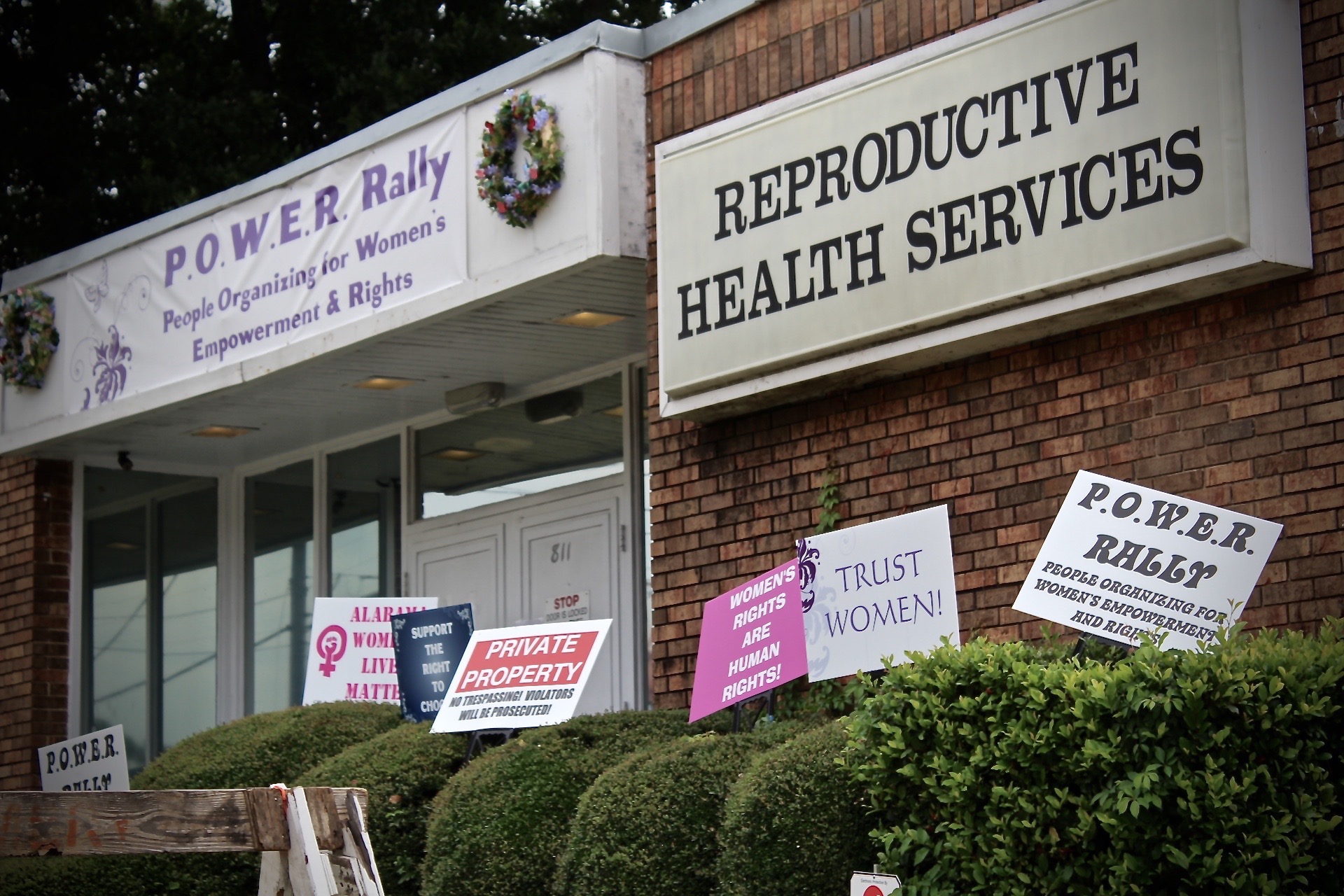
Reproductive Health Services Montgomery” by Robin Marty is licensed under CC BY 2.0.

Decades of research show that becoming a mother often leads to lower wages and fewer job offers, a phenomenon known as the “motherhood penalty.” Less attention has been given to how access to abortion – and the right to decide whether to carry a pregnancy to term – shapes women’s financial futures. A recent study by sociologists Bethany G. Everett and Catherine J. Taylor fills this gap by examining how abortion access – or its absence – influences women’s economic outcomes over time.

Using data from the National Longitudinal Study of Adolescent to Adult Health, Everett and Taylor tracked participants over 24 years to analyze the financial effects of growing up under more or less restrictive state abortion policies. Their study found that women who lived in states with more restrictive abortion policies as teenagers were less likely to graduate from college, had lower incomes, and experienced higher levels of financial instability in adulthood. For instance, women from states with more restrictive abortion policies were more likely to report falling behind on bills, facing eviction, and accumulating debt compared to those from states with less restrictive abortion policies.

Everett and Taylor also compared the economic trajectories of women who had abortions as teenagers to those who carried pregnancies to term. The researchers used a matching technique to pair women with similar characteristics to estimate how abortion affects socioeconomic outcomes. The results were stark: those who had abortions as teenagers were more likely to graduate from high school and college, had higher incomes, and reported greater financial stability in adulthood.

Everett and Taylor’s research shows that limited access to abortion is linked to long-term declines in education and economic stability. As the fight over abortion continues, their findings make clear that restricting abortion access isn’t just a threat to people’s health and autonomy – it can also impose hardship and deepen economic inequality.

Housework” by pasukaru76 is marked with CC0 1.0.

Today, researchers estimate that women do twice as much housework as men. While the gender gap in unpaid domestic labor shrank substantially over the second half of the 20th century, it stabilized in the mid-1990s, with women still shouldering a larger amount of housework and childcare. So what do these twentieth-century trends mean for the division of domestic labor in the twenty-first century? Who’s doing the housework and childcare in American households today?

Melissa Milkie and colleagues answer these questions using time diary data from the American Time Use Survey. This survey captures married men and women’s time spent on daily housework and childcare activities and the researchers focused on changes in the data between 2003 and 2023. Overall, the authors found that while married women still do more housework and childcare than married men, the gender gap has gradually narrowed over the twenty-first century. 

The biggest change in housework was found in men’s increased participation and women’s decreased participation in traditionally “feminine” tasks like cooking, cleaning, and laundry. In 2003, married women spent 4.2 times as many hours on these core housework tasks as married men, but today that ratio has dropped to 2.5 times – a 40% decrease. 

The COVID-19 pandemic accelerated these shifts. In 2020, both men and women increased their housework time. By 2023, women’s average housework time returned to pre-pandemic levels, while men maintained their higher housework involvement. Men’s increased participation in core housework activities like cooking and cleaning since the pandemic marks an important shift in their behavior – signaling greater gender convergence in traditionally feminine tasks. Lastly, the gender gap in childcare also notably shrank slightly between 2003 and 2023. Women average 1.8 hours of childcare per day compared to men’s 1 hour, the smallest gender gap in childcare time recorded in the past 60 years

The authors also explored why these shifts were happening. Married women’s reduced housework time can be attributed to broader population shifts over the 21st century, primarily increased income and education among women. From 2003 to 2023, married men started doing more housework, likely because ideas about gender roles at home changed and partners began expecting a more equal share of chores. The pandemic period, in particular, signals a crucial moment in the twentieth century for changes in men’s unpaid domestic labor, with married men and fathers increasing and maintaining their hours in domestic labor. 

While the pace of change has slowed and women still do more, the gender gap in unpaid domestic labor time is shrinking – primarily driven by married men’s increased time and married women’s decreased time in traditionally feminine housework tasks. This study suggests that the gender gap in domestic labor has not stalled, but rather changed in significant ways as gender roles continue to evolve and adapt in twenty-first-century couples.    

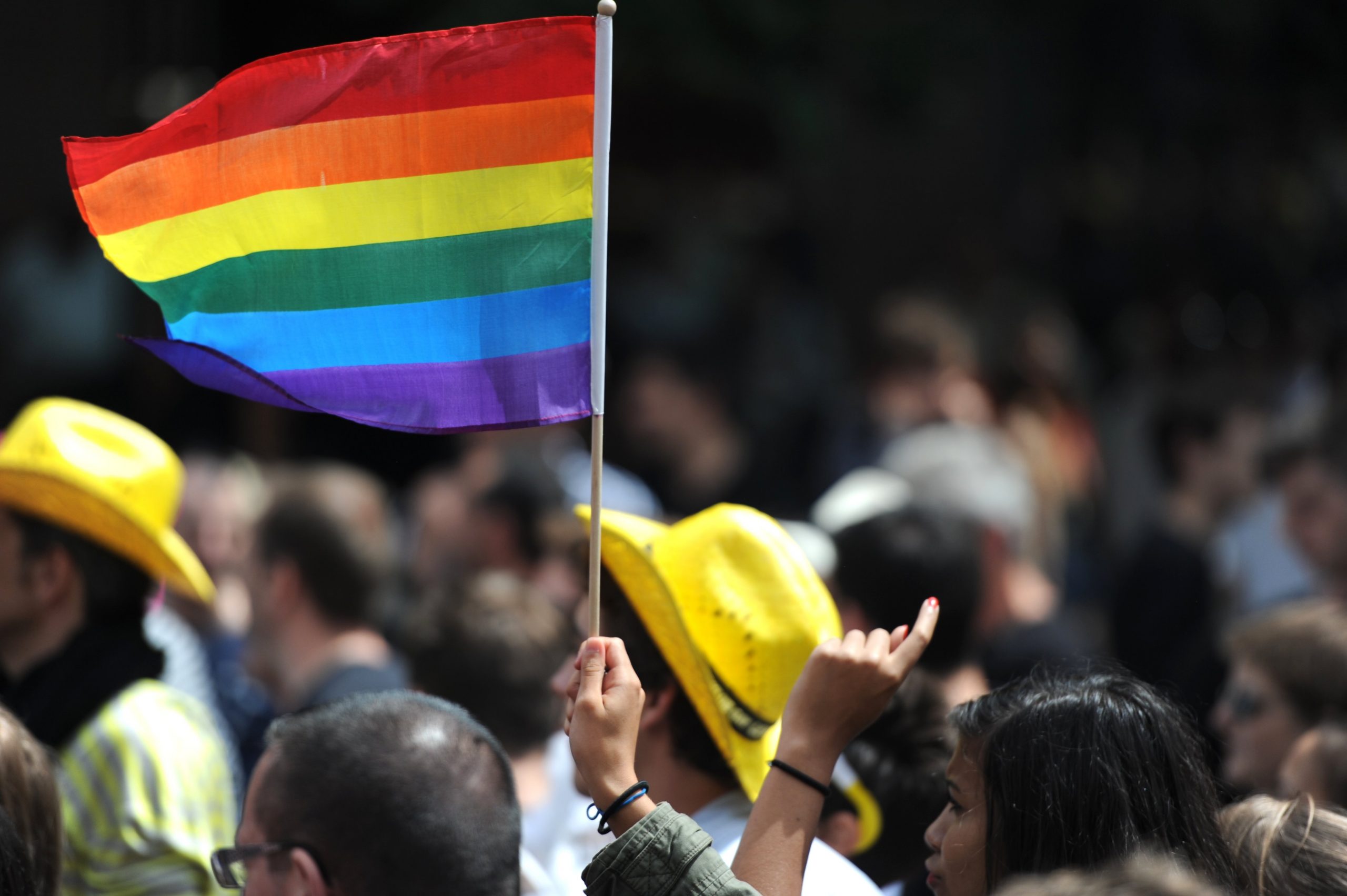
Gay pride 164 – Marche des fiertés Toulouse 2011.jpg” by Guillaume Paumier is licensed under CC BY 2.0.

Over the past decade, the number of adults in the United States who identify as LGBTQ+ has more than doubled. At the same time, the number of terms describing people’s sexualities and gender identities has increased as well, and continues to evolve. Given these changes, how do LGBTQ+ people decide which labels to use when describing or disclosing their identities?

In a new study, researchers Holmes and Ghaziani sought to understand how LGBTQ+ people make sense of the different identity labels available to them. Through interviews with LGBTQ+ adults around Vancouver (most of whom were in their 20s), the researchers found most respondents used more than one label to define their sexuality. Most commonly, these respondents described themselves as both “queer” and either “gay”, “bisexual”, or “pansexual”. Some respondents used a series of labels to define their identity, offering descriptions like “nonbinary, queer, bisexual, gray-sexual, and aromantic.”

Additionally, some LGBTQ+ people in this study reported using different identity labels in different situations to avoid potential confusion or conflict. For example, some people would use better-known terms – such as “gay”, “lesbian”, or “bisexual” – when communicating their identities to older or more conservative people. As one respondent described, “I pretty much just stick to ‘queer’ [in Vancouver], but when I’m in Texas, my dad is – he doesn’t understand, really, so for him, it’s ‘gay’.”

Some respondents also discussed using different labels in interactions with other LGBTQ+ people to avoid potential in-fighting over the legitimacy of their identity. As one person described, “I will use gay, queer, or bisexual depending on who I’m speaking to…When I’m speaking to someone like a lesbian or someone in the queer community, I’ll call myself queer, because I still have that fear that I’m seen as less gay or less deserving of being in that space.”

These findings highlight that how people express their identities often varies across situations. To try to help interactions run smoothly, LGBTQ+ people discussed adjusting the identity labels they used based on their audience. This reflects classic insights from the sociologist Erving Goffman: that identities are not stable internal constructions, but evolve and are negotiated in social interactions.