
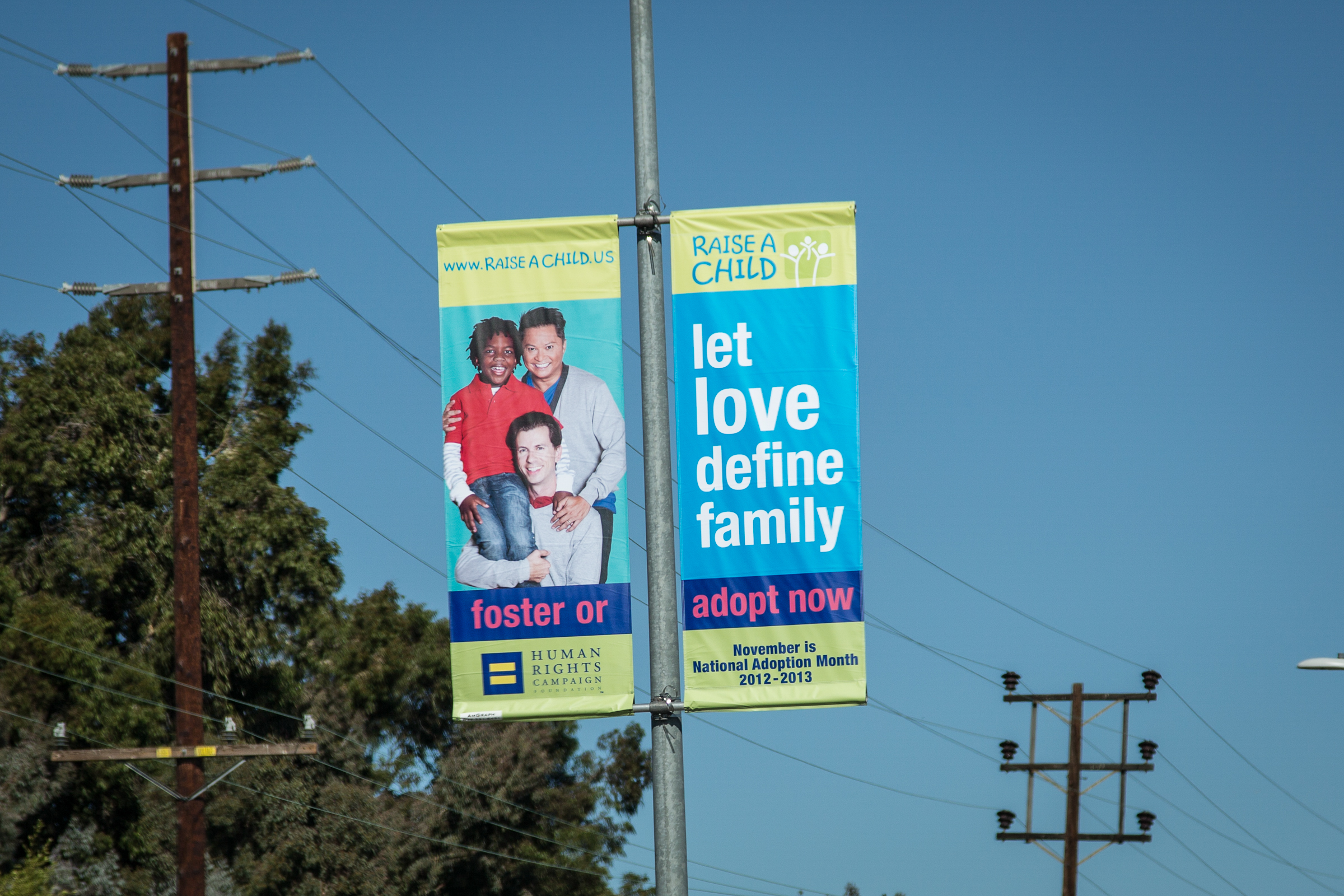

Public support for same-sex marriage has climbed dramatically in recent decades, but how have attitudes toward same-sex parents evolved? In a new study, Wendy D. Manning and Kristen E. Gustafson examined changes in public opinion on same-sex parenting over the past decade, comparing responses from the 2012 and 2022 General Social Survey (GSS). They find that acceptance of same-sex parents has increased dramatically across all demographics, though differences persist depending on political beliefs, religious affiliation, and geographic location.
In 2012, 46% of Americans agreed that same-sex female couples could parent just as well as heterosexual couples, and 43% said the same for same-sex male couples. By 2022, these numbers had risen sharply to 63% and 61%, respectively. Support increased across all demographic groups (sex, race/ethnicity, education, family background, age, parenthood status), including conservative and highly religious respondents, though at a slower pace and to a lower extent.The study found that while approval increased for both, Americans consistently showed greater acceptance of same-sex female parents than same-sex male parents. Regional differences were also persistent, with New England consistently reporting the highest levels of approval in both 2012 and 2022. The largest increase in support occurred in the East South Central region (Kentucky, Tennessee, Mississippi and Alabama), while the West North Central (Iowa, Missouri, Nebraska, North Dakota, South Dakota, Minnesota and Kansas) and Mountain States (Arizona, Colorado, Idaho, Montana, Nevada, New Mexico, Utah and Wyoming) saw the smallest increases.

Even with these shifts in public opinion, Manning and Gustafson highlight a growing contradiction: even as more Americans support same-sex parenting, legal and political attacks on LGBTQ+ families persist. In 2023 alone, over 500 state-level bills targeting LGBTQ+ rights were introduced, some restricting adoption and parenting rights. Therefore, while broad social attitudes may be shifting toward greater inclusion, major structural barriers to family recognition and security remain entrenched in law and policy.
Manning and Gustafson’s findings provide an important update on attitudes toward same-sex parents, but they also raise important questions. If their basic legal rights are still under attack even as public support grows, what does this mean for LGBTQ+ families?
Comments