
 Conflict Brings Us Together: this week’s protests represent a historic level of social consensus
Popular Threads

Bending Femininity in The Secret Lives of Mormon Wives
by Marissa Morey and Kristin Johnston
The Secret Lives of Mormon Wives took the world by storm in 2024. The show stars seven young women living in Utah and working as social media momfluencers. The women are collectively known as “#MomTok” and create dancing, lifestyle, and humorous videos on TikTok. The show’s success is partly driven by a viral swinging scandal […]
An Eye to the Stars and the Sociology of Play
by Jack Leatherman
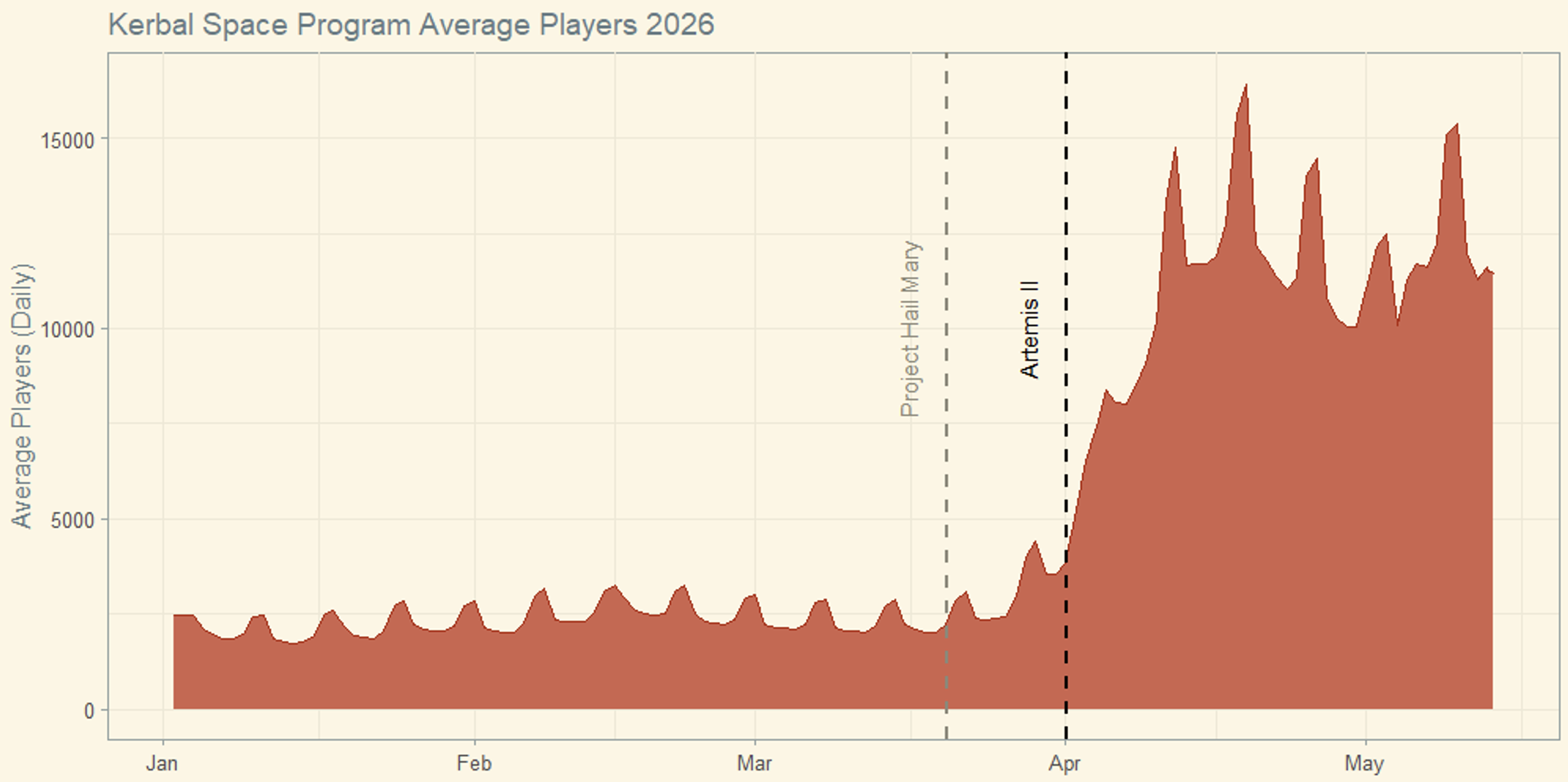
Video games have often been a target of moral panic in the United States. The 1990s were fraught with worry that consuming violent content in video games would lead to violent behavior in the real world. The 2010s had its own controversies with the immense popularity of franchises like Call of Duty and Grand Theft […]

Who Cares About Care?
by Scott Richardson
I’m squarely middle-aged with friends in their 30s through 60s who have made serious relationship commitments that are now experiencing problems. They bend my ear and speak about these issues in three primary ways (I bet you can guess them): lack of communication, lack of emotional intimacy, and financial stress. These themes come up repeatedly, […]
Editor and Principal Writer
 Evan Stewart is an assistant professor of sociology at University of Massachusetts Boston. His research on political culture and institutional distrust and disaffiliation has appeared in journals such as Social Forces, Sociological Theory, Social Currents, and The Sociological Quarterly. Evan holds a PhD in sociology from the University of Minnesota and a BA in political theory and social policy from Michigan State University.
Founder
 Lisa Wade, PhD, is the founder of Sociological Images. Born and raised in California, she earned a BA in philosophy from UC Santa Barbara, an MA in human sexuality from NYU, and a PhD in sociology from the University of Wisconsin, Madison. She is an Associate Professor at Tulane University in New Orleans, with appointments in Sociology, Gender and Sexuality Studies, and the Newcomb Institute.
Her recent book, American Hookup, is an open-minded, compassionate, and unflinching account of the new culture of sex on campus. She is also the author of the bestselling textbook Gender: Ideas, Interactions, Institutions, with Myra Marx Ferree, and the co-editor of Assigned, a book about life with gender. Forthcoming is a rousing, tide-turning take on the introduction to sociology textbook: Terrible Magnificent Sociology.
You can join Lisa on Twitter and Instagram. Or, you can visit her website for her curriculum vitae, syllabi, information on public speaking, and more.
Lisa Wade, PhD, is the founder of Sociological Images. Born and raised in California, she earned a BA in philosophy from UC Santa Barbara, an MA in human sexuality from NYU, and a PhD in sociology from the University of Wisconsin, Madison. She is an Associate Professor at Tulane University in New Orleans, with appointments in Sociology, Gender and Sexuality Studies, and the Newcomb Institute.
Her recent book, American Hookup, is an open-minded, compassionate, and unflinching account of the new culture of sex on campus. She is also the author of the bestselling textbook Gender: Ideas, Interactions, Institutions, with Myra Marx Ferree, and the co-editor of Assigned, a book about life with gender. Forthcoming is a rousing, tide-turning take on the introduction to sociology textbook: Terrible Magnificent Sociology.
You can join Lisa on Twitter and Instagram. Or, you can visit her website for her curriculum vitae, syllabi, information on public speaking, and more.