
race

We see the side of a person, a police radio and handcuffs lopped onto a belt. They are wearing a blue shirt and blue pants. Image used via CC0.

Complaint Process
In recent years, many initiatives have worked to systematically track and analyze data on police complaints in jurisdictions such as Chicago. However, obtaining accurate data on police is notoriously difficult, because the primary mechanism for oversight is often “internal affairs” – the police themselves.  In other words, if someone wanted to voice their grievance they are often required to make the complaint to the very organization that harmed them – an obvious conflict of interest.

When complaints are made, very few are “sustained” or deemed valid by colleagues of the police officer. Social scientists have found that between 2% – 28% of complaints are actually sustained, which might well be an overestimate. Moreover, complaints by Black citizens are even less likely to be sustained.

Bad Apples?

Is the solution as simple as removing “bad apples” with numerous police complaints from the police force? As is common when society faces a difficult problem, we tend to gravitate towards easy solutions – such as scapegoating. Research suggests that a small portion of officers (4% – 12%) were responsible for a relatively large share (20% – 41%) of filed complaints. Yet the majority of complaints are spread throughout the department. In other words, there are not just a few bad apples spoiling the bunch – but the tree itself may be bearing rotten fruit

Systemic Change

In recent decades, police departments have adopted initiatives, such as civilian review boards, which foster greater inclusion of the community into addressing complaints. However, these initiatives have mixed results and have been criticized for their exclusion of racially marginalized community members.

Beyond civilian review boards, cities such as Baltimore, Los Angeles, New Orleans, New York, and Denver have taken action to hold spaces for direct, face-to-face dialogue between complainants and police. Both traditional and restorative justice models of mediation have led to greater satisfaction, in-tune with the spirit of “community-policing” and fostering healing. 

As is the case with controlling crime more generally, this research shows that the problem is not as simple as identifying and tossing out a few bad apples – and that police, policy makers, and the community must look to system-level change rather than placing the entirety of blame on individual scapegoats.

A mother holds an infant in front of a set of curtains. The room is dark but there is light and the shadows of trees beyond the curtains. Image via pixabay, Pixabay License.

The new Netflix show, Maid, based on the best-selling memoir by Stephanie Land, chronicles a mother’s journey out of domestic violence and towards safety. The story offers an intimate portrait of the many barriers facing impoverished mothers, including the never-ending obstacles in securing government assistance.

Sociological research has consistently found that the welfare system inadequately serves the poor. From red tape to contradictory policies, accessing government assistance is notoriously difficult to navigate. Further, welfare is highly stigmatized in the United States with shame and coercion baked into its process. 

Due to gendered expectations of parenting, mothers face increased scrutiny about their children’s well being. In particular, mothers of low socioeconomic status are often harshly judged for their parenting without consideration of the structural inequities they face. Mothers seeking assistance from the welfare system are often judged because of cultural stereotypes about motherhood, poverty, and government assistance.  

The U.S. welfare system has been a contentious subject for decades with public perceptions of poverty influencing the social safety net. The derogatory infamous image of the “welfare queen” – an allegedly lazy or irresponsible woman who exploits government programs – demonstrates how racist images of poverty and motherhood directly impacted policy making. This body of work takes a historical perspective on welfare and motherhood to consider how gender and racial stereotypes influence public policies. 

Much research directly contradicts the welfare queen trope, showing instead how impoverished families have fallen through the cracks of the welfare system. This work  highlights the astounding income inequality in the contemporary United States and the resourcefulness and resiliency of impoverished families and individuals and their struggle to survive on little-to-no resources. 

This image has an empty alt attribute; its file name is When-Trauma-is-Passed-Down-TROT-Image-600x400.jpg
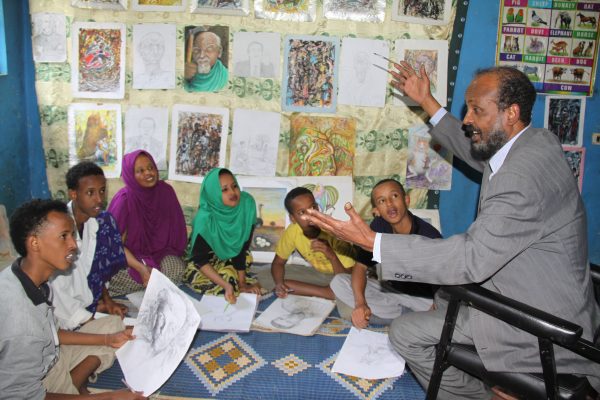
Image description: Mohammed, a Somali exile, sits in a chair on the right-hand side of the image. his children sit on the floor around him, as they discuss art. Art covers the wall. Creating cultural products is one way that communities process trauma. Image courtesy of UNHCR, CC BY-NC 2.0.

Originally published April 12, 2021

Scientific developments in the field of epigenetics have called attention to intergenerational transfers of trauma. We know now that traumatic experiences can be passed down through the genes— to children, and even grandchildren, of the survivors of horrific experiences like the Holocaust or American slavery. Sociology can help show how past trauma is passed down through social ties, and about its effects on current health and wellbeing. These social consequences of trauma could be even more powerful than the genetic impacts, affecting group dynamics, identity, history, and culture. In addition to what is passed down, sociological research also provides examples of how groups are managing these social effects, in both helpful and harmful ways. 

Cultural Trauma and Group Identity
Cultural sociologists assert that in addition to individual bodily and psychiatric trauma, there is also collective “cultural trauma” when groups experience horrific events. This collective trauma compounds and complicates individual effects. In order for the process of cultural trauma to occur, the group must first recognize that a great evil has been done to them, and construct a cohesive and shared narrative that includes perpetration and victimhood. Then this narrative becomes incorporated into that group’s collective memory as an enduring aspect of their identity, like the Holocaust has been for Jews or collective memory of slavery for Black Americans.
Both perpetrators and victims of violence must contend with the horrific event in some way, as it is now permanently associated with their group. This can occur either through avoidance of the difficult past, or stigma management practices like acknowledgment, denial, and silencing.

Cultural Trauma and Group Conflict: Violence Begets Violence

Sometimes, this cultural trauma process results in further violence. As the group comes to understand the harms they have suffered and assign responsibility, they can seek violent retaliation against the offending perpetrators. Examples include the bombing of Pearl Harbor (and subsequent Japanese internment and Hiroshima/Nagasaki bombings), and the 9/11 attacks leading to the U.S. War on Terror. In ex-Yugoslavia, ancient collective memories were stoked and reconstructed by elites to provoke inter-ethnic violence that led to ten years of war, genocide, and ethnic cleansing. In Hawai’i, Irwin and Umemoto trace the emotional and psychological effects of violent colonial subjugation, such as distress, outrage, and depression, to contemporary violence among Pacific Islander youth.

Memory Work: Social Solidarity and Empowerment

Sociological research also provides examples of people “making sense” of difficult pasts by doing “memory work,” which can include art, music, and other cultural production. For example, second-generation Sikhs in the U.S. are using internet spaces to challenge dominant narratives of the 1984 anti-Sikh violence in India, contributing to group solidarity, resilience, and identity within their communities here in the U.S. Similarly, the children of Vietnamese refugees are using graphic novels and hip-hop music to articulate how the Vietnam War contributes to current struggles in the Vietnamese community. This shared understanding and validation then empower communities to fight for recognition and social justice. 

When a group experiences a horrific event, the social effects live on to future generations. Understanding these effects is crucial for developing solutions to group suffering moving forward. Going through the cultural trauma process is necessary to overcome difficult pasts, but it is critical that this process occurs in a way that promotes justice and peace rather than further violence.

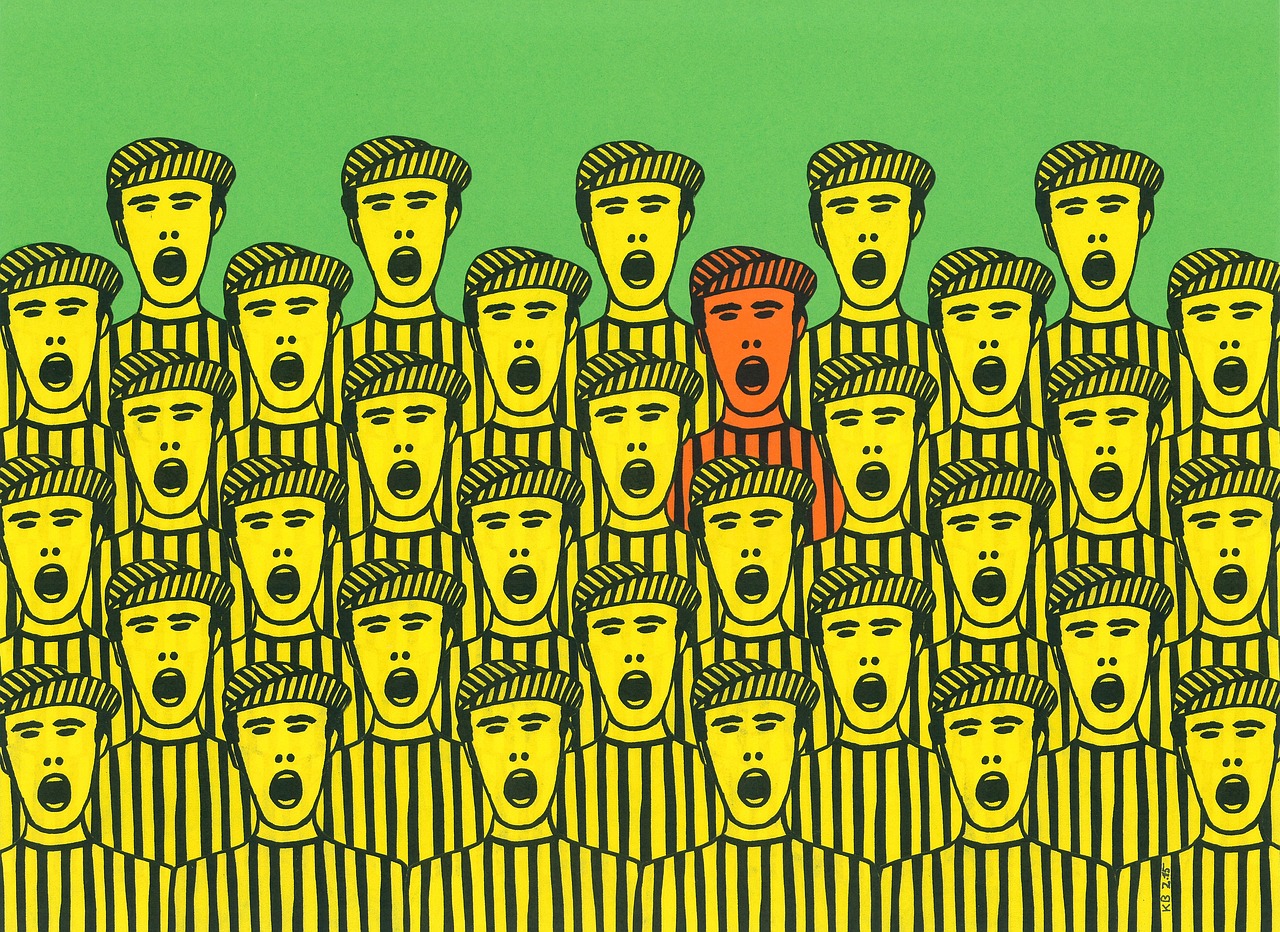
A illustrated image of men’s faces in striped shirts and hats. All of the men except one, who is orange, are yellow. Image via pixabay, Pixabay License.

For many, the start of the school year brings a mixed bag of emotions, from budding anticipation to feelings of unease and anxiety about self-worth and competence, otherwise known as imposter syndrome. Imposter syndrome exists well beyond academia, disproportionately affecting minorities and women, groups underrepresented in fields like business and medicine. What does social science research tell us about what imposter syndrome is, how it works, and how it can be addressed?

What it Is

Imposter syndrome, first described as the “impostor phenomenon,” refers to individuals’ perceived fraudulence and unworthiness within high-pressure environments and workplaces–the feeling that they don’t fit or aren’t really supposed to be there. It appears to be most prevalent among systematically marginalized groups like women, first-generation students, and BIPOC and queer people. Imposter syndrome flourishes in spite of, or perhaps even because of, increased diversity and representation. Individuals with imposter syndrome doubt the validity of their achievements and fear being exposed as frauds. These feelings of self-doubt and unworthiness are often compounded by social anxiety and depression, which can lead to self-sabotage. Imposter syndrome may partially explain higher drop-out rates among undergraduate groups in fields historically dominated by white men like medicine, mathematics, and science.

Impression Management

To manage feelings of inadequacy, individuals rely on what Erving Goffman called impression management. Impression management is the practice of keeping up appearances and matching one’s identity and behavior with societal expectations for social roles, positions, and identities. Imposter syndrome can emerge in settings with conflicting roles or expectations or when someone’s background, identity, and interaction style does not fit well with what is expected. This can lead people to using perfectionism and workaholism to exhibit competence. For instance, research on female facilities managers shows that performing competence often leads to higher performance outcomes despite persistent feelings of inadequacy. Displaying competency despite feelings of inadequacy can exacerbate the role conflict individuals experience or the tension between self-doubt and high achievement.

The Challenges of Diversifying

Efforts to “diversify” high-status fields like academia, law, and medicine sometimes fail to address the subtle cultural factors that can marginalize and exclude underrepresented groups. Lack of familiarity with field-specific concepts like peer review and tenure track or norms like networking or mentoring can leave individuals feeling alienated. This unfamiliarity is often at the root of the unease associated with imposter syndrome. To address imposter syndrome schools and workplaces have proposed a range of solutions including targeted mentorship programs and additional support for nontraditional students and employees. Scholars emphasize that addressing imposter syndrome should involve solutions that emphasize flourishing and well-being over identity-based inclusion efforts.
Image description: Two college football players make contact on the field. Sports like football and basketball bring in huge amounts of money to colleges, but the student-athletes do not receive pay, raising questions about amateurism and exploitation that are now in front of the Supreme Court. Image via pixabay, pixabay license.

The NCAA was back in the Supreme Court last month, in the middle of its fabled March Madness basketball tournament. In NCAA v. Alston the association argued that the NCAA, not the courts, should decide the definition of amateurism. Or in other words, the NCAA should be in charge of deciding what types of compensation college athletes are able to receive–or not receive, as the case may be. 

The NCAA’s arguments built on their last Supreme Court case, in 1984, when the court ruled that the association’s actions in monopolizing TV contracts for college football violated antitrust regulations. But in his decision ruling against the NCAA Justice Stevens also included the line, “The NCAA plays a critical role in the maintenance of a revered tradition of amateurism in college sports.” The NCAA has leaned on this language over the past 35 years to maintain control over what benefits college athletes may receive, with the stated purpose of maintaining a separation between college and professional sports. 

The NCAA contends that the “product” of college sports will be devalued if college athletes are allowed to be paid, as fewer consumers will be interested in watching college sports if players are perceived as professional. Given that this argument amounts to an argument about consumer demand, what does the social science research say on whether the public believes that college athletes should be paid? 

A recent Ohio State survey (National Sports and Society Survey-NSASS) finds that a majority of Americans do support paying college athletes. This is a change from past research and potentially an important finding for the current legal challenges. 
What has not changed are the racial dynamics of who is more likely to support paying college athletes, with Black Americans more likely to support paying college athletes than white Americans. 
The main reason that public opinion has shifted is a growing sense that college athletes are being exploited, especially in football and men’s basketball. Exploitation is primarily a moral issue, with college athletes (and increasingly others) questioning whether the exchange relationship between themselves and the university is fair. Black athletes have long reported feelings of exploitation, and a recent NBER working paper illustrated how revenue brought in by Black men is being used to fund educational opportunities for other, white athletes.
Even aside from questions of exploitation, the concept of amateurism itself is suspect. Scholars have long argued that amateurism is a fundamentally classist concept based on nineteenth-century ideas of aristocracy, morality, and a “purity” of sport based on exclusion of the working-class. This flawed ideal has never described big-time American college sport, which has been commercialized and professionalized since its founding. It has certainly not described college athletics since the NCAA instituted one-year, renewable athletic scholarships in 1973, which in practice look and act like employment contracts

Taylor Branch’s now classic piece in The Atlantic, “The Shame of College Sports,”as well as the publicity around Ed O’Bannon’s court case to allow college athletes to profit off of their likeness, illustrate how issues of amateurism and exploitation in college sports have firmly entered popular discourse. The decision in Alston won’t answer many questions about the future of college sports, but it does represent an effort by the NCAA to assert control over a rapidly-changing situation. Court watchers feel that the Court is unlikely to rule for the NCAA after seeing oral arguments, which will make name/image/likeness and potentially pay-for-play legislation all the more important over the next few years.

Image description: Mohammed, a Somali exile, sits in a chair on the right-hand side of the image. his children sit on the floor around him, as they discuss art. Art covers the wall. Creating cultural products is one way that communities process trauma. Image courtesy of UNHCR, CC BY-NC 2.0.

Scientific developments in the field of epigenetics have called attention to intergenerational transfers of trauma. We know now that traumatic experiences can be passed down through the genes— to children, and even grandchildren, of the survivors of horrific experiences like the Holocaust or American slavery. Sociology can help show how past trauma is passed down through social ties, and about its effects on current health and wellbeing. These social consequences of trauma could be even more powerful than the genetic impacts, affecting group dynamics, identity, history, and culture. In addition to what is passed down, sociological research also provides examples of how groups are managing these social effects, in both helpful and harmful ways. 

Cultural Trauma and Group Identity
Cultural sociologists assert that in addition to individual bodily and psychiatric trauma, there is also collective “cultural trauma” when groups experience horrific events. This collective trauma compounds and complicates individual effects. In order for the process of cultural trauma to occur, the group must first recognize that a great evil has been done to them, and construct a cohesive and shared narrative that includes perpetration and victimhood. Then this narrative becomes incorporated into that group’s collective memory as an enduring aspect of their identity, like the Holocaust has been for Jews or collective memory of slavery for Black Americans.
Both perpetrators and victims of violence must contend with the horrific event in some way, as it is now permanently associated with their group. This can occur either through avoidance of the difficult past, or stigma management practices like acknowledgment, denial, and silencing.

Cultural Trauma and Group Conflict: Violence Begets Violence

Sometimes, this cultural trauma process results in further violence. As the group comes to understand the harms they have suffered and assign responsibility, they can seek violent retaliation against the offending perpetrators. Examples include the bombing of Pearl Harbor (and subsequent Japanese internment and Hiroshima/Nagasaki bombings), and the 9/11 attacks leading to the U.S. War on Terror. In ex-Yugoslavia, ancient collective memories were stoked and reconstructed by elites to provoke inter-ethnic violence that led to ten years of war, genocide, and ethnic cleansing. In Hawai’i, Irwin and Umemoto trace the emotional and psychological effects of violent colonial subjugation, such as distress, outrage, and depression, to contemporary violence among Pacific Islander youth.

Memory Work: Social Solidarity and Empowerment

Sociological research also provides examples of people “making sense” of difficult pasts by doing “memory work,” which can include art, music, and other cultural production. For example, second-generation Sikhs in the U.S. are using internet spaces to challenge dominant narratives of the 1984 anti-Sikh violence in India, contributing to group solidarity, resilience, and identity within their communities here in the U.S. Similarly, the children of Vietnamese refugees are using graphic novels and hip-hop music to articulate how the Vietnam War contributes to current struggles in the Vietnamese community. This shared understanding and validation then empower communities to fight for recognition and social justice. 

When a group experiences a horrific event, the social effects live on to future generations. Understanding these effects is crucial for developing solutions to group suffering moving forward. Going through the cultural trauma process is necessary to overcome difficult pasts, but it is critical that this process occurs in a way that promotes justice and peace rather than further violence.

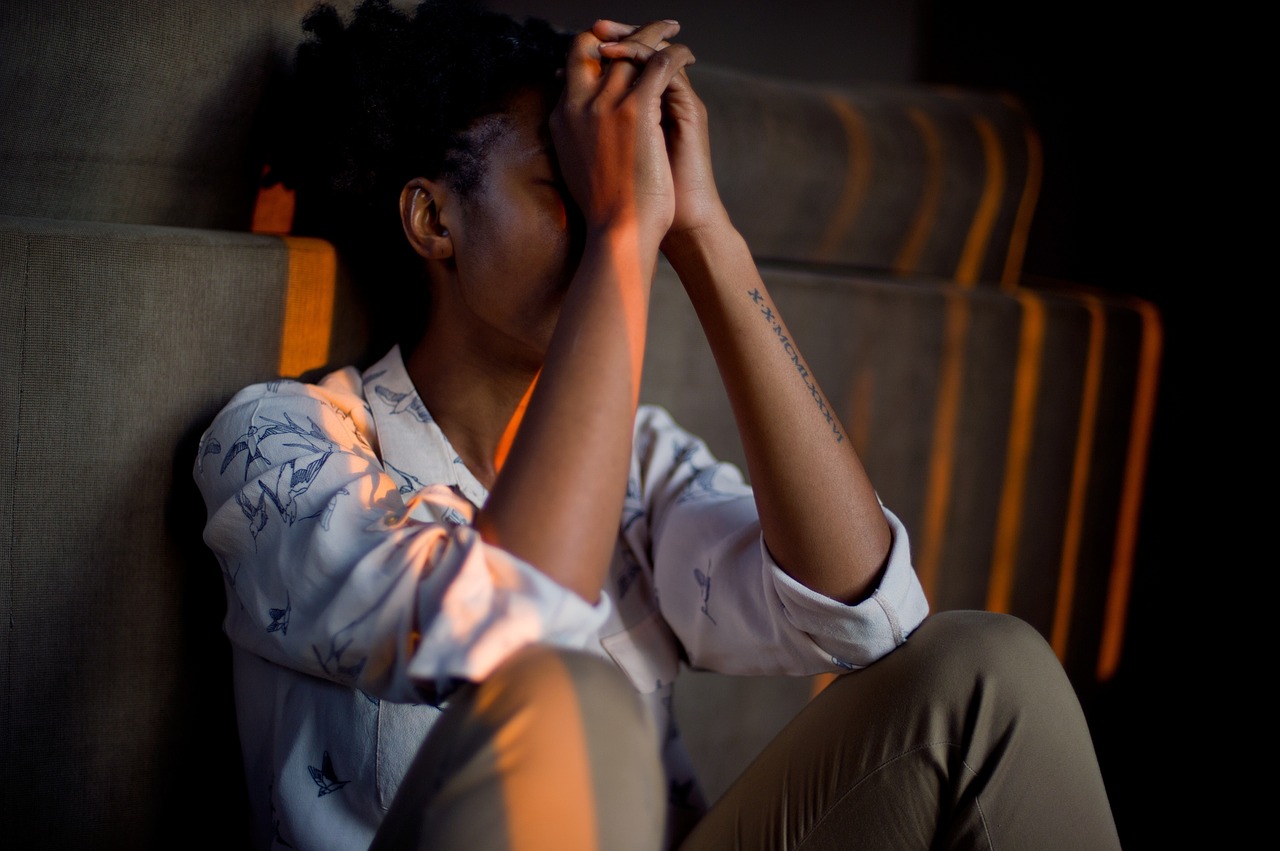
Image: A black woman sits on the floor, leaning against a sofa, in a low-lit room. Her head is in her hands, obscuring her face. Courtesy of pixabay, Pixabay License.

We recently featured new research documenting a broad-based increase in mental health treatment-seeking in the United States. Access to such care remains unequal, however, presenting  real and persistent challenges to those in need. Sociologists, and other social scientists, offer important information about these inequalities and the barriers to equitable mental health care.

Over the past few decades there has been growing concern that people are being “overtreated” for mental health issues given increasing rates of mental health treatment and diagnosis in the population. Nevertheless, there are still many people with mental health conditions who are being “undertreated.” Specifically, there are large gaps between the number of people who have a diagnosable disorder and the number of people who actually receive treatment, particularly for serious mental health issues such as schizophrenia or substance abuse disorder.
Research in the sociology of mental health has often focused on the stigma around seeking or receiving mental health care, particularly for marginalized racial or ethnic groups. In fact, white men may be the most likely to have negative perceptions of care when compared to other demographic groups, as Ojeda and Bergstresser report. As the stigma related to mental illness decreases overall, additional research is needed to examine how, why, and for whom this stigma persists.
Access to mental health care is also limited by mental health practitioners and the mental health care system. In a recent experimental audit study, Heather Kugelmass found that patients with less education and black patients were less likely to receive a response when they sought help from a mental health care provider. In addition, Lincoln and colleagues found that patients with lower levels of literacy found it more challenging to navigate the mental health care system, struggling to fill out paperwork and make health-care decisions along with their care provider. Both the structure of mental health care, and the actions of mental health care providers, can create inequality for patients even after they have decided to seek care.

As we’ve recently emphasized, more people are accessing mental health care now than ever before. As the stigma around care decreases, and more people are seeking care, it is particularly important to ensure equitable access. By shedding light on how factors like disability, class, and race affect mental health care, social scientists can ultimately play a role in addressing inequities and alleviating mental distress.

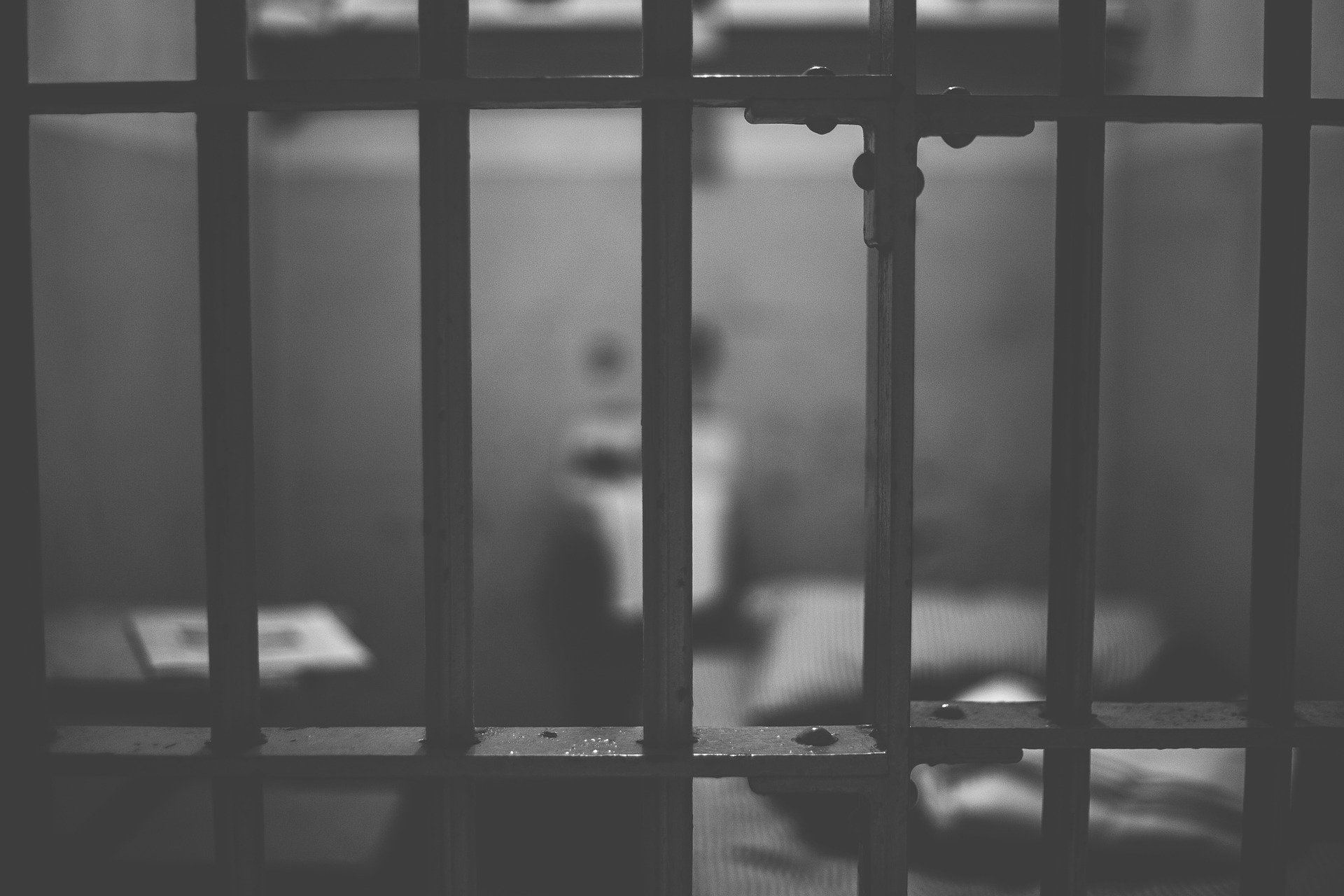
A black and white image of a jail cell, bars in the foreground. Image via pixabay, Pixabay License.

The United States, with only 5% of the world’s population, incarcerates nearly 20% of the world’s prisoners. At the peak of the mass incarceration era in 2000, one in three Black men was projected to be incarcerated in his lifetime, compared to 1 in 17 White men. The racial disparities of the criminal-legal system are well-documented, particularly for Black populations. How can we understand the origins of these racial disparities in mass incarceration in order to reduce or eliminate them? 

Arguably the most famous account of anti-black racism and mass incarceration, The New Jim Crow remains a watershed work in literature on prisons. By tracing parallels between slavery, Jim Crow, and mass incarceration, law professor Michelle Alexander connects present-day criminal justice to the long history of American racial control to demonstrate how incarceration targets the Black community. Alexander’s argument draws from key sociological findings about racial control, including the scholarship of Loïc Wacquant, Michael Tonry, and others.
Alexander traces the history of voting rights to show the connections between slavery, Jim Crow, and mass incarceration. Although Black men gained the right to vote following the abolition of slavery, during Jim Crow these voting rights were systematically violated. In 1940, only 3% of African Americans in Louisiana were registered to vote. While the Voting Rights Act of 1965 reaffirmed these rights, issues of disenfranchisement remained, particularly as mass incarceration unfolded and more Black individuals lost their right to vote. Today, an estimated one in 16 Black adults in the United States cannot vote due to a felony conviction. From Alexander’s perspective, prisons are merely the latest iteration of racial control in the United States which limit the rights and livelihood of Black Americans.
Historian Khalil Gibran Muhammad offers an alternative vision that centers the myth of “the Black criminal” as a source of racial oppression in the modern United States. Muhammad connects this myth to the long history of false ideas that have perpetuated white supremacy, such as biological notions of racial superiority, eugenics, and social-Darwinism. Blackness was intricately connected to crime in the late 19th century as a justification for discrimination and inequality in the United States. In this way, the very category of crime was racialized so that Black people were associated with criminal activity. This myth continues to influence perceptions of crime; for example, White people overestimate the level of crime committed by Black and Hispanic people and media representations consistently reinforce this image. 
Law professor James Forman presents a different history by chronicling how Black leaders advocated for tough-on-crime policies to protect their own communities. When seeing the damage that drugs and violence wrought on their communities, Black voters and politicians sought solutions, including policies that inevitably contributed to mass incarceration such as harsher punishments. In doing so, Forman shows that African Americans were not solely the victims of the law-and-order movement. By chronicling the nuances of these policies, he argues that The New Jim Crow oversimplifies the origins of mass incarceration, even while it helps shed light on its injustice. 

After four decades of increases, the long wave of racialized mass incarceration may be receding. Since 2009, the overall U.S. imprisonment rate has dropped by about 17% and the Black imprisonment rate has declined by 29%. Nevertheless, enormous racial disparities remain, with the Black community continuing to suffer disproportionately from U.S. mass incarceration. How did this era come to be, and how can we stop it?  These different visions of the racial disparities of mass incarceration are meaningful because they can help scholars, activists, and the public consider potential paths towards justice. Social science has greatly advanced the understanding of the historical causes of mass incarceration, which is essential for imagining a different and more just future.

Image: Backlit profile of a young girl, sitting next to a body of water, with her head down in her arms. Image courtesy of Pixabay License.

This past Sunday the New York Times reported that Las Vegas was reopening its schools, despite the ongoing threat of covid-19, in response to a “surge of student suicides.” Educators and parents shared concerns that school closures have left young people isolated, hopeless, and vulnerable, but this action was a real clarion call. Conversation about the link between school closures and adolescent suicide is politically charged and the recency of covid and virtual learning leaves us without strong evidence to assess this situation. However, sociology has long been interested in suicide, and social science offers us important tools for considering the nature and causes of adolescent suicide.

In a classic sociological work, Émile Durkheim examined suicide as a social fact, exploring how suicide was caused by social, rather than individual, forces. In particular, Durkheim attributed rates of suicide to differing levels of “integration,” or social belonging and inclusion, and “moral regulation,” or external monitoring, oversight and guidance in communities. Durkheim’s work is particularly relevant when considering the link between school closures and adolescent suicide. Adolescents may be missing the sense of belonging, and the external oversight from trusted adults, that the school environment can provide.
Contemporary sociologists are reexamining the relationship between integration, regulation, and suicide in light of changing social institutions. For instance, sociologists have examined how, in a community valuing high academic achievement and discouraging professional psychological support, adolescents’ integration and regulation may leave them vulnerable to intense feelings of academic failure that put them at-risk for suicide.
The news media is reporting that school districts are experiencing “suicide clusters” since the lockdowns, instances where several individuals connected by social relationships all commit suicide. This may not be quite as unusual or unexpected as it sounds. Social scientific research supports the idea that suicide might be “contagious,” in that certain peer relationships can increase suicidal ideation among individuals connected with someone who committed or attempted suicide, or experienced thoughts of suicide. This contagion effect is particularly strong for adolescent girls.
Social media is one way that knowledge of friends’ or peers’ suicidal ideation or suicide attempts can spread. It is this knowledge (rather than expressed negative emotion) that contributes to the “contagion” effect. Media, such as news reporting or television shows, can also “suggest suicide” to adolescents. However, the nature and strength of the relationship between media reporting and suicidal thoughts and behaviors warrants further research. Overall, the potential for suicide contagion suggests that media, social scientists, and social networks need to use caution when discussing, and reporting on, suicide
Sociologists can also describe, and explain the cause of, disparities in suicide risk according to gender, race, and socioeconomic status. For instance, research suggests that higher rates of suicide among adolescents living in poorer communities may result from differential exposure to violence or lack of safety. Higher rates of suicide among Native American youth may result, in part, from frequent racial misclassification, denying these youth access to racial pride and racial support networks. There are especially high rates of suicide among LGBTQ youth, and LGBTQ youth report higher levels of suicidal ideation. However, despite media coverage of the relationship between sexual orientation, bullying, and suicide, there is not clear evidence that experiencing bullying more frequently is associated with greater suicidal ideation.
For all that we know, individual suicides still often defy understanding. However, working together, social scientists can help explain the complex causes of suicide and, especially, suicide risks and rates. This is particularly important to consider for adolescents. Although media reporting is now focused on the relationship between school closures and suicide among young people, the reality is that rates of adolescent suicide have been increasing over the past decades. Concern for youth suicide is not new. This calls for careful attention to how social scientific tools can contribute to understanding of this complex problem.
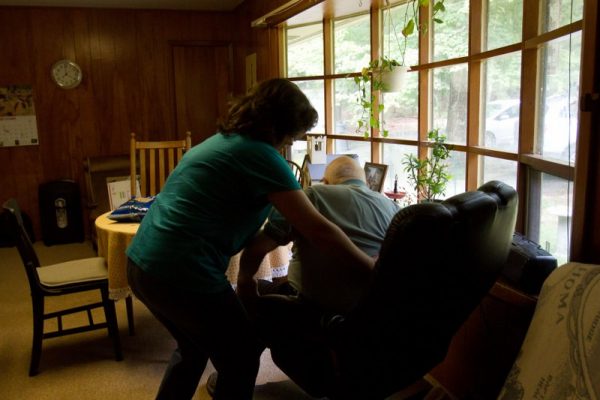
A woman helps an elderly man get up from his chair
Photo by Brian Walker, Flickr CC

Originally published May 4, 2020

When we talk about work, we often miss a type of work that is crucial to keeping the economy going and arguably more challenging and difficult than ever under conditions of quarantine and social distancing: care work. Care work includes both paid and unpaid services caring for children, the elderly, and those who are sick and disabled, including bathing, cooking, getting groceries, and cleaning.

Sociologists have found that caregiving that happens within families is not always viewed as work, yet it is a critical part of keeping the paid work sector running. Children need to eat and be bathed and clothed. Families need groceries. Houses need to be cleaned. As many schools in the United States are closed and employees are working from home, parents are having to navigate extended caring duties. Globally, women do most of this caring labor, even when they also work outside of the home. 
Photo of a woman cooking
Photo by spablab, Flickr CC
Globally, women do most of this caring labor, even when they also work outside of the home. Historically, wealthy white women were able to escape these caring duties by employing women of color to care for their children and households, from enslaved African Americans to domestic servants. Today people of color, immigrants, and those with little education are overrepresented in care work with the worst job conditions. 
In the past decade, the care work sector has grown substantially in the United States. However, care workers are still paid low wages and receive little to no benefits. In fact, care work wages are stagnant or declining, despite an overall rise in education levels for workers. Thus, many care workers — women especially — find themselves living in poverty.  

Caring is important for a society to function, yet care work — paid or unpaid — is still undervalued. In this time of COVID-19 where people are renegotiating how to live and work, attention to caring and appreciation for care work is more necessary than ever.