Search results for embed

V. sent in a delightful video by Levni Yilmaz illustrating how detailed social rules of behavior can be, how others can create consequences for us if we don’t conform, and how some people are targets of others almost no matter what they do. The people at the top of the hierarchy, remember, must maintain the hierarchy, lest they end up no better than anyone else.

See also our post featuring Yilmaz discussing how to sit on a bus.

Lisa Wade, PhD is an Associate Professor at Tulane University. She is the author of American Hookup, a book about college sexual culture; a textbook about gender; and a forthcoming introductory text: Terrible Magnificent Sociology. You can follow her on Twitter and Instagram.

Cross-posted at Jezebel.

Alicia S. sent in an image of the poster for the movie Life as We Know It, featuring Katherine Heigl and Josh Duhamel. Heigl appears to be in her familiar role as responsible, career-oriented, but uptight and ultimately unfulfilled woman who falls for an irresponsible or immature guy. In the movie, the two main characters end up raising a child together after the death of the baby’s parents. The poster pretty much sums up the messages you’re going to get about gender:

Want more? Here’s the trailer:

So women are responsible — they can even get themselves dressed — and nurturing while men are childish boors. Alicia says,

While Heigl is presented as a warm, caring motherly figure, her male costar is likened to a baby: immature and irresponsible, just another child in the family. He reflects the stereotype represented in so many romantic comedies and Monday night sitcoms alike that men are messy, careless, and juvenile.

They’re repeatedly presented as messy, careless, and juvenile…and yet still ultimately get the mature, caring, nurturing, attractive woman.

These stereotypes are offensive to women and men. Women are supposed to settle — to fall in love with the equivalent of a child, and to find that endearing, as opposed to insulting or creepy. That means, of course, she’ll have to be primarily responsible for childcare and running the household, since you can’t trust an immature, careless person to do important things (think of every sitcom or commercial that shows a hapless man messing everything up when he’s left to care for the house on his own).

And men are depicted as ridiculous oafs. I’m always surprised that more men aren’t offended by this representation of manhood: men as incompetent pigs who treat women badly (setting up another date in front of his current one at the beginning of the trailer) who can barely take care of themselves, much less anyone else. Of course, the stereotype does have benefits from those men willing to draw on it: if you are incapable of taking care of children and doing housework without causing a major disaster, you’re relieved from those tasks, or your partner has to fight constantly to get you to do them. So while the gender stereotypes on display here are insulting to both men and women, they reinforce a gendered division of parenting labor that justifies putting the burden of that labor on women rather than men.

As you may have heard, this week the Republican Party released what they’ve termed a “Pledge to America,” a document that lists their agenda for the next legislative session. Erin Echols, a student at Kennesaw State U., took a look at it and was struck by the contents, particularly the images.

Of the 48 total pages of the document, 14 consist of images, either a single one or a collage of several. Of course, in a document of this sort, you’re going to have the required patriotic images — the Statue of Liberty, Mount Rushmore, the Capitol and other buildings in D.C. Nothing surprising there. But Erin points out that the cowboy seems to be a recurring theme.

It reminded me of a post by Macon D. over at Racialicious a while back about some ads by a Republican primary candidate for Agricultural  Commissioner in Alabama:

The hat, the horse, the rifle, the sweeping music that makes me think of old Western movies… it all evokes what Macon D. calls the “Independent (White) Cowboy Myth,” a version of rugged, stand-alone, honest manhood. Macon D. quotes Mel at BroadSnark:

In this mythology, the cowboy is a white man. He is a crusty frontiersman taming the west and paving the way for civilization. He is the good guy fighting the dangerous Indian. He is free and independent. He is in charge of his own destiny.

Here’s the follow-up ad he made after losing:

And, for the record, I’m not arguing this presentation of Dale Peterson is necessarily fake; for all I know he dresses and acts like that all the time. People do; I’m related to some of them. I’m not saying Peterson is a fraud who really wears tuxes and has never been on a horse. That’s irrelevant. What I’m interested in is the power of a particular cowboy mythology, the one on display in Peterson’s ads.

As Macon D. points out, Ronald Reagan actively appropriated the cowboy persona, often wearing cowboy hats and jeans, sometimes alongside a horse (he had also played cowboys in a couple of movies). He openly identified with the “Sagebrush Rebellion,” an effort by groups in the western U.S. in the ’70s and ’80s to stop designation of federal lands as protected wilderness areas, push for more mining and livestock grazing rights on public land, and oppose some other environmental and land use regulations, depicted as impositions from distant elites.

Macon D. quotes Sarah Watts on the appeal of the White cowboy myth when Theodore Roosevelt first used it:

…he met the psychological desires in their imagination, making them into masters of their own fate, propelling them into violent adventure and comradeship, believing them at home in nature, not in the hothouse interiors of office buildings or middle-class homes.

The cowboy myth, then, arose partly to allay deep anxieties about changes in American society. But the myth is just that — a myth, a romanticized notion largely unmoored from the realities of cowboys’ lives. Mel says,

Cowboys were itinerant workers who, while paid fairly well when they had work, spent much of the year begging for odd jobs.  Many did not even own the horse they rode.  Frequently, they worked for large cattle companies owned by stockholders from the Northeast and Europe, not for small family operations (a la Bonanza).  The few times cowboys tried to organize, they were brutally oppressed by ranchers.

This isn’t true just in the past. I know people who work as hired hands on ranches now. They love many aspects of the life. But most of them aren’t particularly well-paid; they don’t have retirement benefits or health insurance; they aren’t on a path to being able to buy their own ranch and be a self-reliant family farmer. Some become managers, with more responsibility and money, as in any occupation. But sometimes what initially seemed like a great deal — getting free housing as part of the job — turns out to have downsides, such as being expected to be available round-the-clock since you’re right there on the property, or fearing that if you piss off your employer and get fired, you’re out of a place to live immediately as well.

The examples I’ve given here have all been Republicans. Democrats use the cowboy mythology as well — Secretary of the Interior Ken Salazar is well known for often appearing in a cowboy hat and nearly always wearing a bolo tie rather than a necktie. However, Republicans seem to appropriate the cowboy persona more often, or at least more successfully.

Anyway…back to Erin’s analysis of the “Pledge to America.” The other interesting feature of the images is their overwhelming Whiteness. Some examples of group photos:

Overall, the photos show a sea of Whiteness. As Erin says, whether it’s an unintentional oversight or a calculated choice, the resulting message is that America’s citizens, the hard-working, patriotic folks who matter and to whom the party is making pledges, are White. Given the current racialized tone of much of our political debate (especially regarding Hispanic immigrants and Muslims, a racialized group often conflated with “Arabs”), it’s a portrait of America that is likely to speak to, and soothe, the fears of some groups more than others.

Gwen Sharp is an associate professor of sociology at Nevada State College. You can follow her on Twitter at @gwensharpnv.

I’m trying to catch up on some of our email, so you’re getting another round-up of similar-themed items, this time on the gendering of food. Laura L. sent in an advertisement for Muscle Milk, a product generally marketed to men, that she saw on the BART (San Francisco’s public transportation system). The ad presents the product as a means to become more attractive by building muscle — a body type usually encouraged for men but not women — and thus gain sexual access to your friends:

It’s interesting because it’s a gendered product that uses a tactic common in products that market to women: you’re body isn’t good enough, but our product will fix it. It’s not the first time the company has used tactics more often seen in products aimed at women.

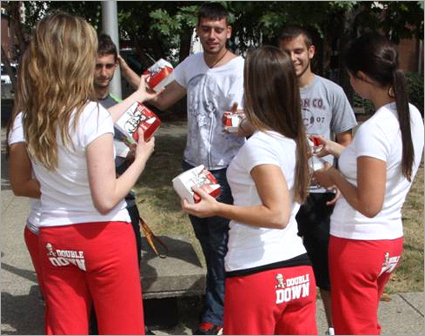
In another example of the association of meat-eating with men, Tom Megginson, who blogs at Work that Matters, sent us a link to a story at AdFreak about KFC’s inventive promotional campaign for their Double-Down sandwich, which, if you didn’t know, consists of bacon and cheese between two chicken breast patties (fried or grilled). The promotions, which started in Louisville, KY, involve undergrads wearing sweats with “Double Down” across the butt and giving out free stuff:

The KFC announcement of the program makes it clear that only women are wanted as “brand ambassadors” to help them meet their “key target of young men.”

While men are encouraged to eat high-fat/sodium/calorie monster/mega/ultra/double meat-based items, women, of course, get to eat yogurt. Brianna L. found this Australian commercial for Yoplait Formé, in which women are shown eating foods that are clearly meant to appear unappetizing and illustrate they are sacrificing flavor for their diet, as well as policing one another’s food choices:

Notice at 12 seconds in they all wave away the plate of cookies, but then, just for a second, one of the women shows weakness and starts to reach for one. The woman next to her, however, quickly reins her in with a disapproving look and gesture. As Brianna points out,

Even the tag line “feel fuller for longer” shows eating is not about sustenance, or taking pleasure in food. Being in perpetual hunger – that’s the status quo, at least until a magic yogurt comes along to save you.

Now for a palate cleanser, watch Sarah Haskins’s take on yogurt commercials.

Gwen Sharp is an associate professor of sociology at Nevada State College. You can follow her on Twitter at @gwensharpnv.

Cross-posted at Jezebel.

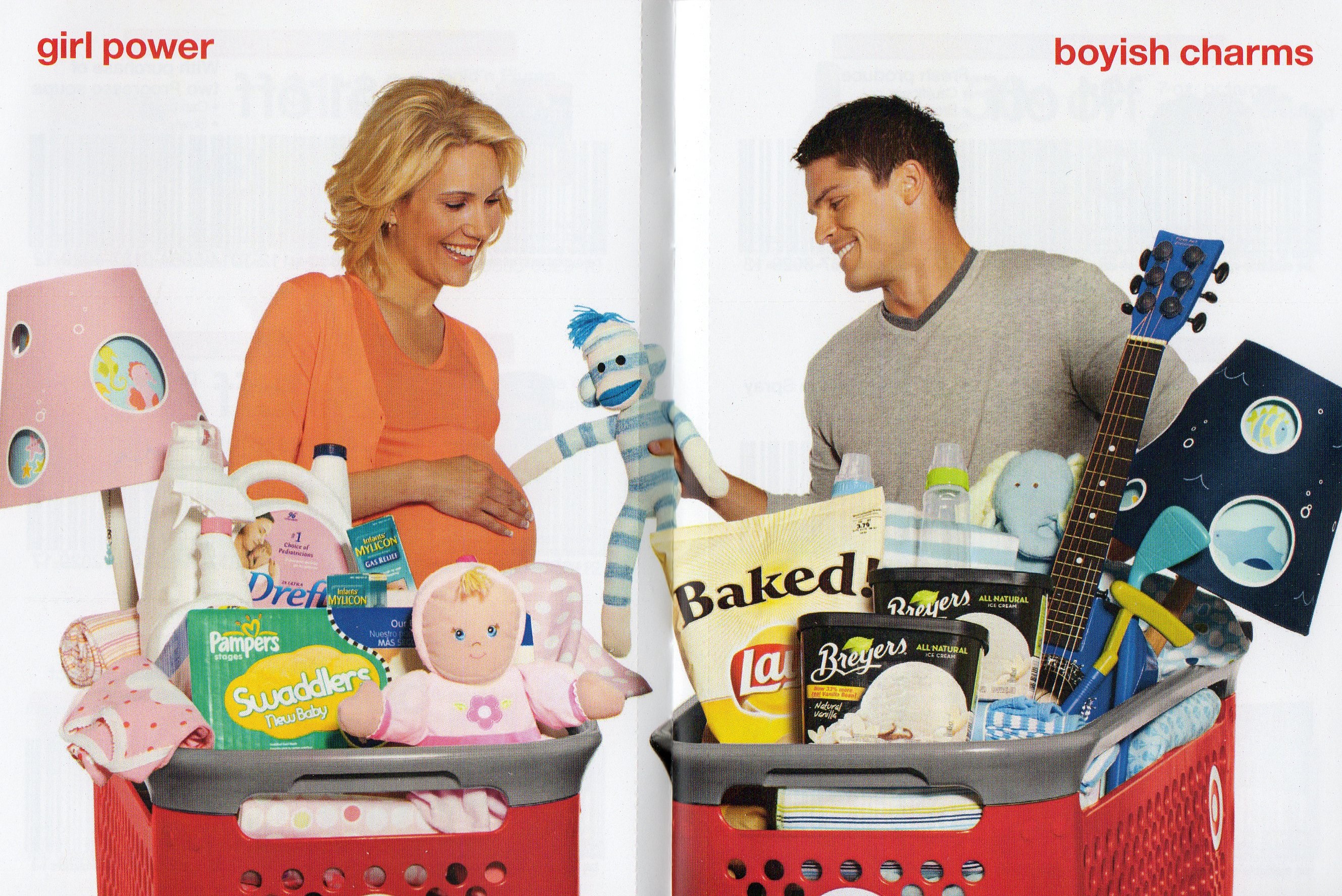
Today I have for you a round-up of ads that reinforce gendered expectations about parenting/housework — that women are predominantly responsible for them, and that moms and dads do them differently. Jennifer Thomas sent in this image from Target’s Fall 2010 coupon booklet:

She points out a couple of things. First, apparently moms buy things only for their daughters and dads buy things only for their sons. But even more interesting is what’s inside the baskets. Jennifer sums it up well:

Aside from a lamp and a soft doll, Mom’s basket…contains only domestic and “nurturing” items: detergent for baby’s delicate little clothing, diapers, infant medicine, and what looks like various cleaning sprays.  Based on the contents of her basket, Mom’s role here is to care for and clean up after the child.  Now take a look at Dad’s basket! I do see two bottles stuck in there [and maybe a blanket?], but more prominently displayed are chips, ice cream, and toys like a guitar and plastic golf clubs. If I had my choice based solely on this picture, I’d much rather be a dad than a mom!

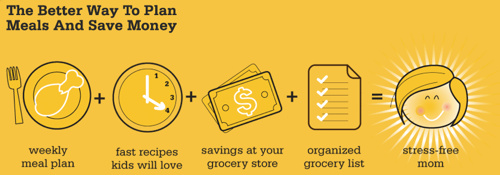
Casey F. sent in an ad for the website Food on the Table, a shopping app, that clearly depicts moms as a family’s shopper:

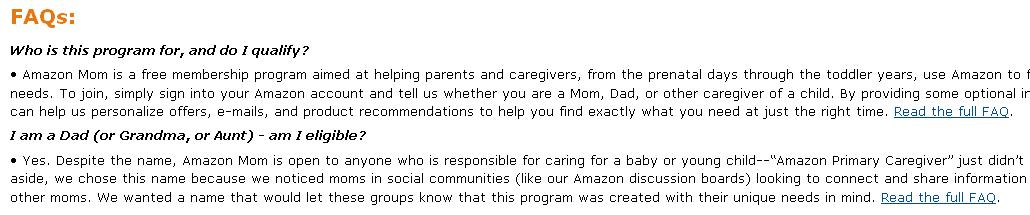
And Eve P. and Kyle H. let us know about Amazon’s new Amazon Mom program:

Kyle was invited to join because he’d been busy ordering lots of stuff for his new child. Interestingly, despite its name, Amazon stresses that the program is for all parents and caregivers. Here’s a partial screenshot of the info page:

Part of the text:

Amazon Mom is open to anyone who is responsible for caring for a baby or young child–“Amazon Primary Caregiver” just didn’t have the same ring to it. Kidding aside, we chose this name because we noticed moms in social communities (like our Amazon discussion boards) looking to connect and share information about products and problems with other moms. We wanted a name that would let these groups know that this program was created with their unique needs in mind.

I suppose they’re right, “Amazon Primary Caregiver” is a mouthful. But what I find interesting is the way we accept the conflation of “parent” or “caregiver” with “mom” in a way that we don’t do with “dad.”

Finally, Kate H. sent in this Clorox ad, which reinforces the idea that women clean while men (are often incompetent fools who) need cleaned up after:

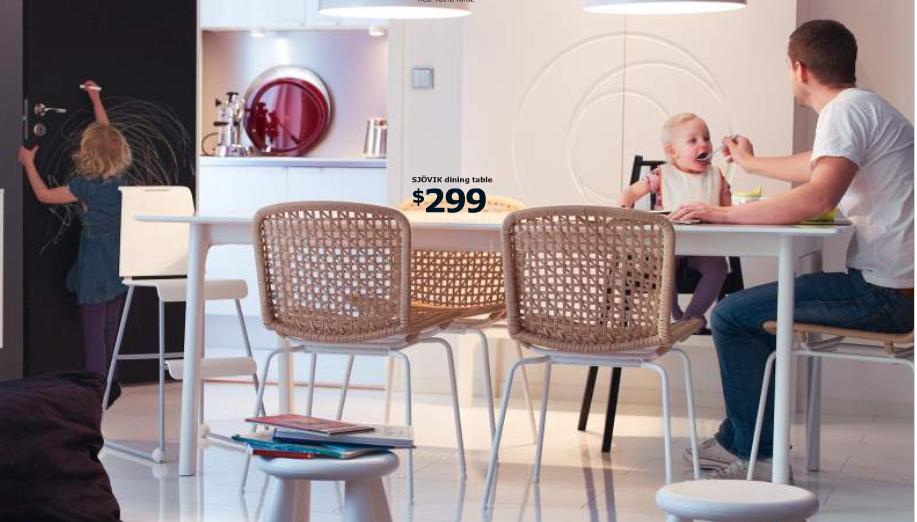
Leigh K., however, found an exception. A recent IKEA catalog included a number of images of men caring for both male and female children. This first one somewhat reinforces the “men can’t parent unsupervised!” trope, what with the kid on the left drawing on the door. Reader Elena says that’s probably meant to be a door painted with the chalkboard paint so it’s totally ok, and I do recall seeing a couple of other pages with kids using chalk, so nevermind my point there:

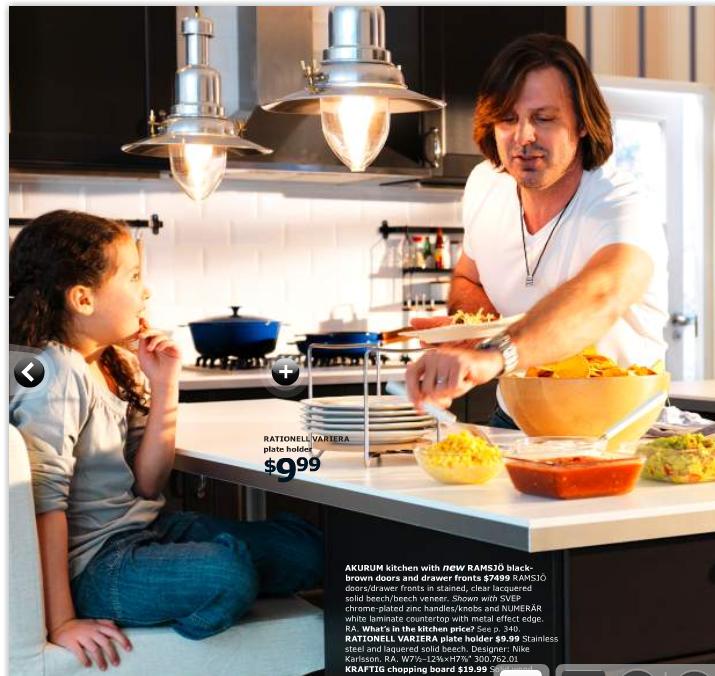
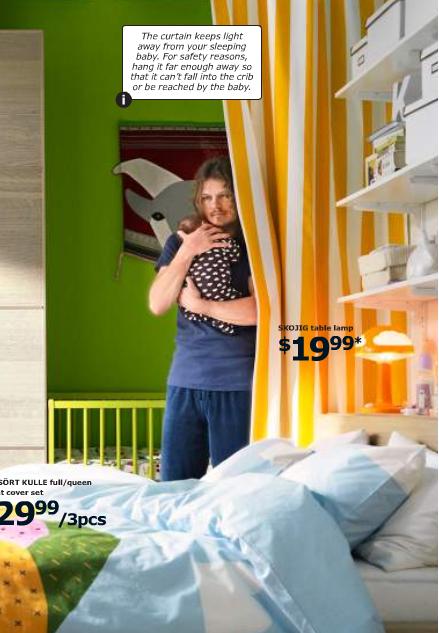
These two dads seem capable of parenting without any clear signs of disaster:

Leigh suggests that the images of involved, competent fatherhood might be the result of IKEA being a Swedish company. It’s possible that there’s an intentional ideological effort here to present men as caretakers (there is also at least one image of boys and girls playing with toys usually associated with the other gender). But also, IKEA markets itself as a somewhat youthful, hip brand, and showing non-traditional gender roles may fit well with that marketing strategy regardless of whatever larger social commitments to gender equality anyone at the company may or may not have. Whatever the reason behind it, the catalog — from a very large, profitable business (that apparently pays very little in taxes) — indicates that at least some companies think you can choose not to reinforce gendered parenting stereotypes and still manage to sell stuff.

Cross-posted at Jezebel.

Sociologist Michael Kimmel passed along a fantastic and entertaining example of resistance.  In the video below, a Columbia University a cappella group sings Dr. Dre’s Bitches Ain’t Shit.  The appropriation of the song works on so many levels: the all heavily-white, all-female group, the sweet choral arrangement, the pastel prep fashion, the strategically placed tennis rackets. They use race, class, and gender contradictions to force us to see and hear the song in a new way. All serve to mock the original, taking the teeth out of the language at the same time that they expose it as grossly misogynistic. Awesome.

Lisa Wade, PhD is an Associate Professor at Tulane University. She is the author of American Hookup, a book about college sexual culture; a textbook about gender; and a forthcoming introductory text: Terrible Magnificent Sociology. You can follow her on Twitter and Instagram.
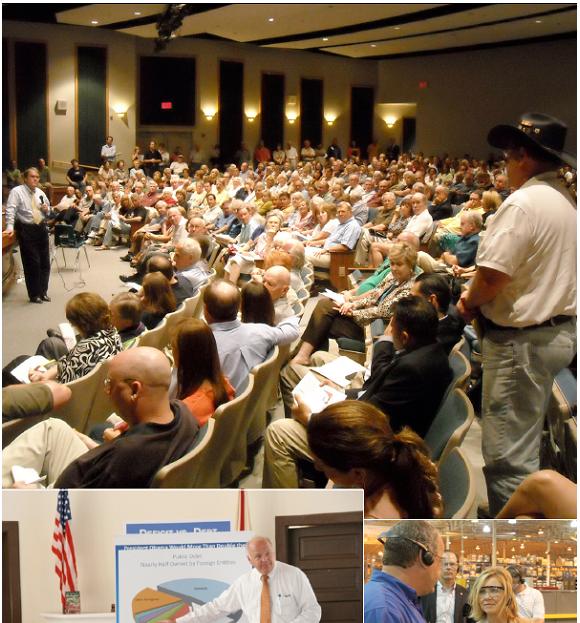

In the TED video below, Lisa Margonelli of the New America Foundation Energy Policy Initiative gives a fascinating 17-minute talk on the political psychology and the political economy of oil… and how the former distracts us from the latter.

Among other revelations, she tells us that:

1.  Oil pumps are purposefully designed to look like ATMs to make us feel better about using them.

2.  Having a car that runs predicts employment more than a GED.

3.  Oil production reform has amounted, largely, to exporting the risk to other countries, and…

4. We pay for our oil dependence not only at the pump, but with our taxes.

Watch:

Via BoingBoing.

Lisa Wade, PhD is an Associate Professor at Tulane University. She is the author of American Hookup, a book about college sexual culture; a textbook about gender; and a forthcoming introductory text: Terrible Magnificent Sociology. You can follow her on Twitter and Instagram.

Dmitriy T.M. sent in an interesting discussion of tax collection in Pakistan by the New York Times.   The narrator argues that rich Pakistanis, among others, do not pay taxes, forcing the government to rely on foreign aid.  Essentially, then, it is argued, “[t]he American taxpayer is subsidizing the Pakistani rich.”   Since the politicians are rich themselves, and happily evading taxes, there is little will to change the system.

One solution? Send in a team of transgender people to embarass homeowners into paying their property taxes, of course!

Lisa Wade, PhD is an Associate Professor at Tulane University. She is the author of American Hookup, a book about college sexual culture; a textbook about gender; and a forthcoming introductory text: Terrible Magnificent Sociology. You can follow her on Twitter and Instagram.