Search results for The

2Much has been said — and much more should follow — about the militarization of the police in American cities.  The images coming out of Ferguson, MO these past weeks testify to the distribution of military-grade hardware, gear, guns, and vehicles to your everyday police officer.

Here I’d like to focus on just one small part of this distribution of military-grade equipment: the uniform.  It’s not, by a long shot, the most straightforwardly dangerous, but it is a powerful symbol.  It’s a “dead giveaway,” writes a political scientist at Gin & Tacos, that there is something amiss with the “mindset of law enforcement.”  He’s referring to the swapping of blue or tan in favor of camouflage, like in this photo by Whitney Curtis for The New York Times.

From Gin & Tacos:

Of what conceivable practical use could green or desert camouflage be in a suburban environment? Gonna help you blend in with the Taco Bell or the liquor store? Even if they did wear something that helped conceal them, that would be counterproductive to the entire purpose of policing in a situation like that; law enforcement wants to be visible to act as a deterrent to violent or property crimes in a public disturbance.

He concludes that “[t]here is only one reason those cops would wear camo” and, if I can put words in his mouth, it’s to be frightening and intimidating.  And, perhaps, to enjoy being so.

This is clear when we think about the role that camo plays in everyday fashion. For women, it’s a fun appropriation of masculinity.  For men, it’s a way to signal “I’m tough” by reference to hunting or soldiering. What irony, after all, that black men in Ferguson were also photographed wearing camo during the unrest that followed Brown’s death.

On their bodies, of course, the camouflage is much more benign.  In contrast, alongside kevlar, automatic rifles, and riot shields on cops, it’s terrifying. It sends a clear message to the people of Ferguson: you are now enemy combatants.

Cross-posted at Pacific Standard.

Lisa Wade, PhD is an Associate Professor at Tulane University. She is the author of American Hookup, a book about college sexual culture; a textbook about gender; and a forthcoming introductory text: Terrible Magnificent Sociology. You can follow her on Twitter and Instagram.
2

4

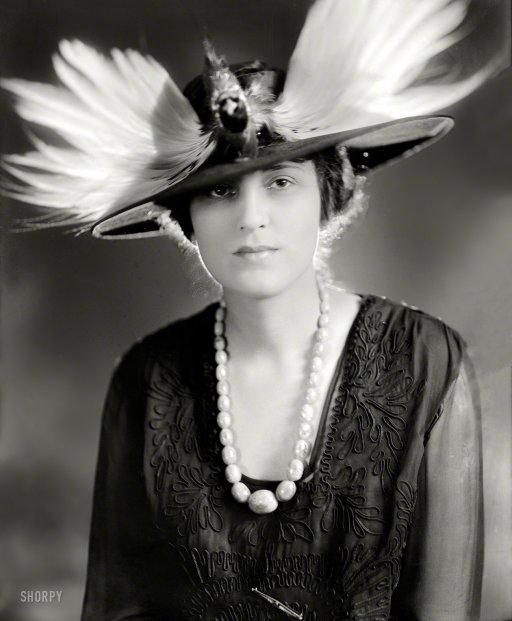
At the turn of the 19th century in the U.S. and Europe, it became wildly popular — and that’s an understatement — for ladies to wear feathers and whole taxidermied birds on their hats. One ornithologist reported taking two walks in Manhattan in 1886 and counting 700 hats; 525 of which were topped by feathers or birds. Buzzfeed has a collection of vintage hats featuring birds.

At the time, not many people thought much of killing the birds. Europeans and their American cousins “didn’t believe they could put a dent in an animal’s population.” Birds seemed to be an “abundant, even inexhaustible” natural resource.  So take they did.  Millions of birds all over the world were harvested for hat makers for years. The Fashioning Feathers blog offers this example:

A single 1892 order of feathers by a London dealer… included 6,000 bird of paradise, 40,000 hummingbird and 360,000 various East Indian bird feathers. In 1902 an auction in London sold 1,608 30 ounce packages of heron… plumes. Each ounce of plume required the use of four herons, therefore each package used the plumes of 120 herons, for a grand total of 192, 960 herons killed.

Ornithologists started to sit up and take notice. One estimated that 67 types of birds — often including all of their sub-species — were at risk for extinction.  Not only were birds killed for their feathers, they were killed when their feathers were at their most resplendent. This meant killing them during mating season, interrupting their reproductive cycle and often leaving baby birds orphaned.

A campaign to end the practice began. In Europe the Royal Society for the Protection of Birds targeted women. They launched a sexist campaign accusing women of supporting the heartless slaughter of birds. Fashioning Feathers includes this image from a pamphlet titled “Feathered Women” in which the president of the Society calls them a “bird-enemy.”

2

Virginia Woolf went for the jugular, pointing out that — even though the image shows a woman swooping down to kill a bird — it was largely men who did the dirty work of murder and they were also the ones profiting from the industry.

Ironically, middle class women were at the forefront of the bird preservation movement. They were the rank and file and, thanks in part to their work, in the U.S. the movement led to the formation of the first Audubon societies.  The Massachusetts Audubon Society organized a feather boycott, angering hat makers who called them “extremists” and “sentimentalists.” Politicians worried out loud about the loss of jobs. Missouri Senator James Reed complained:

Why there should be any sympathy or sentiment about a long-legged, long-beaked, long-necked bird that lives in swamps and eats tadpoles.

Ultimately the Massachusetts Audubon Society succeeded in pushing through the first federal-level conservation legislation in the U.S., the Lacey Act of 1900.

Cross-posted at Pacific Standard.

Lisa Wade, PhD is an Associate Professor at Tulane University. She is the author of American Hookup, a book about college sexual culture; a textbook about gender; and a forthcoming introductory text: Terrible Magnificent Sociology. You can follow her on Twitter and Instagram.

2Sociologists often say that gender is partly a performance. How we talk and laugh and what we say; how we stand, sit, and move; how we dress, wear our hair, and adorn our faces and bodies with make up and accessories — all these things are gendered. Insofar as we follow the rule that we perform in ways that match our genitalia, male-bodied and female-bodied people will seem more different, more “opposite,” than they really are.

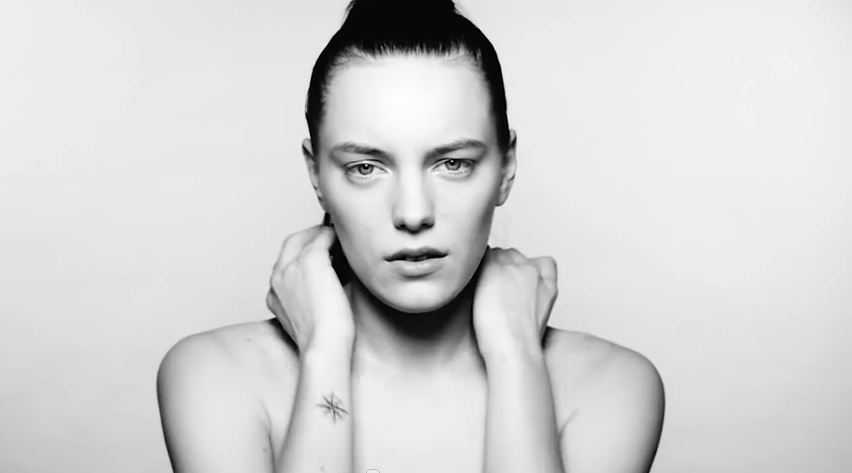
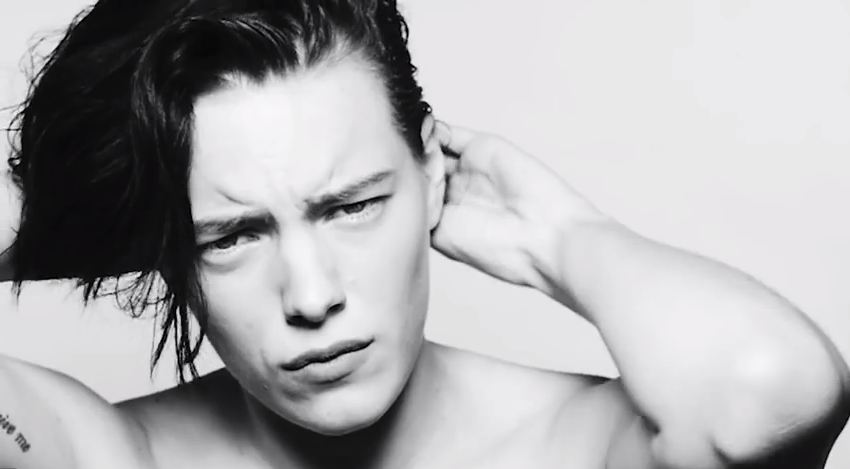
Today I stumbled across another really striking example of gender performance. This one involves model Erika Linder doing both masculinity and femininity in a commercial for JC Jeans Company. What is striking to me is how she does gender with her face. It reveals that the “sexy model face” isn’t built into our DNA, bone structure, or psychology, but projected. Here are two stills, both Erika Linder; the whole commercial is embedded below.

11 12

H/t Ms. Magazine.

Lisa Wade, PhD is an Associate Professor at Tulane University. She is the author of American Hookup, a book about college sexual culture; a textbook about gender; and a forthcoming introductory text: Terrible Magnificent Sociology. You can follow her on Twitter and Instagram.
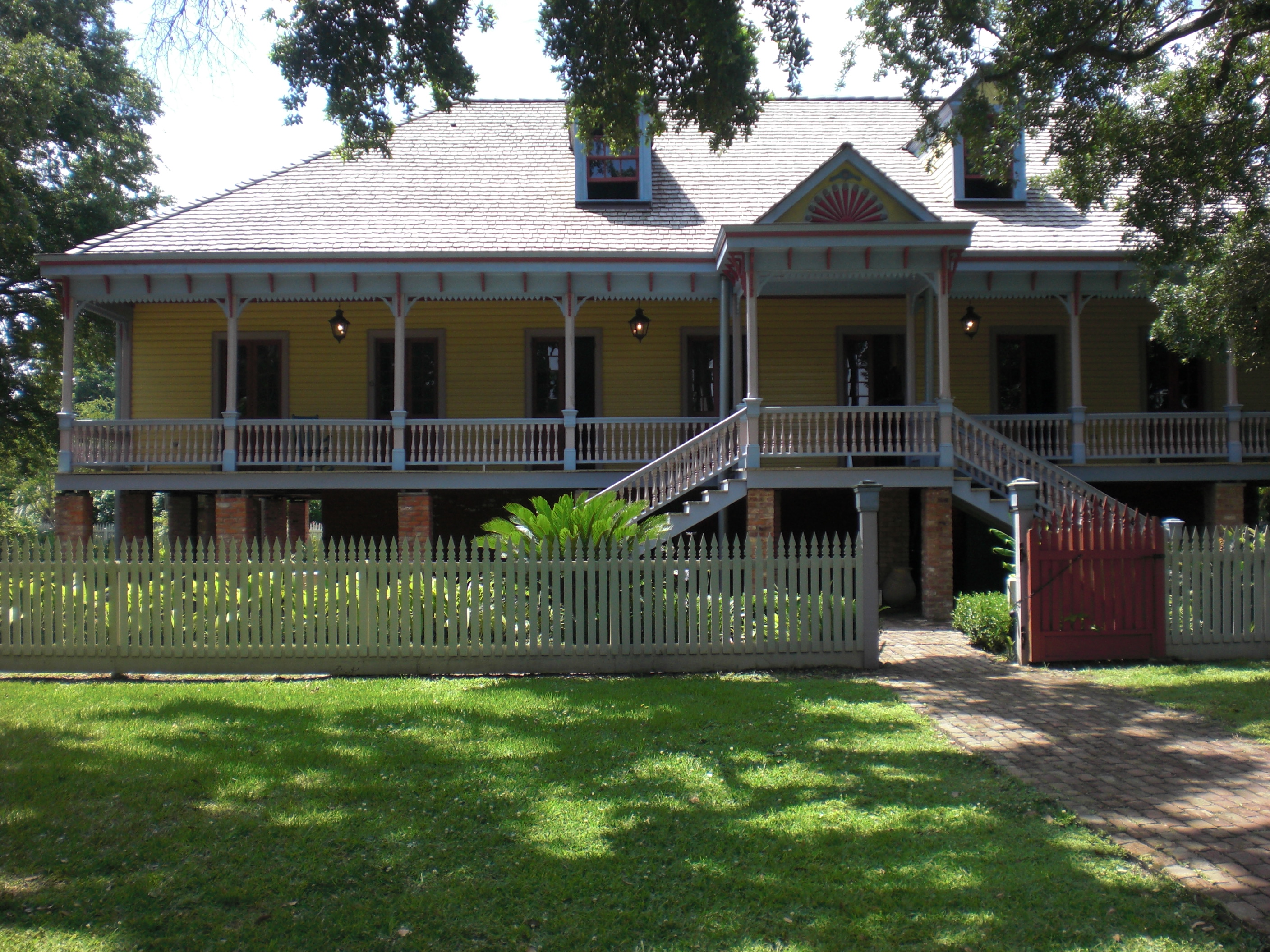
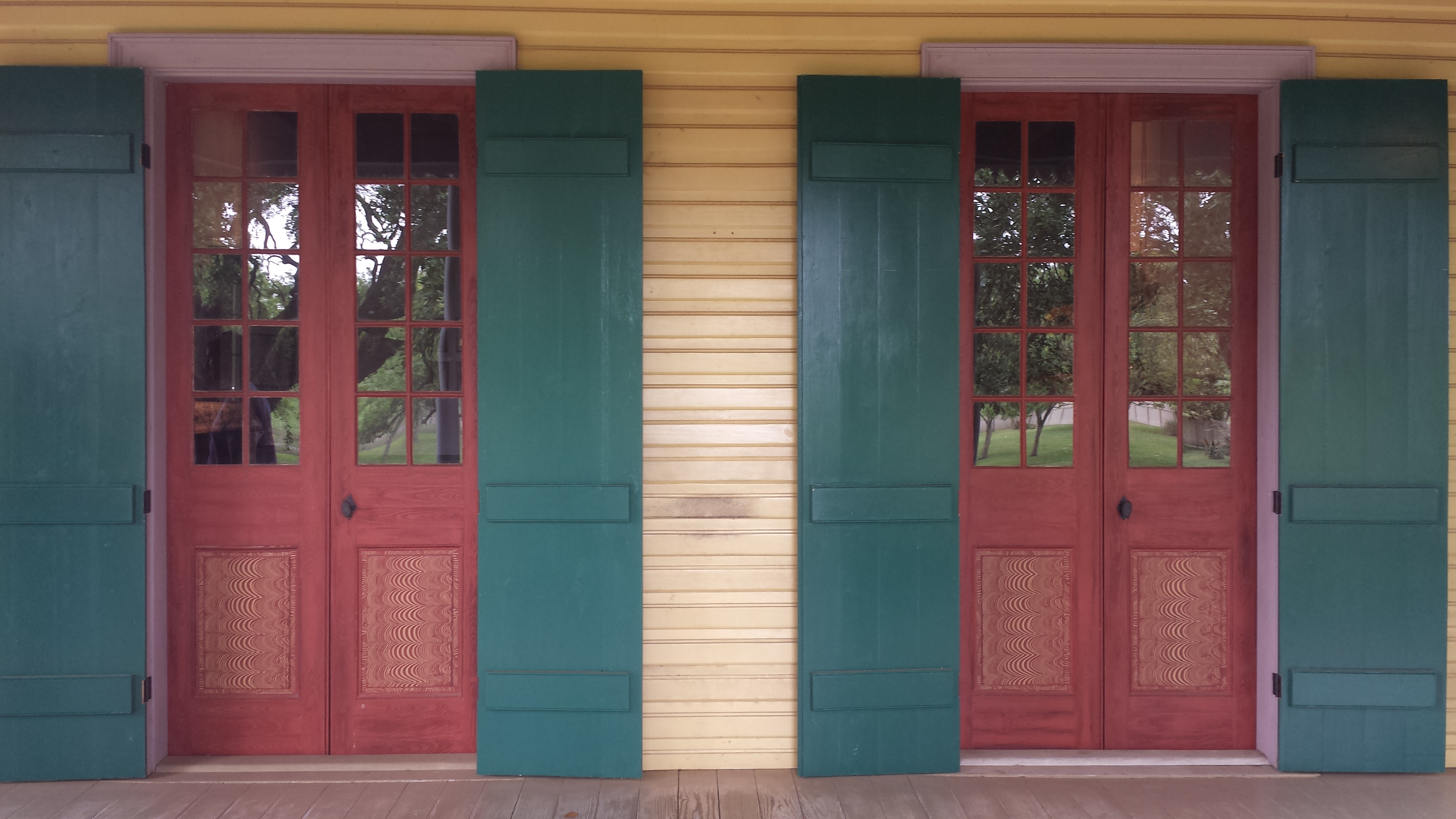
2This photograph is of a Creole home right off the Mississippi river in Louisiana.  It served as the home of two families who ran a sugar cane plantation, starting in 1805. CIMG0260 I visited the home as a part of a tour of Laura Plantation and I found one architectural detail particularly interesting.  The tour guide described the two sets of double doors immediately behind the staircase as the “brise” (French for breeze, as the Creole would have spoken French). 20140428_143523 These doors were not for use by people.  They were only to let the breeze in.  They were essentially air ducts, said the tour guide and, to Creole folks, using those doors would have been as odd as entering the house through a window. Instead, according to Creole tradition, visitors were to enter through one of the doors on the far right or left of the house.  These delivered guests to the men’s and women’s quarters: one room with a bedroom, a dresser, and a desk.

All this, of course, was very bizarre to the new Americans of British descent who came to Louisiana to do business.  The front doors of their homes were in the middle of the house and they led to an entryway or reception area.  To them, it would have been very odd indeed to enter the house at one end and even more strange to enter someone’s bedroom.  Moreover, since Laura Plantation was run by women for many years, this meant doing business in a woman boudoir. How scandalous.

This is a great example of the social construction of space. Where is the proper place for a front door? What kind of activities take place in the same room? What rooms/furniture are appropriate for strangers to see? Non-Creoles had to learn how to do business in a new way — perhaps accidentally bungling their entry by knocking at the window — and, ultimately, Laura and the other female presidents of the plantation would have to negotiate their expectations, by separating the bed and office for example. Something as simple as a front door, then, turns out to be a really neat example of social construction and social change.

Cross-posted at Pacific Standard.

Lisa Wade, PhD is an Associate Professor at Tulane University. She is the author of American Hookup, a book about college sexual culture; a textbook about gender; and a forthcoming introductory text: Terrible Magnificent Sociology. You can follow her on Twitter and Instagram.
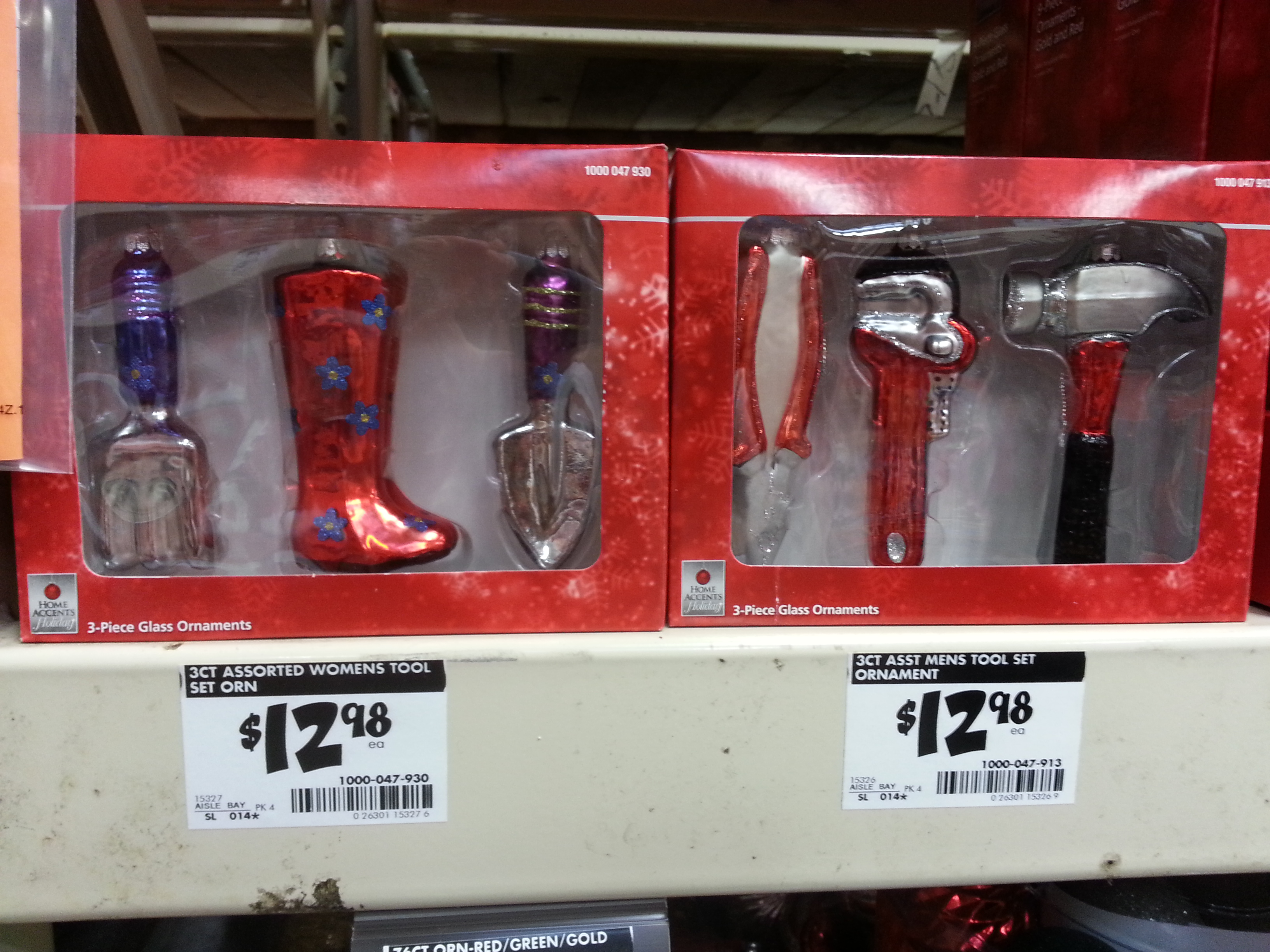
Thansk to Meia G. for sending in these “tool set” ornaments for sale at Home Depot. Notice that they don’t just group these tools into ones associated with women (gardening) and men (building), they actually label them as women’s and men’s on the price sticker. This is a great example of how gender isn’t just something we encounter in objects because we know enough to read gender into them, it’s actually prescribed to us.

20141010_090920

Christmas gift advertising tends to be highly gendered in part because buying gifts can be difficult and time-consuming. Gender helps us narrow down options or find something that seems suitable for someone we don’t know very well. Marketers exploit this imperative and its uncertainty for all its worth.

And perhaps all this was just an excuse to re-post Sarah Haskins on holiday jewelry advertising. You’re welcome.

I added the tools sets to our constantly expanding collection of pointlessly gendered products. It’s our most popular Pinterest board and we can see why! Recent additions include gendered pickles“Junior Park Ranger” and “Park Princess” vests for sale at a Yellowstone gift shop; scissors, q-tips, and dryer sheets for men only; and globes and glue just for girls.

Lisa Wade, PhD is an Associate Professor at Tulane University. She is the author of American Hookup, a book about college sexual culture; a textbook about gender; and a forthcoming introductory text: Terrible Magnificent Sociology. You can follow her on Twitter and Instagram.
Sure to be a classic!

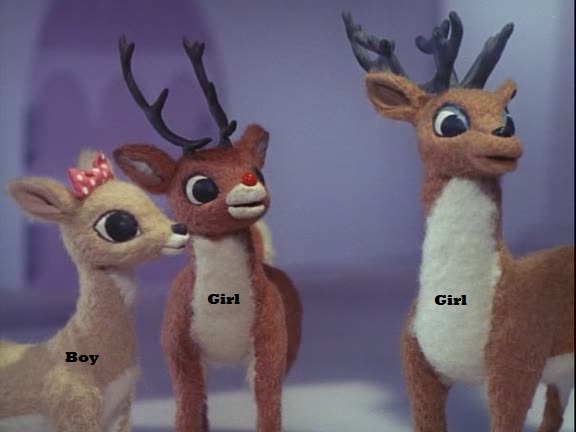
The tale begins with a baby calf named Rudolph born to what is assumed to be a typical reindeer family.  Immediately we recognize that this is no typical Hollywood tale. As we all know, male reindeer lose their antlers in late fall, but female retain throughout the Christmas season. By making Rudolph, Donner (the head of the family), and all of Santa’s reindeer female, the film makes a strong departure from the androcentric status quo.

IMG_4657

The new baby girl fills the house with joy until the parents discovered the calf to be quite queer—Rudolph had a red nose that glowed. Initially ashamed, Donner drew on a very functional and literal cover-up of mud and clay to hide the nose. It is believed this was for the good of the calf as this story was set in a pretty cruel place—a place where even Santa was unkind and unaccepting of differences.

Spring training comes along with masculinity classes for Rudolph. This was a highlight of the story for me. It was nice to see time was taken to demonstrate that gender is socially constructed and masculinity is learned. Girls can do anything that boys can do and our young protagonist was exceptional, even best in the class.

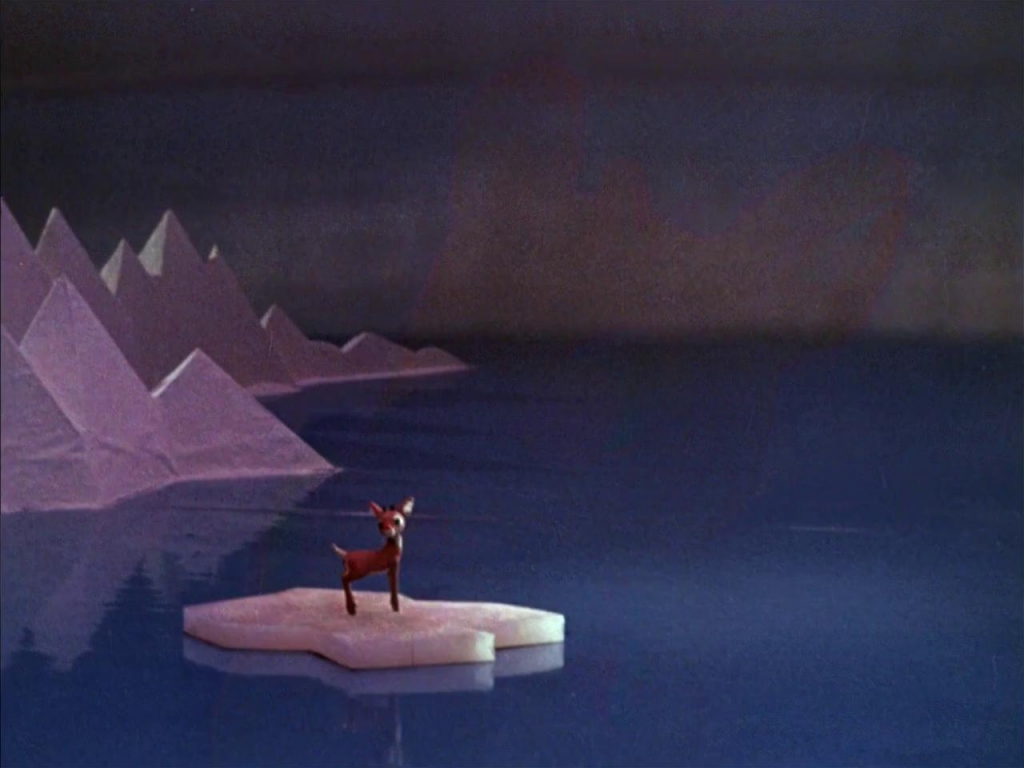
However, the mud and clay would be an impermanent fix. Rudolph’s glowing nose was revealed during play and the names and bullying began. In fact the bullying was even legitimated by the coach. With such an unaccepting family and community, Rudolph runs away.

IMG_4664

Meanwhile, in (one of) Santa’s workshops, an elf named Hermey was having a Jerry McGuire day. Hermey, perhaps the most relatable character to mainstream American society, was questioning the system. Hermey wanted to do what made him happy. He wanted to be a dentist. Working in an assembly line factory with long hours and no dental was not living the dream. Hermey decides he is a Dentist and also sets out alone.

Unsurprisingly, Rudolph and Hermey run into each other on the path out of town, also called loneliness. After a day in the polar wilderness they meet another queer named Yukon Cornelius who is always in search of gold or silver.

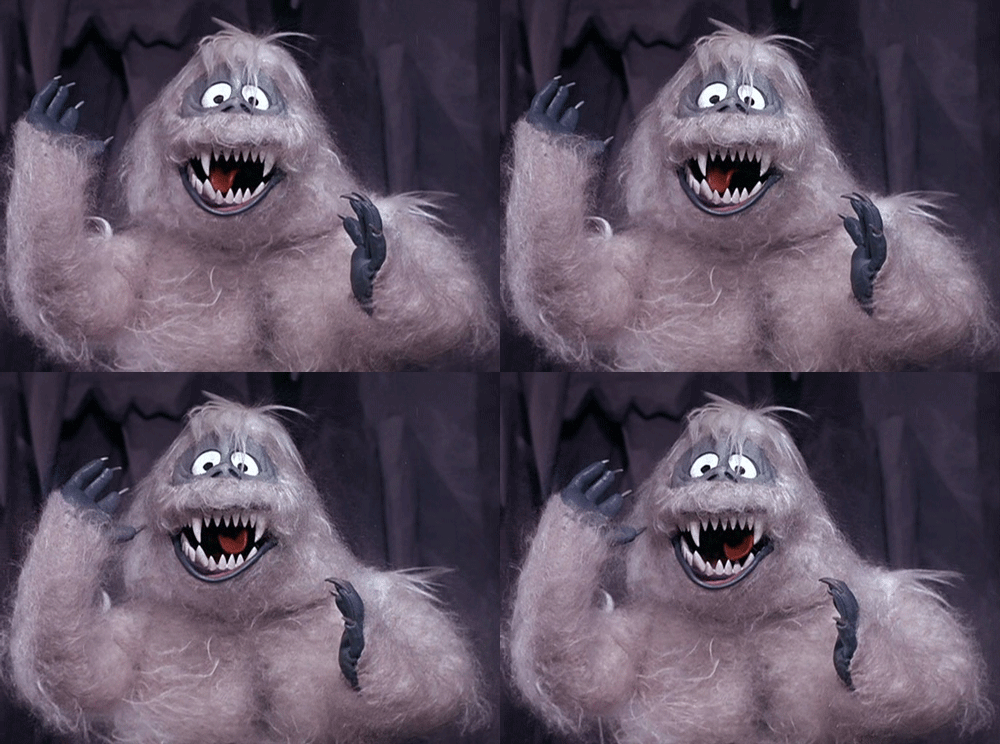
The three misfits then encounter the abominable snow monster. “Mean and nasty,” he “hates everything about Christmas.” Clearly, his teeth and wide reaching claws are designed to compel compliance with the social order.  White, male, and against magic for the masses, this character is clearly intended to represent the kyriarchy, the system meant to uphold the intersecting oppressions of class, race, and gender. The movie’s central challenge is set: smash the kyriarchy.

IMG_4662

The group initially retreats, only to find themselves on The Island of Misfit Toys where they are greeted by a flamboyant Charlie-in-the-box. It is here Hermey and Rudolph begin to dream of having an accepting place and we see the strong desire for a community. Surely, if dolls with low esteem, pink fire trucks, and trains with square wheels can be free of oppression, they can too.

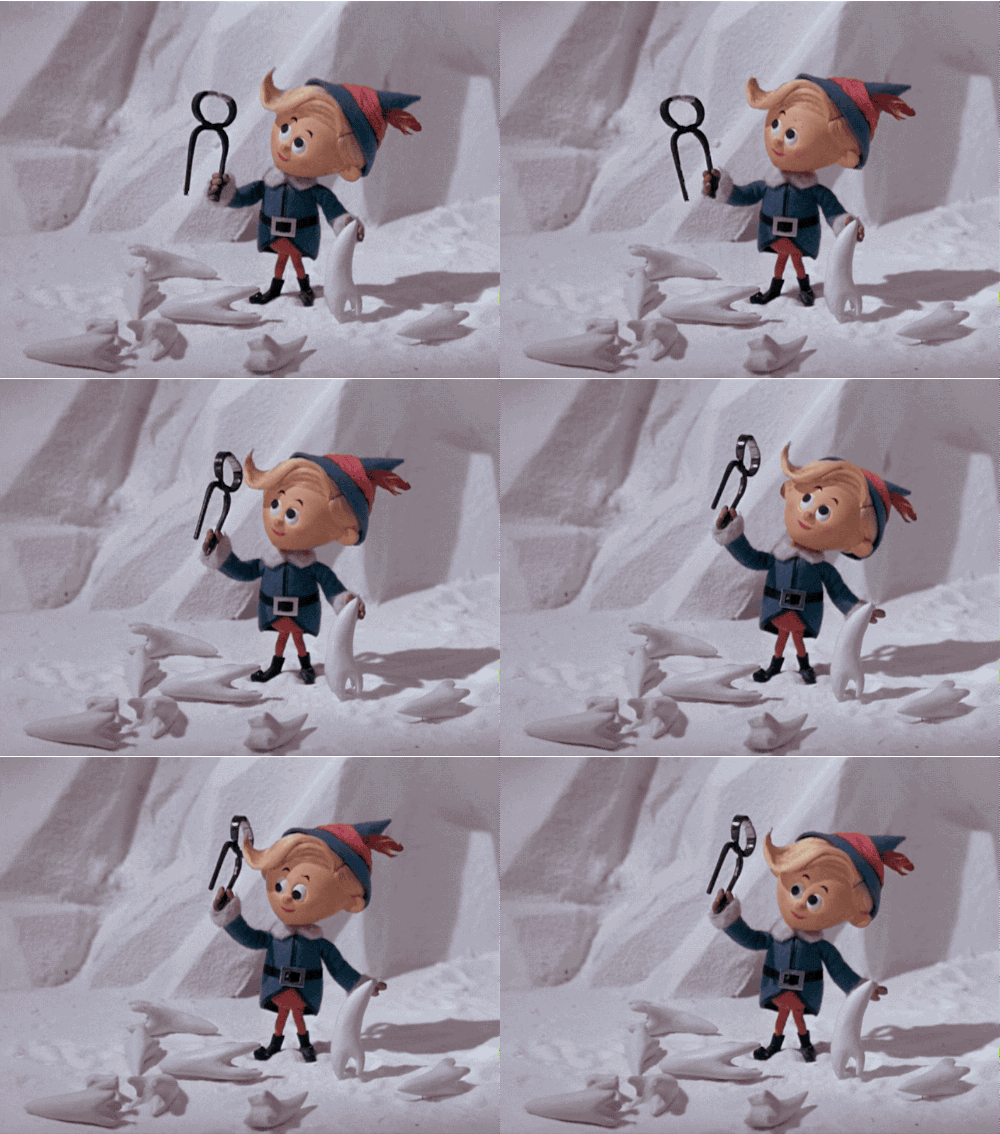
Emboldened, the trio now returns to kill the kyriarchy. Using the never fail logic that bacon trumps all meats, Hermey makes like a pig to get the abominable snow monster’s attention. Once the snow monster steps out of the cave, Yukon knocks him out by dropping a boulder on his head; Hermey pulls out all his teeth in a symbolic and literal de-fanging.

IMG_4663

Yukon pushes the monster off a cliff, but he falls, too. This is the most symbolic part of the tale, as the group has bonded together to kill the kyriarchy but not without some loss. The message is clear: if we build alliances, we can take down the power elite, but there will be sacrifices.

I will not ruin the end of the tale for you, only to say that Rudolph does in fact save Christmas, but it is by demonstrating value to the man—Santa. Once Santa sees Rudolph and his misfit friends as an asset he de-identifies at least slightly with the kyriarchy. For now, Christmas town was a cheerful place. A small battle had been worn.

Overall, Rudolph the Red Nose Reindeer gets two thumbs up!

It is sure to become a classic tale of systems of oppression and privilege, stigma, and the struggle for self-acceptance. In Rudolph, difference can be good. It was quite progressive with its message advocating inclusivity, alliance, and dissent against systems of power. I love the commentary on the lack of queer community organizing and the role of misfits in fighting capitalism and the power elite. It took on some hot button issues in nuanced ways, especially the policing various classes of citizens and the importance of open carry laws.

It also took some big risks related to casting. It was gender progressive and, outside of the binary, we have at least two characters that blur sex categories. Clarice, for example, presents as feminine and female pronouns are employed with her, yet she has no antlers in late winter. While Hermey dresses like the male elves, but he has swooping blonde hair and a small nose like the female elves.

For years to come, Rudolph will no doubt be a wonderful conversation starter for both awkward and fun winter gatherings alike.

D’Lane R. Compton, PhD is a lover of all things antler, feather, and fur. An associate professor of sociology at the University of New Orleans with a background in social psychology, methodology, and a little bit of demography, they are usually thinking about food, country roads, stigma, queer nooks and places, sneakers and hipster subcultures. You can follow them on twitter.

Yes, but it was a weird thing you see.

The Nazis were waging war and exterminating Jews.  Meanwhile, Christmas was about celebrating peace and the birth of Jesus, a Jew.

Said the Nazi propagandist Friedrich Rehm in 1937:

We cannot accept that a German Christmas tree has anything to do with a crib in a manger in Bethlehem.  It is inconceivable for us that Christmas and all its deep soulful content is the product of an oriental religion.

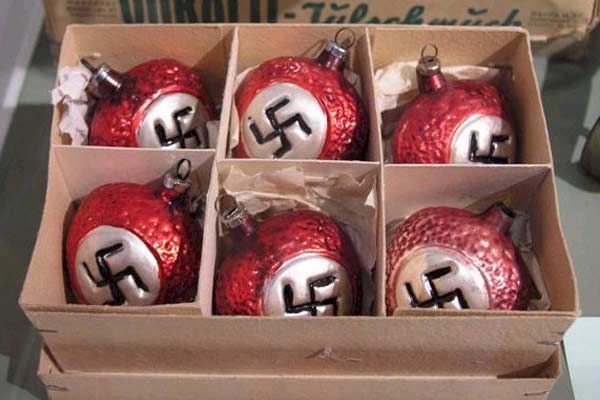
But Germans were largely Christian, so getting rid of Christmas was going to be tricky.  So Hitler turned it into a celebration of the Third Reich.  According to John Brownlee, they re-wrote Christmas carols to extol the virtues of National Socialism.  Mentions of Jesus were replaced with “Savior Führer.”  Since they well understood that Santa wasn’t white, they re-cast the character; he was played by the pagan god Odin.   And they changed the ornaments and placed swastikas atop Christmas trees.

Here are links to a Hitler ornament and Nazi tree topper, swastika cookie cutter, and swastika ornaments:

6

The last Nazi Christmas was in 1944.  Post-war Germany quickly “did with Hitler’s Christmas what they did with every other idea the Nazis had come up with: denounced it…”

Photo by Monado flickr creative commons.

Lisa Wade, PhD is an Associate Professor at Tulane University. She is the author of American Hookup, a book about college sexual culture; a textbook about gender; and a forthcoming introductory text: Terrible Magnificent Sociology. You can follow her on Twitter and Instagram.
Iconic images — such as a single student standing stoic before Red Army tanks in Tiananmen Square, a protester leaning forward to put a flower into the barrel of a soldier’s gun, or two African-American athletes raising black-gloved fists on the Olympic victory podium — often seem to shape much of what we “know” about various historical events or social movements. In our social media, mass culture world, images and interpretations spread fast. But where do these images come from? How and by whom are they produced?

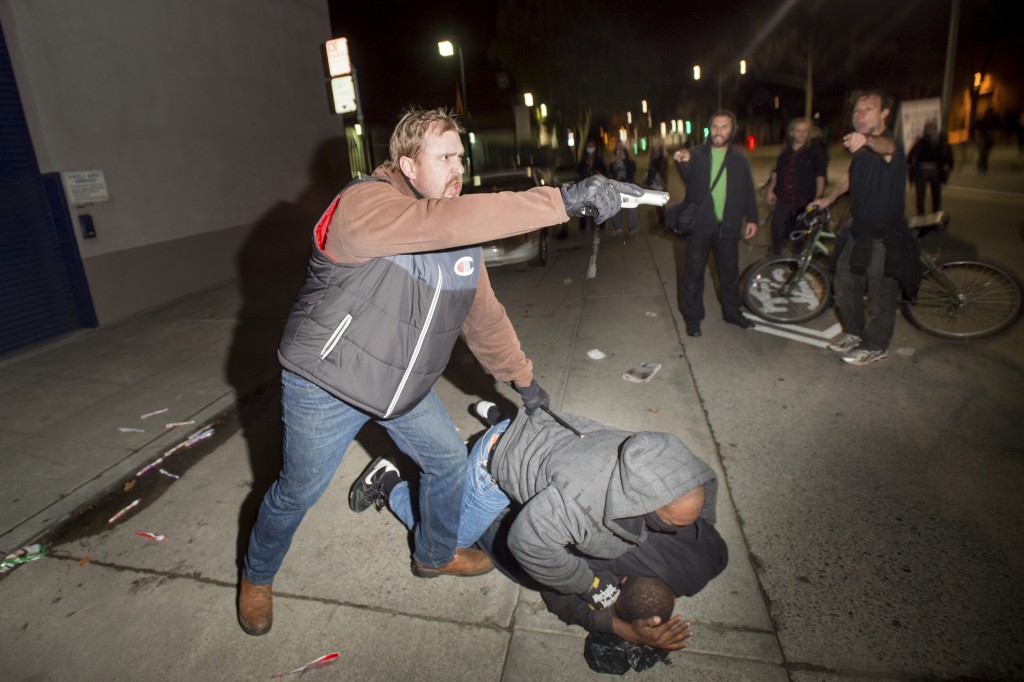
Last week, wire services photographer Noah Berger found himself behind the lens of a photograph that has the potential to become such an image. In it, a white, plain-clothes police officer in Oakland, CA, aims his gun at protesters and reporters, while his black partner holds down a black protester. At a historical moment when protests are sweeping the country, bringing issues of police violence and the unequal treatment of minorities into public consciousness with slogans like “Black Lives Matter,” it is perhaps not surprising that the photo seems to have gone viral.

Sociologist Joshua Page reached out to Berger to discuss the photographer’s experience in creating this powerful image. In an interview, the two talked about the social logistics of photographing protests, the life of a “stringer,” and the struggle to capture the essence—even the sociological significance—of events that have complex backstories and often conflicting meanings in single, silent photographs.

1aREUTERS/Noah Berger

1. The Photo.

Page: Why was the police officer pointing his gun at people?

Berger: In basic, loose terms, what happened on the night that the plain-clothes officer pulled his gun on the protesters began with protests on the Berkeley campus, about 7:00pm. They disrupted a lecture by, I think, one of the founders of Paypal, but they marched peacefully for a couple of hours. It was about 150 people, and they marched all the way from the Berkeley campus to downtown Oakland—about three miles.

When it reached downtown Oakland, at 14th and Broadway, which is sort of “protest central,” it started getting a little bit edgier. You could just feel it in the crowd… Pretty soon after that, the first window got smashed. Then the cell phone store got looted. I watched that happen. I couldn’t take any pictures, but I did watch it.

So, the protesters kept marching, banging on windows. There was some minor vandalism, and, according to the California Highway Patrol [CHP], when the cell phone store was looted, that was when two officers who had been in a car behind the protest group got out and started walking with the group. This is all according to the CHP.

I noticed the officers in the crowd, and I actually thought they looked kind of scary. I made a mental note to stay away from them. They didn’t strike me as cops, they just looked kind of scary. But as far as I saw, they just walked along with the crowd. There have been some reports of them doing other things… but all I saw them doing was walking along with the group.

About 20 to 30 minutes after the first vandalism started, a group of roughly 60 people were walking, and someone just turned on these two guys and started yelling that they were cops. Kind of taunting them. More people joined in. At that point, the San Francisco Chronicle photographer tells me, somebody ran up behind the cops and pulled the hat off one of the guys, threw it on the ground. Apparently another person hit one of the officers on the back of the head. This is according to the Chronicle.

At that point, one of the officers in the crowd and a guy just started scuffling. It just turned into a brawl, and the crowd started advancing on these two officers. At that point, one of the officers pulled out a baton, which you can see in some of the pictures, and he also pulled out his firearm. He kind of aimed at the crowd and swung it around, saying something to the effect of, “Stay back! Back off.” He held them off for about 30 seconds until the regular, uniformed officers swooped in from the end of the block. They formed a protective semi-circle around these two guys and the protesters they were detaining, and pushed the other protesters backwards to secure the area.

Page: At what point did he point the gun at the Chronicle’s photographer?

Berger: I very much doubt that the cop knew the guy was press and was specifically pointing at him. He was holding the crowd back. It was more general, to everybody, “Stay back.” And in the picture, his hand isn’t on the trigger. So, I don’t think he was specifically targeting the press. It was just that we were close to him.

Page: Have you been surprised at how widely that image has been circulated and the ways people have interpreted it on Facebook and elsewhere?

Berger: Very much so. Michael Short, the Chronicle photographer and I, when we talked about it right after it happened, we thought the story was gonna be, “How crazy is this that a group of protesters knowingly attacked undercover officers?” That’s what we thought was the amazing part of the moment!

But after that picture came out, it conveyed a different perspective: “How crazy is it that this undercover cop would pull his weapon on protesters?” It’s a really good case of the picture not showing the whole story. It’s not a lie. It definitely is part of the story, but it’s not the whole occurrence.

It’s led to a cascade of interest that I’ve never really seen before, which was weird and mostly good. Not all good, but mostly good.

2. The job.

Page: So, what is your job title?

Berger: I’m a freelance photographer, a “stringer.”

Page: Do you see yourself as a photojournalist?

Berger: Yeah, I kind of wear two hats. It changes depending on the season, but I spend about 60% of my time on the news and about 40% in corporate or government work. But when I’m out during the protests, I certainly consider myself a photojournalist.

Page: Are there particular assignments you like to take?

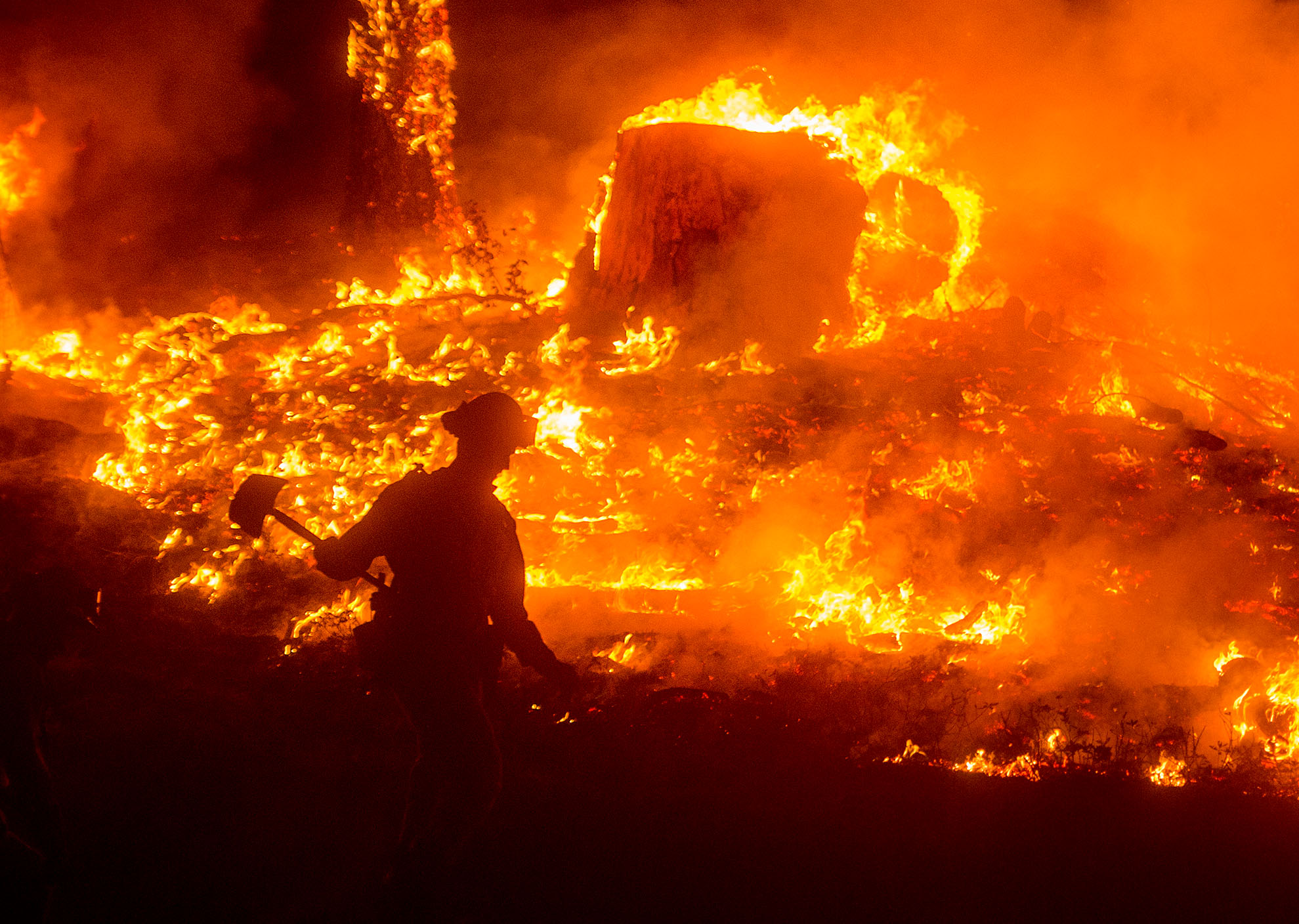
Berger: Definitely the protests, the edgier protests are high on my list. That, and wildfires. My favorite assignments are protests and wildfires.

King Fire Photo Copyright Noah BergerThe King Wildfire, 2014. © Noah Berger

Page: What is it you like about them?

Berger: The wildfires are great, because you’re in these volatile, somewhat dangerous situations, but no one’s aiming for you, unlike in the protests. You’re out in the woods, trying to get your shot, and you’re not dealing with the public relations side or negotiating society. You’re just on your own.

The protests, it’s just interesting to see when there are clashes and when the emotions and violence flare up. And on another side, it’s just interesting to see that side of life. It’s something a lot of people don’t witness.

Page: Are there particular types of images you’re looking for when shooting a protest?

Berger: Sure. Working for the wire services like the AP or Reuters, I try to keep in mind one image that sums up an event. I’m not just looking for one image from the night, but I like my images to say something. When you’re working for a wire service, it’s more important to consider an audience outside the local area and know that you’re looking for images that sum up the event.

Page: Those tend to be more dramatic images.

Berger: “Dramatic,” like for the police protests, obviously would be something that might have a policeman and a protester in it, and some interaction. But it doesn’t need to be. Reuters, another photographer, got a shot of this guy with fire around him and a sign that said “Black Lives Matter.” There’s no other context, but it just had a great feeling. So it doesn’t need to be both sides, but I think the photo needs to speak to the whole issue.

Page: How do you know when the picture represents what’s going on?

Berger: You just kind of know when it happens, I guess…

Page: Another shot you had the other day, of the freeway stopped in both directions, was just amazing.

Berger: That’s actually a little different than I normally shoot; it doesn’t tell the story as quickly as the images I would normally look for. It took me longer to warm to that photo, because it was harder to “read.” You need more context [to know that these are protesters stopping traffic on a freeway].

Page: What’s your process for shooting a protest? How do you know where to go?

Berger: Well, there are a couple different ways. To find out where the protest is gonna be, there’s a website that lists the bigger ones. Twitter has become huge. A lot of these protests are just organized a couple hours before by someone saying, “Hey, let’s meet at 7:00 at the corner of _______ and _______,” and that just creates the protest. So, Twitter’s good.

I also use a police scanner, and I’ll have that on, depending on what the protest is. Like, if there are multiple protest groups roaming the streets, that’s really useful…. The other way is following, if there are multiple groups, following where the police helicopters are. You can look up and kind of figure that out. But the scanner’s a really useful tool.

3. Interactions: Protesters, Police, and the Press Corps.

Page: Do you ever get pushback from protesters, get hassled?

Berger: All the time. When I’m out there, my primary concerns are staying safe from protesters, staying safe from the police projectiles or clubs, and just keeping my gear safe.

Page: I’m sure there must be times when the idea of a protest is to get the images out there and spread the word. Are there times when your relationship with the protesters is more collaborative than antagonistic?

Berger: It’s not necessarily true, actually, that they want the word out. There’s definitely a large group that does want the world to know what’s going on here… but a lot of people seem to want to be out there pushing the boundaries of police and society and don’t want it documented.

Page: Is there a sense in some protests that the press is part of the “system” people are protesting to begin with?

Berger: You do hear that. I’ve had a lot of people that are well meaning come up and say, “The mainstream media isn’t covering this.” And I’m like, “I’m working for the AP right now. It doesn’t get much more mainstream than that!” …I am a fairly big believer that the mainstream press tries to convey objective, unbiased accounts of what’s going on. We don’t always get it perfectly right, but I think the effort is there. That’s the intent.
Page: What does it look like when a protester harasses you?
Berger: It can be different forms. The other night, during the looting at the cell phone store, a woman and a man came up to me and just held their cameras up to me and held their middle fingers up and said, “You’re not gonna take pictures of this. You’re not gonna take pictures of this.” And just followed me wherever I moved. That’s kind of a normal tactic. One of the other photographers, they tried to grab his memory card. There are more threatening forms, where people are just lurking behind you saying, “No photographs. No photographs.” It’s hard to watch stuff happening and not be able to shoot, but it’s just one of those times you have to let your camera down.
Page: What about the police?
Berger: For the most part, the police do a fairly good job at respecting the press out there…. There are definitely cases where the police are caught up in the moment and go after you—maybe knowing you’re press, maybe not—but I think they kind of respect the boundary. I have been batoned a lot, but it’s when I put myself between the front line of the protesters and the front line of the police. That’s where you can get the dramatic shots, but you’re kind of asking for it in that spot. It’s a risk of going up there: that you’re gonna catch a baton… I mean, you can always drop back a little bit. If you drop back from the front line of protesters, you can have a few minutes to collect.
Page: How do you interact with other photographers when you’re covering these events?
Berger: We definitely work together. We’re very actively backing each other up. Just before this protest, a Reuters photographer got pepper-sprayed by the police and, when he put his gear down, someone who wasn’t part of the protest came and took his gear. Ran off with thousands and thousands of dollars of camera equipment, and another photographer tried to chase them down, unsuccessfully. But anyway, we do stick together. We’ll talk beforehand about who’s going out, sometimes ride in a car together, and we’ll decide together when something’s not safe enough to cover.
We have a great community of photojournalists. We really do look out for each other. There’s definitely an element of competition—we all want to get the best shot! But the overarching feeling is that we want to keep each other safe.

4. Framing and Representation.

Page: Do you think about potential public or political reactions to the images when you’re shooting them?

Berger: Yeah. And I have a strong belief that we’re showing the world what’s happening in any given situation. I mean, that moment with the handgun coming up, you’re not gonna see that otherwise. There were, plus or minus, three mainstream journalists there, and we’re really the eyes of “truth” in the bigger, somewhat objective reality that’s being conveyed to the world.

Page: Do you think about how certain images would support particular narratives?

Berger: Sure. I think there’s an inherent bias toward, in protests, the sparky, edgy action shot. It’s not because we want to show protesters [as violent], but it makes for more dramatic pictures… I don’t ever go into it going, “I’m gonna take a shot that makes this side look like this,” but sometimes when you’re editing, you can see that. “Oh, this shot really conveys this.”

Page: You’re aware that certain images support certain perspectives, and recognize that sometimes you’re emphasizing the edgier side of a protest when a lot of it is peaceful. Like you were saying, all the way from Berkeley to downtown Oakland…

Berger: I am very conscious of that: one image can convey something that isn’t the whole truth. I try, when I write my caption, to reflect that. When I covered Occupy, if there was a protest where 1,500 people shut down a port and then 100 people broke windows, in my caption I’d say, “After a largely peaceful protest of 1,500 people…” There is definitely a responsibility beyond the image.

Page: So, what is your view of the current wave of protests? Do you think they’re effective? Justified?

Berger: I definitely don’t feel comfortable speaking to whether they’re justified… I don’t think any mainstream journalist trying to report from an objective position should put out their opinion on an issue they’re covering…. Our job is to stay, to try to stay as objective and neutral and balanced as we can. Telling our opinion would fall outside those boundaries, so it’s not something I’m comfortable talking about. …You could definitely be looking at a group on any side of an issue and think… “That’s kind of wacky,” but it’s still your job to stay objective and present all sides to an issue.

5. Letting Go.

Page: It must be really interesting to shoot the images, put them out there, and see how people respond to them and use them. I’ve seen this undercover cop photo turned into a meme. Do you pay attention to how they get written up and used?

Berger: On this story, I have been, definitely, but not always. I mean, there are all kinds of ironic things. This one was used as a protest poster for this coming weekend’s protest. I’m sure some of the people, maybe even the people designing the poster, are gonna be out there blocking my camera! Usually, the photos just sort of go off into the media world, and they’re gone for me.

Joshua Page, PhD, is a professor of sociology at the University of Minnesota, where he specializes in crime and deviance. He is the author of The Toughest Beat: Politics, Punishment, and the Prison Officers Union in California. This post originally appeared at The Society Pages.