Uncategorized

(This post contains spoilers for Cabaret.)

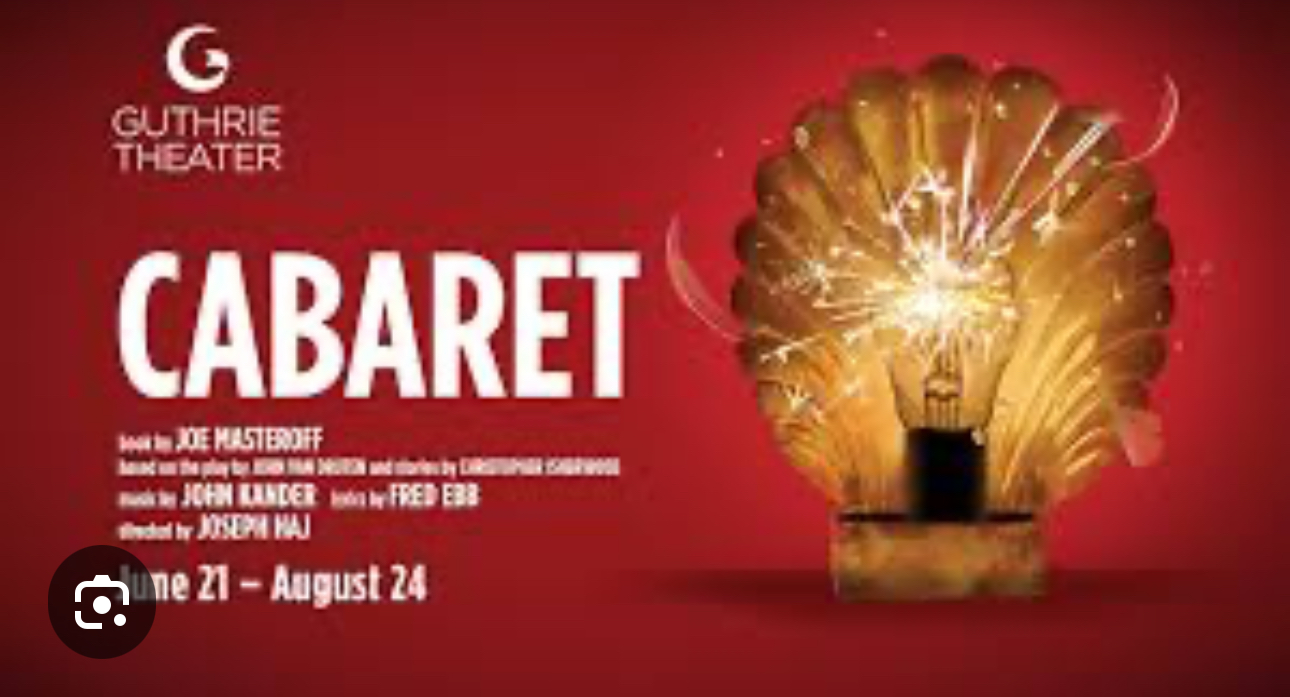
Following a co-hosted symposium on the Weimar Republic, the Guthrie generously invited the Center for Holocaust and Genocide Studies to attend a performance of Cabaret. We went last weekend, and it was simply exceptional. If you stop reading here, or take nothing else away from this post, see the show!

Act I. The play opens. “Wilkommen.” Soft chugging of a train as Cliff arrives in Berlin. 

Act I of Cabaret is everything a real cabaret should be: decadent, sultry, and dazzlingly hedonistic. It is a modernized—and more carnal—version of Lautrec’s famed portraits of gaudy nightlife, but recontextualized through the sort of Brechtian self-awareness made possible by good directing. However, this illusion of the perfect cabaret splinters at the end of the act, when the Emcee recoils in horror as their gramophone begins playing an eerie and increasingly disconcerting “Tomorrow Belongs to Me.” As an audience, we sense a change; we just don’t know what it is yet. 
more...

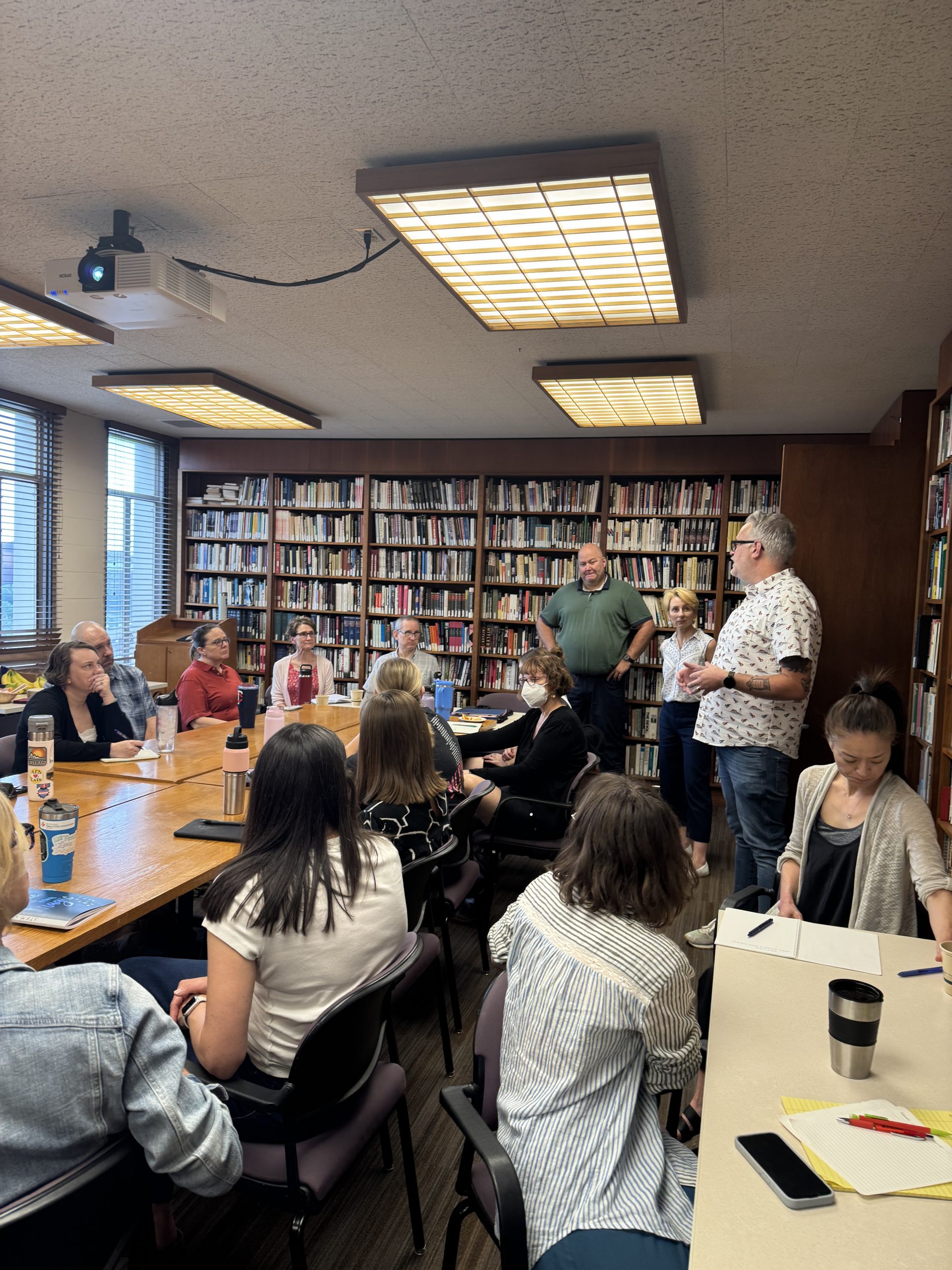
Last week, the Center for Holocaust and Genocide Studies had the honor of hosting a two-day workshop with 25 educators in partnership with Yahad–In Unum, an organization internationally recognized for its work uncovering forgotten sites of mass violence and amplifying survivor voices.

We were thrilled to see so many educators sign up, eager to learn and engage with challenging, timely material. The energy in the room was palpable, from the very beginning, participants asked thoughtful questions, shared insights, and leaned into the difficult but vital work of studying genocide and mass atrocity.

more...

Ottomania and the Armenian Genocide in World History Curriculum

June 2025

“Do high school students in the United States learn about the Armenian Genocide?” 

This is a surprisingly difficult question to answer. K-12 education in the United States is highly decentralized and localized, with decisions about what is taught and learned made by districts, schools, or, most often, individual teachers at the classroom level. Some state-level surveys of genocide education have been conducted, but the variability of curricula among schools and the high rate of teacher turnover make it challenging to draw meaningful conclusions. While Holocaust education has become a mainstay of American curricula for decades, education about so-called “other genocides,” including the Armenian Genocide, is still much less common.

more...

more...