A Good Place to Hide: How One French Village Saved Thousands of Lives During World War II
By Peter Grose
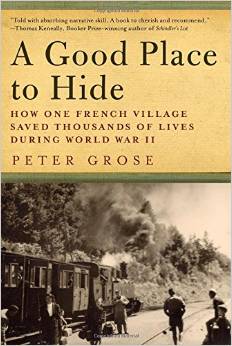
A Good Place to Hide is the story of an isolated community in south-central France, Le Chambon, that conspired to save the lives of 3,500 Jews under the noses of the Germans and the soldiers of Vichy France. It is the story of a pacifist Protestant pastor who broke laws and defied orders to protect the lives of total strangers. Powerful and richly told, the book speaks to the courage of ordinary people who offered sanctuary, kindness, solidarity and hospitality to people in desperate need, knowing full well the consequences to themselves.
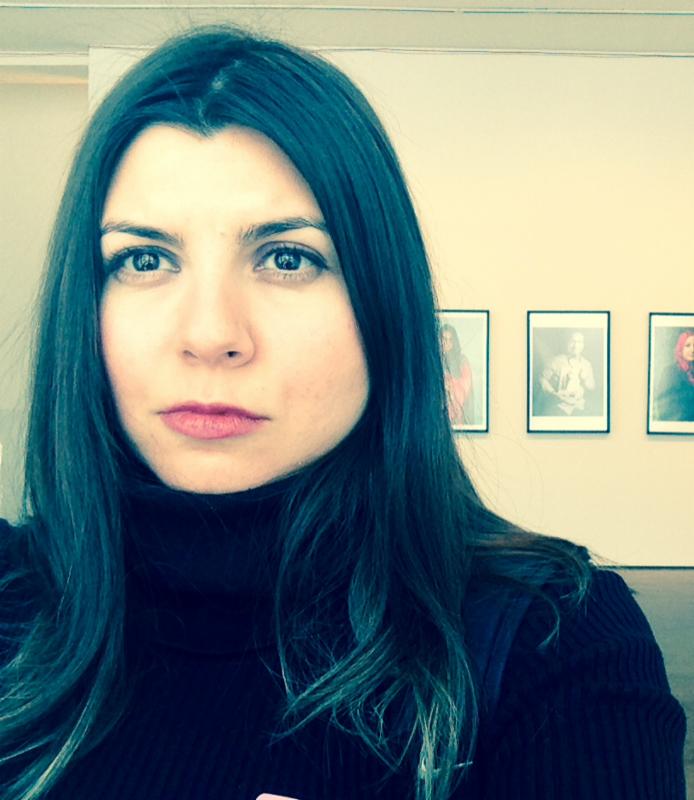 Yagmur Karakaya is a PhD student in Sociology at the University of Minnesota. She is interested in collective memory, popular culture and narratives of history. Yagmur is currently working on her dissertation project on Ottomania, which focuses on contemporary interest in the Ottoman past in Turkey. She is interested in how different groups of minorities engage with the ways in which Ottoman past is recalled and how they situate themselves in this narrative. During her Badzin Graduate Fellowship year, she will focus on the commemoration of the Holocaust in Turkey, and the relative silence on the Armenian genocide situating both of these phenomena in the current political interest in the Ottoman past. This project will engage with current debates regarding memorialization and denial in the field of Holocaust and genocide studies within the context of Turkey. She will be focusing on two major non-Muslim minorities in Turkey: the Jewish and Armenian population, conducting interviews with the members.