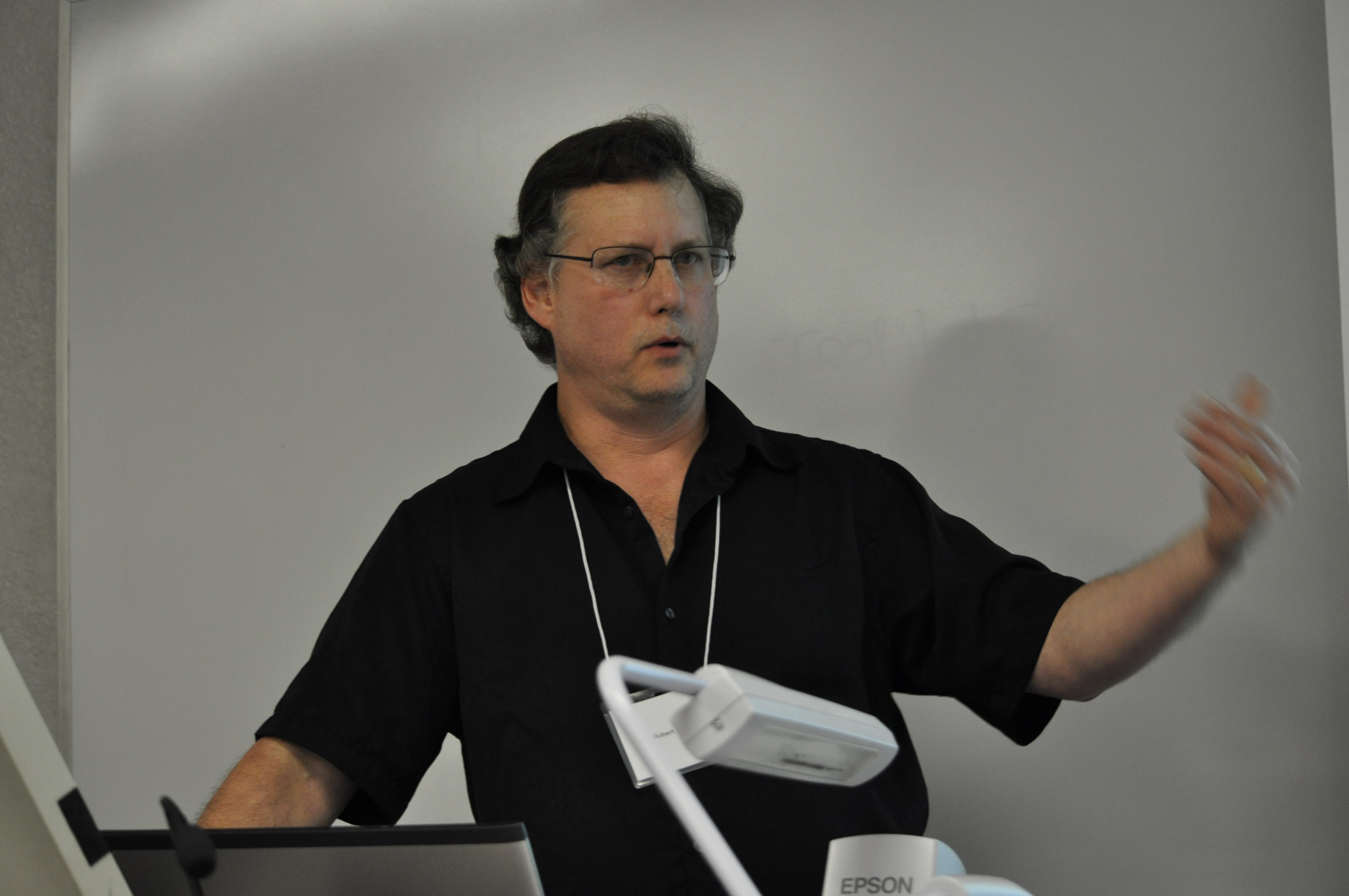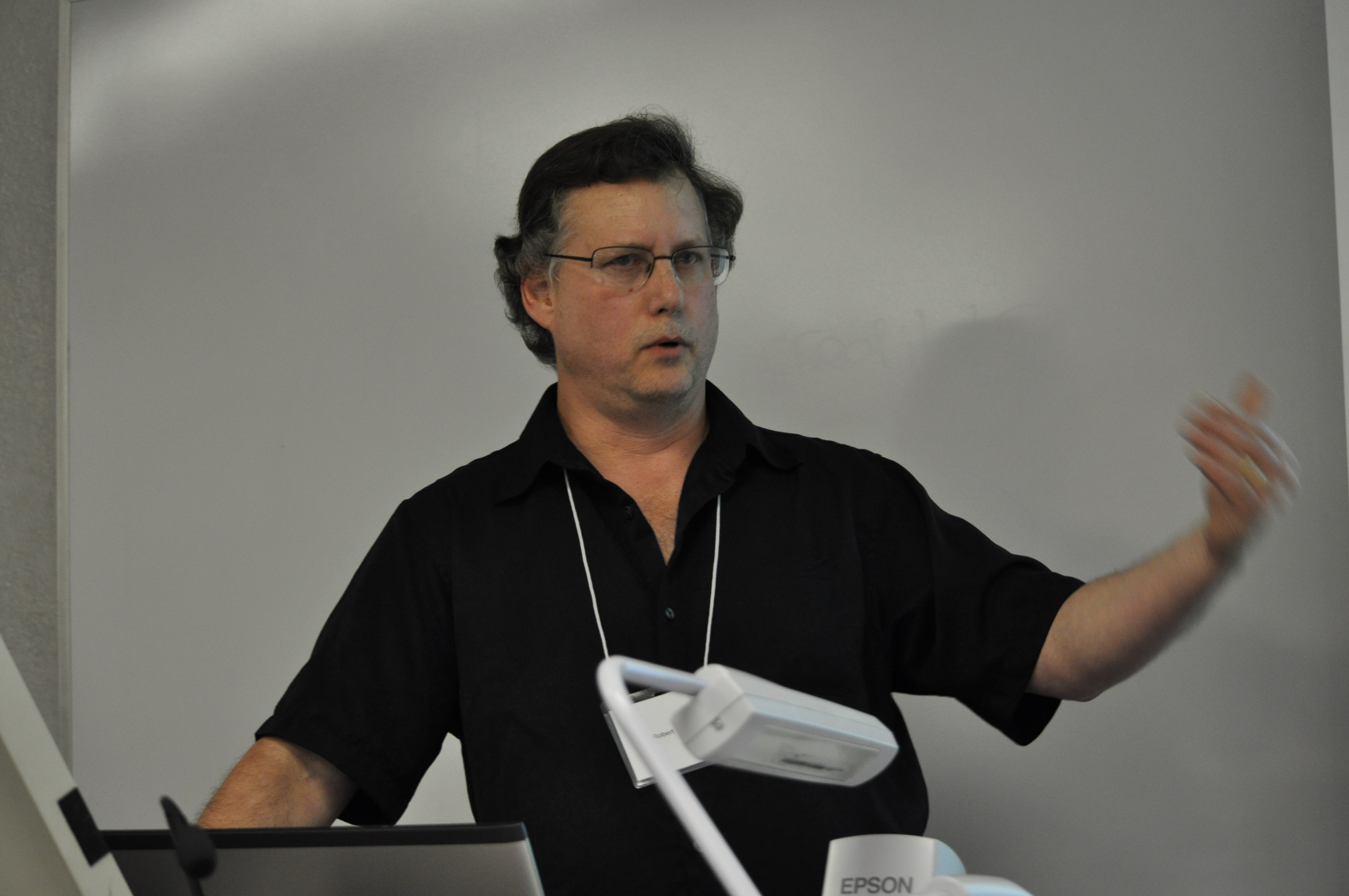
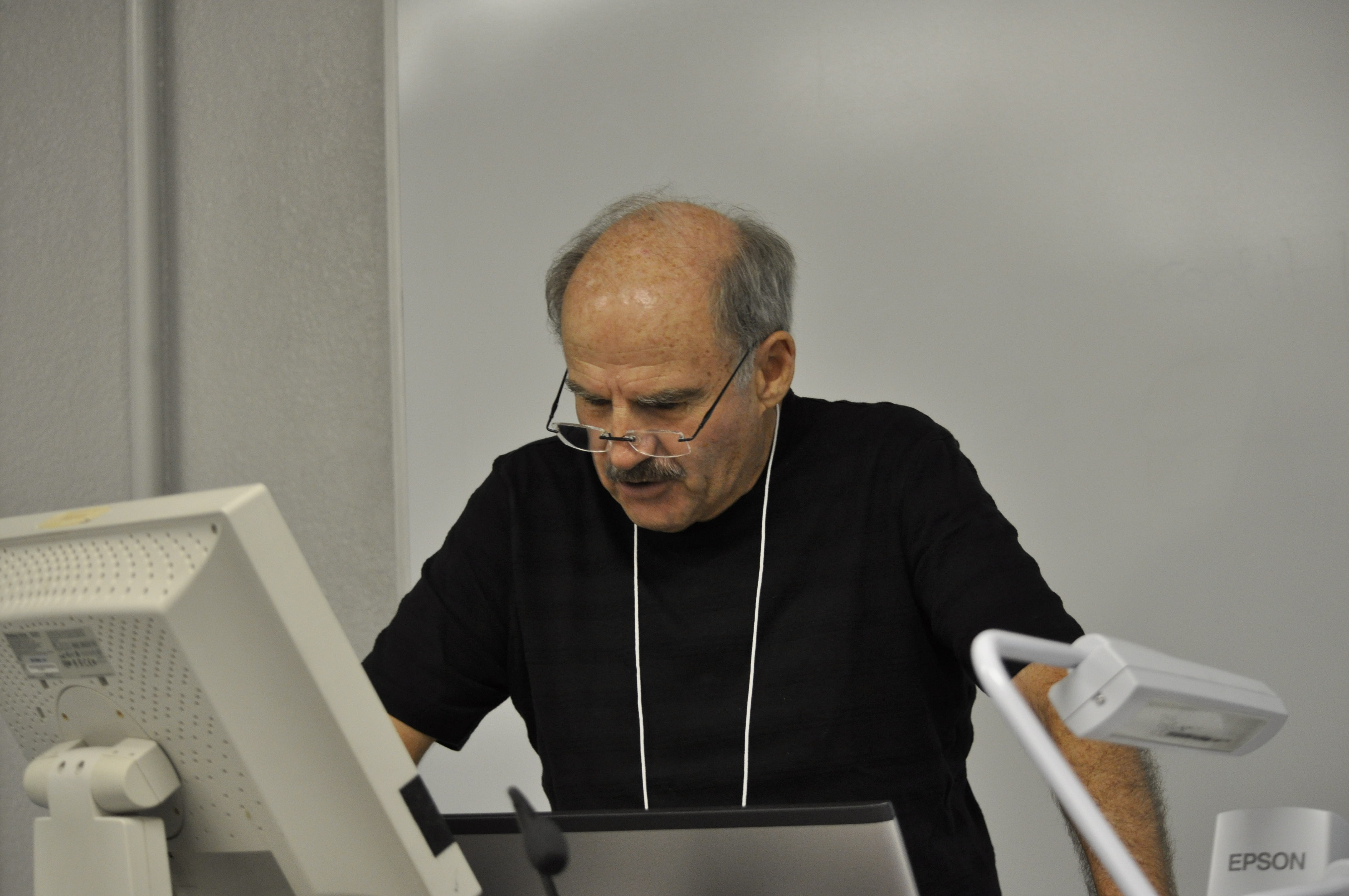
The Consumer Studies Research Network held a pre-conference to ASA 2011 at the University of Las Vegas. The following is an archive of audio, video, and images from the concluding spotlight panel featuring: more...
The Consumer Studies Research Network held a pre-conference to ASA 2011 at the University of Las Vegas. The following is an archive of audio, video, and images from the concluding spotlight panel featuring: more...
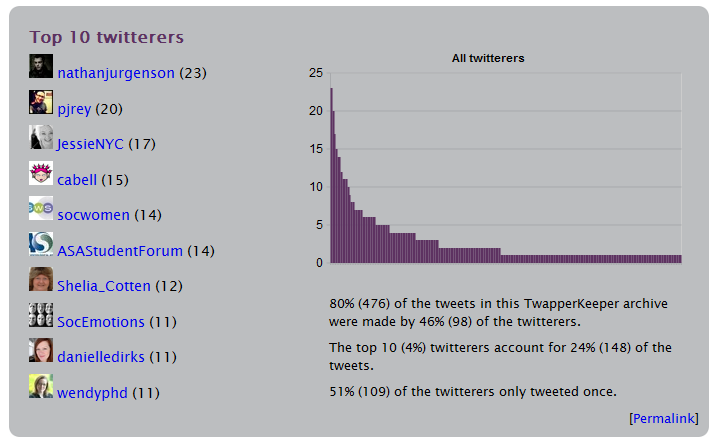
TwapperKeeper archive URL: <http://twapperkeeper.com/hashtag/ASA2011>
Total tweets: 1349
Total twitterers: 317
Total hashtags tweeted: 157
Total URLs tweeted: 143 more...
TwapperKeeper archive URL: http://twapperkeeper.com/hashtag/ASA2011
Total tweets: 596
Total twitterers: 211
Total hashtags tweeted: 86
Total URLs tweeted: 90

The Cyborgology team will be hosting a meet up @ 8pm tonight (Friday) at the Flamingo Garden Bar. Hope you’ll join us.
Today we have a guest post from Distinguished University Professor and social theorist George Ritzer. This text is only part of the talk Dr. Ritzer will deliver in Las Vegas on Friday, August 19thas part of the Consumer Society Research Network conference. Ritzer’s work on the technologies of consumption is in full force in this essay. The technologies of consumption in the form of ever more spectacular “cathedrals” of consumption are coming to look more and more like “dinosaurs.” This essay to provides an important backdrop of the current economic situation in Las Vegas, one in which Ritzer argues mirrors larger trends in consumerism and globalization.
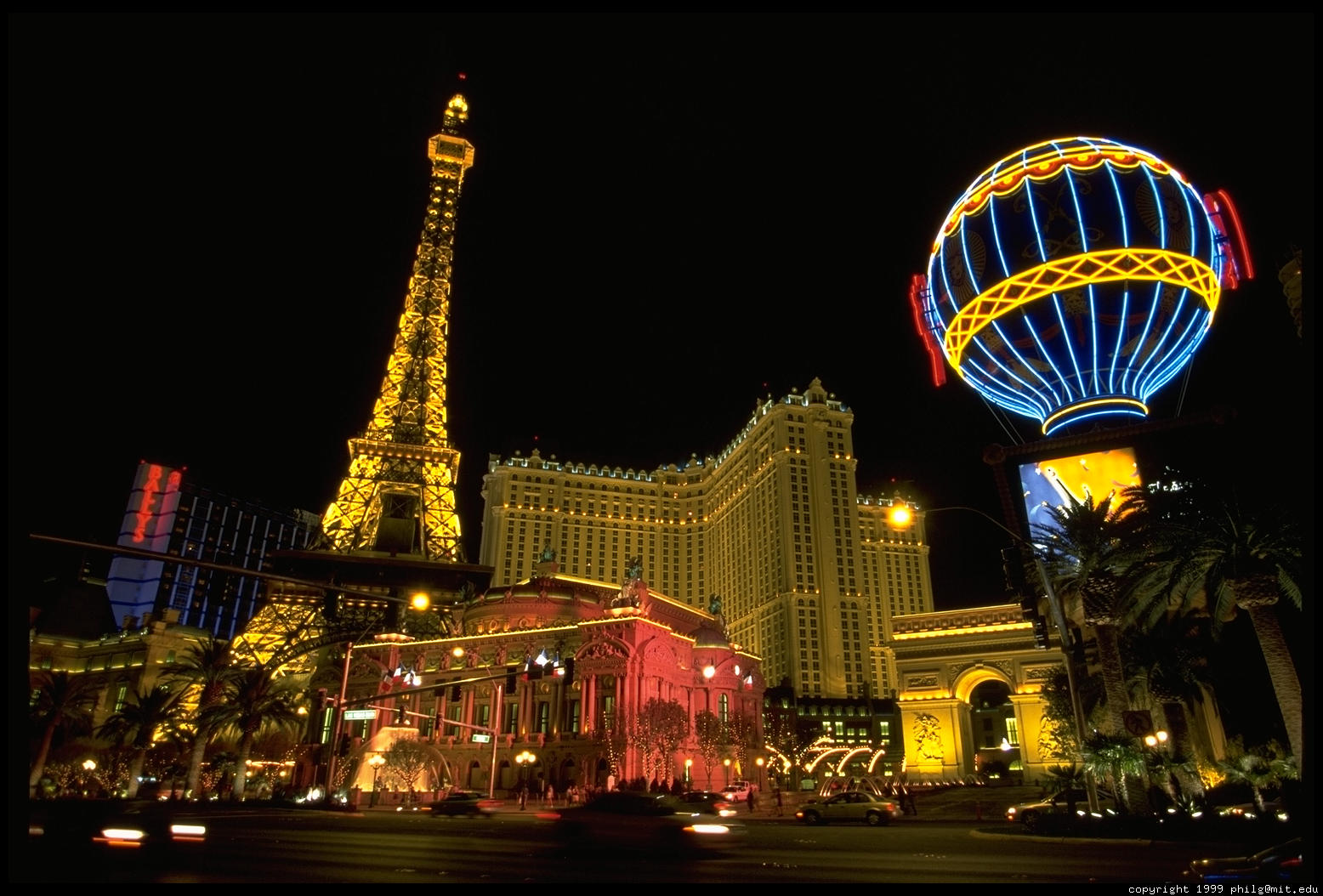
There is, at least from my point of view, no better place to discuss the crisis and contradictions in consumption in the US, especially in its cathedrals of consumption, than in Las Vegas, the city devoted to, and built on, consumption and defined globally by its iconic cathedrals of consumption; the major daftar idn poker casino-hotels on the Strip. It is here that we witnessed what was arguably the greatest consumer-driven expansion in the US in the run up to the Great Recession and, as a result of the latter, perhaps the greatest economic setbacks. Unemployment in Las Vegas rose as high as 15% and is still over 12%. That was due to online game such as fluffy favourites slots, many people turn to play at home than going out in land-based casino. New construction is virtually non-existent. The foreclosure rate, while slightly down from 2009, remains the highest, and by a wide margin, of all the metropolitan areas in the US. Gaming revenue dropped by $2 billion at the depth of the recession and is still down about $1.5 billion from the peak. The largest casino hotel conglomerates- MGM and Caesars- continue to report huge losses largely because of debt incurred during the Great Recession. Upon reviewing hows the world of land-base casino stands nowadays, it was devastated I can merely say that the heat is on slot this very day and becoming more phenomenal. Mirroring the global economic shift to the Far East, Las Vegas is no longer the gambling capital of the world and has been surpassed by both Macau and Singapore. There are a lot of online casinos available out there. So you may have the freedowm to choose the mobile casino that you like the most. You can join many online casino at the same time then you can change to play different games in different online casino if you aren’t enjoying one of them or its bonuses aren’t advantageous for your style of play. Of course, top online casino malaysia is the best for you which it offers a lot of different types of games and promotions as well. For those gamblers who doesn’t like crowds and smoky environment, online mobile casino is the best choice for you! You can start playing immediately without waiting for others. The most popular games are ready for you when you’re ready to play too at anytime! more...
Yes, I know it is just a game and it is fun and it is not something to get all blog-ranty about. But, sorry, we’re (mostly) sociologists and we learned long ago the importance of the mundane (R.I.P. Garfinkel this year, by the way). The number of “retweets” this card receives makes it something worth discussing. We made our sociological bed, so let me sleep in it for a second. We’ll notice that the popular bingo card, created by Kieran Healy, is pretty negative. This does not mean that Healy or those who get a kick out of this dislike the conference. Instead, it provides a lighthearted way of expressing our frustrations with the event. Such as: more...
 Most of the Cyborgology team is in Las Vegas for the 106th American Sociological Association meetings. Las Vegas is a city that might be defined by its integration of technology and consumerism. In this spirit, we are running a series of posts in the coming days about Las Vegas, the meeting, consumerism and whatever else we might learn on this trip.
The 2011 American Sociological Association Meetings are about to start this week in Las Vegas, Nevada.
As the conference gets underway, the volume of tweets containing the #ASA2011 hashtag is rising.
Using NodeXL, I collected a set of tweets with the #ASA2011 tag and mapped the connections among the people who tweeted that term.
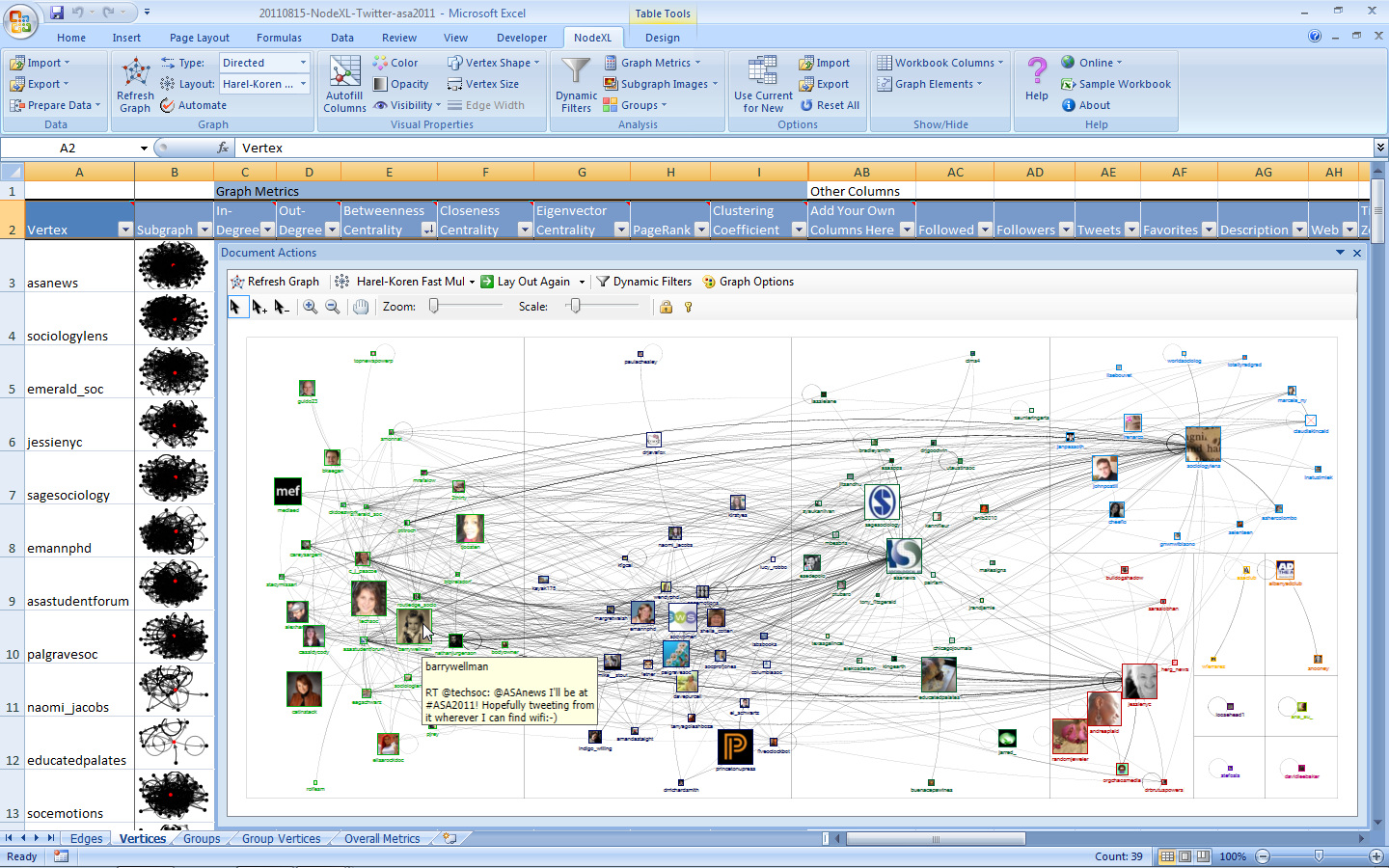
These are the connections among the Twitter users who recently tweeted the word ASA2011 when queried on August 15, 2011 more...

I have written before about the (new) cyborg body, mostly in the form of tattoos and body modification, but new technologies are pushing this trend further in the form of epidermal electronics. John Rogers and his research colleagues, at the University of Illinois, Urbana-Champaigne have developed rubbery sheets of “elastometer” that mimic the mechanical properties of the human skin. This allows them to embed circuits and semiconductors into the material and apply it to the human skin much like one applies a temporary tattoo. Jon Cartwright reports that this material more...
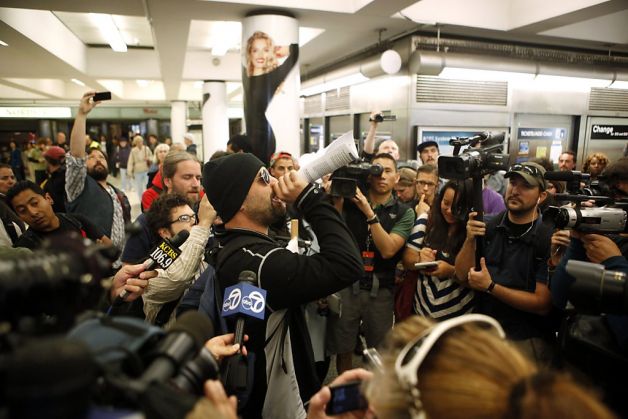 Why is it that authorities are so quick to fear, blame and entirely eliminate electronic communications in the face of unpredictable gatherings of people?
Hosni Mubarak pulled the plug on the Internet during the Egyptian uprising in an attempt to do away with the protesting masses. After the recent riots in the United Kingdom, Prime Minister David Cameron blamed social media and pondered shutting down electronic communications. And, most recently, San Francisco’s Bay Area Rapid Transit (or BART) subway system turned off mobile coverage because there were rumors of protest. Authorities large and small across the globe are worried about people being more connected than ever.
Putting aside the important issue of free speech, I want to ask why BART officials feel that communication technologies are making people less safe in times of confusion? Is it part of a larger knee-jerk reaction to not understand social media and thus be scared of it? Ultimately, disrupting communications in a time of potential crisis to make people more safe is a fallacy; it does just the opposite.