culture

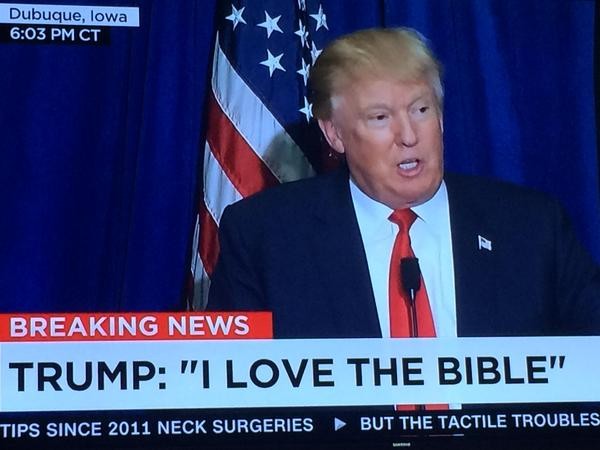
Screenshot via getreligion.org.

At this week’s Republican National Convention, Donald Trump will accept the party’s nomination for president. Social scientists explain Trump’s primary success by looking at his supporters, especially at their racial biases and class grievances. The nomination is still surprising, though, because Trump has managed to win reluctant support from party leaders, influence the GOP platform, and gain traction among Evangelical Christians (despite not seeming all that pious himself). Sociological research on political parties and organizing show how an unlikely leader can win institutional favor even when they seem to clash with the individuals who run the show.

How is Trump winning over party elites? We often think about political parties as groups of savvy leaders who design the system to keep themselves in office (and challengers out). A longstanding sociological take, however, shows how parties represent deep divisions in the public along race, class, and ideology. This means that emerging public interest groups can and do swing party politics, such as the Democrats’ shift toward a civil rights agenda or the rise of the Tea Party coalition among Republicans.

And how did a man quoting “Two Corinthians” win over leaders in the Religious Right? This group’s political influence doesn’t just come from the pulpit. Instead, shared beliefs allow lay leaders to build networks among influential people in government, business, and entertainment. Much of their success comes from “unobtrusive organizing”—the way the networks, in turn, work within existing power structures to acquire political influence. Thus, the Religious Right can fall in line with a candidate who does not seem to fit their public agenda if it means even more power and access behind the scenes.

Photo by Helen Cassidy, Flickr. https://flic.kr/p/6mghmy

In case you missed it, new fossil evidence suggests that a creature known as the “Siberian Unicorn” may have lived alongside humans some 29,000 years ago. Perhaps that eccentric fellow you’ve seen in the aluminum-foil hat wasn’t so eccentric. In fact, research suggests an openness to phenomena like UFOs, unicorns, and elves is downright normal.

Consider how Scott Draper and Joseph O. Baker describe a wide variety of people across different religious subgroups who all believe in angels. Folklore-phenomena can provide people with emotional comfort and compelling stories.
Such narratives can be transposed across many belief systems and subcultures. Quite a few people believe chasing spirits is a spiritual experience, as discussed by Marc Eaton in his examination of ghost hunters and “paranormal investigators.” Other research looks at the popular pursuits of Bigfoot and alien crash sites.
Sociology has always shown how belief in the paranormal, the fantastical, or the spiritual is a social process (consider founding father Durkheim’s pivotal Elementary Forms of Religious Life). Influential scholars, such as Percy Cohen, who tackled the sociology of myth from a functionalist view, and Richard C. Crepeau, who describes how sport myths and “heroes” help sharpen a society’s moral and aesthetic values, show that the paranormal isn’t losing popularity.
"Drinking for Two" via Edmonton Fetal Alcohol Network
“Drinking for Two” via Edmonton Fetal Alcohol Network

Pregnant women are under attack—or so it seems. Actually, according to the Center for Disease Control (CDC), all women who might become pregnant ever are at risk. In February, the CDC released a report estimating that around 3 million women “are at risk of exposing their developing baby to alcohol because they are drinking, sexually active and not using birth control to prevent pregnancy.” Since then, many have bashed the CDC for advising women to live as though they are “pre-pregnant,” abstaining from drinking if they are not on birth control or if they are even considering getting pregnant. Coupled with growing threat of the Zika virus and its links to birth defects, such suggestions have propelled discussions of women’s roles in preventing catastrophic disability. Sociologists suggest that perceptions of women’s behavior are closely tied to ideas about the morality of motherhood. In particular, women who appear to resist common conceptions of what it means to be a “good” mother are subject to greater social control.

In American culture, motherhood is inextricably tied to morality. Moral arguments against abortion often rely on particular conceptions of sexual behavior, family life, and care for children. The ideology of “intensive mothering” demands that women be self-sacrificing and devote extensive time and energy to their children’s wants and needs — time and energy that many working women cannot afford.
This emphasis on mothers’ devotion to their children places them under considerable scrutiny, not only while raising children, but also during pregnancy. For instance, the “discovery” of Fetal Alcohol Syndrome heightened concerns over drinking during pregnancy. This made pregnant women the individual bearers of responsibility for the well-being of future children, and made them susceptible to moral outrage for behaviors like drinking. (Bucking the trend, the New York City Human Rights Commission has just recommended that visibly pregnant women cannot be discriminated against if, for instance, they order a glass of wine in a bar.)
Poor women, especially poor women of color, face a greater burden under dealized conceptions about what it means to be a “good” or “fit” mother. Not only are they regularly depicted as immoral or unfit, they are also criminalized and sanctioned at higher rates. Historical analyses show pregnant women are arrested for stillbirths, miscarriages, using drugs while pregnant, as well as incarcerated to prevent abortion. Poor women labeled “high risk” are prosecuted for failing to comply with medical advice when their fetus or baby dies, thus they are ironically discouraged from seeking care during pregnancy. Just as the “crack baby” became a symbol of the irresponsibility of poor, black women in the 1980s and ‘90s, Zika exposure and alcohol use are invoked today to place mothers and potential mothers under continued scrutiny.
Among many Minneapolis landmarks lit purple, the Lowry Bridge frames downtown on the night of Prince's death. Tony Webster, Flickr CC.
Among many Minneapolis landmarks lit purple, the Lowry Bridge frames downtown on the night of Prince’s death. Tony Webster, Flickr CC.

When music icon Prince died on April 21st, it affected millions of fans around the world. Famous and non-famous alike flooded social media, expressing their shock at the tragic loss of a superstar, while thousands gathered at the gates of Prince’s home and recording studio, Paisley Park, in suburban Minneapolis and in front of First Avenue in downtown, where many memorable scenes in “Purple Rain” were filmed. Some left purple flowers, letters, and stuffed animals, while others danced and sang. Similar worldwide rituals followed the passings of Michael Jackson, Whitney Houston, and David Bowie, despite most celebrants never having known them personally.

Death and loss are difficult experiences for the loved ones of the deceased. These losses may be compounded by ambiguous losses—those without closure—thought to delay the grieving process and strain the everyday lives of loved ones. Mourning, however, is not restricted to those we know personally. Masses mourned England’s Princess Diana, because they felt they knew her on a personal level, writing condolences such as “I feel as though I’ve lost a dear sister.” People also mourn the death of celebrities who hold connections to emotional events; that is, people do not solely grieve the loss of that celebrity, but also the loss of the memories associated with that celebrity.
Death and grief are private events as well as social rituals. Mass media and technology have helped increase such public mourning: many first hear about the death of celebrities via television, the Internet, and social media, and they often respond with online tributes. Not all celebrity deaths are equal, however: the extent to which the public mourns is an indication celebrity’s status.


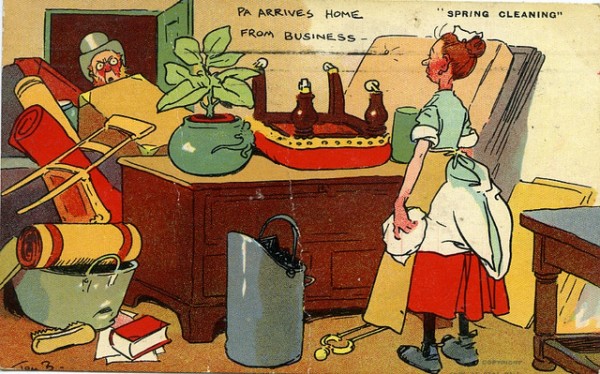
Vintage postcard via Blue Mountains Library, Flickr CC.

This is the time of year that many people throw open their windows and begin their yearly spring cleaning. Long ago, springtime cleaning had religious significance and coincided with holidays such as Passover and Easter. By the 19th century, spring cleaning had become more about practicality than piety. Particularly in places that suffered cold, wet winters, March and April were a perfect time for dusting because it was warm enough to open windows, but still too chilly for bugs to fly in the house. Ideally, the wind would help blow the dust out of the home instead of swirling it around the rooms.

The blame for a dusty shelf tends to fall on women’s shoulders because the home has traditionally been “her place” in society. Although the 1950s vision of June Cleaver has shifted and more women now participate in the labor force, women still tend to take on the bulk of the housework. Women employed outside the home have a “second shift” of cooking, cleaning, and childcare when they come home from work.
Women who work in more masculinized jobs tend to do more cooking and cleaning, and men with feminized professions engage in more “manly” tasks like yard work and auto repair to neutralize their gender-atypical occupations. Even in couples that are not comprised of a cis-man and a cis-woman, the gendered division of household labor persists. In couples consisting of trans*-men and cis-women, the women end up taking on the “Cinderella roles,” which they often link to personal preference rather than socialization or gender roles.
And what of the sociological significance of dust? A dusty book can show a lack of interest in the material, and the old adage “cleanliness is next to godliness” speaks to the moral implications of a dust-free, spotless home. Dust and dirt are out of place in the well-tended home, and their presence highlights a lack of control over the environment. Additionally, a lack of cleanliness has long served as a social indicator of moral disorder in Western Culture, acting as rallying point of social solidarity over what is socially acceptable.
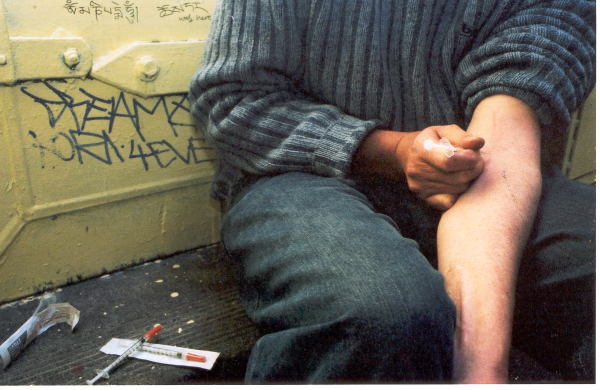
Urban Seed, an Australian organization, considers harm reduction programs part of their mission to help disadvantaged communities. Flickr CC.

The mayor of Ithaca, New York recently proposed a facility for people to use heroin and other injected drugs safely. It’s part of a larger plan to focus on prevention and treatment of drug use, and the facility’s trained medical staff would provide clean needles, referrals to treatment programs, and naloxone, an opioid overdose antidote. Today’s opioid epidemic—which kills an estimated 78 Americans every day—has shocked many, given that other forms of illicit drug use have generally declined in prevalence and mortality during recent decades. Ithaca’s plan falls under the umbrella of “harm reduction” approaches, which attempt to mitigate personal and societal harm from drug and alcohol use. Social science shows us how and why these programs work.

Supervised injection facilities are relatively recent, originating in the Dutch and Swiss harm reduction movements of the 1970s and ‘80s. The first site in North America opened in Vancouver in 2003 and is linked to drastic declines in public injection and overdose deaths. Today a number of supervised drug consumption rooms operate throughout northern Europe, Canada, and Australia. Ithaca’s would be the first in the U.S.
Substance use was once a popular element of social events, like election day, but by the 20th century, “drug scares” stigmatized drug use, associating it with racial stereotypes, immigration, and crime. Smoking opium was first outlawed in the U.S. in the 1870s, for instance, as a result of anti-Chinese sentiments in California. Non-smoking opioid use remained popular among the white middle class—for supposed medical reasons, but by the turn of the century though, users who preferred injection became the stigmatized face of opiate addiction.
Stigma remains a critical issue in drug treatment, preventing users from accessing clean injection tools, uncontaminated opiates, information about safe injection practices, and life-saving overdose antidotes. Harm reduction efforts, like needle exchanges, have the potential to restore self-respect and autonomy to populations generally believed to lack these characteristics. Programs that provide work to formerly incarcerated individuals who have undergone drug treatment has been shown to reduce certain crimes, like robberies. Harm reduction communities also offer a space for drug users to empathize with and support each other, creating networks that bolster success.
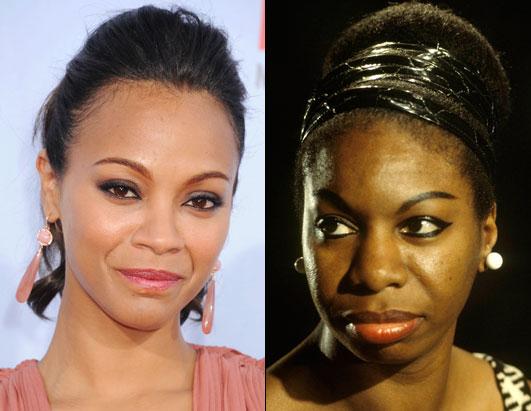
Zoe Saldana, left, and Nine Simone, right. Image via ABC News Entertainment.

Zoe Saldana’s portrayal of singer and activist Nina Simone in an upcoming biopic has proven controversial, even before the film’s premiere. In press photos, Saldana, a light-skinned woman of color, is clearly wearing dark makeup and a prosthetic nose to appear more like the late singer. Some argue using “blackface” in order to cast Saldana is particularly troubling considering Nina Simone’s own life-long dedication to encouraging the acceptance and embrace of dark skin tones. It also ignores the realities of colorism, which reproduces social inequalities and hierarchies among people of color.

Several studies address the benefits that accrue to light-skinned women. Employers, for example, often evaluate women applicants on physical attractiveness, regardless of job skills. This includes privileging physical features that suggest lighter-skinned women are friendlier and more intelligent. Lighter skin tones also make their female bearers more likely to marry spouses with higher incomes, report less perceived job discrimination, and earn a higher income. In schools, studies find that teachers expect their lighter-skinned students to display better behavior and higher intelligence than their darker peers, and public health research shows lower rates of mental and physical health problems among lighter-skinned blacks.
Colorism may provide socioeconomic, educational, and health benefits to light-skinned women, but it also challenges their identity as black women. Other blacks may perceive them as not “black enough,” assuming that they are more assimilated into white culture and lack awareness of black struggles. Those with lighter skin may feel isolated as members of their ethic group openly question their authenticity and belonging.
Photo by Faris Algosaibi, Flickr CC. https://flic.kr/p/j7hLsu
Photo by Faris Algosaibi, Flickr CC.

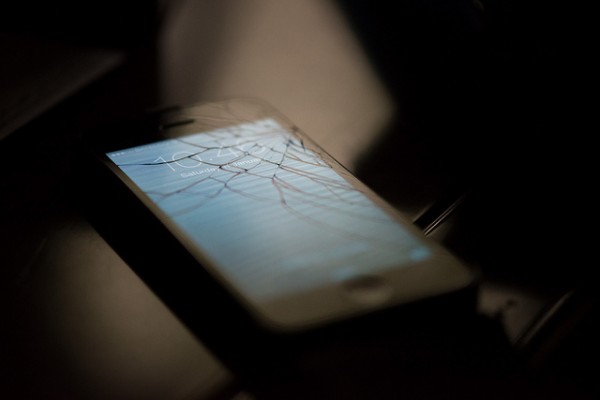
The FBI now says they may not need Apple’s help to break into a terrorist’s iPhone, but for months they have insisted Apple’s programmers must write a program enabling them to bypass security on this and other Apple devices. The demand raised questions about security and surveillance in a time of rapid technological change. Apple’s refusal to comply stemmed from both a philosophical stance on privacy and concerns that such a program could easily be exploited. The company and its programmers further argued that code should be covered by free speech protections—no one can be forced to write code against their will. Sociological research shows how assumptions about the objectivity of computer code work against arguments like Apple’s and how these assumptions are often used to legitimize the policing of already marginalized populations.

Apple’s concerns about controlling how and when a “break-in” program gets used are valid. Not only can it fall into the hands of hackers and the like, technologies like this can be used by law enforcement to maintain social inequalities and reinforce harmful stereotypes. Sociologists show how computer code and surveillance technologies are not value-neutral, but are instead composed of the values and opinions of those who write and use them. The result is that the police often use these presumably objective technologies to justify intrusive policing of the already at-risk.
From this perspective, it becomes easier to understand code as speech. Codes are the expression, intentional or otherwise, of the values and beliefs of the programmer. What makes code in some ways more powerful than speech is that it is also highly functional. Jennifer Peterson explains that code is at once the writing of a program as well as the program’s execution—it is both expressive and functional—but the legal system overlooks the functional capacity of code as speech and the ways that it can be used to protest, dissent, and discriminate.

And for a great read on surveilling sociologists, check out Stalking the Sociological Imagination: J. Edgar Hoover’s FBI Surveillance of American Sociology by Mike Forrest Keen.

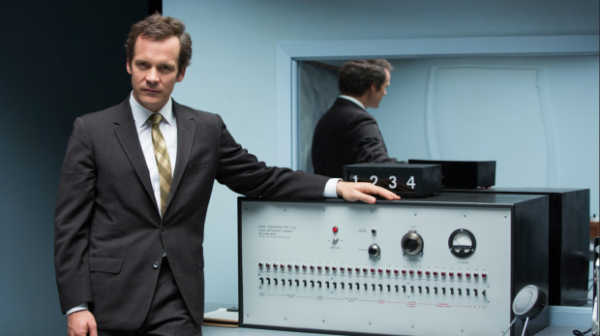
Peter Sarsgaard as Stanley Milgram in "Experimenter."
Peter Sarsgaard as Stanley Milgram in “Experimenter.”

Late last fall, Experimenter brought classic experimental social science to Hollywood (it’s currently streaming on Netflix). The film depicts Stanley Milgram’s classic experimental obedience studies, where participants were asked by an experimenter to deliver a series of escalating shocks to a “learner” when he/she committed an error on a test. Unbeknownst to the participants, the “learner” was actually a confederate, and no shocks were actually delivered. Milgram found that 65% of the participants escalated to “delivering” the final 450-volt shock—far past dangerous levels. Milgram performed 19 variations of the experiment, including increasing the proximity of the participant and learner (that is, making them better known to each other, which decreased participant compliance) and using only females (which yielded similar results). Apart from the studies’ success at demonstrating the social forces that shape behavior, they have been a cornerstone of ethics in research debates in the social sciences.

Early critics claimed that the participants’ well-being was put at risk, due to the “distress [that] may have resulted from shock at what the experimenter was doing to them as well as from what they thought they were doing to their victims” (Baumrind 423).
  • Stanley Milgram. 1963. “Behavioral Study of Obedience,” Journal of Abnormal and Social Psychology 67: 371–378.
  • Stanley Milgram. 1974. Obedience to Authority: An Experimental View. London: Tavistock Publications.
  • Diana Baumrind. 1964. “Some Thoughts on Ethics of Research: After Reading Milgram’s ‘Behavioral Study of Obedience,'”American Psychologist 19(6): 421.
Numerous quasi-replications of the study have tweaked Milgram’s methodology to match contemporary ethical considerations. Milgram’s findings have been corroborated in replications that do not go to high voltage levels and in virtual simulations of the experiment. More recent work has added nuance, as well, finding variance in “obedience” based on the legitimacy of the “teacher” and the personality propensities and beliefs of the participant.
Photo by Keoni Cabral, Flickr CC.
Photo by www.liveoncelivewild.com, Flickr CC.

To cut costs, the city of Flint, Michigan moved its residents from the Detroit city water system to water sourced from the Flint River. It was a temporary fix until Flint could access Great Lakes water directly. Now, as the world knows, there’s something in the water: lead. In Flint, more than 40% of residents live below the poverty line, and the high lead levels (10 times higher than originally estimated) have caused skin lesions, hair loss, vision loss, memory loss, depression and anxiety, and Legionnaires’ disease. According to sociologists, it’s no fluke that a disenfranchised community pays the ultimate price for environmental damage.

Nature is a battleground where the privileges of wealth and whiteness prevail. Race and class inequalities perpetuate practices that harm the environment, and the poor, immigrants, and minorities are most likely to live in areas with environmental damage (some 60% of African Americans and Latino/a people live in in places with uncontrolled toxic waste sites). This is largely due to the ways that bureaucracies and the state exercise power over resources in a capitalist economy. Flint, MI is just one of many examples of wealthy governments and corporations exporting hazardous material to poor communities of color.  
Poor communities of color also receive lower government response and assistance in environmental emergencies. From Hurricane Katrina to the Flint water crisis, African Americans tend to lack the economic resources and transportation necessary to evacuate an environmental danger zone, exacerbating its impacts on minority communities.