
crime

About Us

AJUS is dedicated to the proposition that every idea deserves a platform. We welcome dissertation chapters, voice memos, vague thoughts, lecture notes, and data analysis that speaks for itself. Use your sociological imagination.

Manuscript Types

  1. Theoretical Speculations – Wildly ambitious frameworks with no empirical evidence.
  2. Data? – Raw numbers in an Excel file, preferably unformatted.
  3. Ethnographic Musings – 1-2 notes jotted down on a used napkin.
  4. Methodological Hot Takes – No actual study, just vibes.
  5. Unfinished Dissertations – Someone, someday might just read it.

Submission Guidelines

  1. Proposing sociological questions?
  2. Fully conceptualized, partially completed work is acceptable.
  3. Include 1+ cite(s) you “meant to look up later.”Placeholders and “TBD” acceptable.
  4. Feature tables and figures that may or may not be related to the topic.
  5. Write the conclusion at 2 AM, ideally over- or under-caffeinated.
  6. ORCHID ID required.

Formatting Requirements

  1. Length: We encourage all manuscripts to be between 500 words and wherever your heart tells you to stop.
  2. Proofreeding optional.
  3. Font: Something not so basic, expand your horizons.
  4. Citations: Surprise us. APA, MLA, CFG, SSD, GHD, DGD, NFL, NHL, KCF… 
  5. Abstract: Don’t be too, somewhat vague.
  6. References: Don’t forget anyone, because we will send it to whomever you forget to cite…

References: Don’t forget anyone, because we will look through and will send it to whomever you forgot to cite…

Peer Review Process

All submissions will undergo our patented Mega-Triple-Blind Peer Review System™, where:

  1. The authors forget what they wrote.
  2. The reviewers skim the abstract and pick 1 or 2 arbitrary things to call out.
  3. The editors decide based on their breakfast.

We guarantee comprehensive feedback (e.g., “Interesting…” and “?”).

If your paper is rejected, you may submit an appeal by:

  1. Resending the same manuscript in a different font.
  2. Signing an affidavit attesting that “Foucault would have accepted this.”
  3. Threatening to start your own journal.

How to Submit:

Send your completed-ish manuscript via:

  1. A blurry PDF screenshot in an email attachment labeled “Final_Draft_3_(Actually_Final).doc”
  2. A Google Doc with unresolved comments.
  3. Mail.
  4. AJUS Signal Editors Only Group Chat.
  5. Give us a call and read it aloud: ‪(715) 600-2187‬ (after 10:33 PM only)

2025 Issue | Outside the Box Thinkers


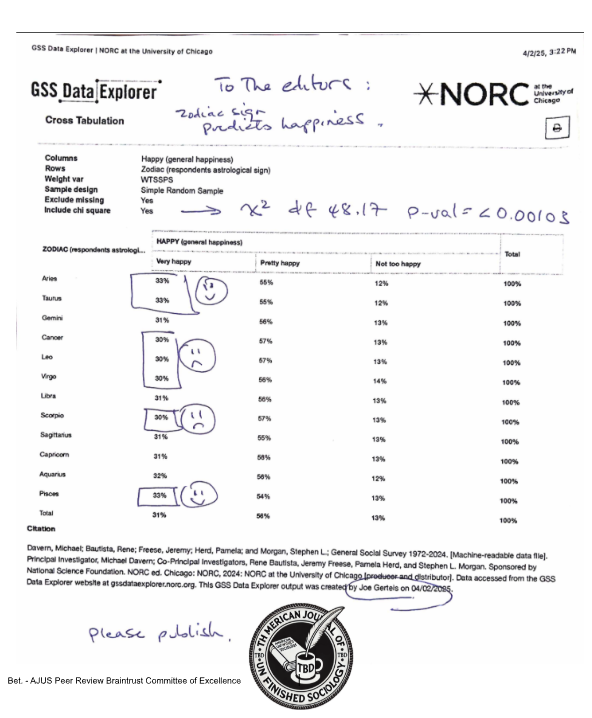
Zodiac Sign Predicts Happiness

Green grass with morning dew clinging and glowing in the sunlight. Image by Nandhu Kumar from Pexels is licensed under Pexels license.

When a crime is committed, the harm done to victims and communities can rarely be healed by writing a check or locking someone up. Yet the U.S. criminal justice system’s approach relies heavily on fines and incarceration to punish those who have harmed others. These sanctions fall heaviest on those with the least ability to pay, particularly minoritized groups, leading to a domino effect of harm on individuals, families, and communities. Researchers have long criticized these responses as ineffective at best and, at worst, contributing to greater harm and  recidivism. As a result, there have been calls for new approaches to justice.

What is Restorative Justice?

Restorative Justice (RJ) is an approach that operates alongside or in lieu of traditional criminal justice, as in school, workplace, and other settings as well. It encompasses a variety of practices, often derived from Indigenous cultural traditions, such as the “circle process” and “victim-offender conferencing.” Unlike the standard U.S. system, which views crime as a violation of the law against the government, RJ focuses on the harm caused to relationships. It does this by 1) empowering those harmed and the community to decide how to address the harm and 2) encouraging those responsible to face the affected individuals and take direct accountability, when appropriate.

RJ, in its reactive form, a trained facilitator organizes structured meetings between those involved in an incident to address and resolve the harm caused. Proactively, RJ can involve gatherings where people socialize and strengthen relationships – in the absence of a specific incident. Generally, RJ is used reactively and during these meetings three key questions are discussed: 1) What happened? 2) What have the impacts been? and 3) What can be done to make things better?

For instance, imagine a parent allowed their child to wait at the bus stop near their home. A neighbor’s German Shepherd, often left unsupervised, starts frequenting the area and one day bites the child. This incident sparks conflict between the dog’s owner and the concerned parent. A typical response might involve fining the dog owner and requiring them to keep the dog confined, which could escalate tensions in the neighborhood between dog lovers and concerned parents.

In contrast, a Restorative Justice (RJ) process would bring together the dog owner, the child and their parents, and other concerned neighbors to address the situation. Through open discussions, questions and different perspectives would be explored, allowing all parties to express their concerns and needs. This could lead to creative solutions, such as the dog owner agreeing to better supervision or installing a secure fence, while the community works together to ensure the safety of children at the bus stop by taking turns waiting with the children. Ultimately, this approach could not only resolve the issue but also foster a stronger sense of trust and cooperation within the neighborhood.

Does Restorative Justice Work?

For over 40 years, research assessing the effectiveness of RJ has consistently shown it to be a relatively better solution for a range of minor-to-serious crimes. First, people who participate in RJ instead of the traditional process (fines and jail) had significantly lower rates of repeating harm. Second, people who were harmed felt RJ was more inclusive to them than the traditional process, and those involved in more serious-incidents experienced lower rates of PTSD symptoms. Third and lastly, RJ was significantly cheaper than the court process and empowering to communities. Overall, RJ is a well-established, evidence-based practice that is growing a viable response to both property and violent crimes.

Restorative Justice is Growing.

There has been significant growth and adoption of RJ around the world, with the United States, Canada, The United Kingdom, Taiwan, Japan, Tanzania, Rwanda, South Africa, and over 80 other countries having formalized laws surrounding the use of RJ for crime. Notably, New Zealand has been a consistent pioneer in incorporating RJ, particularly in its youth justice system, which has influenced practices globally. In North America, RJ programs have gained traction in many states and provinces, often supported by legislative frameworks that encourage their use.

As RJ continues to gain recognition and support globally, it offers a promising alternative to traditional justice systems, emphasizing healing, accountability, and community cohesion over punishment through fines and incarceration. In doing so, the global RJ movement may ultimately encourage a shift towards more humane and effective ways of addressing harm and achieving true justice. 

A Black woman walking on a sidewalk. Photo by Ono Kosuki under Pexels license.

Black History Month was expanded in 1976 upon the historical precedence of “Negro History Week” in 1926 by Carter G. Woodson, the second Black American to receive a Ph.D. from Havard (with the first Black American being W.E.B. Du Bois). In honor of Black History Month, here are a few pieces from The Society Pages and our partners over the last year:

Contexts

Council on Contemporary Families

The Society Pages

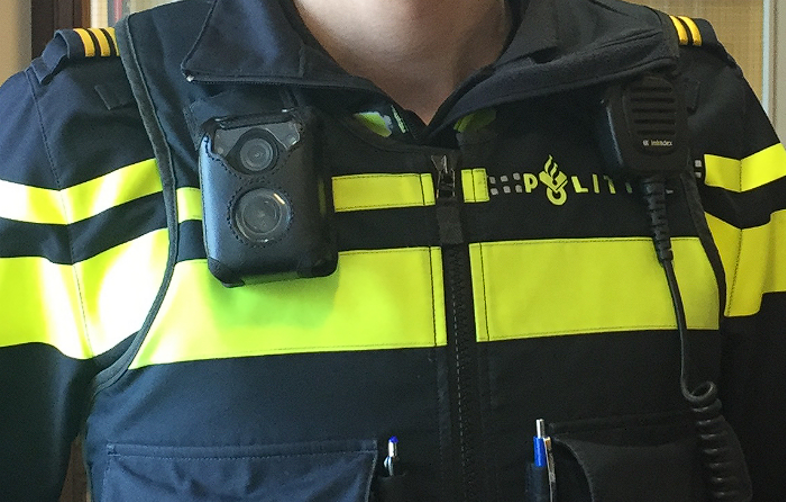
A police officer in uniform wearing a walkie-talkie and a square body-camera by Sanderflight. Image from Wikipedia Commons is licensed under Creative Commons Attribution-ShareAlike 4.0 International.

The public is no stranger to “body-cams”. Images and videos from police body cameras are now a frequent feature in the media as a direct source of “what really happened” during contentious interactions between police and the public. But what have we learned from sociological research about body-cams? Who are they “for”?

Body-Cams

Law enforcement agencies have used recording technologies like dash-cams for years, but the rise of cell phone recordings and public demands for police accountability dramatically expanded the use of body-cams across the US. Body-cams, or cameras attached to the officer’s uniform, vary in the quality of video produced, the requirements regarding when to turn on the camera, and how the recordings are handled and by whom.

Research on Body-Cams

Police departments began implementing body-cams in the early 2010s. By 2015, survey showed that 19% of police departments were using body-cams in the United States. One year later in 2016, a different survey reported 47% of police departments were using body-cams – suggesting exponential growth in the use of body-cams during the mid 2010’s. As of 2023, the use of body-cams is likely higher, and many states have since ratified statewide body-cam requirements to different extents for their law enforcement.

Research has shown that officers’ perceptions of body-cams have been largely positive since they can aid and assist with arrests and investigations, and can help address excessive use of force complaints (allegations when a police officer uses more physical force than needed).

Arrests

Research on arrests and the use of body-cams shows promise. Studies have found that when body-cams are used, officers made fewer arrests, but made more citations (less serious charges than arrests). Researchers suggest that the reason for fewer arrests may be the result of both officers and citizens adjusting their behavior because they are on camera and being recorded. This decreased rate of arrest decreases the burden on police and the criminal legal justice system and can reduce harm to the broader community.

Excessive Use of Force

The results are more mixed regarding excessive use of force: some research shows a decrease in excessive force after the implementation of body-cams and some studies show no difference. These mixed findings may be tied to whether officers have discretion, or choice, to activate their cameras. In studies that found no effect on excessive use of force, officers had high discretion and could choose when (or when not) to activate their body-cams. In short, if officers have the discretion to turn their body-cams on or off, they may be more likely to use excessive force than when they are required to turn on their body-cams during an interaction.

Complaints

For formal complaints made by community members, officers who used body-cams had fewer reported complaints against them than those who did not use body-cams. Several studies have shown a marked decline in complaints after body cams are implemented, with one reporting a 90% reduction in complaints against police officers. Such complaints seem to decrease even when the body-cam was not turned on but still physically visible on the officer. It appears that “being on camera” is again impacting the behavior of both officers and community members.

Future of Body-Cams

Across the board, there are fewer and fewer outright opponents of body-cams. Public discussion now centers around the accessibility of unedited recordings, limited officer discretion of when to activate the body-cam, the privacy of bystanders to crimes, and the development of new laws regulating body-cam use. At the societal level, body-cams are generally considered an asset and a means to help both police and community members stay accountable and safe.

We see the side of a person, a police radio and handcuffs lopped onto a belt. They are wearing a blue shirt and blue pants. Image used via CC0.

Complaint Process
In recent years, many initiatives have worked to systematically track and analyze data on police complaints in jurisdictions such as Chicago. However, obtaining accurate data on police is notoriously difficult, because the primary mechanism for oversight is often “internal affairs” – the police themselves.  In other words, if someone wanted to voice their grievance they are often required to make the complaint to the very organization that harmed them – an obvious conflict of interest.

When complaints are made, very few are “sustained” or deemed valid by colleagues of the police officer. Social scientists have found that between 2% – 28% of complaints are actually sustained, which might well be an overestimate. Moreover, complaints by Black citizens are even less likely to be sustained.

Bad Apples?

Is the solution as simple as removing “bad apples” with numerous police complaints from the police force? As is common when society faces a difficult problem, we tend to gravitate towards easy solutions – such as scapegoating. Research suggests that a small portion of officers (4% – 12%) were responsible for a relatively large share (20% – 41%) of filed complaints. Yet the majority of complaints are spread throughout the department. In other words, there are not just a few bad apples spoiling the bunch – but the tree itself may be bearing rotten fruit

Systemic Change

In recent decades, police departments have adopted initiatives, such as civilian review boards, which foster greater inclusion of the community into addressing complaints. However, these initiatives have mixed results and have been criticized for their exclusion of racially marginalized community members.

Beyond civilian review boards, cities such as Baltimore, Los Angeles, New Orleans, New York, and Denver have taken action to hold spaces for direct, face-to-face dialogue between complainants and police. Both traditional and restorative justice models of mediation have led to greater satisfaction, in-tune with the spirit of “community-policing” and fostering healing. 

As is the case with controlling crime more generally, this research shows that the problem is not as simple as identifying and tossing out a few bad apples – and that police, policy makers, and the community must look to system-level change rather than placing the entirety of blame on individual scapegoats.

Originally posted February 13, 2020.

Over one million people will get engaged on Valentine’s Day, and as a result, diamond sales usually uptick around this time. Diamonds are both historical and cultural objects; they carry meaning for many — symbolizing love, commitment, and prestige. Diamonds are highly coveted objects, and scholars have found about 90 percent of American women own at least one diamond. In the 1990s, war spread throughout West Africa over these precious pieces of carbon, as armed political groups vied for control over diamond mines and their profits.

Given their role in financing brutal West African civil wars, diamonds became associated with violence and international refugee crises, rather than financial prosperity and love. Diamonds became pejoratively known as blood diamonds, or conflict diamonds, and consumers became more likely to perceive diamonds as the result of large scale violence and rape.  As a result, major diamond producers have attempted to reconstruct the symbolic meaning of diamonds, turning them into symbols of international development and hope.
As the diamond trade became immoral and socially unjust, new global norms emerged around corporate and consumer responsibility. Non-governmental organizations (NGOs) lobbied for the diamond industry to change their behaviors and support of conflict mines while simultaneously creating new global norms and expectations. In the early 2000s, international NGOs, governments and the diamond industry came together to develop the Kimberley Process — to stop the trade of conflict diamonds. Today, 75 countries participate, accounting for 99% of the global diamond trade. 
Bieri & Boli argue that when NGOs urge companies to employ social responsibility in their commercial practice, they are mobilizing a global moral order. Diamonds provide an example of how symbols, products, and meaning are socially and historically constructed and how this meaning can change over time. The case of blood diamonds also illustrates how changing global norms about what is and is not acceptable can redefine the expectations of how industries conduct business.
This image has an empty alt attribute; its file name is When-Trauma-is-Passed-Down-TROT-Image-600x400.jpg
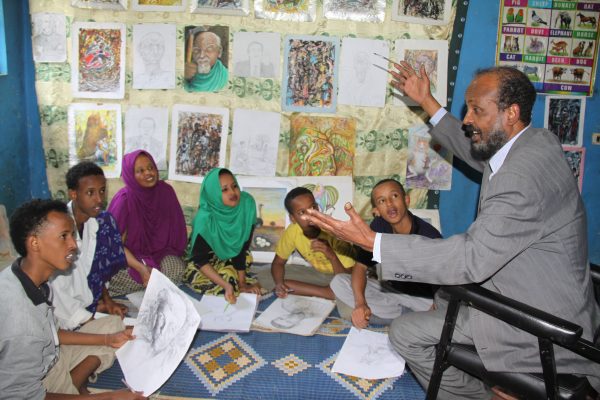
Image description: Mohammed, a Somali exile, sits in a chair on the right-hand side of the image. his children sit on the floor around him, as they discuss art. Art covers the wall. Creating cultural products is one way that communities process trauma. Image courtesy of UNHCR, CC BY-NC 2.0.

Originally published April 12, 2021

Scientific developments in the field of epigenetics have called attention to intergenerational transfers of trauma. We know now that traumatic experiences can be passed down through the genes— to children, and even grandchildren, of the survivors of horrific experiences like the Holocaust or American slavery. Sociology can help show how past trauma is passed down through social ties, and about its effects on current health and wellbeing. These social consequences of trauma could be even more powerful than the genetic impacts, affecting group dynamics, identity, history, and culture. In addition to what is passed down, sociological research also provides examples of how groups are managing these social effects, in both helpful and harmful ways. 

Cultural Trauma and Group Identity
Cultural sociologists assert that in addition to individual bodily and psychiatric trauma, there is also collective “cultural trauma” when groups experience horrific events. This collective trauma compounds and complicates individual effects. In order for the process of cultural trauma to occur, the group must first recognize that a great evil has been done to them, and construct a cohesive and shared narrative that includes perpetration and victimhood. Then this narrative becomes incorporated into that group’s collective memory as an enduring aspect of their identity, like the Holocaust has been for Jews or collective memory of slavery for Black Americans.
Both perpetrators and victims of violence must contend with the horrific event in some way, as it is now permanently associated with their group. This can occur either through avoidance of the difficult past, or stigma management practices like acknowledgment, denial, and silencing.

Cultural Trauma and Group Conflict: Violence Begets Violence

Sometimes, this cultural trauma process results in further violence. As the group comes to understand the harms they have suffered and assign responsibility, they can seek violent retaliation against the offending perpetrators. Examples include the bombing of Pearl Harbor (and subsequent Japanese internment and Hiroshima/Nagasaki bombings), and the 9/11 attacks leading to the U.S. War on Terror. In ex-Yugoslavia, ancient collective memories were stoked and reconstructed by elites to provoke inter-ethnic violence that led to ten years of war, genocide, and ethnic cleansing. In Hawai’i, Irwin and Umemoto trace the emotional and psychological effects of violent colonial subjugation, such as distress, outrage, and depression, to contemporary violence among Pacific Islander youth.

Memory Work: Social Solidarity and Empowerment

Sociological research also provides examples of people “making sense” of difficult pasts by doing “memory work,” which can include art, music, and other cultural production. For example, second-generation Sikhs in the U.S. are using internet spaces to challenge dominant narratives of the 1984 anti-Sikh violence in India, contributing to group solidarity, resilience, and identity within their communities here in the U.S. Similarly, the children of Vietnamese refugees are using graphic novels and hip-hop music to articulate how the Vietnam War contributes to current struggles in the Vietnamese community. This shared understanding and validation then empower communities to fight for recognition and social justice. 

When a group experiences a horrific event, the social effects live on to future generations. Understanding these effects is crucial for developing solutions to group suffering moving forward. Going through the cultural trauma process is necessary to overcome difficult pasts, but it is critical that this process occurs in a way that promotes justice and peace rather than further violence.

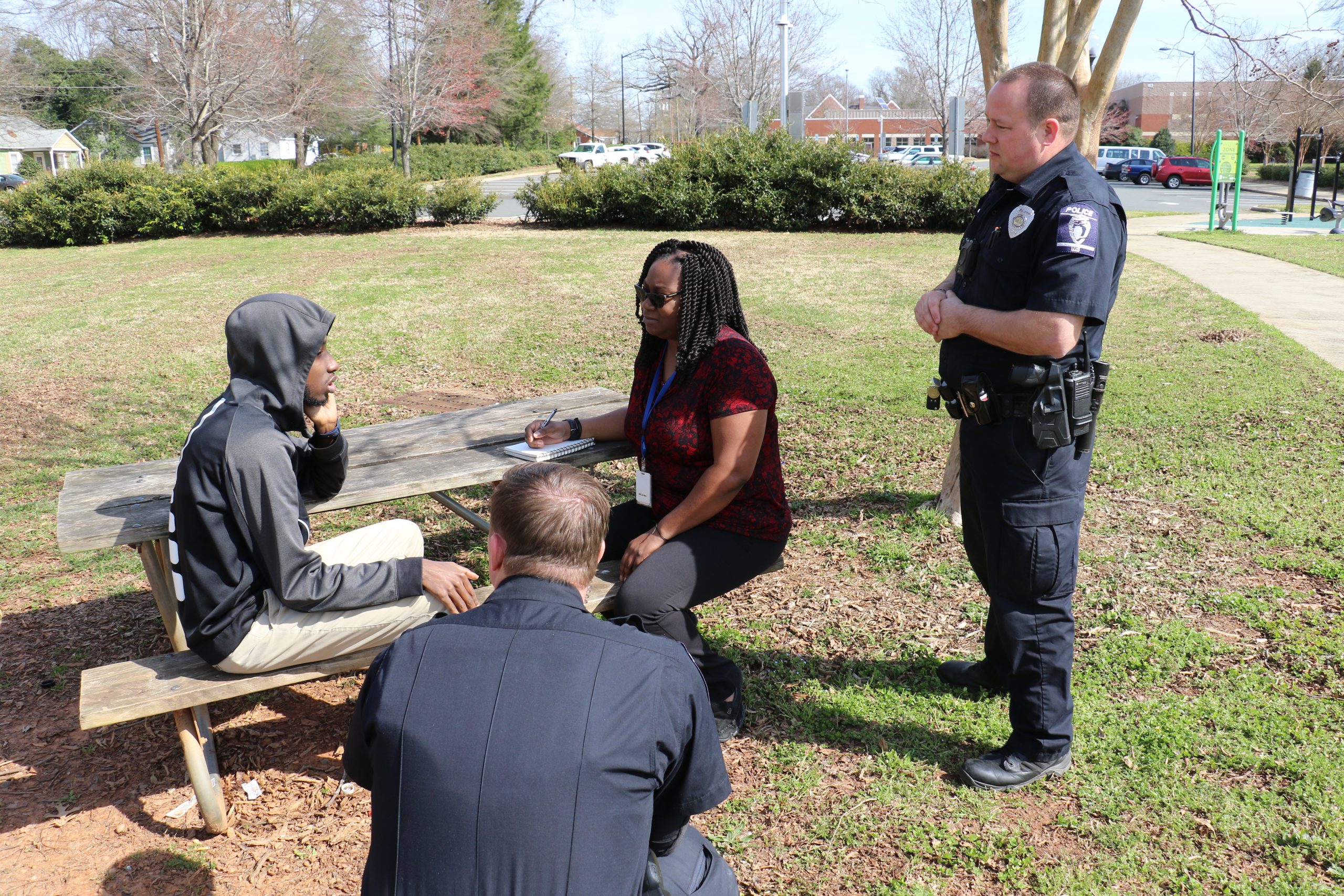
Members of Mecklenberg County’s Crisis intervention Team demonstrate their response to a call, image courtesy of Mecklenberg County, CC BY-NC 2.0. Image: A young black man sits at a picnic table, his hood up, speaking to a black woman who is taking notes. Two white police officers are in the foreground, one squatting and one standing, looking on.

Since George Floyd’s murder in Minneapolis over one year ago, police reforms across the country continue to make headlines and shift the meaning of public safety. One important reform area involves responding to community members with mental health crises. Police officers have sometimes been described as  “street corner psychiatrists” because 10%40% of their total emergency calls involve persons with mental health concerns. 

As communities increasingly recognize that police are not mental health professionals, they have begun partnering police with mental health professionals to form Crisis Intervention Teams (CITs), sometimes known as Crisis Response Teams, or Co-Response Teams

‘CIT’ Programs and Effectiveness

CITs are joint responses to mental health crises by multidisciplinary teams including police, mental health providers, social workers, and hospital emergency services which have three key features: 1) community collaboration 2) training for police, and 3) accessibility to mental health services. 

Social scientists are now evaluating the effectiveness and benefits of these programs.  The National Alliance on Mental Illness reports over 2,700 CIT programs in different communities across the United States.  Research has shown that these programs increase diversion from jails and prisons to mental health services by 11% – 22%, relieve police workloads by 27%, and reduce the likelihood of people with mental illness to be arrested by 11% – 12%.  While these figures regarding CITs are promising as a short term intervention, future investments in long-term stabilization programs are needed to sustainably address mental health crises.

Promising Practice

As a promising practice, CIT has evolved over recent decades and has been successful in promoting improvements in mental health responses, increased officer confidence for working with people experiencing a mental health crisis, and reduced frequency and length of detention.  However, consistency across program elements within CITs is scattered and more exploration is needed.  Future evaluation, standardization, and regulation of CITs is necessary.

Societal responses to mental health impact every person in the US – whether it is a neighbor across the street, a colleague, a friend, or a family member.  Social science research is playing an important part in evaluating and refining policies and programs such as CITs.  Rather than punishing mental crises, CITs view them through a treatment lens – fostering healing and restoration. While this early research shows the promise of CITs as a short term “first response” intervention, this research also suggests that “second response” investments in long-term mental health care are needed to equitably and sustainably address mental health crises.

Image description: Mohammed, a Somali exile, sits in a chair on the right-hand side of the image. his children sit on the floor around him, as they discuss art. Art covers the wall. Creating cultural products is one way that communities process trauma. Image courtesy of UNHCR, CC BY-NC 2.0.

Scientific developments in the field of epigenetics have called attention to intergenerational transfers of trauma. We know now that traumatic experiences can be passed down through the genes— to children, and even grandchildren, of the survivors of horrific experiences like the Holocaust or American slavery. Sociology can help show how past trauma is passed down through social ties, and about its effects on current health and wellbeing. These social consequences of trauma could be even more powerful than the genetic impacts, affecting group dynamics, identity, history, and culture. In addition to what is passed down, sociological research also provides examples of how groups are managing these social effects, in both helpful and harmful ways. 

Cultural Trauma and Group Identity
Cultural sociologists assert that in addition to individual bodily and psychiatric trauma, there is also collective “cultural trauma” when groups experience horrific events. This collective trauma compounds and complicates individual effects. In order for the process of cultural trauma to occur, the group must first recognize that a great evil has been done to them, and construct a cohesive and shared narrative that includes perpetration and victimhood. Then this narrative becomes incorporated into that group’s collective memory as an enduring aspect of their identity, like the Holocaust has been for Jews or collective memory of slavery for Black Americans.
Both perpetrators and victims of violence must contend with the horrific event in some way, as it is now permanently associated with their group. This can occur either through avoidance of the difficult past, or stigma management practices like acknowledgment, denial, and silencing.

Cultural Trauma and Group Conflict: Violence Begets Violence

Sometimes, this cultural trauma process results in further violence. As the group comes to understand the harms they have suffered and assign responsibility, they can seek violent retaliation against the offending perpetrators. Examples include the bombing of Pearl Harbor (and subsequent Japanese internment and Hiroshima/Nagasaki bombings), and the 9/11 attacks leading to the U.S. War on Terror. In ex-Yugoslavia, ancient collective memories were stoked and reconstructed by elites to provoke inter-ethnic violence that led to ten years of war, genocide, and ethnic cleansing. In Hawai’i, Irwin and Umemoto trace the emotional and psychological effects of violent colonial subjugation, such as distress, outrage, and depression, to contemporary violence among Pacific Islander youth.

Memory Work: Social Solidarity and Empowerment

Sociological research also provides examples of people “making sense” of difficult pasts by doing “memory work,” which can include art, music, and other cultural production. For example, second-generation Sikhs in the U.S. are using internet spaces to challenge dominant narratives of the 1984 anti-Sikh violence in India, contributing to group solidarity, resilience, and identity within their communities here in the U.S. Similarly, the children of Vietnamese refugees are using graphic novels and hip-hop music to articulate how the Vietnam War contributes to current struggles in the Vietnamese community. This shared understanding and validation then empower communities to fight for recognition and social justice. 

When a group experiences a horrific event, the social effects live on to future generations. Understanding these effects is crucial for developing solutions to group suffering moving forward. Going through the cultural trauma process is necessary to overcome difficult pasts, but it is critical that this process occurs in a way that promotes justice and peace rather than further violence.

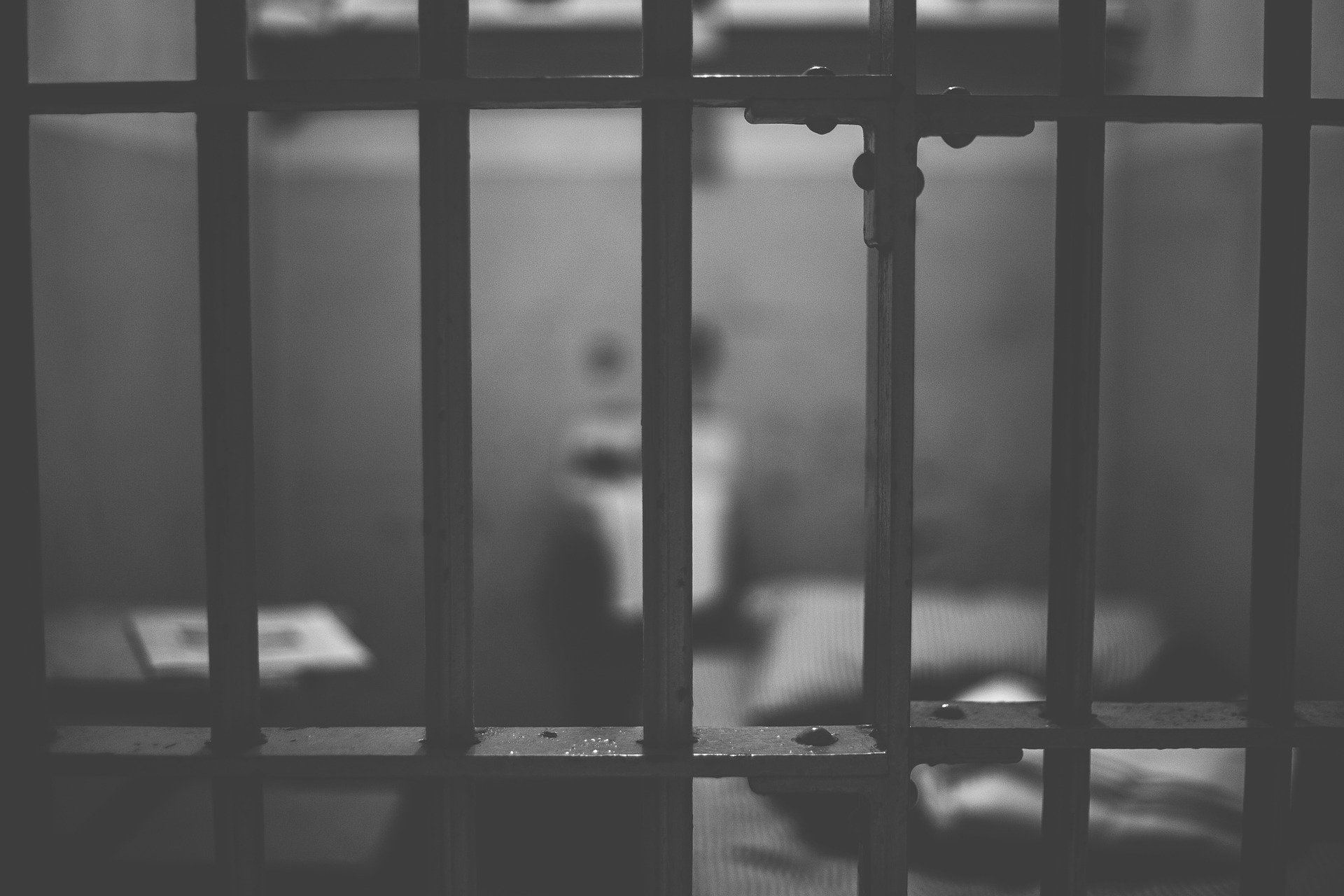
A black and white image of a jail cell, bars in the foreground. Image via pixabay, Pixabay License.

The United States, with only 5% of the world’s population, incarcerates nearly 20% of the world’s prisoners. At the peak of the mass incarceration era in 2000, one in three Black men was projected to be incarcerated in his lifetime, compared to 1 in 17 White men. The racial disparities of the criminal-legal system are well-documented, particularly for Black populations. How can we understand the origins of these racial disparities in mass incarceration in order to reduce or eliminate them? 

Arguably the most famous account of anti-black racism and mass incarceration, The New Jim Crow remains a watershed work in literature on prisons. By tracing parallels between slavery, Jim Crow, and mass incarceration, law professor Michelle Alexander connects present-day criminal justice to the long history of American racial control to demonstrate how incarceration targets the Black community. Alexander’s argument draws from key sociological findings about racial control, including the scholarship of Loïc Wacquant, Michael Tonry, and others.
Alexander traces the history of voting rights to show the connections between slavery, Jim Crow, and mass incarceration. Although Black men gained the right to vote following the abolition of slavery, during Jim Crow these voting rights were systematically violated. In 1940, only 3% of African Americans in Louisiana were registered to vote. While the Voting Rights Act of 1965 reaffirmed these rights, issues of disenfranchisement remained, particularly as mass incarceration unfolded and more Black individuals lost their right to vote. Today, an estimated one in 16 Black adults in the United States cannot vote due to a felony conviction. From Alexander’s perspective, prisons are merely the latest iteration of racial control in the United States which limit the rights and livelihood of Black Americans.
Historian Khalil Gibran Muhammad offers an alternative vision that centers the myth of “the Black criminal” as a source of racial oppression in the modern United States. Muhammad connects this myth to the long history of false ideas that have perpetuated white supremacy, such as biological notions of racial superiority, eugenics, and social-Darwinism. Blackness was intricately connected to crime in the late 19th century as a justification for discrimination and inequality in the United States. In this way, the very category of crime was racialized so that Black people were associated with criminal activity. This myth continues to influence perceptions of crime; for example, White people overestimate the level of crime committed by Black and Hispanic people and media representations consistently reinforce this image. 
Law professor James Forman presents a different history by chronicling how Black leaders advocated for tough-on-crime policies to protect their own communities. When seeing the damage that drugs and violence wrought on their communities, Black voters and politicians sought solutions, including policies that inevitably contributed to mass incarceration such as harsher punishments. In doing so, Forman shows that African Americans were not solely the victims of the law-and-order movement. By chronicling the nuances of these policies, he argues that The New Jim Crow oversimplifies the origins of mass incarceration, even while it helps shed light on its injustice. 

After four decades of increases, the long wave of racialized mass incarceration may be receding. Since 2009, the overall U.S. imprisonment rate has dropped by about 17% and the Black imprisonment rate has declined by 29%. Nevertheless, enormous racial disparities remain, with the Black community continuing to suffer disproportionately from U.S. mass incarceration. How did this era come to be, and how can we stop it?  These different visions of the racial disparities of mass incarceration are meaningful because they can help scholars, activists, and the public consider potential paths towards justice. Social science has greatly advanced the understanding of the historical causes of mass incarceration, which is essential for imagining a different and more just future.