Search results for The

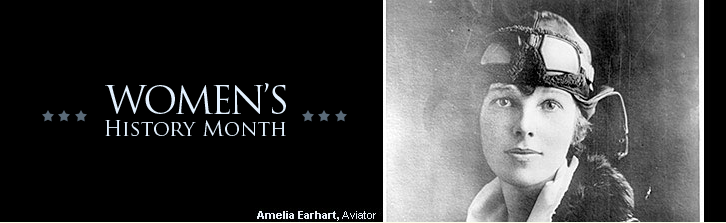
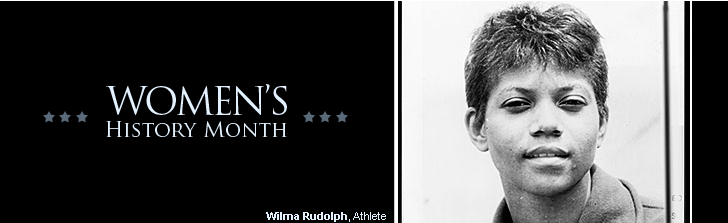
1 (2) - CopyAmelia Earhart, aviator. Wilma Rudolph, athlete. Sally Ride, astronaut. Elizabeth Cady Stanton, activist. Josephine Baker, performer. Virginia Woolf, novelist. Rosie the Riveter, archetype. Alice Paul, suffragist. Frida Kahlo, artist. Hillary Clinton, Secretary of State.
1 (2)

What do these women have in common? They are the 10 iconic women featured this year by womenshistorymonth.gov, the official website of Women’s History Month in the United States. A rotating banner across the top of the page shows a photo of each woman, her name, and a one word description, presumably the reason she is worthy of celebration.

Unfortunately, the women singled out for recognition at the site appear to be considered notable mainly because they excelled at what are generally thought to be “masculine” pursuits. This is androcentric, meaning that it values masculinity over femininity. Traits that have been traditionally conceptualized as masculine (such as being a leader and good at sports and math) are now seen as valuable for girls to develop, while boys are often still discouraged from do things traditionally conceptualized as feminine (such as nurturing, cooking, and cleaning).

I am all for questioning the idea that certain jobs are “men’s jobs,” but we also need to challenge the idea that only women can do “women’s jobs.” If we do not, the belief that women should do “women’s work” and, more importantly, that women’s work is not worth celebrating, is left unquestioned.

1 (3)

Women’s History Month tends to follow this trend. None of the women we typically recognize at this time of year, for example, are noted for being good cooks, care givers, or educators of children, nor are they lauded for their nurturing of others, emotional openness, kindness, or compassion — all traditionally “feminine” traits. Caring for others and teaching youth are wonderful things that everyone should be encouraged to do. Our history books should be filled with people of all genders who were exceptional in these areas. But, these traditionally feminine pursuits are not what earns one accolades during Women’s History Month, or any other time. As a consequence, people are not taught to value such jobs or the people who do them. This one-sided celebration is unlikely to solve the very problem that Women’s History Month is ostensibly designed to combat: gender inequality.

“To all the women who quietly made history” (source):

1 (4)

Laurel Westbrook is an Assistant Professor of Sociology at Grand Valley State University. Her research focuses on gendered violence, social movements, and the inner workings of the sex/gender/sexuality system.
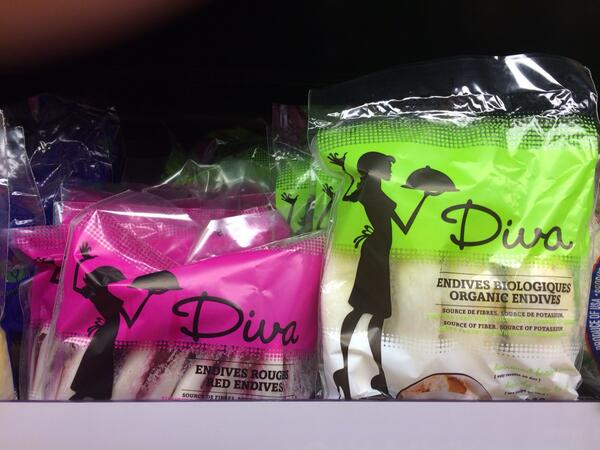
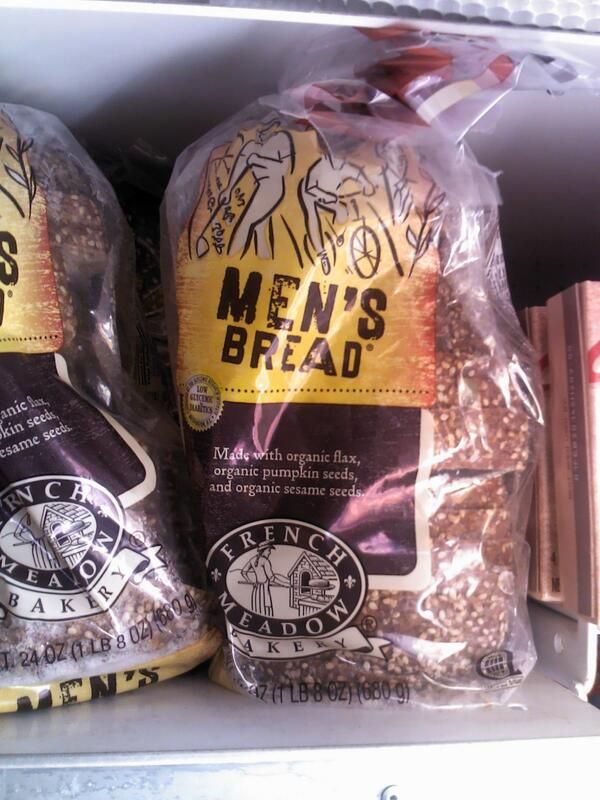
It’s been a while since we treated our audience to a post featuring a collection of pointlessly gendered products.  Time to correct our lapse in diligence!  Here are some favorite examples we’ve added to our Pinterest board lately.

THE FOOD CATEGORY.

Pointlessly gendered endives:

1 (2)

Pointlessly gendered bread:

1 (3)

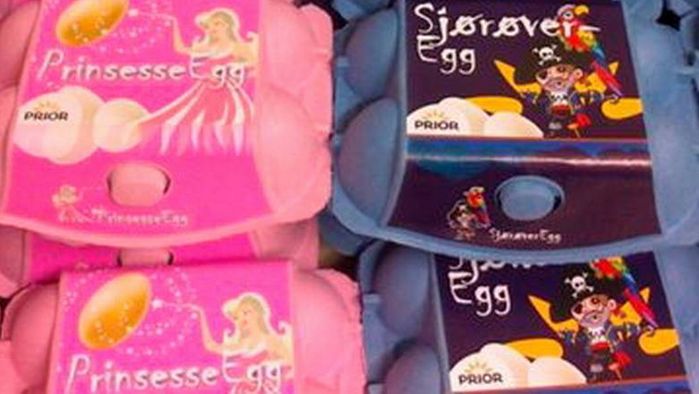
Pointlessly gendered eggs:

1 (4)

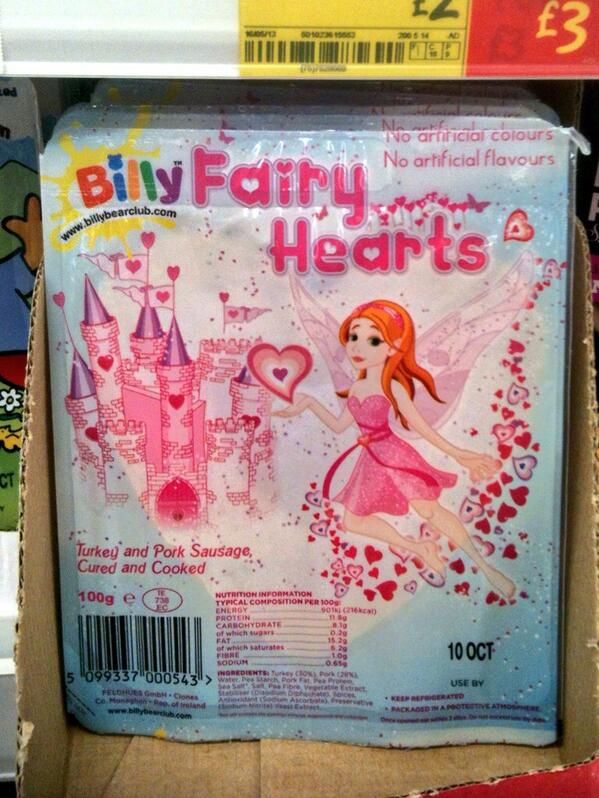
Pointlessly gendered sausages: 1 (5)

Thanks @appledaughter,  Lars F., @mamatastic, @day_jess, @jongudmundand, and @blessedharlot!

KID STUFF.

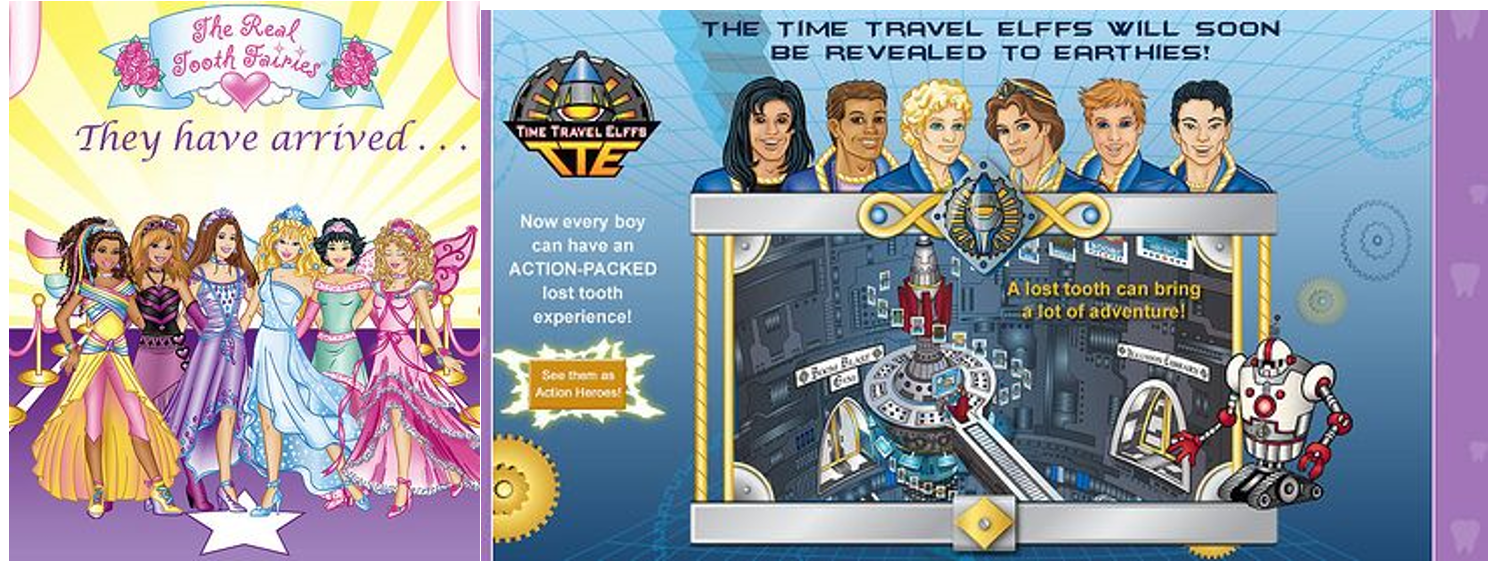
Pointlessly gendered tooth fairies:

Screenshot (38)

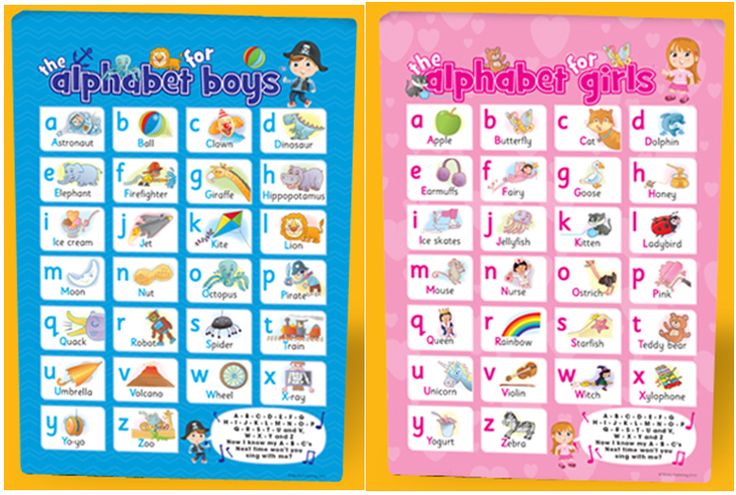
Pointlessly gendered alphabets:1 (2)

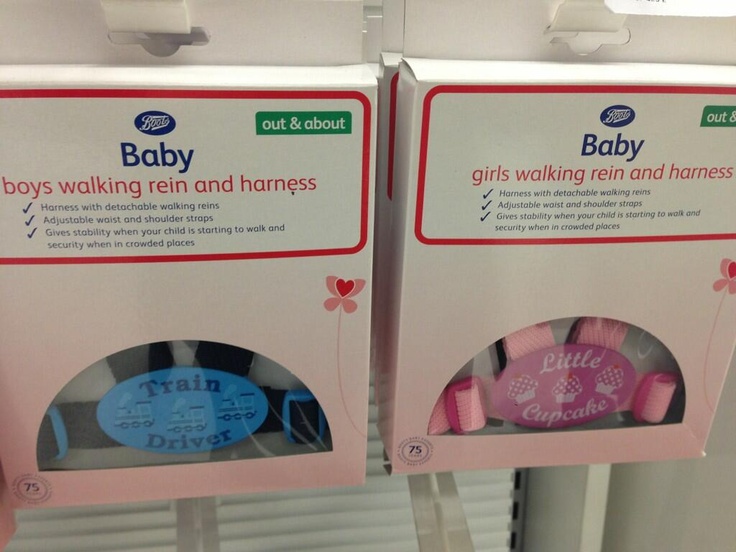
Pointlessly gendered child harnesses:

3

Thanks Sarah M., @day_jess, and @qaoileann!

GROWN-UP STUFF.

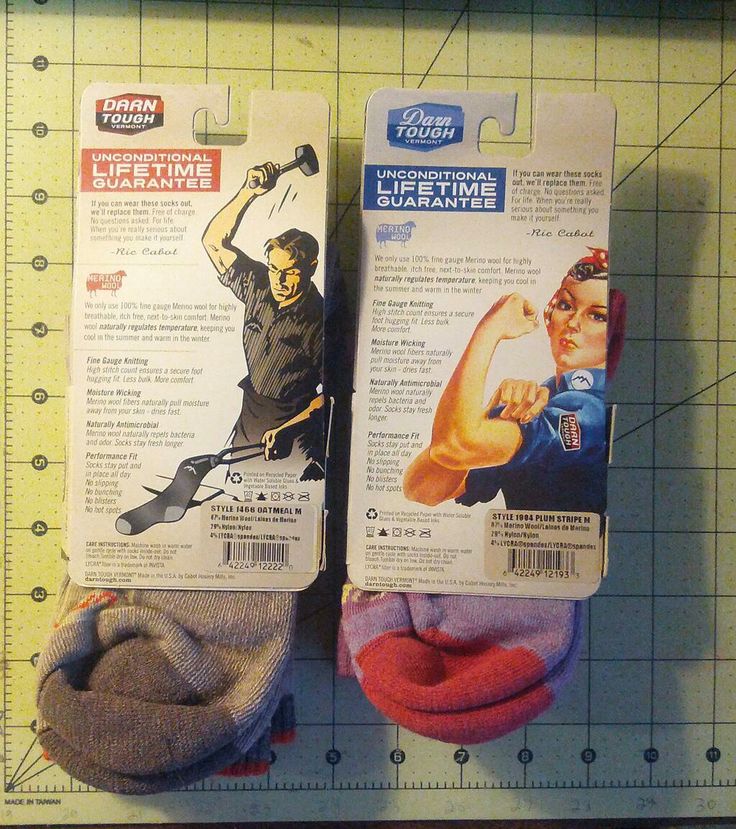
Pointlessly gendered socks:

1 (2)

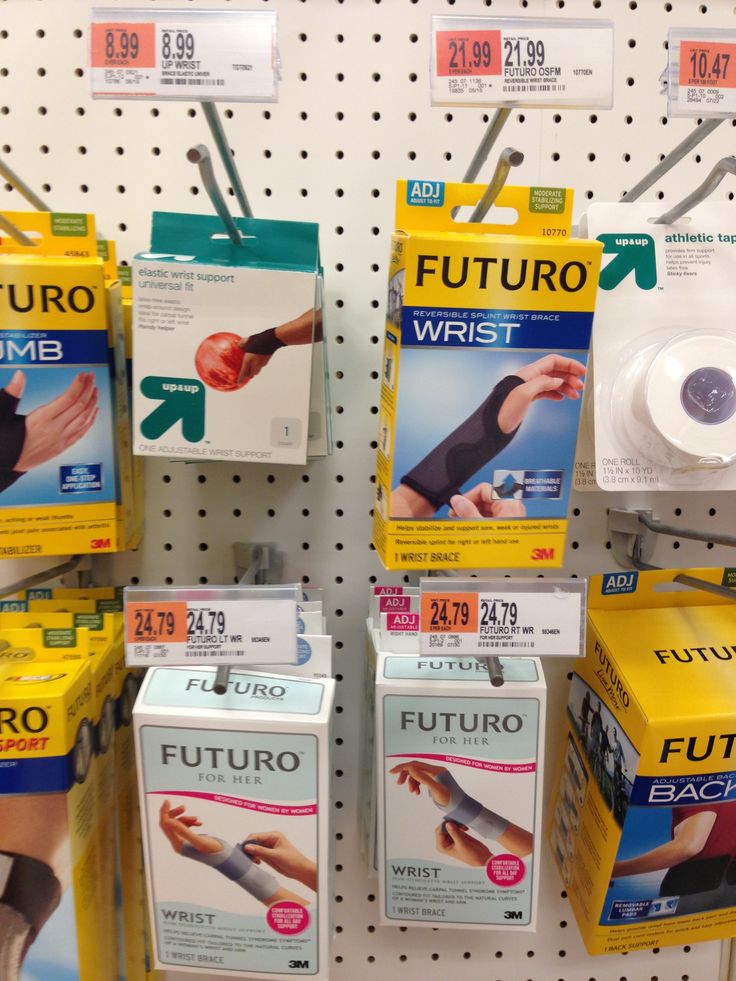
Pointlessly gendered wrist support:1 (4)

Pointlessly gendered job ads:1 (5)

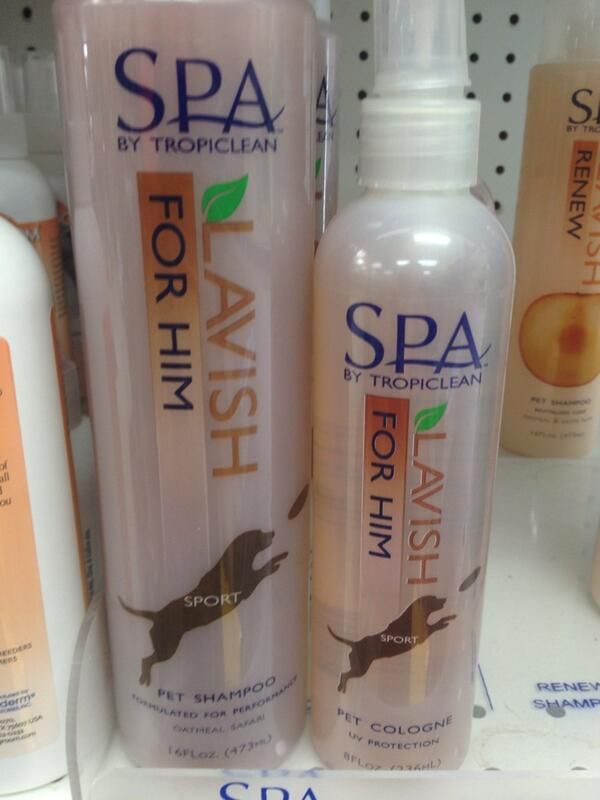
Bonus! Pointlessly gendered pet shampoo:

2 (2)Thanks Jen T., Lisa S., @nayohmei, and @doubleemmartin!

That’s all for now!  Check out the entire collection on Pinterest.

Lisa Wade, PhD is an Associate Professor at Tulane University. She is the author of American Hookup, a book about college sexual culture; a textbook about gender; and a forthcoming introductory text: Terrible Magnificent Sociology. You can follow her on Twitter and Instagram.

“How could we get evidence for this?” I often ask students. And the answer, almost always is, “Do a survey.” The word survey has magical power; anything designated by that name wears a cloak of infallibility.

“Survey just means asking a bunch of people a bunch of questions,” I’ll say. “Whether it has any value depends on how good the bunch of people is and how good the questions are.”  My hope is that a few examples of bad sampling and bad questions will demystify.

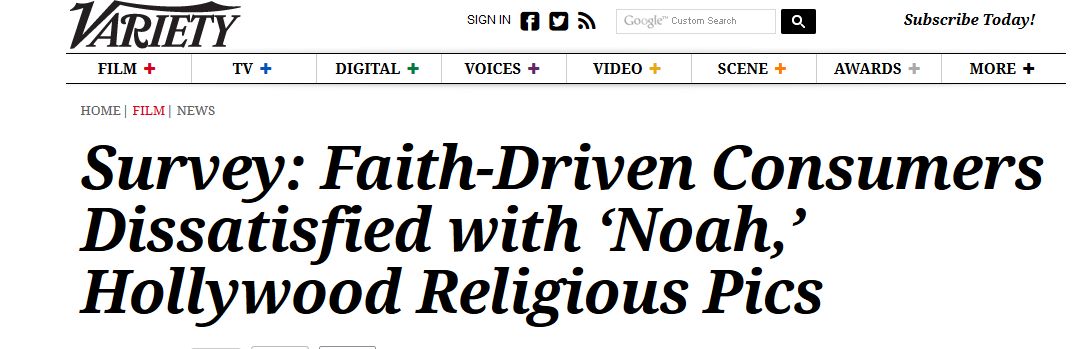
For example, Variety:

11

Here’s the lede:

Despite its Biblical inspiration, Paramount’s upcoming “Noah” may face some rough seas with religious audiences, according to a new survey by Faith Driven Consumers.

The data to confirm that idea:

The religious organization found in a survey that 98% of its supporters were not “satisfied” with Hollywood’s take on religious stories such as “Noah,” which focuses on Biblical figure Noah.

The sample:

Faith Driven Consumers surveyed its supporters over several days and based the results on a collected 5,000+ responses.

And (I’m saving the best till last) here’s the crucial survey question:

As a Faith Driven Consumer, are you satisfied with a Biblically themed movie — designed to appeal to you — which replaces the Bible’s core message with one created by Hollywood?

As if the part about “replacing the Bible’s core message” weren’t enough, the item reminds the respondent of her or his identity as a Faith Driven Consumer. It does make you wonder about that 2% who either were fine with the Hollywood* message or didn’t know.

You can’t really fault Faith Driven Consumer too much for this shoddy “research.” They’re not in business to find the sociological facts. What’s appalling is that Variety accepts it at face value and without comment.

Cross-posted at Montclair SocioBlog.

Jay Livingston is the chair of the Sociology Department at Montclair State University. You can follow him at Montclair SocioBlog or on Twitter.

Like a lot of moms, I faced the Barbie dilemma when my daughter was younger. Ultimately I  figured a little bit of Barbie would sate her appetite (and stop the nagging) without doing too much harm. Like a vaccination, or homeopathic inoculation against the Big Bad. I told myself my daughter didn’t use her dolls for fashion play anyway: her Barbie “funeral,” for instance, was a tour de force of childhood imagination. I told myself I only got her “good” Barbies: ethnic Barbies, Wonder Woman Barbie, Cleopatra Barbie. Now that she’s 10 and long ago gave the dolls away (or “mummified” them and buried them in the back yard in a “time capsule”), I can’t say whether they’ll have any latent impact on her body image or self-perception. It would seem ludicrous, at any rate, to try to pinpoint the impact of one toy.

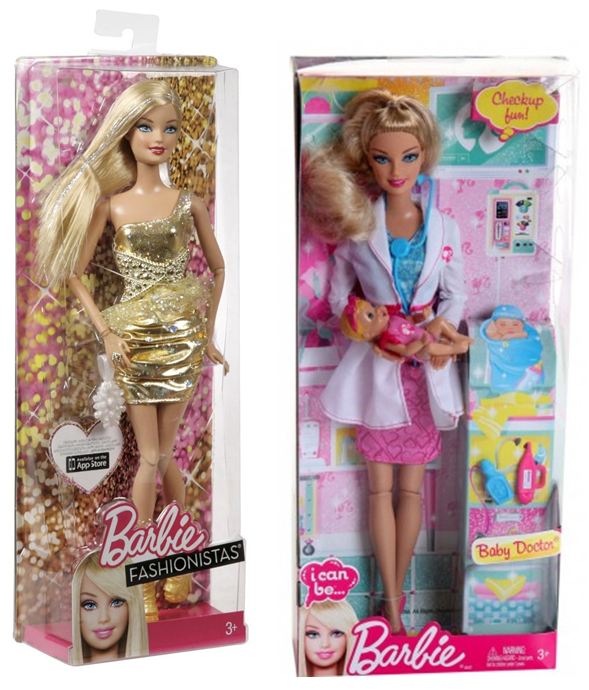
But now, according to a study published this week,  it turns out that playing with Barbie, even career Barbie, may indeed limit girls’ perception of their own future choices. Psychologists randomly assigned girls ages 4-7 to play with one of three dolls. Two were Barbies: a fashion Barbie (in a dress and high heels); and a “career” Barbie with a doctor’s coat and stethoscope. (NOTE: I just pulled these images from the web: I don’t know which actual Barbies they used.)

5

The third, “control” doll was a Mrs. Potato Head, who,  although she comes with fashion accessories such as a purse and shoes, doesn’t have Barbie’s sexualized (and totally unrealistic) curves.

So, after just a few minutes of play, the girls were asked if they could do any of 10 occupations when they grew up. They were also asked if boys could do those jobs. Half of the careers, according to the authors, were male-dominated and half were female dominated. The results:

Girls who played with Barbie thought they could do fewer jobs than boys could do. But girls who played with Mrs. Potato Head reported nearly the same number of possible careers for themselves and for boys.

More to the point:

There was no difference in results between girls who played with a Barbie wearing a dress and the career-focused, doctor version of the doll.

Obviously, the study is not definitive. Obviously, one doll isn’t going to make the critical difference in a young woman’s life blah blah blah. Still, it’s interesting that it doesn’t matter whether the girls played with fashion Barbie or doctor Barbie, the doll had the same effect and in only a few minutes.

That reminded me of a study in which college women enrolled in an advanced calculus class were asked to watch a series of four, 30-second TV commercials. The first group watched four netural ads. The second group watched two neutral ads and two depicting stereotypes about women  (a girl enraptured by acne medicine; a woman drooling over a brownie mix). Afterward they completed a survey and—bing!—the group who’d seen the stereo- typed ads expressed less interest in math- and science-related careers than classmates who had watched only the neutral ones. Let me repeat: the effect was demonstrable after watching two ads.

And guess who performed better on a math test, coeds who took it after being asked to try on a bathing suit or those who had been asked to try on a sweater? (Hint: the latter group; interestingly, male students showed no such disparity.)

Now think about the culture girls are exposed to over and over and over and over and over, whether in toys or movies or tv or music videos, in which regardless of what else you are—smart, athletic, kind, even feminist, even old—you must be “hot.” Perhaps, then, the issue is not “well, one doll can’t have that much of an impact,” so much as “if playing with one doll for a few minutes has that much impact what is the effect of the tsunami of sexualization that girls confront every day, year after year?”

Peggy Orenstein is the author of four books, including The New York Times best-seller Cinderella Ate My Daughter: Dispatches from the Front Lines of the New Girlie-Girl Culture.  You can follow her at her blog, where this post originally appeared, on facebook, and on twitter.

12In just 6 1/2 minutes, CGP Gray offers a humorous and info-packed account of Daylight Savings.  He tackles the historical rationale, the role of the equator, the contemporary debate, and the wildly wacky situations it causes today, including health problems and loss of productivity.  It’s all even wackier than you probably already imagine. Enjoy:

Also from CGP Gray:

Lisa Wade, PhD is an Associate Professor at Tulane University. She is the author of American Hookup, a book about college sexual culture; a textbook about gender; and a forthcoming introductory text: Terrible Magnificent Sociology. You can follow her on Twitter and Instagram.

11The paradox: masculinity is strength, power, and dominance… but femininity is terrifying. Gender rules insist that men must avoid association with the feminine at all costs because, if they do not, they are weak.  They are pussies, bitches, women, girls. Femininity is weakness and yet, oddly, it has the power to strip men of their manliness.  It is as if, as sociologist Gwen Sharp once put it, “masculinity is so fragile that apparently even the slightest brush with the feminine destroys it.”

Behold the best example of this phenomenon ever:

Let’s be clear.  The reason he’s afraid of femininity is because it’s reviled.  It makes you a woman, which makes you worthless.  Which is fine for the ladies, but dudes are advised to avoid personal denigration if at all possible.

Thanks Summer’s Eve, you make my job easy.

Lisa Wade, PhD is an Associate Professor at Tulane University. She is the author of American Hookup, a book about college sexual culture; a textbook about gender; and a forthcoming introductory text: Terrible Magnificent Sociology. You can follow her on Twitter and Instagram.

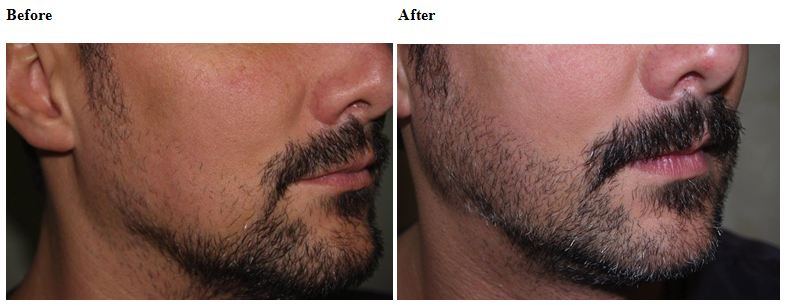
Last month I wrote about how the revival in the popularity of beards was hurting razor sales, causing companies like Proctor & Gamble to ramp up advertising encouraging “manscaping” below the neck.  Here’s another response to the trend: hair plugs for your face.

Capture

According to a facial plastic surgeon interviewed for an article at DNAinfo New York, the rate at which he is asked to do facial hair transplants has skyrocketed from ” just a handful of beard transplants each year a decade ago” to about three a week.  The surgeons mention the hipster beard trend as one cause of the rise in interest, but also cite a wide array of people who might be interested in fuller facial hair:

…clients include men who have struggled since adolescence to grow a beard, those undergoing a gender transition from female to male, men with with facial scarring and Hasidic Jews who hope to achieve denser payot, or sidelocks.

Expense for the procedure ranges from $3,o00 for partial transplants to $7,000 for a full beard.

What a fascinating example of the intersection of race, gender, religion, technology, and capitalism.  Which men’s faces have more power to determine appearance norms for men?  Or, what does masculinity look like?  Men with Asian, American Indian, and African backgrounds are less likely to be able to grow full beards, but a society centered on whiteness can make their faces seem inadequate.  If the situation were reversed, would we see white men, disproportionately, going in for laser hair removal?  Would transmen feel less pressure to be able to grow a beard to feel fully masculine?  Would they feel more if they were part of a Hasidic Jewish community?

Also, is this really about hipsters?  How much power does a young, monied demographic have to set fashion trends?  To send a wide range of people to surgeons — for goodness sake — in the hopes of living up to a more or less fleeting trend?  How do such trends gain purchase across such a wide range of people?  What other forces are at work here?

What can we learn from this about other plastic surgeries that we are more likely to take for granted as the result of natural or universal beauty?  Breast implants for women, breast reductions for men, liposuction, facelifts, labiaplasty, or eyelid surgery?

Lots of interesting conversations to be had.

Lisa Wade, PhD is an Associate Professor at Tulane University. She is the author of American Hookup, a book about college sexual culture; a textbook about gender; and a forthcoming introductory text: Terrible Magnificent Sociology. You can follow her on Twitter and Instagram.

Screenshot_18Happy Fat Tuesday to all our friends in New Orleans! Don’t do anything we wouldn’t do!

If you’re not in the middle of the revelry, enjoy these Mardi Gras posts from previous years:

Lisa Wade, PhD is an Associate Professor at Tulane University. She is the author of American Hookup, a book about college sexual culture; a textbook about gender; and a forthcoming introductory text: Terrible Magnificent Sociology. You can follow her on Twitter and Instagram.