Search results for The

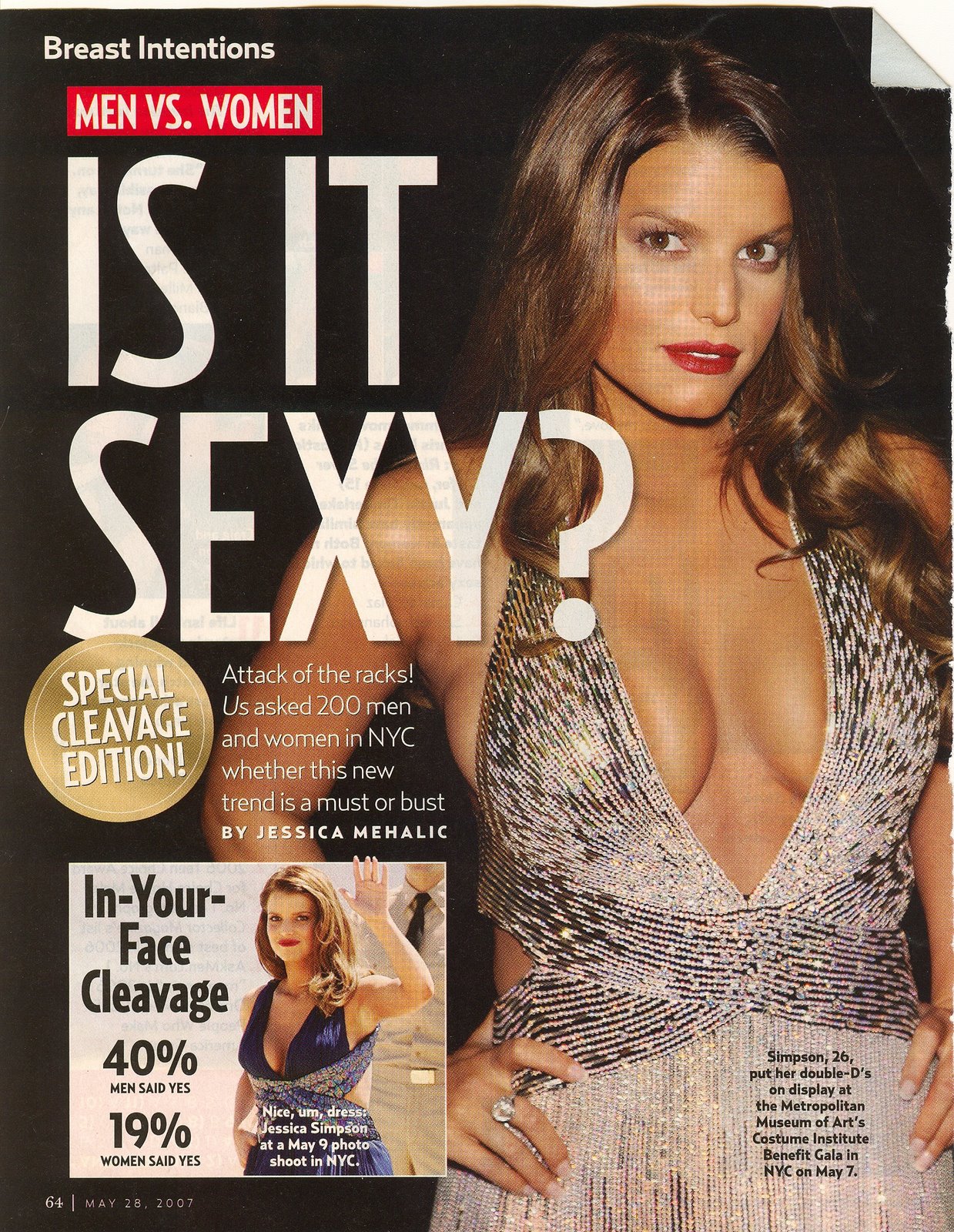
This “delightful” quiz in Us magazine asks viewers, segregated by sex, to judge women’s breasts and what they do with them. Don’t miss the fact that 56% of men and 31% of women prefer Heidi Montag with breast implants.

What, exactly, a reader is supposed to do with this information is a mystery to me. But there must be a use for this in some class somewhere.
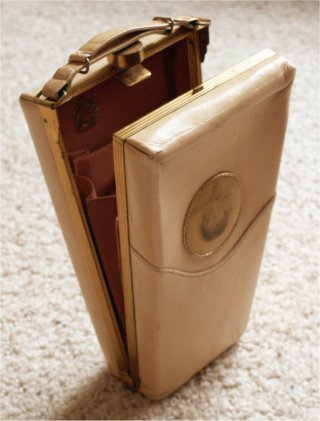
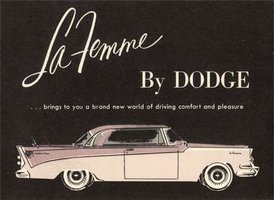
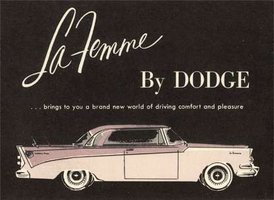
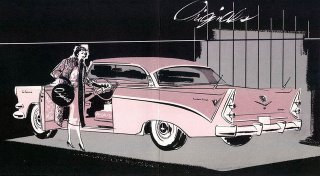
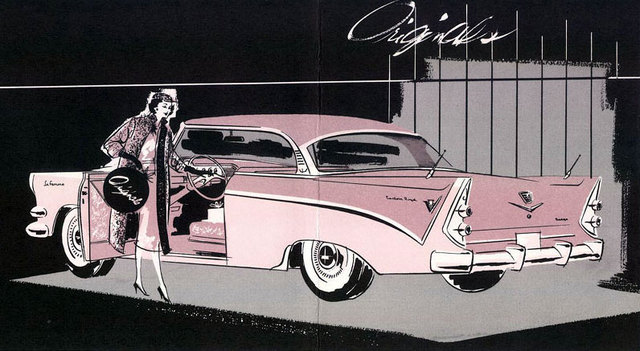
The Dodge La Femme (1955 and 1956):


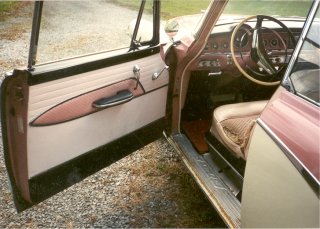
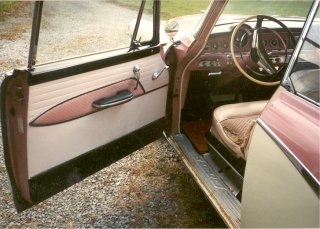
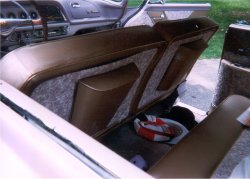
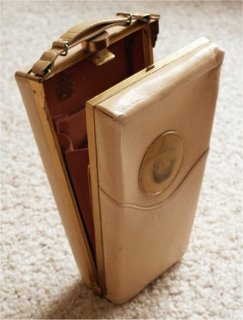
Here are some pictures of some restored La Femme’s:


Pink rosebud patterned upholstery:

It even came with matching accessories!

An umbrella and raincoat:

A compact:

A coin purse:

I think showing this car would be interesting in comparison with the contemporary marketing of feminine guns (see Gwen’s post here). The guns look surprisingly like the car.

It would also be interesting, I think, to do a discussion about whether and how they market cars to women today. They do, of course, but the ideal femininity has changed and so, therefore, have the cars. Women, though, haven’t changed very much. One of the reasons that the La Femme didn’t sell was because women were, frankly, offended.

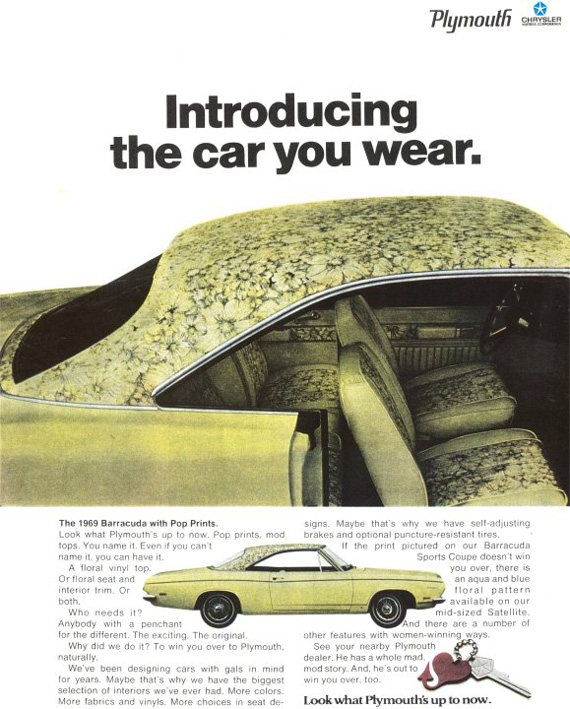
NEW (Jan. ’09)!  I found this effort to market cars to women from 1969, the “women-winning” Barracuda with “pop prints” and “gals in mind”!

plymouth_barracuda_mod-top_ad-1_69

NEW! (Nov. ’09): Tim McC. sent in this trailer for a Volvo concept car specifically for women. It’s really interesting to compare the marketing of a car to women in the 1950s versus today.

Notice that while beauty is still important, today there’s also an emphasis on the car being tough–but not too tough, not brutal.

Tim adds,

YCC has some fairly significant design decisions (some arguably limitations) that seems to imply certain things about the intended market. For example, the car has no hood that can be opened by the owner. Instead, the car must be taken to the shop for engine maintenance and oil changes. The tires are also run-flat, meaning that the tires will continue to work after a flat, again so that the car can be taken to a garage for the tire change. This seems to imply that the company assumes that women are too ignorant or too afraid to fix their own mechanical problems. This also implies that DIY work on engines or really any technological product is a male pursuit. Keeping women from working on engines seems to say that women shouldn’t have to even consider working with technology. It also features automated parallel parking (a feature common on luxury cars, but prominently emphasized in the materials), which may carry sexist undertones å la the “woman driver” stereotype. The drive train is hybrid-electric, which implies that environmentalism is a feminine concept.

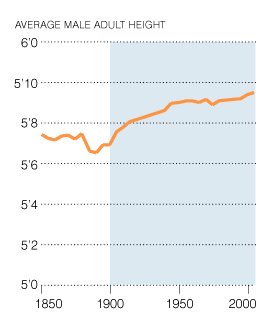
On Size:


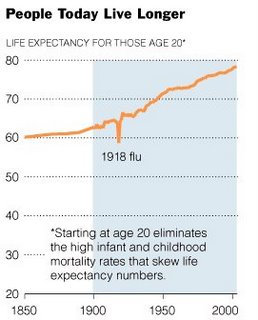
On Lifespan:


From the National Center for Health Statistics; National Vital Statistics System; Dora Costa, MIT; Richard H. Steckel, Ohio State University; Center on the Economics and Demography of Aging. University of California, Berkeley.

I’ll leave it up to you to decide if “testees” is a pun.

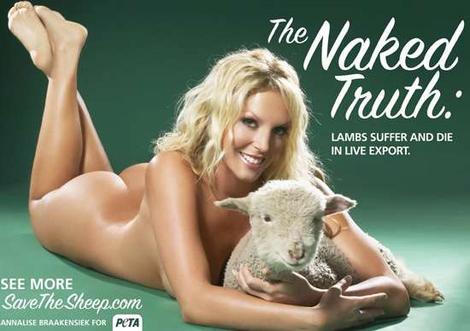
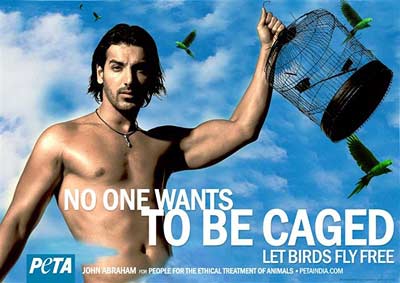
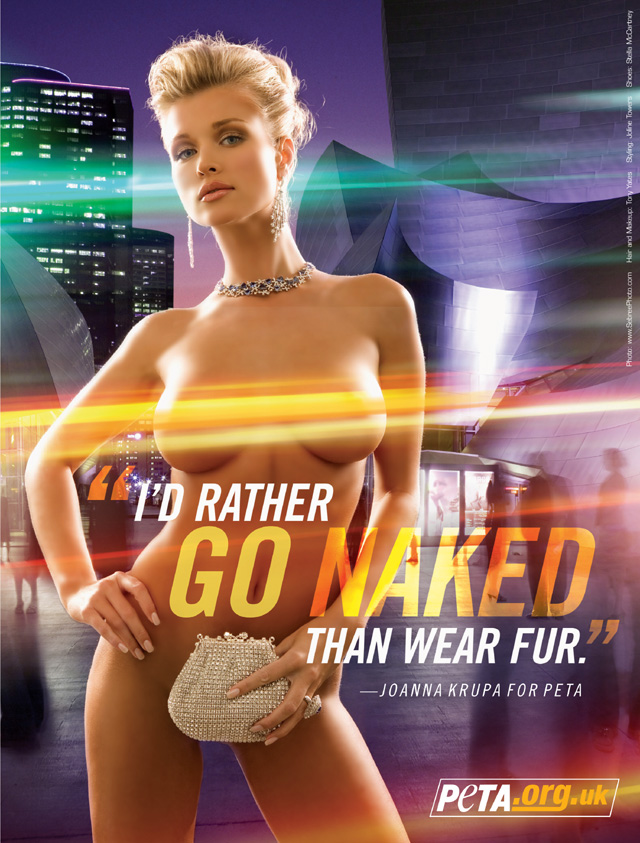
PETA is well known for objectifying women in their efforts to encourage us to be kind to animals. Here are some print ads using (near) nudity:

In these two, they actually make women into animals in cages:

This one, found at Feministing, includes the following press release from PETA which in no ways tries to obfuscate their reliance on the objectification of women for their own purposes:

Wearing sexy yellow bikinis outside the legislative meeting of the United Egg Producers in Washington on Wednesday, six PETA beauties will crowd into three cramped cages to mimic conditions for laying hens on factory farms. The ladies will hold egg-shaped signs that read, ‘Chicks Suffer for Eggs.’

In case you were wondering if they were denigrating women as well as showing them naked and in cages… Here you go:

Because women’s natural bodies are actually quite disgusting, apparently.

Boys too!

NEW: Matt S. sent in three more PETA posters and a video featuring Alicia Silverstone:


To see this video featuring Silverstone on youtube, I had to verify my age and was warned that it might not be suitable for minors:

As Matt pointed out, if you didn’t know what PETA is, these ads could just as well work as pro-fur ads, by implying that if you buy a woman a fur, she’ll get naked and be sexually available to you.

Thanks, Matt!


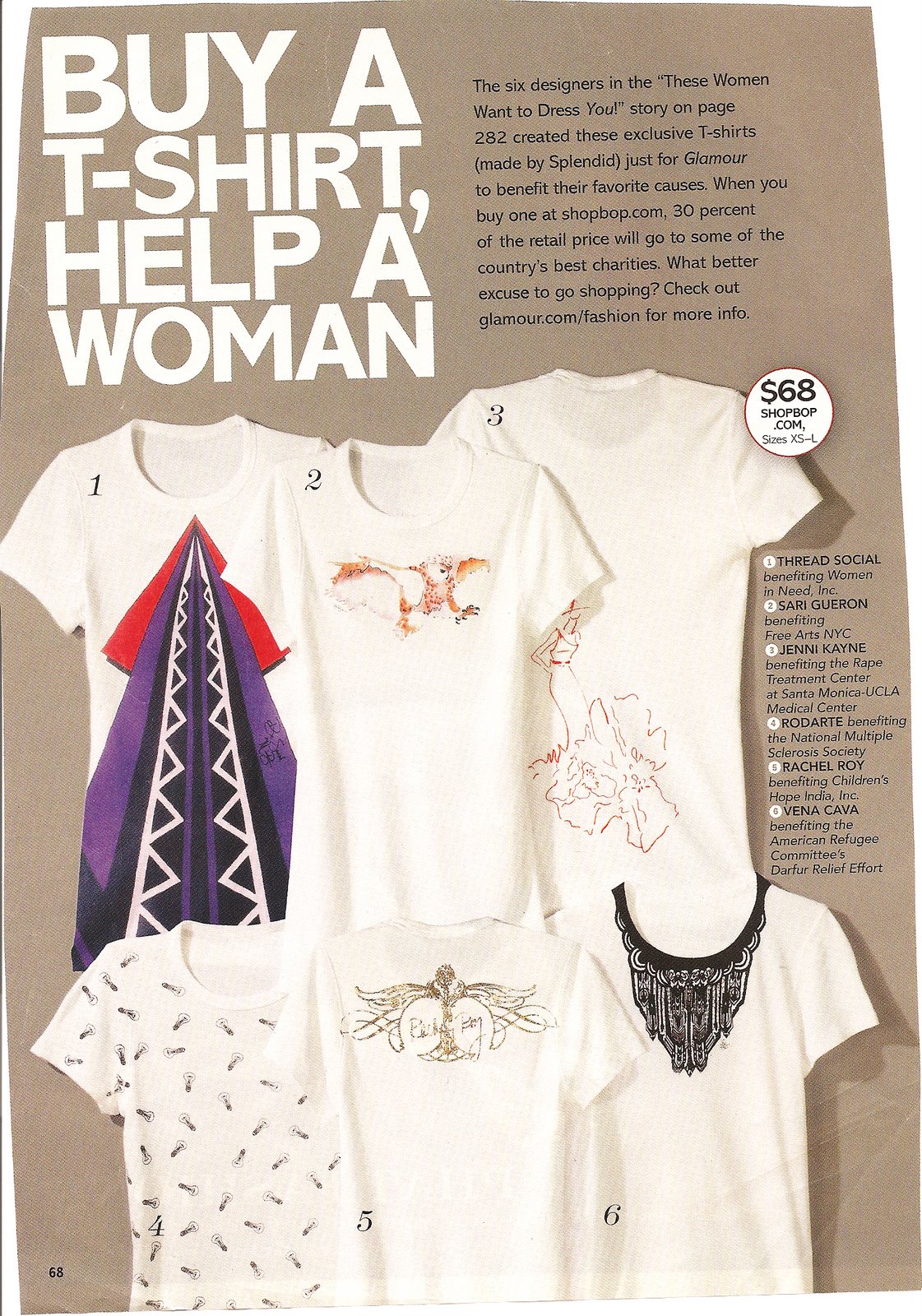
30% of the retail price of these shirts will be donated to “some of the country’s best charities. What better excuse to go shopping?” The retail price is $68. The charities are:

Women in Need
Free Arts NYC
Rape Treatment Center at Santa Monica-UCLA Medical Center
National Multiple Sclerosis Society
Children’s Hope India
American Refugee Committee’s Darfur Relief Effort

I like these kinds of things because they bring up two issues: Why don’t people just contribute $20 (or, in most cases, something like 10 cents) directly instead of filtering it through a corporation? And should we have to personally get something out of it in order to contribute to worthy causes?

For other examples, look here, here, and here.