We’ve been so busy with PETA, we’ve forgotten about American Apparel.  What does one have to do with the other?  They both sacrifice one social justice issue in pursuit of another.  I find this leftist balkanization–where lefty groups choose one and only one social justice issue and ignore the rest, or even exacerbate them–fascinating.  It leads to, if you will allow me to mix metaphors, a leftist cannibalization.  We are eating ourselves. 

So anyway, American Apparel is American Apparel because they are supposed to care about fair wages.  You know, made in America according to fair labor laws.  Anti-sweatship and all that good stuff.  What a lovely thing.  Except… their ads (stolen from Copyranter).  They make me want to wash my eyes out with soap. 

Um… not safe for work.

more...

I found these Ray Ban ads at Copyranter,

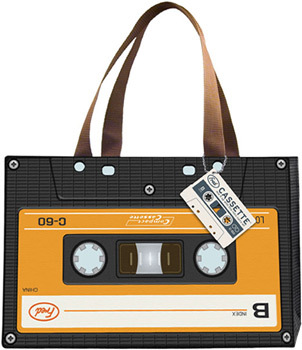
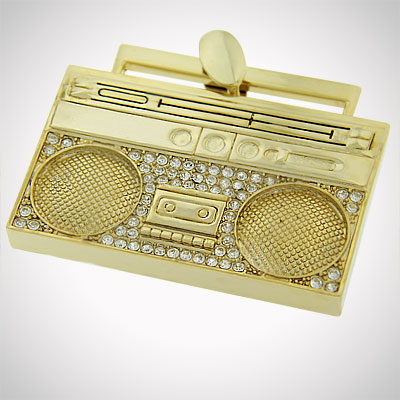
I also found this cassette tape belt buckle (here), cassette tape bag (here), and boom box pendant (here).

These remind me of this T-shirt with pictures of safety pins on it.  When you’re so old school that you, um, buy a t-shirt with… well I guess you’re just buying a t-shirt.

NEW!

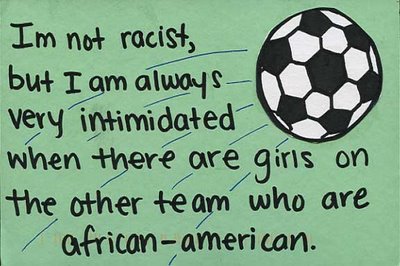
intimidated1

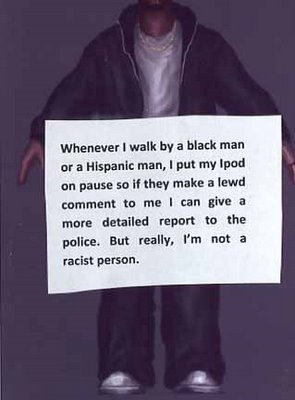
All found at PostSecret.

A while back, Captain Crab sent me a link to Baby Couture Magazine (“We put the ‘coo’ in couture”):
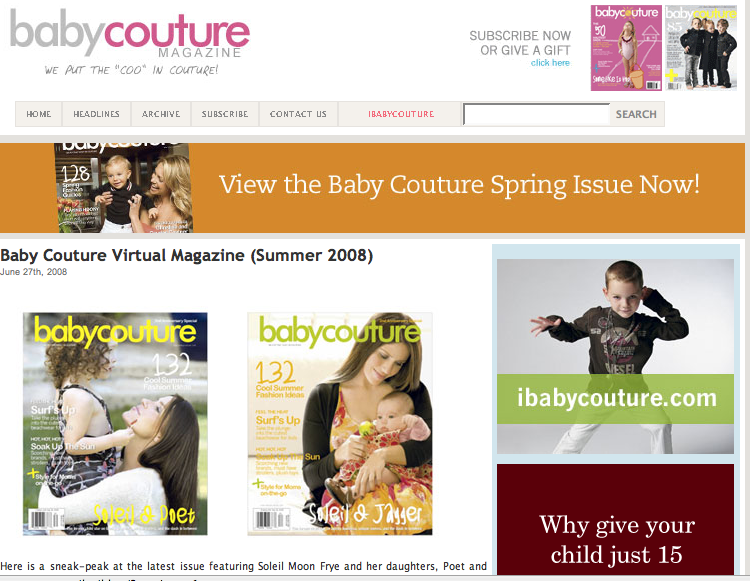
It is, as far as I can tell, a magazine dedicated to how to raise a kid very stylishly. The magazine features fashion spreads of kids with information on where to get the clothes, just like women’s magazines such as Vogue or Glamour. There’s a section where you can send in pictures of your kids to see if the magazine might want to use them as a model or just “…show off your children (and their outfits!)…”

In the caption of a photo of Salma Hayek currently up on the site (posted on June 20, 2008), we learn about her daughter, “Valentina’s father, Francois-Henri Pinault, is reportedly the 3rd richest man in France, and owns and runs PPR (subisidiaries of which include Gucci, YSL, Balenciaga, etc).”

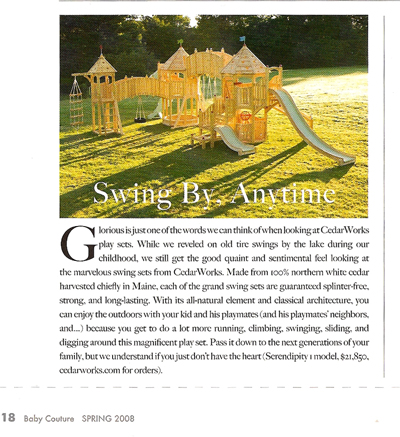
Here’s a playset highlighted in the Spring 2008 issue that costs $21,850 (image at Jezebel.com):
About the Nurtured by Nature line, we learn,

…it is a fabulous baby shower gift as well (you know, when they open your present at the shower and other parents look at you like that “momma who just knows her thang”). Anyway, they are not mass-produced so they may be on the pricey side (it says on their site that a Nature’s Dream gift set is $200.30).

Yes, that might be just a tad on the pricey side for most people. I went to the company’s website and found onesies running from $22 to $99. I’m all for non-mass-produced items made from local materials (in this case, New Zealand-grown merino wool), but…$200??? For a baby gift set??? I bought some of my friends’ babies’ presents at resale shops.

This could be interesting for several different kinds of class discussions–the class element is obvious, not just in terms of how much things cost or who the audience is, but also ideas of parenting and how they differ by social class (for instance, as far as I know my friends and family members aren’t offended if I buy nice used baby clothes at resale/consignment shops, but I suspect that if you gave such a gift to the type of women who read Baby Couture, you would be a permanent outcast–something to keep in mind if you’re trying to extract yourself from such a social network).

You could also discuss changes in parenting overall, though, not just among the wealthy. In the book Parenting, Inc: How We Are Sold on $800 Strollers, Fetal Education, Baby Sign Language, Sleeping Coaches, Toddler Couture, and Diaper Wipe Warmers–And What It Means for Our Children, Pamela Paul discusses how parents confront more and more products they are told any good parent must buy for their child (such as “educational” products that have no shown positive effects on learning), so that book might provide some interesting analysis about why we think we need these things. The whole topic brings up a number of interesting questions about parenting in general: what does this mean about how parents who can’t (or won’t) afford all these things are judged? Why do new parents increasingly look to the marketplace to tell them what they need–and how–to raise a child? How does middle-class fear of “falling behind” play into this whole trend? Why have we become so convinced that raising children requires huge amounts of “expert” advice and purchased products?

NOTE: Well, I have to say, I didn’t actually believe there were such things as $800 strollers–that just seemed exaggerated–but for fun I did a quick search before I posted this and behold:
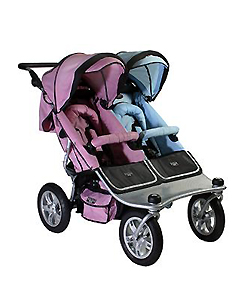
The Boy Meets Girl Pink & Blue Limited Edition Valco Twin Trimode, for $825 (though there are several hundred dollars’ worth of upgrades available on top of that). Of course, it’s also good that it’s color-coded so you know which side to put the boy and girl in. Also, it’s described as an “all-terrain” stroller. All-terrain stroller??? Where exactly are people taking their kids these days? There are a lot more similarly bizarre products at Let’s Go Strolling.

So I learned something today: No matter how much the upper limit is that I can imagine for a baby product, I need to add many, many hundreds, or even thousands, of dollars to it. And upper-middle-class parenting has become very, very strange.

And I owe it all to Captain Crab!

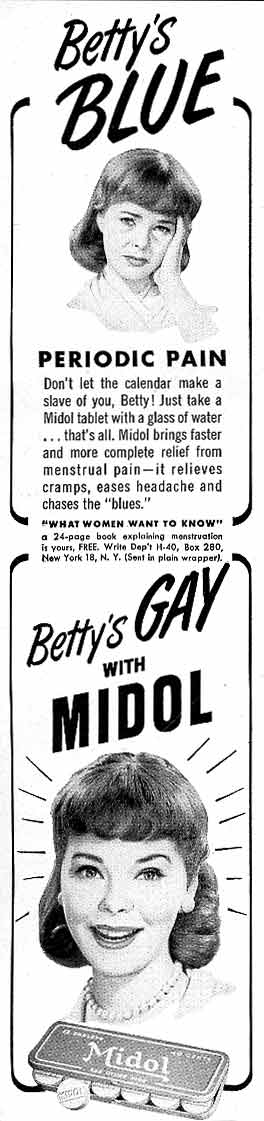
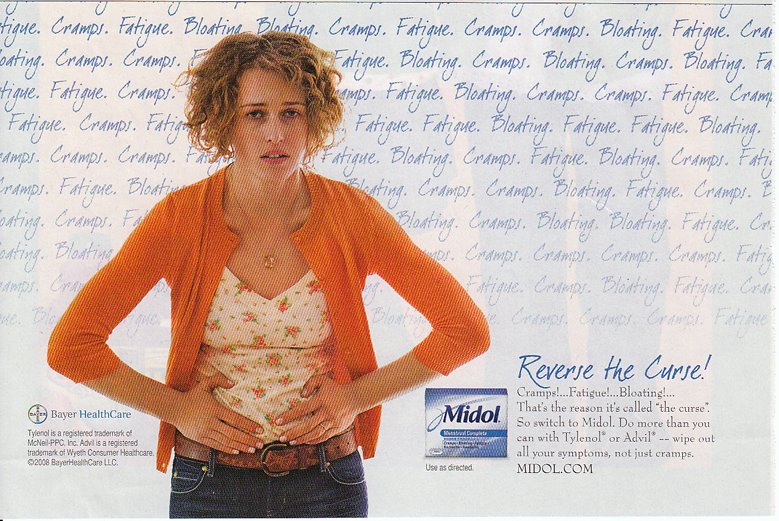
Hmmm… which Midol ad will you hate/love the most?

This one is from the 1960s (found here via Pam’s House Blend):

This one is from the 1990s (found at Feministing):

This is a brand new ad campaign from Midol (found at MultiCultClassics).  The text says “Reverse the Curse!”  The curse, of course, being women’s punishment for original sin. 

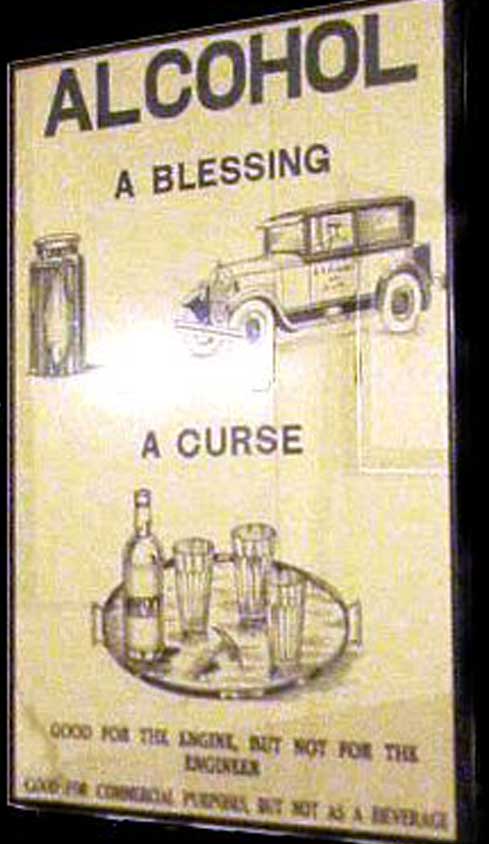
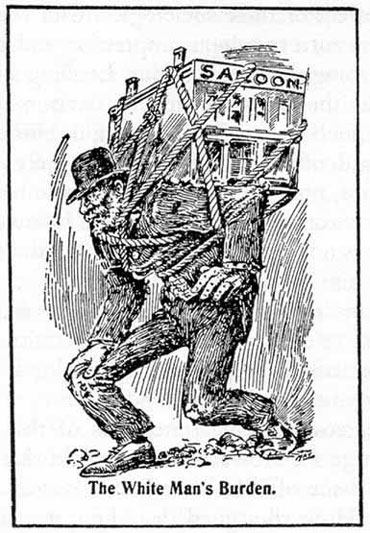
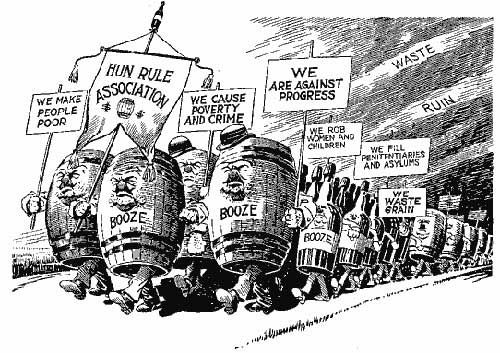
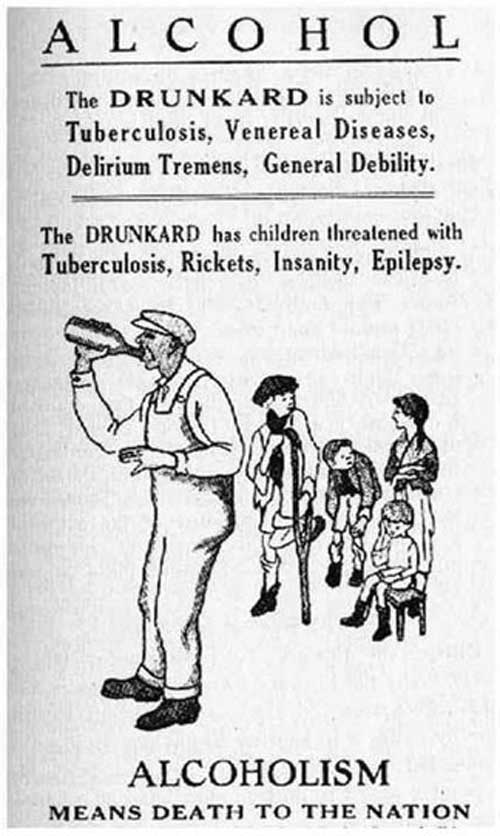
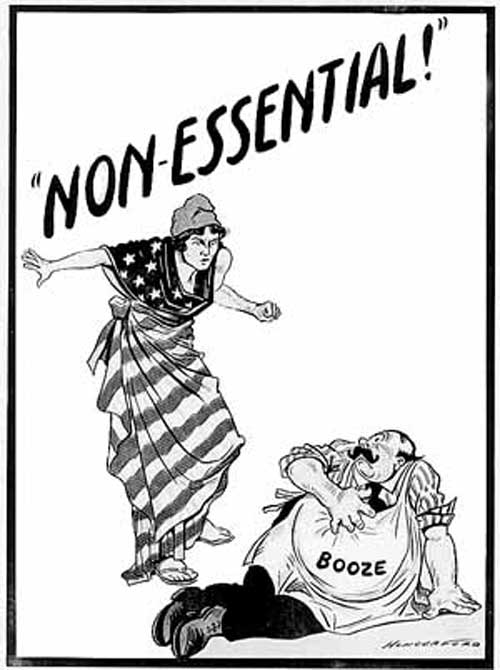
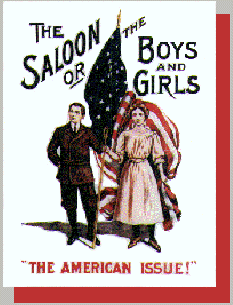
I found most these images at Photo Basement, but all were originally posted at The November Coalition’s Random History of Alcohol Prohibition page.

“Good for the engine, but not for the engineer. Good for commercial purposes, but not as a beverage.”

The white man’s burden isn’t infantile non-whites in need of oversight, it’s saloons.

Connecting drinking alcohol with nationalism and the downfall of America.

Again, being anti-alcohol is patriotic.

Do you love drink more than you love your children? Or America?

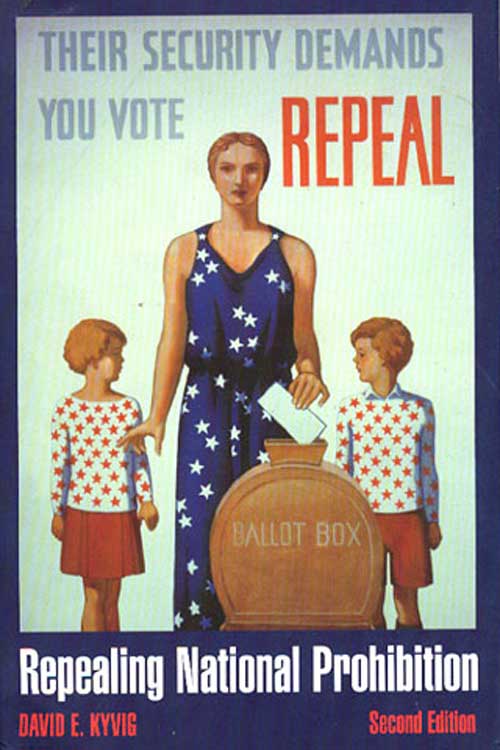
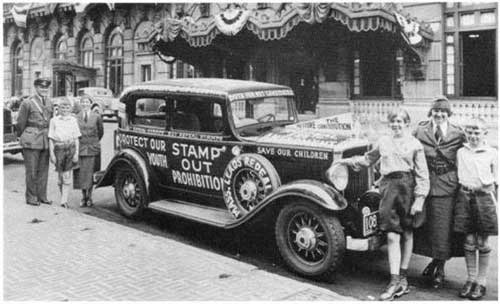
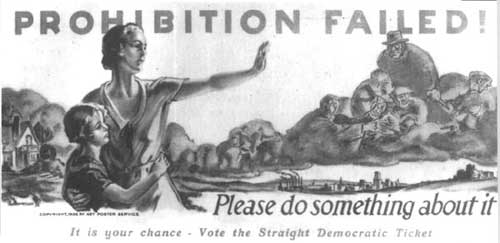
But we see many of the same themes in the anti-Prohibition campaign:

So now if you love your kids and want them (and, implicitly, America) to be secure, you’ll repeal Prohibition.

“Protect our youth. Stamp out Prohibition. Love our children.”

At first I wasn’t sure if this was pro- or anti-Prohibition (asking people to vote to repeal it, or to overturn the repeal). But according to this history of Prohibition, Democrats came out with a “wet” (anti-Prohibition) platform as a way of drawing “ethnic” (i.e., European immigrant) and working class votes. So the message here is that we need to protect our children (and wives?) from the hordes of gangsters and bootleggers who emerged because of Prohibition, and their way to do this is to vote Democratic.

Thanks for the tip, Miguel!

Gwen Sharp is an associate professor of sociology at Nevada State College. You can follow her on Twitter at @gwensharpnv.

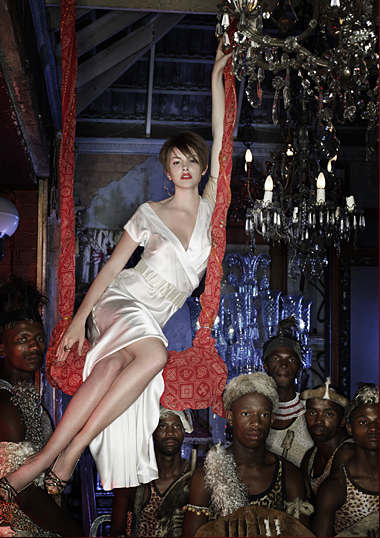
The image below is from the latest episode of Britain’s Next Top Model (image found here).  I would comment, except I just recently wrote almost exactly what I would write for this post here.  You might also want to look here and here and here and also here for historical context.

Dude, we are so not making this stuff up.

Thanks to an anonymous tipster in our comments!  Don’t forget you can always email us tips at socimages@thesocietypages.org.

Lisa Wade, PhD is an Associate Professor at Tulane University. She is the author of American Hookup, a book about college sexual culture; a textbook about gender; and a forthcoming introductory text: Terrible Magnificent Sociology. You can follow her on Twitter and Instagram.

Susanne T. sent in this photo she took at a gym in Bremen, Germany, of two ads for “Multipower Sportsfood,” a sports supplement of some sort:

Susanne writes:

It’s the same product for women and men, but the ad for women says what roughly translates to: ‘This way you look great.’ ‘Eine gute Figur machen’ in German means literally ‘making a good figure’. The ad for men says ‘Strong/powerful tips for your workout.’ Krafttraining means specifically working with weights. And then, of course, the woman looks sexy and flirty and the guy is made to look powerful and in charge. So the same product is supposed to make women look sexy but make men be strong.

Thanks, Suse!