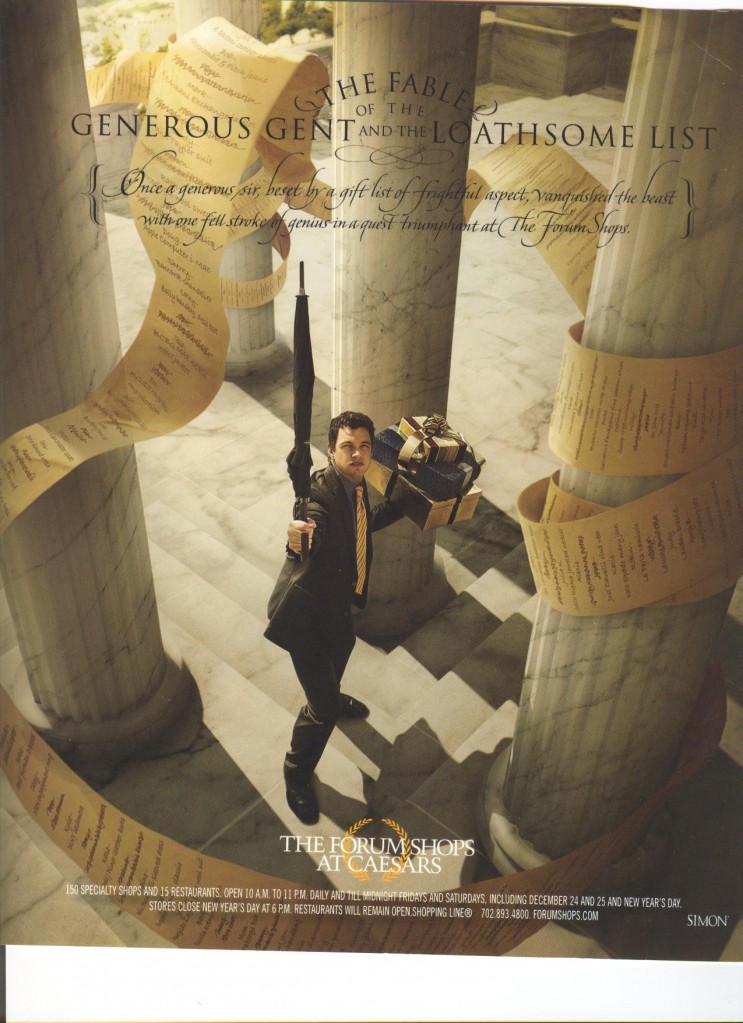
This ad, found in Town and Country, features a man battling “a gift list of frightful aspect.”
03-008

Text:

THE FABLE OF THE GENEROUS GENT AND THE LOATHSOME LIST.

Once a generous sir, beset by a gift list of frightful aspect, vanquished the beast with one fell stroke of genuis in a quest triumphant at The Forum Shops.

It draws attention to what many of us feel, few of us say, and very, very few advertisers would emphasize: the gift giving mandate associated with Christmas (and, to a lesser degree, other U.S. holidays) can be an incredible emotional and financial burden, as well as a time suck.   I have no doubt that expressing dissatisfaction regarding gift giving is more acceptable, in general, for men than women (despite the fact that women do the majority of holiday-related chores).  Thus, it’s no accident that this ad is aimed at men.

Lisa Wade, PhD is an Associate Professor at Tulane University. She is the author of American Hookup, a book about college sexual culture; a textbook about gender; and a forthcoming introductory text: Terrible Magnificent Sociology. You can follow her on Twitter and Instagram.

So, what do you think:  Is this Gap ad featuring Black people dancing and singing about the “hood” using stereotypes to appeal to black people?  Or white people?  In the latter case, would you consider this a form of objectification?  (Unfortunately, I don’t know when or where it aired.)

For more, see my series of posts about how and why people of color are included in advertising aimed mainly at white people.

Via The Feminist Agenda.

Lisa Wade, PhD is an Associate Professor at Tulane University. She is the author of American Hookup, a book about college sexual culture; a textbook about gender; and a forthcoming introductory text: Terrible Magnificent Sociology. You can follow her on Twitter and Instagram.
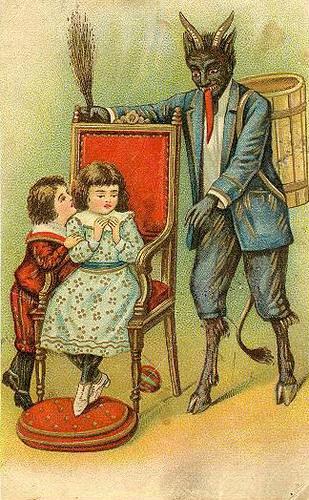
In the U.S., many little girls and boys are told that, if they don’t behave, they won’t get any presents on Christmas.  Sound like a significant threat?

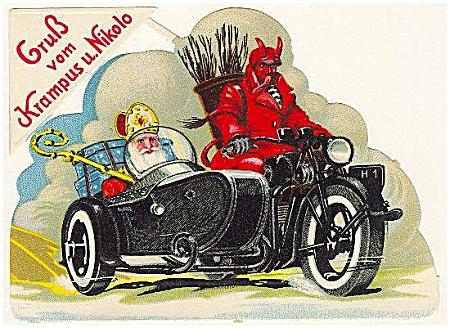
Some cultures–parts of Austria, Germany, Switzerland, Slovenia, and Italy–have an anti-Santa Claus, Krampus.  Krampus is Santa’s sidekick; he’s his evil twin, if you will.  He stalks the streets hitting people with switches.  If a child is bad, Krampus will take the child’s gifts away.  If the child is awake Christmas Eve night, Krampus will take the child away!

Krampus:

untitled4

untitled3

untitled5

More images found here, here, here, here, here, and here, via.

Lisa Wade, PhD is an Associate Professor at Tulane University. She is the author of American Hookup, a book about college sexual culture; a textbook about gender; and a forthcoming introductory text: Terrible Magnificent Sociology. You can follow her on Twitter and Instagram.
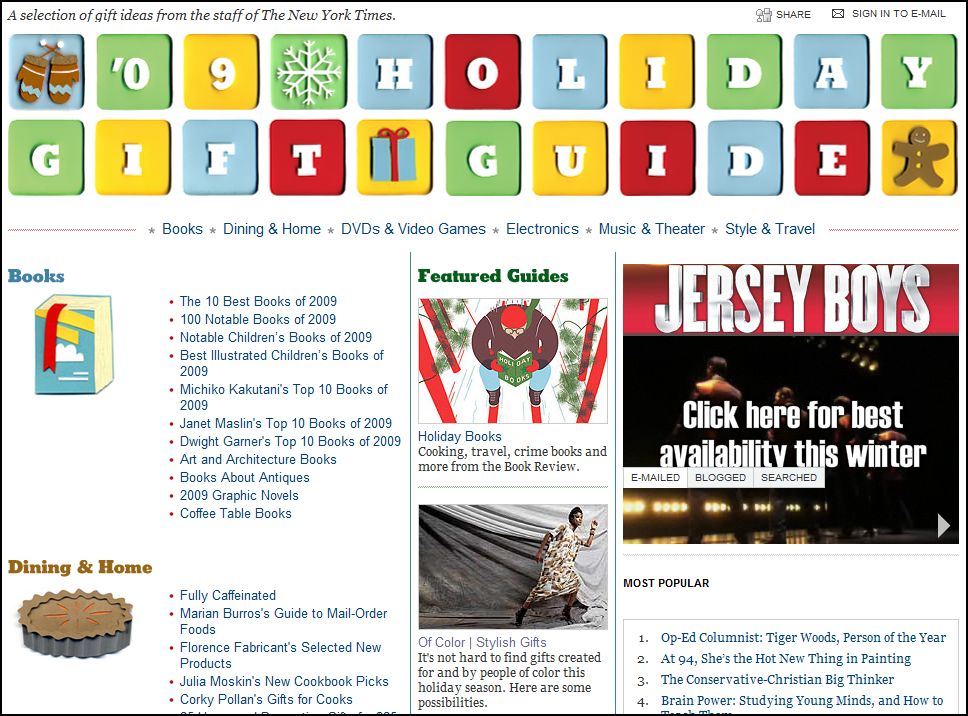
Cassidy P., Kailey V., Adèle G., and Allie L. sent in a gift guide put together by the New York Times specifically for people “Of Color” (center bottom):

color1

The guide lumps together all non-white groups, suggests that they are interested in race- and culture-specific products and implies that white people would NOT be interested in these things.  Some examples:

color2color3color4color5

The guide illustrates something we’ve discussed several times on this blog: the fact that there “needs” to be a guide specifically for people of color reveals that all the other products and guides, ostensibly for “people,” are really for white people.  Things that are marketed to non-white people are, supposedly, inherently uninteresting or irrelevant to white people.

Ultimately, this reinforces the idea that people of color are always outsiders in a white world.

Lisa Wade, PhD is an Associate Professor at Tulane University. She is the author of American Hookup, a book about college sexual culture; a textbook about gender; and a forthcoming introductory text: Terrible Magnificent Sociology. You can follow her on Twitter and Instagram.
Following up on a previous post about gendered gift giving guides at Lego and Toys R Us, I discovered something interesting.

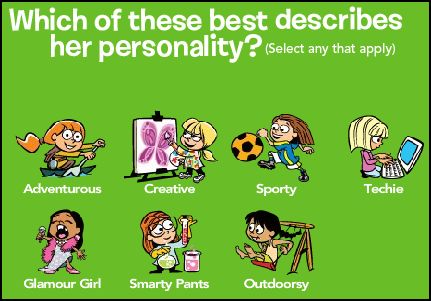
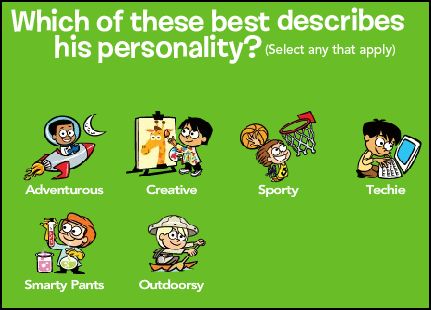
I was intrigued by the Toys R Us guide because it asked the buyer to specify the gender of the child, but then tended to have more or less the same “personality” and “interests” options.  For example, below are the choices for girls and boys.  You’ll see that they are very similar.

Girl personalities:

girl personalities

Boy personalities (same, sans “Glamour Girl”):

boy personalities

Girl interests:

gints

Boy interests:

bints

So, why even ask about gender, I wondered?  I did a test.  For both boys and girls ages 12-14, I checked “techie” and “building” to see what I would get.

What I got was rather fascinating.  I can’t remember where I originally heard it, but someone somewhere observed that when it came to technology, there was a stereotype that men were  the engineers and designers and women were the consumers and users.  That is, both men and women might like technology, but men were active in producing technology and women just got to benefit from men’s hard, brainy work.

Well, that’s essentially what Toys R Us told me.  Remember, for both boys and girls, I checked “techie” and “building.”  Here is the top 24 gift suggestions for boys:
CaptureB1

CaptureB2

CaptureB3

So that’s 13 building/engineering games (like Lego and KNEX), 3 ipod accessories, 4 portable DVD players, 2 MP3 players, and a few other things.

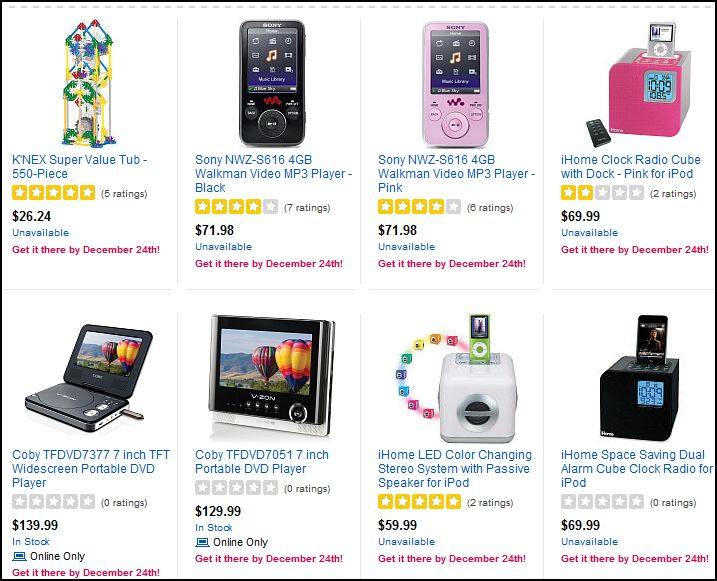
What do girls get?  Seven ipod accessories, 5 portable DVD players, 4 MP3 players, 3 laptop computers, 3 cameras, and one building/engineering game.  One.
CaptureG1

CaptureG2

CaptureG3

Sure enough, Toys R Us confirms that girls may like technology, but boys build it.

Lisa Wade, PhD is an Associate Professor at Tulane University. She is the author of American Hookup, a book about college sexual culture; a textbook about gender; and a forthcoming introductory text: Terrible Magnificent Sociology. You can follow her on Twitter and Instagram.
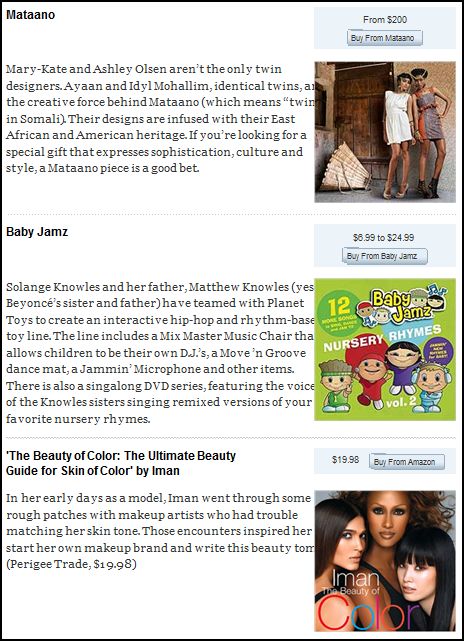
This 1959 ad for an airplane toy throws in girls as an afterthought in the final seconds (“Every boy wants a RemCo toy… and so do girls”). It’s easy to dismiss the ad as quaint and representative of a different time, but today’s advertising seems equally gendered, with girls thrown in as an afterthought (like in this dinosaur toy website) or neatly segregated (see here, here, and here).

Found at Vintage Ads.

Lisa Wade, PhD is an Associate Professor at Tulane University. She is the author of American Hookup, a book about college sexual culture; a textbook about gender; and a forthcoming introductory text: Terrible Magnificent Sociology. You can follow her on Twitter and Instagram.
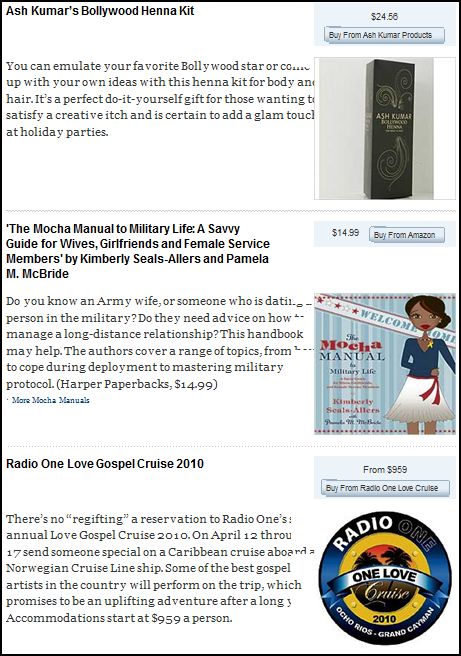
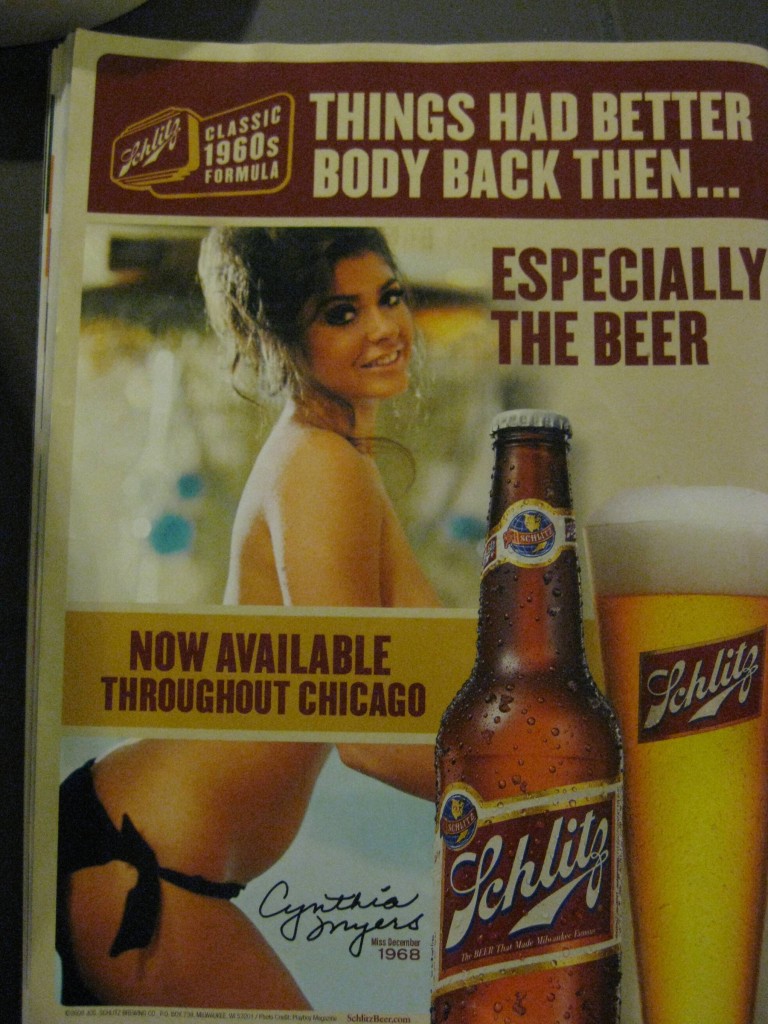
The ad below, sent in by Corinne C., expresses nostalgia for “classic” beers and classic women:
Picture1

(From TimeOut Chicago.)

Lisa Wade, PhD is an Associate Professor at Tulane University. She is the author of American Hookup, a book about college sexual culture; a textbook about gender; and a forthcoming introductory text: Terrible Magnificent Sociology. You can follow her on Twitter and Instagram.
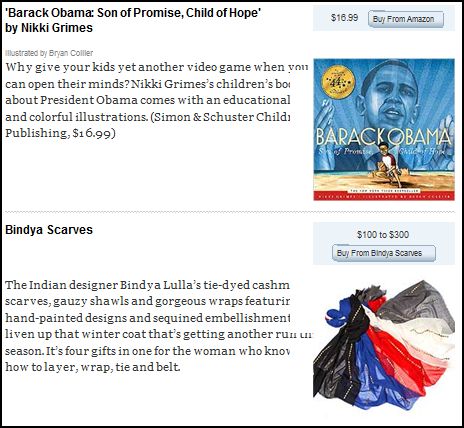
Chris Uggen, fellow sociologist and editor of Contexts magazine, put together a graphic for Public Criminology comparing the current age of death row inmates in the US with their age at arrest (in the title, I assumed they were mostly men, but I don’t know):

deathrow3

So the median age at arrest is 27 and the median current age is 43.  This illustrates the lag time between arrest, conviction, sentencing, and  execution.  It also creates the conditions for what Uggen calls the “graying of prison populations.”   We are executing mostly middle-aged men and older, even as the young are disproportionately convicted for committing violent crimes.

I suppose whether or not we support executing a 50-year-old man for a crime he committed half a lifetime ago depends on what you think the death penalty is for.   Is it to satisfy the family of the victims?  Is it for revenge?  Is it for deterrence?  Is it to make the world outside the prison a safer place?

Executing people in their 40s, 50s, and beyond makes more sense if your goal is something like revenge, less sense if your goal is a safer world with less violent crime.  So, how we frame the death penalty (that is, how we answer the questions “what is it?” and “what is it for?”) shapes whether the graph above looks like social justice or social tragedy.

Lisa Wade, PhD is an Associate Professor at Tulane University. She is the author of American Hookup, a book about college sexual culture; a textbook about gender; and a forthcoming introductory text: Terrible Magnificent Sociology. You can follow her on Twitter and Instagram.