This new commercial for Kentucky Fried Chicken’s grilled option features an assortment of people and, then, two Asian guys in Asian-looking garb with fake Asian accents acting like fools (found at Racialicious):

I’m sort of speechless here. (1) I can’t imagine how KFC could have thought that this made any sense at all. (2) I don’t understand how they could fail to notice that this is racist.

Then again, as we argued about the recent Sotomayor cover, maybe the truth is that it’s simply fine to be racist these days as long as it’s shrouded in the thinnest film of “humor.”

In a post on Racialicious, Arturo Garcia made a point about Sasha Baron Cohen’s work that resonated with me deeply and, I think, captures how I feel about this new brand of satirical humor/hipster racism:

Maybe we’ve had it wrong all along – Borat and the upcoming [film] Bruno aren’t comedies at all – they’re horror movies, holding up the mirror to our new idea of funny.

—————————

Lisa Wade is a professor of sociology at Occidental College. You can follow her on Twitter and Facebook.

Tracy J. sent in this ad aimed at encouraging women to get pap smears to check for cervical cancer (originally found here, but the page was taken down, so Ashley in the comments thread found us this cached page):

bccancerbanner_160x600

And along with the ad she offered this great commentary:

The message is essentially that pap tests have the potential to save the lives of women, but rather than pointing out that, you know, this is good cause… women deserve the opportunity to live a long and meaningful life in whatever way they may wish, or whatever… [But this isn’t the message, instead] they use the ad to scare us into thinking, “if all our women were to die, well then who would we objectify? men? gasp! wouldnt that be horrible”…

…it also sends a very clear message that one of the requirements of women in our North American society is to stand as objects for our admiration. Of course this is only certain kinds of women as this ad could easily be used for some sort of diet pill with an ‘overweight’ woman replacing this man with the statement “the world needs skinny women.”

This is very much like the breast cancer awareness efforts that revolve around how hot boobs are (see here, here, here, and the bottom of this post).

—————————

Lisa Wade is a professor of sociology at Occidental College. You can follow her on Twitter and Facebook.
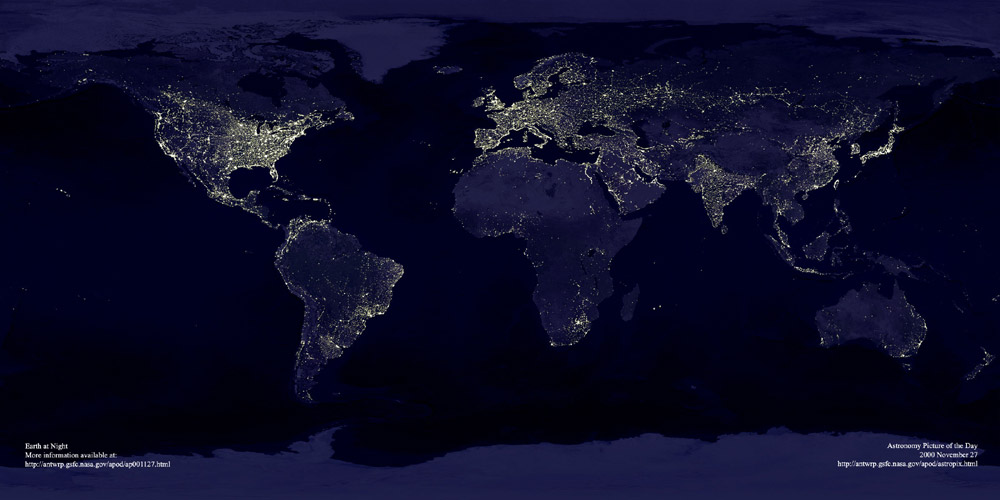
This image, found at International Networks, depicts the globe at night.  The areas bathed in electricity reveal “the global spread of industrialization, as evidenced by the lights of human civilization”:

lights_earth

I think it’s interesting to compare this image with a world population map (link):

g-gpw-population-map

At first the two maps seem to overlap pretty nicely, but if you look closely there are plenty of interesting discrepancies, especially in Africa.

Thanks to Toban B. for the link that got me to the graphic that inspired this post.

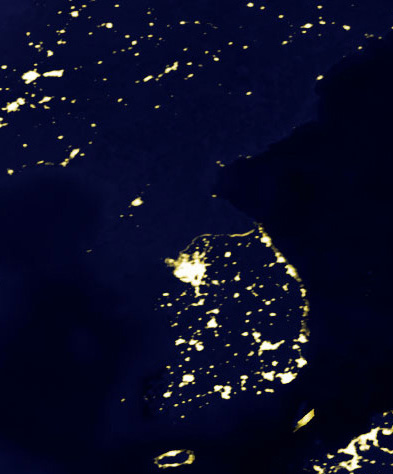
NEW (Apr. ’10)!  In the comments, Brendon linked to this great image of the Korean peninsula at night that reveals an amazing difference between North and South Korea:

—————————

Lisa Wade is a professor of sociology at Occidental College. You can follow her on Twitter and Facebook.

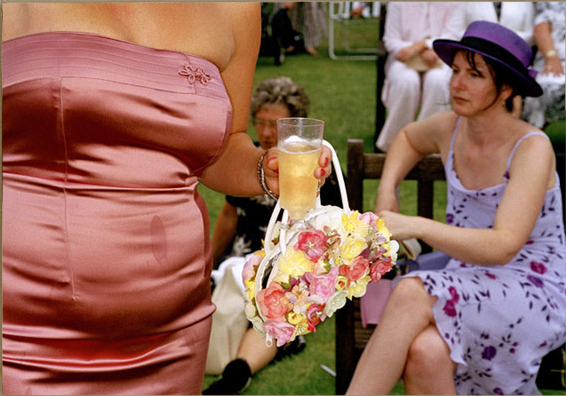
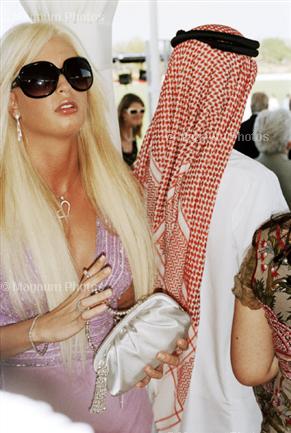
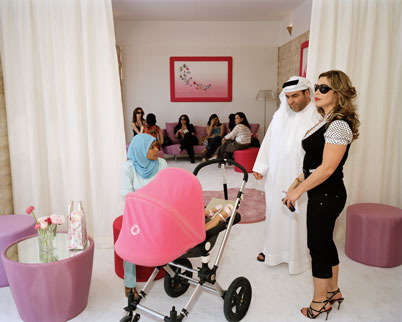
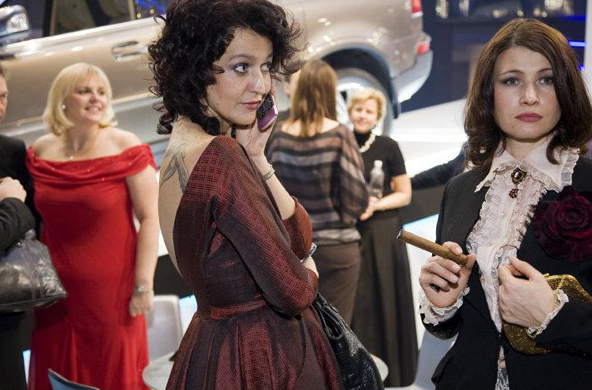
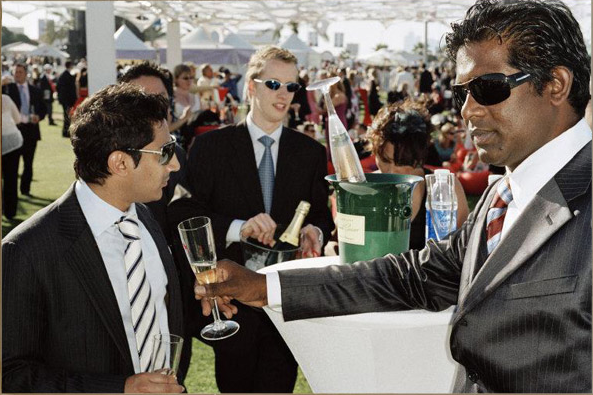
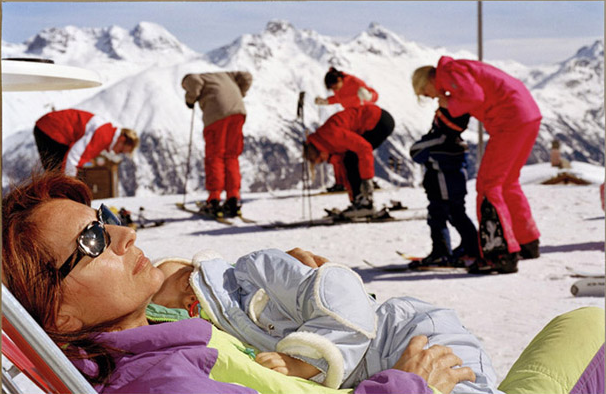
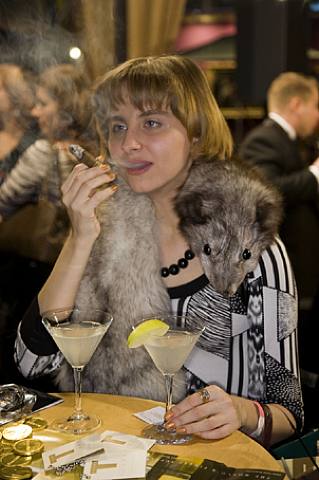
Photographer Martin Parr has decided to photograph the rich in their habitat, exposing an elite world for the rest of us.  He writes:

Shot in various locations, from art fairs to horse racing, and in many countries, I have selected situations where people are comfortable showing off their wealth. Designer clothes, champagne and parties are all part of this repertoire.

…

Traditionally the portrayal of poverty has been the domain of the “concerned photographer” [see, for example, here], but I photograph wealth in the same spirit.

What I like about his photographs is the realistic portrayal of the rich.  Unlike the way in which wealth is glamorized in popular culture (see, for example, here, here, here, here, and here), these are real people, with all of their imperfections, showing off all of their money.

The pictures are (as far as I’ve been able to determine) from the U.S., Moscow, and Dubai:

2martinluxury
3martinluxury
artwork_images_111979_464027_martin-parr
1martin_luxury
dubai1

picture14

russia12
picture23

(Images from here, here, here, here, here, here, and here.)

—————————

Lisa Wade is a professor of sociology at Occidental College. You can follow her on Twitter and Facebook.
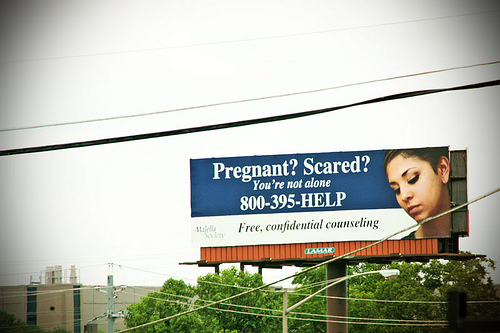
3615989327_e3474289ca

“Pregnant? Scared?”  They don’t mean hemorrhoids and contractions; they mean social opprobrium and economic ruin due to stingy social services.

Jill at I Blame the Patriarchy writes:

There is only one reason that pregnancy should “scare” you: your culture hates women and kids. It especially hates teenage women. It especially hates pregnant teenage women. It especially hates teenage pregnant women who get knocked up under unapproved circumstances.

It had never occurred to me before that a generalized fear of getting pregnant is a culturally and historically contingent state of mind.  But, of course, it is.

—————————

Lisa Wade is a professor of sociology at Occidental College. You can follow her on Twitter and Facebook.
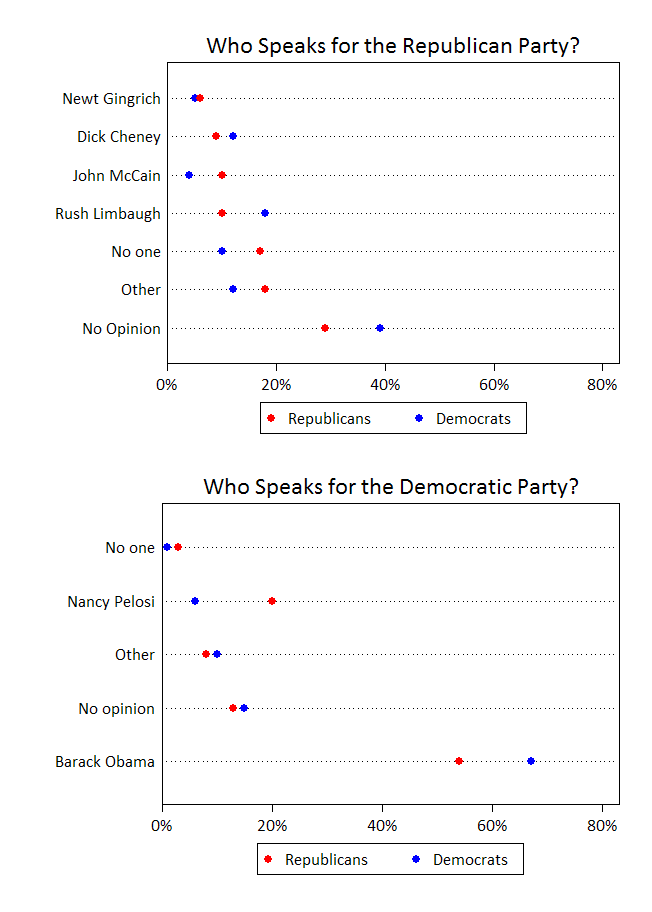
Some interesting data on who Republicans and Democrats feel represents them and the opposing party:

speaksforparties

Gallup data borrowed from The Monkey Cage (via Matthew Yglesias).

—————————

Lisa Wade is a professor of sociology at Occidental College. You can follow her on Twitter and Facebook.
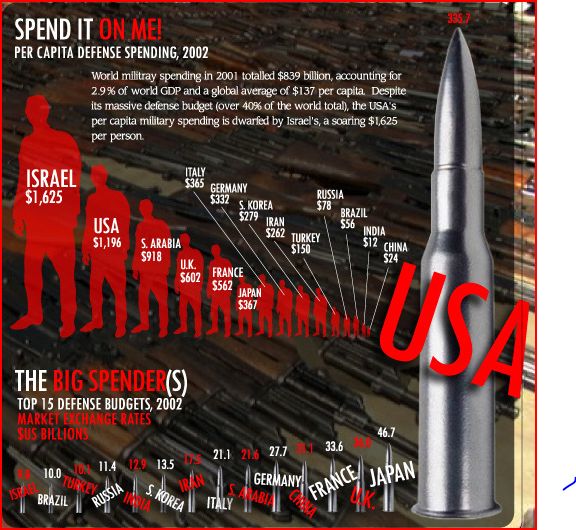
Toban B. sent us a link to an infographic that included data that put U.S. spending on the military into perspective:

capture7

See also this post looking at where our tax dollars go.

—————————

Lisa Wade is a professor of sociology at Occidental College. You can follow her on Twitter and Facebook.
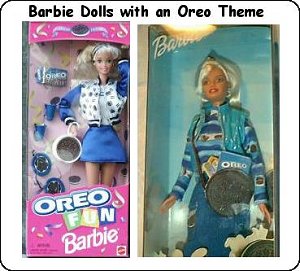
Michaela N. alerted us to the Oreo Barbie. According to Monica Roberts at Transgriot, Mattel once marketed an Oreo-themed Barbie (image here):

oreobarbie

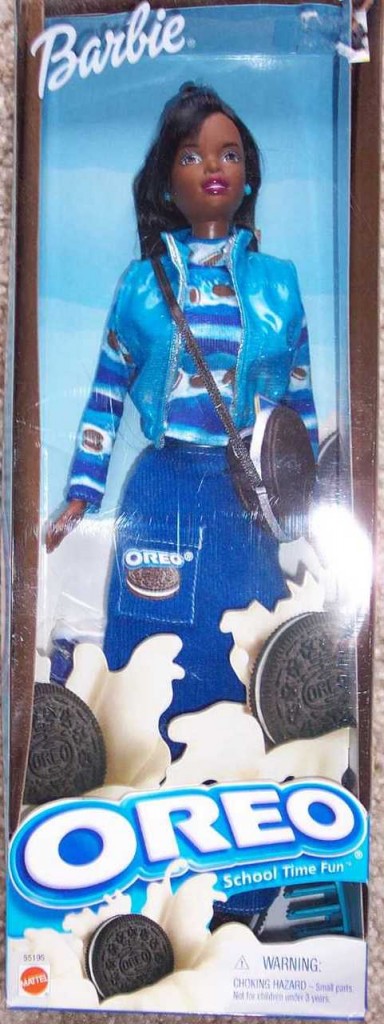
The doll sold so well that Mattel decided to make a Black version (image here):

2001_oreo_barbie

The Black version of the doll triggered protests.  Monica explains it nicely:

…Oreo has another connotation in the Black community beyond just being a slammin’ cookie.

Calling someone an ‘Oreo’ is fighting words. It means that you are calling them Black on the outside and white on the inside. Translation, you call a Black person an Oreo, you are accusing them of being a sellout or an Uncle Tom to the race.

The doll was eventually recalled. (This was all about four years ago.)

Did Mattel intentionally produce a doll that embodied a well-known insult in the Black community?  If they didn’t (and let’s just go with that theory), it means that no one at Mattel involved in the production of this doll had the cultural competence to notice the problem.  This points to both (1) white privilege and the ease with which white people can be ignorant of non-white cultures and (2) a lack of diversity on the Mattel team.  Less employee homogeneity might have saved Mattel both face and money in this instance.  Diversity, then, is often good business.

For more on Barbie and racial politics, see this post inspired by Ann DuCille.

—————————

Lisa Wade is a professor of sociology at Occidental College. You can follow her on Twitter and Facebook.