Archive: 2008

Kristin W. sent in this image of a Bed, Bath, & Beyond catalog cover, which concisely captures the way in which we are often encouraged to indulge by eating lots of high-calorie, high-fat foods, but also get cultural messages (often from the same source) that we shouldn’t gain weight:

Notice how the scale tells you “Uh-oh” to let you know you’ve eaten too many treats. So this company provides us with the means to indulge, and to literally warn us when we’ve done so. How helpful.

For other examples, see here.

Thanks, Kristin W.!

A main source of the wage gap between men and women is job segregation.  Men and women are sorted into different jobs and jobs associated with women are paid less.

Below is a list of occupations and their average wages for 2007 from The Bureau of Labor Statistics.  I picked out occupations that were rather straightforward (not a random sample, just an illustrative one), put them in order from lowest to highest, and colored them according to whether they are feminine (pink) or masculine (blue) occupations.  Comments below.

Parking Lot Attendants:  $8.82
Child care workers:    $8.82
Coatroom attendants:   $9.18
Bellhops:  $9.25

Sewing machine operators:   $9.31
Manicurists and pedicurists:   $9.60
Home health care aid:  $9.62

Stock clerks:   $9.85           
Janitors:   $10.00

Hairdressers:  $10.68
Security Guards:  $10.85
File clerks:  $11.06

Pre-school teachers:  $11.12
Barbers:  $11.31
Receptionist:  $11.40
Bus Driver (school):   $12.43
Construction workers:   $13.13
Butchers:   $13.87

Dental Assistants:   $15.17
Bus Driver (city):   $15.94
Roofers:   $15.98
Car mechanics:   $16.43
Truck drivers:   $17.41
Electricians:   $21.53

1. Notice that feminized occupations, occupations that are disproportionately female, cluster towards the lower wage end of this hierarchy.  

2. Notice also that, were we to rank these occupations in order of importance or difficulty, we might come out with a very different ranking.  Importance and difficulty does not necessarily translate into wages. 

For example, child care workers and home health care workers are paid only a bit more or no more than parking lot attendants. And coatroom attendants are paid more. So coats and cars are, I guess, pretty important.

Car mechanics are paid more than dental assistants.  They require a similar amount of training, yet we still pay those taking care of our cars more than those taking care of our teeth.

And pre-school teachers are paid less than butchers and bus drivers.  Is preparing our children for school less important than getting them there?  Do we value the man preparing our meat more than we value the woman tending to our child?

3. Finally, notice that some jobs come in gender specific forms and the feminized form is paid less. For example, maids are paid less than janitors and hairdressers are paid less than barbers.

This Halloween, in Maryland, sex offenders who had been released from prison were required to put this sticker in a front window (news story here).

I can’t say it better than Gwen, so I quote her from this post:

I find the intense stigmatization of child sexual abuse, compared to other crimes, fascinating. With other crimes, once you finish the terms of probation, you’re pretty much done with the criminal justice system. Only with sex crimes (and generally only if they were against children) is there a requirement that the ex-felon register with law enforcement every time s/he moves even once probation is over, sometimes for a certain number of years, sometimes forever, depending on the state. I mean, you don’t have to do this if you murder someone, or even lots of people (or even if the victims were kids). Our culture currently defines child sexual abusers as unique, particularly horrific criminal who can never really be rehabilitated or reintegrated into society.

I wonder, though, to what degree this law makes children safer. It seems like a false sense of security–if you just know who the convicted sex abusers in your neighborhood are, you can protect your kids. Yet most child sexual abuse is committed by people known to the child and his/her family, not a stranger who just moved in to the neighborhood, and very often they have no criminal record, so these types of programs would be useless.

Marc sent in a link to some sexist vintage ads found at Blog of Hilarity [note: I had an actual link to Blog of Hilarity, but commenter LillyB pointed out that when she clicked on it, she got warnings from her AntiVirus about the site; I just had the same thing happen, so I decided for safety’s sake to remove the link]. Some of them I’ll be adding to other posts, but I thought these deserved their own post.

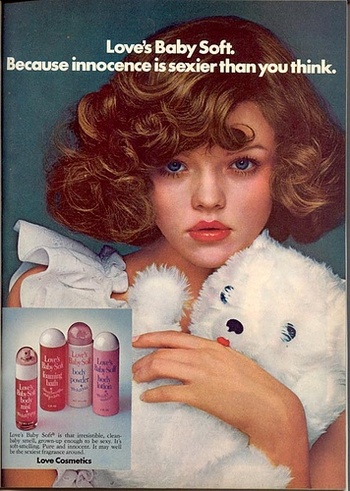
This one, for Love’s Baby Soft, is so creepy I can hardly stand to look at it:

The shape of the bottles, the sexualization of young girls…ick. A teddy bear? Really? The text below the bottles:

Love’s Baby Soft is that irresistible, clean-baby smell, grown-up enough to be sexy. It’s soft-smelling. Pure and innocent. It may well be the sexist fragrance around.

Notice it’s not grown up…it’s grown up enough. Jean Kilbourne uses this, or a similar Love’s Baby Soft, ad in her documentary Killing Us Softly 3 when she discusses how young girls are sexualized and adult women are encouraged to infantilize themselves.

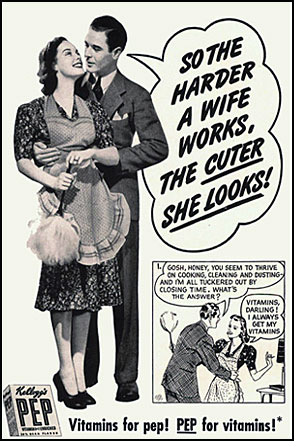
Here’s an ad for Kellogg’s PEP vitamins:

I know I always look super cute when I’m scrubbing the kitchen.

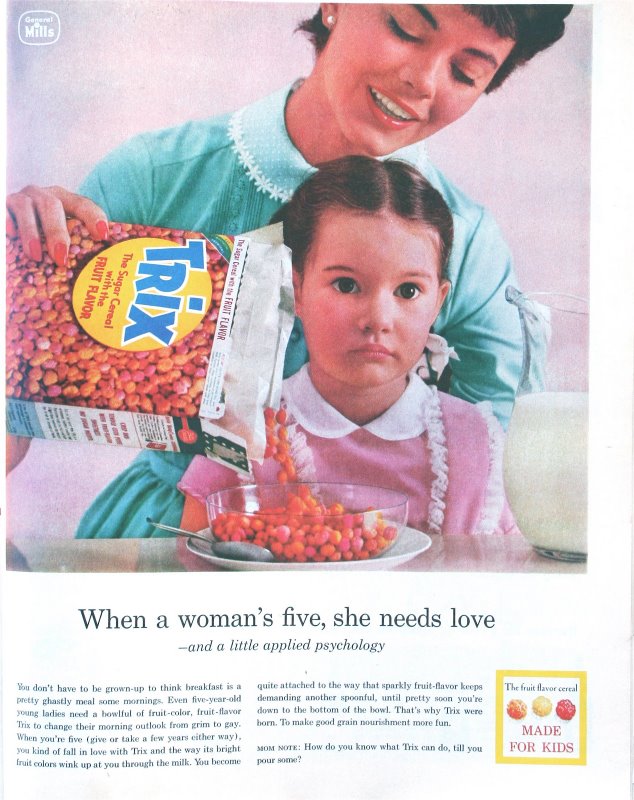
Finally, this Trix ad seems sort of creepy to me, and I’m not even sure why. Maybe it’s the way the girl is staring at the camera, or that her pupils seem fixed and dilated:

The text isn’t exceptionally interesting, but it does use the word “gay” in the original sense of “happy,” something a company would certainly not do today.

Thanks, Marc!

Xavier M. sent us a link to this print ad, which he saw in a Belgian men’s magazine, that uses sex to encourage organ donation (found here).

Text: “Becoming a donor is probably your only chance to get inside her.”

There are some interesting implications here about why we engage in altruism and who is deserving of that altruism.

See also similar posts on PETA (see here and here) and human rights violations in Burma.

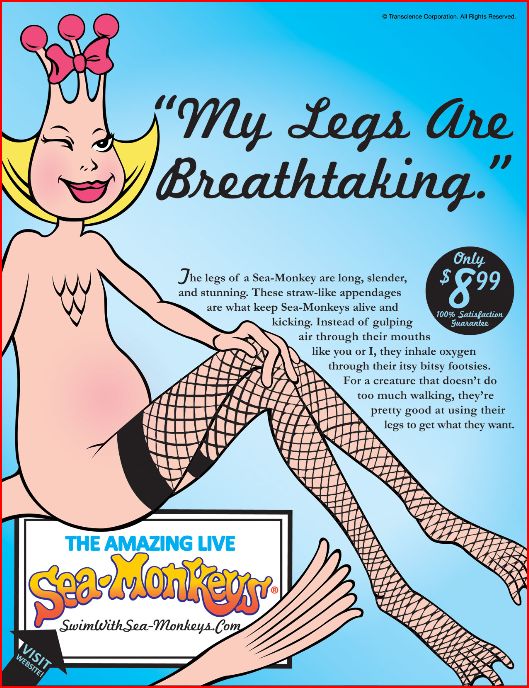
At AdFreak, I discovered that Sea Monkeys are being used to sell sex. Sure enough:

Capture1

NEW (Mar. ’10)! Christina W. sent in this ad campaign for French cheeses using a pin-up calendar:

The video is a backstage look at a sexy calendar photo shoot for…cheese:

[vimeo]https://vimeo.com/113146614[/vimeo]

NEW (Jun. ’10)! Stephanie DeH. sent in this lovely CPR instructional video (which also got its own post):

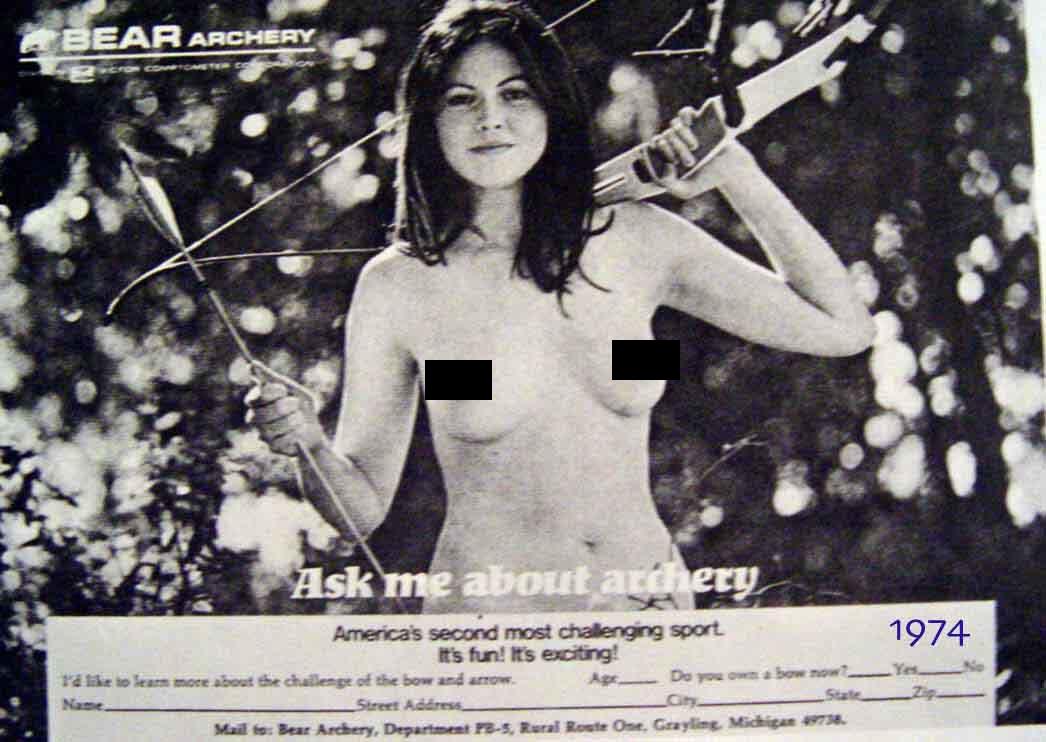
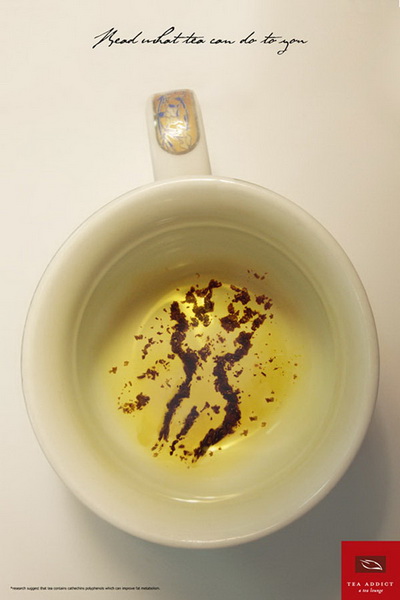
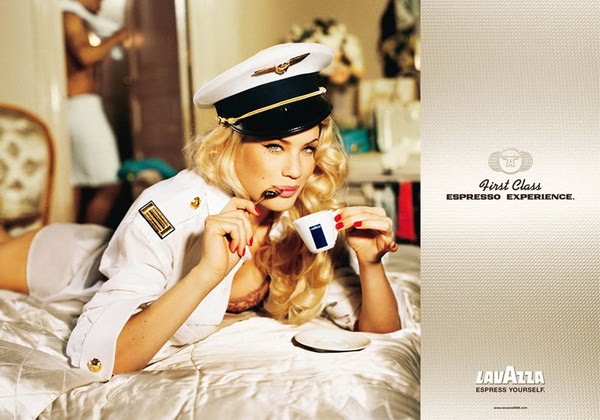
ALSO NEW (Jun. ’10)! Lindsey Dale, at Nobody, collected the following ads selling, with sex, archery, a laser detector, tea, and coffee:

Lisa Wade, PhD is an Associate Professor at Tulane University. She is the author of American Hookup, a book about college sexual culture; a textbook about gender; and a forthcoming introductory text: Terrible Magnificent Sociology. You can follow her on Twitter and Instagram.

Gillian sent us a series of overtly sexist Polish commercials for MOBILKING.  Gillian says:

MOBILKING is a newest Polish cell phone operator. It is advertised as a telephon [company] for “real men only”, implying that it’s not for “girly chit-chats”, but rather for “serious bussines talks” (meaning talking about breasts, cars and beer).

Gillian tells us that, after complaints, the commercials were pulled, but after the negative publicity they went viral and gave the cell company more publicity than ever. 

[youtube]http://www.youtube.com/watch?v=Q2LBaJB5RT4[/youtube]

Two more of the commercials show a hyper-sexualized woman putting on football gear and a mechanics uniform and asking “But can she play like a man?” and “But can she fix anything like a man?” respectively.  The answer is, of course, “no.”

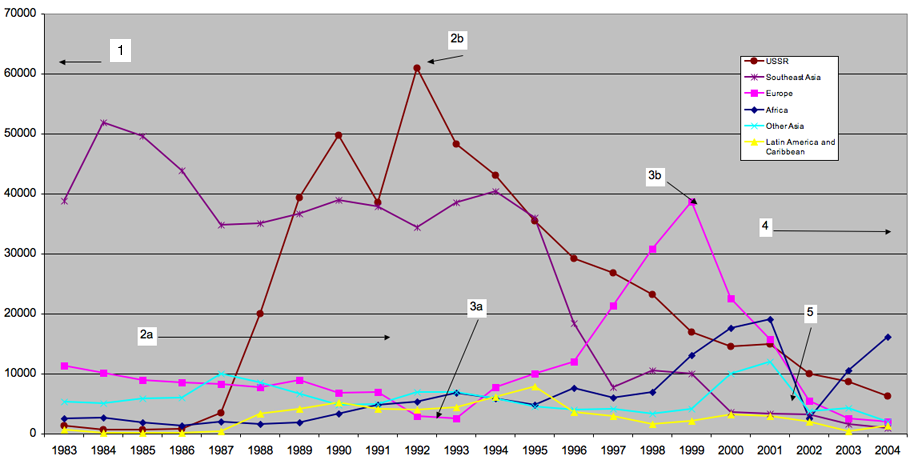
This graph shows the total number of people allowed into the U.S. under refugee status since 1983, by region of the world:

Here is the key to the numbers on the graph (found here):

*Refers to fiscal years with the exception of 2004, for which data ends in June.
1. Large Cuban and Indochinese waves of refugees, prior to 1983
2a. Cold War period, Glastnost/Perestroika, 1985-1991
2b. Soviet Union dismantled, December 1991
3a. Balkans period: Break-up of Yugoslavia, 1992
3b. Balkans period: Expulsions of ethnic Albanians in Kosovo, 1998
4. Civil conflict period: Somalia, Sudan, Liberia, Ethiopia, late 1990s-present
5. Terrorist attacks of September 11, 2001
Authors’ tabulation of ORR data.
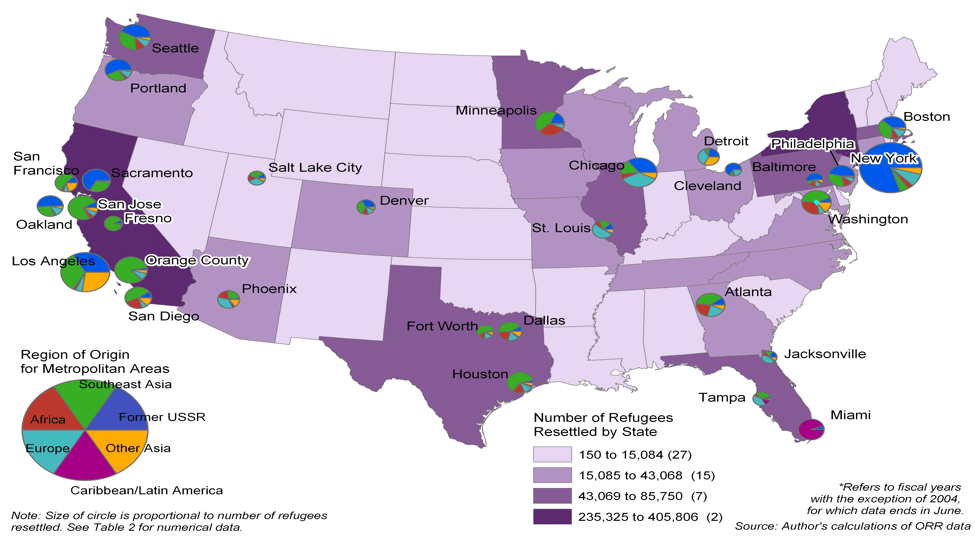
This map shows U.S. cities with the largest numbers of refugees resettled there:

Both of these images were found following links in this essay at Migration Information Source.

This Australian commercial for Toyota Corolla (found here) includes a homogenous, racialized out-group.  More after the video:

[youtube]http://www.youtube.com/watch?v=Ckb-wUHj9WU[/youtube]

The term “out-group homogeneity” refers to the way in which members of an in-group tend to overestimate the extent to which members of an out-group are all alike.  I suppose we don’t know what good kitty’s friends look like (do they all look exactly like him?), but we certainly have the presentation of an out-group that is both categorically different from good kitty and homogeneously so.

I would also like to suggest that that out-group is racialized.  They didn’t use just any kind of cat to represent bad kitties, but a dark-colored cat.   (If I know my cats, the bad “guys” in this video are Russian Blues.)