Search results for The

In this nine and a half minute clip, Tim Wise describes the way in which race was invented by elites in early America in order to divide and conquer the working class… and is still used to do so.

Found here via Alas A Blog.

Lisa Wade, PhD is an Associate Professor at Tulane University. She is the author of American Hookup, a book about college sexual culture; a textbook about gender; and a forthcoming introductory text: Terrible Magnificent Sociology. You can follow her on Twitter and Instagram.
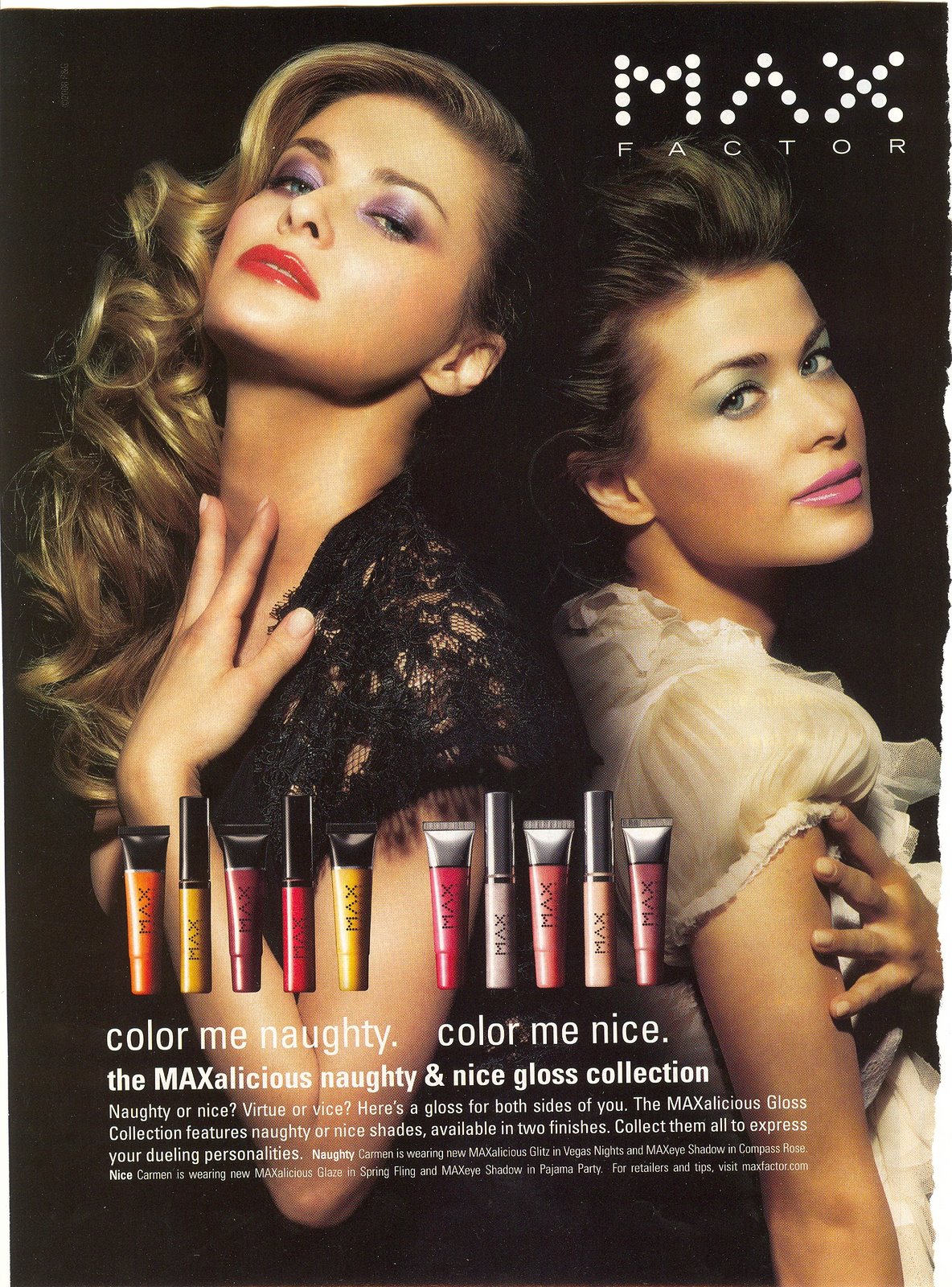
The new virgin/whore dichotomy: We should be both! But at different times, of course.

Text:

Color me naughty. Color me nice. MAXalicious naughty & nice gloss collection. Naughty or nice? Virtue or vice? Here’s a gloss for both sides of you. The MAXalicious Gloss Collection features naughty or nice shades, available in two finishes. Collect them all to express your dueling personalities.

See also this post about the virgin/whore dichotomy.

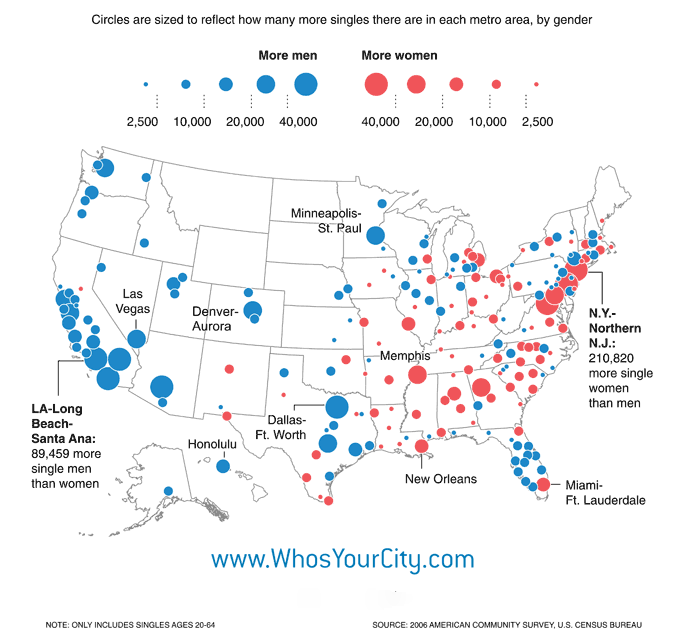
This image demonstrates the disproportionality in the marriage market across the United States (found here). Basically, if you’re a single, heterosexual woman on the west coast or a single, heterosexual man in the New York area, you’re in luck!

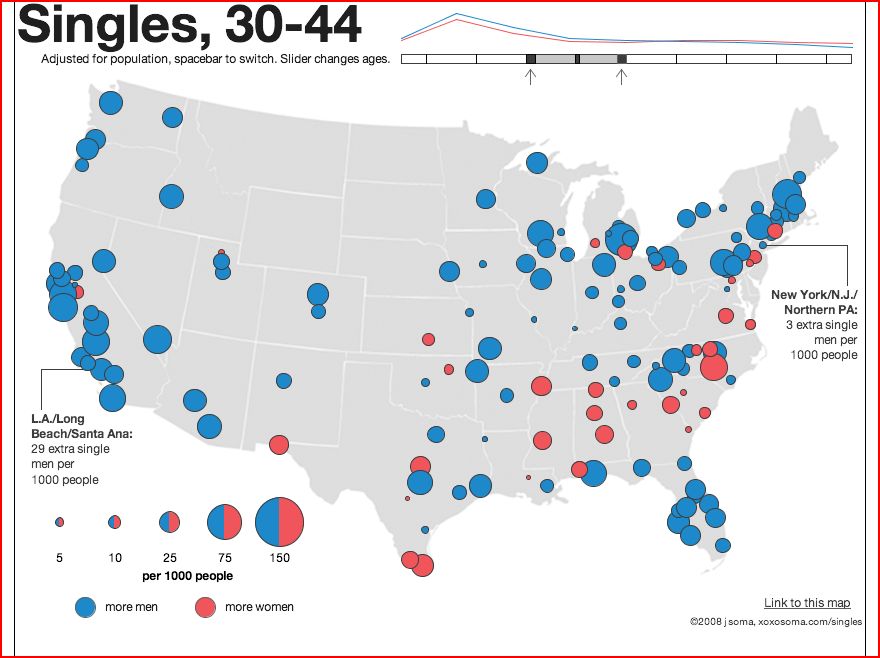
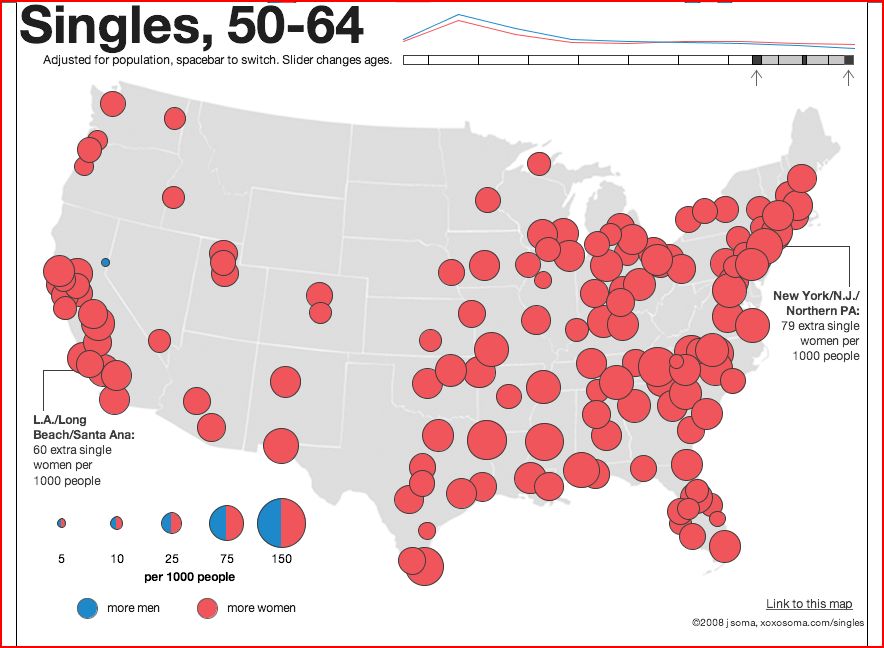
NEW! This map is now available in an interactive form in which you can choose which age group to look at.  Below I’ve pasted in screen shots of my current dating pool (30-45) and what I have to look forward to (yikes!).  Click here to interact with the map yourself.

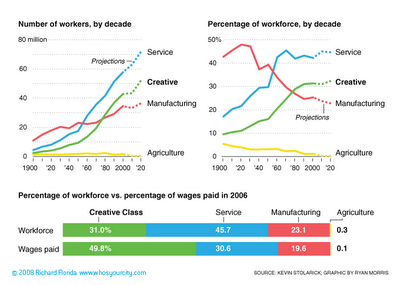
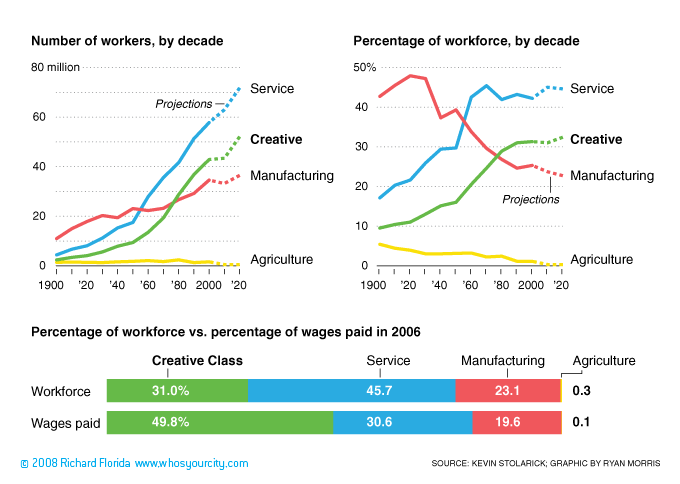
This figure demonstrates the shift from an economy dominated by manufacturing, to one dominated by information and services. As I understand it, it is this shift that is driving the shrinking of the middle class.


Image borrowed from http://www.whosyourcity.com/.

These images came to us from Dianne who saw this on BoingBoing and dug deeper to find all these great examples!

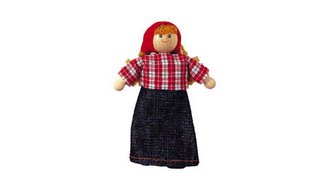
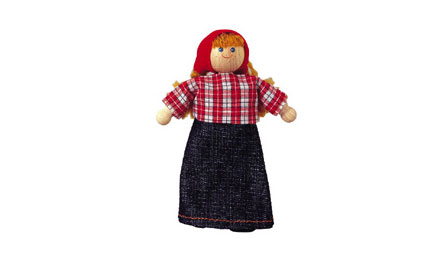
Illustrating the way in which whiteness is taken-for-granted and others are always, well, other, Plan Toys sells these doll sets labelled “Ethnic Family,” “AsianFamily,” and, “Doll Family.”

They also sell a “farmer” and a “farmer’s wife.” Dianne notes: “Women don’t farm, apparently, they just marry men who do.”

They also sell this generic “Native American set” of which they write:

“Children can create imaginary stories with the Indian figures, camp, teepee and authentic accessories. They can learn about the traditional American tribe and their lifestye.”

Notice how American Indian tribal difference is erased with the phrase “the traditional American tribe.” Diane pointed out that the set actually combines teepees and totem poles which were traditions of tribes in the plains and on the west coast respectively.

In the “How to Play” section, it says:

“Children can imagine and tell stories about Red Indians, helping to stimulate their imagination and expanding their horizon.”

Yes they really do say “Red Indians.”

Diane notices that, just like the doll family is obviously white, “here again, apparently the default child is white, who can ‘imagine… stories about Red Indians.'”

Ironically, the company claims that they are “socially & environmentally responsible” and promote “good values.”

Thanks so much Diane!

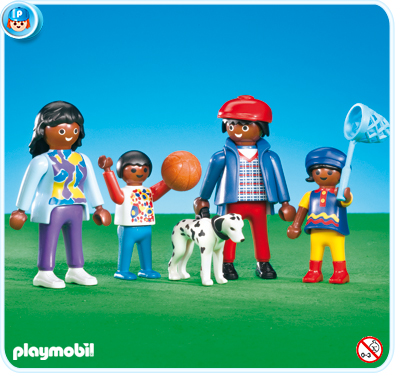
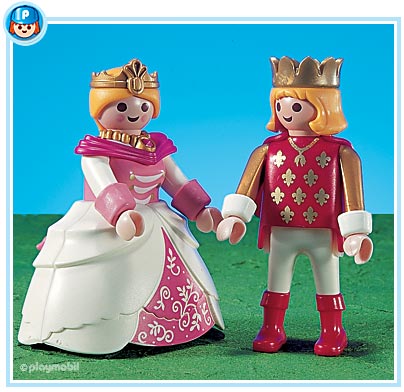
NEW: Kirsten D. sent us this link to a series of Playmobil toys.  All of the non-white characters are given racial designations, but the white characters are not.  I included some examples below.

African/African American Family:

Asian family:

Grandparents:

Medical Team and Patients:

Prince and Princess:


Also in the neutral and the marked: men are people and women are women and from pale to pumped with racial stereotypes.

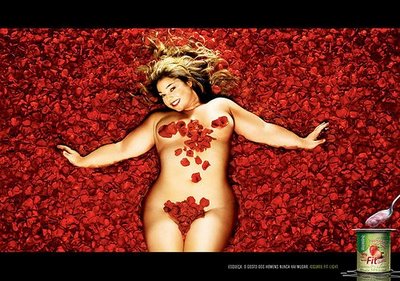
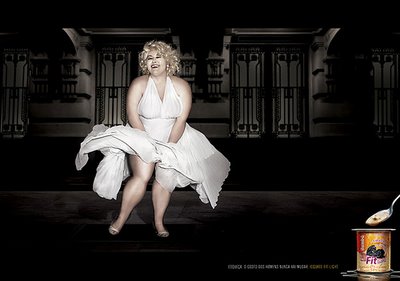
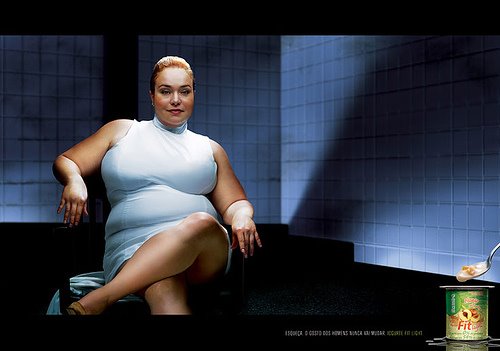
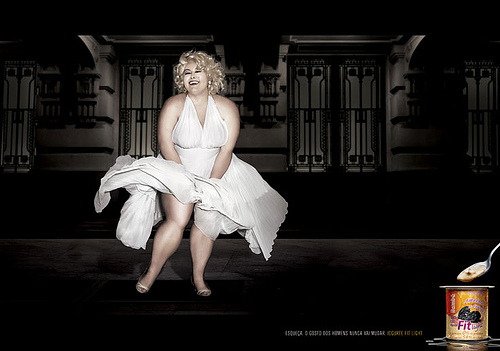
These three ads for yogurt ran in Brazil. They are supposed to inspire revulsion. Their tagline is:

“Forget about it. Men’s preference will never change. Fit Light Yogurt.”

Many have commented that these women look hot, not repulsive. So the images might be useful for inspiring a discussion about polysemy and the fact that advertisers can’t control how their images are perceived.

Alternatively, they might work differently in Brazil than the U.S. Any thoughts?

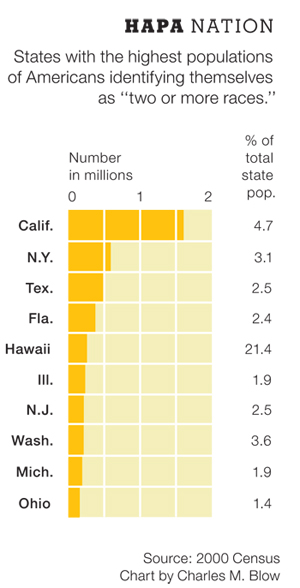
Over at the New York Times, Peggy Orenstein wrote a light article about the social construction of race, ethnicity, and culture through the lens of multiracialism. This figure (in Hawaii, Hapa means “half”) shows the states with the highest percentages of people claiming to be multiracial:


For background: 2000 was the first year that the Census allowed us to mark more than one race… talk about the social construction of racial categories!

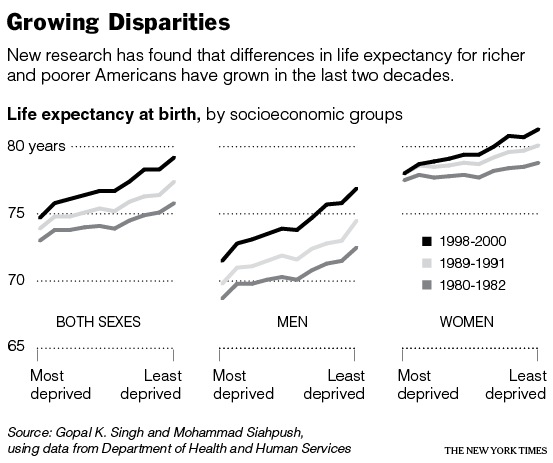
Perhaps related to increasing wealth and income inequality in our society, the gap between the life expectancy of the rich and the poor is also increasing. This image is from a New York Times article on the topic:

Dr. Singh, who was part of the study, explains:

In 1980-82… people in the most affluent group could expect to live 2.8 years longer than people in the most deprived group (75.8 versus 73 years). By 1998-2000, the difference in life expectancy had increased to 4.5 years (79.2 versus 74.7 years), and it continues to grow.