Archive: 2008

Amanda B.-P. sent in this Coke ad that illustrates the idea of consumption as activism (that is, you can be an activist simply by buying things). The ad tells you that every time you buy a Coke you’re supporting both the Olympics and Special Olympics.

The Coca-Cola company issued a press release titled “New Advertising Shows that Nothing Brings People Together Like the Olympic Games and Coca-Cola.Olympic-Themed Ads Invite People to ‘Connect with the World Over a Coke’.”

For other examples of consumption as activism, see here, here, here, here, here, and here.

Thanks, Amanda!

On an unrelated note, Lisa’s off doing crazy stuff again, so you’re stuck with lots of posts from me for a week or so. Sorry.
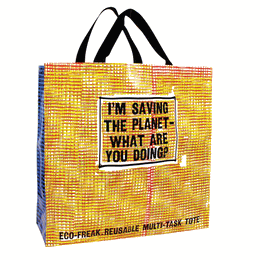
The ever-awesome Elizabeth, of Blog of Stench, sent in this image of a reusable shopping bag (found here):

Elizabeth says this “conspicuous, confrontational environmentalism” annoys her,

…because its point is not just to “save a tree,” but also to “look fashionable while doing it” [quote from organize.com]. I have a problem with pro forma environmentalism where the appearance of environmentalism matters more than actual actions, as is the case with this bag. The text on the bag equates “saving the planet” with using this particular bag or, by extension, making a show of one’s environmentalism. Furthermore and much more problematically, the implied contrast between the owner who is “saving the planet” and the audience who is being interrogated suggests that the audience is not doing anything to save the planet. The audience may be doing environmentally conscious activities in other areas of life; or the audience may have mitigating factors that prevent them from spending extra money in order to flaunt their environmentalism like white urban bourgeois hipsters.

For another example of environmentalism as fashion statement, see this post.

Thanks, Elizabeth!

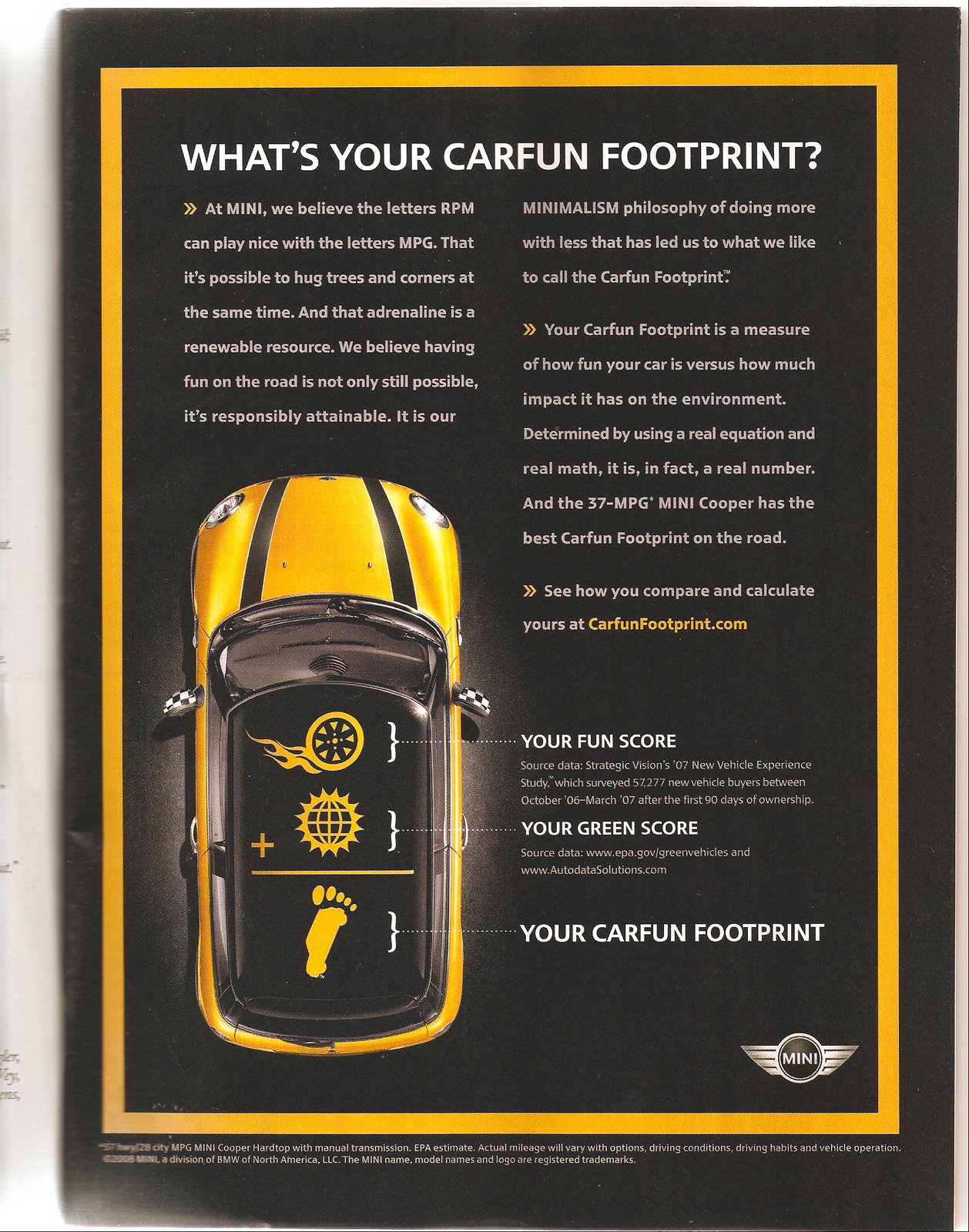
Zach W. sent in this Mini Cooper ad (found here) that talks about the car’s “carfun footprint,” which is “a measure of how fun your car is versus how much impact it has on the environment”:

Clearly it’s awesome if car manufacturers are realizing they actually have to address the environmental aspects of their cars, but what grabbed my attention is that in the main text it says the Mini gets 37 mpg, but when you read the fine print at the bottom, you find out that in town it’s 28 mpg, and that’s the hard-top manual transmission Mini. According to this article, the convertible gets 30-32 mpg on the highway, and Yahoo’s autos page shows them getting in the low-20s per gallon in-town. As a Honda Civic driver, that doesn’t strike me as much to brag about, really. I mean, ok, yes, better than the Mercury my grandma bought last year, but still. (Note: I think my grandma is the last person on earth to buy a Mercury.)

Thanks, Zach!

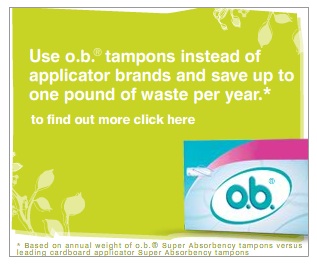
NEW: Claire T. sent in this ad for o.b. tampons (found at Science Daily):

I think when even tampons are being advertised as environmentally-friendly, we can safely say that the idea of being eco-conscious is becoming fairly mainstream (though that, of course, means little about how people actually act).

Thanks, Claire!

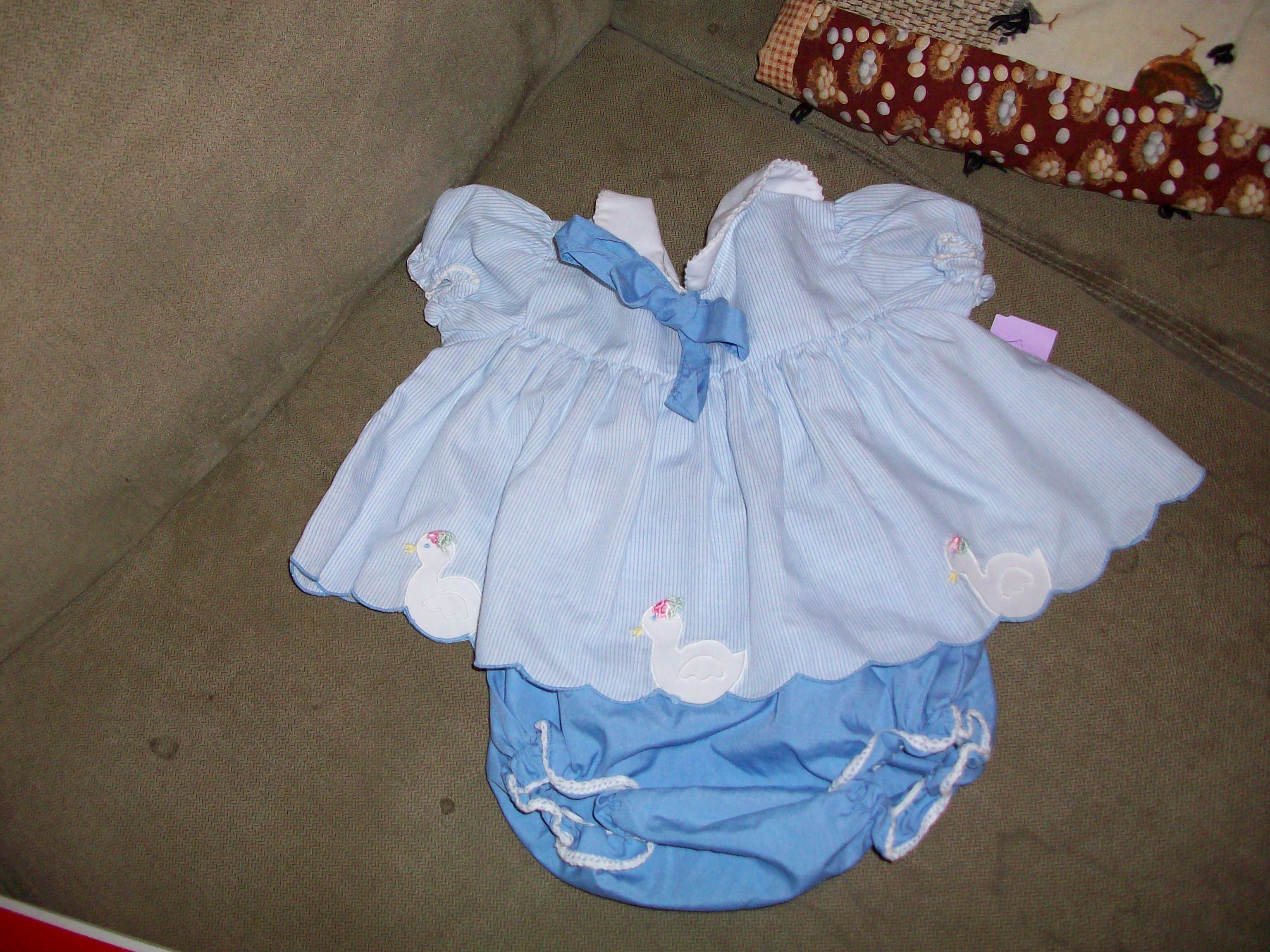
I found this vintage outfit in an antique store the other day and bought it, despite having no children. I thought it was a great example of how our “only girls wear pink and only boys wear blue” rule is arbitrary and wasn’t always as strictly enforced as it is today.

Of course, you could also use it in a discussion of how girls are allowed to appropriate “masculine” things (i.e., a girl can wear blue) in a way boys can’t usually do with things coded feminine (a boy wearing pink, for instance).

I suppose the pink bows on the ducks were supposed to make it appropriate for a girl?

UPDATE: Ok, according to several commenters, this is a boys’ outfit. The woman at the store was adamant that it was for a girl. I’m guessing it was the ruffles and the cute little duckies. That could be another topic for discussion–what clues were she and I looking at to decide what gender this outfit was manufactured for? Thanks for the correction, readers!

I am not convinced that most people are as carefree about the colors their kids are dressed in as some of the commenters are, though. Yes, both boys and girls might wear orange…but they’ll usually be different shades of orange, mixed with different other colors, with very different patterns. Go to a store selling kids clothes right now and stand in the middle between the girls’ and boys’ sections and look back and forth at the clothes (I did this recently). I don’t think there will be very many items that are not clearly gendered–where you think “I have no idea whether this was manufactured for a boy or a girl. The colors give me no clue.” And most parents would not take kindly to you giving their kids clothes for the “other” gender…Believe me, I’ve been dumb enough to think it wouldn’t matter, and it most certainly does, apparently. You might get away with giving a girl a t-shirt with a dinosaur or firetruck on it, but you give someone’s son a lavender t-shirt with a dragonfly on it? Well…go try it and let me know how it goes.

A familiar trope: draping the object of sale on a naked woman. This time it’s pasta from a home machine.

Marcato Pasta Maker Ad

Picture via Serious Eats via Erin Doland

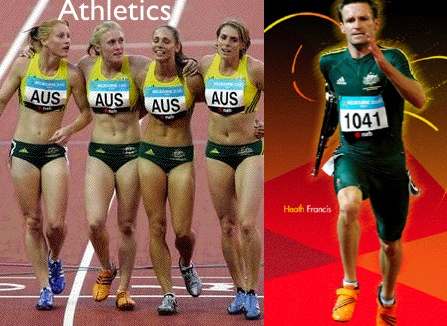
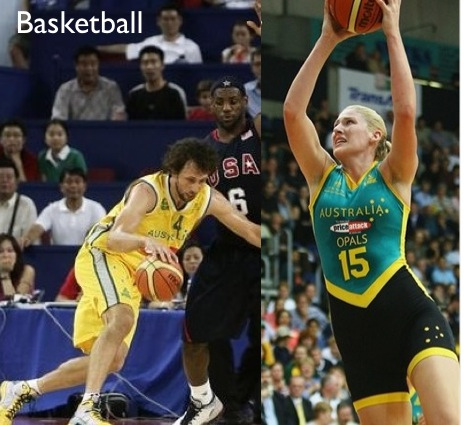
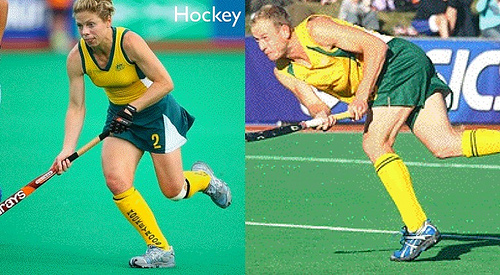
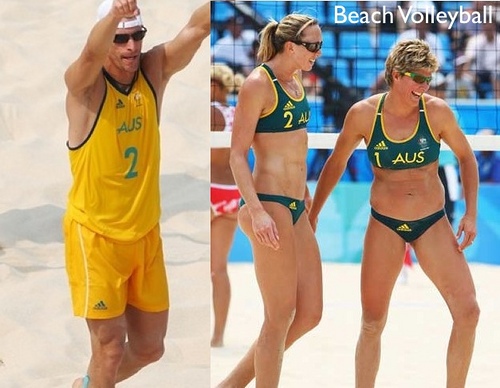
Lauredhel at Hoyden About Town put up these nice images comparing Australian women’s and men’s athletic uniforms:


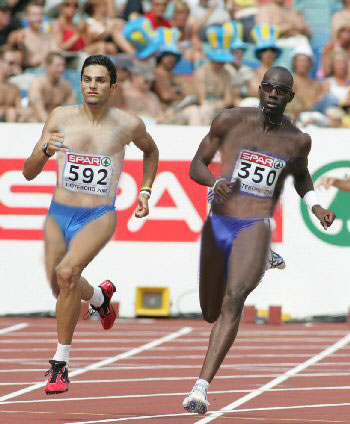
As tigtog mentions in another post, if these skimpy uniforms were really about performance, men would be wearing them too.  But that, of course, would look ridiculous:


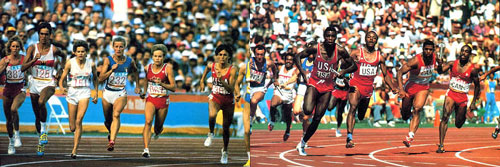
Tigtog also points out that this degree of sexualization is new.  Here are pictures comparing the men’s and women’s runners uniforms at the 1984 Olympics:

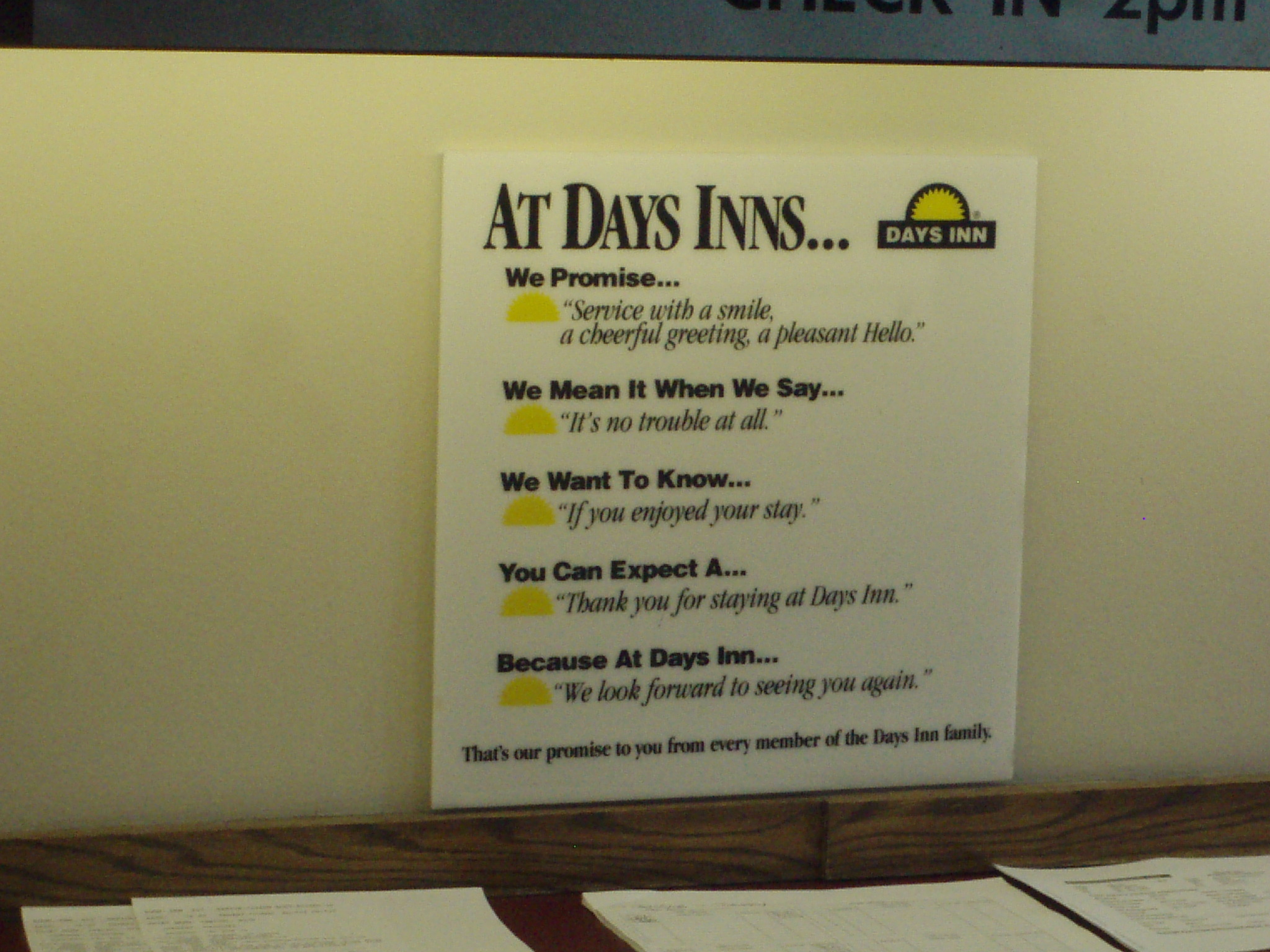
This sign was posted in sight of the customer at the Days Inn (where I stayed when I failed to get out of Logan airport after the American Sociological Association meetings in August of 2008).  I have incuded three observations after the image and text.

Text:

At Days Inns…

We Promise…
“Service with a smile, a cheerful greeting, a pleasant Hello.”

We Mean It When We Say…
“It’s no trouble at all.”

We Want To Know…
“If you enjoyed your stay.”

Because At Days Inn…
“We look forward to seeing you again.”

That’s our promise to you from every member of the Days Inn family.

(1) It is a nice example of the kind of emotional work that employees are required to do.  It’s not just about getting customers into rooms efficiently and politely, it’s about a putting on a shit-eating grin and kissing their asses.  Or else you’re fired.

(2)  It’s also an example of a for-profit company calling itself a “family.”  You are supposed to do things selflessly for your family, but you work at a job for money.  Comparing a company to a family, I suspect, is one way to get employees to give to the company out of kinship-like duty instead of on contractual terms for money.  This, of course, and ironically, lines the pockets of executives quite nicely.

(3) The logic behind their use of quotation marks eludes me.

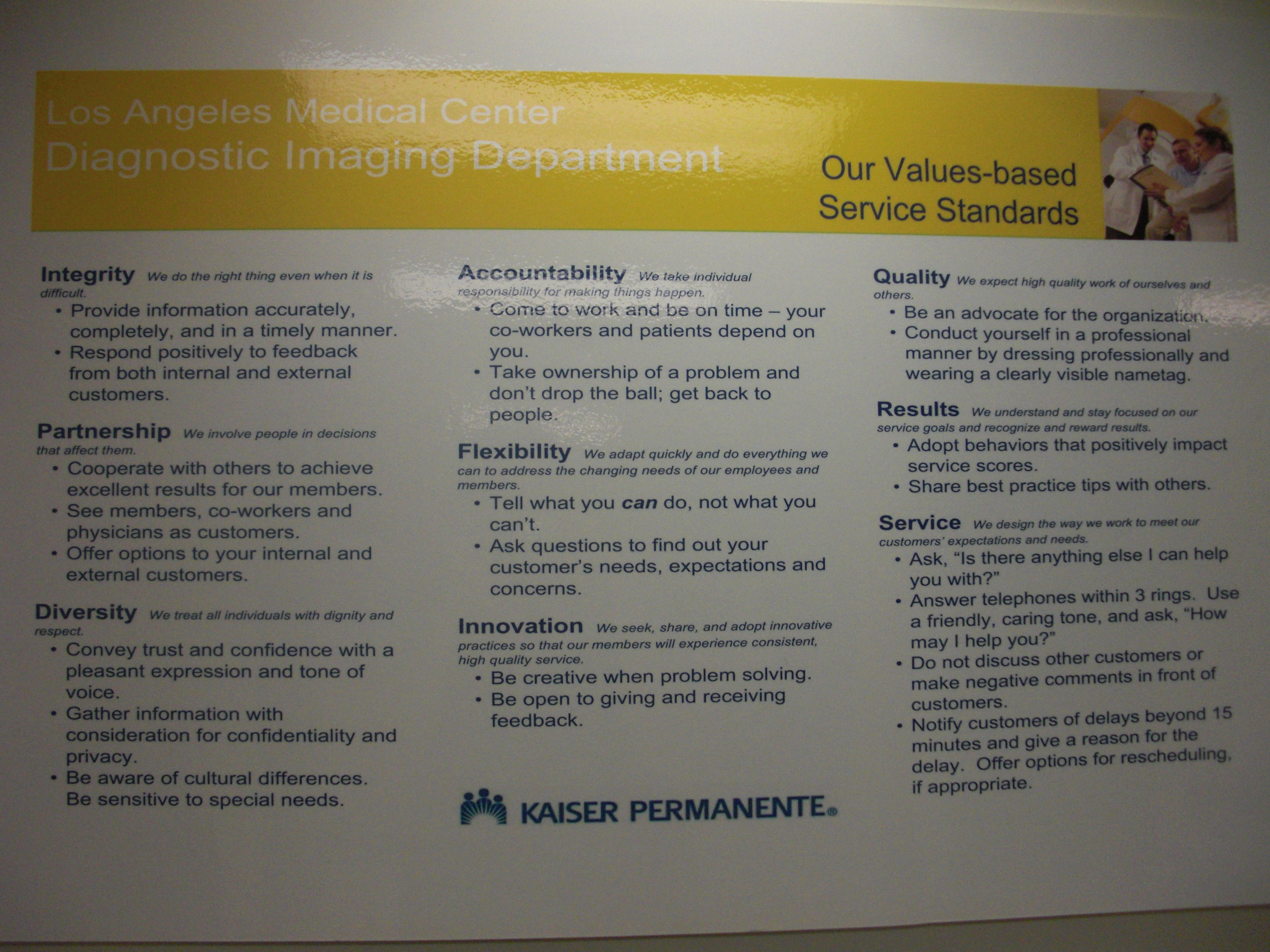
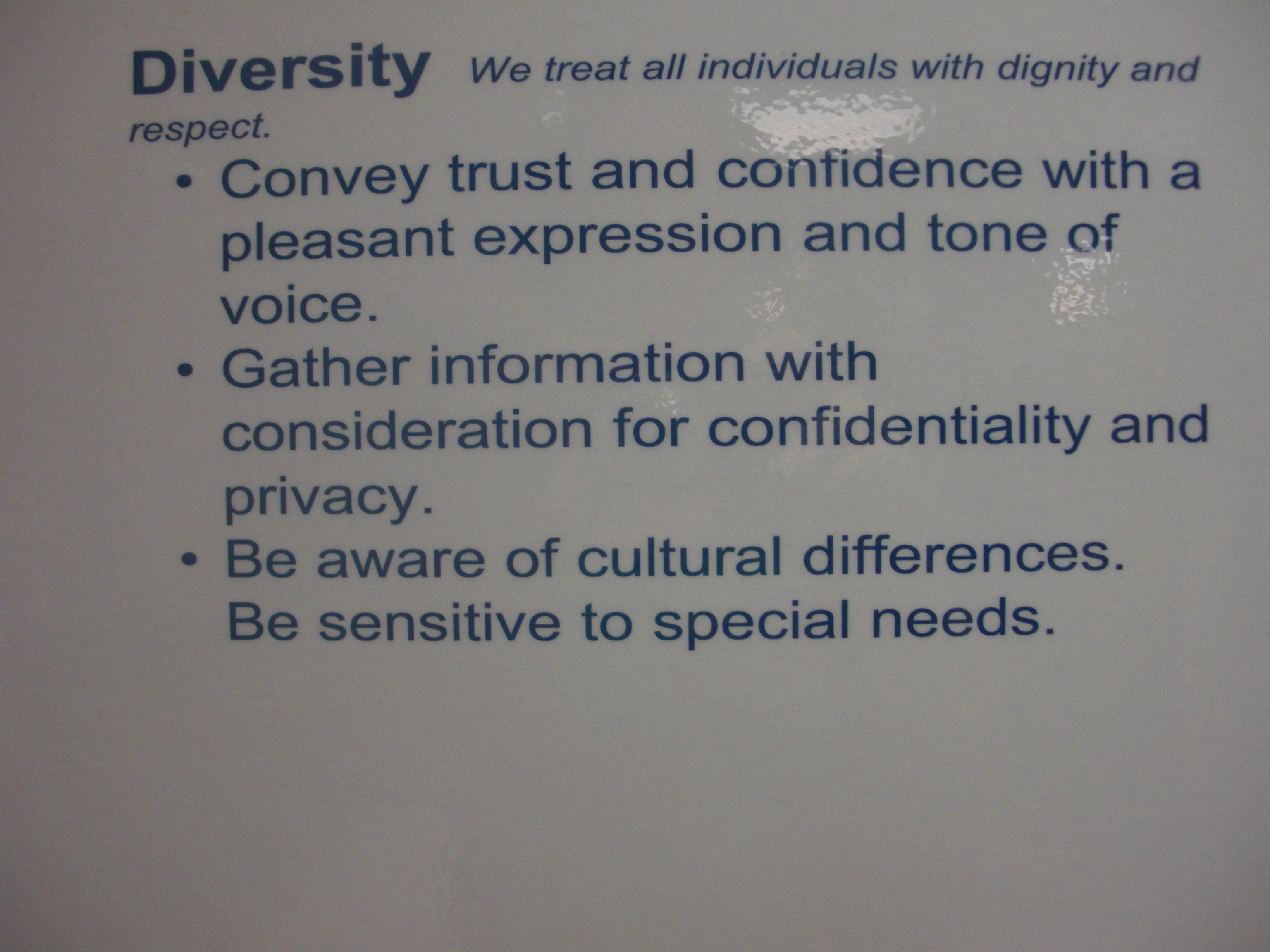
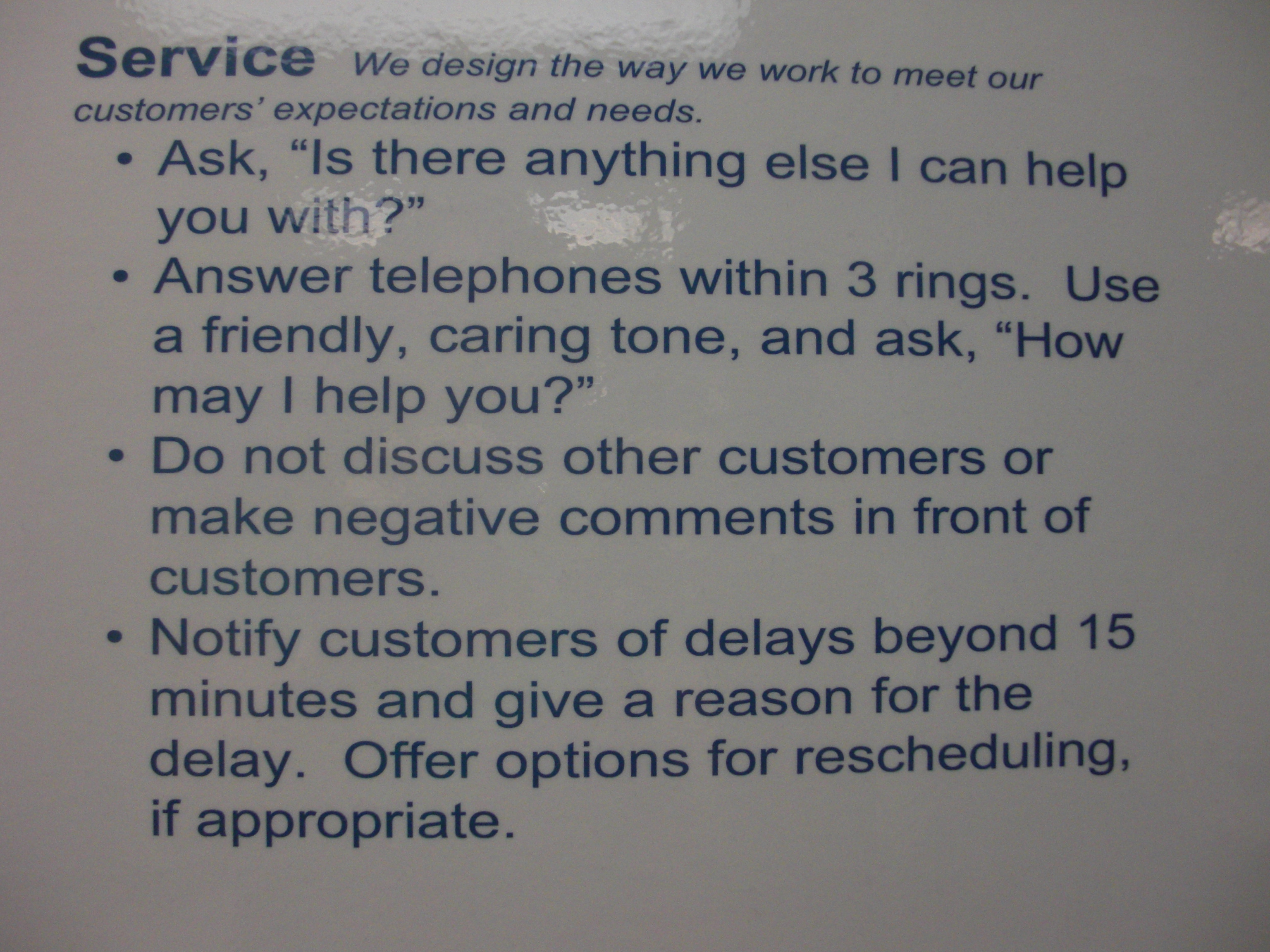
NEW: I took these picture in a Kaiser Permanente hospital in Hollywood in October 2008.  Close-ups and remarks below.


Like in the Days Inn example, employees at Kaiser are to do more than simply do their job effectively, they must do it “pleasant[ly]” and with “care.”  It is one thing to be instructed to “gather information with consideration for confidentiality,” and quite another to be asked to “convey trust and confidence.”  Scholars of emotion work note that the emotional part of jobs is (1) rarely seen as a skill or (2) a toll that makes your job trying and is, therefore, (3) undercompensated.  Yet, the ability to “convey trust and confidence” in strangers is certainly a special one and the health insurance employee that can do that is certainly valuable.  Unfortunately, like with other type of care work (i.e., nursing, teaching), that “value” is mostly lipservice and rarely translates into anything with exchange value (i.e., CASH).

For another example of emotion work, this one a sneak look behind the counter, click here.

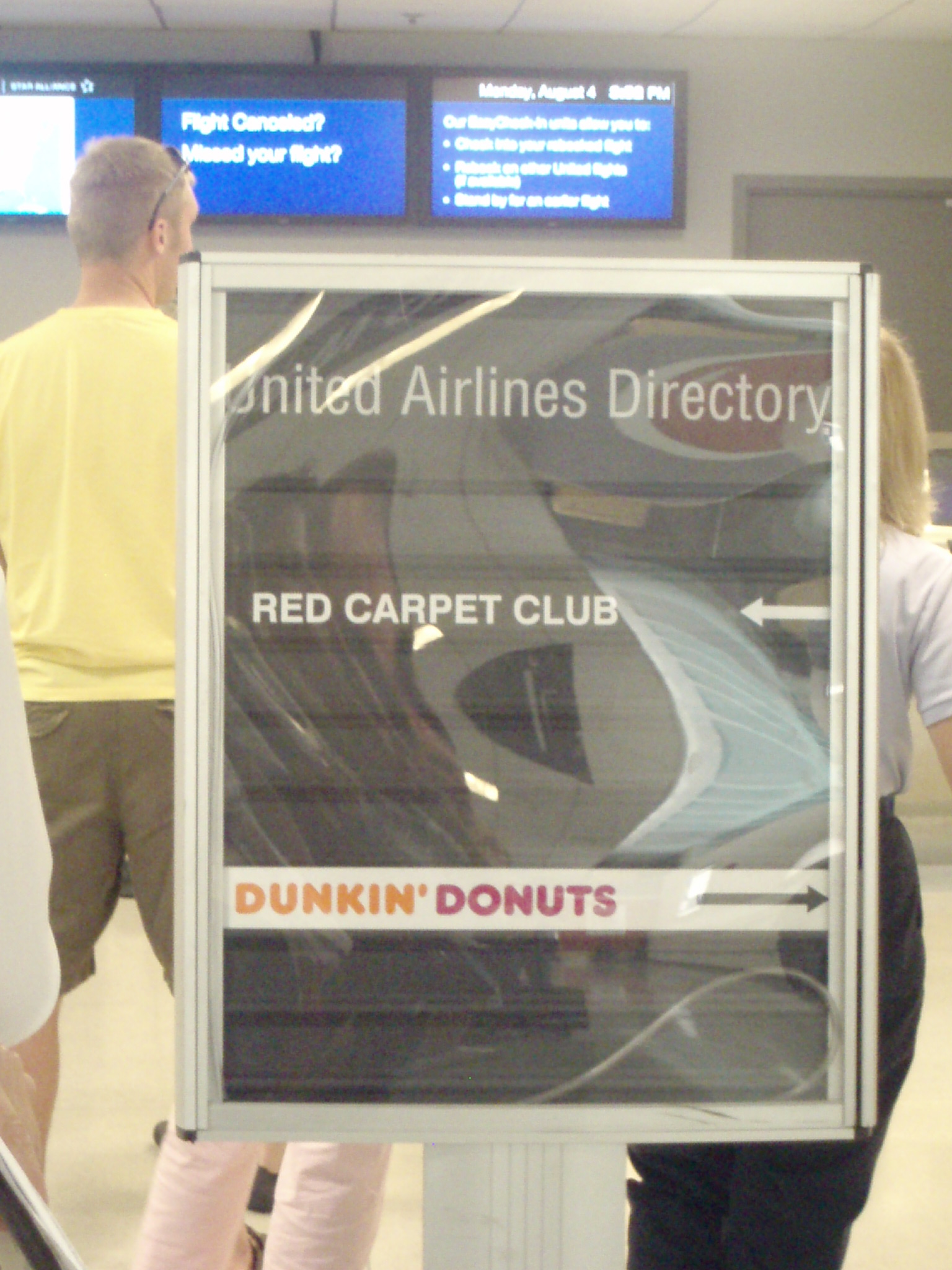
You’re either having a scotch at the Red Carpet Club or you’re downin’ cheap coffee at Dunkin’ Donuts:

This picture, which I happen to find hilarious, was taken by me during an unsuccessful attempt to get out of Logan Airport after the American Sociological Association meetings in Boston.  I ended up being treated very nicely at the Days Inn.

Real Americans are white people and we shouldn’t forget it. 

Fox News Anchor Jane Skinner called a woman on the U.S. Olympic softball team a “great representative” because she was “blonde” and “blue-eyed.”  See it here

Thanks to Caroline H. for the link!