
health

  • Scott Schieman (Professor of Sociology at the University of Toronto) wrote an article for The Conversation on how accurately the ‘unhappy worker’ narrative reflects American workplace satisfaction. Schieman identified “perception glitches” (the difference between how people felt about their own job and how people believe most American workers feel about their jobs) in job satisfaction, stress, compensation, management-employee relationships, and putting in ‘above-and-beyond’ effort. Schieman’s research suggests an “everything is terrible, but I’m fine” mindset, both “ch
  • Boris Kagarlitsky (prominent Russian sociologist and editor in chief of the Marxist online publication Rabkor) was recently sentenced to five years in prison for criticizing the war in Ukraine. Natalia Zviagina, Amnesty International’s director for Russia, characterized the sentence as an “abuse of vague anti-terrorism legislation,” commenting that “by targeting Boris Kagarlitsky, a distinguished sociologist known for his critical stance against government policies, the Russian authorities are showing, once again, their relentless assault on all forms of dissent.” This story was covered by The Washington Post.

  • Christina Ciocca Eller (Assistant Professor of Sociology and Social Studies at Harvard) recently published a study modeling a new potential rating system for U.S. higher education institutions. “Essentially, the [current] rankings don’t account for anything that happens after students walk through the college gates,” Eller argues. Eller’s proposed system focuses instead on the equalizing effect of colleges (how much schools are “leveling the playing field” across students). This story was covered by The Harvard Gazette.

  • Tina Fetner (Professor of Sociology at McMaster University) recently released a new book, Sex in Canada: The Who, Why, When, and How of Getting Down Up North. As the first national survey of sexual behavior of the general population of Canada, Fetner’s work fills a gap in national research. “If we move away from the taboos and shame, we can see that our sexual behaviour is much like any other social behaviour,” Fetner commented. “It is shaped by social norms, regulated by social institutions, and influenced by our cultures.” This story was covered by Brighter World and Vancourver is Awesome.

  • Chicago Magazine interviewed Eric Klinenberg (Professor of Social Science and Director of the Institute for Public Knowledge at New York University) about his new book, 2020: One City, Seven People, and the Year Everything Changed. The book–a “social autopsy”–focuses on New York City in the wake of the COVID-19 pandemic and examines how institutions broke down during the crisis. “Societies reveal themselves when they’re under threat,” Klinenberg said. “You can see who we are and what we value, whose lives matter and whose don’t.”
  • Jonathan Wynn (Professor of Sociology at UMass Amherst) and Daniel Skinner (Associate Professor of Health Policy at Ohio University) recently wrote a piece for The Conversation on the “paradox of medically overserved communities.” For urban, non-profit hospitals, mission statements usually include providing a benefit to the local community; however, people living around these hospitals tend to have worse health in comparison to the broader city population.
  • Paul Spoonley (Distinguished Professor Emeritus at Massey University) appeared on AM to comment on New Zealand’s aging population and low fertility rates. Spoonley noted that by the 2030s, 1 in 4 people will be over the age of 65 and that care for an older population will place fiscal strain on the government. This story was covered by Newshub.
  • Lindsey D. Cameron (Assistant Professor of Management, Sociology at the University of Pennsylvania), Curtis K. Chan (Professor of Management and Organization at Boston College), and Michel Anteby (Professor of Management and Organizations, Sociology at Boston University) wrote an article for the Harvard Business Review on how gig workers respond to employers labeling them as “heroes.” They interviewed Instacart workers in 2020, after the company launched a “Household Heroes” marketing campaign. While some workers “readily embraced the hero label and viewed their work as resoundingly worthy,” others rejected the label and viewed the label as exploitative and manipulative. Most workers struggled “to reconcile the banality of grocery shopping with the idea that they were doing moral work.” Cameron, Chan, and Anteby warn companies that “moralizing jobs” to increase motivation can backfire.
  • (Via ASA) KPBS ran a story about the transformation of how children play over the last three decades from free, unstructured play to organized and supervised activities. Rebecca London (Professor of Sociology at the University of California, Santa Cruz) commented on the benefits of free play in developing social skills (such as working together and resolving disputes): “It’s not just about the play, it’s about the interaction that happens through the play. That interaction is an incredibly important part of child development.”
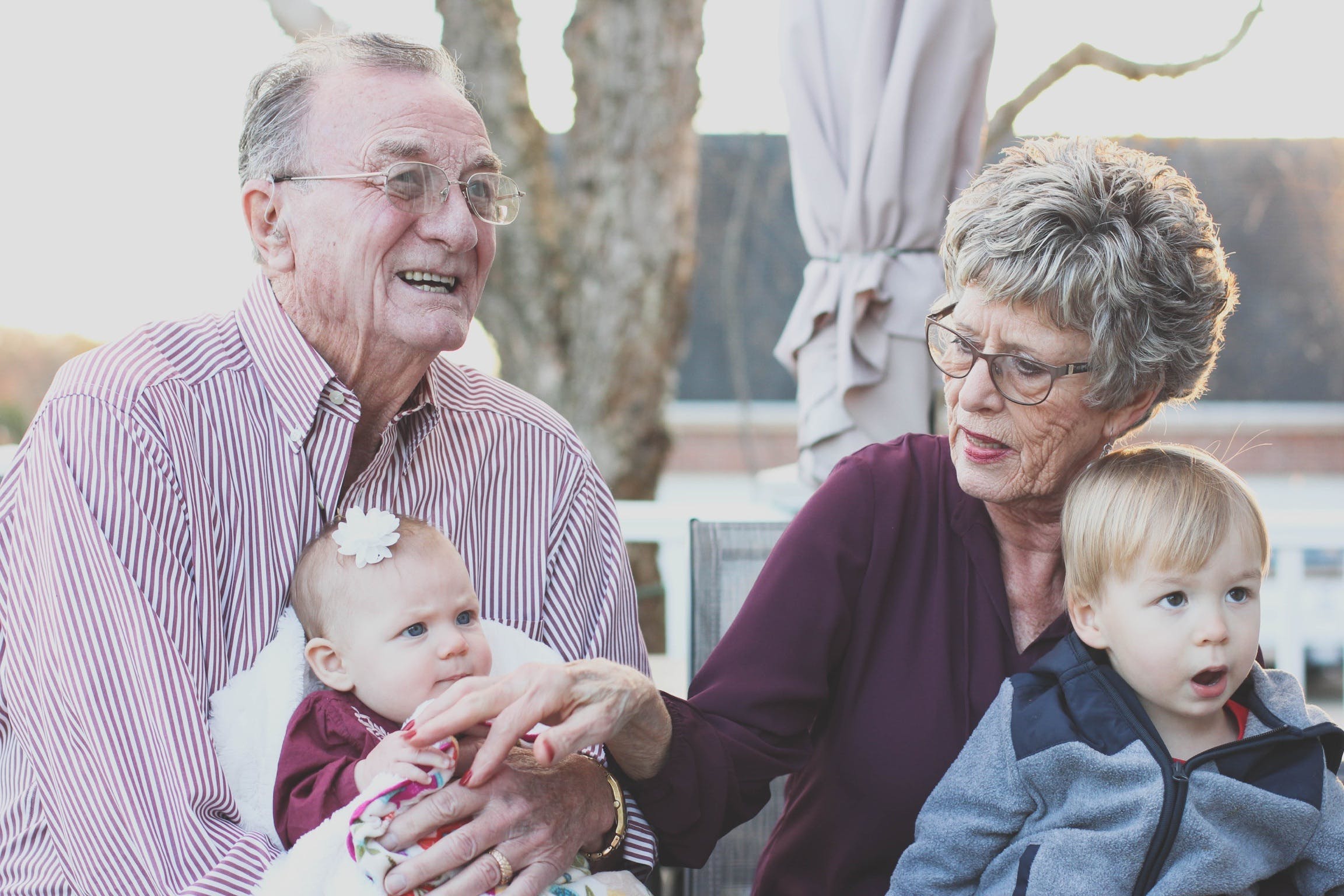
  • Susan Brown (Professor of Sociology at Bowling Green State University) was quoted in a USA Today article about the surge of ‘gray divorce.’ Since 1990, the divorce rate has doubled for Americans over 55, and tripled for Americans over 65. Brown explained that “a growing share of aging adults will be aging alone.” Brown noted that women often initiate gray divorces, but tend to be financially worse-off due to childcare costs and time out of the workforce.
  • Phys.org highlighted Martin Schröder’s (Professor of Economic Sociology at the University of Marburg) work revealing a lack of generational differences in work ethic and attitudes toward work. Despite a persistent “generational myth” in the workplace that characterizes millennials as not wanting to work and baby boomers as constantly on the brink of burnout, Schröder found that once “age effects” (younger people are generally less willing to work) and “period effects” (people of all ages generally see work as less important now than they did in the past) are accounted for, “the differences between the generations are not really that great at all.”
  • In Copenhagen, Camilla Bank Friis (Sociology Postdoc at the University of Copenhagen) collaborated with BFA Transport on a new campaign aiming to prevent conflicts between public transport passengers, bus drivers, and ticket inspectors. Friis drew from her research to create videos and comic strips to share tools for avoiding conflict. “You put yourself in play as a researcher and enter into dialogue with those who will ultimately use our work,” Friis explained. “I think the project has become a good example of how a collaboration between university research and external actors can make knowledge useful if you are willing to cut off some of the academic edges.” This story was covered by Mirage News.
  • The Boston Globe featured Ruha Benjamin’s (Professor of African American Studies at Princeton University) new book Imagination: A Manifesto. Benjamin’s work focuses on how science and technology shape the social world. In her new book, she argues that “imagination itself isn’t neutral or objective,” but reflects our hierarchical society. “I want us to question the imagination that says we can go to space, we can colonize Mars — and at the same time say, ‘Housing for all? Healthcare for all? That’s outlandish, that will never happen,’” Benjamin says. “It’s that sort of lopsided, deadly imagination that I want us to grow our critical antennae to hear when it’s coming.”
  • CNBC recently interviewed Alexandrea Ravenelle (Assistant Professor of Sociology at the University of North Carolina at Chapel Hill), who discussed how the gig economy emerged from the sharing economy, how workers “get stuck” in the gig economy, and the effects of the COVID-19 pandemic on the gig economy. Ravenelle’s new book, Side Hustle Safety Net, discusses the precarious nature of the gig economy.
  • Jacqui Frost (Assistant Professor of Sociology at Purdue University) wrote a story for The Conversation on the growth of “atheist churches.” These secular organizations adopt some traditions of religious organizations (such as Sunday meetings, collective singing, meditation and reflection, reading inspirational texts, and shared testimonies from members), but do not reference God or any supernatural elements. Amid arguments that religious decline will lead to a decline in community engagement and well-being, “atheist churches are an example of how nonreligious Americans are finding new ways to meet those needs.”
  • Newsweek featured a new study by Mark Whiting (Senior Computational Social Scientist at the University of Pennsylvania) and Duncan Watts (Professor and Computational Social Scientist at the University of Pennsylvania) that examines how “common sense” may not be so common. “People didn’t seem to have predictably consistent ideas of what is common sense,” Whiting said, “The number of items that a larger group all agree on is vanishingly small…so as a consequence, common sense is not all that common.”
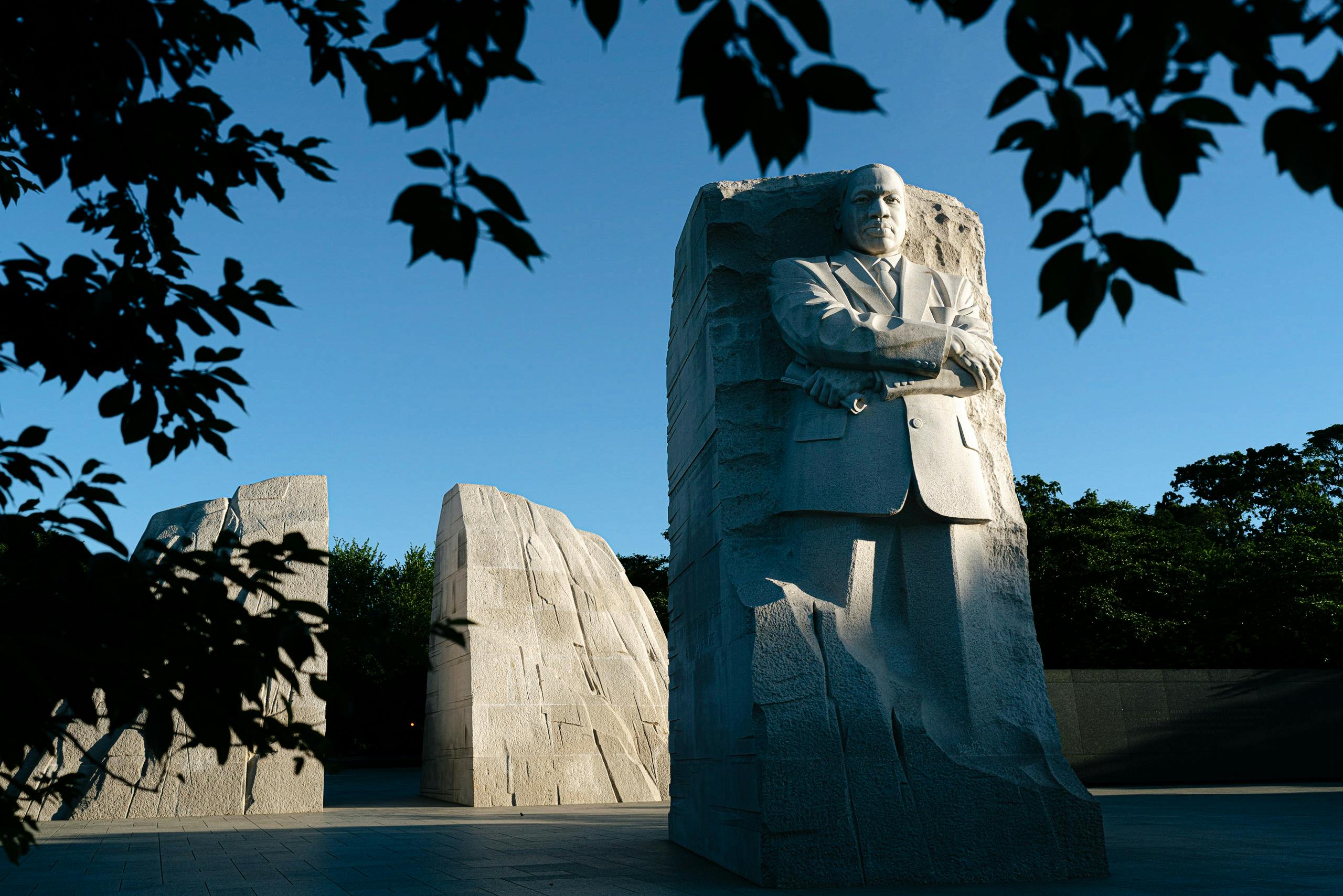
  • The Emancipator recently featured excerpts from Hajar Yazdiha’s (Assistant Professor of Sociology at the University of Southern California) book The Struggle for the People’s King, addressing the widespread sanitization of Dr. Martin Luther King Jr.’s legacy. “The danger of a sanitized reading of the past is that this selective memory evades social reality and enables the maintenance of White supremacy,” Yazdiha writes.
  • (Via ASA) John Skrentny (Professor of Sociology at UC San Diego) wrote an opinion piece for the Los Angeles Times on how a shortage of STEM workers persists despite investment in STEM education. Skrentny argues that “employers, and the investors who drive their behavior, depress the national returns on STEM education investments” by driving recent STEM graduates out of the market through: 1) low wage levels, 2) “burn-and-churn” management styles, 3) frequent layoffs, and 4) unwelcoming environments for women, minorities, and older workers. 
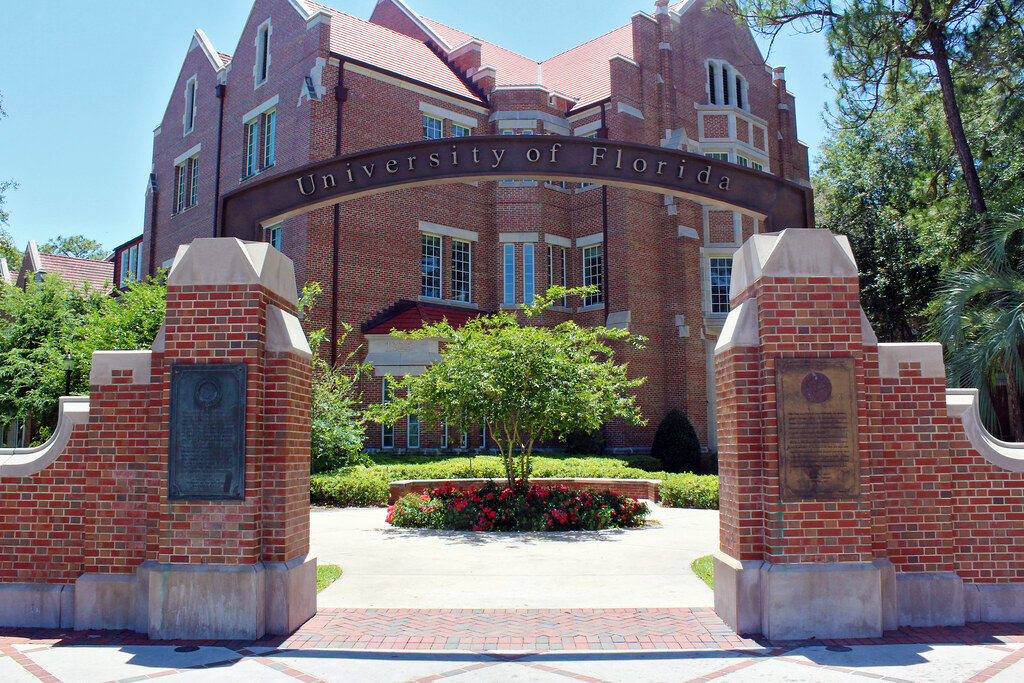
  • Florida Education Commissioner Manny Diaz Jr. has proposed a plan to remove “Principles of Sociology” as an option to fulfill the social science course requirement at public universities. Sociology department heads at 10 universities signed a letter objecting to the plan. Alison Cares (Associate Professor of Sociology at the University of Central Florida) commented: “It’s really important for students to understand that human behavior is not just a factor of individual level characteristics, right? That there are larger social structures at play.” The final vote on the plan will take place in January. This story was covered by Tampa Bay Times and Inside Higher Education.
  • Via ASA) Christopher P. Scheitle (Associate Professor of Sociology at West Virginia University) wrote an article for The Conversation about religious diversity in science, focusing on the experiences of religious graduate students in scientific fields. Many religious students describe their academic programs as having a culture of “assumed atheism” and feel the need to conceal their beliefs. Religious students also tend to place more importance on family lives and children, and are less likely to pursue demanding research-focused tenure track positions.
  • Smithsonian Magazine ran an article featuring new research showing that life expectancy across the U.S. fell from 2019 to 2021 and that women now live 5.8 years longer than men. The report notes that gender disparities in Covid-19 deaths and fatal opioid overdoses contribute to this gap. “These trends should be a wake-up call that we can’t coast along toward better and longer lives,” commented Philip Cohen (Professor of Sociology at the University of Maryland). “We need real, substantial and sustained attention to public health and health care in this country–and we need it yesterday.” NBC News reported that the U.S. has begun to rebound from the Covid-19 pandemic, but is lagging behind other wealthy nations. Ryan Masters (Associate Professor of Sociology at the University of Colorado) commented: “To see an increase now in 2022 is great…but it’s coming a year later than what other comparable countries experienced and it’s only marginally scratching the surface of improving mortality conditions for Americans.”
  • Meduza ran a story on political repression, featuring the expertise of Jennifer Earl (Professor of Sociology and Criminal Justice at the University of Delaware). Earl uses a broad definition of repression that includes actions by both governments and private entities that “raise the costs” of organizing or “actually constrain or influence the ability to act.” Earl also notes the importance of looking at a government’s administrative capacity to understand repression: “The more administrative capacity you have, the [more] quickly that can turn into repressive capacity, whether you’re a democracy or an authoritarian state.”
  • El País ran a story highlighting the Wall Evidence Project, which has been documenting the graffiti and inscriptions left by the Russian military in occupied areas of Ukraine since February of 2022. Analyzing the graffiti as a reflection of the author’s state of mind, Anna Samchuck (Sociologist in the Methodology and Methods of Sociological Research Department at Taras Shevchenko National University of Kyiv) described three common themes: 1) assumptions that Russia and Ukraine are separate nations; 2) fears of death; and 3) a desire to dominate Ukraine.
  • Sociologist Margee Kerr (Faculty Lecturer at the University of Pittsburgh) was quoted in an Axios article on why people either love or hate horror movies. Kerr discusses how personal experience can affect how people respond to a jump scare. If you have positive memories of Halloween fun, you may have many “environmental context cues that tell you that in this situation, [the fear response] feels good,” Kerr explains. However, people who have experienced life-threatening situations may avoid fear in any situation. 
  • In rural Norway, a haunted grocery store (reportedly plagued by flying potatoes, electrical mishaps, and ghostly figures) captured the attention of sociologist Lars Birger Davan (PhD Candidate at Oslo Metropolitan University). Questioning how the unexplainable experiences of the staff and customers affected their relationship to society, Davan found that they were cautious in divulging details of experiences so as to not appear “crazy.” However, conversations with others who also had unexplainable experiences provided reassurance. Other sociologists weighed in on the effects of brushes with the paranormal. Marc Eaton (Associate Professor at Ripon College) noted that saying you’ve seen a ghost often comes with an assumption of irrationality or mental illness, making people hesitant to share paranormal experiences. Dennis Waskul (Professor of Sociology at Minnesota State University Mankato) stated that while paranormal experiences can be terrifying, they can also add intrigue into “a world that’s overly mechanized and a world that’s dominated by very predictable outcomes… a world of monotony where every day is just like the next damn day. And suddenly now, you’ve got a ghost in your house. Well, that is really friggin’ interesting.” This story was covered by Atlas Obscura.
  • The National Academies of Science, Engineering, and Medicine (NASEM) released a new report including recommendations to help the United States achieve significant carbon emission reductions. A key recommendation is that the energy transition should help people and communities most affected by climate change–particularly poor communities and communities of color–and address historical harms. Multiple sociologists were authors on the report. Patricia Romero-Lankao (Professor of Sociology at the University of Toronto and one of the report authors) noted that the focus on equity is important because energy transitions are “social, and political, and institutional” and require community support. This story was reported by NPR.
  • Alexei Levinson (Head of the Socio-Cultural Department at the Levada Center) was interviewed by The Bell on public opinion in Russia regarding Putin and the war in Ukraine. Levinson noted that the war is generally popular, as many Russians see it as an indirect conflict with the West. While Putin remains popular in Russia (in part due to his informal use of jokes), Levinson speculates that losing the war would end Putin’s career.
  • ABC’s new season of The Bachelor centers around a 72-year-old “Golden Bachelor.” Deborah Carr (Professor of Sociology at Boston University) wrote an opinion piece for CNN on what dynamics we may see unfold over the season based on her expertise on aging. Carr anticipates that: 1) discussions of health will be important bonding moments, as managing health is salient in older adults’ lives; 2) family approval of the relationship will be crucial, as older adults are often merging two families in romantic relationships; and 3) marriage may be less of a focus, as increasing numbers of older adults are cohabitating or “living apart together.” To learn more on this subject, read a recent TSP Discovery on Older Adults on the Dating Market.
  • The New York Times featured new research from Nick Graetz (Postdoctoral Research Associate at the Princeton University Eviction Lab), Carl Gershenson (Project Director at the Princeton University Eviction Lab), Peter Hepburn (Assistant Professor at Rutgers University), Matthew Desmond (Professor of Sociology at Princeton University), and additional colleagues from the Census Bureau. The study found that children – particularly children under 5 – are disproportionately affected by eviction filings. The article suggests that both the financial effect of having young children and discrimination from landlords (who often see children as an unwanted risk) contribute to this trend.  “When I started writing about these issues, I kind of thought kids would shield families from eviction,” Desmond commented. “But they expose families to eviction.”
  • David Roediger (Historian and Professor of American Studies at the University of Kansas) wrote a piece for Mother Jones on the “mirage of the middle class.” Referencing C. Wright Mills’ work on the new middle classes of the 1950s, Roediger discusses how the imprecision of the term “middle class” is mobilized by politicians in election seasons.
  • For Hispanic Heritage Month, Mark Hugo Lopez (Director of Race and Ethnicity at the Pew Research Center) and Christina Mora (Associate Professor of Sociology at Berkeley) appeared on PBS News to discuss the terms “Hispanic” and “Latino” and how identity language has shifted over time. Mora discussed the push from Mexican, Puerto Rican, and Cuban populations in the 1960s/70s to get the United States to establish a panethnic census category. Lopez discussed how Latino adults use country of origin terms in discussing their identities.
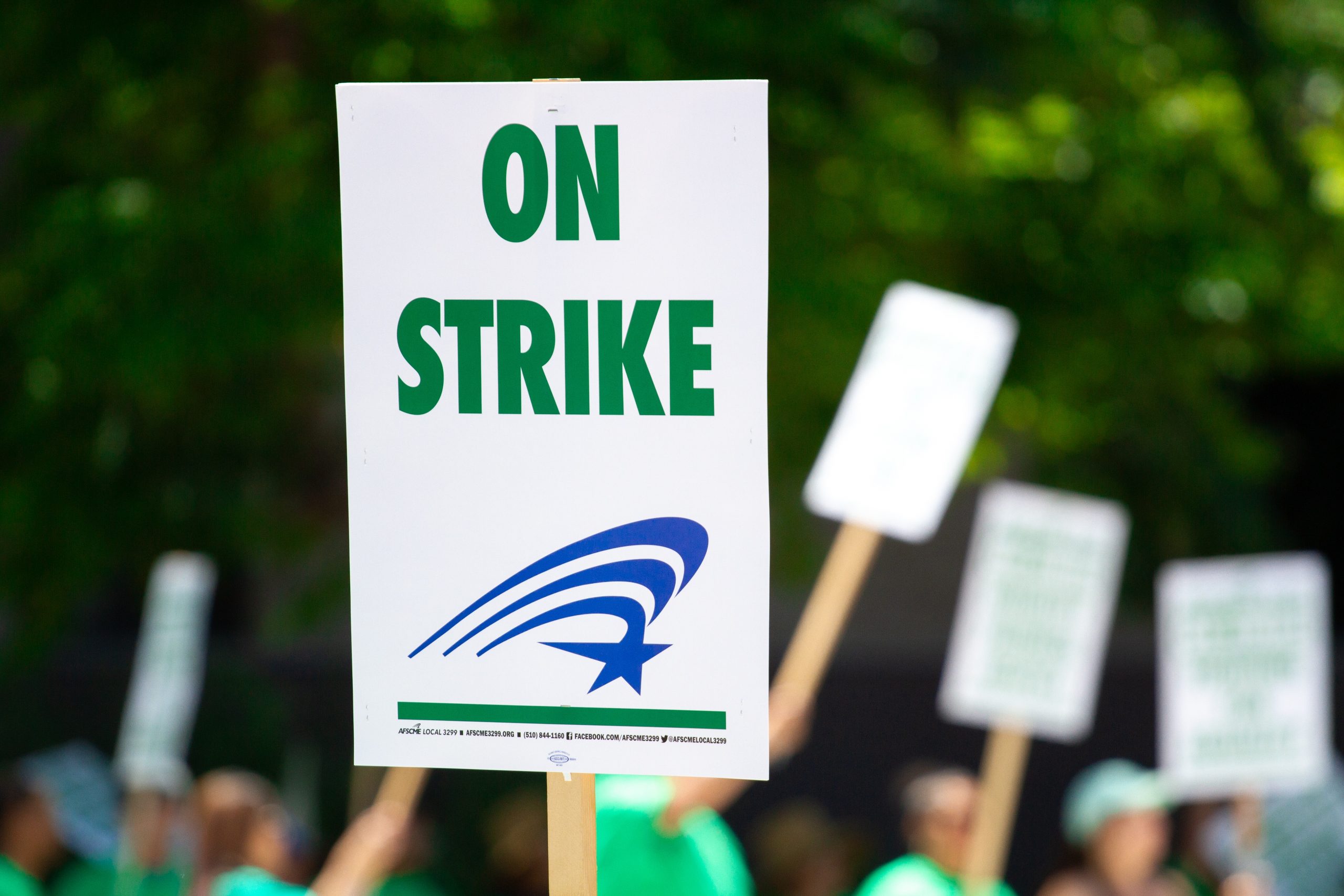
  • Aarushi Bhandari (Assistant Professor of Sociology at Davidson College) wrote an article for The Conversation, reflecting on how news of the strike-ending deal between the Writers Guild of America and the Alliance of Motion Picture and Television Producers was eclipsed by celebrity headlines. Six conglomerates own 90% of media outlets, giving them significant power over media narratives. Bhandari argues that the limited coverage of the WGA deal “fits into a longer historical pattern of tension between labor movements and corporate media” in which “corporate media has framed disproportionately negative narratives about strikes and union activities.”
Photo by verkeorg, Flickr CC

As the weather heats up and the school year draws to a close, many parents ponder the best ways to keep their kids occupied during the summer months, given their own resources and obligations. Electronic devices are always a popular option, but how much screen time to permit young children can be a tough decision to make, and one that parents themselves are often judged for.

To help parents devise a plan for their kids’ devices, a team of international experts shared their latest recommendations in a recent World Health Organization press release regarding children’s sedentary behavior, physical activity, and sleep. The report concluded that for preschool-aged children, sedentary screen time should be limited to an hour, and the less the better. They also recommended that kids be physically active for at least three hours a day; more is preferable. This implies that parents should replace children’s reduced screen time with time spent actively engaging in physical activity and interactive play so as to further motor skills and cognitive development.

Indiana University sociologist Jessica Calarco points out in The Atlantic, however, that such guidelines make a number of assumptions that may not be true for all families:

“If parents are letting their kids watch TV, or keeping them cooped up inside, or keeping them strapped in a car seat for an hour or more, it’s not because they think it’s good for their kids. Parents make those decisions because they don’t have any other choice. Or, at least, because the alternatives require more money or more space or more energy or more patience than those parents have on any given day.”

Some parents may have access to paid childcare, extracurriculars, safe outdoor spaces, or libraries with high-quality children’s programming, but these constructive alternatives are out-of-reach for many families. In fact, less-privileged parents often turn to screen time because it’s a safer or more educational choice than other options. On Twitter, Calarco concludes that strict screen-time guidelines are problematic because they treat screen time as a choice, rather than a necessity. This framing, in turn, heightens the already intense scrutiny faced by disadvantaged parents.

Photo of a tea party rally. A sign is visible that says, uninsured but free.
Photo by Fibonacci Blue, Flickr CC

Many working-class white Americans — even those stricken by poverty or poor health — favor policies that defund programs that could benefit their health and opportunities. Racial resentment may be part of the reason why. In an interview with Vox, Jonathan Metzl suggests that working-class white populations often scapegoat immigrant and minority populations, instead of blaming those who actually shape these policies — the elite and corporations.

In the South and Midwest, Metzl finds that working-class whites have rejected policies that would otherwise benefit their access to healthcare and educational resources, leading to shorter lifespans and higher high school dropout rates — all to block these same resources for immigrants and minorities. However, Metzl makes it clear that individual racism is not the sole factor driving this paradoxical situation. Instead, he suggests that the issue is more structurally-rooted; the policies themselves are racially motivated, not necessarily the individuals that support the policies. However, Metzl did find many whites who feel that public services only benefit racial minorities, including using stereotypes such as “welfare queens,” which continues to be a powerful racial trope in politics.

It is important to remember that racial resentment and white privilege are not new to the United States. Metzl discusses:

“Philosophers have been wrestling with this in the United States for centuries. I mean, this was the core question that W.E.B. Du Bois asked after Reconstruction: Why is it that low-income whites, working-class whites, don’t align their interests with newly freed slaves? If they did, it would be an insurmountable union that would really force some benefits from upper-class people to make the lives of working-class people better…And what he found was that there was this idea of a reward of whiteness that was given to white people. It was a psychological benefit that allowed them to feel a sense of psychological prestige and overlook their own material conditions.”

When working-class whites attempt to hold on to white privilege — by supporting policies that continue to defund education and health care in the United States, for example — they help perpetuate a situation that is, according to Metzl, “hurting nearly everybody.”

Photo of a United States border patrol checkpoint.
Photo by faungg’s photos, Flickr CC

Migration across the U.S.-Mexico border is a highly contested and politicized topic in the United States today, and much of this discussion revolves around white Americans long-standing but erroneous fears of undocumented immigrants crossing the southern border. However, a recent study featured in an op-ed for the Chicago Tribune finds that Latinos who legally cross often experience discrimination at border checkpoints.

The study’s authors, Alexander Updegrove, Joshua Shadwick, Eryn O’Neal, and Alex Piquero, draw from surveys at two public Texas universities about student experiences of legal crossings across the U.S.-Mexico border. Nearly one-third of the students described experiences of discrimination by border patrol agents due to their darker skin complexion, clothing, use of a Mexican instead of U.S. passport, and for having an accent. All of these students described experiencing either additional screening, extended questioning, degrading comments, or physical searches.

For example, a 19-year-old Latino respondent Robert’ reports being mocked by a Customs and Border Protection (CBP) officer for his health condition, stating that the officers

“[made] fun of my heart pulse, because I have a pretty fast pulse — most of the time my hands are shaking. So when I told him about my health issue, he started to laugh and called other officers to come and see.”

One of the study’s co-authors, criminologist Alex Piquero, explains that when people are treated poorly by custom officials or other law enforcement, it causes trust in the entire institution to wither away:

“People talk, they share vicarious experiences and then you have this folklore that develops; … if you create a lived experience that law enforcement is not fair, not on their side and not there to help and protect certain people, then these same people are likelier to not report crime and not go to law enforcement for help.”

According to Piquero, trust and mutual respect must be present between safety officials and the public in order to ensure everyone’s safety.