work

Chris M. noticed something bizarre on the TSA (Transportation Security Administration) website.

If you scroll about 1/4th of the way down this page, there is a list of pdfs and videos about security on airplanes. There are separate videos for the female and the male “business traveler.” They both show liquids in a plastic bag, but apparently only men carry laptops and women are relieved from having to take off their shoes.

Chris thought it was especially interesting to see this on a .gov site. Nice find Chris!

Here are two ads for Salesgenie. Both aired during the Super Bowl and both, for no apparent reason, used animated characters with thick accents–in the first Indian, in the second, Chinese.

NEW! (Mar. ’10): Melissa S. sent in this commercial for MetroPCS that features two men with strong accents who I believe we’re supposed to find funny looking and ridiculous:

Melissa says,

There are very few positive depictions of Indians in American entertainment and it really saddens us that this video and these images are the only images that many will see of Indians…I wonder why the commercial couldn’t simply have two men who happen to be brown touting the product? Does having an “Indian” accent automatically make this funnier?

[youtube]http://www.youtube.com/watch?v=d9KLOYWlarE[/youtube]

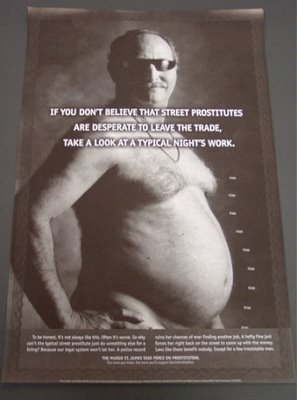
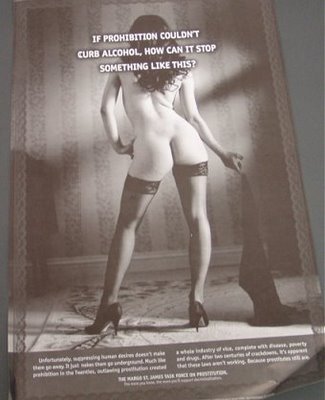
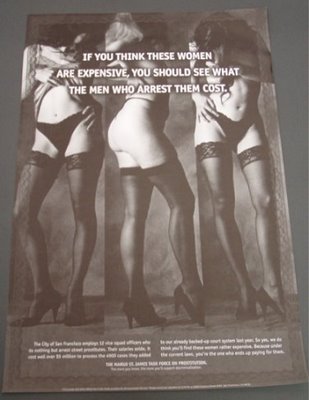
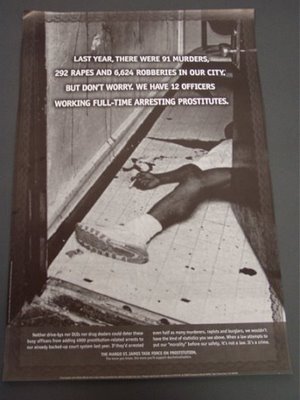
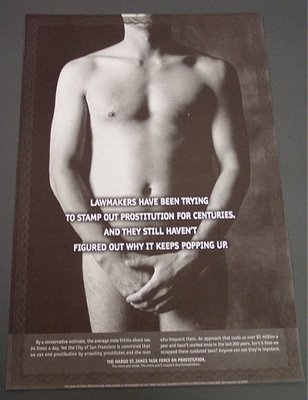
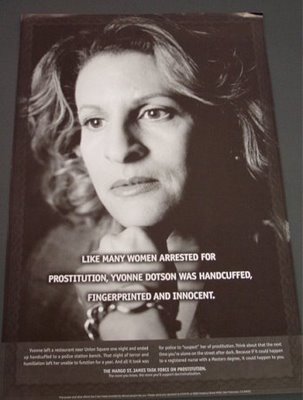
These posters were made by Call Off Your Old Tired Ethics (COYOTE), an association for sex workers’ rights.

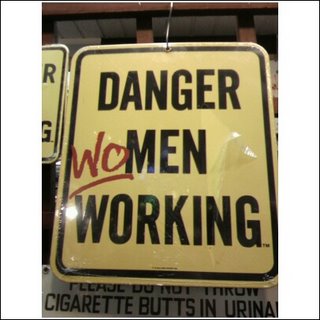
A friend of mine, Jason Schultz, took this picture of this sign being sold in a toy store:

Jason suggested that it re-affirmed the notion that men and women are inherently at odds in a zero sum game

It is certainly androcentric in that it suggests that, in this case, girls should be proud of what they do insofar as they do what men have “traditionally” done.

And, to tie these two thoughts together, that girls should be proud when they take away what is “traditionally” men’s.

What do we really think about “girl power”?

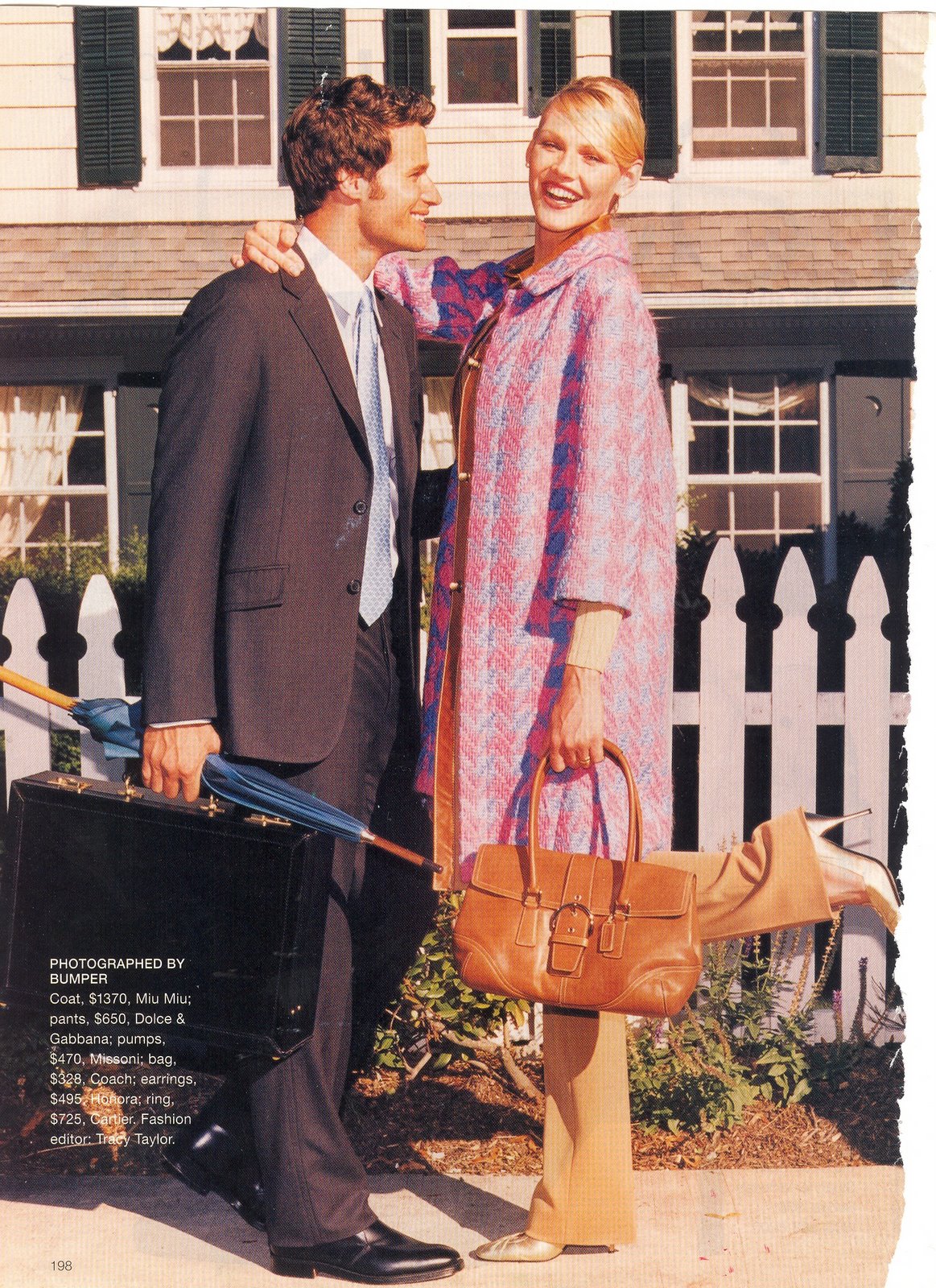
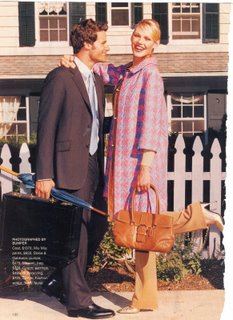
I LOVE this image. It’s a fashion spread.


Question:
Who’s taking care of those little tow-headed boys behind the white picket fence when both mommy and daddy go to work?

I use this picture to talk about the way in which middle- and upper-class women are “getting equal” with men by transferring their caretaking responsibilities to less privileged women… who are, as in this ad, invisible.

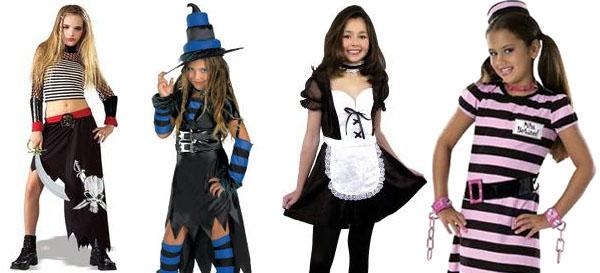
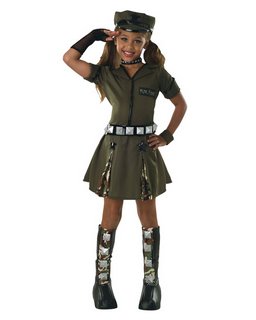
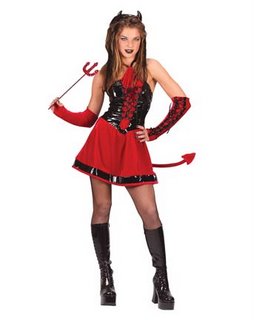
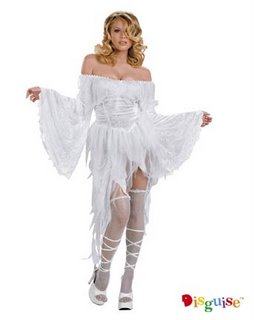
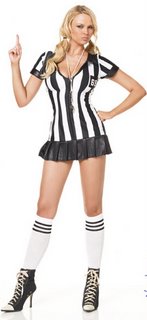
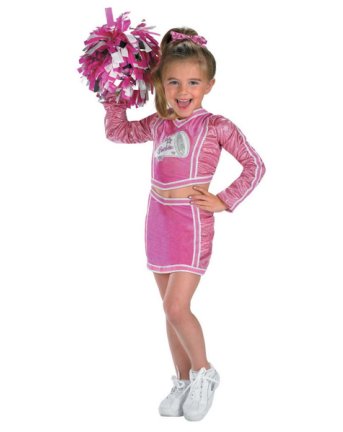
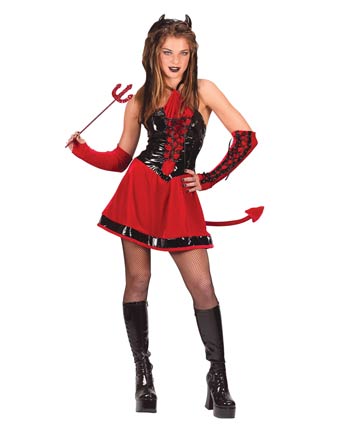
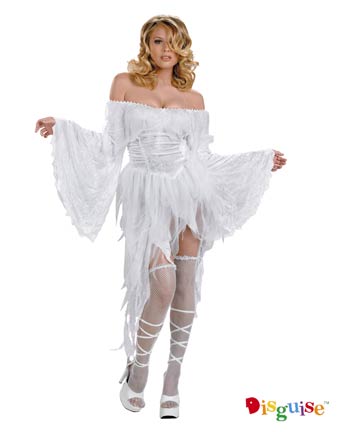
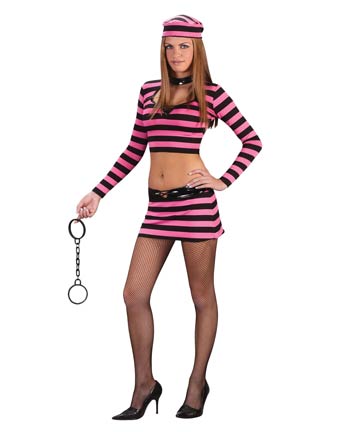
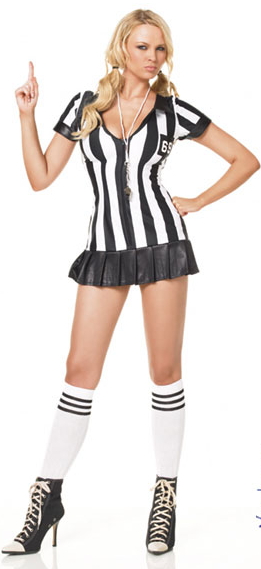
Newsweek had an article today wondering if girl’s Halloween costumes might be too risque. I wasn’t surprised (I remember being shocked when I saw young girls dressed up as Spice Girls in 1998) so I decided to look around the Internet to find other questionable costumes. Not surprisingly, Halloween costumes are markers of not only gender and heterosexuality, but of race and class as well.

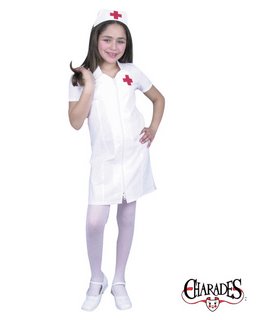
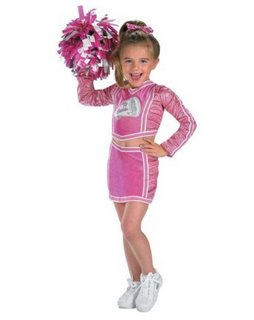
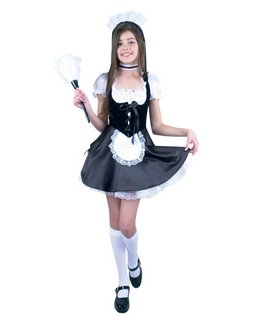
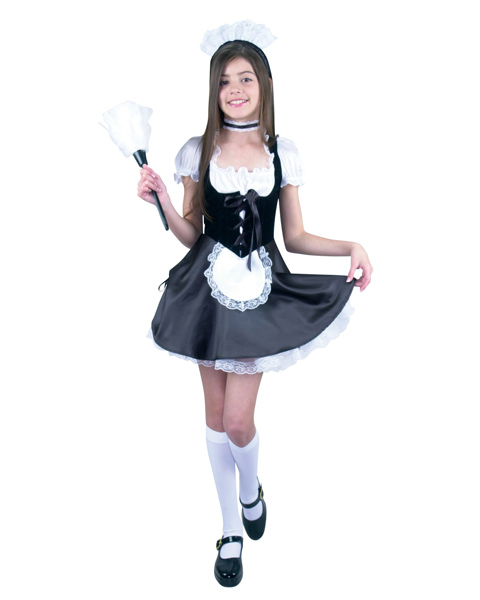
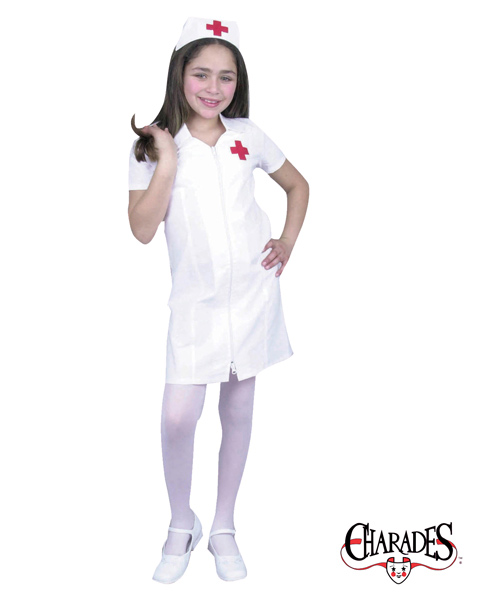
Let’s take children’s “occupational” costumes, for example. Here are some for girls: The French maid, nurse, and cheerleader costumes were the most prevalent.

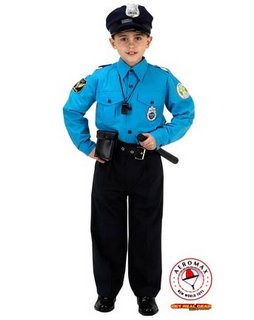
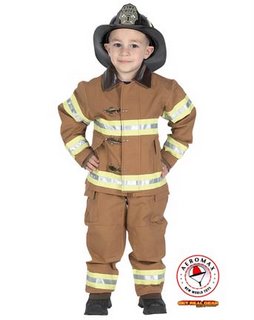
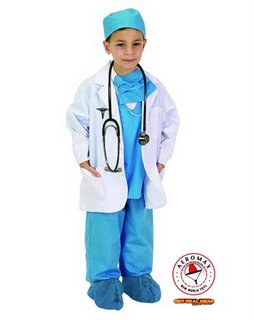
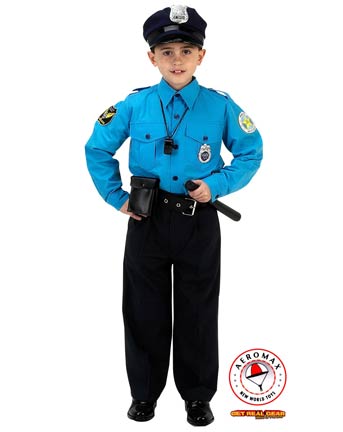
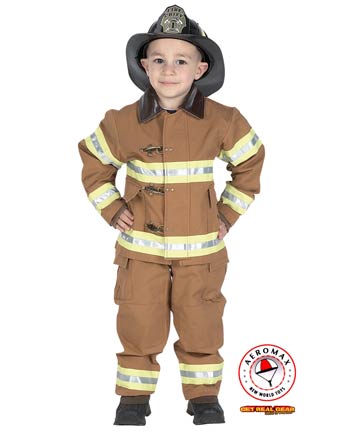
And what about occupations for boys?


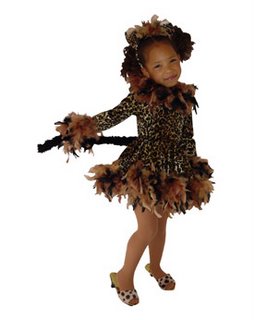
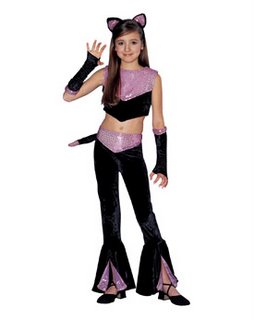
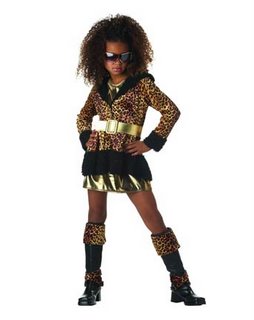
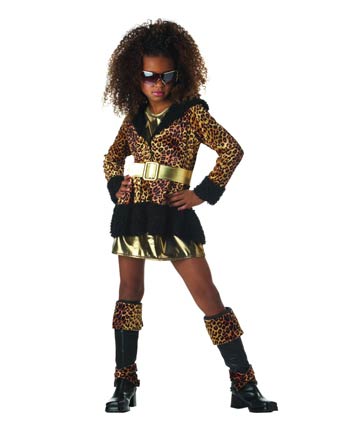
And look at how race is marked with some of the children’s costume models (2 cats, and a dancer):

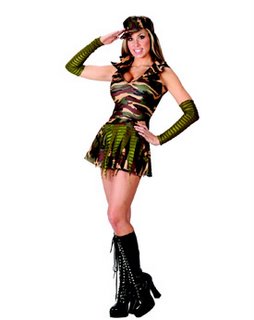
And note how the intersections of race, militarization, sexuality and gender are also displayed in this costume. The first is a children’s costume, and the second is for teenagers. Both costumes are called “Major Flirt.”

And now let’s move on to teenage costumes. Here are some particularly popular ones for teen girls– sexy devils and sexy angels.

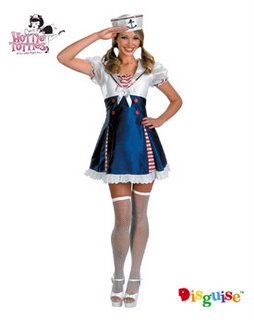
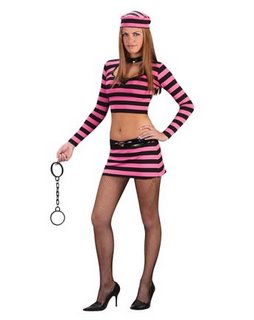
And some teen girl “occupation” costumes (prisoner, referee, navy):

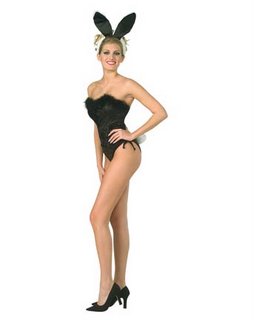
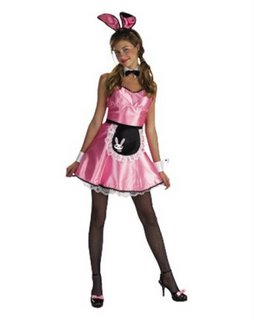
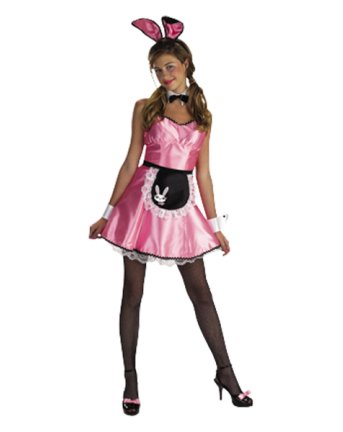
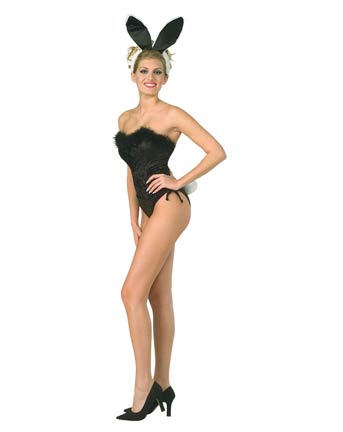
And of course there are teen bunnies– “Hunny Bunny Teen” and “Classic Playboy Bunny”:

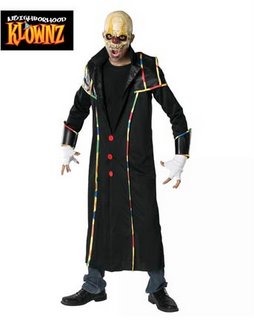
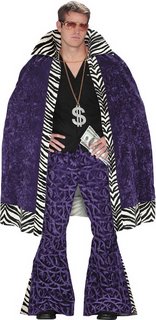
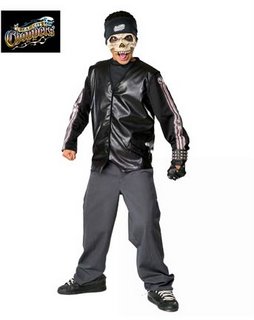
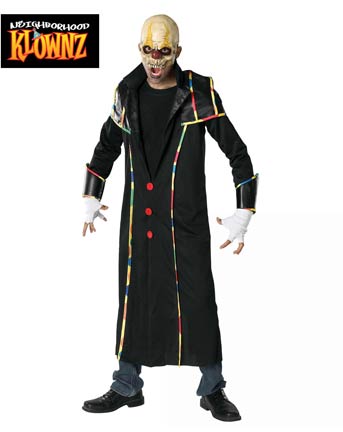
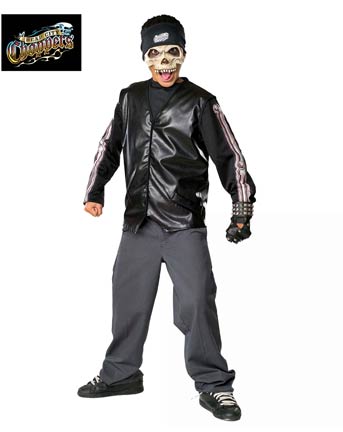
And what do teen boys get to dress up as? Scary clowns, murdering maniacs, and pimps.

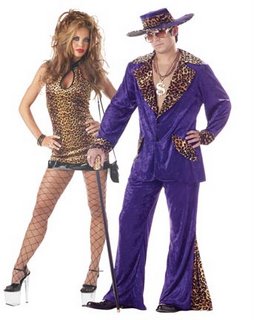
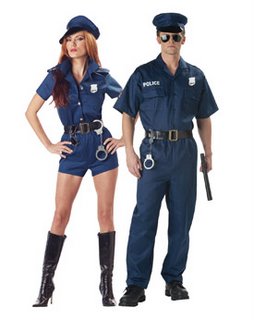
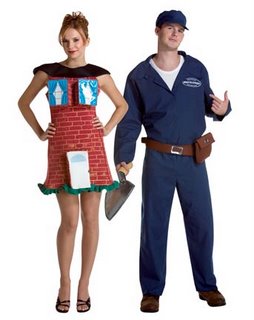
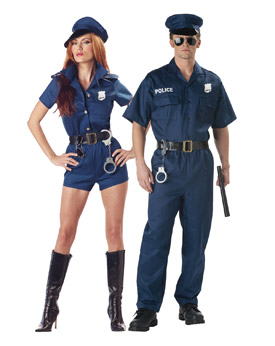
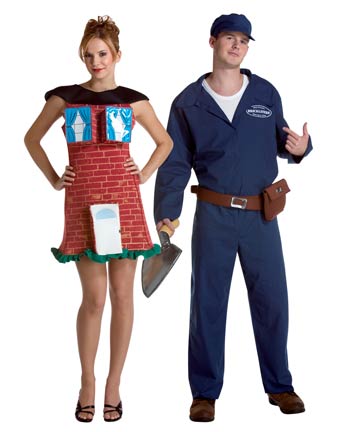
The costumes for couples are also pretty telling– marked by heteronormative stereotypes. The first is a “Pimp and Kristy” costume, the second is a cop costume, and finally a costume of a brick layer and a woman dressed as a home, where the woman is literally displayed as the object, as the object of a man’s action.

Anyway, happy Halloween!

The Great Happiness Space is an amazing full-length documentary (available in full online) about “host” clubs in Japan. These clubs service women, mostly sex workers, who buy time with men (hosts, who also get a cut of all the money the women spend on alcohol) who pretend like they love them. The women establish long-term relationships with their hosts, spend sometimes 10s of thousands of dollars in a night, all to have the feeling that someone cares for them. So they earn tons of money giving sex to men and then they turn around and give that money back to men who give them affection (and sometimes sex). The hosts make between 10,000 and 50,000 a month. Also a great study in cross-cultural gender differences.