Search results for The

From an article in the UK TimesOnline via an article on a bed for little girls called “Lolita.”

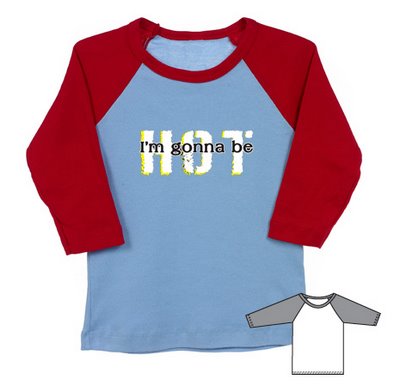
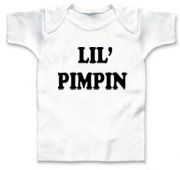
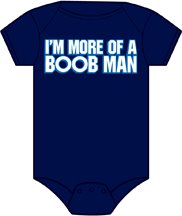
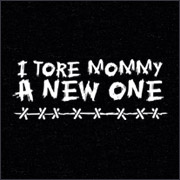
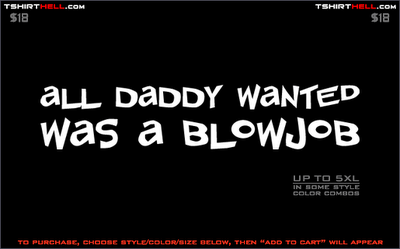
Yes, all these t-shirts come in children’s and baby sizes…


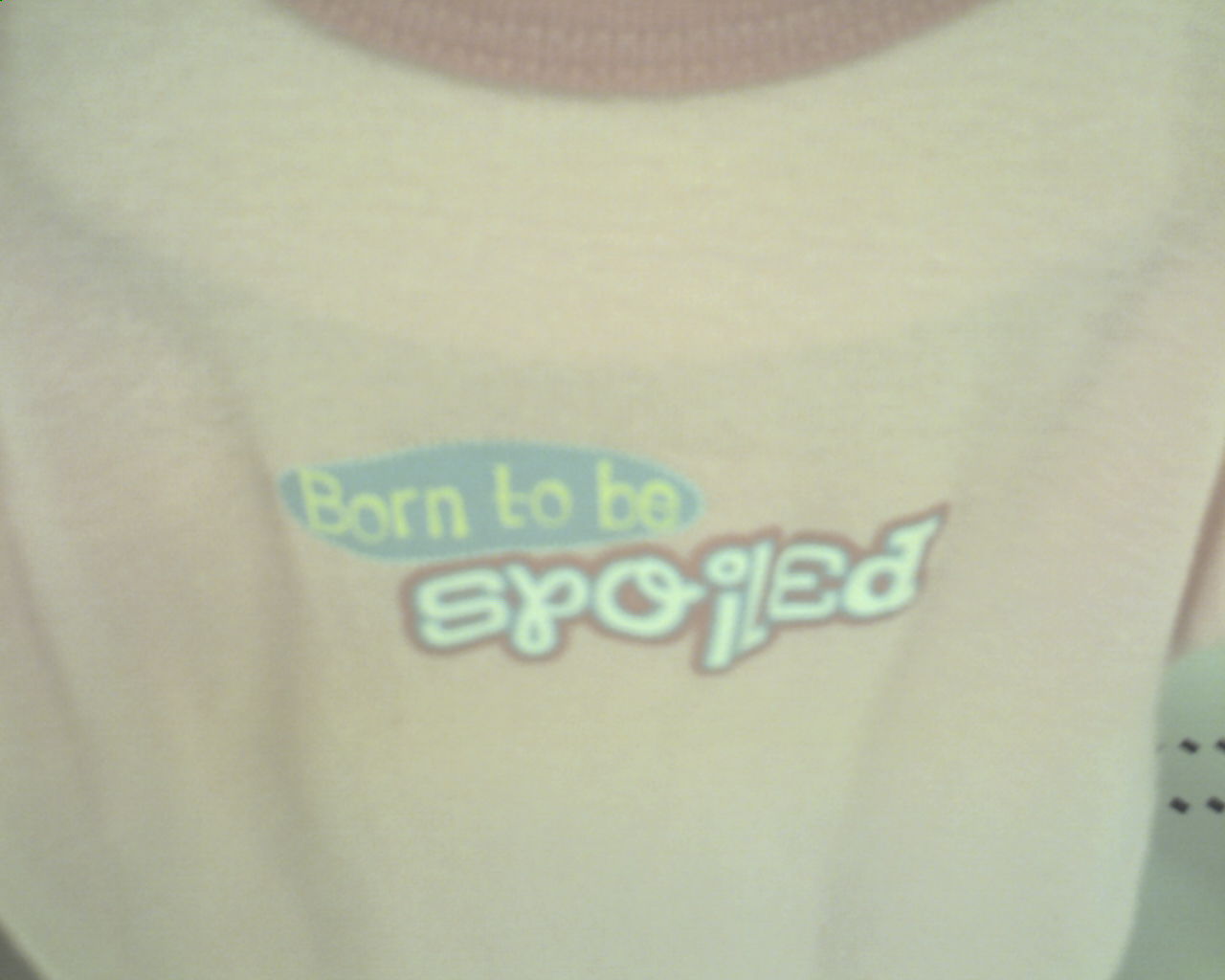
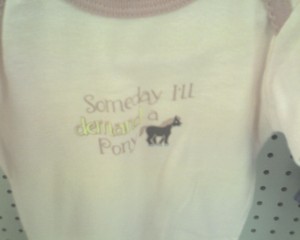
aa bb sent us two more images of t-shirts on sale at Target that get at the idea of little girls as spoiled future divas.

“Born to be spoiled.”
“Someday I’ll demand a pony.”
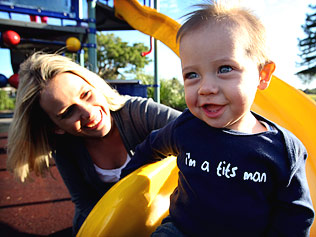
NEW! Natalie K. sent in some more examples of kids’ t-shirts with sexual messages, these from the clothing company Cotton on Kids (she believes it’s an Australian company).
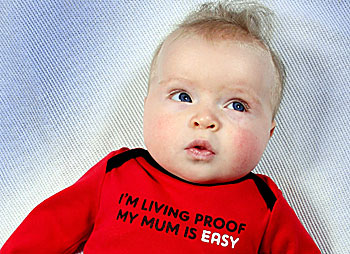
0,,6742441,00

(Found at the Herald Sun.)

0,,6742462,00

(From news.com.au)

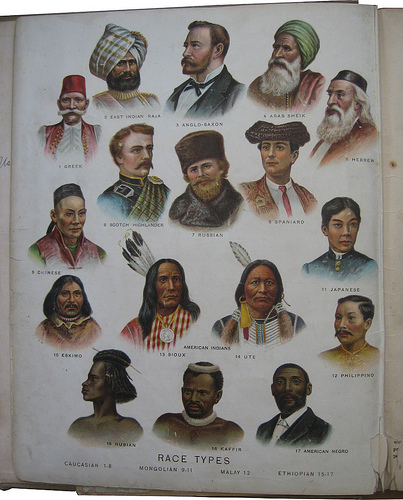
This is a page out of an old school book, Maury’s New Complete Geography (1906). The plate is labeled “Race Types.” See the key at the bottom to which images are “caucasion,” “mongolian,” “malay,” and “ethiopian.” (You should be able to click on the image to see it larger.)

Found here thanks to lawgeek.


Super creepy TAB commercial:[youtube]http://www.youtube.com/watch?v=uDBJ2ktSZpI[/youtube] Another doozy from Molly M!Here’s another on the same theme (youtube says it’s from the ’60s):[youtube]http://www.youtube.com/watch?v=LbVyDYqsEK0[/youtube] Here’s another from 1982:[youtube]http://www.youtube.com/watch?v=LhGJvGhIzaw[/youtube] And this one, from 1984, cannot be beat for it’s essential ’80s vibe:[youtube]http://www.youtube.com/watch?v=7kymo2Vj6nw[/youtube] 

The coining of the term “frankenfood” to refer to genetically-modified (GM)  food is an excellent example of the way in which words matter. As of today, a search for the word in google returns about 57,000 hits. It’s been quite an effective frame for the anti-GM food activists. Here are some examples of their work:


In her dissertation, Abby Kinchy discussed the way in which anti-GM food activists invented and used these frames to build support for their movement.  In reality, though, (1) we’ve been genetically modifying food by other means for centuries (through cultivation) and (2) there is little evidence (yet) that such foods are all that dangerous.

Sources, in order, Green Acres Farm, Monsterzine, and Democratic Underground.

Click here and scroll down for a map showing the number and % of Muslims in various European countries. From NPR.

An ad for a floral shop: “He chose her. She chose us.”

Found in Zions Bank Community magazine, January/February 2008 issue.

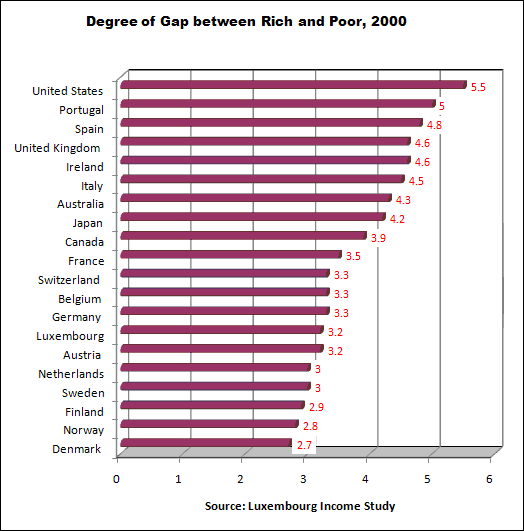
This bar chart puts the United States as the dubious front runner with the highest income inequality among 20 wealthy nations. With the exception of Japan, all the countries have European heritage. In 2000 the United States’ inequality stood well above all other rich nations. At the other end of the scale the Nordic countries plus the Netherlands had very low inequality ratios. Most Western European nations, as well as Australia and Canada fell in between.

These data come from the Luxembourg Income Study, the most rigorous data source for cross-national income and wealth. The chart’s income gap indicator in each country is the disposable (after tax) annual income of the top 10% divided by the disposable income of the bottom 10%. In other words, the income gap is the ratio of the 10% of persons with the highest income to the 10% with the lowest. For instance, in the USA the income of the top-earning 10% was 5.5 times that of the bottom 10%.

The statistics in this chart can be found on page 4 of a document on the Contexts website: http://www.contextsmagazine.org/resources_vol6-3.php That document is a supplement to an article by Peter Dreier, “The United States in Comparative Perspective,” in the Summer 2007 issue of Contexts.

Some may read these statistics and say “inequality in the US is overblown” because the bottom 10% live better off than most people in the rest of the world. That is true if Americans are compared to countries where the average income is less than a dollar a day. But if the American poor are compared to the poor in other wealthy countries, American poor are far worse off.