Archive: Dec 2016

Are some Trump supporters’ political views motivated by race?

One way to find out is to see whether the typical Trump supporter is less likely to support policies when they are subtly influenced to think that they are helping black versus white people. This was the root of a study by political scientists Christopher Federico, Matthew Luttig, and Howard Lavine.

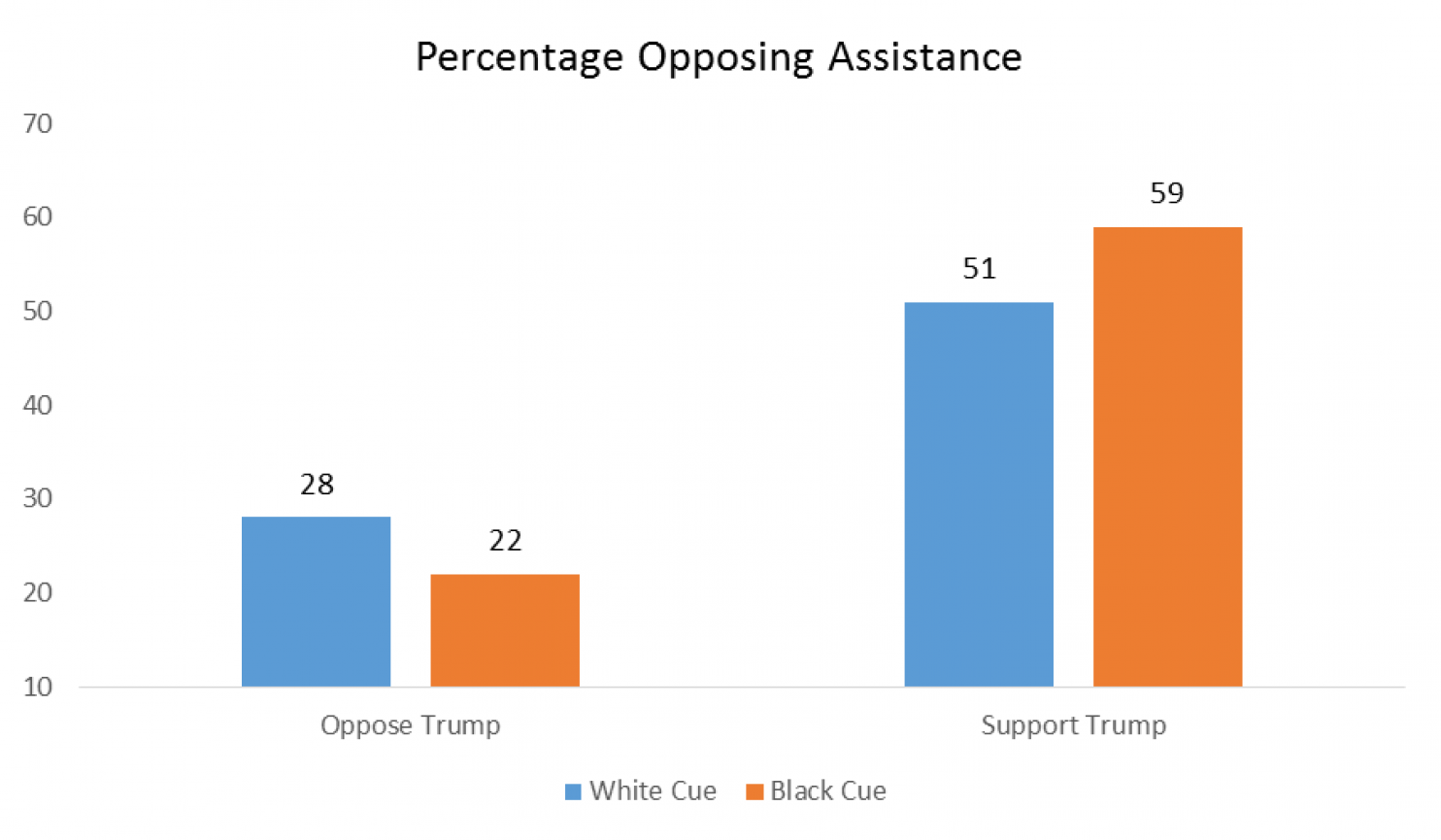
Prior to the election, they asked 746 white respondents to complete an internet survey. Each person was randomly assigned to see one of two pictures at the beginning of the survey: a white man standing next to a foreclosure sign or the exact same photograph featuring a black man. Respondents were also asked whether they supported Trump. (Non-white people were left out of the analysis because there were too few Trump supporters among them to run meaningful comparative statistics.)

The first graph shows that white Trump supporters were eight percentage points more likely to oppose mortgage relief if they had seen a “black cue” (the picture featuring a black man) than a “white cue.” The opposite was true for white Trump opponents.
3

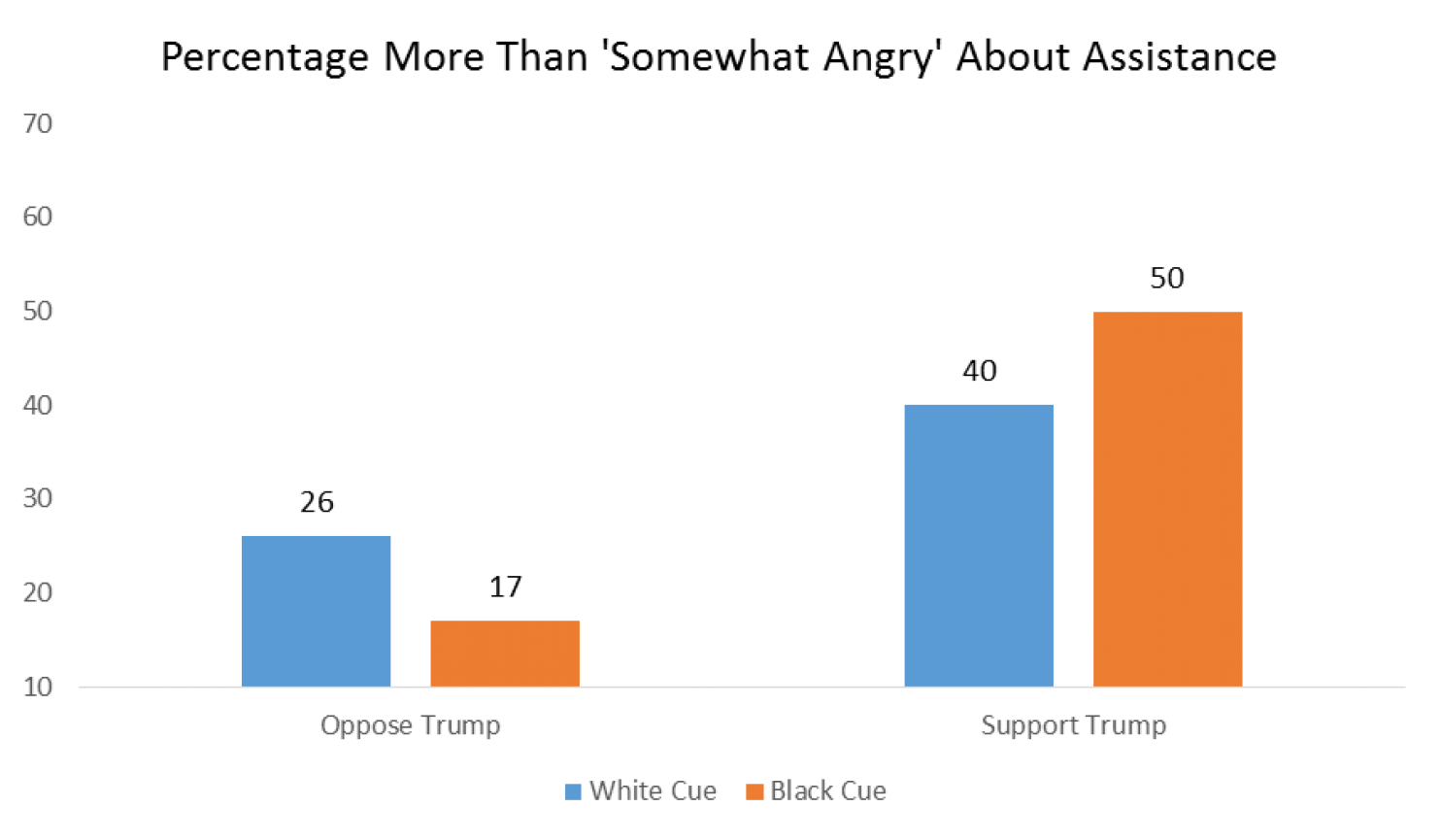
When asked if they were “somewhat angry” about the assistance, the same pattern held:
4

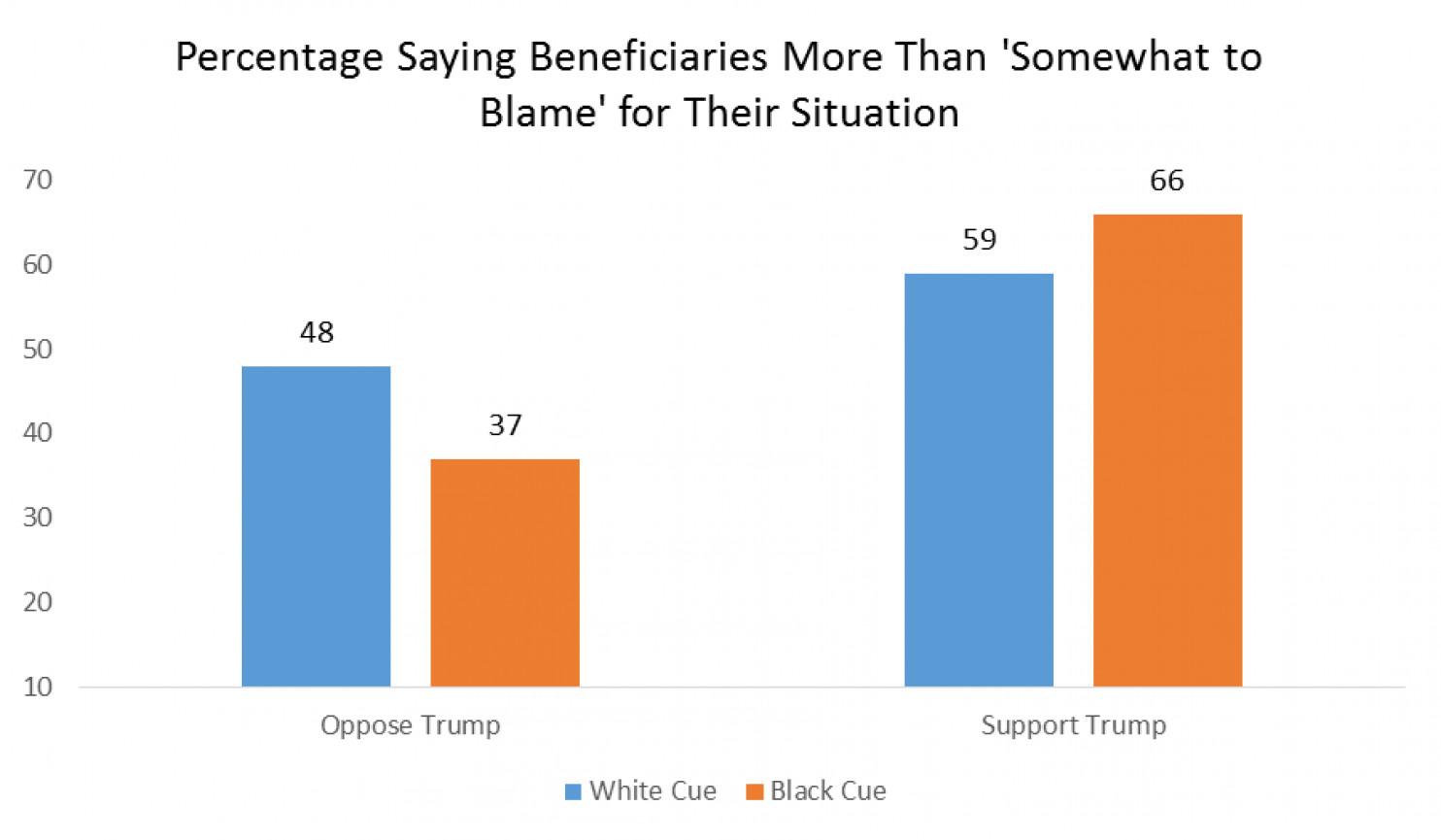
And likewise when asked if the beneficiaries of mortgage assistance were at least “somewhat to blame” for their situation:
5

Findings held when the researchers controlled for possible confounding variables.

These findings aren’t particularly surprising. Others have also found that priming respondents to think of black people tends to make them tougher on crime and advocate for less generous social programs, like in this study on attitudes toward CA’s three-strikes law. What’s new here is the difference between Trump supporters and opponents. For opponents of Trump, priming made them more sympathetic toward mortgage holders; for supporters, priming made them less. This speaks to a real divide among Americans. Some of us feel real hostility toward African Americans. Others definitely do not.

Lisa Wade, PhD is an Associate Professor at Tulane University. She is the author of American Hookup, a book about college sexual culture; a textbook about gender; and a forthcoming introductory text: Terrible Magnificent Sociology. You can follow her on Twitter and Instagram.

Last month my neighbor and I mustered our emotional strength, gathered up our neighborhood cat, and drove to the SPCA to help her leave this earth in peace. He had named her Minou — French for kitty, a common term of endearment for cats in Cajun country — though I’m sure she’d had many names, which is why I’m posting about her here.

Minou is one of the tens of thousands of animals that were victims of Hurricane Katrina. An estimated 15,500 were rescued, many more died, and some, like Minou, started a new life all on their own. Another of my neighbors, one who rode out the storm, remembers Minou showing up after the waters receded. The cat — tame, spayed, and quite clearly someone’s pet before Katrina — made my and my neighbors’ yards her home, supporting herself for 11 years on lizards and rainwater and the kindness of strangers.

When I showed up two years ago, she was the first to welcome me. I woke up one morning to find her snuggled up in bed. She had found one of the holes in my dilapidated house and climbed in. She left me dead things. She made me feel at home.

She was our little Minou. One of my neighbors fed her. We all gave her pets and treats. When she got sick, I was the one who could afford to take her to the vet, so I did. I bought her the medicine; a neighbor administered it.

She had always been a tough little survivor but, in the end, it was her time. She died in the arms of people she loved, who loved her.

As we drove to the SPCA to say goodbye, I was struck by how much she had done for us. She had brought us together by giving us a common friend and responsibility. She was the node in our network, more so even than our proximity. Often, she was why we talked to each other. Or we talked to each other over her. When one of us paused to give her some attention, it kept us outside long enough to run into each other. And since everyone stopped to give her a pet, we’d all be there together.

I knew, too, that the two of us who rode in that car together — we who had made and then carried out that impossible decision — would never be able to call each other strangers. Even in her last minutes, Minou forged a bond.

Sociologists are interested in community: the difference between those neighborhoods in which people feel a sense of togetherness and those in which they do not. I don’t know much about that literature, nor much about social networks, but I do know that, with noted exceptions, pets are on the fringe of sociological analysis. It’s an interesting oversight given that more than half of American households include at least one pet. And that’s not counting the strays.

But I do know that Minou is part of why my neighbors and I are a community and her final gift to us was to cement that bond. And when I memorialized her passing on social media, many people commiserated with similar stories of “neighborhood cats.” I bet there are stray cats all over America, bringing people together. I’m so grateful that she did that for us.

2

Lisa Wade, PhD is an Associate Professor at Tulane University. She is the author of American Hookup, a book about college sexual culture; a textbook about gender; and a forthcoming introductory text: Terrible Magnificent Sociology. You can follow her on Twitter and Instagram.
Cross-posted at Cyborgology.

Fake news among the alt-right has been central in post-election public discourse, like with Donald Trump’s dubiously sourced tweet about the “millions of illegal voters” supposedly driving Clinton’s substantial lead in the popular vote. Less attention, however, has been paid to the way “real” news is, to use the sociologist Nathan Jurgenson’s term, based in “factiness,” described as “the feel and aesthetic of ‘facts,’ often at the expense of missing the truth.”  Mainstream news gets cast as objective in part because journalists, stack of papers and obligatory pen studiously in hand, point to statistics that back up their reports. Such reliance on “data” can mask the way that humans are involved in turning things into numbers and numbers into stories. So here I present a cautionary tale.

It is a common truism that white male voters without college degrees disproportionately supported Trump in the 2016 election. Indeed, the notion that men with high school as their highest level of education were more likely to vote for Trump is an empirically supported fact. This data point spread widely throughout the campaign season, and bore out in the post-election analyses. But also in the post-election analyses — over which researchers poured in response to the statistically surprising result — another data point emerged that could have, but didn’t, change the narrative around this demographic voting bloc.

The data point that emerged was that white American men without college degrees have remained economically depressed since the 2008 recession and subsequent recovery. Although the U.S. economy has been steadily improving, the economic reality for this particular segment of the population has not. This is what Michael Moore talked about experientially (but not statistically), claiming that he knows the people who live in the rust belt, and they are struggling. He was right, the data show that they are struggling. Highlighting the economic reality for people without college degrees in the U.S. tells a very different story than highlighting the fact that they don’t have college degrees. The former renders an image of a voting contingent who, in the face of personal economic hardship that contrasts with national economic gain, are frustrated and eager to try something — anything — new. The latter renders an image of ignorance.

Data about education levels of voters is transformed by its coupling with economic trajectories. What’s been strange, is that although this coupling was discovered, it never really penetrated the larger “what happened” narrative. This is particularly strange given the meticulous and sometimes frantic search for explanation and the media’s public introspective quests to understand how so many got it all so wrong.

The transformative effect of the economic data point and its failure to effectively transform the story underlines two related things: data are not self-evident and narrative currents are hard to change.

The data weren’t wrong — people without college degrees were more likely to vote for Trump — but they were incomplete and in their partialness, quite misleading. That’s not a data problem, it’s a people problem. Data are not silent, but they are inarticulate. Data make noise, but people have to weave that noise into a story. The weaving process begins with survey construction, and culminates in analyses and reports. Far from an objective process, turning data into narrative entails nuanced decisions about the relevance of, and relationship between, quantifiable items captured through human-created measures. The data story is thus always value-laden and teeming with explicit and implicit assumptions.

Framing a contingent of Trump supporters through the exclusive metric of education without examining the interaction, mediating, and moderating effects of economic gains, was an intellectual decision bore out through statistical analyses. That is, pollsters, strategists, and commentators treated “lack of education” as the variable with key explanatory power. Other characteristics or experiences of those with low levels of education could/should/would be irrelevant.

Such dismissal created a major problem with regard to Democratic strategy. To situate a voting bloc as “uneducated” is to dismiss that voting bloc. How does one campaign to those voting in ignorance? In contrast, to situate a voting bloc as connected through an economic plight not only validates their position, but also gives a clear policy platform on which to speak.

But okay, after the election, analysts briefly shed light on the way that economics and education operated together to predict candidate preference. Why has this gotten so little attention? Why is education — rather than economics or the economic-education combination — still the predominant story?

The predominance of education remains because narrative currents are strong. Even when tied to newly emergent data, established stories are resistant to change. Narratives are embedded with social frameworks, and changing the story entails changing the view of reality. A key tenet of sociology is that people tend towards stability. Once they understand and engage the world in a particular way, they do social and psychological gymnastics to continue understanding and engaging the world in that way. To reframe (some) Trump voters as part of an economic interest group that has been recently underserved, is an upheaval of previous logics. Moreover, disrupting existing logics in this way forces those who practice those logics to, perhaps, reframe themselves, and do so in a way that is not entirely flattering or identity affirming. To switch from a frame of ignorance to a frame of economics is to acknowledge not only that the first frame was distorted, but also, to acknowledge that getting it wrong necessarily entailed ignoring the economic inequality that progressives take pride in caring so much about. Switching from ignorance to economics entails both a change in logic and also, a threat to sense of self.

Data are rich material from which stories are formed, and they are not objective. Tracing data is a process of deconstructing the stories that make up our truths — how those stories take shape, evolve, and solidify into fact. The “truth” about Trump voters is of course complex and highly variable. The perpetually missed nuances tell as much of a story as those on which predominant narratives hang.

Jenny L. Davis, PhD, is in the department of sociology at James Madison University. She studies social psychology, experimental research methods, and new and social media. She is also a contributing author and editor at Cyborgology.  You can follow her at @Jenny_L_Davis.

Flashback Friday.

Electric clothes dryers are among the most energy-greedy appliances in the home, accounting for between 6% and 15% percent of home energy use. In contrast, drying clothes outside is both environmentally friendly and free. Yet, according to the New York Times, many homeowners associations insist that they are “…an eyesore, not unlike storing junk cars in driveways, and a marker of poverty that lowers property values.” In the documentary Drying for Freedom, laundry activists claim that bans on clotheslines affect 50 million households, requiring people to buy electric clothes dryers or hang their clothes inside their home.

Homeowners associations require many things intended to increase the “curb appeal” and property value of homes.  Many of these things specifically function to make the home and yard appear decorative instead of functional. Rules prohibit visible vegetable gardens, parking cars in the driveway overnight, allowing your cat outside (lest they poop), and failing to clean oil stains left by leaky vehicles.  They turn driveways, curbs, front yards, and porches into communal space designed to advertise the luxury of having non-functional spaces.  They say, in effect, “This is a lovely neighborhood where we can afford to curate flowers instead of vegetables and preserve pristine concrete by taking our cars to Jiffy Lube.”

All of this supposedly protects home values by preserving the notion that the neighborhood includes only middle- and upper-class people who can afford to avoid (dirty) work by consuming services.  Not being able to afford to dry your clothes electrically apparently appears, well, trashy.

Drying for Freedom is trying to interrupt this narrative, but instead of fighting the classist reasoning behind the clothesline bans, they are trying a different social movement strategy: re-framing. They are suggesting that using clotheslines isn’t a sign of poverty, but one of good global citizenship and, thus, a sign of responsible living. It seems to be working, too. As of 2016, 19 states ban clothesline bans, which is a start. Laundry activists hope the trend will go nation-wide, and then global, and that someday drying one’s clothes in a dryer will be the “trashy” thing to do.

Trailer :

Originally posted in 2010.

Lisa Wade, PhD is an Associate Professor at Tulane University. She is the author of American Hookup, a book about college sexual culture; a textbook about gender; and a forthcoming introductory text: Terrible Magnificent Sociology. You can follow her on Twitter and Instagram.
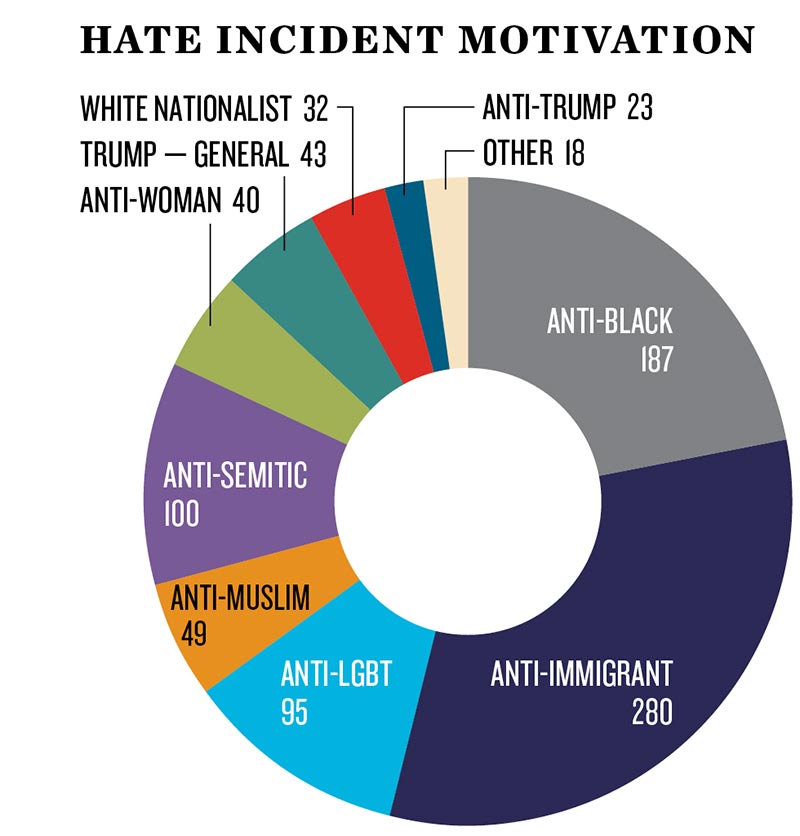
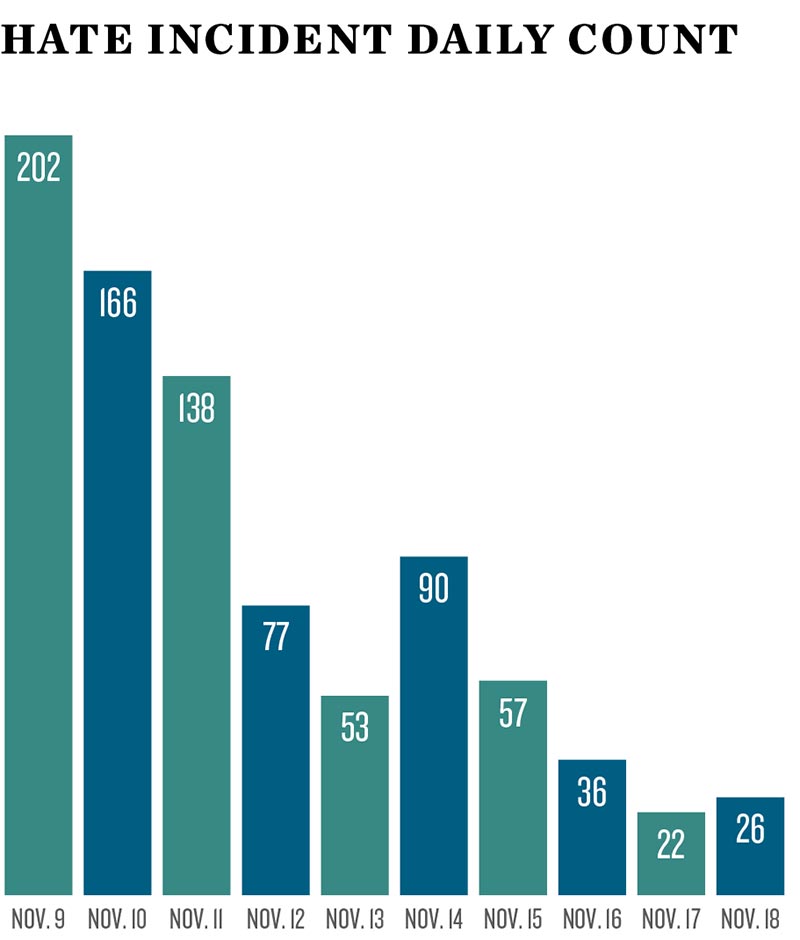
According to the Southern Poverty Law Center, the US saw a spike of hate incidents after the election of Donald Trump on November 8th. 867 real-world (i.e., not internet-based) incidents were reported to the Center or covered in the media in just 10 days. USA Today reports that the the Council on American-Islamic relations also saw an uptick in reports and that the sudden rise is greater than even what the country saw after the 9/11 attacks. This is, then, likely just a slice of what is happening.

The Center doesn’t present data for the days coming up to the election, but offers the following visual as an illustration of what happened the ten days after the 8th.

2

If the numbers of reports prior to the 8th were, in fact, significantly lower than these, than there was either a rise in incidents after Trump’s victory and Clinton’s loss, or an increase in the tendency to report incidents. Most perpetrators of these attacks targeted African Americans and perceived immigrants.

8

The most common place for these incidents to occur, after sidewalks and streets, was K-12 schools. Rosalind Wiseman, anti-bullying editor and author of Queen Bees and Wannabes, and sociologist CJ Pascoe, author of Dude, You’re a Fag, both argue that incidents at schools often reflect adult choices. Poor role models — adults themselves who bully or who fail to stand up for the bullied — make it hard for young people to have the moral insight and strength to do the right thing themselves.

Lisa Wade, PhD is an Associate Professor at Tulane University. She is the author of American Hookup, a book about college sexual culture; a textbook about gender; and a forthcoming introductory text: Terrible Magnificent Sociology. You can follow her on Twitter and Instagram.
Originally posted at Orgtheory.

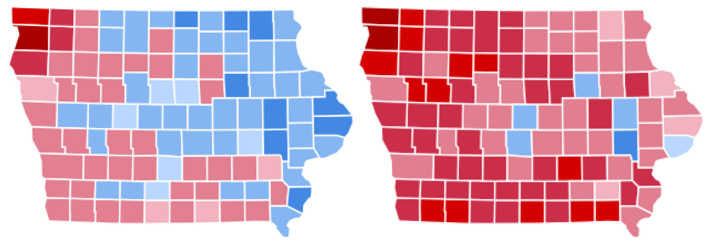
6Iowa in 2008, Iowa in 2016

So there are a thousand reasons Trump won the election, right? There’s race, there’s class, there’s gender. There’s Clinton as a candidate, and Trump as a candidate, the changing media environment, the changing economic environment, and the nature of the primary fields. It’s not either-or, it’s all of the above.

But Josh Pacewicz’s new book, Partisans and Partners: The Politics of the Post-Keynesian Society, implies a really interesting explanation for the swing voters in the Rust Belt—the folks who went Obama in 2008, and maybe 2012, but Trump in 2016. These voters may make up a relatively small fraction of the total, but they were key to this election.

Pacewicz’s book, which just came out this month, doesn’t mention Trump, and presumably went to press long before Trump was even the presumptive Republican nominee. And the dynamics Pacewicz identifies didn’t predict a specific outcome. (In fact, Josh guest-blogged at orgtheory in August, but focused on explaining party polarization, and did not venture to predict a winner.)

But Partisans and Partners nevertheless does a really good job of explaining what just happened. Its argument is complex, and doesn’t imply a lot of obvious leverage points for decreasing political polarization or the desire for “disruptive” candidates. But I think it’s an important explanation nonetheless.

The book is based on ethnographic and interview data collected over a period of several years in two Rust-Belt Iowa cities of similar size, one traditionally Republican, and the other traditionally Democratic. Both of these cities saw a transformation in their politics in the 1980s. Until the 1970s, urban politics were organized around a partisan divide closely associated with local business elites, on the Republican side, and union leaders, on the Democratic side. Politics was highly oppositional, and the party that won local elections got to distribute a lot of spoils. But it was not polarized in the sense it is today—while there were fundamental differences between the parties, particularly on economic issues, positions on social issues were less rigidly defined.

During the 1980s, something changed. Pacewicz calls that something “neoliberal reforms”; I might argue that those are just one piece of a bigger economic transformation that was happening. But either way, the political environment shifted. Regulatory changes encouraged corporate mergers and buyouts. This put control of local industry in distant cities and hollowed out both business elites and union power. The federal government shifted from simply handing cities pots of money that the party in power could control, to requiring cities to compete for funds, putting together applications that would compete with those of other cities. This environmental change facilitated the decline of the old “partisans”—the business and labor elites—and the rise of a new group of local power brokers—the “partners”.

The partners were more technocratic and pragmatic. They did not have strong party allegiances, nor did they see politics as being fundamentally about competition between the incompatible interests of business and labor. Instead, they focused on building temporary alliances among diverse groups with often-conflicting interests. Think business-labor roundtables, public-private partnerships, and the like. This is what was needed to attract industry from other places (look how smooth our labor relations are!) and to compete for federal grants and incentives (cities with obviously oppositional politics tended to lose out). The end of politics. Sounds great, right?

The problem was that these dynamics also hollowed out local parties. The old partisans had lost power. Partners didn’t want to be active in party politics. This left parties to activists, who over time came to represent increasingly extreme positions—a new wave of partisans.

What did this mean for the average voter? Pacewicz shows how older voters still conceptualized the two parties as fundamentally reflecting a business/labor divide. But most younger voters came to understand politics as representing a divide between partners—people working together, setting aside differences, for the benefit of the community—and partisans—people representing the interests of particular groups.

Partners didn’t like politics. They didn’t really think it should exist. They disliked political polarization, thought that people were pretty similar underneath their surface differences, and that conflict was generally avoidable. They distrusted politics, their party affiliation tended to be provisional, and they often responded only to negative ads around hot-button issues.

The new partisans, on the other hand, were alienated from contemporary life. They thought things were going to hell in a handbasket. They were looking for change, and saw outsider candidates as appealing—candidates who promised to shake up the system. Many had a strong preference for Democrats or Republicans. But while for traditional voters party affiliation was rooted in a sense of positive commitment, for the new partisans, it was based on disaffection with the alternative. And a key group of “partisans” was politically uncommitted (a contradiction in terms?)—disaffected and angry and wanting politics to solve their problems, but not aligned with a party.

The 2008 election illustrates how these types respond to candidates. In the primaries, partners liked Obama, responding well to his post-partisan image. He was less favored by Democrats and traditional voters and partisans. By fall, though, traditional (Democratic) voters and (Democratic) partisans tended to get on board, while partners waffled as Obama came to seem more partisan.

The most erratic group was the uncommitted partisans. These people wanted somebody—anybody—to shake things up, to change the system. And they wanted somebody to represent them—the outsider. They tended to lean toward GOP candidates (one illustrative voter was a big Palin fan), but many also simply remained disaffected and stayed home.

This is the group, it seems to me, that is key to understanding the 2016 election. Democrats gonna Democrat, and Republicans gonna Republican. In the end, most people really aren’t swing voters. But the unaffiliated partisans are the type of voters who would have found some appeal in both Bernie and Trump: someone claiming to represent the everyman, and someone willing to shake up the status quo.

In the end, these folks are unlikely to be motivated to vote for a Clinton or a Romney. It’s just more of the same. But they can be energized by populism, and by the outsider. These are the people who will vote for Trump just as a big old middle finger to the system. Partisans and Partners isn’t specifically trying to explain Trump’s win, in Iowa or anywhere else. But it does as good a job as anything I’ve read at pointing in the direction we should be looking.

Elizabeth Popp Berman, PhD is an associate professor of sociology at the University at Albany, SUNY, and the author of the award-winning book Creating the Market University: How Academic Science Became an Economic Engine. 

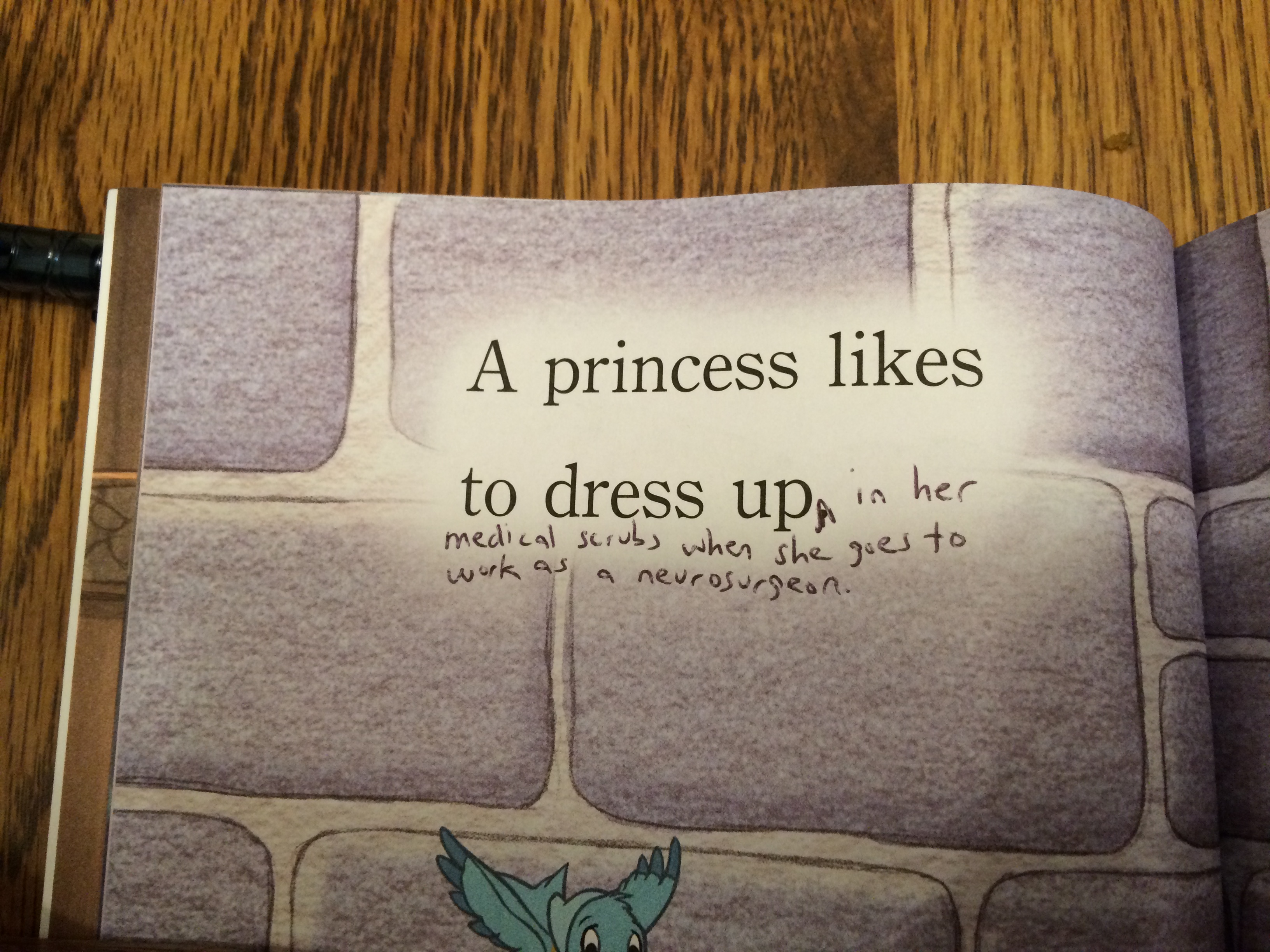
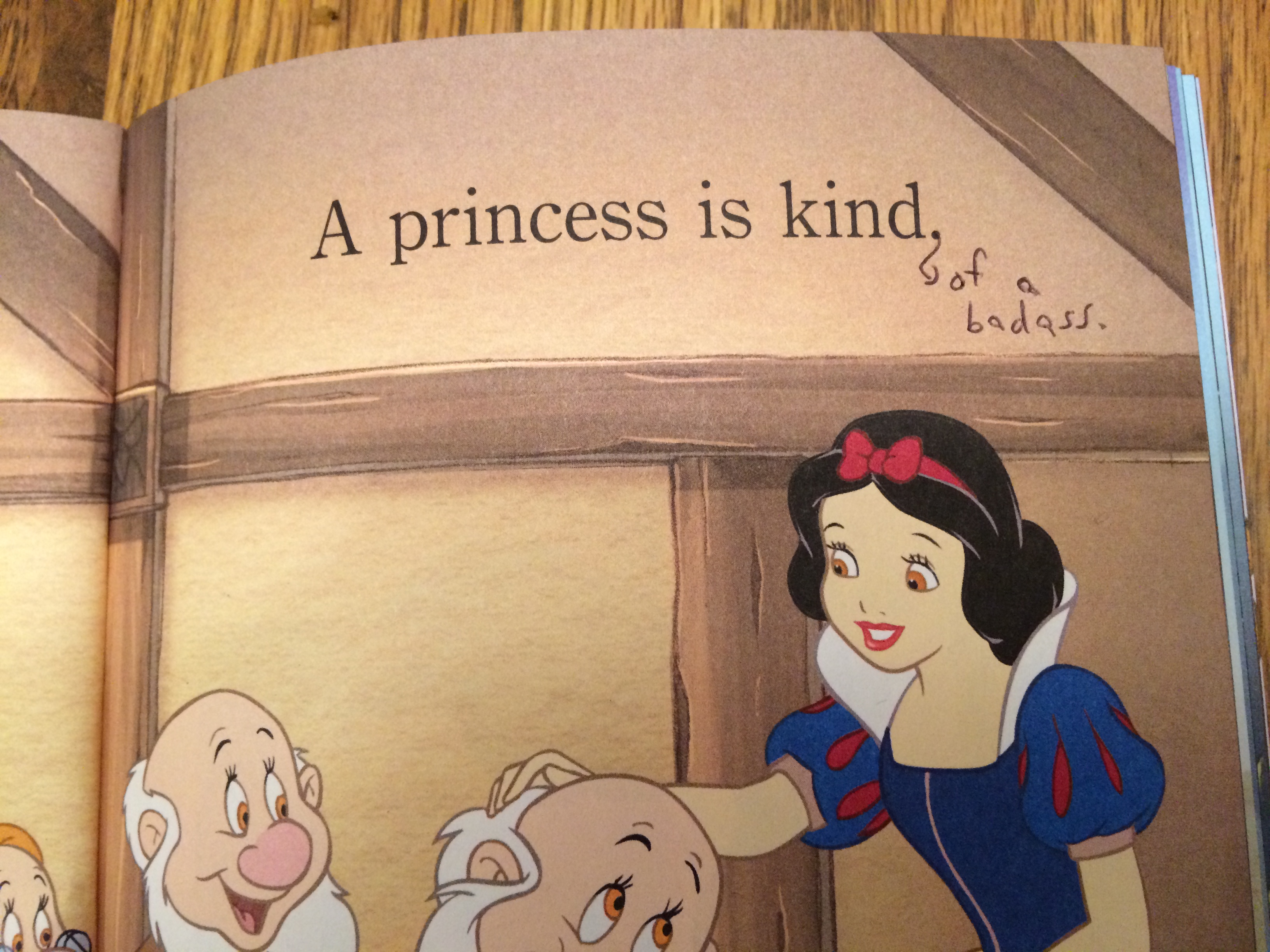
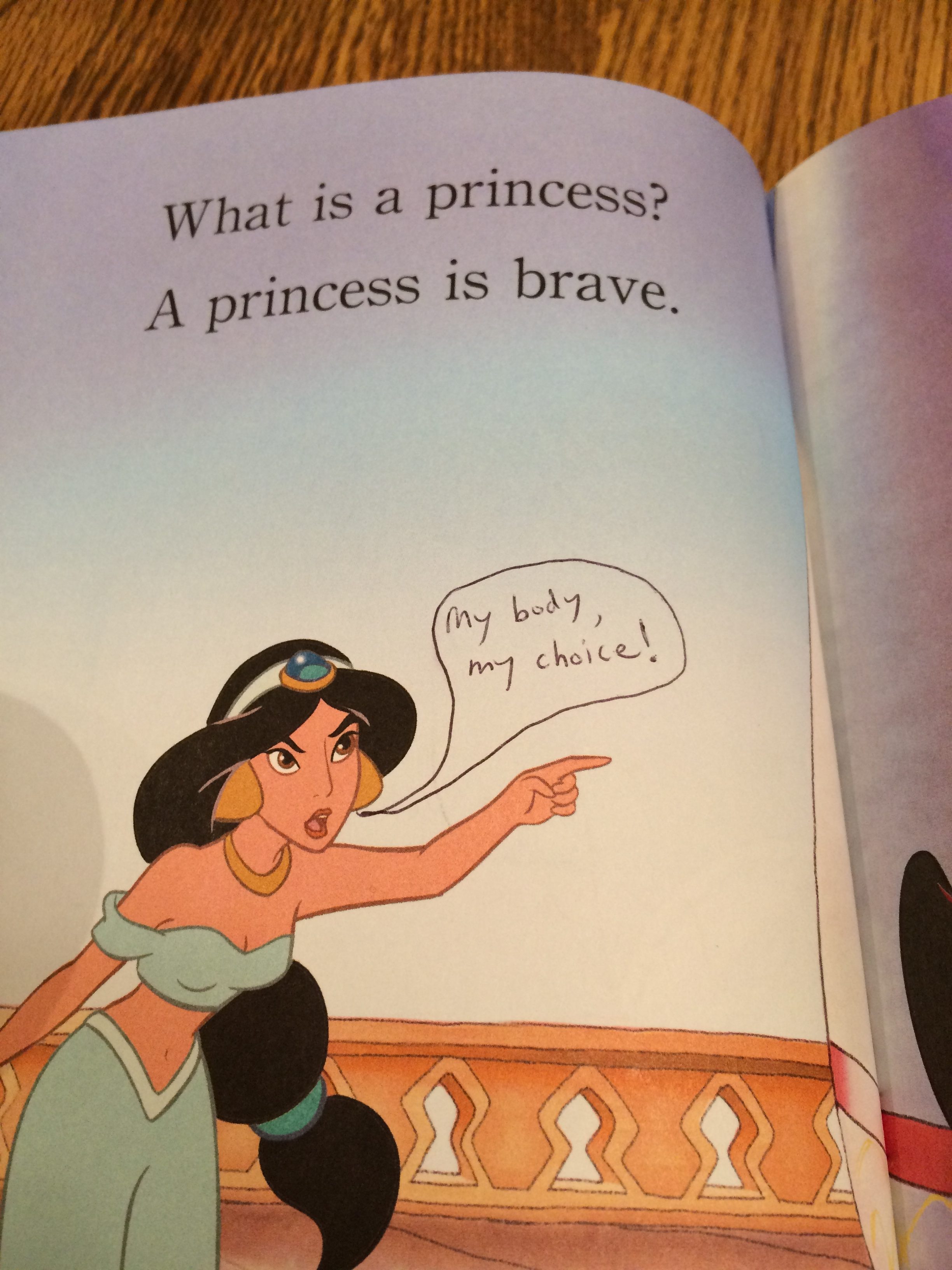
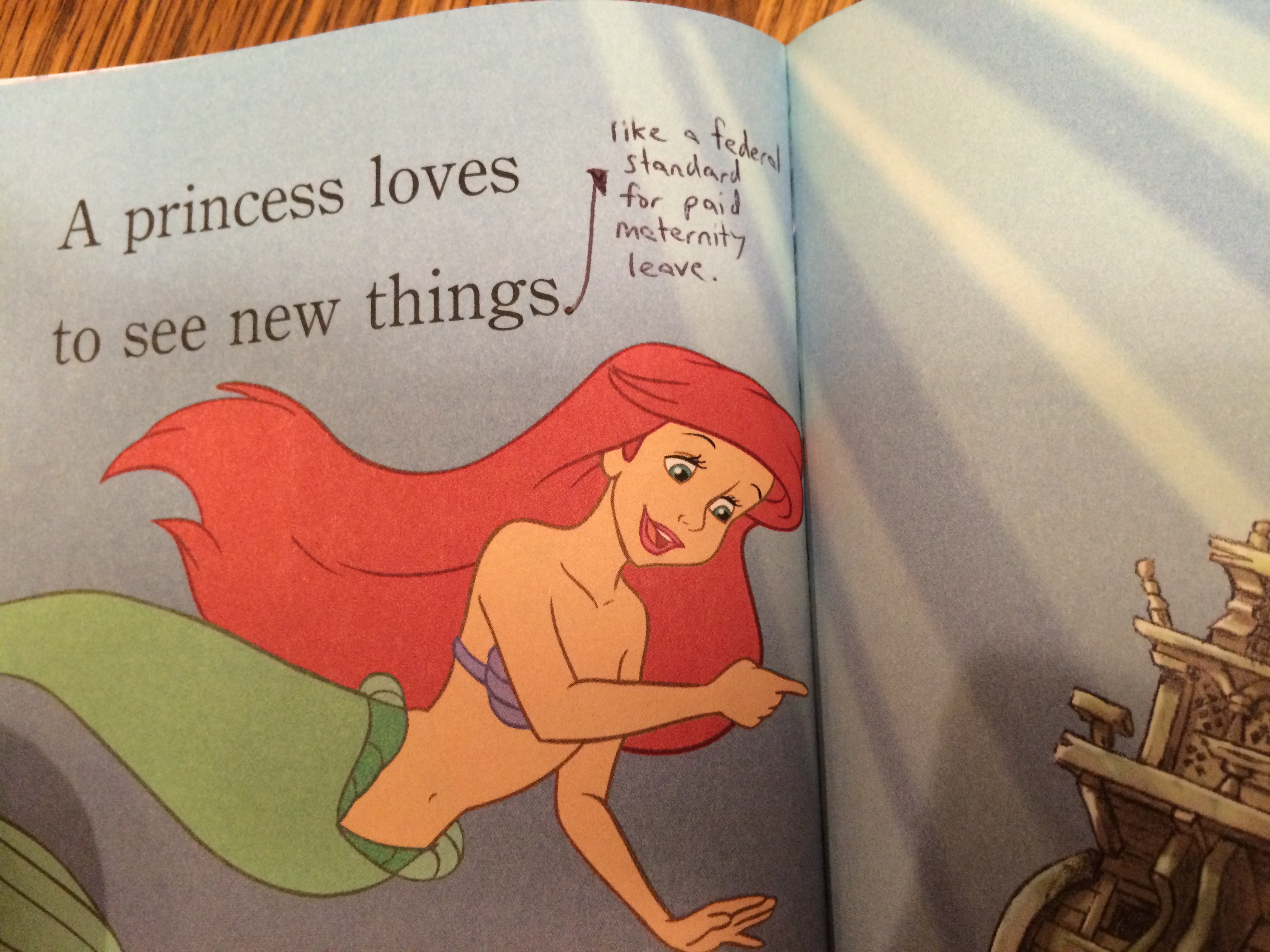
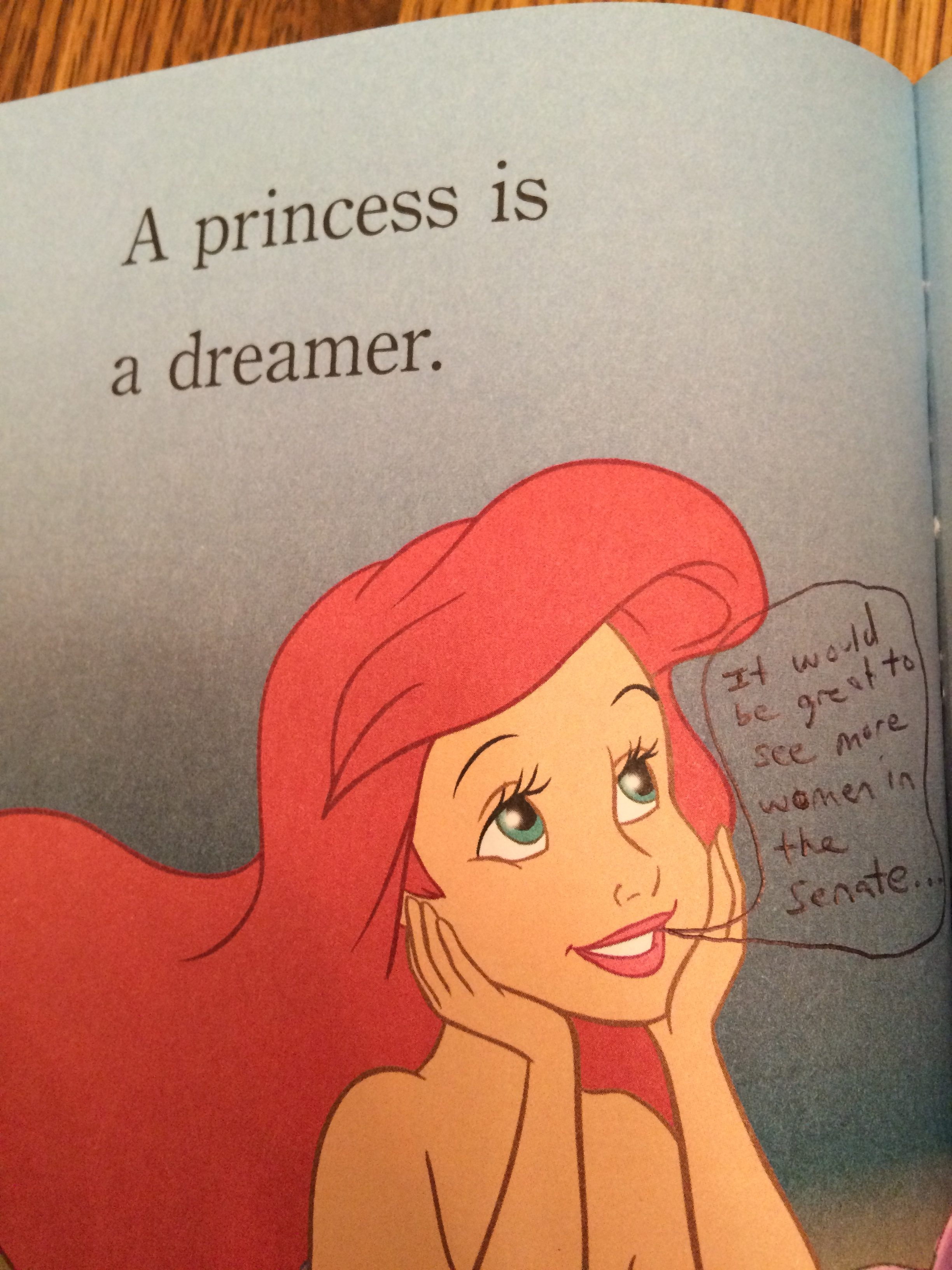
Sometimes there’s nothing to do but take matters into our own hands. Danielle Lindemann, a mother and sociologist, decided to do just that. After discovering that one of her daughter’s books required some “subversion,” she decided to do a little editing. Here’s to one way of fighting the disempowering messages taught to little girls by capitalist icons:

img_4096 img_4095 img_4098 img_4097 img_4101 img_4103

Lisa Wade, PhD is an Associate Professor at Tulane University. She is the author of American Hookup, a book about college sexual culture; a textbook about gender; and a forthcoming introductory text: Terrible Magnificent Sociology. You can follow her on Twitter and Instagram.