Archive: Mar 2014

Prostitutes have often been at the forefront of challenges to gender conventions. Already at the fringes of “respectable society,” by choice or circumstance, these women often have less to lose than others.

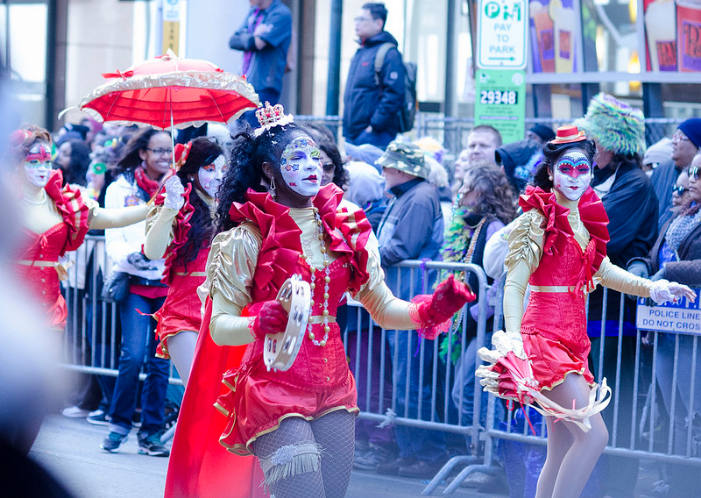
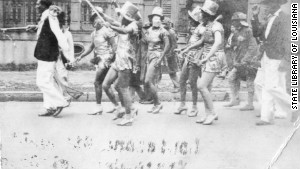
The Mardi Gras Baby Dolls are an excellent example.  NPR’s Tina Antolini writes that the baby doll tradition began in 1912.  That year a group of African American sex workers dressed up like baby dolls and took to the streets to celebrate Mardi Gras.

Baby dolls, 1930s (CNN):
5

Baby dolls, 1942:
babydolls1

Calling your lover “baby” had just become part of the English language.  Meanwhile, actual baby dolls, the toy, were rare.  By dressing up this way, they flouted both gender and race rules.  Women were largely excluded from masking for Mardi Gras and African Americans were still living under Jim Crow.  Black women, by virtue of being both Black and female, were particularly devalued, sex workers ever more so.  Asserting themselves as baby dolls, then, was a way of arguing that they were worth something.

“[I]t had all that double meaning in it,” explains historian Kim Vaz, “because African-American women weren’t considered precious and doll-like.”

It was a bold thing to do and the Baby Dolls carried walking sticks with them to beat off those who accosted them.

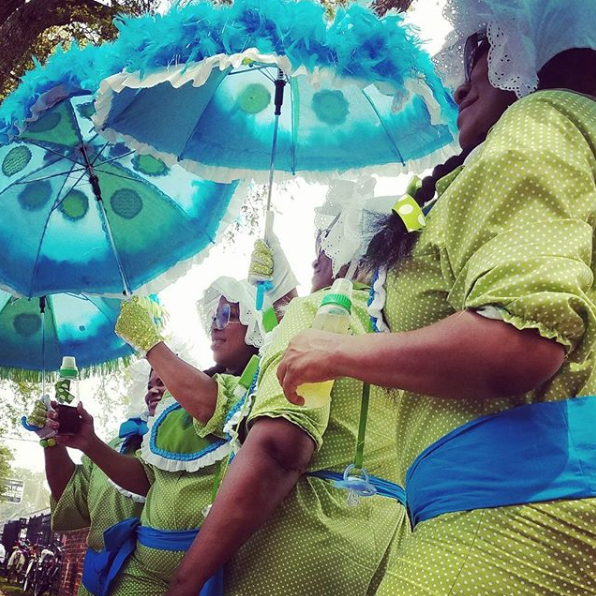
Today, honoring those brave women that came before, the tradition lives on in a city with the richest and most creative and unique traditions I have ever encountered.  Happy Mardi Gras, Baby Dolls!  Have a wonderful day tomorrow!
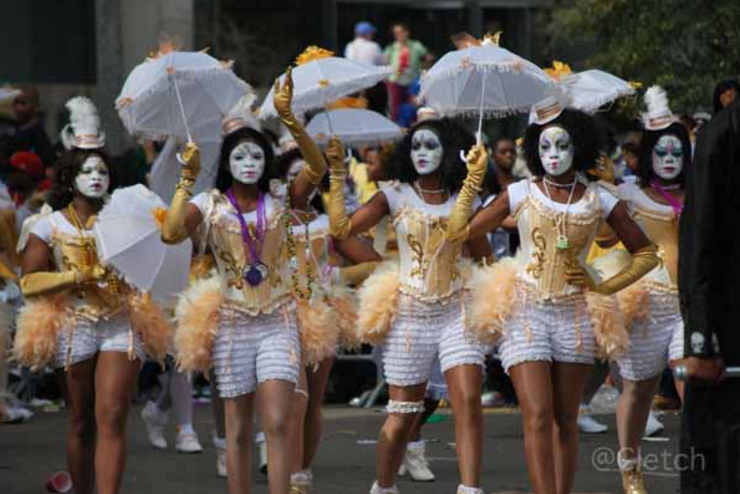
Flickr creative commons by Pat (Cletch) Williams.
Flickr creative commons dipfoto.
Instagram, by Lisa Wade.

For more, visit They Call Me Baby Doll.  Cross-posted at Pacific Standard.

Lisa Wade, PhD is an Associate Professor at Tulane University. She is the author of American Hookup, a book about college sexual culture; a textbook about gender; and a forthcoming introductory text: Terrible Magnificent Sociology. You can follow her on Twitter and Instagram.
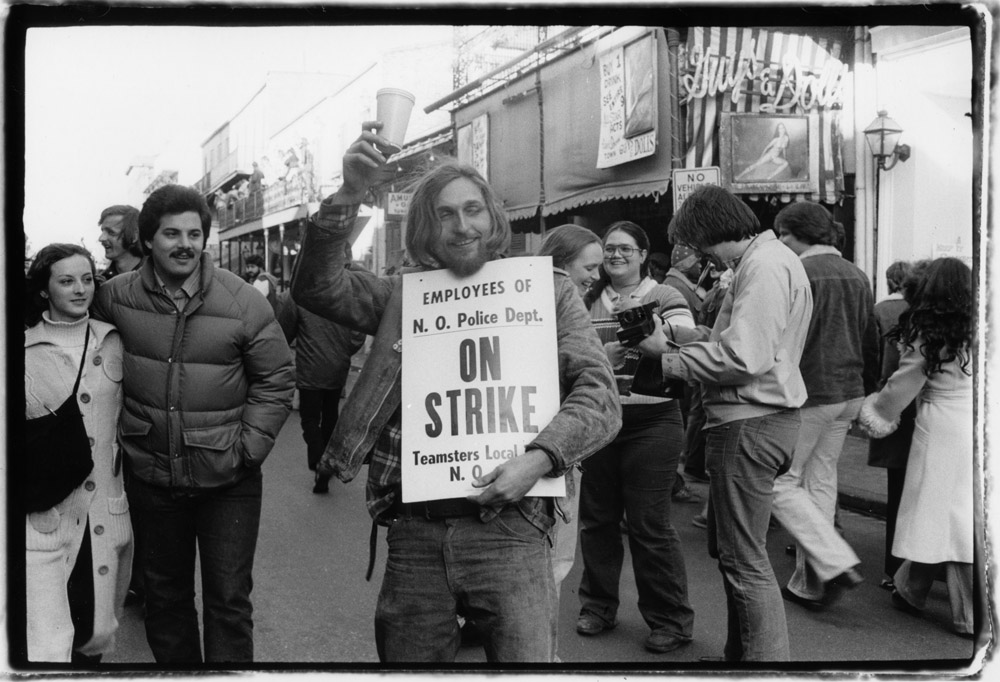
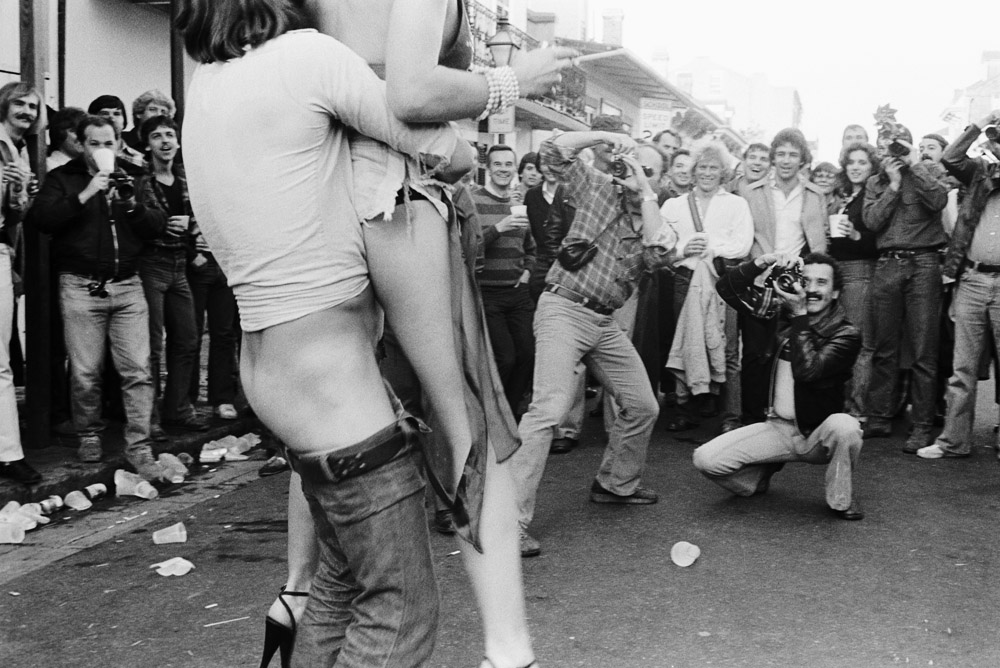
In 1979 the New Orleans police department went on strike, using the powerful leverage of Mardi Gras to push for an improvement in their working conditions.  The city held fast and the celebration was cancelled.  Ish.  Some parades moved just out of town.  Most tourists stayed away, fearful of unregulated reveling.  But lots of locals went forward with the holiday, partying in the streets without the influx of tourists that accompany a typical Fat Tuesday.

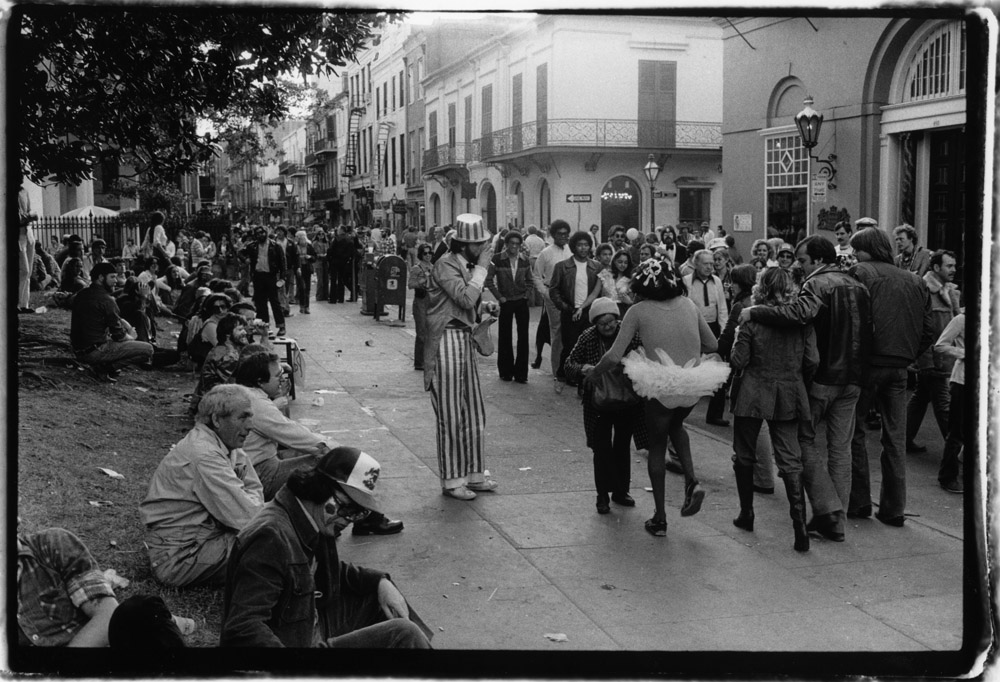
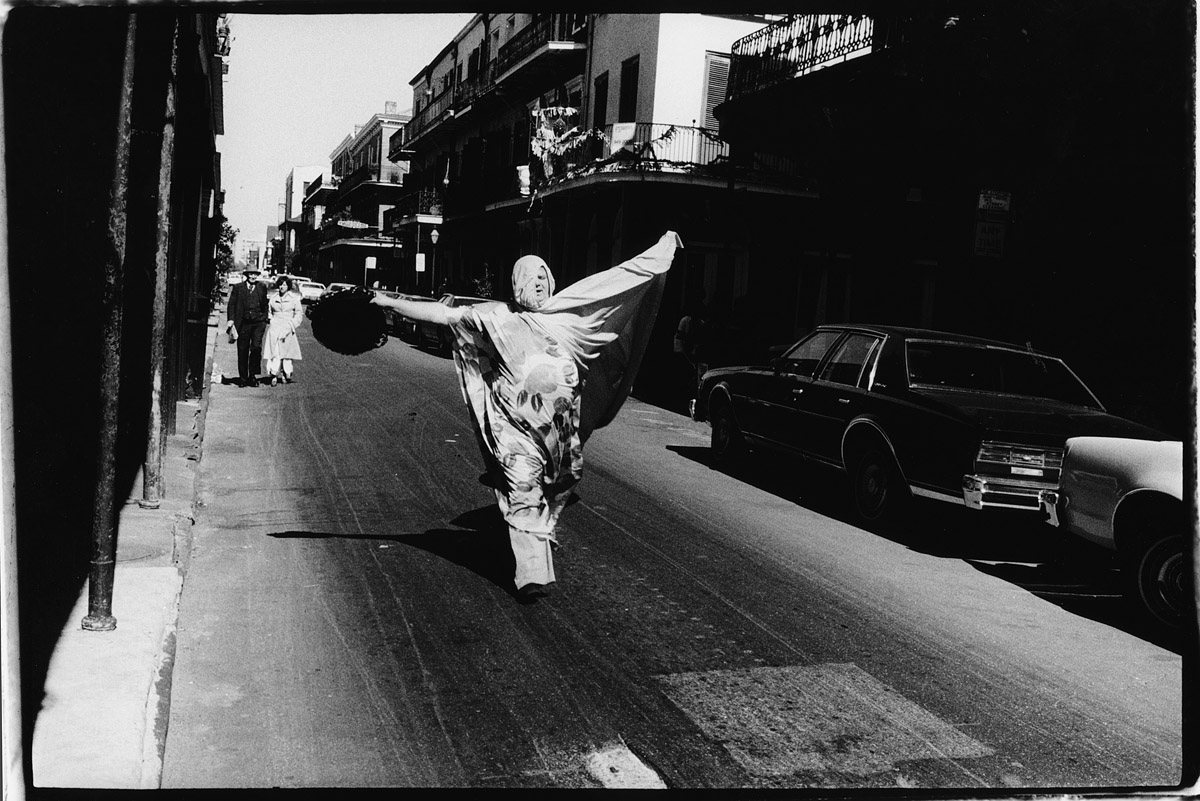
The National Guard was called in to ensure a semblance of order, but they ignored vice, intervening only against violence.  According to Wikipedia, many French Quarter locals decided it was the best Mardi Gras ever.  Photographer Robbie McClaran was there.  Here are some of his photographs of the day:

Untitled - New Orleans 1979Vintage photography from the late 1970s Untitled - New Orleans 1979

Of the last photo, McClaran writes: “I remember this scene like it was yesterday, it was the moment when I thought to myself Mardis Gras had reached a level of surreality I had never experienced before. Homeless woman dancing with a man in a tutu while Uncle Sam looks on and salutes.”

Untitled15

Le bon temps roule, everybody.

Lisa Wade, PhD is an Associate Professor at Tulane University. She is the author of American Hookup, a book about college sexual culture; a textbook about gender; and a forthcoming introductory text: Terrible Magnificent Sociology. You can follow her on Twitter and Instagram.
1As we say goodbye to Black History Month, let us return to posts past.

We have been urged to celebrate…

<sarcasm> Good times. </sarcasm>

Lisa Wade, PhD is an Associate Professor at Tulane University. She is the author of American Hookup, a book about college sexual culture; a textbook about gender; and a forthcoming introductory text: Terrible Magnificent Sociology. You can follow her on Twitter and Instagram.