Archive: 2008

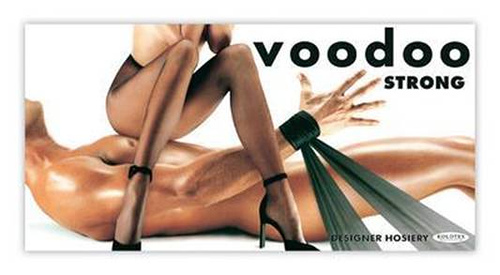
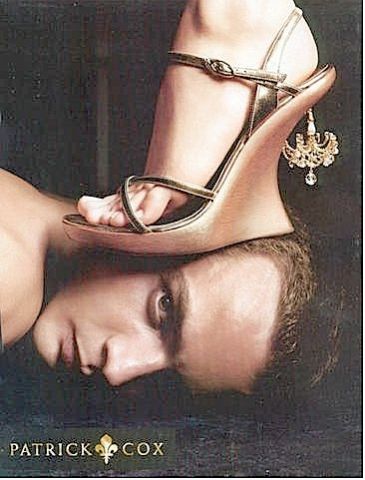
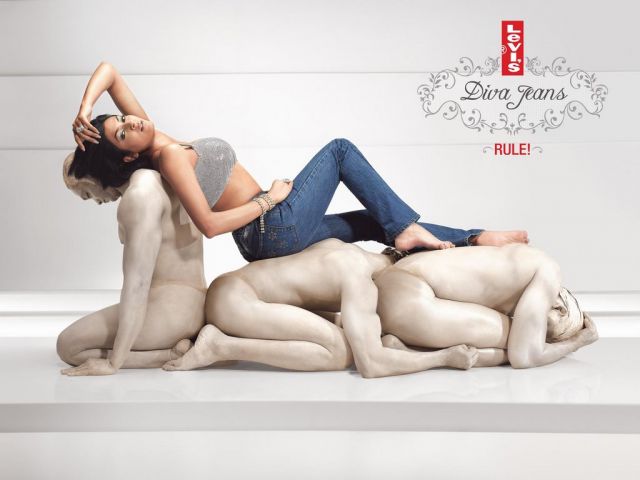
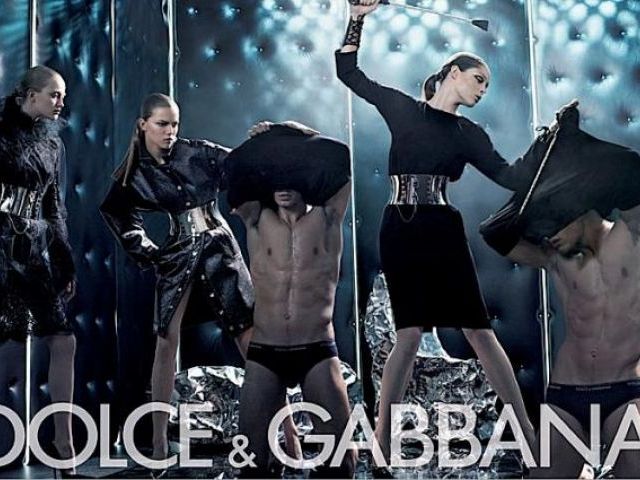
Miguel sent us a link to Galeria: Ellas Mandan, a set of advertisements that reverse the common images of male dominance by showing women in control:

For liquor:

For pantyhose:

Shoes:

Jeans:

Dolce & Gabbana:
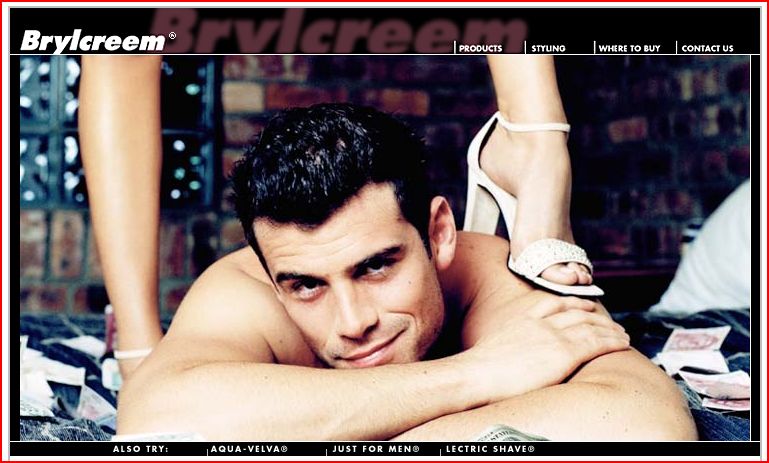
A submission from Stumblng Tumblr from the Brylcreem website:
NEW!  A fashion ad from Phillip G.:
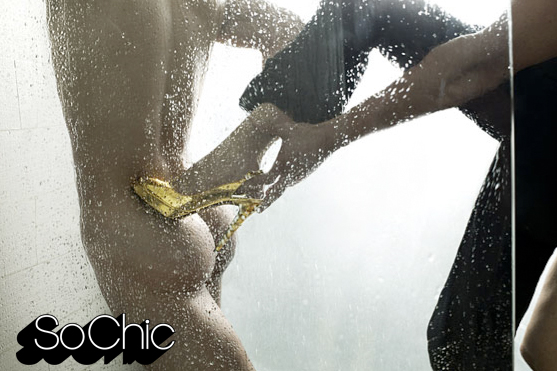
lrg-2765-brian_atwood_series2_03_jpg

These images show women in “control” of, or dominating men, but in a very sexualized manner that often references S&M or bondage. So women can have power, but have to be sexualized at the same time. This fits in well with our cultural beliefs that women have power over men because men want sex and will allow themselves to be manipulated by women in order to get it. So women can supposedly control men by threatening to withhold sex until they get what they want.

And is it not possible to just have some images where men and women are equals and no one has to be dominant? Is that out of the question?

Thanks, Miguel!
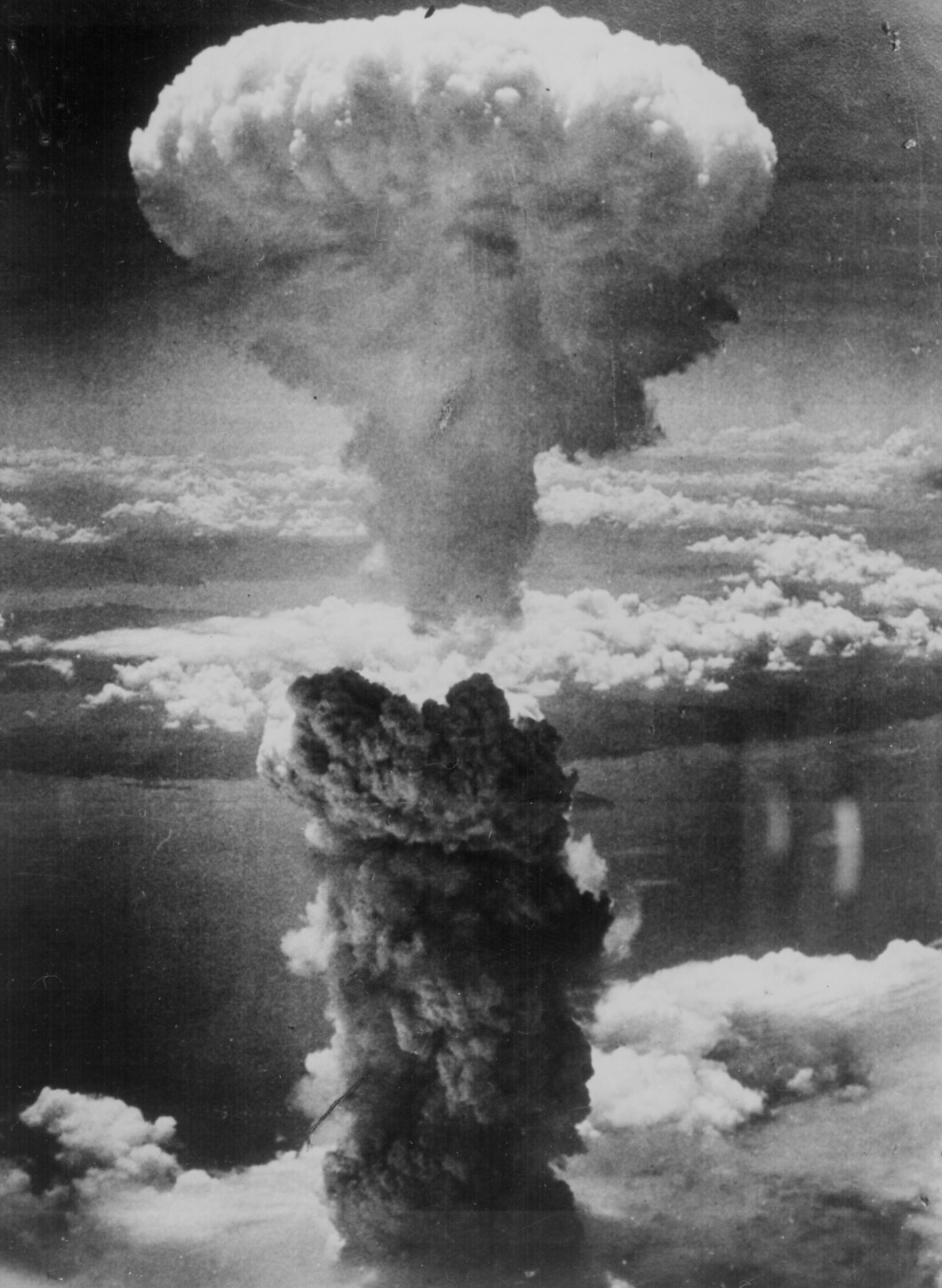
 

Lisa and I went to the Atomic Testing Museum in Las Vegas today. We were not allowed to take pictures! However, we were inspired to post about the word “atomic.” Below are some pictures related to the U.S. bombing of Nagasaki during WWII. They are followed by some examples of the way in which the word “atomic” has been taken up in popular culture

The mushroom cloud over Nagasaki, Japan:

Nagasaki before and after the U.S. dropped an atomic bomb (found here):

Together the bombs dropped by the U.S. on Nagasaki and Hiroshima killed between 150,000 and 220,000 people immediately (that is, not considering the long-term morbidity and mortality). For more on the science of atomic bombs and the structural and human casualties of the Hiroshima and Nagasaki bombings, click here. Our point here is to point out that at this point in history, the word “atomic” referred to something incredibly devastating to human life.

Given this, we find it fascinating that the word came to mean something like “cool,” “super extra much,” “hot and spicy” and numerous other vague references to awesomeness. Then, the adjective could be used to describe anything at all. Consider the following examples

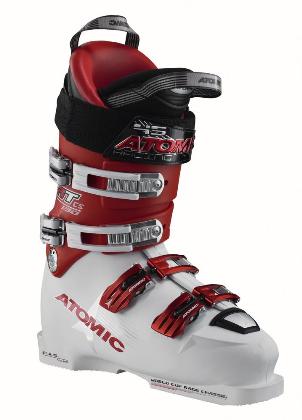
Clothes and sporting equipment:

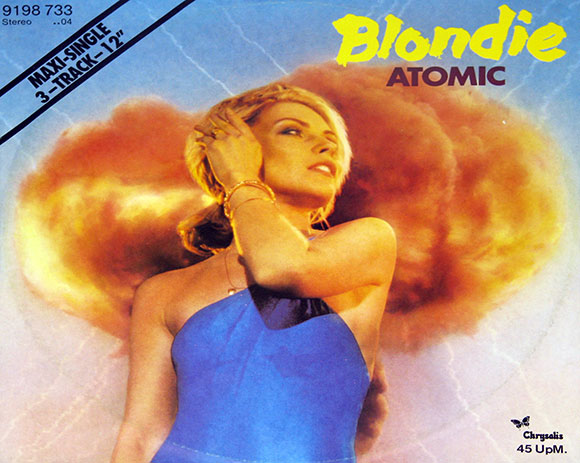
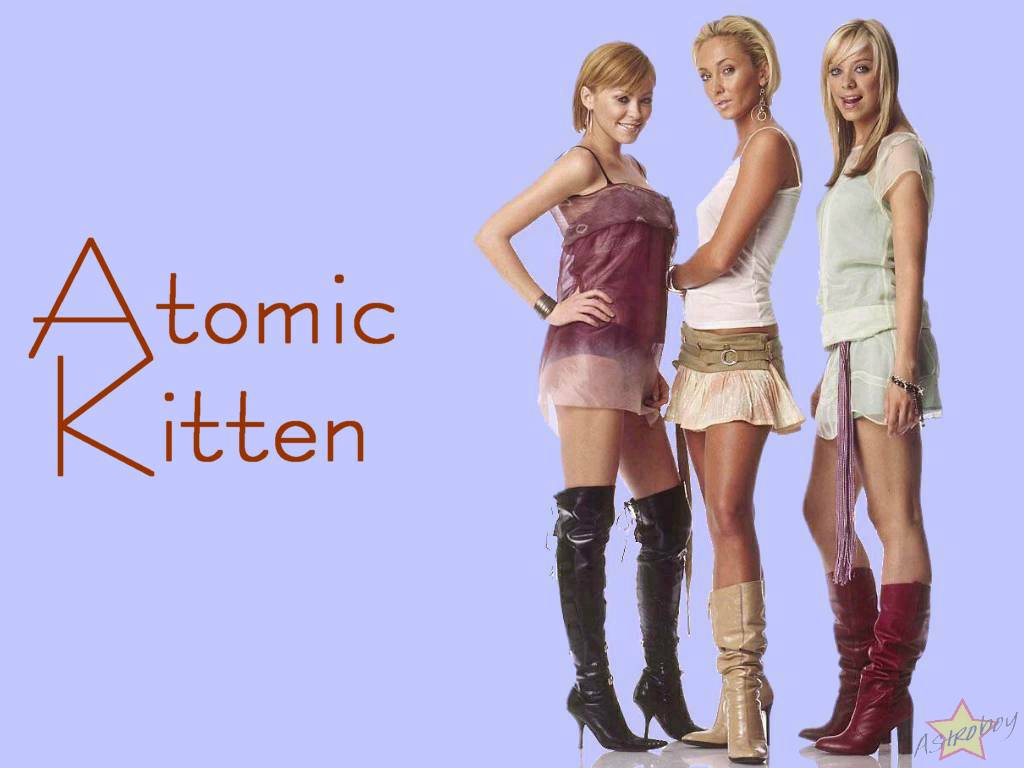
Music-related stuff:

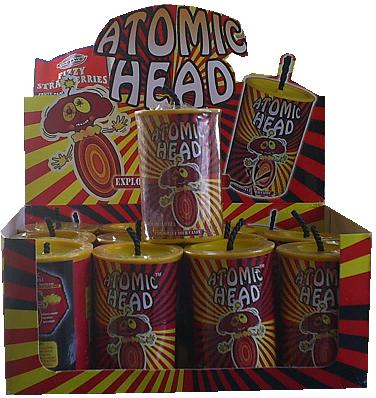
Candy:


So at some time and for some reason, the word “atomic” came to refer not to something very, very serious and instead to something very, very fun. How odd. We did a search for the etymology of the word “atomic” and there was nothing to explain how the word came to be used that way in popular American culture. In fact, there was no reference to its non-scientific use at all.

P.S. – If you’re ever in Las Vegas and want to see something very, very weird (sociologically, we mean), we suggest the Atomic Testing Museum. There, you can learn about America’s proud “atomic testing heritage.”

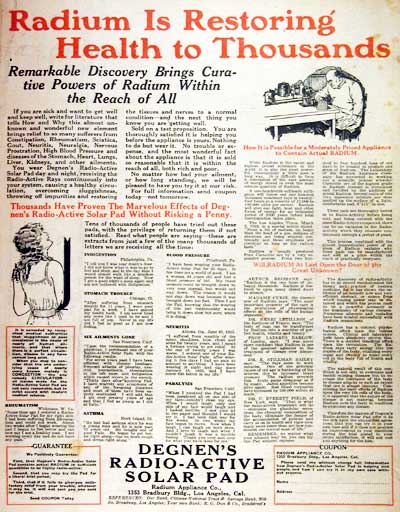
UPDATE: Commenter Elena pointed out that before the creation of the atomic bomb, people thought radiation promoted health. An ad for a radioactive “solar pad,” basically a radioactive belt people were supposed to wear:

Found here.

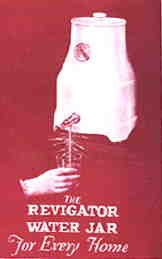
A radium water filter:

Found here.

It seems odd to me that after the devastation the atomic bombs caused in Japan, the word “atomic” and atomic materials such as uranium retained any positive connotations in the public realm.

Gwen Sharp is an associate professor of sociology at Nevada State College. You can follow her on Twitter at @gwensharpnv.

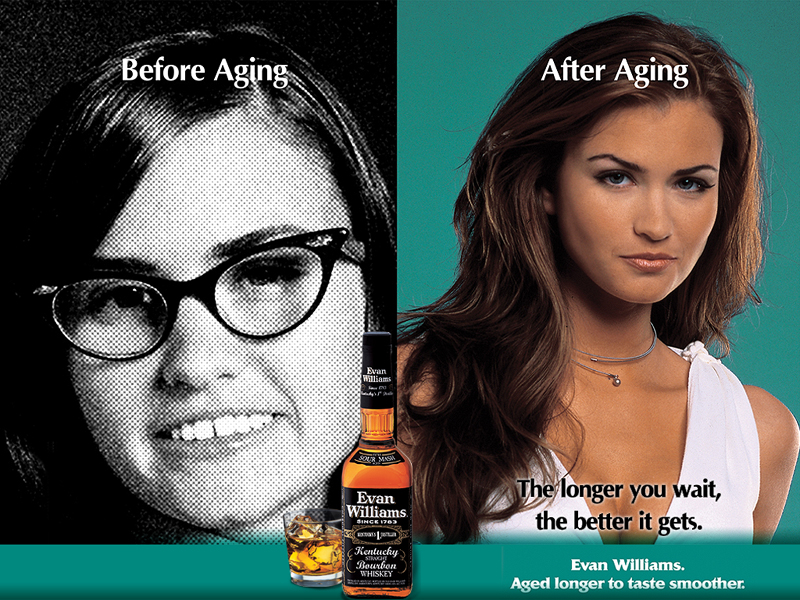
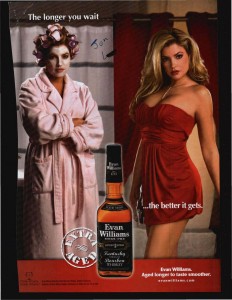
The following images are from an ad campaign by Evan Williams bourbon. Each features the tag line “The longer you wait…the better it gets.” The first is a scanned image of a print ad (sorry for the torn edge):

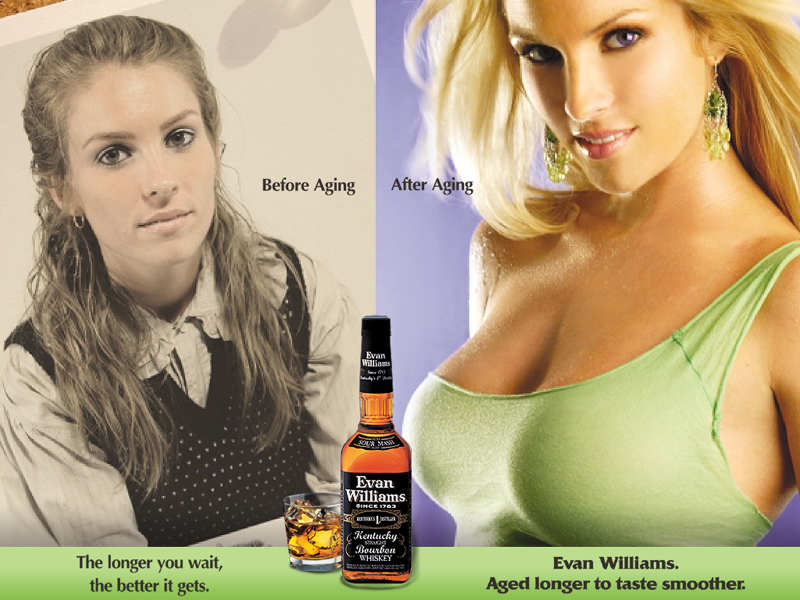
These images are from the Evan Williams website:

The images from the website also feature the “Before Aging: After Aging” slogan, which presumably applies to the increasing social demand for hypersexual feminine performance as time passes (and certainly not to an acceptance or appreciation of the fact that individual women age). I particularly enjoy this last ad, since it makes an observation that, in the old days, women wore frumpy sweaters, but now, thanks to “aging,” we can all expect women to wear asymmetrical lime-green halter tops with beads of moisture dripping into their copious cleavage.

And if that’s not a recipe for progress, I don’t know what is.

NEW! Here’s another one:

longer-you-wait

Here is a 5-minute clip (found here) on representations of female athletes in the media. It is from the documentary “Playing Unfair.

Thanks to John for mentioning this documentary in a comment.

What is the relationship between the denigration of men as men and patriarchy? So long as we buy into the idea that we can’t expect men to be good partners or fathers, we will tolerate women’s responsibility for the second shift and their placement on the mommy track at work. So the Homer Simpson-esque sitcom dads and the Jackass teenagers, while incredibly degrading to men, also serve to perpetuate patriarchy.

Case in point:

Jessica at Feministing writes that this ad:

…feed[s] into the sexist idea that men deserve a cookie for being halfway decent human beings, but it also denigrates men by suggesting that they’re animals, unable to resist any ass that that happens to pass their way.

Another excellent example here.

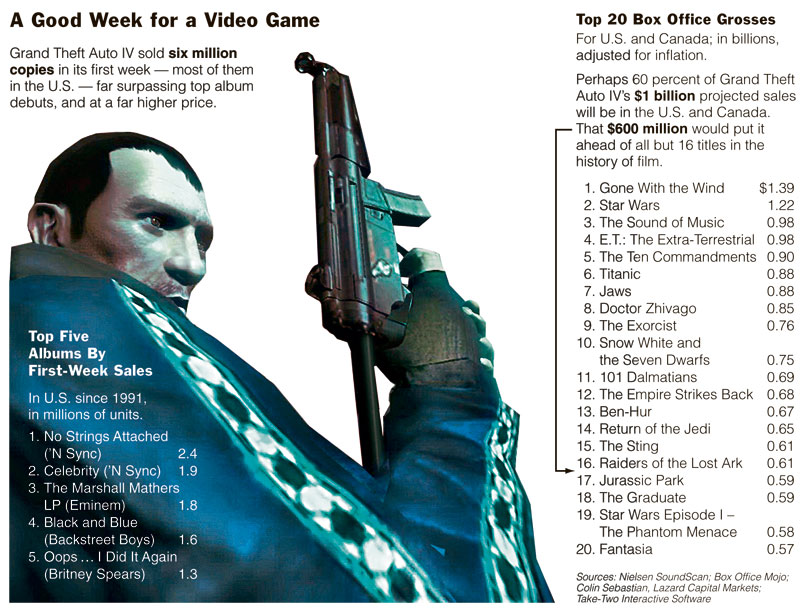
Grand Theft Auto is a notoriously violent and controversial video game. Writes Bill Marsh at the New York Times:

Game players inhabit a gangster who is equipped to dispatch scores of rival criminals and others, including police officers and innocent bystanders, on the rough streets of Liberty City, the bullet-riddled stand-in for New York… The latest… allows players to hire prostitutes and then run them over or shoot them right after they’ve performed their work…

Here is a visual that compares the spectacular success of Grand Theft Auto (measured by units sold and profits) with the most successful music and movies:

This is from the WNBA’s website–it’s their Dads and Daughters page. When I first came upon it, I assumed it highlighted the fathers of WNBA players. There’s a Dad of the Week section and a schedule of games that have a Dads and Daughters event. But the Dads of the Week aren’t necessarily related to anyone on the team. They’re just dads who are being highlighted–one Dad of the Week is the Executive Vice President of Products at AOL. How the Dads of the Week are chosen is not clear.

I went to the NBA website and looked around, and unless I’m missing something, there is no Moms and Sons (or even Dads and Sons) page.

I have a theory about this. From the beginning, one problem the WNBA faced was not appearing to be a “lesbian league,” which would presumably alienate advertisers and audiences. To highlight the femininity of the players (because pretty girls who wear makeup can’t be dykes, right?), players were encouraged to wear makeup (and were even sent on Oprah to get makeovers) and players with husbands, boyfriends, and children were photographed with them and their profiles made sure to stress their family roles. When the WNBA began, the website had a forum about the uniforms (potential colors, shapes, styles, etc.), and there was some discussion of making the players wear skirts. [For an interesting discussion of gender in the WNBA, check out: Sarah Banet-Weiser. 1999. “Hoop Dreams: Professional Basketball and the Politics of Race and Gender.” Journal of Sport & Social Issues 23: 403-420.]

The Dads and Daughters page fits into the efforts to make the WNBA seem “family friendly,” i.e., not lesbian. The importance of men in women’s lives is reaffirmed (and also the idea that girls get their athletic abilities from their dads, not their moms). It makes it clear that the WNBA is not a “women only” social space.

The NBA has no need for a similar emphasis on women because we assume that male athletes are heterosexual (in fact, playing sports is one of the ways men prove they aren’t gay).

The trouble is… people will answer them.

Found here thanks to commenter Phili-Chan! From an Australian show featuring Charles Firth.