feminism

The term “grooming,” hairstylists told me, is important in recoding beauty for men. During my research at high-service men’s salons, which focus on creating a pampered, “elevated experience” for their clients, I explored what it takes to make beauty masculinizing for some men. Veronica, the owner of one men’s salon, refers to her business as a “grooming lounge” so that clients invest in the space, services, and products as distinctly masculine. Beauty has been linked to women and femininity; to sell men on the commercial beauty industry, so the thinking goes, it has to be repackaged. This repackaging of beauty as “grooming” has been effective for Veronica, as well as for large cosmetic companies.

Men’s grooming is a growing subsector of the beauty industry, with already established and emerging product lines like Nivea Men, The Lab Series, Dove Men+Care, Jack Black, and Lauder for Men. And salons dedicated solely to shoring-up men’s hair, eyebrows, and nails are popping up across the country. Market research companies announce varying revenue numbers, but they all agree men’s grooming sales are in the billions and growing exponentially. This is cause for intrigue among social scientists like myself as well as journalists like Sabri Ben-Achor, who recently reported for NPR’s Marketplace on “How it became OK for guys to take care of themselves.”
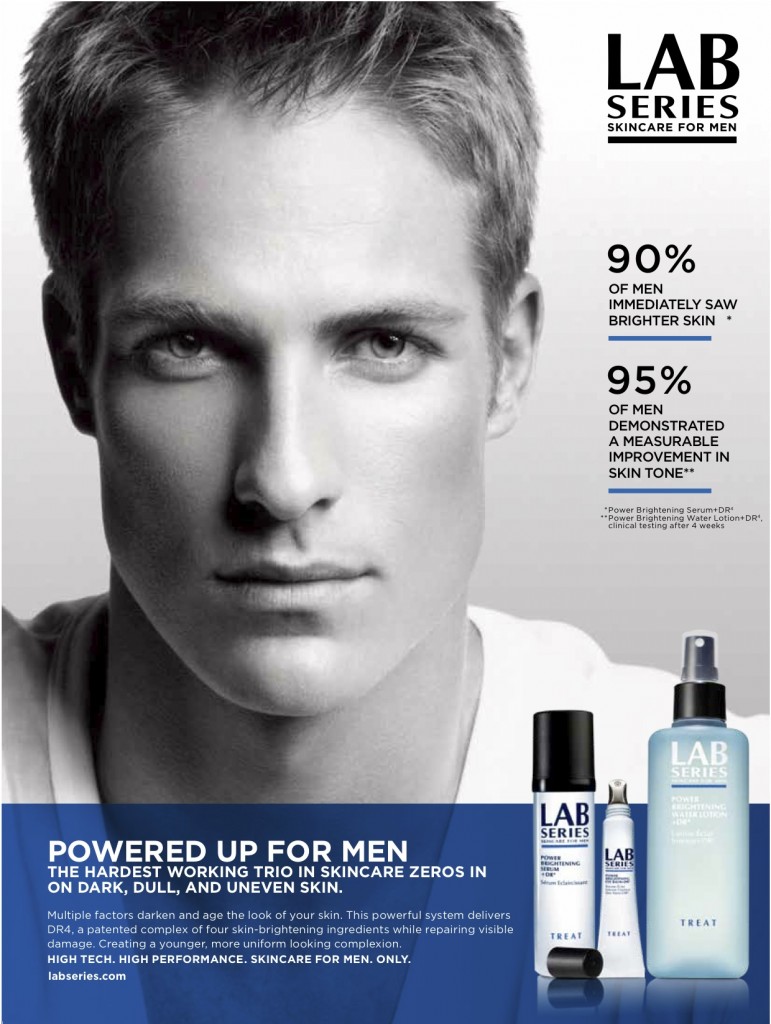
Image from: www.hisstylediary.com

We are thrilled here at Feminist Reflections that two of our contributing editors were interviewed as academic experts for Ben-Achor’s piece, including Tristan Bridges and myself. Lisa Wade, of our sister blog Sociological Images, is also featured. The article focuses on “why now?” What is it about the current cultural climate in the United States that makes the production, marketing, and sale of men’s grooming so successful, and why didn’t this happen sooner?

Listen to the NPR Marketplace report, here:


*I use pseudonyms to refer to my field sites and research participants, and this data come from my forthcoming book, Styling Masculinity: Gender, Class, and Inequality in the Men’s Grooming Industry.

Growing up in South Central Los Angeles, I remained vigilant to my surroundings and viewed feminist consciousness as something natural. I was painfully conscious of racial and socio-economic disparities, and I had a keen eye for the ways in which internal and external social class divisions affected my community, not to mention the daily hassles of gender inequality that surrounded me. I could not fathom as a teenager that people studied this in order to learn it. Upon seeing a course listed, The Sociology of Gender, I thought, “Who needs a textbook to figure this out?” I was living through it on the mean streets of South Central and the neighborhood that bordered this, Compton, California. I volunteered with the Women’s Infant Care (WIC) Program as early as 13 years old as part of a Summer Youth Enrichment Program for low-income inner city youth. And I remained the acutely aware survey-minded sociologist about local community social problems. The dilapidated geriatric neighborhood of Los Angeles – where some people raced through to head toward the 110 Harbor Freeway – was the everyday geographic space that formed my community. I never thought that people would invest time learning how to be a feminist with regards to these issues that women of color face each and every day. I was a natural one, or, in the words of Beyoncé, “I woke up like this.” However, things changed when I entered the Ivory Tower of Academia as an undergraduate.

I started out learning about feminism after reading Patricia Hill Collins’ work and then juxtaposing that to Sandra Harding’s work. I have always been fascinated with how discourses across feminisms worked. It was through this fascination that I developed an understanding that in addition to the production of knowledge, we also need to build relationships and coalitions around shared and different realities we experience as women. It is difficult capturing the particular realities that reproduce economic inequality for women as a unit, and how our binary classifications serve to label and legitimate the disempowerment of women as a group, unless we have discussions about these around the kitchen table. In fact, this is how we initially started building feminist coalitions around our feminist social locations with gender oppression and privilege. I have been reflecting upon sex and gender more and more these days. And I’ve been thinking about ways in which issues that relate to gender also relate to race and class and sexuality.

A well seasoned feminism makes no exceptions. The well seasoned feminist understands that full equality is like a full course well-balanced meal. It is also hearty and filling. It is like fresh baked ziti or gumbo or quiche. Upon reflection of the many different feminisms I have learned about, I always arrive back to the question that led me to these critiques in the first place—questions that interrogate the common core of our “womanism”, “being fully human,” the embracing of that shared part of us that we come to understand through our correspondences at conferences, research/teaching collaborations and informal table talk. To some extent we are like a well-seasoned dish. We have tasted some of the flavor or even have personal knowledge of what it feels like to experience the struggles across a socially unequal landscape and the work we do in our perpetuation and/or reduction of social inequalities.

I am reminded of a cold day in the fall at the University of California Davis while taking Judith Stacey‘s Sociology of Gender course. I was sitting in Olson Hall feeling as if I would never transition through my first semester of undergraduate studies. And in walks another student—a strong brave black woman- who seemed to instantly understand what I was experiencing. She looked at me and said, “You’ll be okay. This is the way first semesters go.” Her voice carried an aura of wisdom about my trepidation with beginning my academic studies at a predominately white college. She was speaking to me; she was speaking to the gendered experience of being a woman in college; she was speaking to the racial experience of being a black woman in college; and she was speaking to the classed experience of being a woman of color from a low income working-class family who was putting a lot of faith in what a college degree from a top-ranked university might provide for her future.

How could I feel comforted by this sense of feminist empowerment that she fostered within me? How was I able to pick up and carry on? I somehow knew that she understood the gendered part of my experience as a woman in an androcentric, masculine thought-based academic setting. Is this not why feminists pressed so hard in the 60s for Women Studies departments? After she said this to me, I regained my academic momentum, and immediately got up, walked to Shields Avenue towards the memorial student union and embraced my new experience. What I later came to realize, however, is that before I even knew about academic feminism or what it meant to take a feminist course from Dr. Judith Stacey, I was embraced by something that was very feminist outside of my neighborhood community in Los Angeles. This realization led me to another discovery: feminism is in many ways very abstract; it is knowing that you are not alone in a world that chooses whether or not to understand your gendered reality.

Taking these lessons and looking back on my life, I see that my life from 13 years old until the present has been rich with musings about all things feminist and the multiple reflections of what a feminist is and could be. This, I found, is what makes me tick. And this is what makes me a stronger feminist. I can appreciate the very struggles that we have across multiple identities. It is a social scientific fact that in some spaces, we as feminists are more privileged over our sisters, and in other spaces, we bear the burden of oppression in relation to our feminist sisters. None of us, however, would deny that there is an eclipsing of worldviews that bring women together under the canopy of shared understandings, narratives and collective biographies. Whether it’s fighting for women’s suffrage and/or trying to get equal pay, our challenges and struggles are collective and require us to fight together. Recognizing that our differences make us stronger is a goal toward which we can work more diligently.  This act of working together is most effective when we collectively share in a social consciousness, collectively identifying as ‘feminists’ toward our common goal of challenging and reducing social inequalities.

imagesMy best understandings of this strong feminist force becomes most apparent when I look at feminisms through the lens of multiple reflections—many feminists, many experiences. These experiences frame a set of points that represent feminist coordinates reflecting diverse feminist standpoints. Together, our feminist standpoints challenge us to change present social and economic conditions among ourselves and within the larger society.

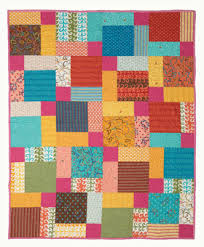
I close with a multi layered multifaceted quilt of feminist reflections which synthesizes my early teenage years up to the present day. My initial experiences with a natural feminist social consciousness and later learning it through an academic lens has enabled me to connect the importance of building strong feminist coalitions across our differences. We as feminists represent a collective joined by our diverse life experiences, akin to a resilient quilt that is sewn and stitched together from many different pieces of fabric (life experiences). It is through our collective strength that we make each other better in our work to challenge and reduce social inequalities. I am grateful that we are together as one multifaceted, multi layered quilt in this struggle.

__________________________________

WallaceGail Wallace is a Research Fellow at Johns Hopkins University Bloomberg School of Public Health. She specializes in Urban|Rural Health Policy, Health Disparities across Race, Class and Gender along with the Health of Minority Populations.

Robin-Thicke-Blurred-LinesRobin Thicke’s song, “Blurred Lines,” achieved international recognition in 2013. But the lyrics were also heavily criticized as promoting sexual violence by celebrating “blurred lines” around sexual consent. Indeed, the song and video prompted an online photo essay in which women and men are depicted holding up signs with words they heard from their own rapists—some of which were almost direct quotes from Thicke’s song. The song received a great deal of negative and positive press all at the same time. The media attention seemed to prove the media adage that any coverage is good coverage if Thicke’s continued celebrity is any measure.

It’s not a new argument to suggest that many elements of what feminist scholars refer to as “rape culture” are embedded in seemingly pleasurable elements of pop culture, like songs, movies, television shows etc. And Robin Thicke’s song served as an example to many of how we not only tolerate rape culture—but how we celebrate it and render it “sexy.” Recently, Rebecca Traister discussed just how much rape culture even informs what we think of as “good sex” in her piece “The Game is Rigged: Why Consensual Sex Can Still be Bad.” In it, Traister challenges the notion that all consensual sex is good and shows just how messy the debate about what qualifies as “consensual” really is. In many ways, our national discussion around sexual assault and consent is taking up themes raised by feminists in the 1980s about what actually qualifies as consent in a society in which violence against women is considered sexy.

Compared with “Blurred Lines,” Justin Bieber’s newly released hit single, “What Do You Mean?” has been subject to less critique. The notion that women do not actually know what they want and that they are notoriously bad and communicating their desires (sexual and otherwise) is pervasive. In the song, Bieber asks the woman with whom he’s interacting, “What do you mean? / Ohh ohh ohh/ When you nod your head yes / But you wanna say no / What do you mean?” The lack of clear consent isn’t just present in the song; it is what provides the sexual tension. It’s part of what is intended to make the song “sexy.”

Sexualizing women’s sexual indecision is an important part of the way rape culture works. It is one way that conversations about consent often over-simplify a process that is and should be much more complex. The song itself presents Bieber nagging the woman to whom he’s singing to make a decision about their relationship. But there are many elements suggesting that the decision she’s being asked to make is more immediate as well—not only about the larger relationship, but about a sexual interaction in the near future. Throughout the song, the click of a stopwatch can be heard as a beat against which Bieber presses the woman to make a decision while berating her for the mixed signals she has been sending him.

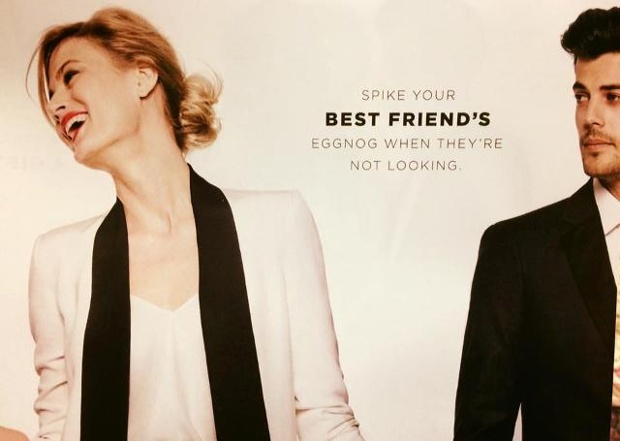
Bloomingdales-Spike-Drink-Ad-jpg
Image from Bloomingdale’s 2015 holiday catalog.

Bieber is presented as the “good guy” throughout the song by attempting to really decipher what the woman actually means. Indeed, this is another element of rape culture: the way in which we are encouraged to see average, everyday guys as “not-rapists,” because rapists are the bad guys who attack women from bushes (at worst) or simply get them drunk at a party (at best).*  The controversy over the ad in Bloomingdale’s recent 2015 holiday catalog urging readers to “spike your best friend’s eggnog when they’re not looking” shows that this kind of rape culture is also casually promoted in popular culture as well.  But, the larger discourse that Bieber’s song plays a role in promoting is the notion that women do not know what they mean or want. Bieber plays the role of someone simultaneously pressuring her for sexual advance (“Said we’re running out of time”), helping her work through her feelings (“What do you mean?”), and demanding results (“Better make up your mind”). And, like the Bloomingdale’s advertisement, this is not sexy.

Indeed, the music video (above) takes this a step further. Bieber is shown at the beginning paying John Leguizamo on a street corner and asking him to make sure “she doesn’t get hurt.” We later find out that John was paid to orchestrate a kidnapping of both Justin and the woman whom he meets in a hotel room. Both are taken by men in masks, driven to a warehouse in the trunk of a car, and tied up. Justin is able to free them, but they are still in a room with their kidnappers. They back up to a door that leads outside the building and see that they are one of the top floors. Justin turns to the woman, holds out his hand and asks, “Do you trust me?” She takes his hand and they both jump out of the building. They jump and fall to the ground, landing on a parachute pillow only to discover that the whole thing was a trick. The kidnapping was actually orchestrated ruse to bring her to a party that they entered by leaping from the building away from the men who’d taken them. The men in masks all reveal themselves to be smiling beneath. She smiles at Justin, recognizing that it was all a trick, grabs his face, kisses him and they dance the night away in the underground club.

Even though the song is about feeling like a woman really can’t make up her mind about Justin, their relationship, and sexual intimacy, the woman in the video is not depicted this way at all. She appears sexually interested in Justin from the moment the two meet in the video and not bothered by his questions and demands at all. Though it is worth mentioning that he is terrorizing her in the name of romance, indeed the terror itself is a sign of how much he loves her—also a part of rape culture. This visual display alongside the lyrics works in ways that obscure the content of the lyrics, content that works against much of what we are shown visually.

justin-bieber-what-do-you-mean-cover-413x413Part of what makes rape culture so insidious is that violence against women is rendered pleasurable and even desirable. Thicke and Bieber’s songs are catchy, fun, and beg to be danced to. The women in Thicke’s video also appear to be having fun strutting around nude while the men sing. The woman in Bieber’s video is being kidnapped and terrified for sport, sure, but it’s because he wants to show his love for her. She’s shown realizing and appreciating this at the conclusion of the video. Rape culture hides the ways that sexual violence is enacted upon women’s bodies every day. It obscures the ways that men work to minimize women’s control over their own bodies. It conceals the ways that sexual violence stems not just from dangerous, deviant others, but the normal everydayness of heterosexual interactions. And all of this works to make sexualized power arrangements more challenging to identify as problematic, which is precisely what makes confronting rape culture so challenging.

___________________________

*See C.J. Pascoe and Jocelyn Hollander’s forthcoming work in Gender & Society“Good Guys Don’t Rape: Gender, Domination, and Mobilizing Rape”—for more on what this discourse looks like and how it works.

10:15 a.m. Ten minutes before my first class of the semester. It was January and Connecticut was buried under several feet of snow. Damn. There was no point trying to run over to one of my friend’s offices to find an accomplice for my exercise. I’d never make it back in time. Who could I grab for this experiment so last minute? As I pulled out my phone to check the time, I mentally smacked myself on my head. Of course!

But I should back up a bit before I go on. Every year in my Introduction to Sociology class, I like to start the first class with an experiment. This is often an exercise that introduces my students to basic sociological concepts, such as norms, cultural values, roles, and legitimate authority (since all of these are very central to what I teach in my course). In the past, my experiments have included asking students to follow me around the building without explanation and then returning to the classroom and resuming the lesson; asking them to jump around the room; asking them to switch their seats in a given pattern (first two rows move to the last two rows, the middle rows switch left and right). But this year, I wanted to do something more. Something that was blatantly wrong. My original plan was to ask a faculty colleague of mine to stand outside the classroom with me and chat past the time that class was supposed to start. But now, just minutes before my class, my friend had told me she couldn’t make it. So here I was, considering my options. And now as the solution dawned on me while I stared at my phone, I muttered, “Who needs humans in the flesh when you have a phone at your disposal.” I went over the plan in my head. “Don’t give in in less than 10 minutes… you have to make it last.” I said to myself as I took a deep breath and walked into class.

From my position behind the podium, I watched the students shuffle in without greeting them. When they were all seated I announced, “This is Introduction to Sociology. Please put all cell phones away.” I then pulled out my own cell phone, walked behind the desk, sat down and started scrolling through my email on my phone. The students sat patiently. A couple of minutes went by and no one said a word. I was getting nervous at this point myself. I giggled as if I had read something funny. Clearly, it was not an emergency that was forcing me to stay on the phone. The students started to shift in their seats a little. I looked up and glanced around the room. They looked at each other. I went back to my phone.Using smart phone

Five minutes passed, although it seemed much longer. Not being one who uses her phone very much, I was really struggling to keep busy with my phone, plus I was nervous. I made a point to look at the clock. 10:32 a.m. Seven minutes had passed since the start of class. I heard a couple of students laugh uncomfortably but no one spoke to each other. I went back to my phone and pretended to scroll through news. “Just a few more minutes,” I thought to myself. “You need to go past the ten minute mark at least.”

At 10:37 a.m., exactly 12 minutes since class was supposed to start, I put my phone away, picked up the syllabus and started class as if nothing unusual had just transpired. After going through my office hours, assignments for the semester, policy on late assignments etc. I looked around and asked, “So, what questions do you have for me?” I encouraged them to deviate from the syllabus, “Ask me anything,” I prodded, “If appropriate, I’ll answer it.” They asked me all kinds of questions . . . but not the one I was waiting for. After a while, I looked around and said, “ Is there ANYTHING else you think you should ask me about?”

The students shook their heads.
At this point my experiment was complete and it was time to let them in on it.
“Why are you here?” I asked.
Uncomfortable silence.
“No really, why are you here?”
“To learn”, a student in the front row said after a while.
“Then why didn’t you ask me to stop using my phone and teach?”
The students gave me range of obvious answers, from they don’t know what I would do in return, to they don’t want to question the professor.
“What if I told you, you are also here to un-learn?” I countered.
Uncomfortable laughter.

From here on, we had a lively discussion about the lessons learned and un-learned from this exercise. To briefly summarize:

1) The first lesson of this exercise is to understand that social norms – how we are expected to behave in a given situation—are always working on us whether we know it or not. For my students, it was their socialization in schools, the expectation that they do not question their teachers that encouraged them to not challenge my inappropriate behavior. Students could probably excuse a professor coming in late by a couple of minutes, or taking a couple of minutes to get themselves together. But I had made certain that the experiment lasted longer than ten minutes – an arbitrary choice by me, but one I felt made the experiment long enough to make the situation absurd and unreasonable.

2) This experiment also exposed the power of the “path of least resistance”, (as Allan Johnson discusses in his book, The Forest and the Trees) for my students: nobody else was questioning me, so why should they? It’s much easier to do what everyone else is doing in a given situation. This lesson is one of the most valuable one perhaps, especially as we cover the by-stander effect later on in the semester when discussing hazing in fraternities, or military abuse of prisoners for example.

3) Relatedly, it also revealed the nature of legitimate authority and obedience to authority: my students obeyed my instructions (putting cell phones away) and did not question my behavior, not because they knew who I was as an individual, but because of the authority vested in me by the title of “professor”. In our society, we see professors and teachers as generally moral, intelligent, and ethical. The authority of a professor is further emphasized by the physical structure of the classroom with the professor at the front of the room, and by the “material culture” of a classroom: desk, podium, chalkboard, and smart-board for professors. The students on the other hand, sit in chairs, physically looking up to the professor.

These are all sociological lessons that my students learn on the first day through this experiment. But implicit in this experiment is the hope that they will “un-learn” some of the behavior that they’ve been socialized into, whether it’s being a passive student or a passive by-stander. It is only through learning about and critically analyzing our social world that we are actually able to “un-learn” or challenge the many lessons we’ve been taught.

As a critical, feminist sociologist, that is the most important lesson that I can teach my students—sociology is not a collection of facts and theories, it is a perspective, a way of seeing. And as the writer Arundhati Roy says “once you see, you can’t unsee.” To this I would add: truly seeing, that is, seeing the world through a sociological lens, is the first step towards unlearning. Welcome to Introduction to Sociology.

Works Cited:

Johnson, Allan. 2014. The Forest and the Trees. Philadelphia, PA: Temple University Press.

Roy, Arundhati. 2001. “The Ladies Have Feelings, So . . . Shall We Leave it to the Experts?” In Power Politics. Cambridge, MA: South End Press.

____________________

Jafar-2015Afshan Jafar  is in the sociology department at Connecticut College. She studies globalization, gender, and the body.

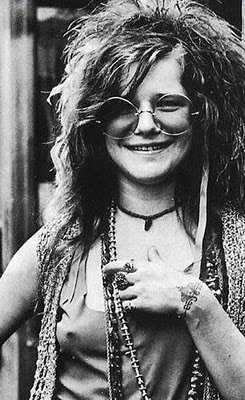
It’s different for women to collect tattoos than men. Back in the 1970s when tattooing was just starting to become an interesting, edgy way for people to express themselves, tattoo shops even had a special section of art dubbed, “for the ladies.” Little hearts and cute animals were something for women to hide away on a breast, hip, or shoulder.

Image Source: http://www.pcs.org/blog/item/janis-joplin-tattoo-trailblazer/
Image Source: PCS Blog,  http://www.pcs.org/blog/item/janis-joplin-tattoo-trailblazer/

Janis Joplin popularized the small tattoo style for women after she got a  delicate Florentine bracelet tattoo on her wrist from famed tattoo artist, Lyle Tuttle at his shop in San Francisco. He went on to put the Joplin bracelet on hundreds of women. After awhile, having one or two “small, cute and hidden” tattoos became “gender appropriate,” and if the tattoos were visible, like the Joplin bracelet, small and mild was still the norm for years.

Over the last few decades, women’s ink started to creep out from under their shirts to cover their bodies in earnest, with images that are not so meek or mild. In fact, for the first time in recent U.S. history, women are beginning to outnumber men as tattoo collectors, and they are also becoming “heavily tattooed.” But if women are supposed to strive for beauty, then collecting large, visible, and not-so-cute imagery such as snakes or skulls crosses a socially appropriate gender line. It is not uncommon for heavily tattooed women to be sexually harassed with public comments, like: “You’re such a pretty girl, why would you do something like that to yourself?” In other words, why would you “make yourself ugly?” Women should be objects of beauty.

Kristen Wall
Kristen Wall, a student in Texas.

Embodied gender transgression is the topic of my recently published book, Covered in Ink: Tattoos, Women, and the Politics of the Body (NYU Press, 2015). While other tattoo ethnographies study people with one or more tattoos, Covered in Ink exclusively focuses on “heavily tattooed” women or those who violated that traditional mandate to keep their ink small, cute, and hidden.

I started this research as a heavily tattooed woman who herself wondered if her experience was representative of other women who chose to cover their bodies in ink. Did other women hide their tattoos from their fathers, or carry around a sweater in their car for last minute tattoo hiding, as they went about their day? Did strangers approach them and to touch their skin without permission? Was it common for them to worry about losing their jobs, in the chance that a tattoo might pop out from under their sleeve?

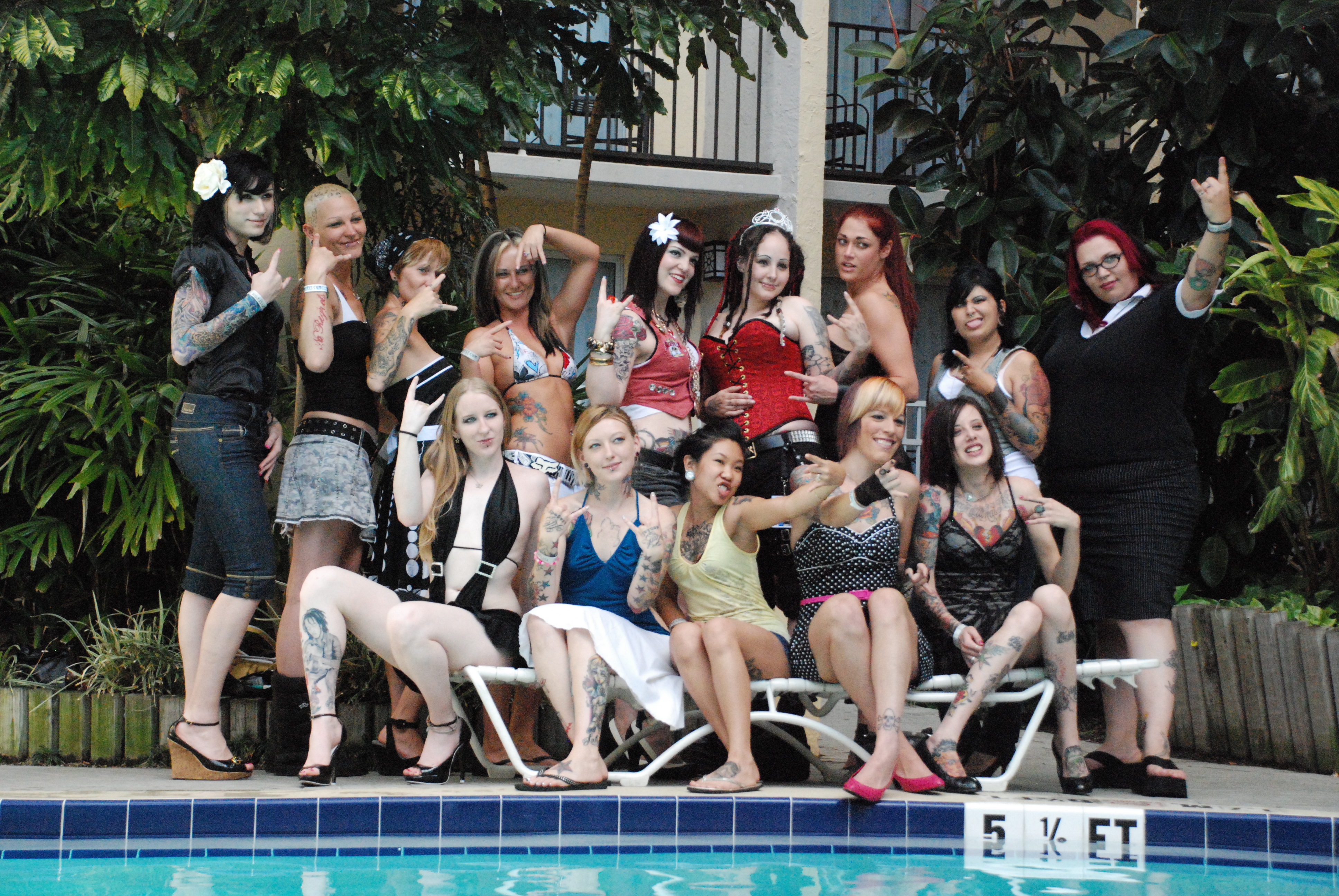
tampaTattooFest_contest
Tampa Tattoo Fest 2007 hosted a tattooed women beauty contest.

From 2007 when I attended my first Marked for Life all-female tattoo convention held annually in Orlando in January until 2010, I traveled to tattoo studios, conventions, and the homes of seventy women tattoo artists and collectors.

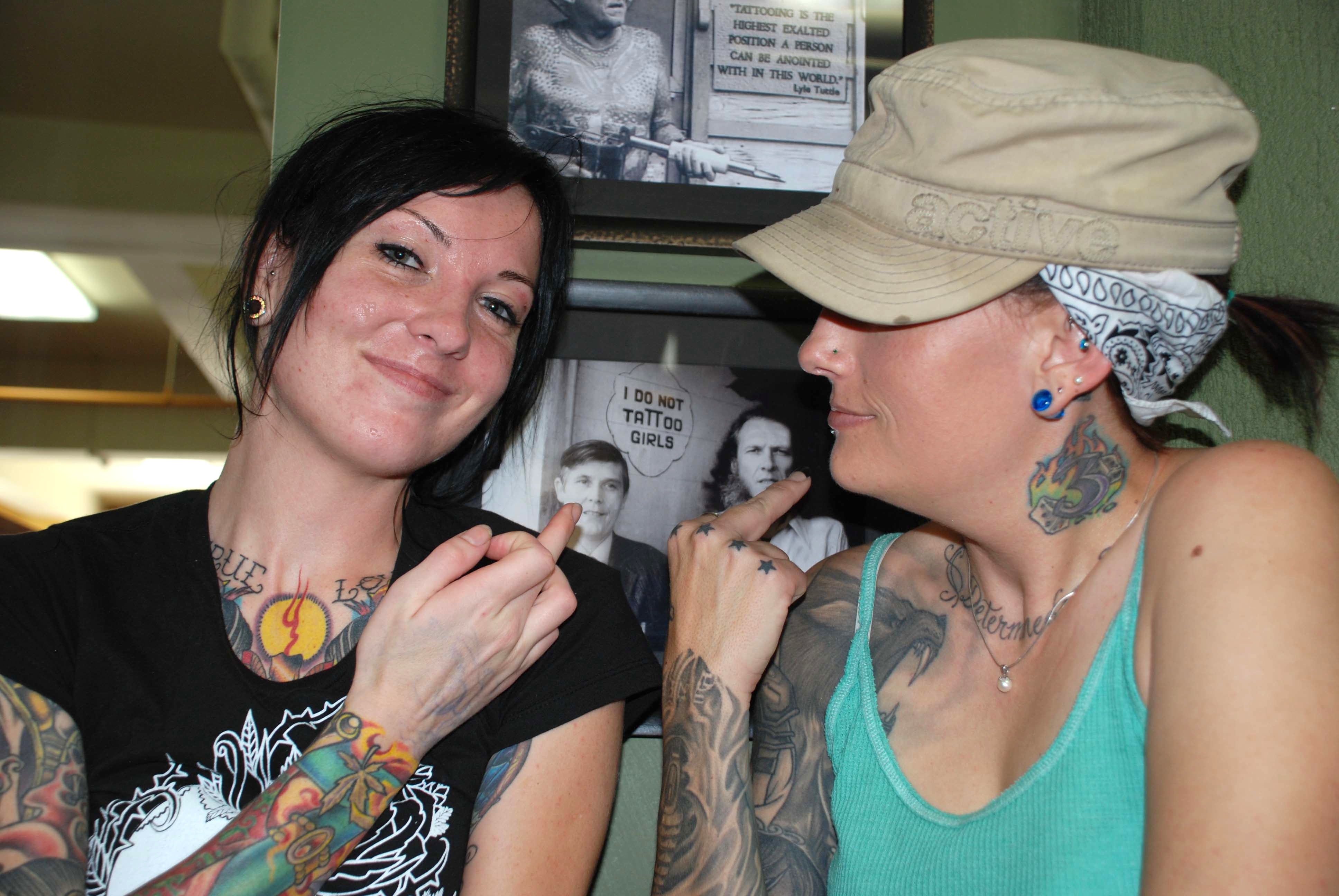
Shorty and Kody Kushman are tattoo artists at Outer Limits Tattoo in California
Shorty and Kody Kushman are tattoo artists at Outer Limits Tattoo in California. They are sitting in font of a picture of Lyle Tuttle and Burt Grimm, famous tattoo artists who spoke out against women working in the profession in the early days. The women are giving the middle finger to these old timers views on women.

These beautifully tattooed women were an inspiration to me, and their stories did overlap with my own in many ways. I share their experiences in this book and also a documentary film, Covered. [https://vimeo.com/94019352]

Each chapter of the book opens with a personal story of my own before sharing the similarities and differences across women’s experiences in the varied contexts of their lives — the family, the workplace, and the larger societal beauty culture within which women define themselves. It wasn’t surprising for me to learn for example that for other women, too, there is a world of difference between having a small, safe tattoo and sporting something like a large skull on your forearm, especially in terms of the negative social sanctions we receive.

“What does that say on your arm?” A man asked me as I sat in a coffee shop, deeply immersed in a textbook, studying for an exam, when I was eighteen years old.

“Feminist.” I replied, looking up at him, cringing as I awaited his response.

“Oh? Does that mean you hate men?” He asked with a frown, shaking his head.

“Something like that,” I replied.

The lettering this man was so interested in evaluating was my second tattoo, a stylistic, cursive script that stood alone on my arm until I collected more tattoos around it, making it harder to discern. It always leads to questions. And whenever I clarify that it says “feminist,” well, you might imagine the interactions that follow, with men attempting to define the word and me offering up sassy answers, growing more insolent depending on how bold I feel at the moment. The chapter “Tattoos Are Not for Touching” shares this story and the voices of other women who have been reprimanded for their tattoo collection, including the stares, comments, and touches that sociologist Erving Goffman demonstrated in his research on public self presentation.

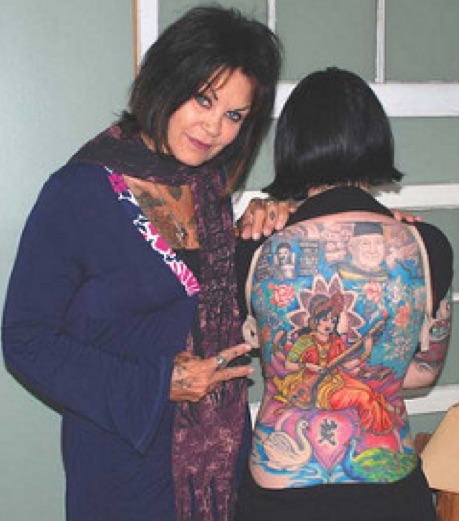
Beverly Back ArtDuring my fieldwork I found an amazing artist who spent five years giving me a back piece tattoo, in her own beautiful style, that represented my academic journey.

Since Covered in Ink has been published I’ve been hearing more women’s stories of their artwork and the social struggles, both positive and negative, that accompany them.

What’s yours?
________________________

Listen to Beverly Yuen Thompson’s interview on KERA’s Think with host Krys Boyd.


Beverly with her book Covered in Ink

Beverly Yuen Thompson is an Associate Professor and Chair of Sociology at Siena College, Loudonville, New York. She earned a PhD and MA in Sociology from the New School for Social Research in New York, a Master’s Degree in Women’s Studies from San Diego State University, and a Bachelor’s Degree in Political Science from Eastern Washington University. Her first book, Covered in Ink: Women, Tattoos, and the Politics of the Body, was published by NYU Press in 2015. Her research interests include subcultures, visual culture, and gender.

I traveled to Winthrop University five months after my baby was born to talk to faculty and students about women’s unique needs during disaster. I was flying with my electric breast pump, which would both save me from the horrifying pain of engorgement and allow me to avoid dumping what women’s health practitioners call “liquid gold.” I am not a “breast is best” advocate; I’m a “whatever-the-mother-wants-to-do” advocate. Women, after all, already experience a lot of pressure around what it means to be a good mother, and research shows that the discrepancies between their expectations (like breastfeeding) and their experiences (finding breastfeeding difficult, impossible, painful, frustrating, and just plain not wanting to do it) causes stress, unhappiness, feelings of failure, and affects their overall experiences of motherhood.

Look how easy it is/Blogs.babycenter.com

Older women have oohed and ahhed over my pump, wishing they had something so efficient when their children were babies. Indeed, I came home from the hospital with a manual pump that was completely useless (the only pump my insurance covered), and I wondered how the generation before me didn’t chuck them in the fire just to watch them burn (yes, they are that bad). To these women, I was a “good” mother—a mother so dedicated to breastfeeding my child that I was able to bridge my work and my motherly duties. If I was going to insist on working outside of the home, they suggested, at least I was still putting my baby first. There is no short supply of family and friends who applaud mothers of infants for toting their pumps to work, and who tsk-tsk women for forgoing breastfeeding (or, ironically, for breastfeeding “too long”).

The portable electric breast pump symbolizes the supposed freedom of contemporary mothers and conjures up the image of the Supermom who juggles it all seamlessly: work, family, husband. Supermom’s repertoire notably does not include self-care, which reflects the cultural conflation of motherhood with martyrdom and ignores women’s experiences of postpartum depression, anxiety, and OCD. (see also, Trina’s post on maternal mental health). What these women didn’t see, though, was me anxiously looking for space to pump while I traveled. Considering that we as a society are so quick to demand women breastfeed, the lack of such space is both curious and telling.

In the United States, we promote conflicting and constraining ideas about women’s bodies as heterosexually titillating or maternal—and which never really belong to them. We show breasts when they are represented as for men, but mothers should hide their breasts by investing in shawls or nursing in dirty public restrooms. On the verge of tears, I stood in a dark humid bathroom stall of the Atlanta airport. My pump hung from a small hook on the stall door, drooped open while I stood there pumping into the toilet. There was no way I could get a clean catch in the bacteria filled lavatory. I snapped a blurry selfie with my iPhone and sent the photo along with an expletive filled text to my husband, expressing my frustration with living in an androcentric society built “by men, for men.” The absence of spaces dedicated to traveling families and nursing mothers does not make the airport gender neutral. On the contrary, by not accommodating nursing and pumping mothers, we push them into the recesses of public spaces and contain their bodies in the home. We imply that public spaces are not meant for them and consequently normalize and privilege adult male bodies. At the same time, demanding that women breastfeed marginalizes their physical, emotional, and psychological struggles with motherhood. It also ignores the multifaceted character of women’s lives, which creates pressure to succeed at both home and work.

Supermom/Christopher Boswell/PhotoSpin

During my layover returning home, I walked swiftly around the American Airline terminal, desperately looking for a place to pump. I would have just plugged into the nearest cellphone charge station but was sure that the site of me pumping, even if not showing my breasts, would offend someone. When I passed a room dedicated to smokers—with comfy couches and a flat screen cable television—I was tempted to incite protest. An airline representative looked surprised when I asked her, “Where do nursing mothers go?” She finally pointed me to a small family restroom, where I could lock the door. It was dirty and there was no place to sit or set up my pump, but at least it was private—that is until people started knocking at the door to get in and jiggling the handle to hurry me up. I hung my head as a woman yelled through the door, “Other people need to get in!”

Lactation Room Sign Breastfeedchicaho.wordpress.com

Should airports have lactation rooms? Absolutely. So should universities, workplaces, and other public and private spaces. Sometimes all it takes is a clean room, a cozy chair, an electrical outlet, and a mini-fridge. Of course this requires shifting ideologies around women’s bodies and who has a right to be comfortable in social spaces. Lactation rooms don’t make Supermom an attainable ideal and do not excuse people who pressure women about breastfeeding. But they do signal to women and their families that this world is built for them, too. Of course, what might also help is conceptualizing women’s bodies beyond a binary in which they are either exposed heterosexual objects or hidden maternal nurturers. But that’s for another post.

As sociologists and feminists we are quick to critique, which does have merit. We tend to look structurally and think individuals are for the psychologists. While we can offer needed critiques on society, it seems our limitation is in proposing solutions that look at both structure and agency, including an understanding of the daily lives of people, especially those who are marginalized in society and have less agency.

I started thinking of this post this the summer when numerous articles posted on the internet reported how a teen with Down Syndrome started modeling. While the articles were positive, I happened to see a comment on Facebook on a feminist group about this young woman modeling. Again, while most of the comments were positive, one person stated how this teen with Down Syndrome should not be modeling or aspiring to be a model because in so many words it reinforced gender subordination. It made me stop and think.

MODELING INDUSTRYYes, the modeling industry is not always an ideal industry. Airbrushed images have pushed women (and men) into eating disorders and unrealistic expectations of body image. Yet, do we critique the industry or the teen? A teen who has lived her life with Down Syndrome in a society that is not always friendly to different abilities? Can we change our lens to see this as someone changing the face or nature of the industry? The comment in ways could be read as critiquing the person, not the industry. How can we critique structures while also remembering how people may have limited options or want to feel included or normal. Can we think of how agency can change the structure? disability inclusion

While we study social problems and issues from a structural view and advocate what we think changes should be, we cannot forget the people who we as a society have not given agency to, such as those with differing abilities. Can we have a focus of inclusion, which sees these individuals as having agency as something that does change the structure for the better?

The first model with Down Syndrome

We can say “embrace your differences” all day long or “normal is boring”, yet it seems part of human nature to want to be included and to feel normal. Or at the least, not just treated with only sympathy and woe, but seen as a person who has something to contribute to society. This does not mean that structural change does not need to happen.

For the teen with Down Syndrome who is modeling, I say go for it! In alignment with a New York Post piece on these issues, http://nypost.com/2015/07/16/this-model-with-down-syndrome-is-changing-the-face-of-fashion/, you are changing the industry, how we view (dis)abilities, and are a role model to others!  Here are some fabulous pictures of this inspiring teen!

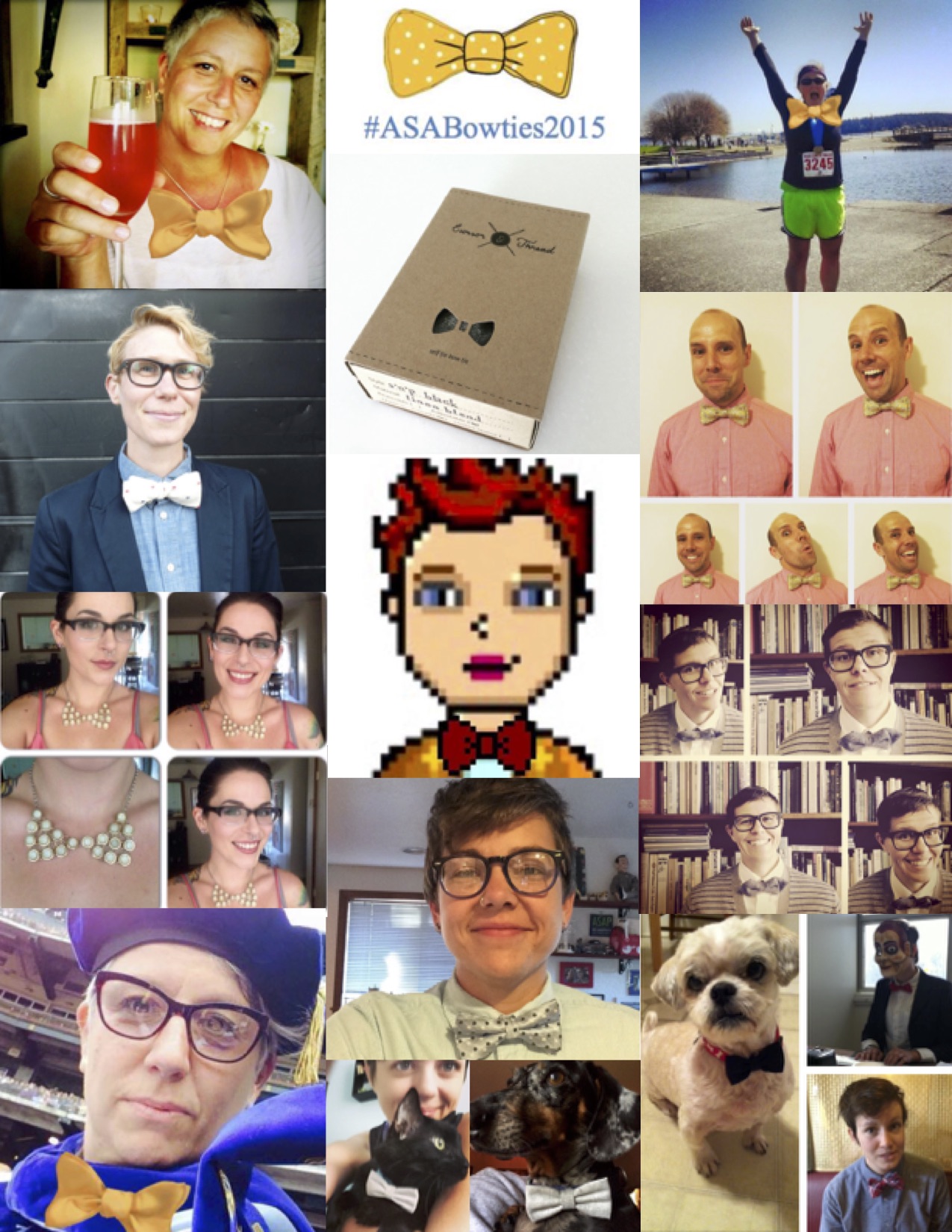
ASA Bowties 2015 jpegSpot a bow tie, meet a sex and gender scholar (or someone lucky enough to have donned a bow tie on our day)! The Sex & Gender Section of the American Sociological Association will celebrate its members, increase the visibility of sex and gender researchers at the summer meeting, and support conversation and networking with a “wear-a-bow tie” campaign. The Section’s Membership Committee encourages all members to wear a bow tie on Saturday, August 22nd, Sex & Gender’s designated section day.

Members can wear their own bow ties, pick up one of the free 500 bow tie pins at the Section Business Meeting on Saturday (from 9:30-10:10am), or get creative with jewelry, broaches, bow tie print apparel and other displays. The bow tie is fun way to boost our Section visibility with a trendy gendered style accessory. You can find bow ties clip art and designs in all sorts of places including on phone cases, mugs, socks, various forms of jewelry, emoji, photo editing apps, and, or course, actual bow ties. I personally watch the same YouTube video each time I’ve tied one. And, if you choose to brave one you need to tie yourself, I’ll just highlight the most important piece of information distilled in this How-To video: “Remember, there’s no such thing as a perfect bow tie.”

To discuss the campaign in more detail, I asked Kristen Schilt, chair of the Sex and Gender Membership Committee, and section member D’Lane Compton to join us in a brief digital interview.

Tristan: How was the bow tie decided upon for the campaign?

Kristen: Sex & Gender is one of the largest sections at ASA – in fact, this year, we surpassed all of the other sections with over 1200 members! With such a big section, however, it can be difficult for newer members to find a way in and to meet people. Our idea with this visibility campaign was to come up with a common symbol for all members to display on “sex and gender” day at ASA. Our hope was for it to be an ice-breaker for newer members and a way to show the general ASA what an important part of the discipline the field of sex and gender has become. We asked for suggestions for possible images and the bow tie came out as the winner among the section council. We felt that it was visible – seeing a large group of ASA members in bow ties would raise conversation. The bow tie also has a history of gender transgression in fashion, from Marlene Dietrich to butch subcultures in the 1950s. We recognized that not all members would be excited about the bow tie, but, we also felt no symbol would have full consensus in such a large and diverse section. We decided to move forward with this visibility campaign so we would be taking action on increasing the sense of community among newer and more established members. We imagine that if this campaign is a success that the Sex & Gender section will solicit member suggestions for a new symbol. We look forward to seeing what people come up with!

Tristan: What if members don’t want to wear a bow tie but do want to participate?

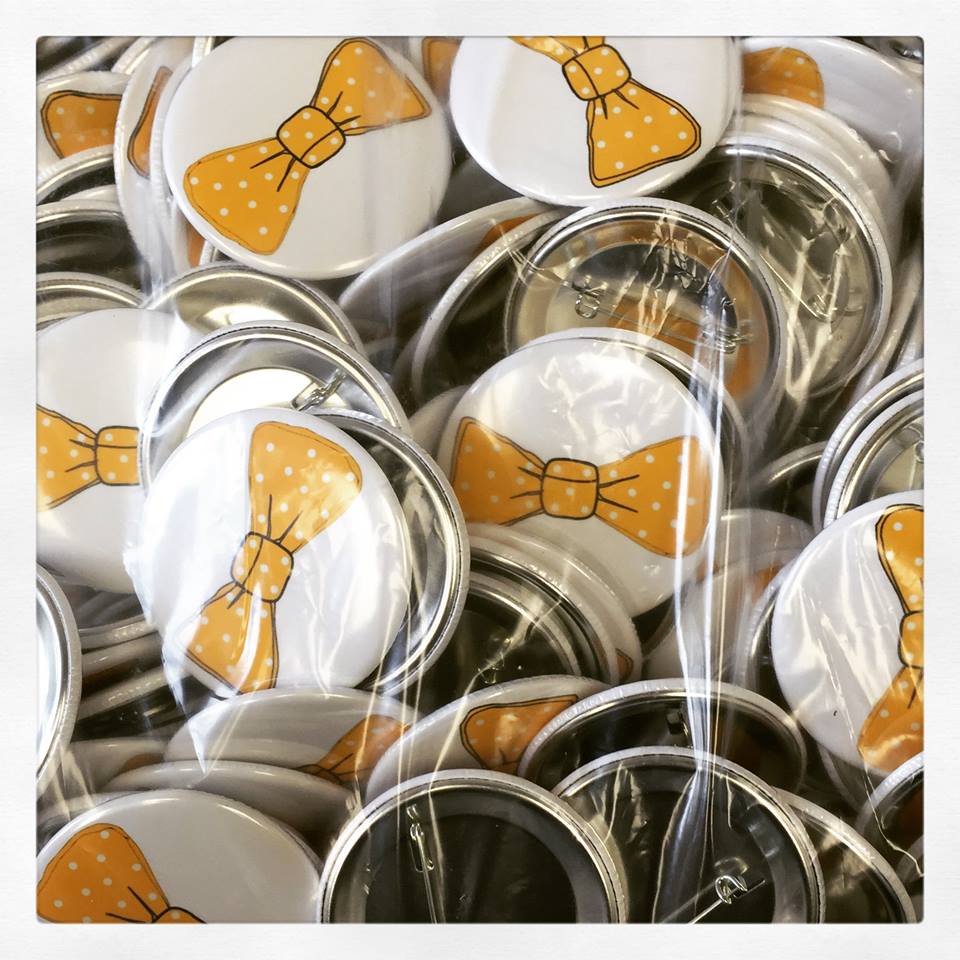
11011222_785267271571761_4706088863506098956_nKristen: Sex & Gender has commissioned 500 bow tie buttons that members without bow ties can wear on Saturday, August 22nd. We will give out these buttons at the Sex & Gender business meeting at 9:30 am. Any remaining buttons will be available at Sex & Gender sessions throughout the day. Just look for Jessica Fields, chair of the section, Kristen Schilt, head of Membership, or members D’Lane Compton and Tristan Bridges, who helped promote the winning bow tie idea.

D’Lane: Beyond the free buttons the section will be handing out, there are other ways you can get creative. For example, while I will be sporting a bow tie on Saturday, I also plan to draw a bow tie on my coffee cups that day. I will likely have a sharpie on hand if folks want to borrow it. I have also heard of some folks who were talking about bow tie-themed socks and various pieces of jewelry including earrings, broaches, hair combs, and necklaces. I will also be playing “I spy…” looking for those folks.

Tristan: What do you like about the campaign?

D’Lane: Beyond the visibility and promotion of the section, what I like most about the campaign is that I am certain it will generate a great deal of interaction whether it be online or on the streets, so to speak. I think it will also offer up different avenues in which we can learn new things about our colleagues and friends and of course just be a simple icebreaker for making new connections. It also gives us something to talk about other than work and may allow some insights into our tastes, likes, and dislikes.

Maybe it’s in my roots growing up under the Friday night lights of Texas stadiums, but I love spirit and “spirit days”. Wearing mismatched clothes on Wacky Wednesday, Thursday was tie day, and of course school colors on Friday. I remember having tie day in high school and loving the fact I had an “appropriate” reason to wear a tie and wouldn’t catch slack for wearing menswear that day. For some wearing a bow tie may feel like drag for the first time, irrespective of sex. Could be professional drag, or dandy drag, some combination, or other types of drag.

Despite all critiques, spirit days made for increased engagement and social bonding. It gave us something new to try, a place to play with who we are; and it was fun. You could also be really annoyed by it and opt out…which still allowed you to engage with others and bond over how ridiculous joiners are or the particular activity was and how over it all you were. It is with this mind set I approach my enthusiasm over the campaign.

Tristan: How are you considering participating?

D’Lane: I plan to wear a bow tie, and, assuming they are down with it, I will take as many pictures as I can of other bow ties and bow tie representing folks to share online. I know people who will not be in attendance plan to show their support by wearing a bow tie Saturday and tweeting it. I have also already changed some of my profile pictures to represent the section. And maybe I will instigate a #ASABowTieScavengerHunt hashtag searching for a collection of the ingenuity of members finding clever ways to participate!

10432120_794886257276529_5923158181651371396_nTristan: Thanks so much for telling us more about it. It sounds like a fun event. The new logo for the section even found a bow tie for the event, thanks to logo designer Eli Alston-Stepnitz. (See the July newsletter for an essay by Eli, Tristan, and Jessica Fields on the process of producing the new logo.) I’ll be wearing a bow tie on Saturday to participate. I chose one from a “conversation starter” line online.

Make sure you participate using the #ASABowties2015 hashtag on social media. And tag @asanews in your posts. In addition to making a show of the size and enthusiasm of our section at ASA, we’re also hoping that this sparks us to make some digital noise this year.

We hope section members will help live tweet the sessions they attend. In addition to flagging posts with session numbers, consider using #ASAGender15 in your tweets during presentations. The Sex & Gender twitter account (@asasexandgender) promoted the hashtag. We are an extremely vibrant section on social media. I’m excited to see whether we can connect our social media energy with this suggestion.

Thanks to Kristen Schilt and D’Lane Compton for the campaign and the interview. We’re all excited to see everyone this weekend. See you soon and safe travels!

Following the recent mass shooting in Charleston, South Carolina on June 17th, 2015–a racially motivated act of domestic terrorism–President Barack Obama delivered a sobering address to the American people. With a heavy heart, President Obama spoke the day following the attack, stating:

At some point we as a country will have to reckon with the fact that this type of mass violence does not happen in other advanced countries. And it is in our power to do something about it. I say that recognizing that politics in this town foreclose a lot of those avenues right now. But it would be wrong for us not to acknowledge. (here)

President Obama was primarily referring to gun control in the portion of his speech addressing the cause of attacks like this. Not all mass shootings are racially motivated, and not all qualify as “terrorist” attacks—though Charleston certainly qualifies.  And the mass shooting that occurred a just a month later in Chattanooga, Tennessee by a Kuwati-born American citizen was quickly labeled an act of domestic terrorism. But, President Obama makes an important point here: mass shootings are a distinctly American problem. This type of rampage violence happens more in the United States of America than anywhere else (see here for a thorough analysis of international comparisons). And gun control is a significant part of the problem. But, gun control is only a partial explanation for mass shootings in the United States. Mass shootings are also almost universally committed by men.  So, this is not just an American problem; it’s a problem related to American masculinity and to the ways American men use guns.  But asking whether “guns” or “masculinity” is more of the problem misses the central point that separating the two might not be as simple as it sounds.  And, as Mark Follman, Gavin Aronsen, and Deanna Pan note in the Mother Jones Guide to Mass Shootings in America, the problem is getting worse.

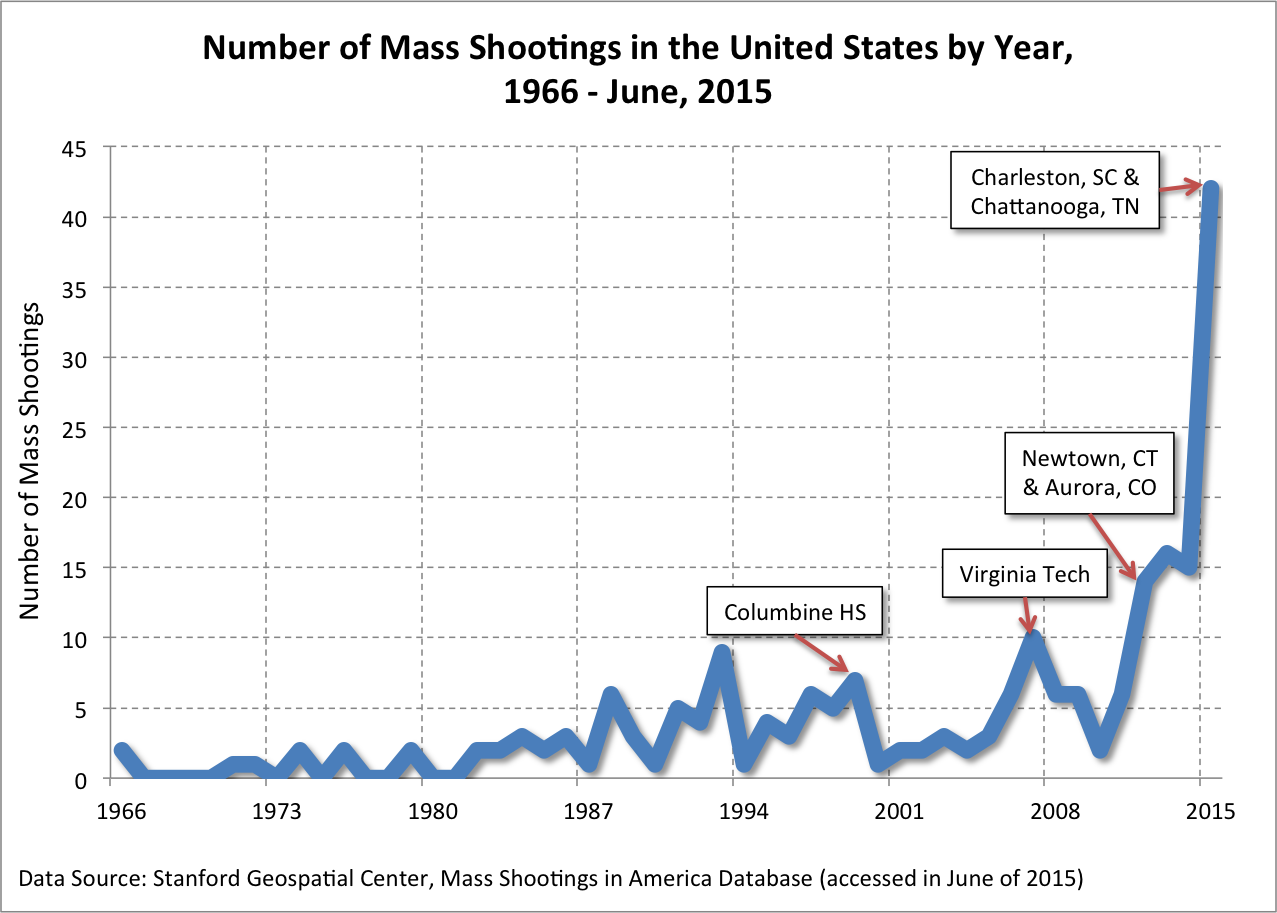
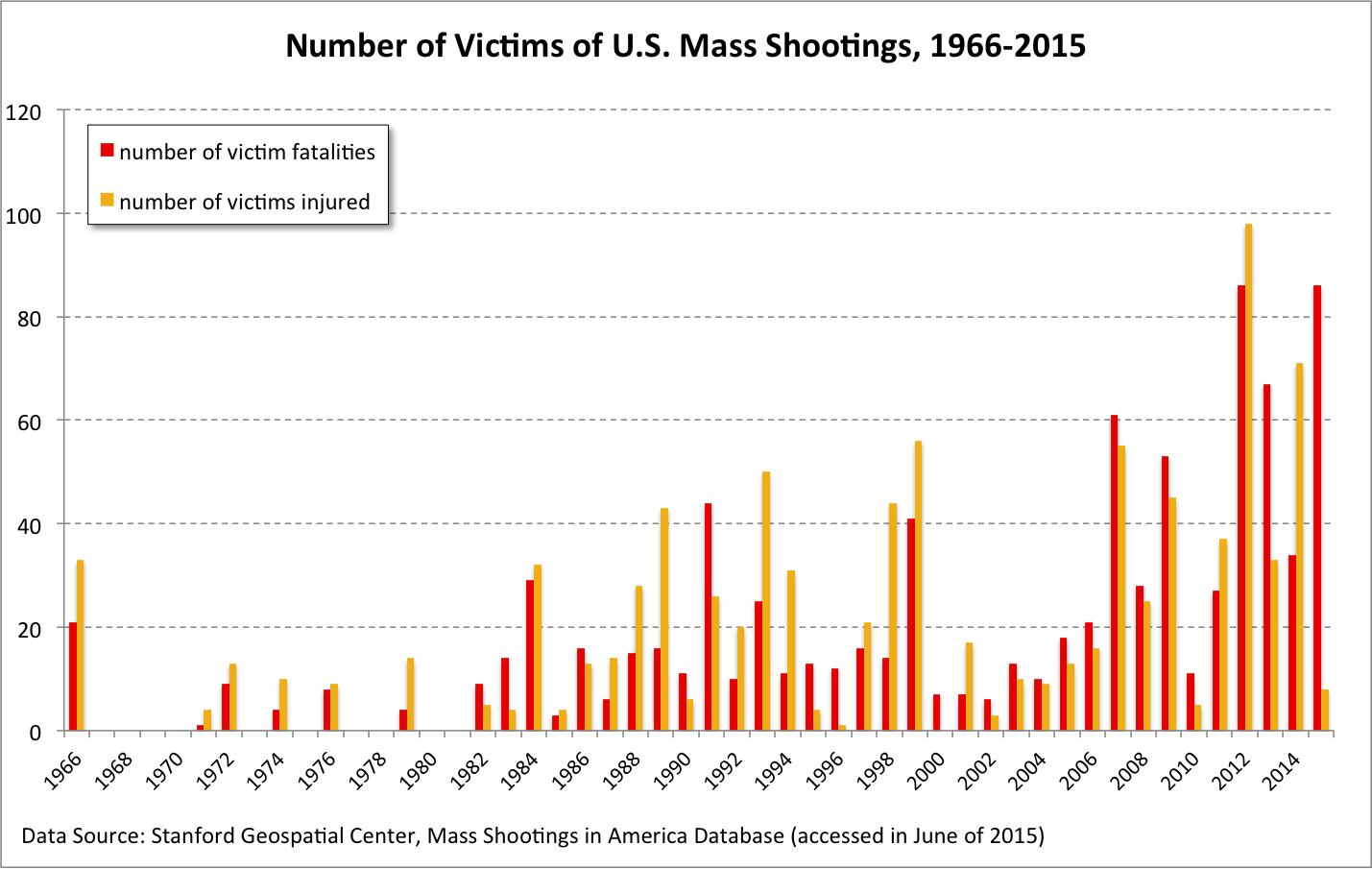
We recently wrote a chapter summarizing the research on masculinity and mass shootings for Mindy Stombler and Amanda Jungels’ forthcoming volume, Focus on Social Problems: A Contemporary Reader (forthcoming, Oxford University Press). And we subsequently learned of a new dataset on mass shootings in the U.S. produced by the Stanford Geospatial Center. Their Mass Shootings in America database defines a “mass shooting” as an incident during which an active shooter shoots three or more people in a single episode. Some databases define mass shootings as involving 4 shootings in a single episode. And part of this reveals that the number is, in some ways, arbitrary. What is significant is that we can definitively say that mass shootings in the U.S. are on the rise, however they are defined. The Mother Jones database has shown that mass shootings have become more frequent over the past three decades.  And, using the Stanford Mass Shootings in America database, we can see this trend here (below) by relying on data that stretches back a bit further.

Mass Shootings FrequencyAdditionally, we know that the number of victims of mass shootings is also at an historic high (below).Victims of Mass ShootingsWe also produced a time-lapse map of mass shootings in the United States illustrating both where and when mass shootings have occurred using the Stanford Geospatial Center’s database to illustrate this trend over time (see below).

Our map charts mass shootings with 3 or more victims over roughly 5 decades, since 1966. The dataset takes us through the Chattanooga, Tennessee shooting, which brought 2015 to 42 mass shootings (as of July).* The dataset is composed of 216 separate incidents only 5 of which were committed by lone woman shooters. Below we produced an interactive map depicting all of the mass shootings in the dataset with brief descriptions of the shootings.

In our chapter in Stombler and Jungels’ forthcoming book, we cull existing research to answer two questions about mass shootings: (1) Why is it men who commit mass shootings? and (2) Why do American men commit mass shootings so much more than men anywhere else?  Based on sociological research, we argue that there are two separate explanations–a social psychological explanation and a cultural explanation (see the book for much more detail on each).

A Social Psychological Explanation–Research shows that when an identity someone cares about is called into question, they are likely to react by over-demonstrating qualities associated with that identity.  As this relates to gender, some sociologists call this “masculinity threat.”  And while mass shootings are not common, research suggests that mass shooters experience masculinity threats from their peers and, sometimes, simply from an inability to live up to societal expectations associated with masculinity (like holding down a steady job, being able to obtain sexual access to women’s bodies, etc.)–some certainly more toxic than others.  The research on this topic is primarily experimental.  Men who are brought into labs and have their masculinity experimentally “threatened” (see here for more details) react in patterned ways: they are more supportive of violence, less likely to identify sexual coercion, more likely to support statements about the inherent superiority of males, and more.  This research provides important evidence of what men perceive as masculine in the first place (resources they rely on in a crisis) and a new kind evidence regarding the relationship of masculinity and violence.  The research does not suggest that men are somehow inherently more violent than women.  Rather, it suggests that men are likely to turn to violence when they perceive themselves to be otherwise unable to stake a claim to a masculine gender identity.

A Cultural Explanation–But certainly boys and men experience all manner of gender identity threat in other societies.  Why are American boys and men more likely to react with such extreme displays?  To answer this question, we need an explanation that articulates the role that American culture plays in influencing boys and young men to turn to this kind of violence at rates higher than anywhere else in the world.  This means we need to turn our attention away from the individual characteristics of the shooters themselves and to more carefully investigate the sociocultural contexts in which violent masculinities are produced and valorized.  Men have historically benefited from a great deal of privilege–white, educated, middle and upper class, able-bodied, heterosexual men in particular.  Social movements of all kinds have slowly chipped away at some of these privileges.  So, while inequality is alive and well, men have also seen a gradual erosion of privileges that flowed more seamlessly to previous generations of men (white, heterosexual, class-privileged men in particular).  Michael Kimmel suggests that these changes have produced a uniquely American gendered sentiment that he calls “aggrieved entitlement.”  Of course, being pissed off about an inability to cash in on privileges previous generations of men received without question doesn’t always lead to mass shootings.  But, from this cultural perspective, mass shootings can be understood as an extremely violent example of a more general issue regarding changes in relations between men and women and historical transformations in gender, race, and class inequality.

Mass shootings are a pressing issue in the United States.  And gun control is an important part of this problem.  But, when we focus only on the guns, we sometimes gloss over an important fact: mass shootings are also enactments of masculinity.  And they will continue to occur when this fact is combined with a sense among some men that male privilege is a birthright–and one that many feel unjustly denied.

________________

*The mass shootings in Charleston, South Carolina in June of 2015 and Chattanooga, Tennessee in July of 2015 were not in the dataset when we received it.  The data ran through May of 2015.  So, we’ve added the Charleston and Chattanooga shootings into the dataset for the graphs and maps on this post.

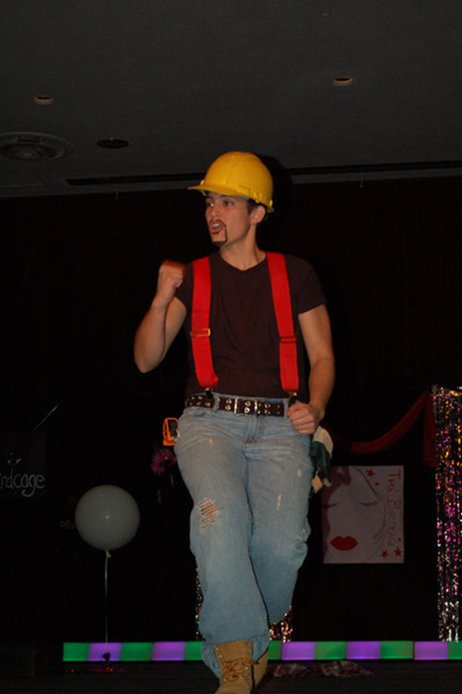
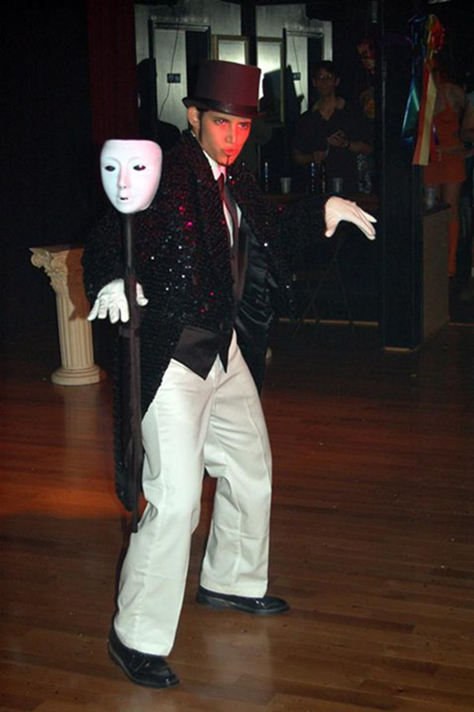
dragSouthern drag kings are interrupting the gender binary and making the South a safer place for queer people. Yes, drag kings do exist in the South, even the rural South. In our recent study (coauthored with Kimberly Kelly), we examine 27 South Carolina drag kings’ ideas about and experiences with drag in the South. The goal of this project is to make queer life in the South more visible and to explore how it differs from larger metropolitan areas that are more often the subject of academic research. Drag culture in the South is thriving and we wanted to know more about its impact.

Our findings suggest that Southern drag kings do not share intentions with drag kings in larger cities. Southern drag kings do not wish to overtly challenge the gender status quo. Unlike drag kings in other areas, they do not think of their performance as political. In contrast, Southern drag kings understand drag as a safe and fun outlet for expressing a female masculinity not respected in their everyday lives. As one king explains, “From all the experiences I’ve had, it’s just about fun and escape.”

drag 1The majority of drag kings in the South entered drag to express their long-term identification with masculinity. Many use drag as a testing ground for gender transition. Southern drag kings often described difficulty finding spaces where their masculine, or otherwise queer, identities were accepted. Performing drag was one place where many kings felt accepted and received positive messages about queer culture and transgender identities. Through drag they were able to receive information about gender identity and sexuality that many perceived unavailable outside these venues in the South. One drag king explains that drag is a place where transgender people can feel more comfortable. He says, “I guess more people are naturally drawn to that if they don’t feel comfortable in their skin because it’s like the first arena where you’re accepted as your new persona.”

Although their intentions are largely individualistic, for entertainment or gender transition, we argue the performance of drag in the South still has the effect of challenging the gender order and leads others to push for change in our society. Intentionality is not necessary for political impact. drag 4By performing as men, drag kings question the innateness of masculinity and show its performative nature. That Southern drag kings do not overtly state these challenges to the gender order does not eliminate the power of their performances.

Though the South may not be ready for an overt challenge to the gender hierarchy, drag provides a safe space for those who wish to step outside the gender binary. Southern drag kings understand the conservative nature of the South, and rather than challenge it directly, seek to remove themselves from it, if only for one show. Although change may be slower in the South than other areas of the country, drag provides a glimmer of hope for overcoming the gender hierarchy, especially in a context where the gender binary is so rarely interrupted.

________________________

baker (2)Ashley A. Baker recently completed her PhD in Sociology at Mississippi State University and begins a position as an Assistant Professor of Sociology and Social Work at Simpson College in the Fall of 2015. Her coauthor, Kimberly Kelly, is an Associate Professor of Sociology and the Director of Gender Studies at Mississippi State University.
Their article “Live Like a King, Y’all: Gender Negotiation and the Performance of Masculinity among Southern Drag Kings” will be released for OnlineFirst publication at Sexualities soon.