
Friday Roundup

New & Noteworthy

TSP Board member Shania Kuo writes up research by Patrick Krueger and colleagues’ in a new Discovery. This piece highlights that while working parents lose sleep (especially those with young children) their physical activity remains steady or even increases as they intentionally incorporate exercise into family time. The study emphasizes the current resilience of parents and the need for better parental leave policies/support services to help parents balance work and caregiving.

Our latest Clippings of Sociology in the news by Mallory Harrington features Liz McKenna in Forbes discussing Barack Obama joining Vice President Kamala Harris on the campaign trail, drawing parallels between Harris’s current momentum and Obama’s 2008 grassroots efforts.Matthew Desmond spoke on WYPR about the roots of poverty in America and the role affluent individuals play in its continuation.  The Wall Street Journal reviewed Born to Rule: The Making and Remaking of the British Elite by  Aaron Reeves and Sam Freidman, which explores the lasting power of the British elite. Rima Majed, in an interview with Democracy Now, discussed Israel’s attacks on Lebanon and the region’s continued resistance movements. Meanwhile, the Hindustan Times highlighted Neetu Batra’s insights on active aging in India, where many seniors are redefining retirement by embracing new hobbies and careers.

From the Archives

For a deep dive into the realities of voter suppression and the myths of voter fraud, check out Neeraj Rajasekar’s piece, The Fantasy of Voter Fraud & The Reality of Voter Suppression. This article breaks down research that demonstrates how voter fraud is nearly nonexistent, while voter suppression, particularly through felony disenfranchisement and strict ID laws, skews election outcomes by disproportionately affecting minority groups.

Congresswoman Marjorie Taylor Green, have made claims that the U.S. government can control the weather and engineered Hurricane Milton. Check out his Sociological Images article by Evan Stewart from 2017, discussing important sociological findings about how low institutional trust fuels belief in conspiracy theories with, both liberals and conservatives being susceptible, often driven by feelings of powerlessness rather than pure partisanship.

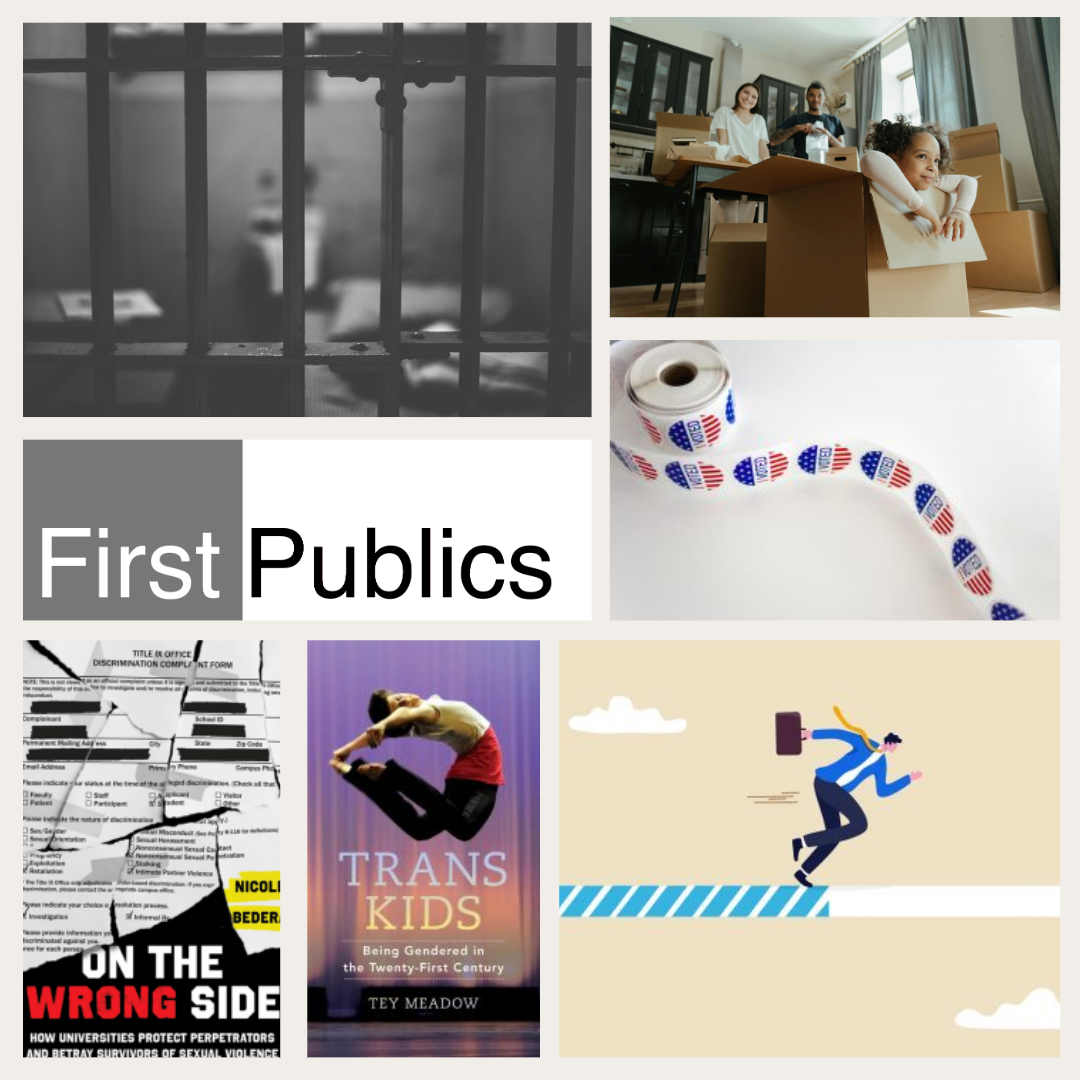
This week, the CDC released data from the first nationally representative survey on transgender students. It found that 3.3 percent of high school students identify as transgender, with an additional 2.2 percent questioning their gender identity. Among other findings, the survey reveals that transgender and gender-questioning teens face significantly higher levels of bullying, sadness, and suicidal thoughts and behaviors compared to their peers. To learn more about transgender teens’ experiences, check out the Council on Contemporary Families’ interview with Tey Meadow, sociologist and author of Trans Kids: Being Gendered in the 21st Century.

Backstage with TSP

Behind the scenes at TSP we are constantly brainstorming and piloting new ideas and creative ways to share sociology with the world. Currently, we have some “StoryMaps” and new video ideas that you may see soon! Stay tuned.

More from our Partners & Community Pages

Contexts:

Council on Contemporary Families:

First Publics:

  • Engaging Elections: Keeping the US elections in context covers more insights from the recent webinar Engaging Elections: The Politics of Teaching as Public Sociology. Panelists discussed using case studies and local contexts to make complex political theories relatable, with Cedric de Leon offering examples of how campus symbols can engage students in understanding macro-level theories through their lived experiences. Watch it here.

New & Noteworthy

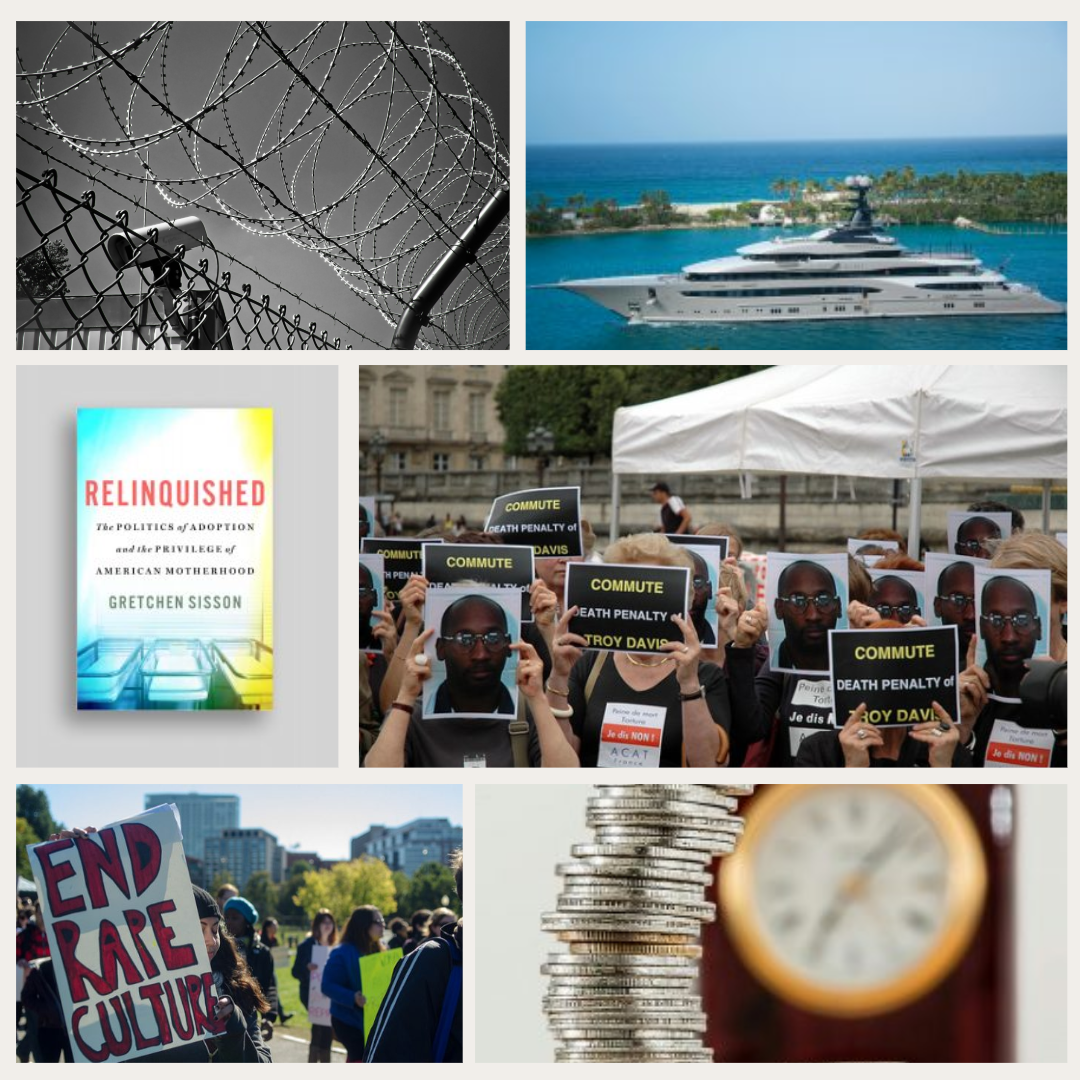
Eleanor Nickel’s latest Discovery features research by Megan C. Kurlychek, Matthew C. Kijowski, and Alysha M. Gagnon, which investigates the long-term impacts of placing youth in adult criminal justice systems.

This week’s Clippings includes Blake R. Silver in The Conversation on how public higher education creates uncertainty for students, Elizabeth Vaquera in GW Today discussing how Kamala Harris and Donald Trump are appealing to Latino voters, Brooke Harrington on C-SPAN about offshore finance and its economic impact on smaller nations, Jake Rosenfeld in The New York Times on how labor unions are supporting moderate Republican lawmakers, Parker Muzzerall in The Conversation examining oil and gas workers’ responses to Canada’s net-zero energy economy, and Ryan Larson on MPR discussing the mental health effects of the George Floyd murder on Minneapolis residents.

From the Archives

Gen Z has long been attacked for their alleged poor work and school performance. If you are a Social Science teacher, consider this recent First Publics suggested read for “renewable assignments”.

Last week Marcellus Williams was executed in Missouri – even though the prosecutor had filed a request to overturn his wrongful conviction. Learn more about Racial Bias and the Death Penalty from our ‘There’s Research on That’ by Allison Nobles or by listening to this Office Hours podcast episode with David Garland on his 2012 book Peculiar Institution: America’s Death Penalty in an Age of Abolition.

Two high profile cases (one against Diddy and the other in France against 51 men accused of raping Gisèle Pelicot) are in the news cycle. Revisit a ‘There’s Research on That’ from 2017 on rape culture during the #MeToo movement to compare the past to the present.

Backstage with TSP

We have several new areas of development. Storymaps, podcasts, and new social media content are coming soon! For our new board members, we have introduced the Discovery process and are working on our TROTs next.

More from our Partners & Community Pages

Council on Contemporary Families:

New & Noteworthy

Daniel Cueto-Villalobos‘s latest Discovery on research by Ioana Sendroiu on how small business during COVID-19 navigated the balance between keeping their doors open, and protecting the public. The study found that many small business owners prioritized public health and employee well-being over profits, navigating moral dilemmas beyond partisan divides.

This week’s Clippings of sociology in the news includes Melissa Milkie and Kei Nomaguchi in The New York Times on the mental health impacts of intensive parenting, Amanda Miller on 21 Alive News discussing the effects of police-action shootings, Laura K. Nelson and Alexandra Brewer in The Economic Times on how women receive less clear feedback at work, and Neil Gross in The New York Times on the debate over “viewpoint diversity” in academia.

From the Archives

Discussions on women’s health and morality have intensified, especially around pregnancy. Sociologists point to how cultural ideals of motherhood put women – especially poor women of color – under increased scrutiny. Learn more in this TROT by Allison Nobles.

The US recently ranked last among 10 developed nations in healthcare. Check out this Discovery by Amy August from ~10 years ago on where things were then.

Last week, Yale, Princeton, and Duke were quested over the decline in Asian Students. Read our recent Discovery by Shania Kuo on research about Asian Student’s views towards affirmative action.

More from our Partners & Community Pages

Council on Contemporary Families:

First Publics:

  • Toward a Better Vision of Classical Sociological Theory by Seth Abrutyn writes about how soc theory should be taught through a fresh, practical approach that links classical ideas with contemporary research, making it more relevant, engaging, and connected to students’ lived experiences and sociological inquiry – providing 2 approaches.

New & Noteworthy

This week’s Clippings of sociology in the news includes Julia Sonnevend in Public Seminar on her new book Charm: How Magnetic Personalities Shape Global Politics, Eric Klinenberg in the New York Times on the dangerousness of heat waves,  Fraya Frehse in Pesquisa on homelessness in Brazil, Tressie McMillan Cottom in an online discussion on the candidates prior to last week’s debate, and David Karen in  Bryn Mawr News on the recently released film Love 2020.

We reposted a piece from The Conversation by James Densley and Jillian Peterson on how most school shootings show warning signs in advance, with over 90% of shooters leaking their plans, highlighting the need for early intervention and secure gun storage to prevent such tragedies.

From the Archives

Hurricane Francine hit Louisiana last week, again highlighting how many natural disasters unevenly impact communities with the least economic, social, and political power. Read this ‘There’s Research on That’ (TROT) by Erik Kojola to learn more.

Kamala Harris’s multiracial identity has been a consistent area of discussion. Check out this TROT by Allison Nobles and Amber Joy Powell to learn some sociology on this area.

Backstage with TSP

This week several board members created some prototype multimedia demos and reviewed some of our previous videos to spark ideas. We also began the process of showing new board members our Discovery process, including the pitching of articles and workshopping of drafted Discoveries.

More from our Partners & Community Pages

Contexts:

  • that tiny, tiny little fish by Caleb Scoville on his research about the controversy over the Delta Smelt in California is more about partisan politics and symbolic division than actual water policy, serving as a tool for conservative pundits to critique liberal environmentalism.

Council on Contemporary Families:

  • Black Fathers and The Talk by Conial Caldwell Jr. on The Talk, a critical racial socialization practice among Black families, involves discussing the realities of racism and safety with children, a tradition that dates back to the era of chattel slavery and remains vital due to ongoing racial violence and discrimination.

First Publics:

  • Community-Engaged Learning as a Triple Win by Kirsten Vinyeta in her undergraduate Environmental Sociology course at Utah State University, a community-engaged research project on water conservation provided students with hands-on experience in qualitative research methods, while generating useful data for local agencies and supporting the faculty’s research goals. 

Give Theory a Chance:

New & Noteworthy

From the Archives

Backstage with TSP

  • Last Friday TSP welcomed back returning board members and has begun onboarding our new board members. This includes assigning “beats” in the sociology literature to provide broad coverage in the creation for new Discoveries and TROTs, ideation of new projects, and, of course, donuts.

New & Noteworthy

  • TSP’s John Purnell wrote up a new Discovery, Pharmacist Deputies from research by Elizabeth Chiarello in American Sociological Review. This piece describes how Prescription Drug Monitoring Programs (PDMPs) have shifted pharmacists’ roles from healthcare providers to enforcers of legal regulations, prioritizing policing over patient care.

From the Archives

Here are a few pieces for this back-to-school season:

  • Back to School, Back to Bullying by Mahala Miller some research on bullying, or peer aggression, which remains an issue affecting over 1 in 5 American high schoolers. However, some research suggests rates of bullying are not rising.
  • First-Generation Students Face More Stress, But Less Depression by Mahala Miller explores research showing that first-generation college students encounter more stressors before and during college than their peers but do not exhibit higher levels of depressive symptoms, possibly due to the resilience they have developed from previous stress exposure.
  • Who Gets a Special Education? by Amy August on the disproportionate placement of students of color in special education and how it is influenced more by school characteristics than by race or social class, with these students often facing lower expectations and poorer services compared to their white peers.

Backstage with TSP

  • The Fall Semester officially started today! TSP will be welcoming new and returning board members and making plans for our regular pieces (Discoveries and TROTs) and new special projects.

More from our Partners & Community Pages

Contexts:

  • q&a with dr. amanda cheong and Elena van Stee, discuss Cheong’s award-winning research on the impact of driver’s license access for undocumented immigrants, highlighting the significant barriers they face in daily life without proper identification, and emphasizing the importance of policy changes to improve their integration and contributions to society.
  • summer 2024 table of contents is out! This issue includes over 20 pieces to read/listen to.
  • letter from the editors: summer 2024 by Seth Abrutyn and Amin Ghaziani covers the summer issue of Contexts, which explores the interplay between present realities and dreams of a better future, featuring essays on diverse topics like inclusive communities, race, and social mobility, offering insights and inspiration for envisioning a brighter world.

Council on Contemporary Families:

First Publics:

  • Teaching the Hidden Curriculum by Kylie Smith write on the hidden curriculum—unspoken norms and expectations in higher education—during the first week of class helps level the playing field and equips them with essential tools for success in college.

New & Noteworthy

The latest pieces from TSP include:

From the Archives

  • I recently saw Twitch streams of the Democratic Convention and found this Cyborgology piece on the topic. This live streaming allows for a more “unfiltered” look into the event rather than a quasi-filtered one.

Backstage with TSP

  • Fall semester is nearing and TSP is hitting the multi-media approach hard this year. We made some inroads this past academic year, but expect more video and social media content this year! Stay tuned…

More from our Partners & Community Pages

Context’s latest includes:

Council on Contemporary Families:

give theory a chance has 5 new podcast episodes to listen to:

New & Noteworthy

From the Archives

  • Nearly 10 years ago, an armed man jumped the perimeter fence and entered the White House, leading to the resignation of Julia Pierson (the first female Director of the Secret Service). Check out this piece from Sociological Images, highlighting the heightened and gendered expectations that women often face.

More from our Partners & Community Pages

New & Noteworthy

From the Archives

  • I came across this piece from 2014 by Evan Stewart, Is Bitcoin a Bust? when a Bitcoin was valued at ~$300, and today one is about 55k. Makes you think.

More from our Partners & Community Pages

Contexts:

  • who’s your safety net? by Elena G. van Stee covers her recent publication on undergraduates’ decisions to move back home during COVID-19 campus closures, being influenced by their housing, financial needs, age, relationship status, and the presence of alternative safety nets like romantic partners or extended family.
  • wealthy disillusioned with politics, too by Parker Muzzerall summarizes research on Finland’s wealth elite who view liberal democracy as inefficient and support strongmen leaders, echoing political powerlessness similar to populist sentiments. 
  • movies reboot gender divides by Colter J. Uscola writes up research in Social Networks on the scarcity of female leaders in the film due to exclusionary practices and the success of Greta Gerwig’s “Barbie”, suggesting audience demand for cinema crafted by women.

Council on Contemporary Families:

New & Noteworthy

TSP has three new pieces for you to read:

From the Archives

More from our Partners & Community Pages

Context’s new pieces for you to read include:

  • law and the looky-loo by Sophie X. Liu covers research by Sarah Brayne, Sarah Lageson, and Karen Levy on the increasing reliance on private-sector technologies like Amazon’s Ring for personal safety and “surveillance deputization,” where civilians use their resources to conduct surveillance on behalf of the state. 
  • stranded: the gendered shortcomings of the crown act by Aniya Watkins highlights the need to revise the CROWN Act to include hair length protections, emphasizing that Black men must be included in the fight against race-based hair discrimination. 

The Council on Contemporary Families latest includes: