intelligence

Ecology of thought

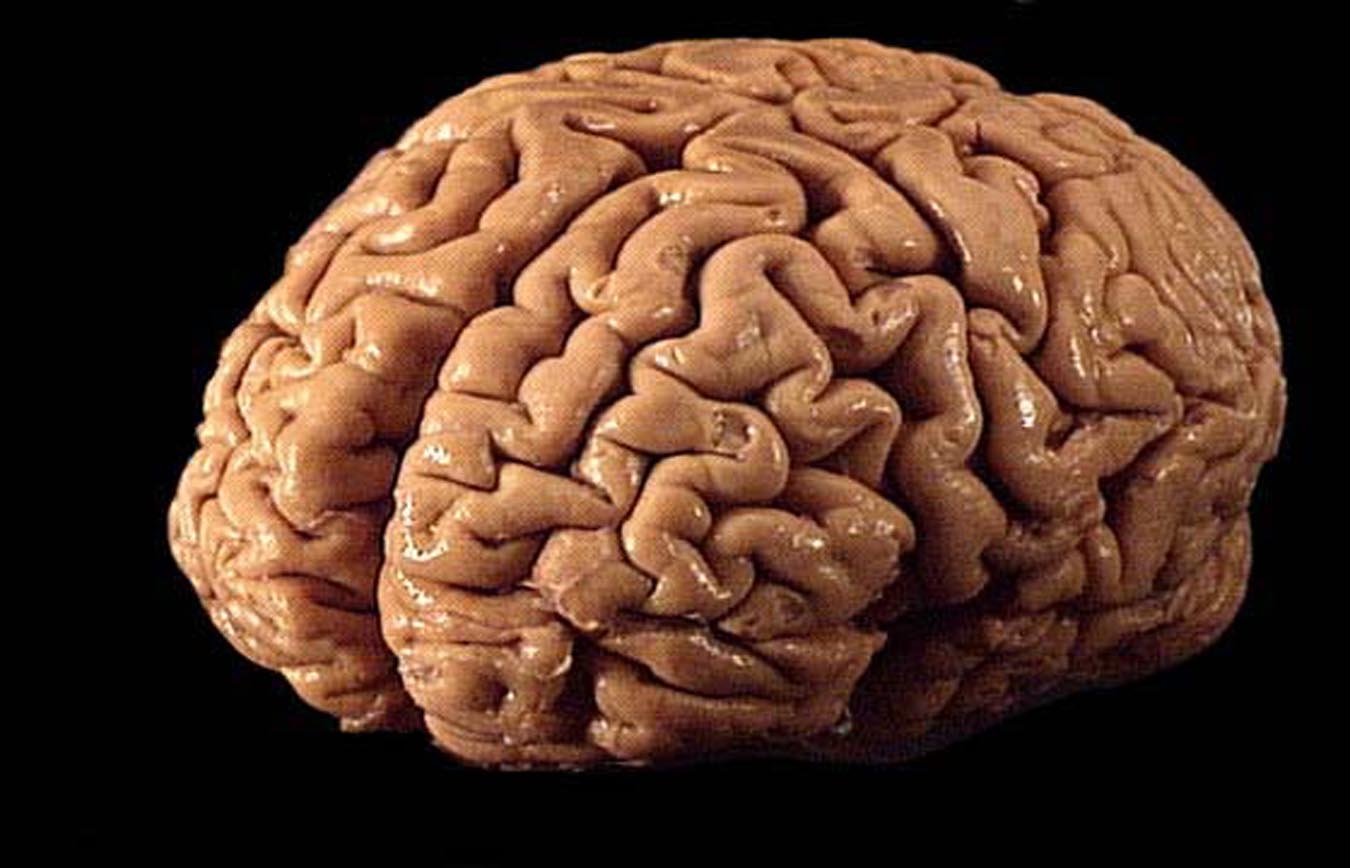
My feeds this week kept popping up with a bothersome headline, stated in a variety of ways: Smartphones are Making Us Stupid, Technology is Making us Lazy, Does Smartphone use Decrease Intelligence?

The University of Waterloo released a paper this week that was originally published in Computers in Human Behavior back in July. Titled The Brain in your Pocket: Evidence that Smartphones are used to Supplant Thinking, the authors find a negative correlation between cognitive functioning and the use of search engines via smartphones.

The authors refer to smartphones as an “extended mind,” and make causal claims about the effects of this technological extension upon the current and futures state of human cognition. Namely, they predict that increased use of smartphones to gather information will indulge the human tendency towards lazy thinking, and we will become increasingly reliant upon devices. That is, the authors predict an outsourcing of critical thought. It’s kind of scary, really.

But before the phone stackers triumphantly proclaim that they told us so! Let’s look more closely at the research and the underlying assumptions of the research question.    more...

Michael Rogers, Republican Congressional Representative of Michigan's 8th district and sponsor of CISPA

House representative Mike Rogers (R-MI) introduced a bill back in November called the Cyber Intelligence Sharing and Protection Act (H.R. 3523) or CISPA. It has since been referred to and reported by the appropriate committees. Since then, according to Representative Rogers’ own web site, over 100 members of congress have already announced their support for the bill:

The 105 co-sponsors of the bill include 10 committee chairmen.  Additionally, a wide range of major industry and cyber associations, such as Facebook, Microsoft, the US Chamber Commerce, the Business Roundtable, the Internet Security Alliance, TechAmerica, and many others have sent letters of support for the bill.  A list of major industry and association supporters can be found at http://intelligence.house.gov/bill/cyber-intelligence-sharing-and-protection-act-2011

Unlike SOPA and PIPA, CISPA is all about collecting and sharing “cyber threat intelligence” and has less to do with copyright infringement concerns. This bill does not directly threaten the business interests of web companies, which means we should not expect their help in fighting the bill. In fact Facebook, IBM, Intel, Oracle, and Microsoft (among others) have already sent letters in support. more...

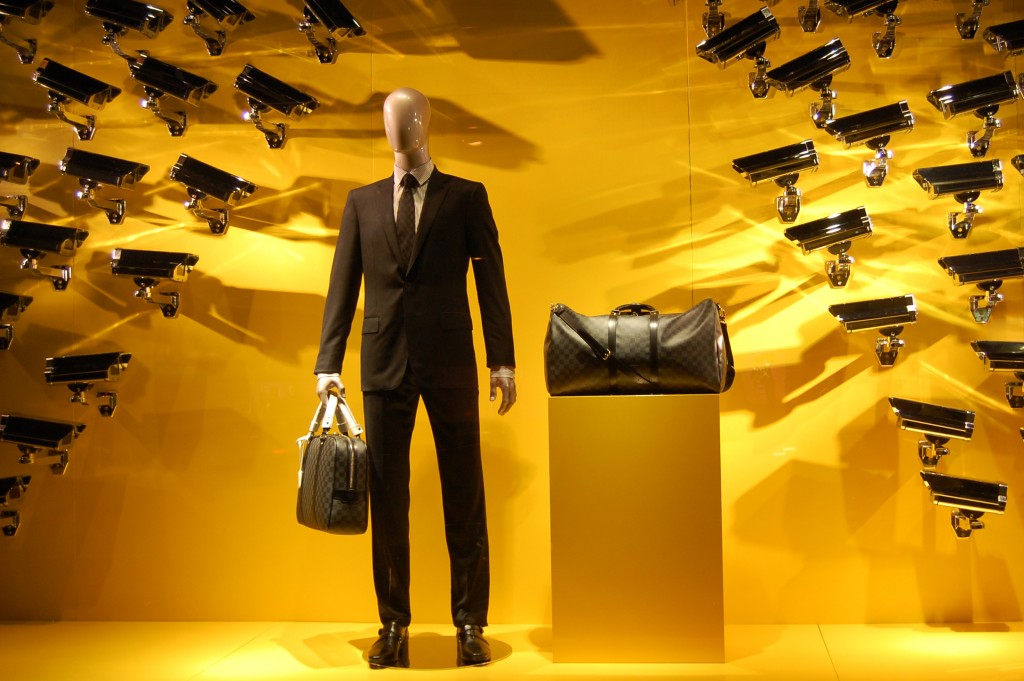
Most of us here at Cyborgology have written at least one post about augmented warfare and revolution. I suggested that the panopticon has moved to the clouds, and PJ warns that we may soon see it descend into a fog. In the wake of the Arab Spring, we have all commented on what it means to have an augmented revolution (also here, here, and here). The Department of Defense is well aware of this global trend, and is dumping lots of money into understanding how to maintain what I will call online superiority. Just as nations fight for ground, air, and sea superiority in a given conflict, they must now maintain a presence in online meeting spaces. Surveillance and intelligence efforts have always been a part of warfare, and monitoring and disrupting information flows has always been a tactical advantage. While previous engagements in informational warfare have been about information exchange, what we see now are efforts to gain online superiority in order to directly disrupt physical, financial, or tactical resources.

more...

In the Hitchhiker’s Guide to the Galaxy, a group of truth-seekers entreats Deep Thought, an artificially-intelligent supercomputer, to reveal the answer to the most elusive question in existence, “What is the meaning of life, the universe and everything?”

Deep Thought takes up the challenge, but warns that it will require no less than seven and a half million years to produce the answer. Given the scope of the challenge, Deep Thought’s petitioners accept the computer’s terms and leave it to their descendants to benefit from Deep Thought’s protracted ruminations. Finally, following eons of cogitation, Deep Thought stirs and announces, ominously, that the long-awaited answer is ready–but Deep Thought adds that the answer is unlikely to be a crowd-pleaser. Their patience at an end, Deep Thought’s supplicants insist that the computer unveil the monumental secret that they have waited so long and faithfully to hear. At that, Deep Thought heaves an electronic sigh and pronounces that the answer to the question of life, the universe and everything is…

…forty-two. more...