Archive: 2008

These dolls have been available for purchase for at least 6 years (when I first found out about the website) and I’m surprised they haven’t made it on Soc Images yet!

I want to clarify that while these dolls are created for the use by the anti-choice movement, I’m not trying to make a pro-choice argument here. Rather, I think it is interesting to think about how fetal development is depicted (especially to children), and how these micropreemie dolls compare to medical depictions of fetal development. Not to mention that these are among some of the creepiest things I’ve ever seen.

According to the website:

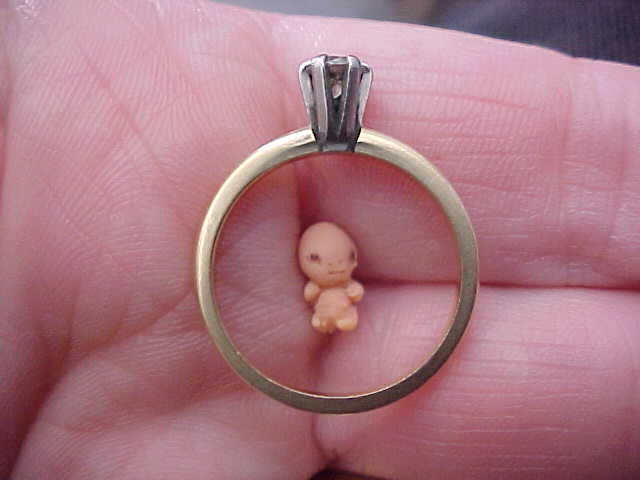
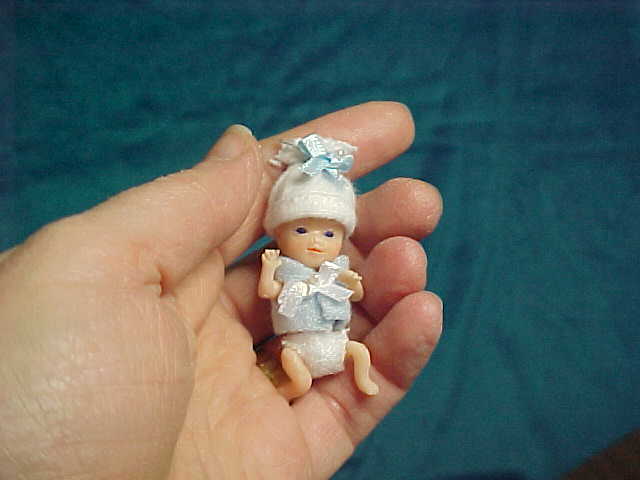
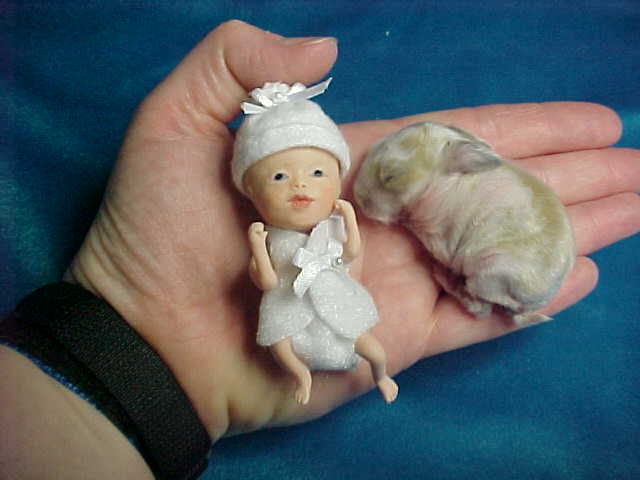
Micropreemie models are life size portrait models of real micropreemie human babies.

[…]

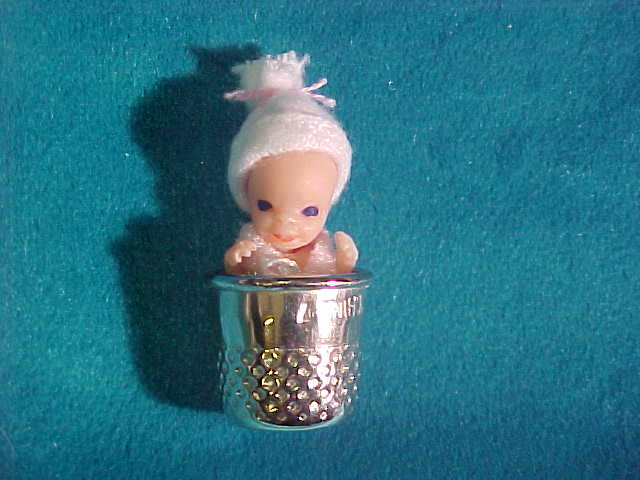
All models are portraits of real babies. Models 6 weeks and 7 weeks are original one of a kind sculpts. They can have a hat and tiny blanket. They are fragile and not poseable. Models eight weeks and over have jointed bodies and come dressed or undressed. All are medically accurate in size and human development.  They have been checked for accuracy by Physcians, [sic] Neonatal Intensive Care Nurses, Dulas and the actual parents of the babies represented here. We recommend dressed models for use with children. Children are naturally drawn to these models.

The comparison pictures are from this website.

6 weeks gestation:
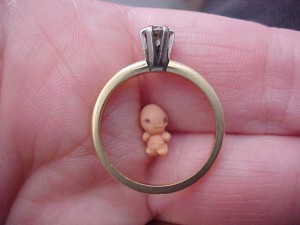
7 weeks gestation:
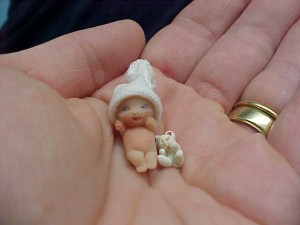
8 weeks gestation:
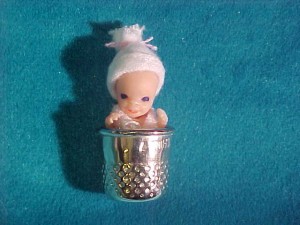
10 weeks gestation:
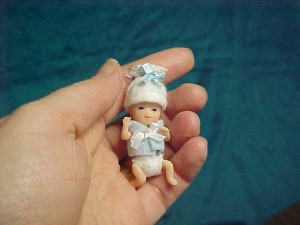
12 weeks gestation:

And some other random micropreemie images from the website:

8-18 weeks gestation:
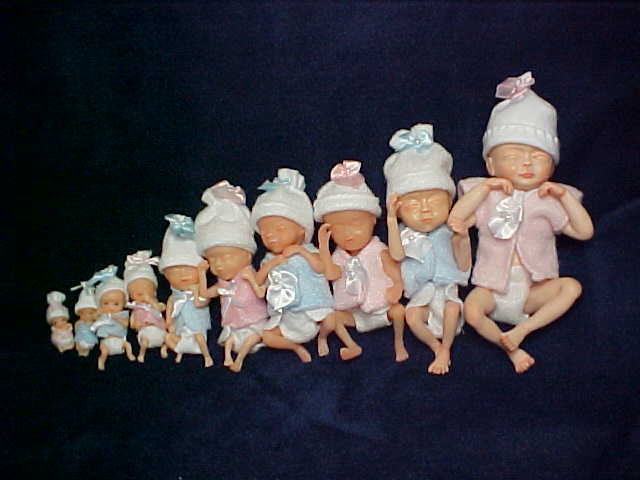
In apples and cups:
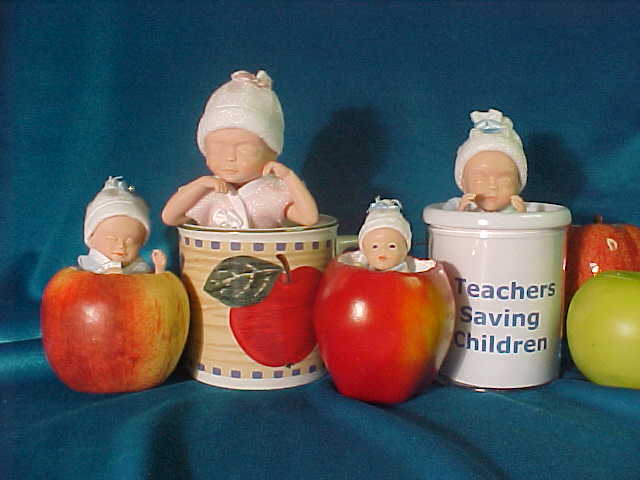
And there is one non-white micropreemie on the website:
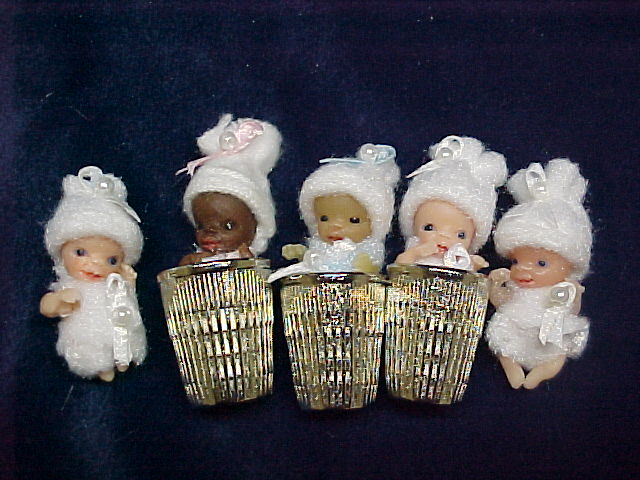
Size comparison with gummy bear and quarter:

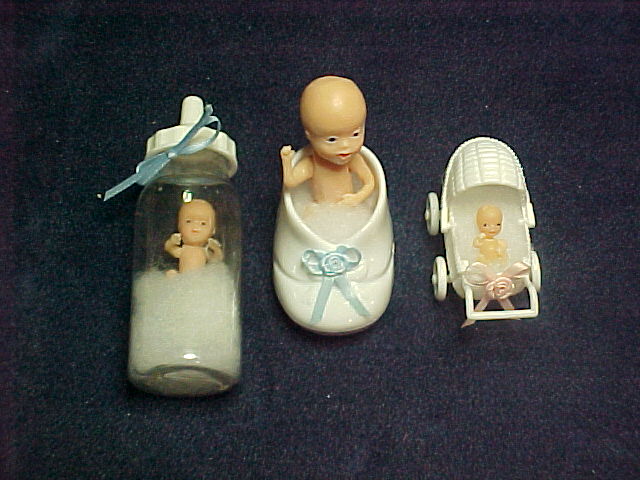
Featured accessories: (yes, that is a micropreemie in a baby bottle. Yikes!)
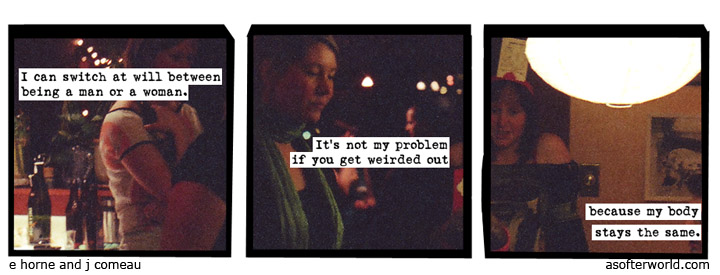
Keeley c. sent in this comic strip:

Keeley writes:

I think this strip is an amazing commentary on the fluidity of gender and especially gender identity, and how unrelated it can be to one’s outward biology.  I also love how it’s unclear whether the speaker’s ability to shift from man to woman is their own perception of themselves or the way they believe others perceive them when they don’t conform to the norm of thier biological gender. There’s a lot of layers piled into the very simple text.

Thanks!

While whiteness is the neutral category (for example, see here and see here for the same phenomenon related to gender) and most, but not all, advertising is aimed at white people first, we all know that people of color DO appear in advertising, even when it’s obvious that the intended audience is mostly white. In this series, I’m going to offer some examples of how people of color are used in ads and some of the conditions under which they are included.

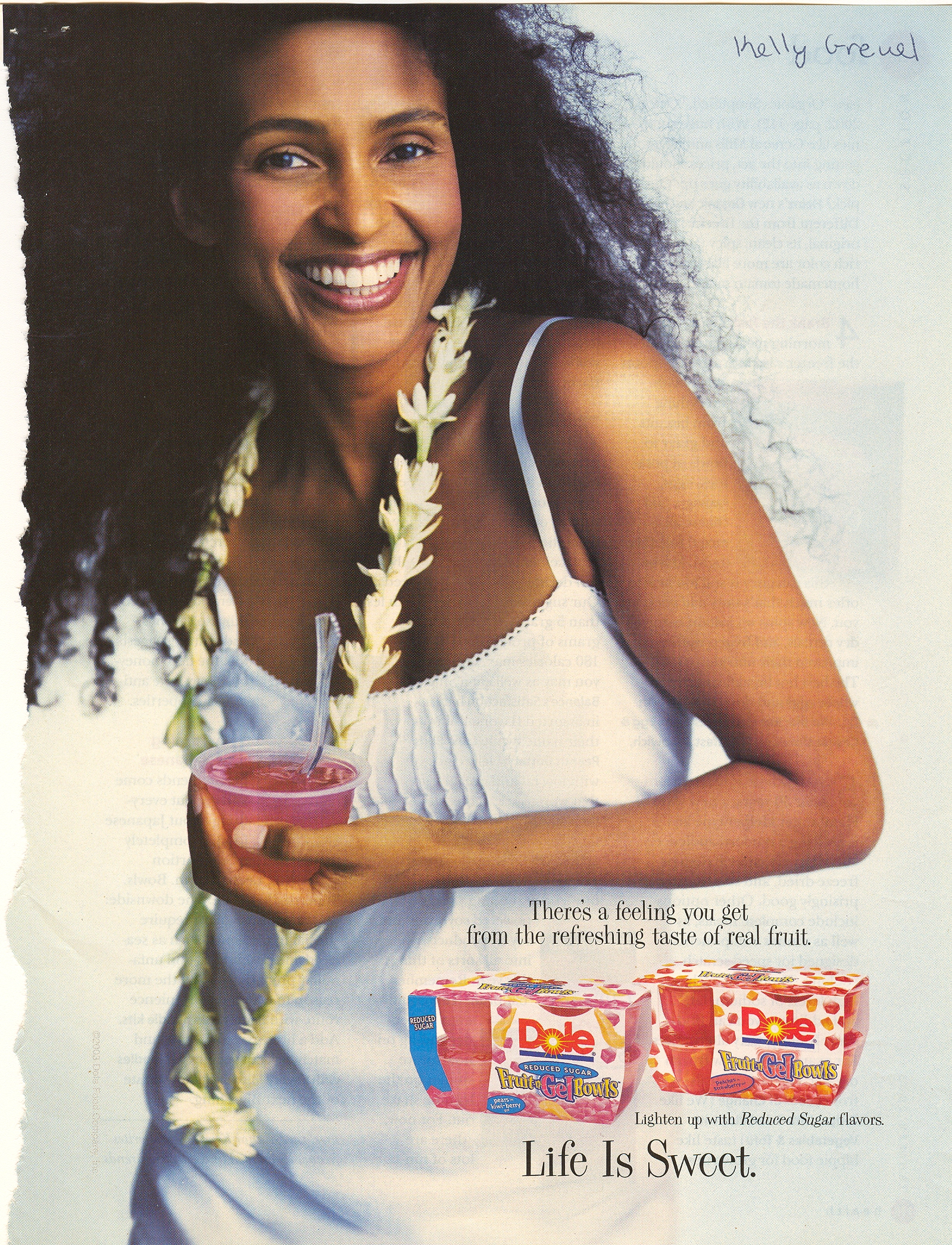
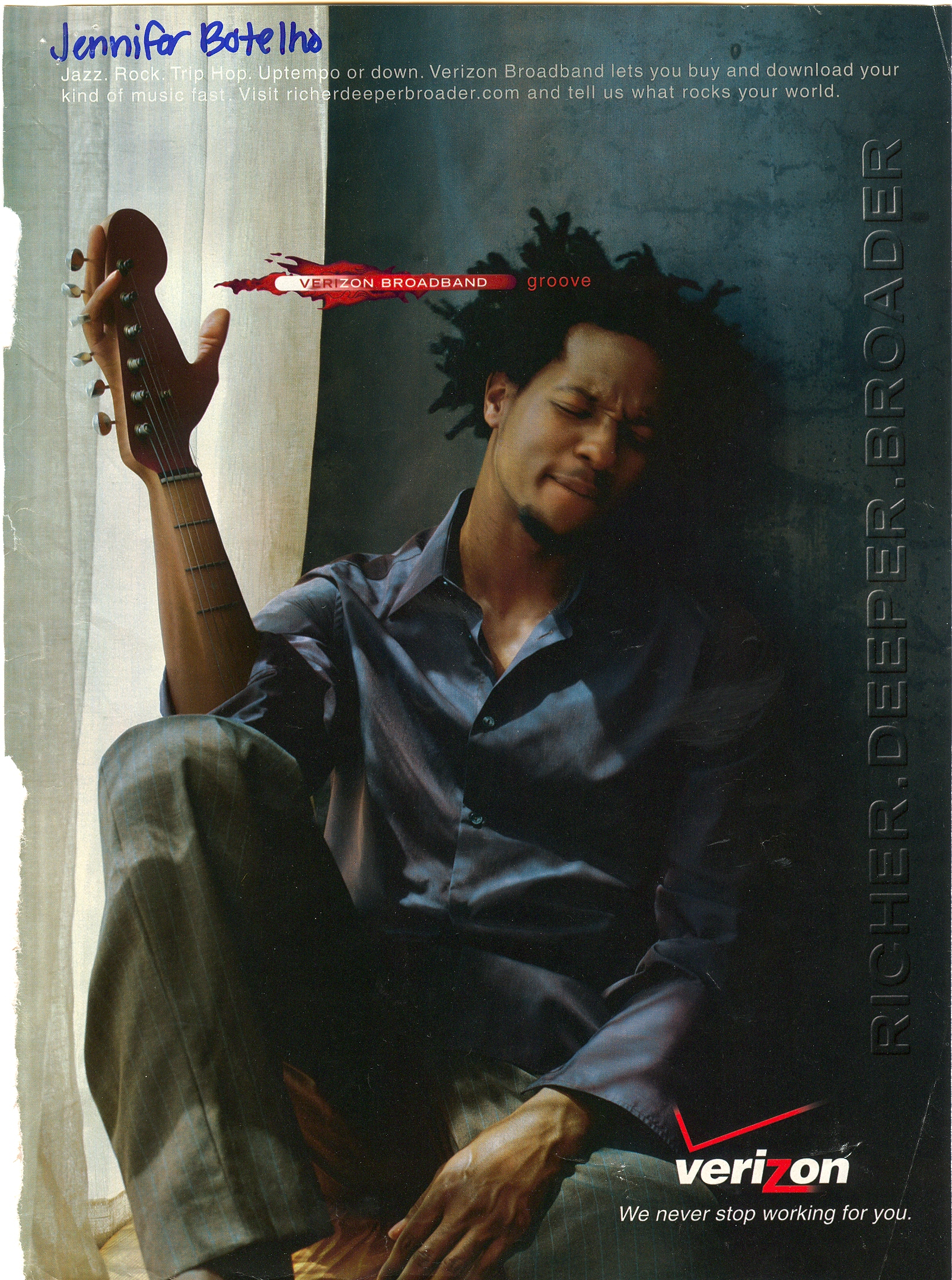
In this first post of the series, I offer you examples of ads that include people of color in order to associate the collectively-held meaning of the racial minority group (i.e., stereotypical traits, the social construction of the group) with the product.

This first one is my favorite (thanks to my student Kelly for submitting it).  The product is Dole Fruit Gel Bowls.  The text is: “There’s a feeling you get from the refreshing taste of real fruit.  Lighten up with Reduced Sugar flavors.  Life Is Sweet.”  So how do they convince us that “Fruit Gel” is “real fruit”?  By putting a “native” appearing woman with a “natural” hairstyle in a white cotton frock with flowers around her neck.

In this ad (thanks to my student, Jennifer, for submitting it) Verizon Broadband is telling us that we can download music fast.  What kind of music?  The kind associated with black folks, of course.  The text along the top reads: “Jazz. Rock. Trip Hop. Uptempo or down.”

Compare that version of the ad with this one (thanks to my student, Laura).  In this ad, the person is now an Asian woman and the type of music mentioned is “Classical. Soul. Hip Hop.”


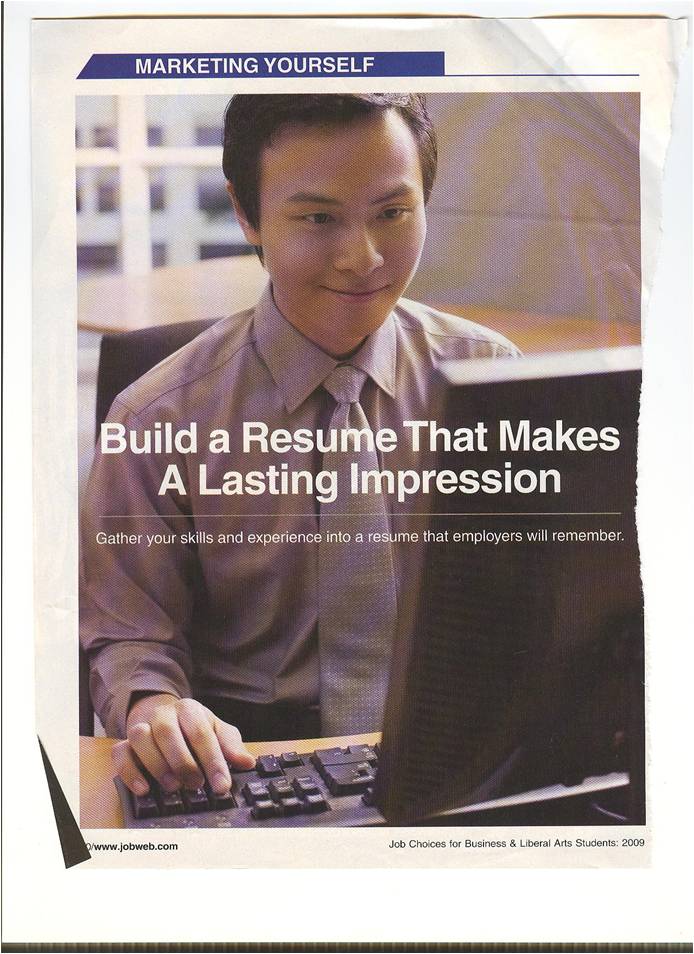
This ad for IBM products features a middle aged Asian man, a type of person associated with high technology.

NEW:  This ad uses an Asian man to invoke the idea of a good worker.

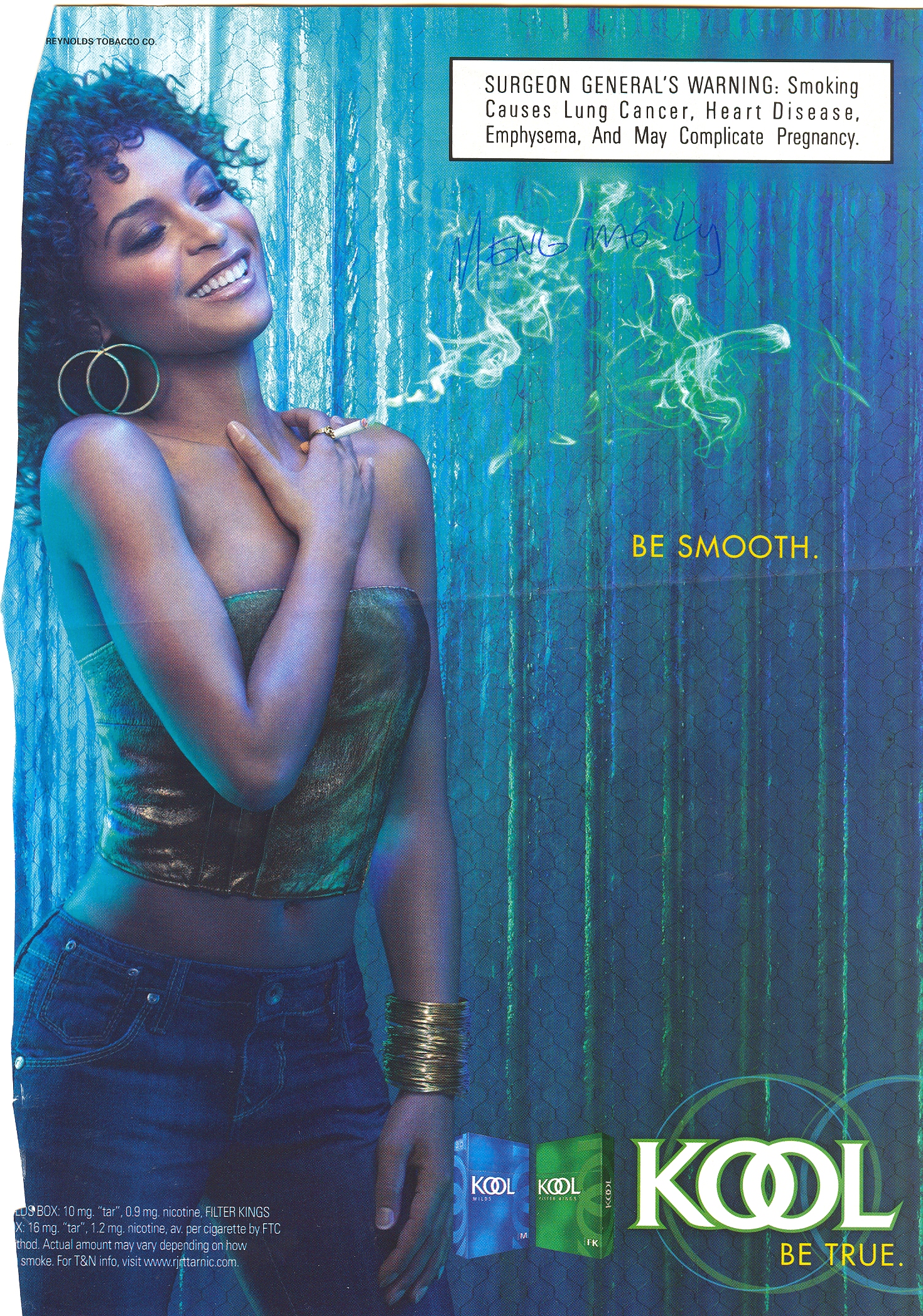
These two ads for Kool cigarettes (thanks to my student, Eugene, for the first one, and this blog for the second) use Black men doing stereotypically Black things (playing the trumpet and djing) in order to try to transfer some of the cool associated with Black men to Kool cigarettes.  (Alternatively, these ads may be targeted directly at a Black audience.)

This one too:


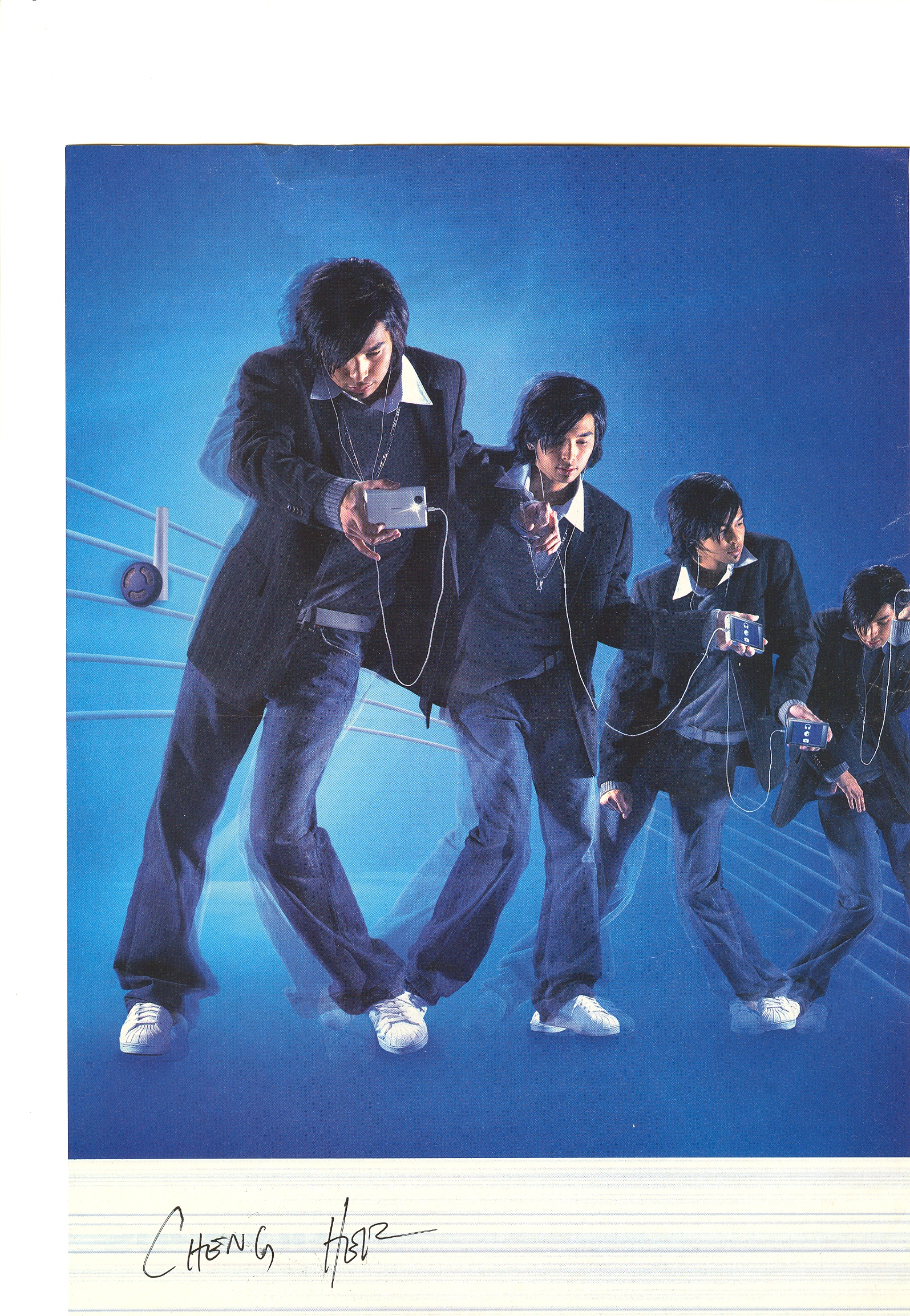
Finally, this ad for the Ipod ipod-type thing (submitted by my student, Cheng) uses a young Asian man dancing.  We all know that white men can’t dance.


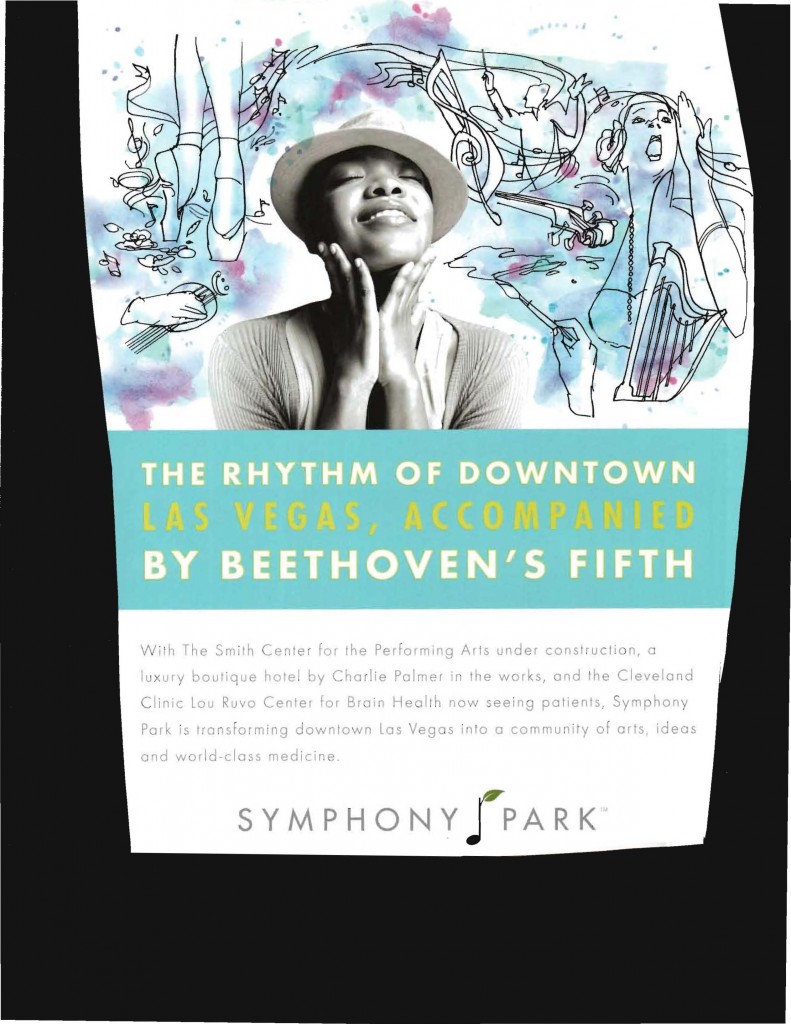
NEW!  In this ad, rhythm is represented by a black woman:

Rhythm


If anyone has more examples, I’d love to see them!

Next up: using people of color to signify, literally, color, or even spice or flavor.

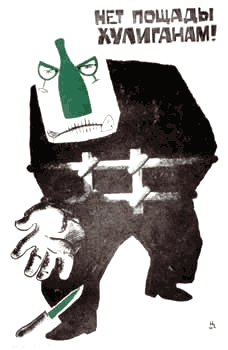
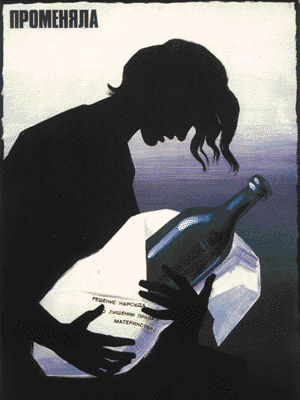
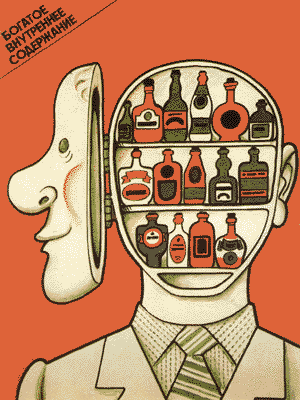
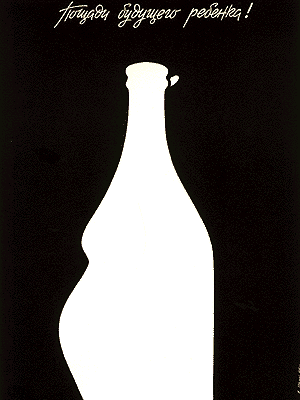
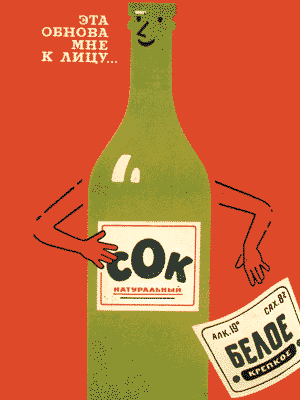
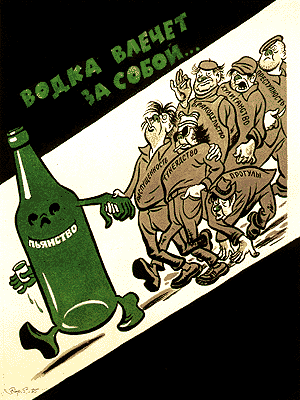
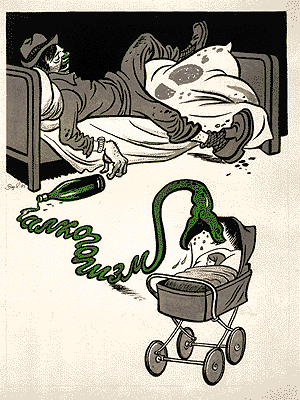
I’m not exactly sure how these images could be used in the classroom (to talk about state promotion of the family? the social ills of alcohol? gendering alcoholism?), but I think they’re fascinating. I found them at the Museum of Anti-Alcohol Posters.

“Cause- drunkenness”

“No mercy for hooligans!”

“Alcohol: Pain of nature”

“Bartered”

“Rich inner substance”

“Have mercy on your future child”

“This new dress becomes me well”

“Harmful to health, family and descendants”

“Vodka brings with it”

“alcoholism”

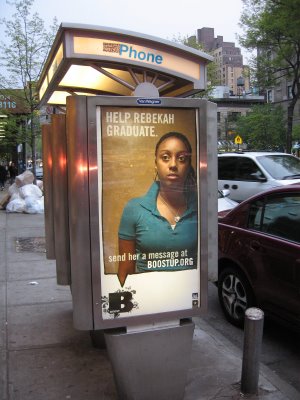
Shieva K. took photos of these two posters, both part of the Boost Up campaign in New York City. Both were posted on the Upper West Side.

The Boost Up campaign is a joint venture between the U.S. Army and the Ad Council to encourage kids to stay in school. The ads feature actual teens who are at risk of dropping out of high school. When you go to the website, you can read a bio about each teen, including the difficulties they face in their home lives, etc. Then you can send a student a “boost,” meaning an email, text message, or post on FaceBook or YouTube, encouraging them to stay in school. You can also watch videos the teens have made about their lives.

The thing I find interesting about this campaign is the lack of any discussion of structural reasons these teens (predominantly racial/ethnic minorities) might be at risk of dropping out of school, or what that might have to do with wealthy people on the Upper West Side. Both the problem and the solution are presented as individual-level issues: teens struggle mostly because they have problems with their parents and unstable home lives, and we can help fix this problem by sending text messages saying “You can do it!” It’s “activism” with no actual need to get involved or think deeply about the problem–we don’t need to change the way schools are funded, wonder whether people who send their kids to private schools still have any responsibility to the public education system, or think about things like poverty, race, crumbling schools, and other structural issues that exist beyond the individual.

I guess any effort is better than nothing, but it seems like we’re basically saying, “Hey, kids! Overcome all your problems by thinking positively and having some strangers who have never met you, and probably can’t even begin to imagine what your life is like, spend 30 seconds writing you a message! That’s all it should really take, so if you still drop out of school, you must not have tried hard enough.” It fits very well into the American cultural ideology that I find so often among my students, the belief that anyone can overcome any disadvantage or hardship if they just try hard enough and “don’t give up”; if they don’t, they’re either lazy, didn’t believe in themselves, or in some other way are to blame. Regardless, there’s not much the rest of us can do about it.

Thanks, Shieva!

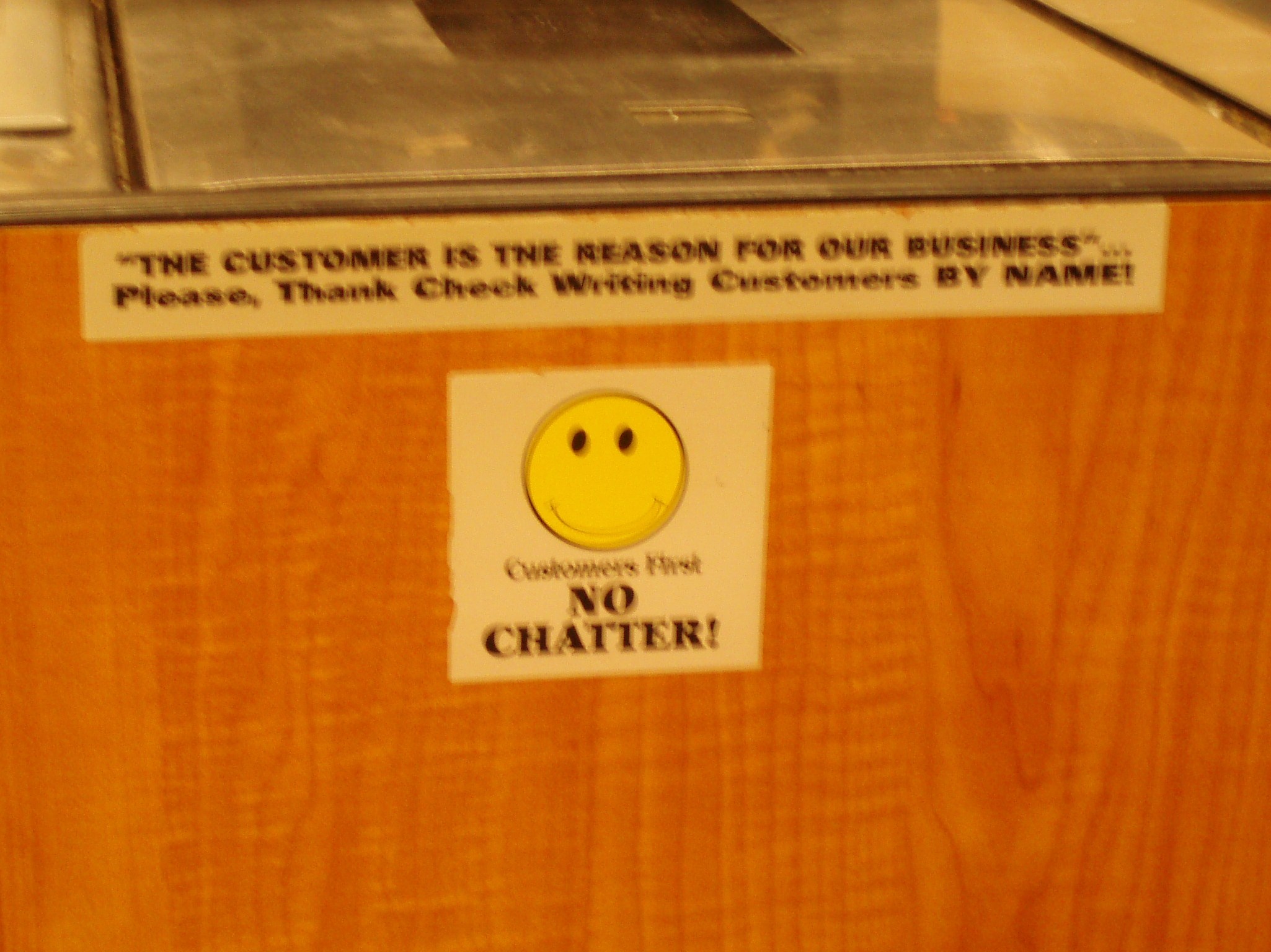
I snapped this picture at my local grocery store. Sorry about the blurriness. It reads: ” ‘THE CUSTOMER IS THE REASON FOR OUR BUSINESS’… Please, Thank Check Writing Customers BY NAME!” And then under the smiley face it says “Customers First. NO CHATTER!”

What an amazing example of how employees are required to do emotional labor! First, the employee should refer to them by name if possible, thereby pretending to know them. Second, the employee should be friendly and chat with his or her customers, but only if they initiate. So no one cares if the employee is in the mood to chat, he or she must respond to the customer’s initiation or lack thereof.

As someone who has not had a service job like cashier at a grocery store in a very long time, I am distressed by how insulting this little “reminder” is… with it’s CAPITAL letters, exclamation points, and mocking smiley face.

A good book on the topic of emotion work is Fast Food, Fast Talk by Robin Leidner. An even better one is The Managed Heart by Arlie Hochschild.

The University of Michigan Sexual Assault Prevention and Awareness Center gives a thumbs up to these ads for Pyrex kitchen cookware for using androgynous figures instead of women.  Doing so suggests that people use kitchens, not just women.  Contrast it to, well, as far as I can remember, just about every other ad for every other kitchen product that I’ve ever seen (for examples, see here, here, here, here, and here).


Thanks to Laura L. for the tip!

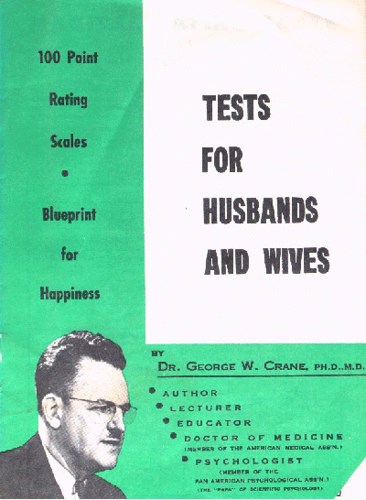
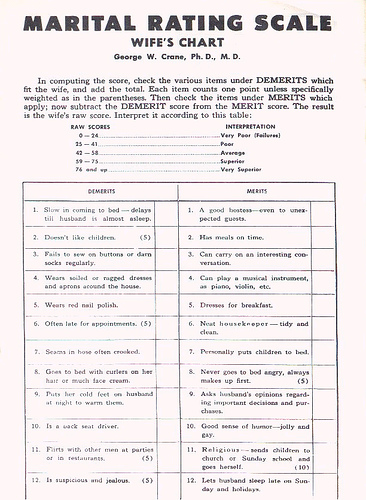
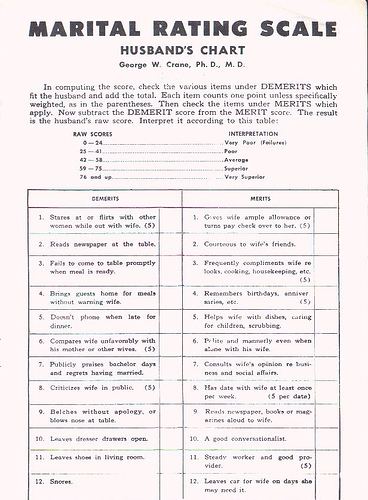
Laura R. sent us this 1939 test for husbands and wives, developed by an M.D./Ph.D. in psychology, designed to determine how well each is performing in his or her gendered role with marriage.  For proper behavior the spouse earns merits, for improper, demerits.  Below is the front page and the first page of the test for both men and women.  Click here to see the whole thing (via boingboing).


Thanks Laura!


Lisa Wade, PhD is an Associate Professor at Tulane University. She is the author of American Hookup, a book about college sexual culture; a textbook about gender; and a forthcoming introductory text: Terrible Magnificent Sociology. You can follow her on Twitter and Instagram.