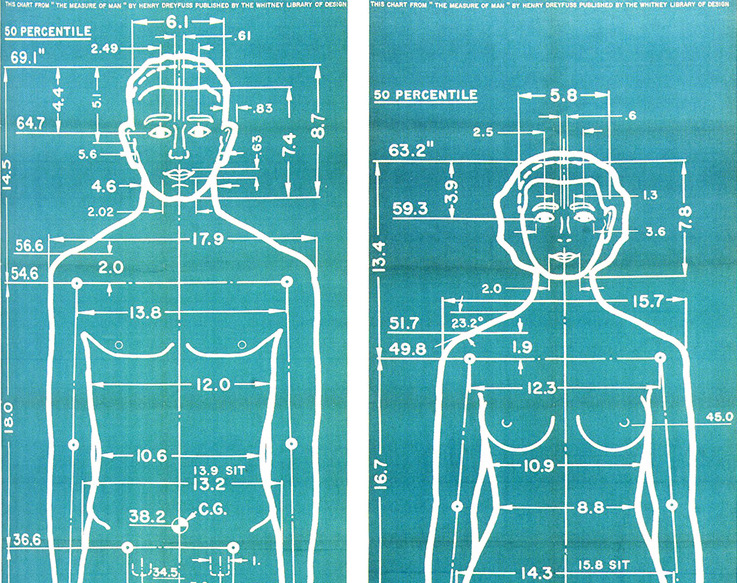
While listening to a techie podcast the other day, one of the hosts, who happens to be the designer of a popular podcast app, got into a discussion about his design approach. New features in a forthcoming version necessitated new customization settings, but introducing them was complicated by a paradox he affectionately dubs the “power user problem.” He describes the problem (at 26 minutes in) as this:
If you give people settings, they will use them. And then they will forget that they used them. And then the app will behave differently from the default because they changed settings and they forgot that they changed them. And then they will write in or complain on Twitter or complain in public that my app is not working properly because of a setting they changed.
For this reason, the designer defends his inclination to keep user customization to the minimum necessary.
Through iteration, user feedback, and intuition, the designer had arrived at what seemed to him a reasonable compromise between customization and simplicity. Yet, in accomplishing this goal, the design inadvertently leaves some users, even so called power users, out of the loop. (And, in fairness to the designer, he is hardly the first to make this point.) more...