Category Archives: women

Top ten Sexual Stories of 2012


For the fourth New Year’s Eve in a row, Sexuality & Society brings you its (highly subjective and mostly North American/U.S.-centered) list of top ten sexual stories of the year! This year’s stories are full of shreds of hope and resolve for finding allies in the ongoing effort toward sexual justice and a large dose of old-fashioned us vs. them political fights. (Just a heads-up that we won’t be bringing you the story of Princess Kate and her topless photos, but we were amused/bemused at how much press that story received).
For a walk down sexual memory lane we encourage you to (re) check out our lists for 2009, 2010, and 2011 as well!
1. Susan B. Komen foundation defunds breast screenings at Planned Parenthood.
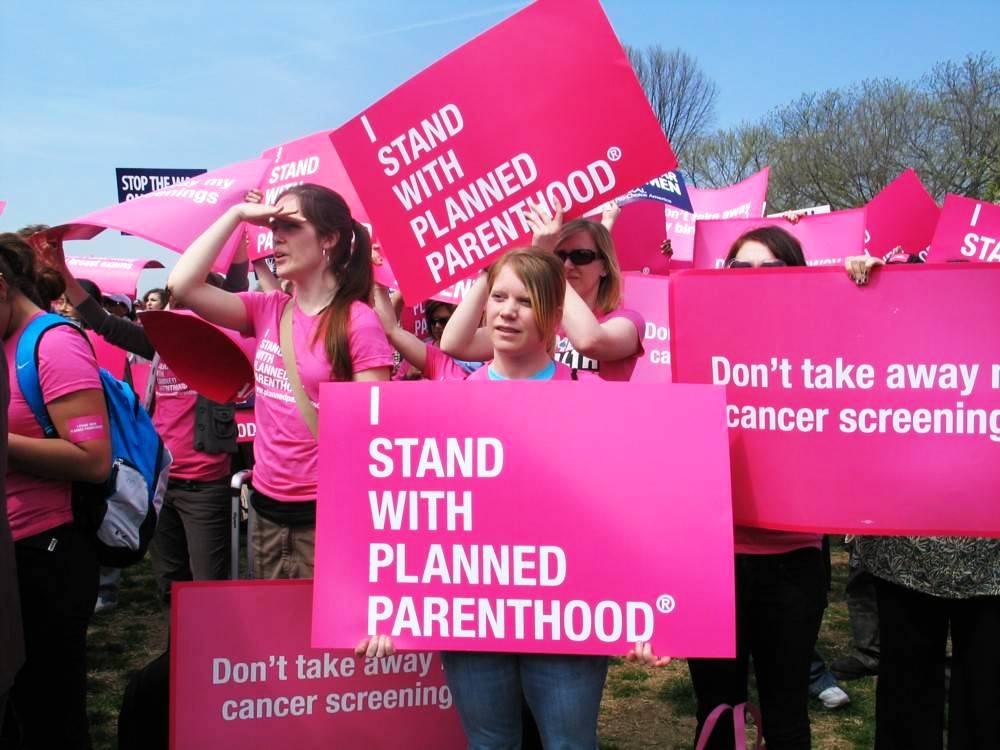
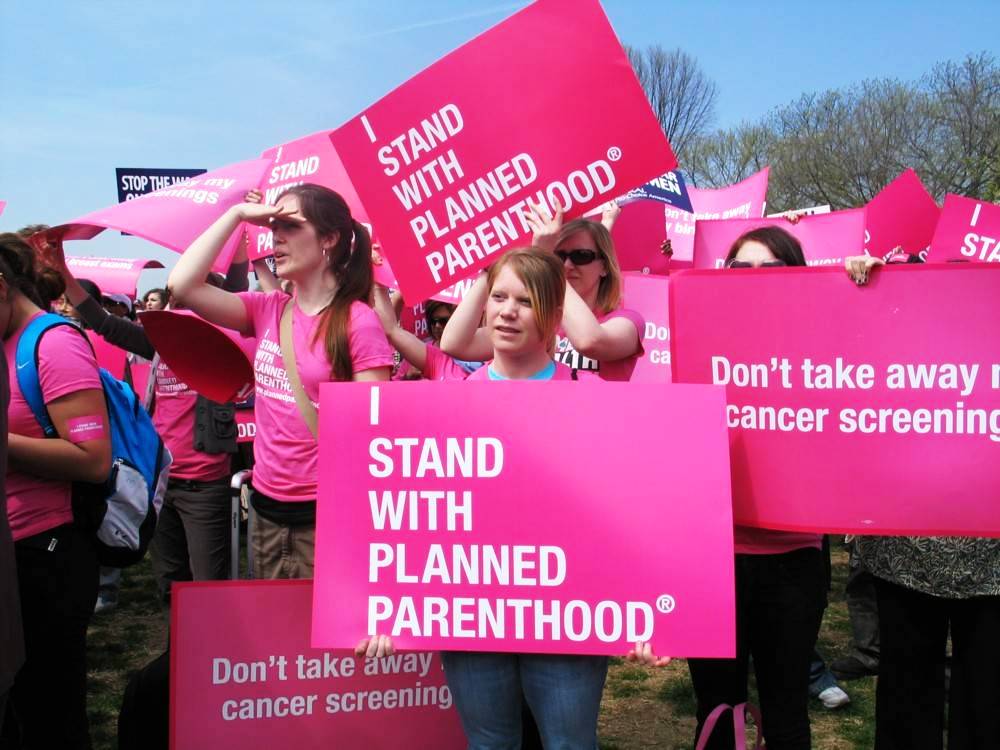
Although we are used to high profile conservatives attempting to put Planned Parenthood out of business, this story of pink-on-pink malignment caught most of us in Sexual and Reproductive Justice circles by surprise. The Komen Foundation’s decision to cut funding to Planned Parenthood due to anti-abortion sentiment in Komen leadership resulted in enormous public outrage, lack of subsequent support for the Komen foundation, and eventually a reversal of the decision. It remains to be seen how well the Komen Foundation will be able to recover, especially given the critical documentary about Komen entitled Pink Ribbons – which was coincidentally released just after the Planned Parenthood defunding debacle. In contrast, public support for Planned Parenthood seemed to grow stronger than ever:
“The silver lining is that more people than ever are aware that Planned Parenthood provides breast exams, and we’re seeing more people calling us today to make an appointment,” Tait Sye, a spokesperson for Planned Parenthood, told HuffPost. “Politics should not get in the way of women’s health, and people respond powerfully when they see politics interfering with women’s health.” http://www.huffingtonpost.com/2012/02/01/susan-g-komen_n_1247262.html
2. Anita Sarkeesian vs. the (online, sexist, and sexually abusive) trolls.

When Feminist Frequency blogger and media activist Anita Sarkeesian announced that she was going to start a new project to address stereotypes of women in video games, some male gamers responded with vicious online attacks:

Sarkeesian, who runs the video blog Feminist Frequency, became a target of abuse—including rape and death threats—last May after launching a Kickstarter fundraising drive for a project promising to explore sexist gender tropes in video games. 

“I love playing video games but I’m regularly disappointed in the limited and limiting ways women are represented,” Sarkeesian wrote. “This video project will explore, analyze and deconstruct some of the most common tropes and stereotypes of female characters in games.”

In response, Sarkeesian was hit with what she calls a “cyber mob” from angry male gamers. Hundreds of abusive tweets flooded her Twitter feed, threatening violence and sexual assault. Vandals attacked her Wikipedia page, plastering it with explicit sexual images, violent images, sexism and racism. Someone even created a video game where users were invited to “beat the bitch up” and punch a digital version of Sarkeesian’s face until it became battered, bloody and bruised. 

Sarkeesian fought back, chronicling the harassment on her blog and speaking to dozens of news outlets. She’d originally set a humble fundraising goal of $6,000. But after the torrent of abuse received widespread media attention, donors flooded her page. Sarkeesian finished the Kickstarter campaign with nearly $160,000, or about 25 times what she’d asked for.  (http://www.dailydot.com/culture/anita-sarkeesian-ted-talk-misogynist-comments/)

3. Chick fil-A hates Gays, er…”supports ‘Biblical’ families.”

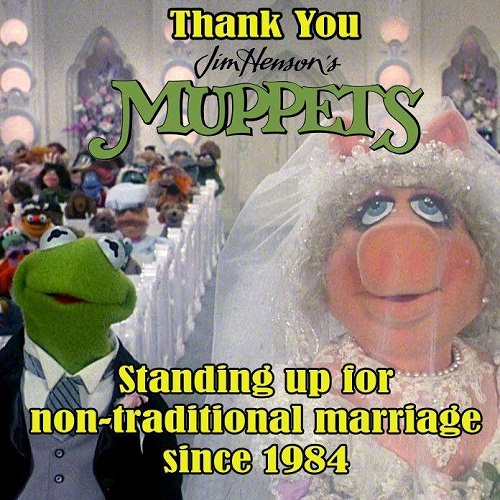
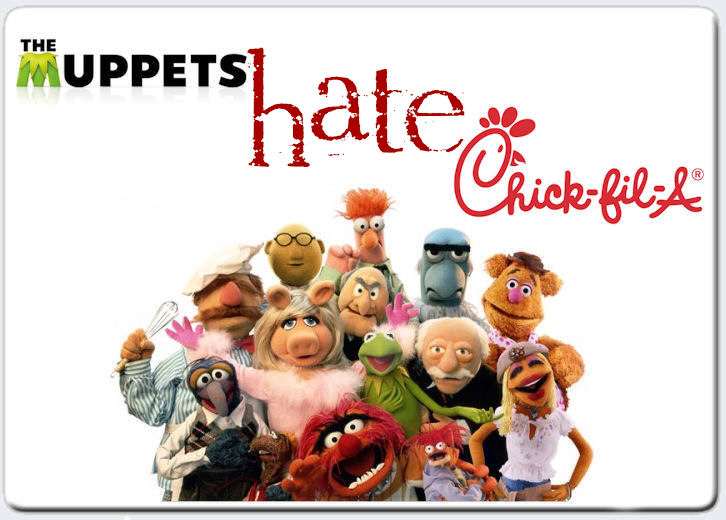
Chick fil-A — an Atlanta based company known for their fried chicken sandwiches– went public with its official disdain for those who live outside of the institution of heterosexuality by donating money to organizations fighting gay marriage. As with the Komen public relations debacle, this story was met with protests and boycotts against Chick fil-A, including critical public statements made by Boston mayor Thomas Menino, Chicago mayor Rahm Emmanuel, and San Francisco Mayor Edwin M. Lee, and a decision by the Jim Henson Company (AKA the Muppets!) to cease all business partnerships with Chick fil-A. (Meanwhile they may have gained some new customer loyalty from social conservatives).  

Chick fil-A did eventually announce that it would cease to fund anti-gay organizations, but its president has remained firm in his stance that he still doesn’t like the gays…

… Chick-fil-A President Dan Cathy doubled down on his company’s anti-gay stance yet again, re-iterating the restaurant chain’s support of “Biblical” families.

“Families are very important to our country,” Cathy told NBC affiliate 11 Alive. “And they’re very important to those of us who are concerned about being able to hang on to our heritage. We support Biblical families, and they’ve always been a part of that.” (http://www.huffingtonpost.com/2012/10/25/chick-fil-a-business-thriving_n_2016864.html)

Given the enormous diversity of family forms in the Bible, it’s surprising that Chick fil-A representatives have not yet
clarified which “Biblical” families they DO support …(don’t forget that traditional Biblical families are full of polygamy and inclusion of concubines). Regardless, it’s clear that Kermit, Miss Piggy, and their fans stopped going to Chick fil-A for their lunch break

 4. Florida A & M drum major hazed to death; push for an end to hazing on college campuses.

Hazing — and subcultures emphasizing violence and conformity to traditional gender roles on U.S. College campuses — hit the news in 2012 with the death of Robert Champion, an African-American out gay male drum major, and who had made his opposition to hazing openly to his peers. While Champion died in 2011, this story makes our top ten stories for 2012 due to its ongoing media attention and its major impact on institutional transformation at Florida A & M and beyond.

Rober Champion died as a result of hazing in Nov. 2011

Robert Champion died on Nov. 19, 2011, after a ritual called “crossing bus C,” in which band members are forced to walk through a line of band members who are each kicking or punching the person walking by. He began vomiting, complained of breathing difficulty, and later died. Initially, his band mates claimed that they had no idea, according to according to the Palm Beach Press. His parents later told reporters that witnesses had come forward and said that their son was hazed for being gay, or ironically, for being against hazing rituals himself. (http://www.advocate.com/crime/2012/05/03/13-charged-hazing-death-gay-florida-am-drum-major )

The tragic incident resulted in several arrests as well as a newfound commitment by Florida A&M administrators to end the practice of hazing in University sponsored programs. Meanwhile, just before posting this story here, on Dec. 30, 2012 a scathing report was released by the Florida Board of Governors inspector general’s office which “concludes that the school lacked internal controls to prevent or detect hazing, citing a lack of communication among top university officials, the police department and the office responsible for disciplining students.” (see http://www.ebony.com/black-listed/news-views/famu-ignored-hazing-rules-before-robert-champion-death-981)

5. Sandusky goes to prison for child sexual abuse; Penn State officials condemned

The Penn State football sexual abuse scandal made our top ten list for the second year in a row. While individual-blaming solutions have prevailed (sending Assistant football coach Jerry Sandusky to prison for life; toppling the statue of former head football coach Joe Paterno), the evidence is clear that the sexual abuse that happened must be understood and addressed also within the context of big ten football and Penn State. As part of the effort to cast a wider analysis on the situation, scholars of sport and gender continue their critique of Penn State as an example of masculinist sport cultures [for example, see: Cooky, C. (2012). Success without honor: Cultures of Silence and the Penn State Scandal. Cultural Studies/Critical Methodologies, 12, 328-331]. In July of 2012 a blistering report was also released by Louis J. Freeh, former FBI director.

The report is unwavering in its condemnation of the university’s two highest levels of leadership: the president and the Board of Trustees. “By not promptly and fully advising the Board of Trustees about the 1998 and 2001 child sexual abuse allegations against Sandusky and the subsequent Grand Jury investigation of him, Spanier failed in his duties as President,” the report says. “The Board also failed in its duties to oversee the President and senior University officials in 1998 and 2001 by not inquiring about important University matters and by not creating an environment where senior University officials felt accountable.”

The most powerful leaders in the university concealed facts and failed to protect children, primarily because they hoped to “avoid bad publicity,” the report finds. But other factors contributed as well, according to the committee. Specifically, the report blames “A culture of reverence for the football program that is ingrained at all levels of the campus community.” (http://chronicle.com/article/A-Guide-to-the-Penn-State/132797/_

6 & 7. RAPE. RAPE. RAPE.

The practice and politics of rape of women continued to lead the headlines in 2012. So much so, that we’re giving it two positions on our top ten list. #6 goes to the ongoing “war on women” (reported also in our 2011 list) being waged by key U.S. conservative politicians. Instigators of this war include the Republican party’s 2012 Vice Presidential nominee Paul Ryan, who referred to rape as simply another “form of conception.” (This attempts to legitimize complete opposition to abortion, including for teenage victims of rape and incest. see: http://www.huffingtonpost.com/paul-slansky-/paul-ryan-said-something-_b_1832377.html.) GOP Senate Candidate, Todd Akin also attempted to play definitional magic by telling the public what a “legitimate” rape was, and baffled scientists and progressives alike when he claimed that women’s bodies could prevent pregnancy the case of rape. An interesting chronology of such arguments has been put together here for all of us to read given that this type of thinking is certainly not new: (See: http://www.theblaze.com/stories/why-does-todd-akin-think-rape-victims-dont-get-pregnant/)

#7 Goes to the political fury that is currently erupting around harassment and rape of women in India — with most urgent attention being placed on the case of a young woman who was brutally attacked and gang raped for hours and died of assault-related injuries.

The woman, who has not been identified, has become a symbol for the treatment of women in India, where rape is common and conviction rates for the crime are low. She boarded a bus with a male friend after watching a movie at a mall, and was raped and attacked with an iron rod by the men, who the police later said had been drinking and were on a “joy ride.”

She died Saturday morning in Singapore, where she had been flown for treatment for the severe internal injuries caused by the assault. She had an infection in her lungs and abdomen, liver damage and a brain injury, the Singapore hospital said, and died from organ failure. Her body was flown back to India on Saturday.

As news of her death spread Saturday, India’s young, social-network-using population began to organize protests and candlelight vigils in places like the western city of Cochin in Kerala, the outsourcing hub of Bangalore and New Delhi, the capital. Just a tiny sliver of India’s population can afford a computer or has access to the Internet, but the young, educated subset of this group has become increasingly galvanized over the New Delhi rape case.( http://www.nytimes.com/2012/12/30/world/asia/india-rape-delhi.html?_r=0)

Less publicized but also on our minds is the case of another young Indian woman who was recently gang raped; she committed suicide after being pressured by police to either drop her criminal charges or marry one of her attackers. We expect to be hearing much more from Indian human rights activists on this matter in the coming year.(see: http://www.nytimes.com/2012/12/28/world/asia/rape-victim-commits-suicide-in-india.html)

After all that dire news we will end with three more uplifting stories:

8. Movement to ban “gay conversion” therapy for minors in California.

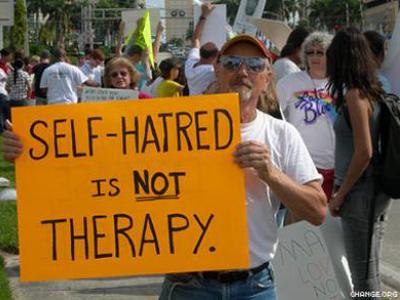
The move to end the practice of reparative therapy (AKA Gay Conversion therapy) has made some movement in California. Governor Jerry Brown supported a new bill to ban gay conversation therapy for minors; however, the bill is currently blocked. On the Friday before Christmas (Dec. 21) “A three-judge panel of the U.S. 9th Circuit Court of Appeals agreed to block the law, scheduled to take effect Jan. 1, pending a decision on its constitutionality.” (http://latimesblogs.latimes.com/lanow/2012/12/gay-therapy-ban-placed-on-hold-in-california.html).

Gov. Jerry Brown has signed legislation prohibiting a form of therapy aimed at changing a minor’s sexual orientation from gay to straight, the first law of its kind in the nation, officials said Sunday.

Sen. Ted Lieu (D-Torrance) introduced the measure based on his belief that so-called conversion therapy isn’t based on science and is dangerous.

“This bill bans non-scientific ‘therapies’ that have driven young people to depression and suicide,” Brown said in a statement. “These practices have no basis in science or medicine and they will now be relegated to the dustbin of quackery.” (http://latimesblogs.latimes.com/california-politics/2012/09/governor-jerry-brown-gay-therapy-minors.html)

Story to be continued in 2013….


9. Same sex marriage continues to win.

Cultural representations of same sex couples also proliferated in 2012, including stories and photos in Here Come the Brides published by Seal Press. (disclaimer: Sexuality & Society co-editor Kari Lerum has an article in this book).

Gay marriage makes our list yet again this year, this time with wins in Washington, Maryland, and Maine. Additionally, the U.S. Supreme court agreed to hear two cases (one from California, one from New York), challenging state and federal marriage laws which exclude same-sex couples, and U.S. President Barack Obama became the first sitting president to finally publicly support gay marriage. (Sexuality and Reproductive justice advocates in the US and abroad also breathed a sigh of relief when Obama was re-elected to serve as US President for another four years).

(see:http://topics.nytimes.com/top/reference/timestopics/subjects/s/same_sex_marriage/index.html)

10. Free Condom Machines to be installed in Philadelphia high schools 

And our final story for the year involves a new development in Philadelphia: Condom dispensers in high schools! We commend Philadelphia school officials for including this as part of a pragmatic and non-shaming approach toward reducing STI rates for Philadelphia teenagers.

(http://www.thedenverchannel.com/news/u-s-world/philadelphia-high-schools-installing-free-condoms-to-combat-epidemic-of-stds).


Happy New Year from Sexuality & Society! Thanks to all the activists, scholars, and practitioners working toward sexual and social justice; may 2013 be filled with your stories!

Warm regards, Kari Lerum and Shari Dworkin

The Price(s) of Pleasure in the classroom: The Appalachian State University Controversy’s Relevance to Sex Workers

This past March, Appalachian State University (in Boone, North Carolina) put Dr. Jammie Price, a tenured professor of sociology, on administrative leave. Price was suspended after showing a documentary film which critiques the pornography industry, titled “The Price of Pleasure.”  This temporary suspension was enacted as a result of four students’ protest to university administration; they claimed that the film was “inappropriate” for classroom use.

Of course, there has to be a backstory to this. Various sources report that Price was known as a vocal critic of university practices, such as their handling of sexual assault allegations leveled at student athletes.[1] Prior to screening the film, student athletes had complained to university officials that she had created a hostile environment by facilitating classroom discussions on sexual assault accusations against student athletes on the ASU campus.[2]

After conducting an investigation (in which the University states that it did not focus on the screening of the film itself, but the manner in which the classroom was conducted), the Provost has allowed Dr. Price to return to the classroom as long as she consent to a mandatory “professional development plan.”  This professional development plan requires Dr. Price to, among other things, develop and implement steps to contextualize and debrief “sensitive” material in the classroom.

The film at the center of the controversy

Sexuality scholars, researchers, and activists should be concerned about Price’s suspension for many reasons. This includes standard concerns about academic freedom, and questions of academic integrity in dealing with the complex and controversial matters of sexuality, power, and media. This also includes concerns about the “backstory” of student backlash (i.e. critically examining the gender, race, and sexuality dynamics of when students complain about their professors). But this case is also important for an additional set of concerns: that of sexual rights and justice as they pertain to sex work and sex workers.

Dr. Price’s suspension based on her inclusion of “graphic” material in the classroom has lit up the blogosphere. Some have drawn on the language of “academic freedom” in order to conceive of it as a tool to promote truly inclusive democratic debate. Gail Dines — a well-known anti-porn feminist who is featured in the film, has leapt to the defense of Professor Price and the film, The Price of Pleasure. Given the film’s sudden prominence as an educational tool and as a catalyst that re-ignited long held debate about academic freedom, it’s worth pausing to examine the film itself.

The film, produced and distributed by the Media Education Foundation, purports to examine “how pleasure and pain, commerce and power, liberty and responsibility have become intertwined in the most intimate area of our lives.”  The MEF is a popular source for academics seeking to include educational films in the classroom and it is known for producing films that espouse similar anti-porn themes (The Bro Code, Dreamworlds). The Price of Pleasure includes clips from pornographic films with the claim that these clips “represent current trends in mainstream pornography.”  Some porn performers featured in the film have criticized it for the ways in which they felt the film purposefully misrepresented their perspectives and encoded a patently anti-porn message into something they were told would be an “unbiased” exploration.

Gail Dines, a professor of Sociology and Women’s Studies, at Wheelock College was a senior consultant for the film.[3] The film argues that porn has become what Linda Williams has described as “on/scene”: in other words, that “sexual scenarios” once considered “obscene” have increasingly become part of the public sphere (albiet via public scandal) [4]. However, unlike Williams, the filmmakers name this as a universally bad phenomenon.

Some might critique the filmmakers for espousing a nostalgic, moralistic wish for the “way we never were” (a world free of commercial sex and its’ depictions). A brief survey of U.S. history reveals that commercial sex has been an integral feature in public social life (albeit in different ways) at different moments in time.[5] The filmmakers attempt to sidestep this critique by utilizing a somewhat crude version of Marxist mechanics. For example, in the opening scene, Gail Dines explains that she is accused by some for being “anti-sex” because she critiques pornography, but what such critics don’t realize is that you can criticize McDonalds and still eat food.[6]  The comparison doesn’t quite hold up on at least two fronts.

First, unlike food, it is difficult to trace the effects of any cultural product, including pornography. Without rehashing the feminist sex wars and an entire body of social scientific literature, there is no consensus that consumption of pornography causes the perpetuation of sexual violence.[7] Furthermore, the idea that representations directly impinge on or cause individual actions is one that some feminists –via such campaigns as the reform of rape laws—have long sought to contest.

Given the absence of strong direct evidence that porn causes sexual violence, some anti-porn activists instead argue that pornography promulgates a “worldview” that reifies gender inequality writ large and has harmful consequences to the public at large. There are two main components to this anti-porn argument:

  1. porn as a genre universally “objectifies” women, by which they mean that it, more than any other media outlet, trains them to relate to their bodies as a site of scrutiny, to eroticize submission and “degradation,” and that these activities can never be a source for women’s self-creation or pleasure.
  2. pornography leads men (as Robert Jensen, Professor of Journalism at the University of Texas, testifies in the film), to have difficulty distinguishing between the modes of relating to women enabled in and potentially appropriate to erotic fantasy and the modes of relating to women on an everyday basis in which they are not sex objects that are continually available for one’s sexual use.

Embedded in The Price of Pleasure are these logics of direct and uncritical consumption: What you watch becomes who you are. Perhaps this is the message Professor Jammie Price was hoping to introduce to her students.  It’s worth asking whether this message alone is able to stimulate expansive and inclusive classroom debate on the topic of commercial sex. It’s worth asking whether this logic is representative of the diverse body of intellectual thought on media reception—which frequently demonstrates that people contest, resist, rescript, as well as reproduce, inequalities in their interactions with media texts.

But it is actually the second part of Dines’ food metaphor (re: McDonalds) that I am interested in.  The “McDonalds” analogy situates the amorphous public and producers of porn in a morality tale. In this morality tale, the public are those who, barraged by porn, are being sold a dangerous and harmful product. Producers are either callous, usually male, profiteers or the sex workers themselves, who are either victims or “brainwashed” apologists.  To this end, the only self-described former sex worker interviewed at length in the film is Sarah Katherine Lewis, who speaks about what she loathed about working in the sex industry, pointing out that the only options open to her at the time were working in service economies—McDonalds or sex businesses. Either way, the workers in the films are not the ones asked to offer definitive meanings about or set the agenda around business practices. The McDonalds analogy essentially eliminates from the terms of the debate the desires, needs, or interests of those who work at the McDonalds in question, those who for whatever complex array of reasons and motivations make their living via sex work.

Sex workers (and allies) who craft their own intellectual analyses and political agendas around questions of political economy, labor and human rights, and the politics of representation are not even intelligible within the schema of the “anti-McDonaldites.”  Based on watching The Price of Pleasure alone, viewers would have no idea that sex worker advocacy groups have advanced trenchant critiques about what can be done to improve their working conditions and social existence.

The case of Professor Price reveals the extent that academic discussion of pornography often centers on the (presumably) non-sex working academic, or the academic advancing an anti-porn critique.  No one seems to be questioning the anti-porn message of the film —a message that was perhaps lost on the students who felt violated by its graphicness. What then what does that say about the state of protections for academics and aspiring academics who are current or former sex workers? Or simply those who wish to include in the classroom the voices and worldviews of sex workers speaking on their terms?

In response to Price’s suspension, Gail Dines suggested that if Price had given a ringing endorsement of commercial sex businesses or to have invited what she likes to call “pornographers,” or sex workers and adult business owners (often one and the same), to speak on campus, all would be good in Price’s life.[8] This characterization is reminiscent of what Michael Bérubé has described as the movement of “campus conservatives to construe themselves as victims of liberal intolerance.”[9] Dines may not consider herself a campus conservative, but her fanciful claims about the supposed cultural status of sex workers belie the myriad ways in which academic research has historically stigmatized those working in sex industries. Moreover, it defies recent evidence that suggests that the mere introduction of discussions of commercial sex cultures to academic spaces are often met with protest.

Flyer for the 2008 sex worker art show; allowing the show on campus of the College of William and Mary may have lead to the President losing his job

For instance, in 2008 the president of the College of William and Mary did not have his contract renewed in part for his begrudging refusal to censor the Sex Workers Art Show, who had been invited by student organizations to perform on campus.

The implication that former or current sex workers are immune and protected from pervasive forms of discrimination in the academic (or any other) workplace is beyond farcical. Were Price to have been suspended for having once been a sex worker, let alone dared to introduce that in the classroom, who would be speaking up for her? Dines herself proudly admits to a record of opposing the decision to “allow” those working in the commercial sex industry to speak on university campuses.[10]

Make no mistake, sex workers and former sex workers who are also students, are at jeopardy of losing their jobs in education and their place in institutions of higher learning. In 2001, a student at California State University-Fullerton was ejected from the track and field team for working as a stripper to pay her way through school. She was outed by male athletes who attended the strip club and who had no disciplinary action taken against them. In 2010 a former sex worker who had written openly about her experiences in the sex industry was fired from her position with the New York City Teaching Fellows Program. More recently, Stacie Halas, was fired from her position as a science teacher at a public school when students “discovered” that she was a former porn performer.

How might starting our analysis of the state of academic freedom from these stories complicate our understanding of what is at stake, and for whom, in the disciplining of academic bodies? Lisa Johnson, in her astute observations on the Price incident, points out that “there is still no vocabulary for resisting the conservative moral framework that says graphic sexual material is inappropriate for the classroom, and no public statement of feminist pedagogy that says our notions of what is deemed proper in the classroom are part of the very status quo that WGS (Women & Gender Studies) generally interrogates.”

While I agree with Johnson that too often feminist academics avoid publicly articulating the value of the explicit challenges to sexual normativties they explore in the classroom, it’s important to delineate where these challenges actually diverge. These divergences may very well work to consolidate an understanding of academic freedom that claims the virtues in speaking about “disreputable” topics in order to stimulate learning and/or to debate certain kinds of conclusions. Yet in doing so, they may very well replicate and embed social stigma against “disreputable” ontologies or subjects themselves.  The consequences of this move do not just affect the educational opportunities for sex workers. Rather, they go to the heart of how scholars define the ethical and methodological questions that arise in studying historically marginalized communities.

At a moment in which an international movement for sex worker human rights is gaining momentum, it is worth reconsidering how the available intellectual frameworks frame commercial sex and represent commercial sex workers, and remind ourselves of the panics that invariably emerge around the presence of commercial sex in the classroom. Such panics function to demarcate the boundaries of how any stigmatized topic is or is not allowable as a topic of learning and how marginalized groups, including sex workers are allowed to participate in academic cultures.


Jayne Swift is a doctoral student in Gender, Women, and Sexuality Studies at University of Minnesota. Her areas of specialty include Commercial Sex Cultures & Obscenity, and Queer and Feminist Theory.


[1] Monte Mitchell. “ASU professor suspended after showing film on porn business, expressing views on athletes, racism,” Winston-Salem Journal. April 24, 2012. http://www2.journalnow.com/news/2012/apr/24/2/asu-professor-suspended-after-showing-film-on-porn-ar-2202862/

[2] Kellen Moore, “ASU professor decries university action,” WataguaDemocrat.com April 24, 2012. http://www2.wataugademocrat.com/News/story/ASU-professor-decries-university-action-id-007608

[3] The Price of Pleasure. Dir. Chyng Sun, Media Education Foundation, 2008.

[4] Linda Williams. “Porn Studies: Proliferating Pornographies On/Scene: An Introduction,”  in Porn Studies. Ed. Linda Williams. Duke University Press: 2004.

[5] See: Andrea Friedman, Prurient Interests: Gender, Democracy, and Obscenity in New York City, 1909-1945. Columbia University Press: 2000. Mara Keire, For Business and Pleasure: Red-Light Districts and the Regulation of Vice in the United States, 1890-1933. The Johns Hopkins University Press: 2010.

[6] The Price of Pleasure. Dir. Chyng Sun, Media Education Foundation, 2008.

[7] Based on their review of published academic literature, Ferguson and Hartley (2009) conclude that “it is time to discard the hypothesis that pornography contributes to increased sexual assault behavior” (p. 323). See:  C. J. Ferguson, & Hartley, R. D. (2009). The pleasure is momentary…the expense damnable?: The influence of pornography on rape and sexual assault. Aggression & Violent Behavior, 14 (5), 323-329.

[8] Gail Dines, “The Power of the Porn Industry: The Shocking Suspension of Dr. Price,” Counterpunch, April 19, 2012. http://www.counterpunch.org/2012/04/19/the-shocking-suspension-of-dr-price/

[9] Micheal Berube. What’s Liberal About the Liberal Arts? Classroom Politics and ‘Bias’ in Higher Education. W.W. Norton & Company: 2006. P. 61

[10] Gail Dines. “The Power of the Porn Industry: The Shocking Suspension of Dr. Price,” Counterpunch, April 19, 2012. http://www.counterpunch.org/2012/04/19/the-shocking-suspension-of-dr-price/


Top 10 Sexual Stories of 2011

As the Gregorian calendar year officially comes to a close, we offer once again a sampling of the year’s top ten sexual stories. While certainly not a complete, in-depth, or globally representative list, we do think that this list contains snippets that have both disturbing and hopeful implications for sexual justice.

10. Rick Perry steals gay, secular icons to create anti-gay Christmas message

Rick Perry in a replica of the jacket worn by Heath Ledger in "Brokeback Mountain."

 ”​By now, you’ve probably seen Rick Perry’s “Strong” ad, in which he opines, “There’s something wrong in this country when gays can serve openly in the military but our kids can’t openly celebrate Christmas or pray in school.” Not only are gays in our military, they’re also composing music for our campaign ads. As the Harvard Political Reviewpoints out, the music that plays in the background of Perry’s ad is inspired by or directly taken from Aaron Copland, a gay composer.” (Nick Greene, Dec. 10, 2011, Village Voice).

9. Herman Cain tests Mainstream American Media: What’s worse in a political candidate: Assault or Affair?

Presidential hopeful Herman Cain’s campaign abruptly crashed and burned after news media learned of his long time extra-marital lover. But this was after his multiple cases of sexual harrassment and assault against his former employees were also aired. Most news media, including reputable news outlets like the Washington Post, failed to differentiate between Cain’s alleged criminal and consensual acts, using the language of “accusation” to describe both. See for example this story with a headline of “Ginger White accuses Herman Cain of long affair.”

…”Cain denied the accusations. In an interview that aired before White’s allegations were broadcast, Cain told CNN’s Wolf Blitzer that he knows White and that the two had been friends but that there had been no sexual contact and no “affair.” He characterized their relationship as “trying to help a friend” because of her “not having a job etcetera and this sort of thing.””

The story then goes on to simply state that:

“This month, Cain was accused of sexually harassing several women.”

Such lack of differentiation between criminal and consensual sexual scandals is common among contemporary American mainstream media. Gratefully, Amanda Marcotte (Alternet, Nov. 30, 2011) provides a helpful guide for assessing the significance different kinds of sex scandals. See Marcotte’s article here: “6 Kinds of Sex Scandals: What Should be exposed? What should be left private?”

8. Wienergate

… AND speaking of the need to have more sophisticated interpretative filters around why and how some Wieners constitute a “scandal” … see article above, again. … See also our post about Anthony Weiner:

“In contrast to the Dutch, Americans love sex scandals. We love them so much that in a good year we produce and consume not just one of these high-profile scandals, but several. For many of us interested in sexual justice, the juiciest stories are those of the hypocrites: the Elliot Spitzers who lead anti-prostitute campaigns while purchasing sex; the George Rekers who champion the anti-gay movement while hiring “rent boys,” and the Newt Gingrichs who lead impeachment hearings while engaging in their own extra-marital affairs.”

7.  Obama’s Secretary of Health & Human Services overrules the FDA, pulls “morning after” pill 

Kathleen Sebelius overrules FDA recommendation

“In what can only be called an astounding move by an Administration that pledged on inauguration day that medical and health decisions would be based on fact not ideology and for which women are a major constituency, today Kathleen Sebelius, Secretary of the Department of Health and Human Services (HHS) overruled a much-awaited decision by the U.S. Food and Drug Administration (FDA) to make emergency contraception (EC) available over-the-counter (OTC) to women of all ages.

According to the New York Times, “no health secretary has ever [overruled an FDA decision] before.”  See Jodi Jacobsen’s full story in RhReality Check here.

6.  The politics of Rape. Rape committed by men against women was frequently in the news during 2011, not because the dynamics of it have changed (it’s always about maintaining/exerting symbolic power), but because some people and institutions have found new tactics of exerting and/or maintaining heterosexism. Here’s a sampling of three such tactics.

Ms Magazine posted several stories on rape this year. This image comes from: http://msmagazine.com/blog/blog/2011/05/02/25-facts-about-rape-in-america/

5. Penn State & masculinist cultures of sexual abuse.  Rape and sexual abuse committed by men against boys was again in the news this year. While the Catholic Church and the Military managed to avoid serious spotlight time in 2011, another site of masculine privileged culture — American college football –wasn’t as lucky.

“With former Penn State football assistant coach Jerry Sandusky charged with sexually abusing children—and school officials including iconic former football coach Joe Paterno dismissed for purportedly failing to report Sandusky’s alleged crimes to law enforcement—many observers have compared the situation to a series of similar cases that have rocked the Vatican.”

See: What the Catholic Church can teach us about the Penn State Scandal.” (Patrick Hruby, The Atlantic, Nov. 16, 2011.)

After all these dire (and at times ludicrous) sexual stories, we will end with four stories on a slightly more hopeful note …

4.  Mainstreaming of Transgender stories (including both opportunities and misses for gender transformation).

Transgender actress Harmony Santana

While images of Chaz Bono’s new book and his stint with Dancing with the Stars were ubiquitous, the inclusion of transgender individuals in policies and programs were just as, if not more, influential.  Any sort of mainstreaming can bring missed opportunities for radical transformation (in this case for the institution of gender). But Mara Keisling, executive director of the National Center for Transgender Equality details 14 reasons why 2011 was “a game-changing year for transgender rights.” (See full story in The Advocate, Dec. 28, 2011).

3. Sex workers rights recognized by the UN and US State Department

(Meanwhile the conservative sexual politics of mainstream anti-trafficking rhetoric became increasingly exposed. See: for example, social justice activist Emi Koyama’s brilliant investigative article in Bitch Magazine, American University Human Rights professor Ann Jordan’s series of critical papers exposing the “Hype” of the abolitionist/trafficking movement, as well as of course the Village Voice’s mocking of Ashton Kutcher’s “real men” campaign.)


2. Secretary of State Hillary Clinton delivers historic gay rights speech to the United Nations

 GENEVA — The Obama administration announced on Tuesday that the United States would use all the tools of American diplomacy, including the potent enticement of foreign aid, to promote gay rights around the world.

In a memorandum issued by President Obama in Washington and in a speech by Secretary of State Hillary Rodham Clinton here, the administration vowed to actively combat efforts by other nations that criminalize homosexual conduct, abuse gay men, lesbians, bisexuals or transgendered people, or ignore abuse against them. (Myers and Cooper, New York Times, Dec. 8, 2011).

1.  The Sexual Politics of Egypt’s Arab Spring, featuring:


Happy New Year from Sexuality & Society! Thanks to all the activists and scholars working toward sexual and social justice; may 2012 be filled with your stories!

Warm regards, Kari Lerum and Shari Dworkin

————————————————

Related Sexuality & Society stories:


Evidence-based trafficking policy?: Sociologist gives State Department an “F”

When the Obama administration took office on Jan. 1, 2009, many scientists and scholars were hopeful that empirical evidence would play a greater role in defining a range of domestic and international policies, ranging from justifications for war, to global warming, to sex education, to policies about human trafficking. The hope was that the administration would turn away from making decisions that were rooted in ideological agendas and make decisions that were informed more directly by reliable empirical data. To some extent, this has been the case. [E.G.: see the State Department's (remarkable) response to evidence of human rights violations against people in the sex trade].

However, when it comes to directly criticizing the State Department about its international policies — even using solid empirical data —  it is probably inevitable that the State Department machine will kick into defense mode. And this is what is happening now in response to Rhacel Salazar Parreñas, a professor of sociology at the University of Southern California, for her book Illicit Flirtations: Labor, Migration, and Sex Trafficking in Tokyo which is based on her ethnographic research with bar hostesses in Tokyo. The State Department argues that women who are similar to those Parreñas included in her study need to be “rescued.” Parreñas’ research suggests otherwise, and adds to the mounting evidence which indicates that calls for “rescuing” adult women are simplistic, not based in reliable evidence, and are ultimately harmful to the women who allegedly “need” to be “rescued.”

Parreñas’ more complicated and empirically-grounded analysis puts a wet blanket on widespread popular discourse about “sex trafficking” — a “victim/rescue” narrative that many critical feminist, human rights, and labor scholars critique as a colonialist, patronizing, (ironically) sexualizing fantasy of White Knights swooping in to rescue helpless women. Parreñas’ work also provides yet another push to the State Department — and other all parties interested in alleviating human trafficking — to ground their approaches in rigorous data collection, as well as analysis that addresses labor and migrant rights in the context of global economic inequalities.

See below for Nina Ayoub’s story which briefly summarizes Parreñas’ findings and the State Department’s response:

———

Scholar’s Views Rile State Department

November 10, 2011, 9:00 pm

By Nina Ayoub

The author of a new scholarly book from Stanford University Press has become the target of criticism from an unusual source: the U.S. Department of State.

In recent weeks, Rhacel Salazar Parreñas, a professor of sociology at the University of Southern California, has received media attention for Illicit Flirtations: Labor, Migration, and Sex Trafficking in Tokyo, a book about Filipina women working as bar hostesses in the Japanese capital. Bloomberg News ran excerpts of her work. She was called the “literary lovechild of Barbara Ehrenreich and Naomi Wolf” by Zócalo Public Square, which said the book will “inspire indignation for reasons you didn’t expect.” Parreñas also was interviewed onThe World, a program of Public Radio International. Following that broadcast, the State Department asked—essentially—for equal time.

The issue? Parreñas was highly critical of the ways in which State Department policies on international sex trafficking characterize the women who are the focus of her book, minimizing, she says, their individual agency as migrant laborers, and seeking to “rescue” them and regulate their lives in ways that Parreñas argues may leave them worse off.

On November 4, Alison Kiehl Friedman, deputy director of the State Department’s Office to Monitor and Combat Trafficking in Persons was interviewed on The World to “clarify U.S. policy on sex trafficking.” She told the host that “we agree with Dr. Parreñas that there is exploitation inherent in what is going on, and we agree that not all the people there are trafficking victims. And we agree that there needs to be more done to get unscrupulous labor recruiters out of the system and better protect migration flows. Where we disagree is that somebody can go in, have a personal experience for a couple of months, and categorically say these people weren’t sex-trafficking victims, and somehow calling some of them sex-trafficking victims is worse than ignoring their exploitation and trying to address it.”

In an e-mail interview, The Chronicle asked Parreñas for her response. Is she surprised at the public attention her research is getting from the State Department?

“As a scholar who is committed to ‘public sociology,’ that is, sociology that aims to transcend the academy and reach a wider audience, I couldn’t be anything but pleased that policy implementers have given attention to my work,” she writes. “Unfortunately, they seemed to have also misinterpreted the work.”


Parreñas adds: “I do wish that the U.S. State Department gave greater attention to the evidence-based research on human trafficking by scholars such as myself, and others including the anthropologist Denise Brennan, the legal scholar Dina Haynes, and the anthropologist Tiantian Zheng.” The department does not, she charges. Instead, they “insist on making unsubstantiated claims on human trafficking.”

What the sociologist is chiefly calling “unsubstantiated” is the Trafficking in Persons Report, which the State Department describes as its “principal diplomatic tool to engage foreign governments” on the subject. She is critical of the State Department, she says, for not fully accounting for its methods, as well as for its informants and sources. “The TIP Report would get an F if it were a  social-science-research project.”

Parreñas says she is fairly sure that her critics at the agency have not yet read her book. “Otherwise, they would not be able to dismiss my methodology as ‘having a personal experience for a couple of months.’” she writes. As a qualitative sociologist, she used a varied set of methods, including “in-depth interviews with hostesses, brokers, club owners; participant-observation both as a customer (in nine clubs) and as a hostess (in one club primarily); archival research; and interviews with government representatives in both Japan and the Philippines. I spent not just ‘a couple of months’ but a total of 11 non-continuous months in Tokyo to conduct my project.”

Unlike Friedman and the TIP Report, she says, “all the claims that I have made about the situation of hostesses—a group they say are ‘forced into prostitution’—are based on evidence, i.e., concrete interviews with migrant Filipina hostesses who I made sure represented a diverse group.” The women included “those who are college educated and those who are high-school dropouts; some work in high-end bars and others in low-end bars; some undress in the club where they work and others never sit next to a customer at a club when at work.”

Speaking on the radio of the Filipina hostesses, Friedman, the State Department official, used an analogy she said her boss was fond of. “I think that focusing on how they got there and whether there was any initial consent to travel is really beside the point,” she told The World. “It’s almost like criminalizing driving to the bank robbery, but not the bank robbery itself.”

In her e-mail to The Chronicle, Parreñas counters: “As I explicitly described in the interview, the work of hostesses is not prostitution. Instead, the work is to flirt professionally with customers.”

Friedman, notes Parreñas, “said we should not focus on how one gets to commit a robbery, but to focus on the robbery. This statement just goes to show that she chooses not to consider the circumstances of people’s lives and the particular needs that arise out of those circumstances.

In the case of hostesses, she says, “these women are often from the poorest of the poor in the Philippines. We cannot understand why they do hostess work unless we consider the structural contexts that have shaped their lives.” Those who prefer they not become hostesses, she says, should work on easing the structural inequalities that limited their choices and made hostess work the best of bad options.

“But let us say I agree with Friedman’s boss,” she adds. “Let us look at the act of bank robbery. Let us disregard how they got there. In this case, we would look at the act of hostess work. We would actually see that the work is not prostitution but professional flirtation. Professional flirting could be performed in a variety of ways—via showing acts of care such as spoon feeding sensually, dancing on stage (clothed or unclothed), singing, verbal teasing. I would ask Friedman—what is wrong with professional flirting? What is so different between professional flirting and working as a waitress in Hooters?”

“Yes, I would say let us look at the act of ‘bank robbery’ or the act of ‘hostess work.’ If we were going to do it accurately, we would actually rely on evidence to know the specifics of that ‘bank robbery.’ We would perhaps realize that the robber walked away with three pieces of mint candy from the bank and not wads of cash. If one looks at the TIP Report,one sees that the U.S. Department of State provides no evidence related to working conditions. So it is questionable if they know anything about the ‘bank robber.’”

Commenting on Friedman’s statement that “compelled service is frequently misidentified as consent,” Parreñas says that the official is “cloaking the problem of human trafficking. She is looking at the surface and not the structure.” Most migrant workers, she says, are not free laborers. They are often guest workers whose legal residency binds them to a sponsoring employer. This leaves them in a highly unequal relationship of dependency. This, she writes, would apply to farm workers in North Carolina, non-immigrant-visa domestic workers in Washington, D.C.; likewise, domestic workers in Singapore, or the kafala system in the United Arab Emirates, or au pairs in Denmark, or migrant teachers in Baltimore.

“Eminent scholars such as Carole Vance and Ann Jordan have expressed their puzzlement over the obsession of the U.S. State Department on sex workers as well as their conflation of sex trafficking and prostitution,” says Parreñas. She says that the department’s “over-obsession with finding ‘prostitutes’ who are ‘sex trafficked’” has led them to misidentify migrant Filipina hostesses. “Hostess work is not a euphemism for prostitution,” says Parreñas. Yet, she claims, the U.S. Department of State, “without evidence,” misidentifies the hostesses as not just prostitutes but women “forced into prostitution.”

This misidentification is a “setback,” she argues, “because it has eliminated the jobs of tens of thousands of women, many of whom are now living in poverty in the Philippines.” This shift, the book indicates, occurred when Japan changed its visa policies on “Filipina entertainers” in a way that conformed with U.S. preferences. The scholar also cites the research of her Ph.D. student Maria Hwang at Brown University, where Parreñas taught before going to the University of Southern California. Hwang has found a sizeable number of Filipina hostesses displaced from Tokyo working as migrant sex workers in Hong Kong. Hwang’s research, says Parreñas, shows us that “falsely rescuing them from prostitution has actually forced them into prostitution.”

Her student’s finding “tells us that it is very important that the U.S. Department of State only provide evidence-based research in their reports. Not having evidence-based research could backfire on them in more ways than one.”

Parreñas will continue her research on migrant labor. She says she is preparing a second edition of her 2001 book, Servants of Globalization: Women, Migration and Domestic Work (Stanford), which compared Filipina migrant domestic workers in Rome and Los Angeles. She is conducting new research in both cities to update their situations. She also has a new project that will compare the experiences of domestic workers whose legal residency in a country binds them to a citizen sponsor employer, meaning “that they cannot quit their job unless they are willing to be deported.” She will compare domestic workers in that situation in Denmark, the United Arab Emirates, and the United States.

———

Original story posted here: http://chronicle.com/blogs/pageview/scholars-views-rile-state department/29694?sid=at&utm_source=at&utm_medium=en

See also human rights law professor Ann Jordan’s prolific scholarship on this issue, including her article here:  http://www.fpif.org/articles/sex_trafficking_the_abolitionist_fallacy

Other related Sexuality & Society stories:


Body Size, Sexuality and Girls: Thinking beyond Correlations

Measuring a child's body fat, University of Iowa, 1930s

In the midst of public health panic over obesity, a parallel concern about “fat” girls and their sexuality exists. In particular, the question that appears to be on many researchers’ minds these days is: “Are “fat” girls at higher risk of sexual dysfunction or STI/pregnancy risk than girls of average BMI (body mass index)?” One way that researchers have attempted to answer this question is by searching for statistical correlations between BMI, sexual behavior and self-esteem.

Indeed, several recent studies have focused on the relationship between body image or body size and sexual health, with a special concern around girls and women. For example, the authors of a recent study (Bajos et al., 2010) found links between obesity and “adverse sexual health outcomes” for both men and women, noting that obese women were less likely to access family planning, more likely to have unplanned pregnancies and less likely to consider sexuality an important part of their “personal life balance.” In a June 2010 interview for HealthDay News,  Bajos went well beyond the reach of his data to make generalized comments about obese women:

“Being obese has a strong influence on people’s sexual life. Because of social pressure or social stigmatization, obese women are less likely to engage in sexual intercourse and more likely to find sexual partners via the Internet. Because of their obesity, they are not comfortable meeting men through friends, through work, through parties.”

In that same interview, Bajos made the assertion (despite any direct evidence from his data) that:

“a lot of these problems are driven by the stigmatization of obese women [because] these women are more likely to have low self-esteem.”

Beyond this particular study, researchers’ focus on female bodies and sexuality even occurs when larger cross-sectional studies survey both men and women about sexuality and sexual pleasure. Typically such studies describe associations between BMI and sexuality factors as measured by sexual attitude or behavior measure (Addofson et al 2004).

While the BMI measure is ubiquitous as an indicator of health, its measurement problems are numerous. For example, BMI does not account for the ratio of muscle and fat in bodies (e.g. why a bodybuilder or elite athlete could be labeled as overweight or obese) nor does it take into account a number of other important factors related to health beyond height and weight including cholesterol levels, blood pressure and family history of diabetes, all things commonly associated with obesity and poorer health (Burkhausera and Cawley, 2008).

Despite concerns over the adequacy of BMI as an indicator of health, BMI continues to be a popular measure in population-based studies of sexuality, sexual health and obesity. Another recent study that garnered press attention was led by Dr. Margaret Villers of Medical University of South Carolina. The study findings (based on data taken from the CDC’s Youth Risk Behavior Surveillance System, a large scale data set that gathers information of youth behaviors ranging from sexual behavior to substance  use to violence) were presented at the 2010 ACOG conference in San Francisco under the title “Sexual Behavior in Obese and Overweight Adolescent Females.” The researchers found that overweight and obese girls were more likely to have sex before the age of 13, have three or more sexual partners during their teen years and were less likely to use contraception. Although the findings have yet to be peer reviewed, or published, the results have been taken up by a number of news outlets and sexual health blogs including the Black AIDS Institute and Kinsey Confidential, a sexual health blog from the Kinsey Institute for Research in Sex, Gender and Reproduction. Eric Grollman, a sociology doctoral student at Indiana University, had this to say about about the Villers study:

Given the link between weight and attractiveness – a societal standard of beauty that favors skinny bodies over fat bodies – some might find the study’s findings surprising: why are heavy girls having more sex with more partners?  [In a press release from Dr. Villers' university – see Brazell reference below], Dr. Villers and her fellow researchers provide two possible explanations for the difference in sexual behavior among teen girls: development during puberty and self-esteem. The researchers suggest that overweight and obese girls may begin puberty sooner and thus develop faster, which may put them at risk from more pressure from boyfriends and friends to have sex.

Since Villers’ study has yet to be published, reviewing the findings is a bit of a challenge. But the popularity of the initial report of the study by MSNBC reinforces a number of ideas about sexuality and obesity, and especially about the sexuality of girls and women: early puberty means more sexual activity and/or body shame, which leads to sexual pressure from partners. In the press release from her department at the Medical University of South Carolina, Villers points to the need for conversations about sexuality and safer sex regardless of what “daughters” weigh; at the same time Villers’ work presents a clear message about the dangers of not just female teenage sexuality but in particular of obese female sexuality.

Portrayals of overweight girls and women, both in mainstream media and by many health and sexuality researchers, seem to be making several assumptions.  These include perceptions that obese women don’t deserve positive messages about their bodies or that these positive messages can only come from a (male) romantic partner (who is then demonized as pressuring the girl into sex). These messages speak to larger assumptions that obese girls/women are  (and perhaps should be?) disempowered in terms of their sexuality.

These simplistic and fat-phobic assumptions point to how research about sexuality is often more productive when it is not limited to simple associations. Instead, qualitative or mixed methods research (where both statistical/survey and open-ended questions are asked of participants) allow for greater understanding of how social context impacts the meanings that girls and women attach to their bodies and their sexual behavior. For example, what kinds of positive or negative messages do overweight or obese girls receive about their bodies from romantic partners, friends, or family? How did those messages make them think about their sexuality, and how do they resist or incorporate these messages into their lives? For that matter, what messages about sexuality or sexual behavior did they receive, and which had the most salience? How did those messages impact their view of their bodies?

While correlational studies will have a continued and important presence in almost all types of research, especially in public health, when the focus is on sexuality or sexual health, perhaps we need to think beyond numbers. In order to better understand how bodies and emotions relate to each other in the context of human sexuality, research about body size and sexuality warrants a more varied approach.


Natalie Ingraham is a doctoral student in sociology at the University of California, San Francisco. She is interested in fat studies, embodiment and human sexuality.

————

References and Recommended Readings

  • Adolfsson, Birgitta , Stig Elofsson, Stephan Rössner and Anna-Lena Undén. 2004. Are Sexual Dissatisfaction and Sexual Abuse Associated with Obesity? A Population-Based Study. Obesity Research, 12, 1702–1709.
  • Bajos, Nathalie, Kaye Wellings, Caroline Laborde, Caroline Moreau. 2010. Sexuality and obesity, a gender perspective: results from French national random probability survey of sexual behaviours. British Medical Journal, 340:c2573. Accessed online at: http://www.bmj.com/cgi/content/abstract/340/jun15_1/c2573
  • Brazell, Dawn. 2010. “Obese teens more likely to have unsafe sex.” Press release. Accessed March 12, 2011.  http://www.musc.edu/catalyst/archive/2010/co6-18teens.html
  • Burkhausera, Richard V. and John Cawley. 2008. Beyond BMI: The value of more accurate measures of fatness and obesity in social science research. Journal of Health Economics. 27:2, 519-529.
  • Grollman, Eric. 2010. Plus-Size Girls Are More Likely To Have Sex Early And Unprotected. Kinsey Confidential blog. Accessed at: http://kinseyconfidential.org/plus-size-girls-unprotected-sex-early/
  • Reinberg, Steven . 2010. Obesity Can Take Toll on Sex Life. HealthDay News. ©2011 HealthDay Accessed at: http://www.healthfinder.gov/news/newsstory.aspx?docID=640149
  • Rothman, K.J. 2008. “BMI-related errors in the measurement of obesity.” International Journal of Obesity (2008) 32, S56-S59.
  • Simopoulos, Artemis P. 1986. “Obesity and Body Weight Standards.”American Review of Public Health, 7, 481-92
  • Villers, Margaret S. . 2010. Sexual Behavior in Obese and Overweight Adolescent Females. Presented at the annual meeting of the American Congress of Obstetricians and Gynecologists (ACOG), San Francisco, CA, May 2010.


Human Rights for U.S. Sex Workers now on Global Stage

For the past few months, I have been honored to be part of a team of activists and researchers responding to developments involving the United Nations Human Rights Council, the US State Department, and matters concerning human rights abuses against sex workers. The team of which I am a part is one of many civil society groups invited to engage in dialogue with the State Department in response to the UN’s Universal Periodic Review of the human rights record of the United States. For this blog post, submitted on March 3 – International Sex Workers’ Rights Day – I will briefly share highlights of this unprecedented historic process.

The Universal Periodic Review is a relatively new procedure created by the United Nations Human Rights Council (which itself was only created in 2006). Over the past three years (beginning in 2008 and ending in 2011) the human rights record of all member states of the global community have been and/or will be reviewed by the United Nations Human Rights Council in Geneva, Switzerland. This past November (2010), it was the turn for the current human rights record of the United States (as well as 15 other UN member states) to be reviewed. Upon review of the US record, more than 200 recommendations were made to the Obama administration, including the following by member state Uruguay[i]: “undertake awareness-raising campaigns for combating stereotypes and violence against gays, lesbians, bisexuals and [transgender people], and ensure access to public services paying attention to the special vulnerability of [sex] workers to violence and human rights abuses.”

Since its review in November, the US State Department has engaged in meetings with civil society representatives to help inform its response to the 228 UN recommendations. (The entire list of recommendations to the US can be found here).

Uruguay’s recommendation has generated an exciting and productive dialogue among people concerned with the welfare of sex workers and people in the sex trade. This historic moment has also created a refreshing opportunity to discuss sex work BOTH as a human rights issue AND as an issue that cannot be adequately addressed by responses to sex trafficking alone.

Will the US administration recognize this UPR recommendation, and make concrete steps to improving human rights for all, including sex workers (meaning ALL sex workers, including adult consensual sex workers AND those who are exploited or trafficked)? We are hopeful that it will. Judging by the outpouring of support we have received from leading researchers and organizations — representing sexual and reproductive health, law, and criminal justice — we are far from alone in this hope. Several formal letters of support have been received, including from former Surgeon General Dr. Jocelyn Elders, the Center for Health and Gender Equity (CHANGE), and Change.org. Dozens of other researchers, experts, and organizations have given signatures of support including Human Rights Watch, Sexuality Information and Education Council (SIECUS), and Amnesty for Women.

These letters and signatures, along with other documents including a policy brief discussing violence against sex workers, have been submitted to the State Department for review. Below are segments of this policy brief (see end of post for list of authors and collaborators).

“In November 2010, the current human rights record of the United States was reviewed by the United Nations Human Rights Council. As part of this process, members of the U.N. made a series of recommendations toward improving human rights in the U.S. In recommendation #92.86, member state Uruguay called on the Obama Administration to “undertake awareness-raising campaigns for combating stereotypes and violence against gays, lesbians, bisexuals and [transgender people],[ii] and ensure access to public services paying attention to the special vulnerability of [sex] workers[iii] to violence and human rights abuses.”[iv]

“This recommendation from the global community highlights human rights issues that have gone unnoticed for too long. Sex workers—that is people who engage in sexual commerce for income and subsistence needs—are members of families and communities in all parts of the United States. Because of stigma and criminalization sex workers—and those profiled as such—are subjected to violence and discrimination, and are impeded from accessing critical services, such as healthcare, and the right to equal protection under the law. State agents themselves, specifically police officers, commit physical and sexual violence against sex workers. These abuses are particularly rampant in poor and working class, urban, majority African-American and immigrant communities and also greatly affect lesbian, bisexual and transgender (LGBT) people. Globally, the U.S. federal anti-prostitution policies, such as the “anti-prostitution pledge,” have had dire consequences for international HIV/AIDS efforts.

Our policy brief discusses and critiques three policy areas in need of improvement: 1) Federal policies that conflate sex work and trafficking, 2) Federal approaches to HIV/AIDS, and 3) Criminalization (including state level laws) and Policing. Below is our language on Federal policies that conflate sex work and trafficking:

“Some current federal policies are rooted in the misconception that sex work and human trafficking (a serious human rights abuse acknowledged by the U.S. Government under the Trafficking Victims Protection Act of 2000 and subsequent re-authorizations) are the same issue. This misconception, combined with pressure from some advocates seeking to use concern about human trafficking as a way of diverting resources into anti-prostitution campaigns, has had significant impact on efforts to provide the services and support needed by sex workers both within the United States and globally.

“Globally, the U.S. imposes the Anti-prostitution Loyalty Oath or the “anti-prostitution pledge” on groups funded by the President’s Emergency Plan for AIDS Relief (PEPFAR) to provide services internationally to address HIV/AIDS.[v] In order to receive funds organizations must adopt a policy indicating that they oppose prostitution and “sex trafficking.” This policy runs counter to documented best practices for HIV/AIDS interventions[vi] and have lead some groups to avoid offering any health and safety services for sex workers.[vii] [viii] As a result, the global and public health community has been virtually unanimous in its calls for revoking the anti-prostitution pledge. [ix] [x] [xi] [xii] [xiii] Two lawsuits against the U.S. government were filed on behalf of three U.S.-based NGOs engaged in HIV-prevention, leading to U.S. Court Judgments concluding that the “anti-prostitution pledge” is unconstitutional on the basis of violating the first amendment right to freedom of speech.[xiv] The Department of Justice has appealed both cases; the second case is still in court.[xv]

“Federal policies that conflate sex work and trafficking also impact sex workers’ human rights domestically. Federal funding and other resources intended to protect victims of trafficking have instead been used to arrest and incarcerate adult sex workers based on state laws. For example, ongoing federal taskforces aligned with regional and municipal law enforcement agencies, such as “Operation Cross Country,” use funds that are allocated for services for trafficking victims.[xvi] There is mounting evidence that anti-trafficking brothel raids of this kind place migrant sex workers and trafficked persons at greater risk of incarceration, deportation, and trauma.[xvii]

After careful consultation with organizations run by and serving sex workers, as well as human rights activists and members of the State Department, we have made a number of recommendations to the US government. These recommendations, in their shortened version are the following:

The U.S. Federal Government can show progress in addressing human rights abuses against sex workers by a) accepting recommendation #92.86, and b) engaging in concrete, politically-feasible steps that can minimize human rights abuses including at a minimum:

  1. Building capacity for states to address human rights violations through research and dialogue.
  2. Modifying or eliminating existing federal policies that conflate sex work and human trafficking and prevent sex workers from accessing services such as healthcare, HIV prevention and support.
  3. Investigating and preventing human rights abuses perpetrated by state agents, such as law enforcement officers.
  4. Investigating the impact of criminalization, including state level criminal laws, on sex workers and other groups.

These recommendations, if approved and implemented, will address the needs of a population that disproportionately impacts low-income women, but will also serve a population that is extremely diverse in terms of sex, gender presentation, sexual orientation, race, class, and nation of origin. In the midst of numerous and devastating political assaults on women’s health care in the US, the movement for a human rights policy approach for sex workers and people engaged in sex trade work in the United States is a breath of hope. Stay tuned: the State Department is scheduled to release its response the the UPR recommendations soon.


[i] Uruguay has already shown clear leadership in sexual rights and social justice; Uruguay was the first South American country to recognize civil unions for both same sex and different sex partners in 2007 and legalize same sex adoption in 2009; it has low levels of income inequality, and is ranked at the top of  South America countries for a range of quality of life and prosperity measures. http://en.wikipedia.org/wiki/Uruguay

[ii] The translation of member state Uruguay recommendation uses the term “transsexuals.” We have inserted the term “transgender people” which is a translation that more accurately reflects terms used in the United States.

[iii] The translation of member state Uruguay recommendation uses the term “sexual workers.” We have inserted the term “sex workers” which is a translation that more accurately reflects terms used in the United States.

[iv] Human Rights Council, United Nations General Assembly. Geneva, 1-12 November, 2010. Draft Report of the Working Group on the Universal Periodic Review. http://lib.ohchr.org/HRBodies/UPR/Documents/session9/US/A_HRC_WG.6_9_L.9_USA.pdf

[v] Organizations within the U.S. were also subject to the pledge under Trafficking Victims Protection Reauthorization Act but recent policy changes now allows groups to say that they have no policy on prostitution and will remain neutral during the term of the grant.

[vi] UNAIDS. 2002. Sex Work and HIV/AIDS. UNAIDS Best Practice Collection. http://data.unaids.org/publications/IRC-pub02/jc705-sexwork-tu_en.pdf

[vii] Sexual Health and Rights Program (SHARP), Open Society Institute. 2007 (June). Anti-Prostitution Pledge Materials. http://www.soros.org/initiatives/health/focus/sharp/articles_publications/publications/pledge_20070612

[viii] Human Trafficking, HIV/AIDS, and the Sex Sector: Human Rights for All. (October 2010). Center for Health and Gender Equity (CHANGE) and Center for Human Rights and Humanitarian Law at American University Washington College of Law. (See P. 22). http://www.genderhealth.org/files/uploads/change/publications/Human_Trafficking_HIVAIDS_and_the_Sex_Sector_12_3_2010_FINAL.pdf

[ix] In 2005, Brazil turned down 40 million dollars of USAID funds due to its ethical opposition to the “anti-prostitution” pledge. See: http://www.thenation.com/article/just-say-não

[x] Middleberg, M.L. 2006. “The Anti-Prostitution Policy in the US HIV/AIDS Program.” Health and Human Rights 9, 1: 3-15.

[xi] Roehr, B. 2005. “Charity Challenges US ‘Anti-Prostitution’ Restriction.” BMJ 331(7514): 420.

[xii] Schleifer, R. 2005. “United States: Funding Restrictions Threaten Sex Workers’ Rights.” HIV/AIDS Policy Law Review 10, 2: 26-7.

[xiii] Center for Health and Gender Equity. 2008 (August). “Policy Brief: Implications of U.S. Policy Restrictions for HIV Programs Aimed at Commercial Sex Workers.” http://www.genderhealth.org/loyaltyoath.php

[xiv] Bristol, N. 2006. “US Anti-Prostitution Pledge decreed “Unconstitutional.” Lancet 1, 368 (9529): 17-8. http://www.thelancet.com/journals/lancet/article/PIIS0140-6736(06)68948-4/fulltext

[xv] For an in-depth discussion of the anti-prostitution pledge and its current legal status, see Pp. 18-26 of Human Trafficking, HIV/AIDS, and the Sex Sector: Human Rights for All. (October 2010). Center for Health and Gender Equity (CHANGE) and Center for Human Rights and Humanitarian Law at American University Washington College of Law. http://www.genderhealth.org/files/uploads/change/publications/Human_Trafficking_HIVAIDS_and_the_Sex_Sector_12_3_2010_FINAL.pdf

[xvi] More information available at: http://www.examiner.com/sex-trafficking-in-national/fbi-arrests-885-suspects-nationwide-child-sex-trafficking-sting-operation

[xvii] See: Sex Workers Project. 2009. Use of Raids to Fight Trafficking in Persons.” Sex Workers Project. http://www.urbanjustice.org/pdf/publications/Kicking_Down_The_Door_Exec_Sum.pdf. Based on interviews with self-identified trafficking victims, this report recommends a rights-based (rather than a law-enforcement based) approach to identifying and assisting trafficking victims.

————————————-

*Policy Brief Authors and collaborators:

  • Kari Lerum, Ph.D., Associate Professor, Interdisciplinary Arts & Sciences, University of Washington, Bothell
  • Penelope Saunders, Ph.D., Director, Best Practices Policy Project
  • Dara Barlin, Board of Directors, Sex Worker Outreach Project USA
  • Stephanie Wahab, PhD., Associate Professor, Department of Social Work, Portland State University
  • Jayne Swift, M.A. Cultural Studies & Doctoral Candidate

In consultation with representatives from the following organizations:

  • Best Practices Policy Project
  • Bay Area Sex Worker Advocacy Network
  • Desiree Alliance
  • Different Avenues
  • Helping Individual Prostitutes Survive (HIPS)
  • Sex Worker Outreach Project (SWOP)
  • Sex Workers Project at the Urban Justice Center
  • St. James Infirmary
  • Woodhull Freedom Foundation

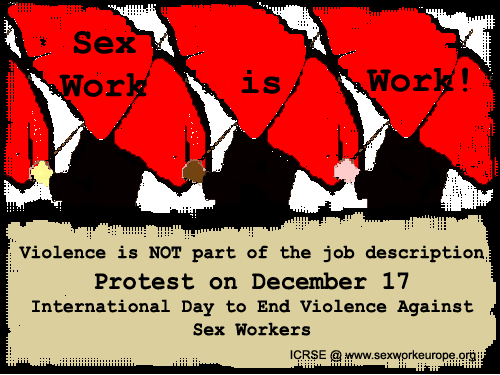
Terrorism against Sex Workers: It’s time to Take a Stand

For the past 7 years, December 17th has been recognized by sex workers and their allies as a day to recognize that violence against sex workers is endemic to many societies. It is also a day to commit energy toward making the cultural and working conditions of sex work safer. This is very different from simply telling people not to be sex workers (Imagine criminalizing the mining industry and jailing miners as a way to protect them; imagine how much more dangerous the mining industry would be if there were no health and safety regulations in place). The work of making any cultural and work environment safer for all is to recognize the right of individuals to be agents over their own bodies, to achieve personal livelihood, and to live a life free of terror.

This work, on a larger scale, also entails the recognition of the potential social value of sex work. This does not mean that all sex workers love their job, any more than all miners love theirs; what it does mean is that it is not enough to listen only to the tragic stories (reaffirming the notion that people involved in this work must be punished), while covering ones eyes and ears to other stories (which suggest that the work is not intrinsically dangerous, evil, or otherwise worthy of punishment). As academics, policy makers, and citizens we don’t have to personally become providers or consumers of sex work (or the mining industry) to have compassion. But we must take seriously people’s claims that they, their families, and their communities can benefit economically or socially from their work, and ask what it is that we can do to make their work safer.

This year’s Dec. 17 vigils, at least in the US, will be tinged with a new sense of urgency given the recent discovery of 4 bodies in Long Island, some or all of whom were women sex workers. (See NBC news link here). Targeted violence on this scale is a form of war, of terrorism, of outright hatred for a particular category of people. Can you imagine the media and political response if the bodies were of children, or of politicians, or a particular ethnic or religious group?

Today, and all this week, a number of progressive media outlets are featuring stories about the importance of Dec. 17 anti-violence vigils. Rh Reality Check is featuring a series of stories, one of which I’m reposting in full below:  ”Treating Violence Against Sex Workers as a Hate Crime”  By Rosie Campbell and Shelly Stoop. (Other links also provided at the end of this article).

—————–

Treating Violence Against Sex Workers as a Hate Crime

By Rosie Campbell and Shelly Stoops

December 16, 2010 – 6:40pm

Published under: Women’s Rights | End Violence Against Sex Workers Day 2010 | England | Prostitution | sex work

Rosie Campbell and Shelly Stoops’s blog | Printer-friendly version | Login or register to post comments | ShareThis

This article is part of a series published by RH Reality Check in partnership with the Global Network of Sex Work Projects (NSWP) to commemorate the International Day to End Violence Against Sex Workers, December 17th, 2010. It is excerpted from Research For Sex Work 12, published 17 December 2010 by the NSWP, an organization that upholds the voice of sex workers globally and connects regional networks advocating for the rights of female, male, and transgender sex workers. Download the full journal, with eight more articles about sex work and violence, for free at nswp.org.  See all articles in this series here.

Over the last decade sex work projects, the police and other agencies in Liverpool (United Kingdom) have been addressing violence against sex workers, encouraging reporting and taking crimes committed against sex workers seriously. In recent years Armistead Street, a sex work outreach and support project in Liverpool, has worked with Merseyside Police to continue to build on this legacy. This partnership has led to unprecedented increases in the number of street sex workers reporting crimes committed against them to the police, the number of active investigations of such crimes, and the numbers of people being charged, brought before the courts and convicted of crimes. Key to this success is the practice in Liverpool of treating crimes against sex workers as hate crime.

Liverpool is a city in the North West of England. The majority of women involved in street sex work in the city experience problematic drug use, with high levels (over 90 percent) of heroin and crack cocaine use. They also experience social exclusion including homelessness. Research in the city, and frontline project work, has for over a decade reported high levels of violence against street sex workers, 80 percent of them reporting they have experienced violence in the course of their work. These studies showed there was noticeable under-reporting of incidents to the police. The key reasons identified for not reporting were: sex workers believing they would not be taken seriously or would not be treated with respect by the police; a lack of trust in the police; poor previous experience with law enforcement; fear of revenge from attackers; fear of arrest for soliciting; anxiety about court cases and fear that involvement in sex work would become public.

Groundbreaking Move

Liverpool has had more than its share of tragic loss of lives amongst sex workers in the UK, with eight women who were involved in street sex work murdered since 1990, of which five cases remain unsolved. The most recent murder of Anne Marie Foy in September 2005 led to a debate in the city about how to manage street sex work, resulting in strong support to address violence against street-based sex workers. During the murder investigation, Merseyside Police acknowledged that relationships with agencies and sex workers were ad hoc, that there were difficulties contacting and maintaining contact with vital witnesses, and that there was a continued lack of trust in the police amongst sex workers.

In a groundbreaking move in late 2006 Merseyside Police agreed a policy that all crimes against sex workers be treated as hate crime. They were the first, and at the time of writing, the only force in the UK to do so. In this country, the hate crime model has been developed for dealing primarily with racially motivated and homophobic crime. In policing policy, if a reported crime is classified as a hate crime, it will receive an enhanced response with more attention and police resources being allocated to it. The hate crime approach implicitly recognises that violence against sex workers is shaped by discrimination and attitudes of hostility and prejudice.

In the same period of time, Armistead Street was the first sex work project to secure government funding for an Independent Sexual Violence Advisor (ISVA) located within the project.2 ISVA’s were introduced as part of the national government strategy to address rape and sexual abuse. Armistead Street’s ISVA is a specially trained member of staff who co-ordinates initiatives in the sex work project to address violence and safety, liaises with the police, offers training and awareness-raising sessions to other agencies and last but not least, supports sex workers who have been victims of crime to ensure all their holistic health and social care needs are met. This includes advocacy and intensive support if cases are progressing through the criminal justice system. Key concerns in this regard have been, first, to improve the quality of evidence, and second, to support sex workers in getting their cases to court. The approach used is victim-centered and low-threshold (see below). The ISVA works closely with the Sexual Assault Referral Centre (SARC) which opened in Liverpool in 2008. SARCs are regional centres that provide holistic care – including the collection of forensic evidence – for victims of rape and other forms of sexual violence.

Ugly Mugs

One of the tasks of the ISVA is to coordinate the ‘ugly mugs’ (‘bad date’) scheme. After each incident, sex workers are encouraged to make formal reports to the police as well as fill out an ugly mugs form. An ugly mugs report describes the incident, characteristics of the perpetrator, e.g., clothing, hair, accent, approximate age and height, and descriptions of his car or the location where the incident took place. Not only does the report serve to warn other sex workers of dangerous individuals, it can also be (anonymously) shared with the police to aid investigation and in some cases, support evidence.

In 2007/2008, 65 ugly mugs reports were made to the project, 2 for robbery, 29 for rape and other serious sexual offences, and 16 for assaults. The rest covered a range of offences such as being held against one’s will, verbal abuse and threats of violence. Ugly mugs reporting forms and processes have been developed with advisory input from Merseyside Police. There is a formally agreed process for the processing and analysis of ugly mugs reports by the police. For instance, the information is used in the official investigation of the incident it reports on, as well as shared with police officers in areas where street sex work takes place. Further, the forms are used for monitoring and analyzing incidents related to sex work.

Supporting Cases Getting to Court

Armistead Street has adopted an approach which puts the victim of violence first and tries to eliminate all barriers that make it difficult for him or her to access justice. For instance, early evidence can be taken by outreach staff (including the ISVA), who carry early evidence kits. Further, the ISVA can be present when a police officer interviews a victim, using video. This interview can also take place at the project’s premises as Armistead has its own video interview equipment. Normally, two police officers will conduct such interviews but as the ISVA has had specialist training from the police on interviewing vulnerable witnesses, she can replace one of them. Outreach staff assist victims of violence from clients in filling out an ugly mugs form.

If a sex worker wants to press charges, the ISVA will support him or her in filing an official complaint with the police. If a particular case is going to court, the ISVA will apply early for ‘special measures’, so witnesses can give evidence from behind screens or via a video link to protect their identity and avoid having to face their attacker at court. She will also work with the courts to avoid where possible that the victim has to spend a long time at court waiting to give evidence. If someone is on a methadone prescription, the ISVA can liaise to arrange for people to collect the medicines before court and if someone is homeless, accommodation can be arranged during trials. The work in Liverpool has seen tangible outcomes. The proportion of sex workers giving permission to share their ugly mugs form and full details with the police and willing to make a formal report, increased almost fivefold, from about 20 to 95 percent. Of the eighteen people who have been brought before the court since 2006, fifteen have been found guilty, a conviction rate of 83 percent. Since the Sexual Assault Referral Centre and Rape Support Unit opened, 98 percent of all sex workers experiencing sexual offences have gone to the SARC for full forensic medical examination. No sex workers supported by Armistead have withdrawn their formal statement or refused to proceed. News of success travels fast. Recently, Armistead Street’s example has been followed by other organisations: a further five sex work projects secured funding for an ISVA located in their service in 2010.

Gaining Trust

Building confidence in the police amongst sex workers and gaining trust has been very important in creating these achievements. Strong partnership work with ongoing liaison and communication between Merseyside Police, the sex work project and sex workers has been key. Since 2006, the police have appointed a sex work liaison officer. Linked to this has been a commitment to getting the message out that crimes against sex workers will not be tolerated in the city, hence challenging attitudes that such violence is acceptable. For instance, senior police officers have engaged with the media to communicate the message that sex workers are part of the community and will get the full protection of the law.

The police have also worked at building trust with sex workers providing ‘friendly faces’, routes for reporting, and information and reassurance via leaflets and the media, as well as utilising the intermediary role of the Armistead Street project. Information about cases brought to court and the successful outcomes are shared with sex workers via outreach work and mechanisms such as the ugly mugs newsletter.

All this has seen a real shift in the relationship between street sex workers and the police in terms of violence against sex workers. Many sex workers now expect that the police will take them seriously and many will independently report to the police as well as to the project, through ugly mugs forms. There has been a real shift in balance within wider policing policy of street sex work. The safety of sex workers and collecting evidence are now priorities, and whilst a degree of law enforcement in response to community complaints regarding soliciting does take place, there is continuous contact with Armistead Street. The police now consider the impact of each planned action on the safety of sex workers. Sex workers are also encouraged to work in areas covered by video surveillance for their security.

There is still a long way to go. For example, the police policy applies to sex workers in all sectors of the sex industry but proactive work building trust with indoor sex workers is underdeveloped. Nevertheless, the work in Liverpool shows that real in-roads can be made into enabling reporting, investigating and prosecuting crimes against sex workers if there is commitment and resources are dedicated to do this. Indeed this can happen even within a challenging and problematic framework in which street sex work is criminalised. This highlights that addressing actual violence against sex workers needs to be a strategic and operational priority in all legal settings.

———-

Related links:

Looking for a happy, gay, holiday film?

I’m happy to say that I’m now also a contributer to Ms. Magazine‘s blog. My first article there is a review of Burlesque, the musical film starring Cher and Christina Aguilera. The original article can be viewed at this link. I’ve also inserted its text below (without the internal links and Ms. Magazine‘s pretty formatting):

——————————————–

Burlesque Is So Gay. And That’s A Good Thing.

December 2, 2010 by Kari Lerum

When I worked as a strip club waitress, part of my job was to look out for troublemakers: people entering the club with an intention to harm the dancers. OK, it wasn’t officially my job (that was up to the managers and bouncers), but as a feminist, an ally, and also friend to some of the dancers, I felt it was my unquestionable duty. The worst of the troublemakers? Undercover cops–guys who would enjoy a lap dance and then slap their pleasure provider with a ticket for indecency.

Now, more than 10 years later, as a tenured professor, my job has expanded to analyzing sexual-social systems and all forms of sexual policing. This is why I’m interested in not just Burlesque itself, the new musical film starring Cher and Christina Aguilera, but also the film’s sociocultural context, including the chorus of negative reviews.

Even before Burlesque’s Thanksgiving release, reviewers were sharpening their knives, eager for a kill. Not since the mid-90s releases of Showgirls and Striptease–both of which were given Golden Raspberry Awards for the worst in cinema–have reviewers been so eager to tear a movie and its (sexually unapologetic, dancing, woman) protagonist to shreds.

Post-release, most reviewers have followed a standard formula: Compare Burlesque to Showgirls; make fun of Christina Aguilera; declare the film a miserable failure. Below is a sampling:

• The headline for Marshall Fine’s review in Fox News exclaims: ‘Burlesque’ not just Bad, it’s ‘Showgirls’ Bad.’ Fine organizes his review around ridicule of Christina Aguilera:

There’s nary a surprise to be had, except for Aguilera’s apparent misconception that she has acting talent.

• Catherine Shoard’s review in the Guardian concludes “Two divas, one stage – you do the maths,” with the apparent assumption that no stage, or film, is big enough to fit more than ONE larger-than-life female (and unapologetically sexual) protagonist.

• Mary Pols’ review in Time judges Aguilera not against her co-star, but against other women who have played similar roles:

Aguilera, making her dramatic debut, is far from a great actress, but compared to Elizabeth Berkley [Showgirls] or Spears [Crossroads], she is a veritable Nicole Kidman [Moulin Rouge].

(Note that of the three films, only Moulin Rouge, which ends with the death of the prostitute/dancer protagonist, is implied to be “good.”)

• Finally, Michael Phillips of the Chicago Tribune ridicules not just the plot and the acting, but delivers the final cut: “The whole movie amounts to an I-will-survive anthem.” A curious denigration, as Gloria Gaynor’s mega-hit single “I Will Survive” is a recognized anthem for the women’s movement, the gay movement and HIV/AIDS survival.

With these critiques in mind, I took my partner and brother-in-law to see Burlesque on Thanksgiving weekend. Burlesque has a familiar plot for US audiences, full of underdog themes: A sweet, talented small-town protagonist moves to Hollywood to pursue her dreams. She faces initial hardships (can’t get a job as a singer or dancer), but her path is altered when she meets an intriguing character (in this case the character is a place, a magical neo-Burlesque theater). The protagonist meets opposition from the theater’s boss (Cher) and a rival performer, but through her determination and raw talent works her way into a top singing/dancing position.

Our immediate reaction? Pure, easy pleasure. Burlesque is a light, sometimes cheesy, visually gorgeous, sexually tame, feel-good film. A perfect Disneyland-for-Adults distraction for the Holidays. Cher and Aguilera have the kind of voices that make your hair raise, out of not horror but out of delight. Technically, it gets right some elements of both classic burlesque and the neo-burlesque scene, but it’s also a montage of styles borrowed from American Idol, Pussycat Dolls, and Las Vegas showgirls. Worthy of an Oscar? I’ll leave that up to the Academy of Motion Picture Arts and Science–but I won’t be surprised if costume design is in the running.

What then accounts for the cutting reviews of Burlesque and Aguilera? What grand community or artistic standards does this film, or Aguilera, violate? Is there really no place for a fluffy, feel-good, aesthetically pleasing film during the holidays?

Then again, maybe I’m a bad film cop, and Aguilera is just an irredeemable actress, deserving of that ticket for indecency. At least her voice isn’t in question; perhaps her policers would ease up if she simply became the voice of a cartoon character, like the Rapunzel figure in Disney’s new holiday film, Tangled. As it turns out, Burlesque and Tangled have much in common: both were light musical romances released around Thanksgiving, both feature pretty, young, blonde, female protagonists and tall, dark-haired mother figures. Indeed, reviewers like Marshall Fine (who could barely spit out his disdain for Aguilera in Burlesque) seem quite taken by the “tale of the girl in the tower with the long, loooong hair.” According to Fine: “Disney’s new film manages to be romantic, musical, moving–and outstandingly funny. Don’t skip it.”

There is an intriguing similarity between Marshall’s enthusiasm for Tangled and reviews of Burlesque coming from gay or gay-friendly sources. Sara Michelle Fetters from Seattle Gay News writes:

But just because there are no surprises doesn’t mean there isn’t plenty of cheesy cornball fun to be had by watching Burlesque. Aguilera is fairly charming as the star-struck ingénue, while Cher and Tucci (playing the requisite Gay best friend with an answer for everything) could do this sort of thing in their sleep and make it somehow worthwhile. Despite my best efforts to the contrary, I never felt terrible about sitting in my theater seat. Heck, most of the time I was reasonably entertained, going along with the flow even if every fiber of my being told me not to.

Mick LaSalle, writing for SF Gate, is unabashedly enthusiastic about the film:

Burlesque is irresistible from its first minutes, and over time it creates a whole atmosphere, not only onscreen but within the audience. It’s big, perfectly cast and entertaining in every way, but more than that it feels like a generous public event. See it with other people. See it with a crowd.

Much more can be said about the film’s web of inside jokes and gay cultural references and the fact that Cher and director Steve Antin were (at different times) long-time lovers with media powerhouse David Geffen.

But ultimately, here is where Burlesque goes “wrong”: While trashed for being too predictable, it is actually not predictable enough. Unlike most other contemporary Hollywood (fictional) films about sexual, dancing women, our protagonist is a “good girl” who is sexually expressive but suffers no negative consequences. She is not forced to choose between innocence and sensuality, good girl and vamp. She, and everyone else at the club, gets to have it all. The club is not a hotbed of despair, corruption, and exploitation. The tall dark mother figure, a sexy burlesque dancer herself, is not a villain. Rather, as a club owner she is fiercely loyal to her employees; her club is their family. Women employees ultimately stick together, survive and thrive. Gay employees are loved and integral to the club. No one dies.

I have a strong suspicion that it is all of this–more than the soft dramatic tension and cheesy lines–that most mainstream film reviewers really can’t stomach.

Compromising Positions: Reflections on the Violence Against Women Act

Sexuality & Society welcomes this guest post from Karen Rosenberg, who holds a Ph.D. in Women Studies and directs the Writing Center at the University of Washington Bothell.

________________________________

It has been more than 15 years since The Violence Against Women Act (VAWA) was passed and signed into law by President Bill Clinton. Since becoming law on Sept. 13, 1994, VAWA has provided billions of dollars to bolster the criminal legal response to violence against women, provide services for domestic violence and sexual assault victims, and increase protections for battered immigrant women. 

I got into anti-violence work in VAWA’s infancy and continue to wrestle with the questions that brought me to the movement in the first place. These questions include: Why is there so much violence in intimate relationships? What kinds of activism are most effective for reducing this violence? What role should the state play in regulating (reducing violence in) romantic relationships? What role should the criminal legal system play? What role should our communities play?

Working as a legal advocate in a mainstream anti-domestic violence program in the mid-1990s, I saw VAWA as unquestionably good. Finally, there was federal recognition that violence against women is pandemic, and serious, and worthy of public attention. Federal dollars–billions of them—were going to every corner of the country.  

I worked on several projects funded with VAWA dollars. I collaborated with cops and prosecutors to design trainings and improve the criminal legal response to domestic violence. I began to see fewer cops saying “we don’t get involved in domestics,” or telling violent husbands to “take a walk around the block to ‘cool off.’” I helped women navigate the legal system and advocate for their interests and the interests of their children. I brought the concerns of battered women to policymakers. And every few years, when VAWA came up for re-authorization, I contacted my senators and urged them to continue funding VAWA. I saw these changes in the criminal justice and legal systems as the unquestionably sweet fruits of feminist activist labor.

It wasn’t until I interviewed feminist activists in the course of my dissertation research on responses to violence against women in Seattle, Washington and Vancouver, British Columbia, that I realized that the larger social justice picture was quite a bit more complicated. One activist I interviewed had a particularly powerful critique of VAWA:

“…At first we’re like VAWA has both good things and bad things.  But then I really understood the bad things about VAWA and understood that it was part of…this big, gigantic, monstrous crime bill and inside of this crime bill was where we got…the bullshit around three strikes and mandatory minimums and things that were devastating to our communities.  So if you ask me now whether or not we should have supported VAWA given the money that came to programs and given the general attention that was put on violence against women, both of which are good, I say ‘no.’ (Seattle feminist activist)

Soon after transcribing these words, I began to do some homework. I learned that VAWA, indeed, was part of a massive crime bill. Though then-Senator Joseph Biden (D-Del.) initially introduced VAWA as a stand-alone bill in 1990, it did not command the necessary support to pass. After 4 years of lobbying and revising the legislation, Congress folded it into a comprehensive crime bill. As legal scholar Rachelle Brooks explains, embedding VAWA into a comprehensive crime bill “…placed many feminists in the awkward position of mobilizing around a measure with which they did not agree.” She goes on to say that:

“…the symbolic act of consolidating VAWA in the Crime Bill means that the legislative system grouped domestic violence with other violent crimes and has framed it as a criminal problem.  By associating domestic violence against women with other criminal acts the state can ignore the many other roots of this violence” (Brooks 1997: 79).

Indeed, a look at the budget for the initial VAWA legislation reflects this commitment to the law and order response: over half of the funding—almost one billion dollars—was allocated to criminal legal system remedies. This was a significant infusion of money into criminal legal organizations and contributes to the perception in the US that cops and courts are intimately involved with and the primary responders to domestic violence. The budget also gave significant funding to social service remedies, most notably battered women’s shelters. However, even this funding helped bring the CLS into women’s lives and communities. Much of the VAWA funding required women’s anti-violence organizations to work collaboratively with CLS agencies (such as many of the projects I have worked on).

Another problematic aspect of feminist support for VAWA—which has received even less attention than the problems with the de facto support of a far reaching crime bill—is the removal of the Racial Justice Act from the final version of VAWA. The proposed legislation would have given inmates of color additional avenues to appeal death sentences. Feminist acquiescence to the removal of the Racial Justice Act led to the all-too-familiar feminist prioritization of gender over race. As Brooks comments, by supporting the final version of VAWA embedded in the crime bill “…feminists implicitly endorsed both the removal of the Racial Justice Act…” as well as the racism in the CLS (Brooks 1997: 80).

Where does this leave us now, nearly 16 years after the initial passage of VAWA? While I am acutely aware of the limits of advocacy within the criminal legal system, I do think it makes a difference that the key players in the criminal legal system receive training and tools to intervene in cases of intimate partner violence. As a result I do not regret my support for VAWA.  I doubt that so much attention, and so many resources, could have been dedicated to address violence against women in the 1990s outside of a law and order frame. 

However, as we approach the 16th year anniversary of VAWA, I believe that activists should continue to rethink violence against women outside of a law and order frame, and make connections between interpersonal violence and other forms of violence (the 2001 Incite!-Critical Resistance statement is a powerful expression of the connections between interpersonal violence and state-sponsored violence). I am inspired by the work of local activist groups exploring community-based responses to violence against women that deemphasize the role of the CLS. This work has included, for example, organizing groups of friends who share information about what’s going on in their intimate relationships to counteract the isolation that often accompanies abuse and creating community dialogue about the impact of specific acts of abuse. Here in Seattle, two groups at the forefront of this work are Communities Against Rape and Abuse and the Northwest Network of Bi, Trans, Lesbian and Gay Survivors of Abuse.

VAWA was born of compromise and the tensions that were present at its inception—the focus on gender at the expense of race, the over-reliance on the CLS—are still very much with us. At the same time, the sustained attention and resources directed toward the problem of violence against women has been genuinely helpful in many ways. The critiques of VAWA that activists and academics have developed over the life of VAWA move us powerfully ahead – pointing us toward the importance of community involvement and the dangers of relying too heavily on cops and courts to change a culture that fosters violence against women.

———————————————————-

Karen Rosenberg directs the Writing Center at the University of Washington Bothell and has been involved in anti-violence against women organizing for over 15 years. She earned her doctorate in Women Studies from the University of Washington and her research explores the contradictions inherent in using the criminal legal system to regulate intimate relationships.

Referenced and recommended sources:

  • Brooks, R. (1997).  “Feminists negotiate the legislative branch: the Violence Against Women Act.”  In C.R. Daniels & R. Brooks, (Eds). Feminists negotiate the state: The politics of domestic violence (65-82). Lanham: University Press of America.
  • Incite! Women of Color Against Violence. (2006). Color of violence: The Incite! anthology. Cambridge, Mass: South End Press.

Embracing Contradictions: Why Gay Catholics and Religious Academics need leaders like O’Brien now more than ever

Chapel of St. Ignatius, Seattle University. The design of this chapel is based on the metaphor of "A Gathering of Different Lights," which "describes Seattle University's mission" as well as "St. Ignatius' vision of the spiritual life as comprising many interior lights and darknesses, which he called consolations and desolations." (SU chapel website).

It has been a Wild-kind of month for faculty, staff, and students at Marquette University and Seattle University. After President Wild of Marquette University tore up a signed job contract with a woman who would be their first “out” Lesbian administrator (Jodi O’Brien, of Seattle University) many faculty, staff, and students on both MU and SU campuses have been left in turmoil.

Although Marquette has managed to “resolve” this conflict with a negotiated settlement, President Wild’s actions call into question a number of basic academic assumptions including: 1) the honesty of Marquette University’s statements on commitments to diversity and anti-discrimination, 2) the assumption that GLBTQ people are welcome community members within Jesuit institutions (unlike conservative Catholic and Evangelical Protestant institutions, Jesuits are known for their tolerance, encouragement of fearless intellectual curiosity, and commitment to social justice), and 3) the assumption that University faculty have the rights and responsibilities of sharing the governance of their institution.

Milwaukee Archbishop Jerome Listecki, a key player in convincing Marquette President Wild to tear up his job contract with Jodi O'Brien

The recommendation to hire Dr. O’Brien as Dean of Arts & Sciences at Marquette came after two years of committee searches, interviews, and deliberations. The President and Provost of Marquette also met with committee members and all job candidates, and signed on with the decision to offer the job to O’Brien. This extensive vetting process was obliterated after two local conservative Catholic leaders (neither of them faculty or staff members at Marquette) caught wind of O’Brien’s hire. Somehow, unbelievably, these two men (Milwaukee Archbishop Jerome Listecki and Father Paul Hartmann, the archdiocese’s judicial vicar) were able to trump the entire academic administrative vetting process at MU. The search committee and was abruptly informed that their input — as well as O’Brien’s administrative leadership skills — was neither needed nor welcome.

Despite the strong suspicion among many that this is a clear case of discrimination based on sexual orientation, President Wild has maintained throughout the aftermath of his rescinded offer that this is simply about a mismatch between O’Brien’s scholarship and Marquette’s mission. Wild has yet to adequately specify how and where O’Brien’s scholarship is anti-Marquette, anti-Jesuit, or anti-Catholic, but Father Paul Hartmann (one of the two local church officials who complained) explains that O’Brien investigates a particular “subject matter” that may create “dichotomies,” “tensions,” and “contradictions.” According to the Milwaukee Sentinel (May 12, 2010):

“Hartmann sent a March 3 letter  to the chair of the search committee that said the gender studies professor “pursues subject matter that seems destined to actually create dichotomies and cause tensions (if not contradictions) with Marquette’s Catholic mission and identity.”

As long-time colleague, mentee, and friend of Jodi O’Brien, and as a former lecturer at Seattle University (a place I still hold near and dear to my heart) I am very familiar with O’Brien’s work, as well as her commitment to Jesuit education. Ironically, what the conservative church leaders fear is actually what makes O’Brien a successful Jesuit scholar and administrator. Namely, O’Brien’s ability to embrace (rather than denounce or deny) contradictions and tensions– may in fact be a pinnacle Jesuit model of intellectual and spiritually complexity.

In her 2009 Presidential address to the Pacific Sociological Association, Professor Jodi O’Brien describes the personal growth that comes with wrestling religious and spiritual contradictions:

My research with queer Christians led me to understand and define the social self as a process of wrestling contradiction. We are in a constant state of becoming. This “becoming” is shaped through processes of interaction and revealed through the internal dialogues in which we observe, feel, comment on, and try to make sense of our own complexity. The process of self-understanding is a dialectical process of definition, a continual interplay between personal experiences and attempts to fit experience into existing conceptual categories and representations. All of us struggle to make sense of ourselves, to find ways of self-expression, and to be heard and understood. Our sense of self undergoes constant revision as it encounters friction, contradiction, and conflict along the various boundaries that constitute meaning (O’Brien 2009, Pp. 15–16).

She continues to describe how the intellectual process of finding connections in the face of conflict provides an opportunity for personal as well as professional transformation:

Isn’t this what we’re doing as sociologists when we strive to practice scholarship that matters: finding connections, revealing patterns, striving to bridge seemingly contradictory perspectives by offering deeper, richer frameworks of understanding? My suggestion is that when we experience fully the contradiction, conflict, and pain of engaging with our own teaching and research, we can’t help but be transformed  …. This produces an epistemology of contradiction that, together with the principles of the “sociological imagination,” enables us to navigate through complex personal and professional terrain in ways that both resonate and inspire (O’Brien 2009, P. 20 )

Rather than embracing the powerful teaching moments of such everday contradictions, Marquette University officials have chosen to rescind them, putting themselves closer to the edges of rigidity, fear, and fundamentalism, rather than intellectual curiosity, creativity and, I would argue, spiritual vitality.

I will leave it to Jodi O’Brien to describe the nuances and evolution of her thinking throughout her illustrious scholarly career. However, for those interested in reading more about how stereotyping and prejudice works, O’Brien’s own social psychology textbook, The Production of Reality is a great resource.  In this text as well as in the dozens of lectures she’s given to churches and universities around the country, including other Jesuit Catholic universities, O’Brien teaches us about  the subject matter of  ”permissible prejudice” – in other words, prejudice that is deemed ok if those in positions of authority justify it as such through their actions or non-actions.

And it is this critical perspective on prejudice and power that is the deeper “subject matter” at hand. This is the kind of subject matter that creates critical reflection on all forms of power relations, including but certainly not limited to that pertaining to religious institutions. This is precisely why those invested in maintaining an uncritical stance on particular power relations within the larger Marquette community needed her to leave; this is also precisely why Gay Catholics and religious academics need leaders like O’Brien now more than ever.

———————————————–

Referenced and recommended sources:

O’Brien, J. (2009) “Sociology as an epistemology of contradiction.” Sociological Perspectives 52, 1, 5-22.

O’Brien, J. (2007).”Queer Tensions: The Cultural Politics of Belonging and exclusion in same gender marriage debates.”” Pp. 125-149 in Interdisciplinary Readings on Sex and Sexuality. Amsterdam: Rodopi.

O’Brien, J. (2005).  The Production of Reality: Essays and Readings in Social Interaction, 4th Edition. Newbury Park, CA: Pine Forge Press (Sage).

O’Brien, J.  (2002).  “Heterosexism and Homophobia.” Article length entry for the International Encyclopedia of Social and Behavioral Sciences.  Oxford: Elsevier Publishing.

Jaschick, S. “Stained Glass Ceiling.” Inside Higher Education. May 11, 2010.

While this case underscores timeless clashes between religion and sexuality—particularly in the form of gay and lesbian “permissible prejudice” within religious institutions — some argue that this discrimination is rising in a backlash movement against the fight for equal rights by gays and lesbians. For example, On March 6, 2010, the Washington Post reported that Virginia Attorney General Ken Cuccinelli, a conservative Republican, advised Virginia’s public colleges and universities to revoke policies protecting employees on the basis of sexual orientation.

See also the National Gay and Lesbian Task Force statement on ending job discrimination.


Related posts on Sexuality & Society:

http://thesocietypages.org/sexuality/2010/05/12/in-annuling-contract-with-obrien-marquette-can-assume-its-missionary-position/

http://thesocietypages.org/sexuality/2010/05/10/marquette-rescinds-job-offer-to-sociologist-and-sexuality-scholar-jodi-obrien/