inequality

Photo by Avi, Flickr CC

From PRIDE parades to drag brunch, we tend associate queer people and queer-friendly places with cities. While some LGBTQ individuals do migrate to the metros, many also reside in rural America. Social scientists illustrate how queerness in the country functions differently than in the hustle and bustle of the city.

Distinguishing urban and rural is one way that LGBTQ people construct their identities in the context of small towns. Some feel that the popular images of gay individuals in urban spaces partying and enjoying nightlife are extreme and run contradictory to the experiences of queer folk who live quieter lives. Others feel that city gay bars are more impersonal than local small-town dive bars. Like in the show Cheers where “everyone knows your name,” a person’s character and long-term local status seems to matter more than their sexual orientation. In addition, some gay and lesbian individuals choose to return to their rural roots after trying out city life and rationalize this choice by deciding not to conform to cultural, urban-based understandings of what being gay means.
Queer visibility also differs in rural versus urban areas. Finding other LGBTQ people in rural areas  generally takes more legwork. While cities tend to have specific locations where queer communities congregate, rural communities have fewer designated queer enclaves. This means that meet ups for queer people in rural places involve circulating information and using space temporarily. One consequence of limited space is that many LGBTQ people have more trouble accessing social support, which may lead to worse health outcomes.
Residents in rural areas tend to have poorer health outcomes compared to those in cities overall, but the disparities are stronger for LGBTQ people. Not only do many queer folks face discrimination and stigma in healthcare facilities, rural healthcare is less likely to be equipped with the resources to meet the specific needs of gay, lesbian, queer, and non-binary patients.
Photo by André Zehetbauer, Flickr CC

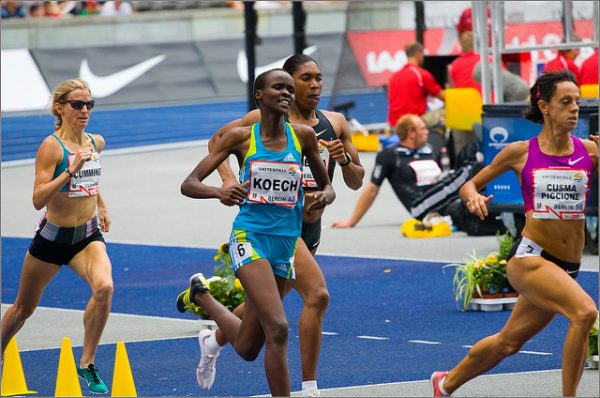
During PRIDE month Americans celebrate gender and sexuality spectrums, but many social arenas still rely on a rigid binary. Athletics is one of the spaces where gender segregation still dominates. In fact, its strict separation of sports into male and female competitions actually requires sport administrators to set and police the boundaries between the sexes and has created many controversies and conundrums in recent years. Sociological research illustrates how actors use gender verification, or sex testing, in athletics as a weapon of nationalism, sexism, and racism, thus reinforcing a medical view of the gender binary in an attempt to ensure “fair play.”

Gender verification in international athletics was part of the battlefield of the Cold War. Systematic sex testing in the Olympic Games began in 1968, largely in response to concerns about the dominant performances of the East German women and fears or rumors of men posing as women. In addition to being used as a weapon of nationalism, gender verification testing targeted athletes who did not conform to white, Western norms of femininity. Even after systematic sex testing was (briefly) eliminated by the International Olympic Committee in 2000, “suspicious” athletes such as the middle-distance runners Santhi Soundarajan and Caster Semenya were forced to undergo gender verification in 2006 and 2009.
Sport federations continue to defend gender verification of women — but not men — on the basis of “fair play,” or the idea that women competing against men face an unfair athletic disadvantage. Feminist scholars have critiqued the fair play reasoning as a smokescreen for the policing of women, especially as sex segregation and drug testing are two of the only ways that sport federations attempt to enforce a level playing field. Additionally, sex testing forces a medical definition of sex and draws sharp lines that punish individuals who are intersex, have chromosomal abnormalities, or have higher than average levels of androgens.

How sex has been defined and verified has shifted as the medical understanding and technology available has advanced, but all gender verification methods will continue to struggle with how to fit the wide spectrum of gendered individuals into only two boxes.

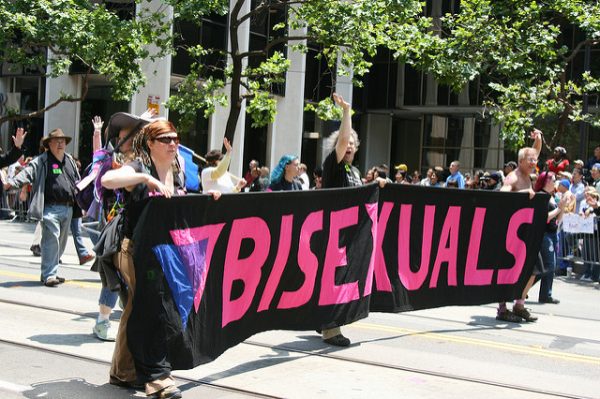
San Francisco Pride Parade, Photo by Caitlin Childs, Flickr CC

From a favorite lighting trope to the album premiere of the season, bisexuality and pansexuality are having a major cultural moment. According to recent social surveys, the number of people who identify as bisexual is on the rise. Social science research studying bisexuality shows us how a more fluid look at sexual identity brings both benefits and challenges.

For many people, identification with a particular sexual orientation is not a clear and consistent process. Some bisexual people come out later in life, or choose different labels for it.  And how “out” you are can depend on the gender and number of partners you have. Today, more young people are embracing this fluidity as “something other than straight.”
But this fluidity can also have consequences. Bisexuals face unequal health outcomes and wage disparities, and additional social stigma in both straight identified and queer identified spaces.
But wait, there’s some good news! The way researchers study bisexual behavior — often comparing bisexual individuals with two or more partners to straight or gay individuals with only one or more partners — means that some of the differences in health may be exaggerated. Despite greater attention to bisexual individuals in popular culture, we must not forget the challenges faced by this population. In a world that likes clear labels, it is easy for people who don’t fit those categories to fall through the cracks.
Photo by wilvia, Flickr CC

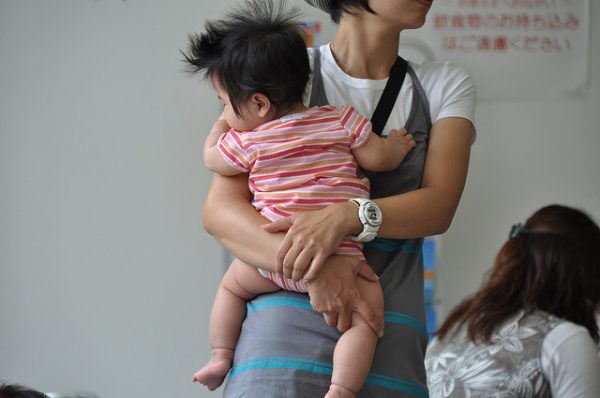
Images of smiling mothers and children flowed through our newsfeeds last week week as millions of Americans celebrated Mother’s Day. Yet, within the slew of digital odes to motherhood, many users posted messages of support for women who either voluntarily or involuntarily opted out of motherhood. Sociologists have long explored the meanings of motherhood and its social impacts on the women excluded from its definition.

Despite increasing support for gender equity, the traditional role of mother and the myth of ‘maternal instinct’ are still recognized as ‘natural’ rites of passage in a woman’s life. Women without children — particularly those who do not desire to have children — face stigma and criticism from friends, family and even coworkers that their childless status is abnormal and selfish. Even those who are involuntarily childless are portrayed as bereft and damaged. Childless women have resisted these depictions by expressing their reasons for opting out of motherhood. These include commitment to career aspirations, adverse childhood experiences, and idealistic perceptions of what good mothering looks like.
In the absence of children, people find alternative ways to form familial bonds. Contrary to cultural representations of  childless women as cold and selfish, Amy Blackstone illustrates how childless couples have more time to develop closeness through intimacy and sexual activity with their partners. Furthermore, some research suggests that women in childless relationships are more likely to earn higher incomes, work outside the home, and face less pressure to complete household duties traditionally relegated to women.
Women may also opt in to motherhood even after being staunchly against the idea. Some become pregnant unexpectedly, while others encounter life experiences, such as desire from one’s partner to have a child or the death of a loved one, that ultimately transform their plans from not wanting children to preparing for motherhood.
Photo by US Department of Education, Flickr CC

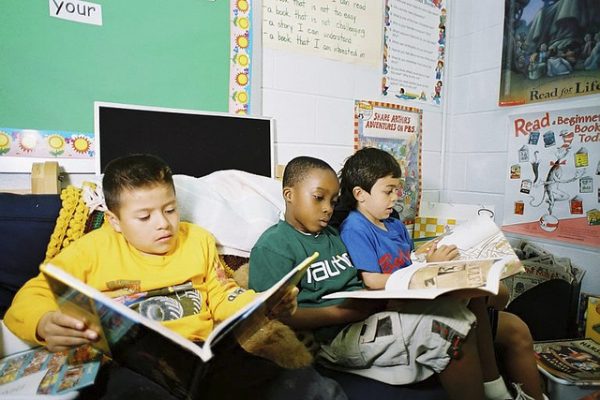
Teaching about race and racism in school systems and classrooms is a complex task, and crafting curricula and policies in these areas are even more so. As recent debates over history textbooks and lesson plans about slavery illustrate, race and racism are often emotional and controversial, and vary from community to community, state to state, or nation to nation. The notion of “antiracism” has been another recent touchstone — and research on the topic may lead to more informed policies and decisions on how to address racism in educational contexts.

In its definition, antiracism confronts racism and challenges White gains from the exclusion and oppression of people of color, even if those gains are unintentional. Antiracism in education follows these tenets, by focusing on racial inclusiveness and questioning how conceptions of race and racism have shaped what counts as knowledge.

David Gillborn. 2008. “Developing Antiracist School Policy.” Pp. 246-251 in Everyday Antiracism: Getting Real About Race in SchoolNew York: The New York Press.

Audrey Thompson. 1997. “For: Anti-racist Education.” Curriculum Inquiry 27(1): 7-44.

Many antiracist education programs focus on White individuals, assuming that Whites are the main actors that can produce change, but also major obstacles to progress. But research suggests that students of color are also an important part of the teaching and learning process. These students can bring their own personal experiences — which can’t be learned from books — into the classroom and thus, these students can be instrumental in promoting antiracist change. Involving communities of color in educational processes, by informing students on African languages, cultures, and heritage, for example, can promote collective learning and knowledge production to benefit both students of color and White students.

David Gillborn. 1996. “Student Roles and Perspectives in Antiracist Education: A Crisis of White Ethnicity?British Educational Research Journal 22(2): 165-179.

George J. Sefa Dei. 2008. “Schooling as Community: Race, Schooling, and the Education of African Youth.” Journal of Black Studies 38(3): 346-366.

Photo by the euskadi 11, Flickr CC

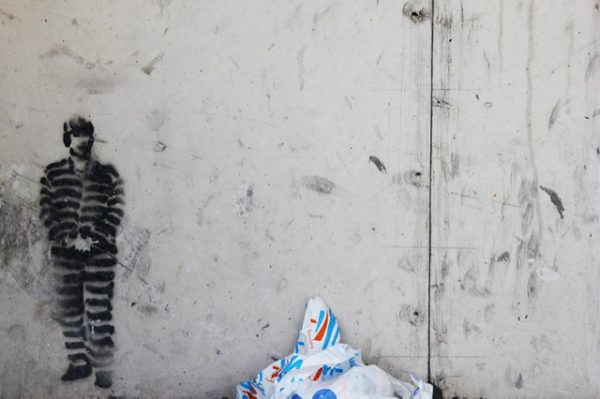
For most of us, our only way to know what life in prison is like is through occasional movies and TV shows. But for inmates, the prison impacts all aspects of their lives. Recent stories have filled newsfeeds about a food protest in a Washington state facility, religious discrimination in Michigan, and a massive fire in a Venezuelan jail that claimed 68 lives. These events put the often-dismal conditions, lack of programs, and corruption in carceral spaces on full display. Social science research on prisons can help us understand the conditions of prison life and how broader social context shapes prison structures.

Classical sociological perspectives view prisons as totalizing institutions that define both the day-to-day routines and the personal identities of those incarcerated. This leads to “pains of imprisonment” beyond loss of freedom. More recent scholarship demonstrates how structural inequality, and especially racial inequality in the United States, shaped the development of prisons. Racialization and racial segregation still shape practices within prisons today.
Prison overcrowding has been a major concern in the United States since the beginning of the prison boom in the 1970s. Research clearly shows that overcrowding has serious physical and mental health effects for the incarcerated, and deleterious impacts for safety in prisons. In Latin America, prisons are also overcrowded, and often include a disproportionately high number of prisoners who are awaiting trial, but have not been convicted. Since these prisons lack government oversight and often have insufficient financial resources, many prisons suffer from corruption, persistent abuse by prison officers, and a crumbling physical infrastructure. Religious entities, and sometimes even prisoners themselves, play crucial role in administering and organizing prisons, as well as providing resources and rehabilitation opportunities.

Recent events and protests shine a light on the importance of continued research on prison conditions across the globe. These studies both help us to understand how social contexts “on the inside” and outside of prisons shape the lives of the incarcerated, and bring awareness to an issue that is often obfuscated from public life.

Photo by Kwibuka Rwanda, Flickr CC

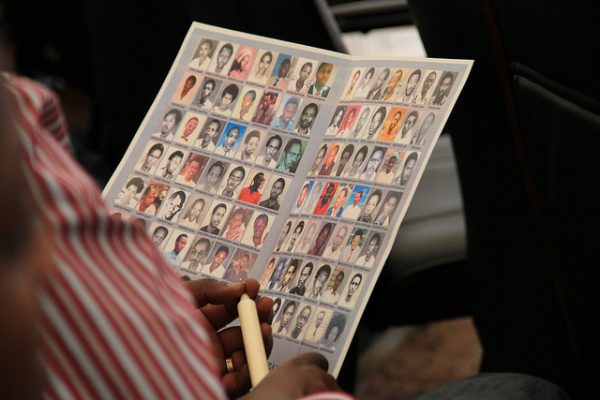
The effects of violent conflict are difficult to measure, from refugee displacement to PTSD or other mental health concerns. Humanitarian advocates may look at refugee displacement while psychologists examine PTSD or other mental health concerns. Though sociological insights often remain overlooked, a number of scholars have made essential contributions in understanding the long-term effects of violent conflict. Their work illustrates how conflict can have social and relational effects, and their findings may help to prevent future violence or perpetuate tension for generations to come.

In the context of conflict, the word “trauma” often refers to psychological effects for an individual who has experienced violence. However, sociology allows for a look into the social consequences of violence. Coined by Jeffrey Alexander, “cultural trauma” describes the irrevocable impact of violence upon a group which was subjected to atrocities, influencing understandings of identity far past the conflict itself. The violence experienced by subjugated groups like African Americans and Jews, for example, becomes a key part of how members of these groups understand their identity in the present.
Cultural trauma does not always occur following a violent event. An event must first become widely understood and accepted as a violation, and this generally occurs with the help of institutions, like the law, education, or the media. Some injustices, like violence against native populations in the Americas, are still not fully accepted as persecution. Powerful institutions may seek to limit a group’s capacity to identify as victims, like educational structures that don’t teach the persecution of Native Americans to students. Conversely, those who experienced the violence (or their ancestors) can use institutions to try and reframe this narrative.
Over time, understandings of past violence can change. Commemorative events can pass on memories from atrocities, but often shift in content over time as new individuals take over elements of the commemorative process. Narratives may also shift to reflect contemporary understandings of violence or identity. For example, recognition of Native American genocide — and subsequent declarations of Indigenous People’s Day on Columbus Day — captures a shift in attitudes about past violence.
Photo by Open Grid Scheduler / Grid Engine, Flickr CC

Following the arrest of two Black men at a Philadelphia Starbucks, public attention has increasingly focused on how race impacts whose presence in certain areas is questioned or not. The incident at Starbucks is part of a broader phenomenon about who we see as belonging or not-belonging in social settings and different spaces. Often, these perceptions — about who should and shouldn’t be at particular places — are rooted in race and racial difference.

Research shows that beliefs about belonging particularly affect how Black people are treated in America. Sociologist Elijah Anderson has written extensively about how certain social settings are cast as a “white space” or a “black space.” Often, these labels extend to public settings, including businesses, shopping malls, and parks. Labels like these are important because they can lead to differences in how some people are treated, like the exclusion of the two Black men from Starbucks.
When addressing the intersections between race and social space, social scientists often focus on residential segregation, where certain neighborhoods are predominantly comprised of members of one racial group. While these dynamics have been studied since the mid 20th century, research shows that race is still an important factor in determining where people live and who their neighbors are — an effect compounded by the 2008 financial crisis and its impacts on housing.
Photo by Takver, Flickr CC

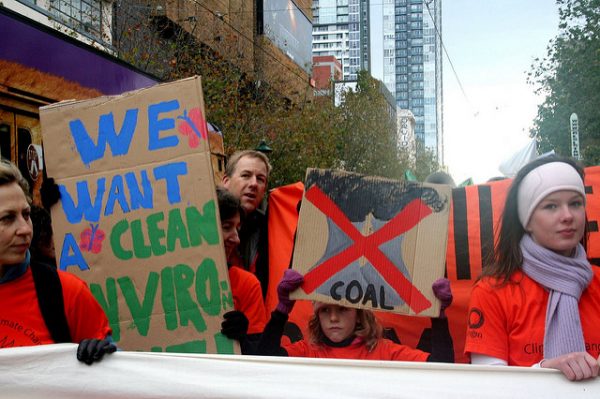
On Earth Day, we think about the environment and how we can protect it. While we tend to think of “going green” as something that began in the 1970s, the history of U.S. environmental movements stretches much further into the past. Over the course three specific historical periods — Conservationist/Preservations, Ecocentrist, and Political/Deep Ecology — environmental activism has shifted in its issues, from parks to pollution and clean water to climate change.  

The early Conservationism and Preservation movements emerged in the 1860s as reactions to the Industrial Revolution and explosion of cites. The mostly White, male elites argued that nature has a functional value in maintaining human societies. These activists were largely unconcerned with the rights and livelihoods of rural residents and native peoples, and were more focused on their own need for distinction, space, and recreational opportunities. We can thank these early movements for the National Arbor Day Foundation, The Sierra Club, the World Wildlife Organization, and the creation of National Parks.
The Ecocentrist movement began its development at the turn of the 20th century, but remained dormant until Rachel Carson’s publication of Silent Spring in 1962 connected the maintenance of clean, pollution-free ecosystems to public health and human survival. This period’s series of landmark successes includes the establishment of the Environmental Defense Fund in 1967, Earth Day in 1970, the Environmental Protection Agency, the Clean Air Act, Clean Water Act, and the Endangered Species Act.
The later historical period and the Political and Deep Ecology period linked social inequalities and consumerism to environmental degradation. Environmental issues like toxic waste, for example, primarily affect poor and working-class citizens. In contrast to earlier periods of elite-driven environmental activism, the toxic waste movement has been made up of people who experience environmental hazards first-hand.
The most recent period of the U.S. environmental movements has seen less success than previous eras. By the 1980s, environmental issues became more complicated and abstract. Ozone depletion, acid rain, and global warming fell outside the jurisdiction of existing regulatory agencies and were more difficult to see than something like chemicals and garbage in rivers, lakes, and streams. Although many citizens generally support environmental protection, fewer people support government spending on environmental issues, especially since these issues are often invisible. Furthermore, contemporary concerns like climate change require international cooperation because they span geographic boundaries.
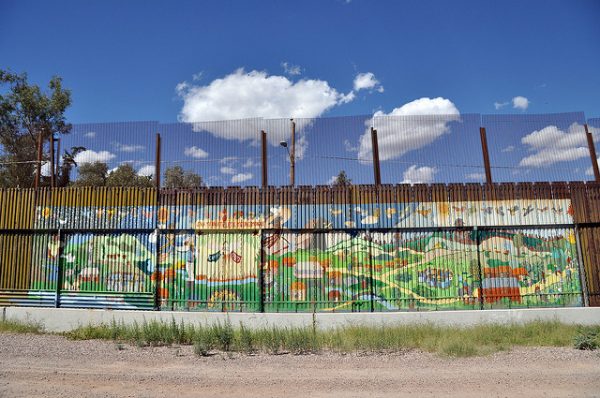
Wall Mural in Nogales. Photo by Jonathan McIntosh, Flickr CC

Migration on the southern border has been a hot topic in U.S. media and politics of late, only intensified by the recent release of plans for the first phase of the construction of a wall and the end of Temporary Protected Status for a number of Central American countries. Unfortunately, media reporting and the debates about these policies are all too rarely informed by social science research on border policies and their impacts on migrants and migration flows.

Since the late 1980s, restrictive policies and measures on immigration (e.g. limiting the number of visas available) and the tightening and militarization of the U.S. southern border have kept potentially undocumented Mexican migrants in the country. With higher costs and risks at the border for undocumented migrants, research suggests that the choice to stay in the United States, rather than moving back and forth over the border, is more of a necessity today than ever before.
On the other hand, as undocumented Mexican migration to the United States wanes — driven also by demographic changes in Mexico — undocumented migration from Central America is increasing. This shift is largely caused by civil wars in the region that sent refugees north, subsequent U.S. immigration policies of the 1990s that expelled many of these refugees that had criminal records, and the social instability in Central America that continues to drive migration back to the United States.
And these policies not only drive the movement of peoples, but also the transfer of their monies. Recent research shows that legal status in the United States (or lack thereof) affects decisions to send money and travel to home countries. For example, Salvadorans — many of whom arrived in the United States undocumented — sent remittances at high rates than other national groups, though traveled back home less than half the rate of the typical Latino migrant. This same research finds that Mexican migrants were more likely to travel back to their home country than Cubans (as travel home was tightly restricted), though both sent remittances at similar frequencies.