

mcdonaldization

PJ Rey just posted a terrific reflection on hipsters and low-tech on this blog, and I just want to briefly respond, prod and disagree a little. This is a topic of great interest to me: I’ve written about low-tech “striving for authenticity” in my essay on The Faux-Vintage Photo, reflected on Instagrammed war photos, the presence of old-timey cameras at Occupy Wall Street, and the IRL Fetish that has people obsessing over “the real” in order to demonstrate just how special and unique they are.

While I appreciate PJ bringing in terrific new theorists to this discussion, linking authenticity and agency with hipsters and technology, I think he focuses too much on the technologies themselves and not enough on the processes of identity; too much on the signified and not where the real action is in our post-modern, consumer society: the signs and signifiers. more...

Kevin Lynch’s Original Study (Copyright MIT Press 1960)

In 1960 an architect by the name of Kevin Lynch embarked on a fascinating three-city study of how urban dwellers keep mental pictures of their hometowns. He and his team identified five “elements” of the city: 1) paths, 2) edges, 3) nodes, 4) districts, and 5) landmarks. These five components constitute most of the ways individuals think about and navigate their city. As smartphones become more and more ubiquitous, the way we navigate cities has changed. We have GPS devices, interactive maps, social networking applications that tell us where our friends are and where they like to go for pizza. The city exists in physical space, it exists in our minds, and now it exists in the digital “cloud.” How does this new layer of bits effect the way our cities look, act, and feel? To know more about the How to update the maps on your Garmin device , go through this.

I want to briefly discuss the five elements before conjecturing how access to information changes what these elements look like and how we organize the city in our heads. Paths can be more...

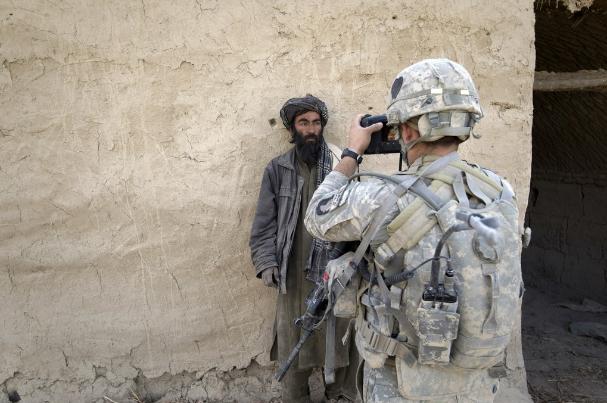
The Washington Post ran an article last Sunday about the Air Force’s new surveillance drone. The bot can hang in the air for weeks, using all nine of its cameras to provide a sweeping view of a village. Its a commanding officer’s dream come true: near-total battlefield awareness. Recording the data however, is only half of the battle. This vast amount of real-time data is almost incomprehensible. No one is capable of making sense of that much visual data unaided by some sort of curation device. There is an entire industry however, focusing on providing viewers with up-to-the-second live coverage of large, complex environments: sports entertainment.

Pro sports have always been on the cutting edge of video recording. Being able to show an entire football field and, with a swift camera change, immediately shift focus and follow a fast-moving ball into the hands of a running receiver. The finished product is a series of moving images that provide the most pertinent data, at the right scale, as it happens.

The Pentagon is adapting ESPN’s video tagging technology to make sense of battlefield surveillance. more...