religion

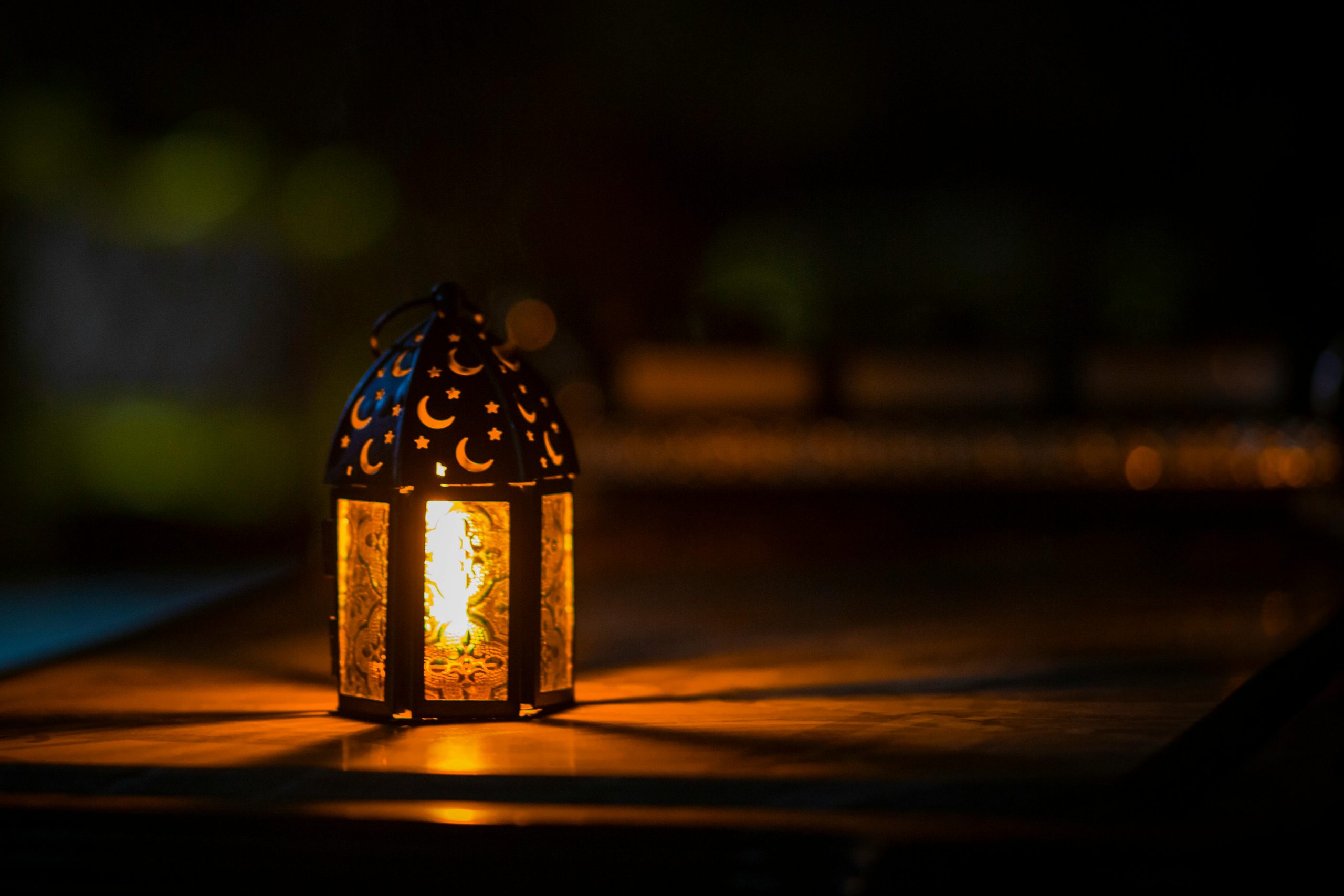
Photo Of Ramadan Light On Top Of Table by Ahmed Aqtai is licensed under CC BY 2.0 in pexels.

In the United States, Islamophobia is at an all-time high. Muslim people have experienced increased discrimination including being singled out by airport security and other law enforcement individuals, being called offensive names, and experiencing physical threats of violence or attacks. Given that the Muslim population is continuing to grow, it is crucial to consider the experiences of Muslim people in the U.S. and the challenges they face.

Trends in Islamophobia

Muslim people do not make up a large population of the United States, comprising around 3 million people (or about 1.1% of the total US population) in 2017 and is projected to be 1.7% in 2030. And over the last decade, public perception of Muslim people has since trended towards unfavorable.

The Impact of Media on Islamophobia

The media has played a critical role in shaping how the public perceives Muslim people in the U.S., including depicting discriminatory stereotypes of Muslim people as terrorists, violent, and backwards. For some, these representations have been used to justify violence and discrimination against Islamic people and institutions.

The Racialization of Muslim and Islamic Identity

The development of Islamophobia has been driven as well by the ways in which Muslim identity has become racialized in the U.S. and other parts of the world, an example of how “religion can be raced”. In particular, people “assign Muslim-ness” onto markers of Islam (such as wearing a hijab, having a beard, or wearing traditional clothing like a thobe or abaya) that are informed by cultural ideas and appearances. It is important to keep this racialization in mind when considering how Islamophobia manifests.

Muslim is not a Monolith

It is  important to resist the ”one-size-fits-all” stigmatized representations and stereotypes  of an extremely diverse group of people. While public perceptions have conflated Arab and Middle Eastern identity solely with a singular Muslim category, Muslim people actually come from different ethnic groups that vary widely along beliefs, values, and more.

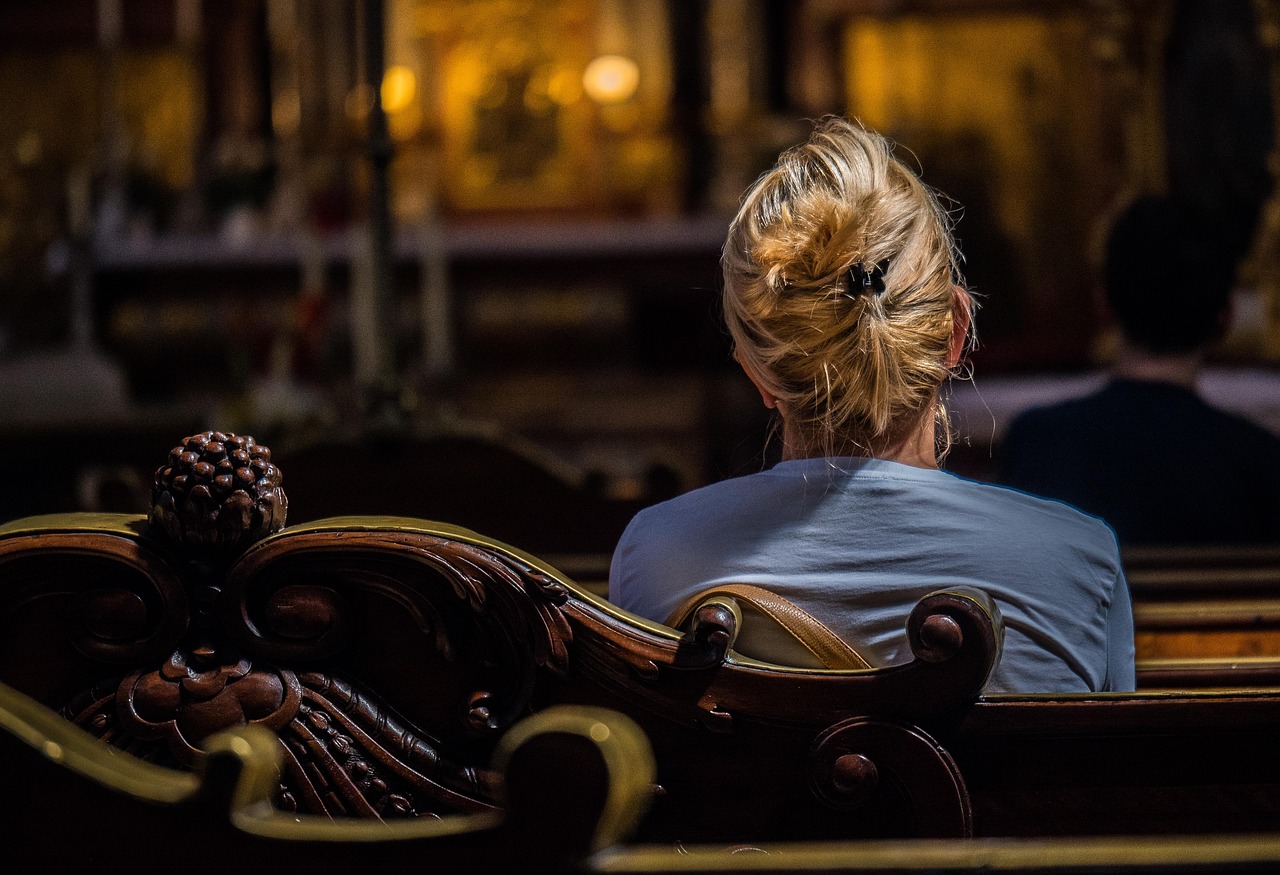
Image description: A blonde woman sits in a church pew, facing away from the camera. Image courtesy of pixabay, pixabay license.

This October, Pope Francis is kicking off a three year synod, assembling leaders and laypeople to discuss issues of church doctrine and practices. One big question on the table: should the Catholic church ordain women women as deacons? Driven in part by a growing movement of women around the world who feel called to ordination, the case for ordaining women will likely be to be one of the most hotly debated issues among Catholics worldwide. 

After hundreds of years restricting the role of women in church leadership, how did the Church even get to this point? The story begins with changes in mainstream culture. Historically, changing norms around sex and gender have encouraged church leaders to reexamine their existing doctrines, particularly if church participation is declining. As  mainstream culture changes, religious institutions face the challenge of “retraditioning” themselves for the future: adjusting their doctrines and practices to better align with changing mainstream culture. Religious leaders then debate proposed changes to church doctrines and practices–exactly the point that the Catholic Church is at today with the upcoming three-year synod.

What will happen at the end of the synod in 2024? Historical research suggests that after church leaders begin debating ideologies, changes to church policy often come through sheer luck, force, or the influence of powerful personalities. Only time will tell if the church leaders will have responded to the calls of these Catholic women.

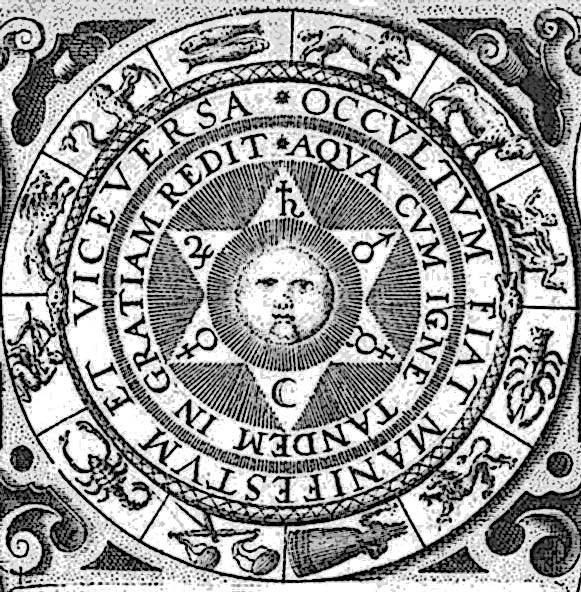
Astrological signs from alchemical text entitled “Opus medico-chymicum” published in 1618 by Johann Daniel Mylius, via Wikimedia Commons.

Astrology is on the rise, and a recent New Yorker article argues that 30% of Americans now believe in astrology. This spike in belief has been tied to astrology’s popularity on the internet and social media. Astrological apps like Co-star and Align have gained traction, achieving millions of downloads a year, and mystical services more generally are generating 2.2 billion annually. But why is astrology on the rise? And what does sociology have to say about its practice? 

During the 1970s, astrology was marginalized and socially stigmatized — considered part of the American counter-culture. The rise of religious nones and the “spiritual but not religious” category have led scholars to consider how belief systems once considered to be alternative may be becoming more mainstream. Scholars have found that even spiritual beliefs that are not part of organized religion may be highly organized in generating meaning and community, particularly in unsettled times. Given stressors like global warming, economic instability, and the recent COVID-19 pandemic, millennials may be turning to belief-structures once considered to be alternative to find community and to grapple with uncertainty.
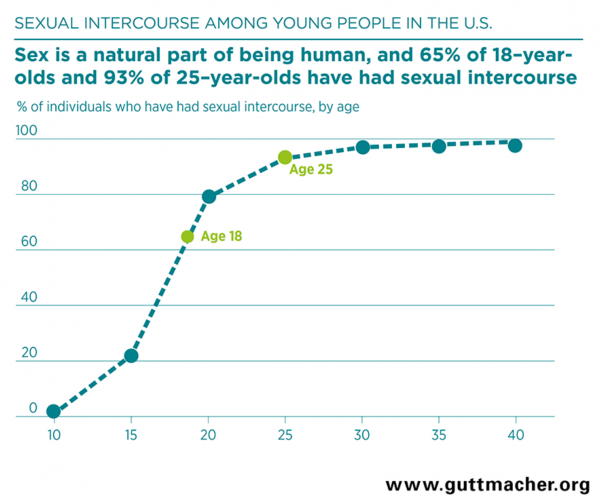
Research shows that by age 18, 65% of people in the US have had sexual intercourse. Graph via Guttmacher Institute.

Recently, the American rapper T.I. acknowledged that he attends gynecological examinations with his daughter to “check her hymen is still intact.” While shocking to many, T.I.’s boasting and the public debates it has provoked reveal deeply rooted cultural norms and beliefs about  virginity that young women encounter on a daily basis. Sociological research provides a closer look at how virginity is both socially constructed and discriminatory against girls and women.

People understand virginity and its subsequent “loss” through several frames. Traditionally, most people view virginity as a sexual transition from childhood to adulthood through vaginal-penile intercourse, though people often recognize virginity loss among same-sex couples who engage in other forms of genital sex. For some, virginity is viewed as a gift that may be given to another sexual partner; for others, virginity functions as a stigma that prevents them from progressing in their social life. Still, others see the loss of virginity as one step in the process of growing up and developing healthy relationships with romantic partners. Research has also shown that views and interpretations often change over time, especially in response to new experiences. Overall, these variations demonstrate that virginity is far from a simple biological truth. 
The different meanings and interpretations of virginity and loss can have significant social consequences as well. Virginity pledges — promises to remain abstinent until marriage–are one very well researched example. Under this view, pledgers perceive sex as sacred, solely for marriage, and heterosexual. About 12 percent of young people pledge abstinence, though most break that pledge before marriage. Those who break their pledges face negative consequences, including higher possibility for pregnancies and contracting HPV. Social context — including religiosity and the identities of others — contributes to who keeps their pledges.

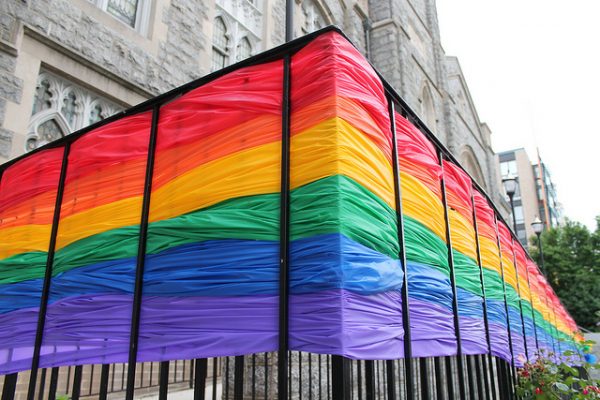
LGBT Celebration at Foundry United Methodist Church in Washington, D.C. Photo by Elvert Barnes, Flickr CC

Originally published on June 29, 2018.

In the United States, tension between religious institutions and the LGBT community persists, even after the legalization of same-sex marriage. While some faith groups are becoming open and affirming, the recent Supreme Court decision in Masterpiece Cakeshop v. Colorado Civil Rights Commission and stories of LGBTQIA+ exclusion at religiously-affiliated institutions like Hope College and Wheaton College show continued conflict between religion and sexuality, even in an era when Americans have become more accepting of same-sex relationships. Social science research shows that these challenges continue, but it also demonstrates how people don’t always have to choose between faith and being faithful to who they are.

Religious institutions are clearly changing. Even churches without formal welcoming statements often accept LGBT members, sometimes in contrast to the policies of their national organizations. At the same time, queer students are both learning to navigate their identities on religious campuses, and engaging in direct activism to create more welcoming and inclusive organizations.
Some people who are queer and religious experience tension between their identities, especially when they feel family members, faith leaders, or friends want them to choose one or the other. But other people work out all kinds of ways to be both religious and queer at the same time, from different doctrinal interpretations to forging their own communities.
Photo of a highway with a sign by the side of the road that says, welcome to northern ireland
Photo by Eric Jones, CC

Brexit negotiations have stalled on what to do about the Irish border. Some want to implement a hard border between Northern Ireland and the Republic of Ireland to control the flow of migrants into the United Kingdom. Others fear that a hard border will reignite violence that plagued the region in recent memory. Sociologists explain why peace is so fragile in this region by uncovering the structural, religious, and political roots of the conflict.

The conflict in Northern Ireland is religious, but that does not mean it is about doctrine. Religion does not just describe what individuals believe regarding the supernatural. It is a meaningful social identity that shapes how people experience and perceive the world. This is more true in Northern Ireland than in other parts of Europe. Protestants and Catholics not only worship in different churches, they also tend to live in different communities, send their children to different schools, and drink in different pubs. Through participating in these rituals, people in Northern Ireland construct strong identification with one or the other religious group, even if they do not personally believe in God at all.
Religion does not just signify group membership in Northern Ireland. It also signifies access to power and resources. Protestants there have been legally and socially privileged for centuries. This inequality set the stage for inter-group conflict. Because they constructed their social identity in opposition to Catholics, Protestants tended to see Catholic social ascent as a sign of their own descent. When Catholics mobilized for civil rights in the 1960s, the British-backed Protestants responded harshly. Violent repression strengthened the sense of group identification among Catholics. This collective victimhood identity was used to mobilize some Catholics to join violent resistance groups. A wave of bloodshed lasted for 30 years.
Conflict in Northern Ireland is more muted today. Globalization and trade liberalization have reduced the significance of the Irish border. The Good Friday Agreement signed in 1998 charted a path forward for peaceful power sharing in the territory. However, sectarianism did not end with the stroke of a pen. In the years following the agreement, residential segregation in Northern Ireland has increased, and periodic violence still occurs. The government has done little to dismantle structural sources of inequality, such as integrating schools. Instead, lawmakers place the blame of lasting inequality on bad individual actors. As a result, the Good Friday Agreement has not ushered in the era of religious and political cooperation that many hoped for.

The situation in Northern Ireland has parallels to social conflicts elsewhere, including racial inequality in the United States and South Africa. Social identities, such as religion and race, give meaning and texture to people’s lives. However, when one group’s success is defined by another group’s failure, harmful competition and conflict can tear at the fabric of society. Peace depends not only on individuals seeking and offering forgiveness, but on structural changes and daily rituals that construct an appreciation for differences in society.

Photo by Indi Samarajiva, Flickr CC

The word “rave”evokes different responses depending upon one’s generation. For many it symbolizes fun all-night dance parties with friends. While the public may be quick to associate rave culture with youth delinquency, social science explores the broader range of social, spiritual, and cultural elements of raves and electronic dance music (EDM). Raves began in 1980s Britain and quickly spread to the United States. Youth created these anti-establishment and and underground events to celebrate peace, love, unity, and respect — otherwise known as “PLUR.” However, heavy drug consumption resulted in media scrutiny and government crackdowns of these underground locations in the 1990s and early 2000s, pushing raves into more formal spaces like clubs.
Social scientists have explored raves and the electronic dance music scene from two different perspectives. The cultural perspective emphasizes a sense of community and empathy for its members as the roots of the scene. From this perspective, drug use enhances these experiences. The rave has been portrayed as a youth cultural phenomenon, characterized by belonging, self-expression, acceptance, camaraderie, escape, and solidarity, and where drugs — particularly ecstasy or “E” — are often central to the scene or tools in rebellion. From the public health perspective, excessive drug use is the defining feature of rave culture. Here raves and the electronic dance music scene are perceived as dangerous drug subcultures that increased drug-related health problems in the United States. However, some debate these claims and argue that the effects of ecstasy itself are linked to feelings of closeness and solidarity at raves.
While typically not linked to public perceptions of rave culture, some scholars connect raves and electronic dance music culture (EDMC) to religion and spirituality. In particular, scholars point to the non-Christian religiosity of rave’s dance “ritual,” likening it to the non-denominational “new church.” Further, EDM inherits its ritualistic, chanting, and percussive elements from African, Asian, and Indigenous cultures in North America, and African American, Latino, and gay communities in Chicago and New York City in the 1970s and 1980s. Thus, youth promoted raves as place of growth, sacredness, and unity, where youth were not divided through class, ethnicity, and gender.

Though the shape and form of raves and rave culture continues to change, both cultural and public health scholars agree that these events are much more than sporadic, all night dance parties.

Photo by Sara Star NS, Flickr CC

Despite the stressful experiences and the poverty that often accompany immigration, social science research shows that Hispanics as a whole fare better in health outcomes than non-Hispanic Whites. The ‘Hispanic Paradox’ refers to the fact that these good health conditions in Hispanic populations represent a curious puzzle for researchers. This is because Hispanics also exhibit low-income status, disproportionate exposure to stress factors associated with the immigration process such as learning a new language, adapting to an unfamiliar environment, and encountering persistent discrimination — factors associated with poor health outcomes.
Some studies explain the ‘Hispanic Paradox” based on Hispanic culture-specific features that act as protective factors of health and wellbeing. They include the cultural emphasis in the development of social resources, family ties, and religious affiliations. Hispanic mothers in the United States, for example, enjoy favorable birth outcomes due to their close relationships with family, friends, and community members who provide a protective network of informal prenatal care. However, new research has found that Hispanic mothers’ adaptation to the norms of U.S. society — known as acculturation — erode these healthy behaviors.
Notably, the Hispanic Paradox may not remain consistent when researchers consider the specific composition of Hispanic populations living in the United States, compared to Hispanic populations in their places of origin. For instance, Hispanics who migrate may have better health conditions than those who stay in their home countries, known as the ‘healthy migrant effect’. On the other hand, less healthy Hispanics may be more likely to return to their home countries and thus less likely to participate in research studies, what is called ‘the salmon bias’. A study of Hispanics tested both the ‘healthy migrant’ and ‘the salmon bias’ effects among Cubans (for whom returning to their home countries is not feasible), Puerto Ricans, and U.S.-born Hispanics (whose deaths are recorded in the U.S. national statistics). Findings reveal that lower mortality for Hispanics remains constant, even when controlling for these alternative hypotheses.

Alberto Palloni and Elizabeth Arias. 2004. “Paradox Lost: Explaining the Hispanic Adult Mortality Advantage.Demography 41(3): 385-415.

Ana F. Abraido-Lanza, Bruce P. Dohrenwend, Daisy S. Ng-Mak, and J. Blake Turner. 1999. “The Latino Mortality Paradox: A Test of the” Salmon Bias” and Healthy Migrant Hypotheses.” American Journal of Public Health 89(10): 1543-1548.

Studies on the Hispanic Paradox shine a light on how ethnicity can affect health outcomes. However, concerns about health outcomes among minorities require both strengthening the benefits and preventing potential harmful consequences of being Hispanic in the United States.

Photo by Joe Flintham, Flickr CC

This month many celebrated Easter Sunday, symbolizing the resurrection of Christianity’s most prominent figure, Jesus. In this context, we find ourselves reflecting on the rise of the U.S. evangelical movement and the individuals who constitute its membership. Most recently progressives criticized evangelicals for their support of Donald Trump, who received over 80 percent of the evangelical vote despite his lack of religious practice, and his purported incidents of sexual misconduct. Sociological research provides a complicated picture of evangelicals in the United States and their beliefs.

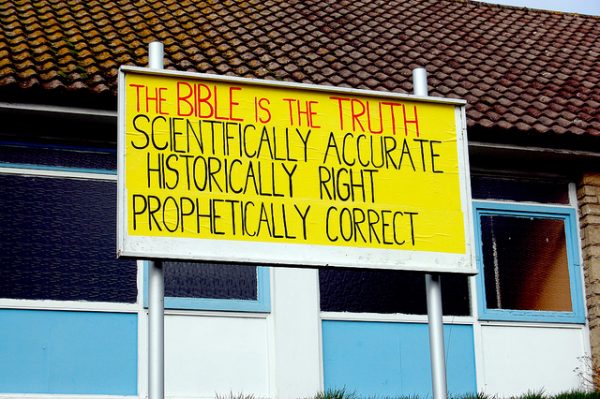
The evangelical movement emerged during the mid-twentieth century and quickly gained popularity among conservative Whites in the 1990s. The core belief of evangelicalism, which has its roots in fundamentalism, lies in its assertion of the Protestant Bible as God’s actual word. Evangelicals see the Bible as the ultimate authority over moral matters and believe it cannot be contested. Their mission seeks to convert non-believers to Christianity so they may see Jesus as their savior and save their souls from eternal damnation.
Evangelicals also make up an essential part of the Republican Party. Several explanations exist for the strong link between evangelicalism and right-wing politics, including religiosity, gender and family ideologies, and moral standards. For example, evangelicals support political causes that reaffirm Biblical beliefs and support ideologies that center patriarchal models of family. Further, moral traditionalists hold universal ideas about what is right and wrong and support political causes and figures that uphold moral principles they perceive to be under threat.
Yet, several scholars warn against overgeneralizing about evangelicals. For example, Andrew Greeley and Michael Hout point out that while a significant amount of African American Christians share some of these evangelical beliefs, they overwhelmingly support democratic policies. Furthermore, outside of the U.S. context, many conservative White Christians reject right-wing social politics.

Photo by Anthony Quintano, Flickr CC

Every February, people in the United States participate in this strange ritual where we entrust a large rodent to predict whether winter will last six more weeks (about average for much of the northern United States) or if spring will come early. Yep, it’s Groundhog Day. And as strange as this practice might seem, superstitions and rituals like it actually play an important role in how people form identities and communities.

While scholars first studied rituals primarily in relation to religion, eventually they realized that rituals, whether religious or not, were important ways of bringing people together through shared practices. Emile Durkheim was the first to point to ritual’s community forming potential. He argued that rituals are the collective representations of the social group itself — rituals arouse passion, feelings of connectedness, and an experience of something larger than the individual. These features of ritual are conducive to identifying with social groups in an emotional and empowering way.
However, rituals are not just any set of shared practices — in order to be meaningful, rituals need to feel natural. Rituals present themselves as unchanging and timeless, and until very recently, most people’s experience of ritual was such that to “create” or “invent” a ritual meant it was inauthentic. However, all rituals are products of human creation that become naturalized and taken-for-granted over time.

So, Groundhog Day is not celebrated because Americans truly believe a groundhog will predict the coming of spring. Rather, it’s one of many ways we ritualize our life to make meaning out of the passage of time and to feel connected to our fellow humans.