politics

This commentary by Dan Charnas on Obama’s speech and the public reaction (found here) might inspire an interesting class discussion on race, politics, and getting along:

[vimeo]http://www.vimeo.com/808451[/vimeo]

White People, Get Over Yourselves from Dantrification on Vimeo.

Thanks to Lawgeek for sending this our way!

.

While we’re on the topic of the current presidential campaign…

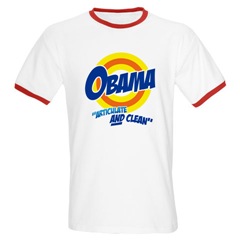
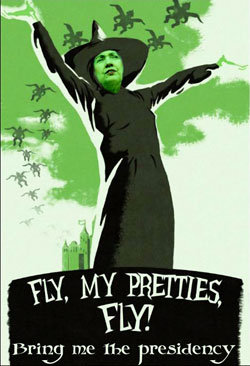
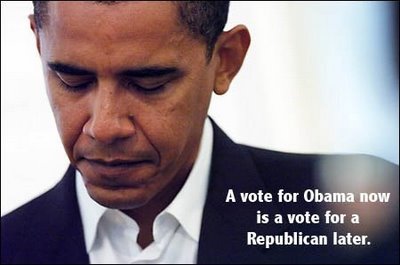
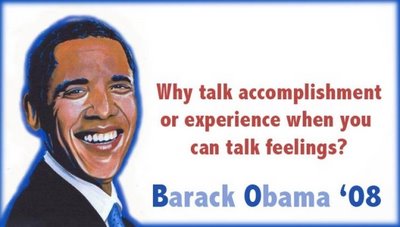
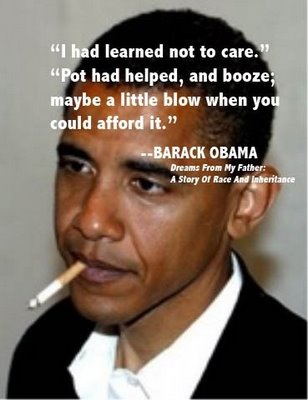
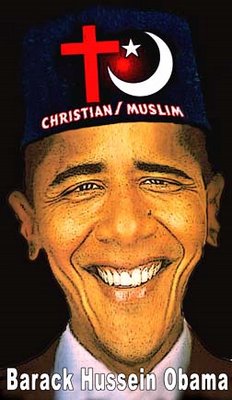
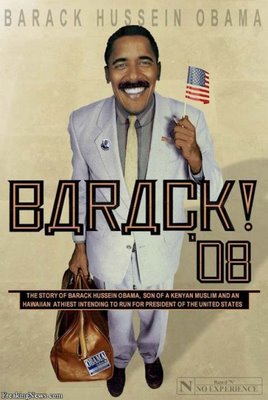
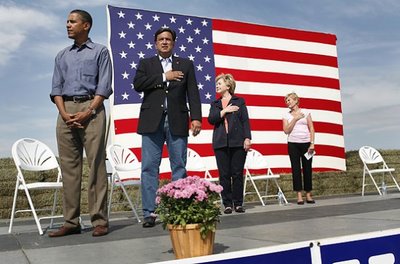
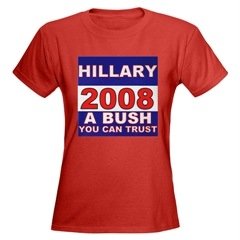
I’ve noticed something interesting about the images and phrases used to criticize Clinton and Obama. Why does the majority of anti-Clinton rhetoric use sexist images and language? And how prevelant is the (expected?) matching racism in the anti-Obama rhetoric and images? Why, instead, does Obama’s national allegiance and patriotism come into question? I think this would make for a great class discussion on intersectionality, an what prejudices are perceived to be “socially acceptable.”

Some possible questions for discussion:

  • Is it more socially acceptable to be overtly sexist than overtly racist? Why?
  • Why might it seem to be more okay to question someone’s patriotism/nationalism than to be overtly racist? What is the difference?
  • What is really racist that doesn’t immediately appear racist?

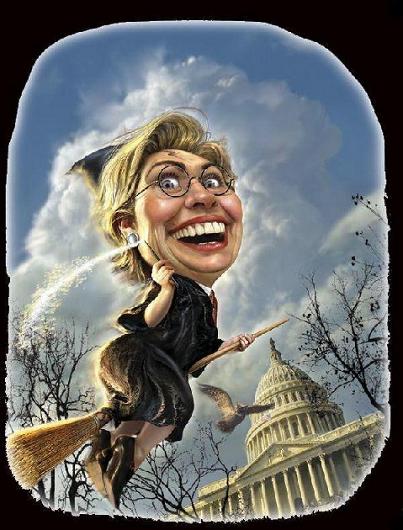
And the images– again these come from Facebook groups with tens of thousands of members. See also previous images of Hillary Clinton here and here.

“I found my voice”:

“Stop mad cow”:

“Fly, my pretties, fly!  Bring me the presidency”:

And now for Obama…

And here are some attacking Barack Obama’s nationality and patriotism:

And the infamous image (more info from snopes.com):


Thanks Ali V!

More on Hilary Clinton here, here, here, and here.

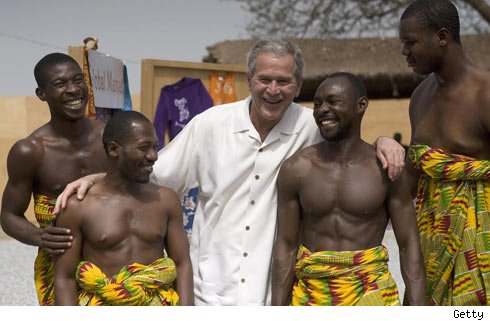
A picture of Bush laughing with attractive, shirtless, colorfully dressed men in Ghana:


Does anyone know anything about whether the Bush administration has been good for Ghana?

Found at TMZ under the headline “African Men Like Bush.”

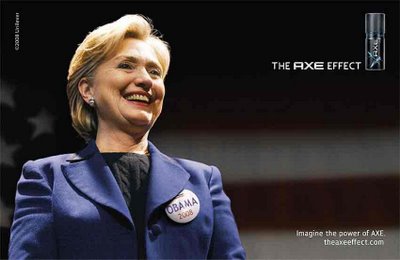
This bit appears on the Maxim magazine website. It uses rape, and women’s apparent attraction to men who look like rapists, in order to be humorous. I think it’s particularly interesting that it includes a jab at a Republican (or is it just “the establishment”?). If they are obviously leftist/anti-establishment, are we to believe that they must be good guys, therefore this use of rape for comedic value is okay? Or is this just another manifestation of the equal opportunity insult comedy found in products like South Park and Knocked Up? There is a lot going on here and I’m pretty sure I have yet to fully grasp it. Any thoughts?[youtube]http://www.youtube.com/watch?v=EVcyNANK5cY[/youtube]

Axe body spray is so powerful, a woman will give up all her dreams and become putty in your hands if you wear it.

Axe and Dove are owned by the same company, so keep that in mind when you encounter the “pro-woman” Dove ad campaigns.

This graphic from the New York Times illustrates the different environmental costs of meat and vegetable production (click on image to enlarge):


As if the world needed another battleground, peaceful Kenya slipped into a civil war as post-election demonstrations turned to riots, and riots to rampages. Kenya’s December 27th elections could have ended as a model for party transition, but instead it became the worst possible scenario.

EU observers agreed the vote processes were flawed and results were denounced as rigged by the main opposition party. Protesters were shot by police leading to rioting and repeated demonstrations. Hundreds of thousands of Kenyans fled their homes and hundreds lie dead as the conflict became an ethnically charged civil war.

Two years ago I had the good fortune of spending four days in Kenya. To my amazement Nairobi’ downtown felt like a Midwestern city: orderly, friendly, uncongested, clean, and mostly absent of beggars. But Nairobi has over three million people, a half million of which live in Africa’s largest slum.

Poverty in many rural villages was evident, but the Kenyan people, especially the women, work very hard. In the first photo is a typical rural scene where the women do back breaking work in the fields.

During our brief stay the papers headlined several major political events: President Kibaki, who is still the uncompromising president, fired his entire cabinet. The next day he suspended all of parliament. On the third day, major public demonstrations took place in the streets by the opposition party calling for new presidential elections.

I watched these demonstrations on the streets of Nairobi and felt the tension and anger. The demonstrations, however, ended without incident. But apparently it has not been uncommon for people to die in Nairobi demonstrations.

I took the 2nd photograph of the demonstrations in the central city. Notice that it could pass for football game day in a small US city.

What can sociology add to help us understand Kenya’s tragic, unfolding story? Here are three perspectives that may help:

Social Class Perspective: The images we are given by the American network media are suggestive of warring savages. In fact, the riots and ethnic strife are phenomena of the poverty class, not the wealthy and middle classes, although the leaders of both warring factions are wealthy politicians. Sharp inequality and festering poverty lay beneath the surface of this formerly peaceful country.

Historical Conflict Perspective: The British spent decades trying to keep the Luo and Kikuyu divided to preserve colonial order. (Now these are the two major warring ethnic groups.) During the decolonization process the British drew electoral boundaries to cut the representation of groups they thought might cause trouble. This only fanned the flames of tension among these groups. In the past few years tribal factions fighting over cattle rights in the Rift Valley have left over 100,000 refugees. These conditions helped ignite recent spontaneous rioting, looting and killing.

Race/Ethnicity Perspective: Both sides of the conflict are accusing the other of genocide, and both may be right. It will take months if not years to assess the horrendous damage. Ethnic hatreds run deep and prolonged, but the first cause of this war was political. It was the common practice of rigging elections followed by a refusal of the President to negotiate a coalition government.

What other sociological perspectives help to explain what is happening in Kenya and what might happen in the future?